
Translated material
Sex and drugs in exchange for interviews
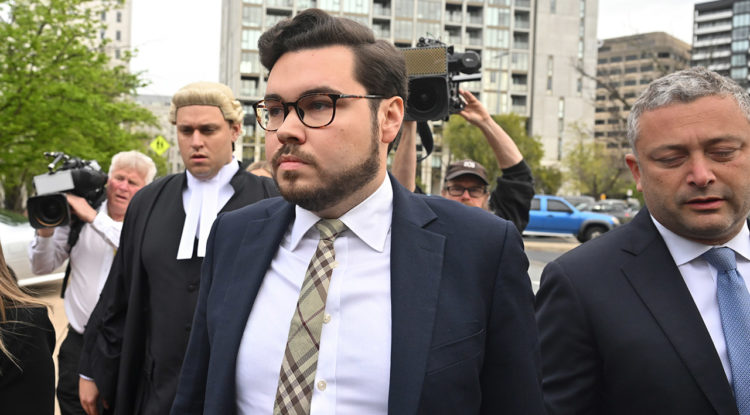
The ex-employee of the Ministry of Defense of Australia was accused of rape. He avoided punishment and could even earn on the scandal
Employees of one of the largest Australian television channels of Seven Network are suspected that they paid for an interview to the local official Bruce Lerman, accused of rape. According to the former employee of the TV channel, in exchange for an exclusive interview, he was paid for annual housing rent, Thai massage and several exquisite dinners, as well as compensated for cocaine and sex workers. We tell you that this is known.
In order not to miss the main materials of the "cold", subscribe to our Instagram and telegram .
Australian #Metoo
In February 2021, the official Brittani Higgins accused her colleague - a former employee of the Australian Ministry of Defense, Bruce Lerman, in rape. According to her, this happened right in the building of the parliament in Canberra after the party in 2019. As notes The Guardian, Higgin's history formed the basis of the #Metoo movement in Australia.
Six months later, the police charged Lerman with the alleged rape. He himself did not plead guilty and refused to testify. In 2022, the court process was interrupted : the jury was suspected of relying not only on evidence presented in court, but also on external sources - research on accusations of sexualized violence. The prosecutor's office refused to conduct a repeated trial, fearing Higgins for mental health. As a result, the charges were removed from Lerman.
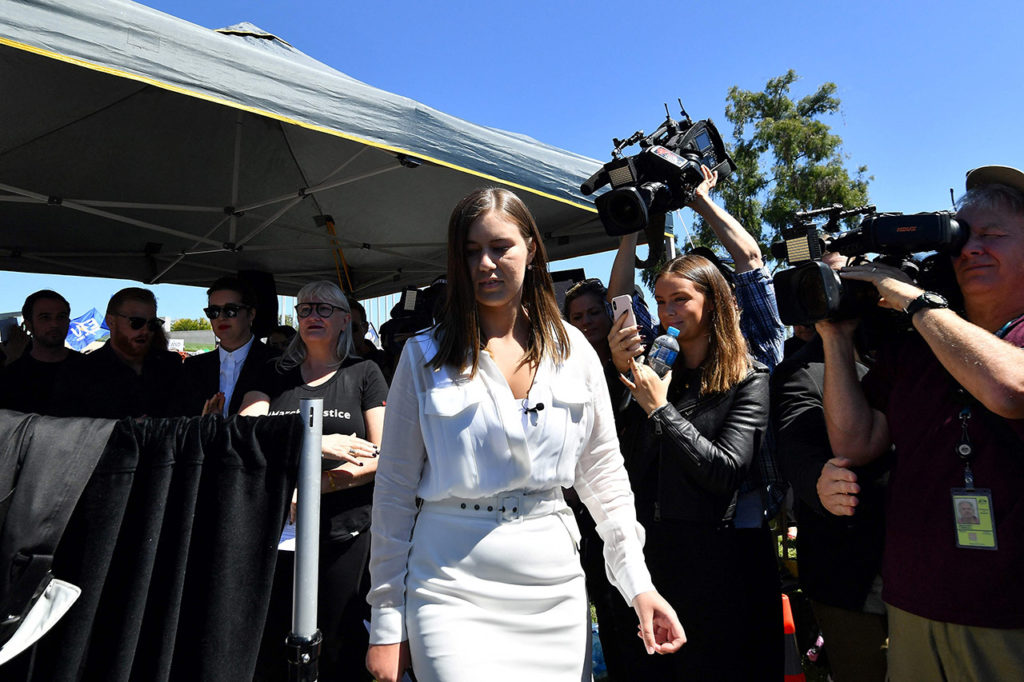
Initially, Brittani Higgins made charges against Lerman during an interview with Network 10 - she talked about the journalist Lisa Wilkinson. Higgins did not name the name of Lerman, but later he said that he could be clearly identified on indirect signs.
After the charges were removed from him, Lerman filed a lawsuit against Network 10, accusing the channel of slander. He stated that he had no sex with Higgins and that charges on her part "destroyed his reputation." Network 10 journalists said they would defend the veracity of the published interview in court.
Cocaine, sex, golf and Thai massage
In June 2023, a competing television channel - Seven Network - published an interview with Lerman. It immediately attracted public attention: unexpectedly for everyone, the former Seven Network producer Taylor Auerbach opposed Lerman's case against Network 10 and said that Seven Network paid the official for interviews with cocaine and services of sex workers.
At the trial, Auerbach said that he was appointed Lerman’s “nanny”: he had to position his official and convince him to give the channel an exclusive interview. According to him, among other things, he paid a Seven Network card for Thai massage for Lerman, which cost 10 thousand Australian dollars (6.6 thousand US dollars).
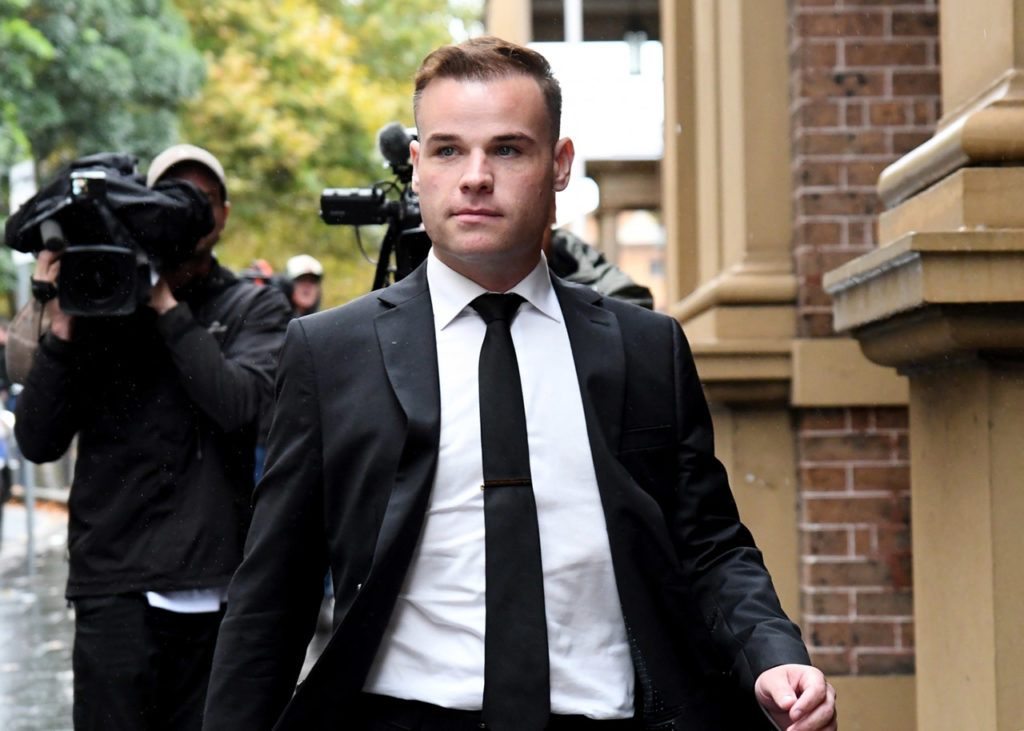
Auerbach also said that the channel willingly paid Lerman several expensive dinners, his trip to Tasmania for playing golf, as well as cocaine and visits of sex workers. More than 60 thousand US dollars, the Seven Network channel also spent on the annual rent for Lerman.
Gloomy, but exciting sight
According to Auerbach, when Lerman agreed to the interview, he brought journalists a huge folder with documents containing, among other things, personal offense with Brittani Higgins (previously the court forbade him to disclose this data). Lerman, on the oath, said that he did not give reporters confidential documents.
As evidence of the exchange of documents, Auerbach showed the court an image of the laptop screen on which the text of the Higgins message is visible. In the reflection of the screen, a bald man in black glasses is visible. According to Auerbach, this is the executive producer of Spotlight Mark Llevellin, and metadata photos show that it was taken in Lerman's house.
Auerbach says that after communicating with Lerman he submitted a dismissal application from the channel, but instead received an increase. Representatives of the channel deny this: they say that they did not offer Auerbach a higher position, nor raising salaries, and call him a “dissatisfied former employee”. The company also denies the fact that Lerman has compensated the expenses that Auerbach spoke of.
Judge Michael Lee closed the trial. This week, he must make a decision on the slander case against 10 Network. The Guardian calls this trial "gloomy, but exciting spectacle."