
Translated material
“Ripley” is the most gloomy film adaptation of the novel by Patricia Haismit about a talented fraudster. Closer to “Crime and Punishment” than to the film with Matt Damon
This is the best Netflix series in a few years
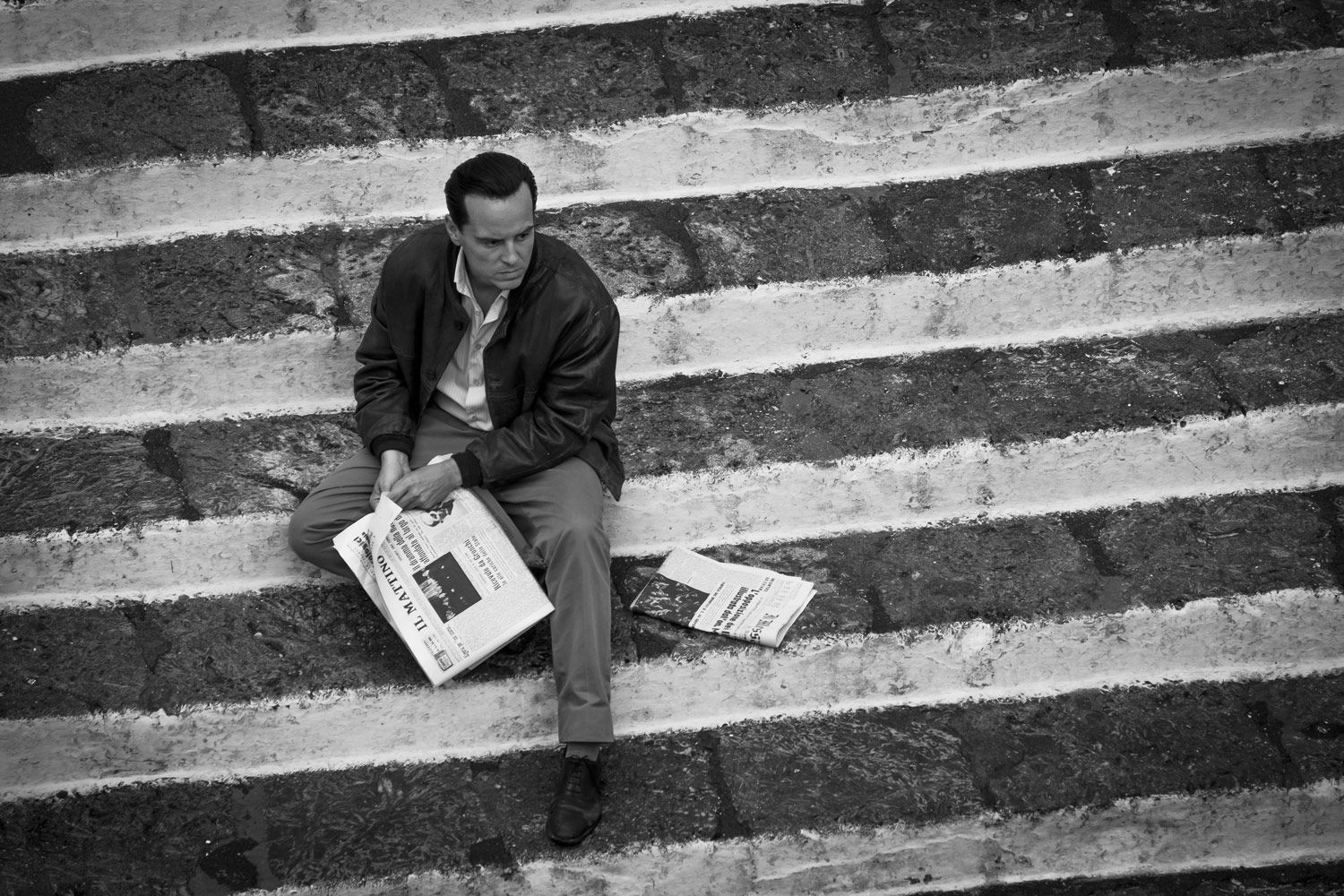
The Netflix series was released - the eight -part thriller, shot from the novel by Patricia Haismit about the talented manipulator and sociopath, which steals the life of his victim - in every sense. Riplo plays Andrew Scott (“rubbish”, “Sherlock”) - he is twenty years older than his hero, and this fundamentally changes the whole story. The black and white series of Stephen Zelliana dramatically differs from the 1999 film with Matt Damon-we have the most gloomy and hopeless interpretation of the novel. At the request of Medusa, Kinocritic Elena Smolina tells about her.
The biography of the writer Patricia Haismit was called “Beautiful Shadow” (author - Andrew Wilson, 2003). The name does not deceive: in the book, Haismit almost merges with his most famous hero, ready to become someone else's shadow and, as in Andersen's fairy tale, destroy its master. The sources of the biographer echo each other: Haismit categorically did not like people, and especially women - in which she most often fell in love. Despite numerous novels, she could not keep any relationship: she pushed everyone, injured, drove away and fundamentally did not understand how to communicate with people.
At the same time, Haismit was a brilliant, attentive observer. She could not rely on God, nor on the line, or the moral law, and its basic writing motivation was the desire to at least not constantly look into the face of the terrible black void of human existence (during such breaks, Haismit wrote 22 novels and several collections of stories).
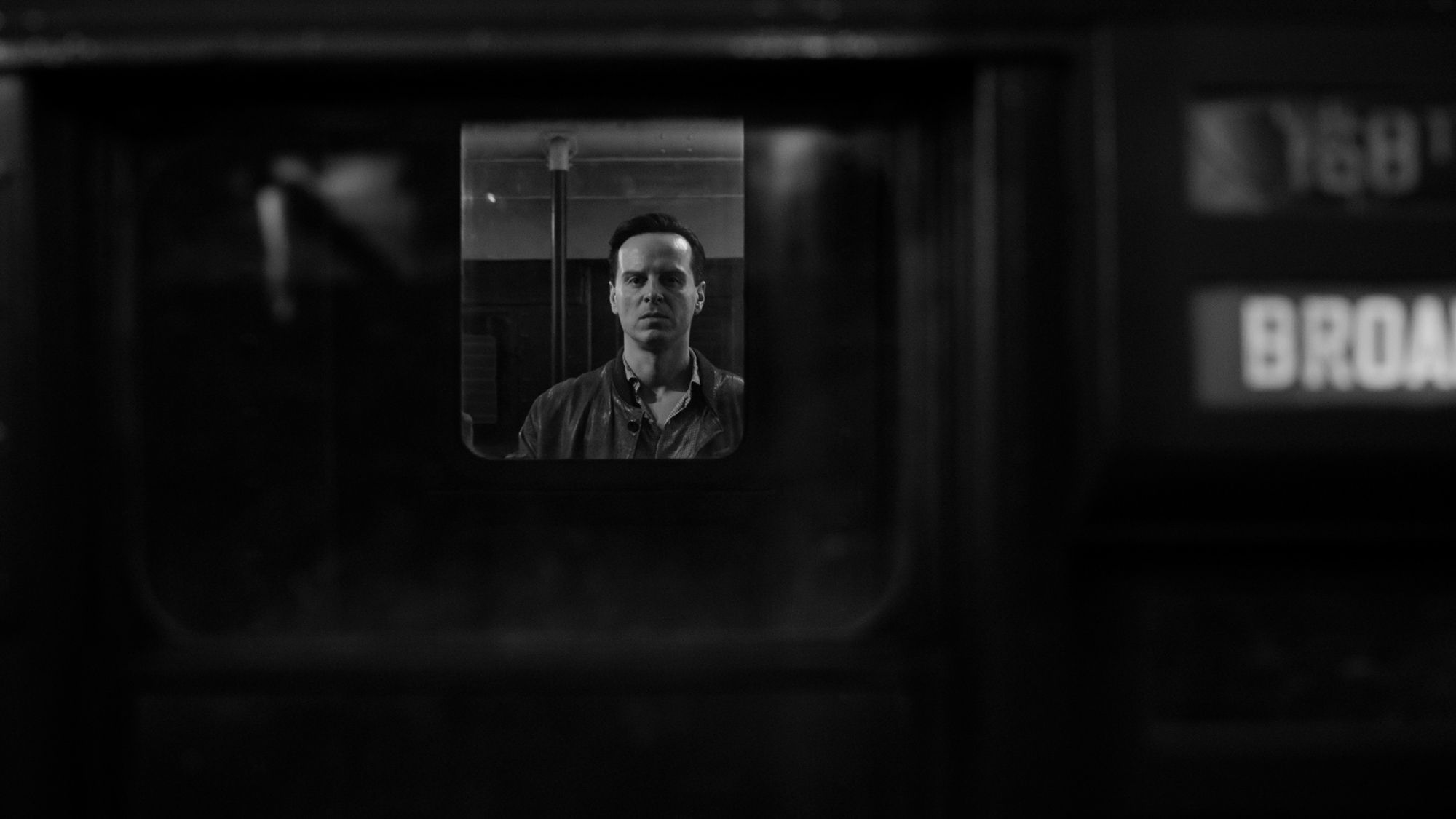
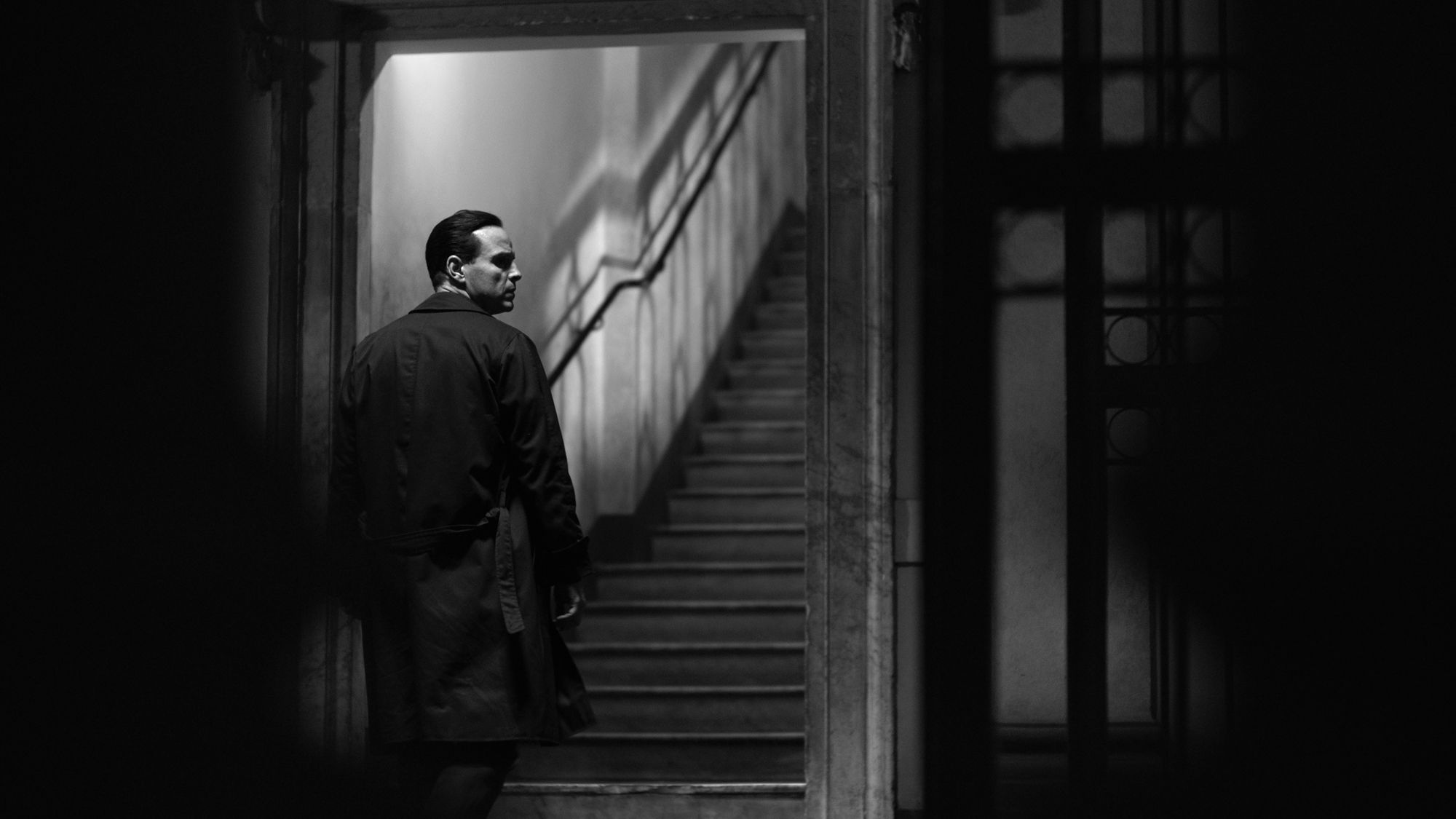
The closest Haismit, the writer was Franz Kafka, pessimism and a sense of double, three -towering, multiplied reality of which she multiplied the pure genre: thriller (five novels about Tom Ripley), love novel (“The price of salt”, “Carol”), Noir (“strangers in the train”, filmed by Alfred Hitchcock).
Books of Ripley, a swindler with a split personality, filmed many times, but Stephen Zellian-the director and screenwriter who wrote for Scorsese (“Irishman”, “New York gangs”), Spielberg (“Schindler's List”), Pollak’s seat (“Translator”) and shot in the very good series “One Night of the Night” for other things. HBO-the first who did not lay a straw and at least compensate for the audience of the quality of his unpleasant hero. In his series there is no multicolor of the Italian Riviera and costumes, for twenty -five years that have not left magazine mudboards, as in the film by Anthony Mingella “Talented Mr. Ripley” (1999). There is no fabulous beauty of the hero himself, like Rene Cleman’s, in the picture of which Alain Delon (“On the Bright Sun”, 1960) played in the picture.
Ripley, whose role in Zellian played Andrew Scott, is a repulsive, inanimate, suffering from an unusual hunger: to get enough, it will devour your money, your world, your name, your life, your memory. And no, at the same time it will not be somewhat pretty. The Amalfitan coast will also not become an outlet: he was removed by the great operator Robert Elswit (“Nights in the style of Bugi”, “Magnolia”, “Oil”) in a strict, dramatically contrasting, almost expressionist ch/b.
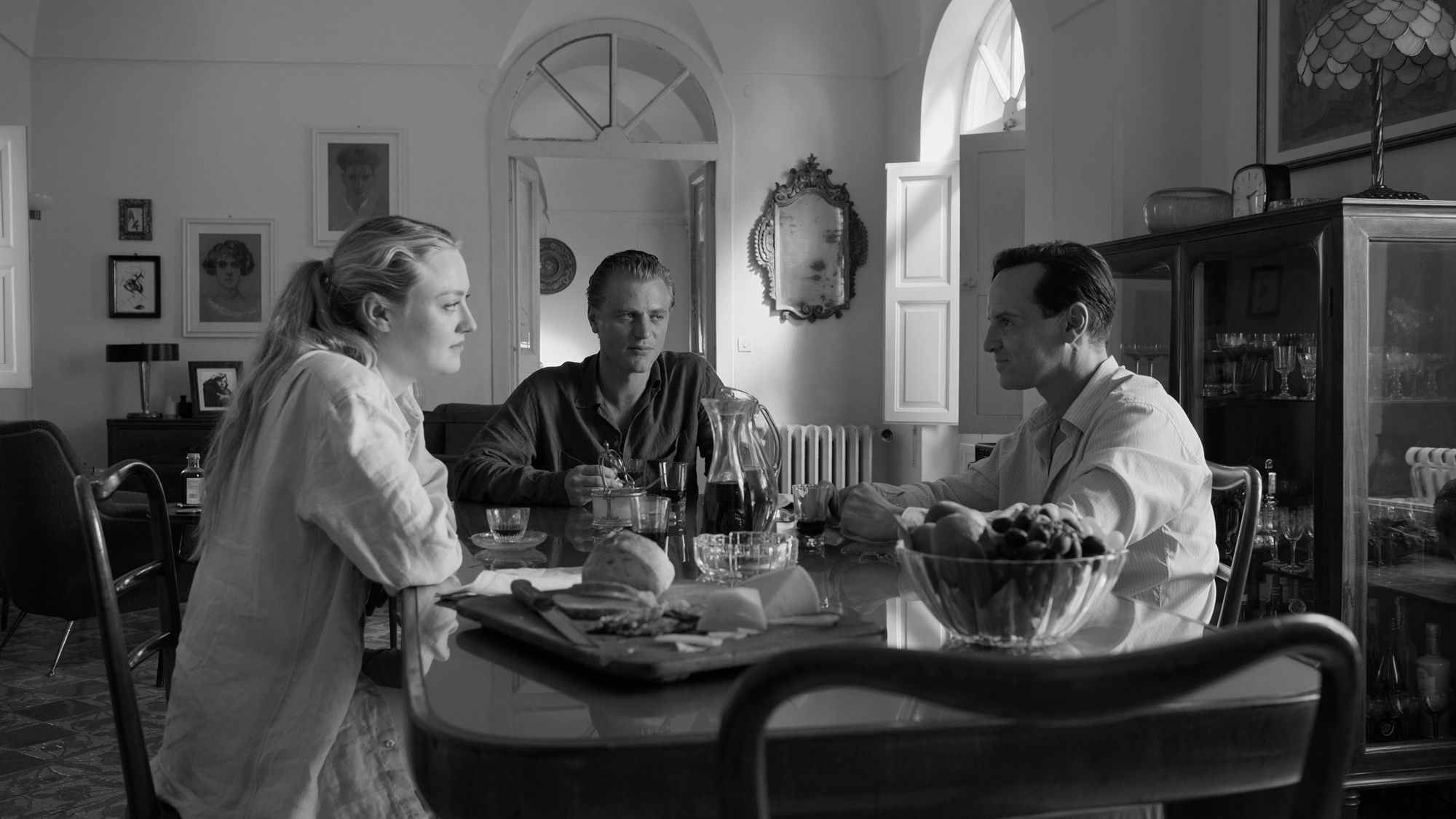
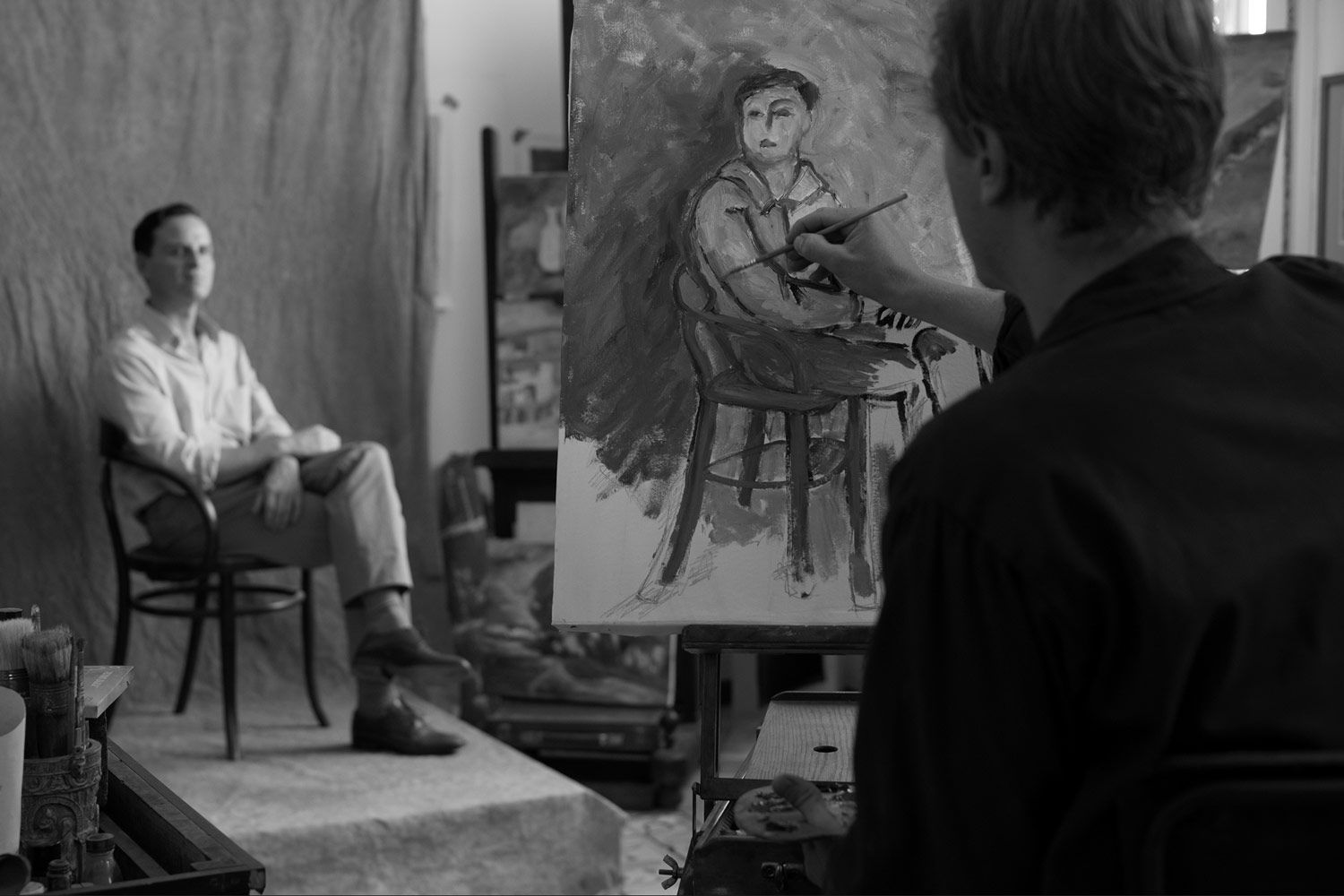
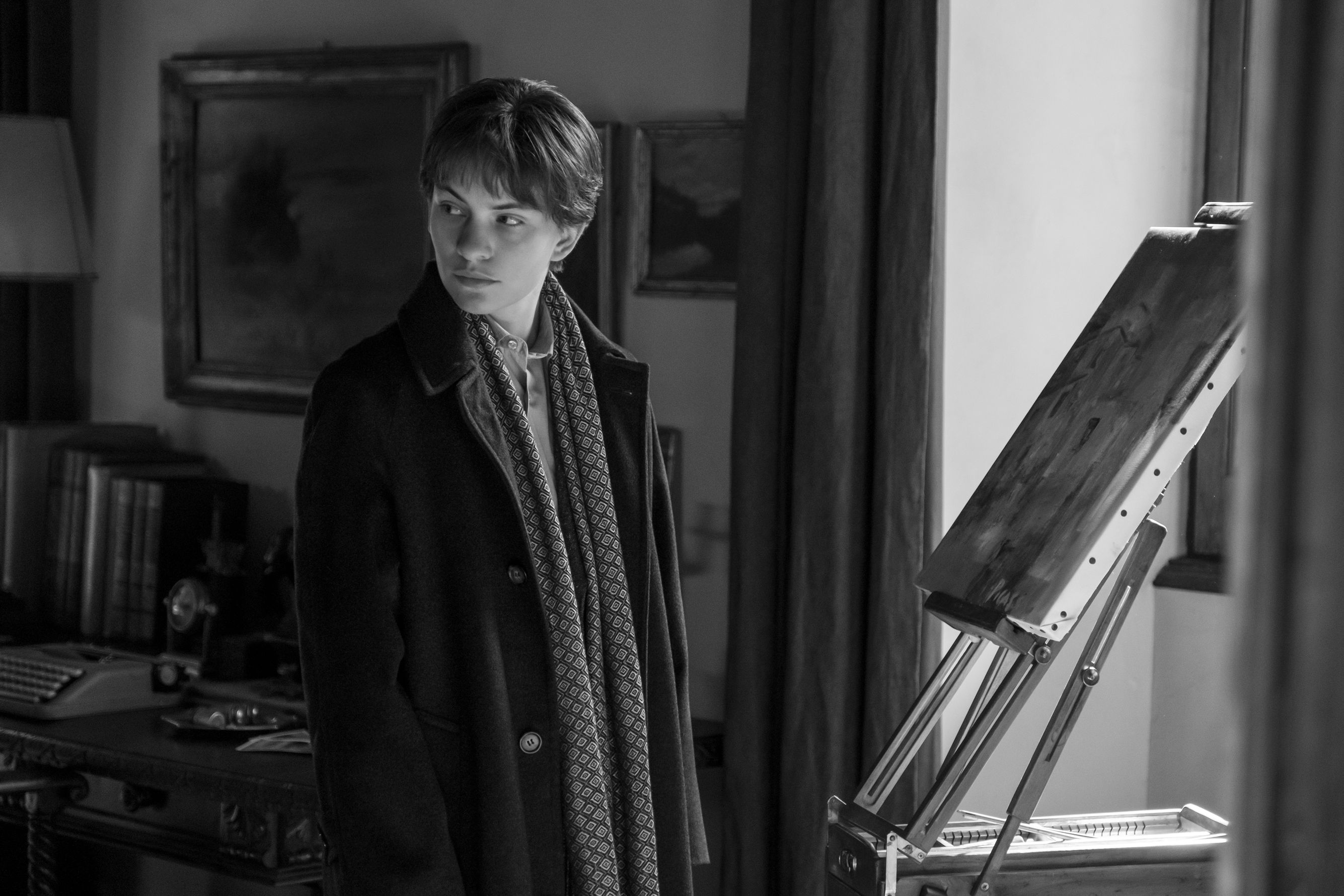
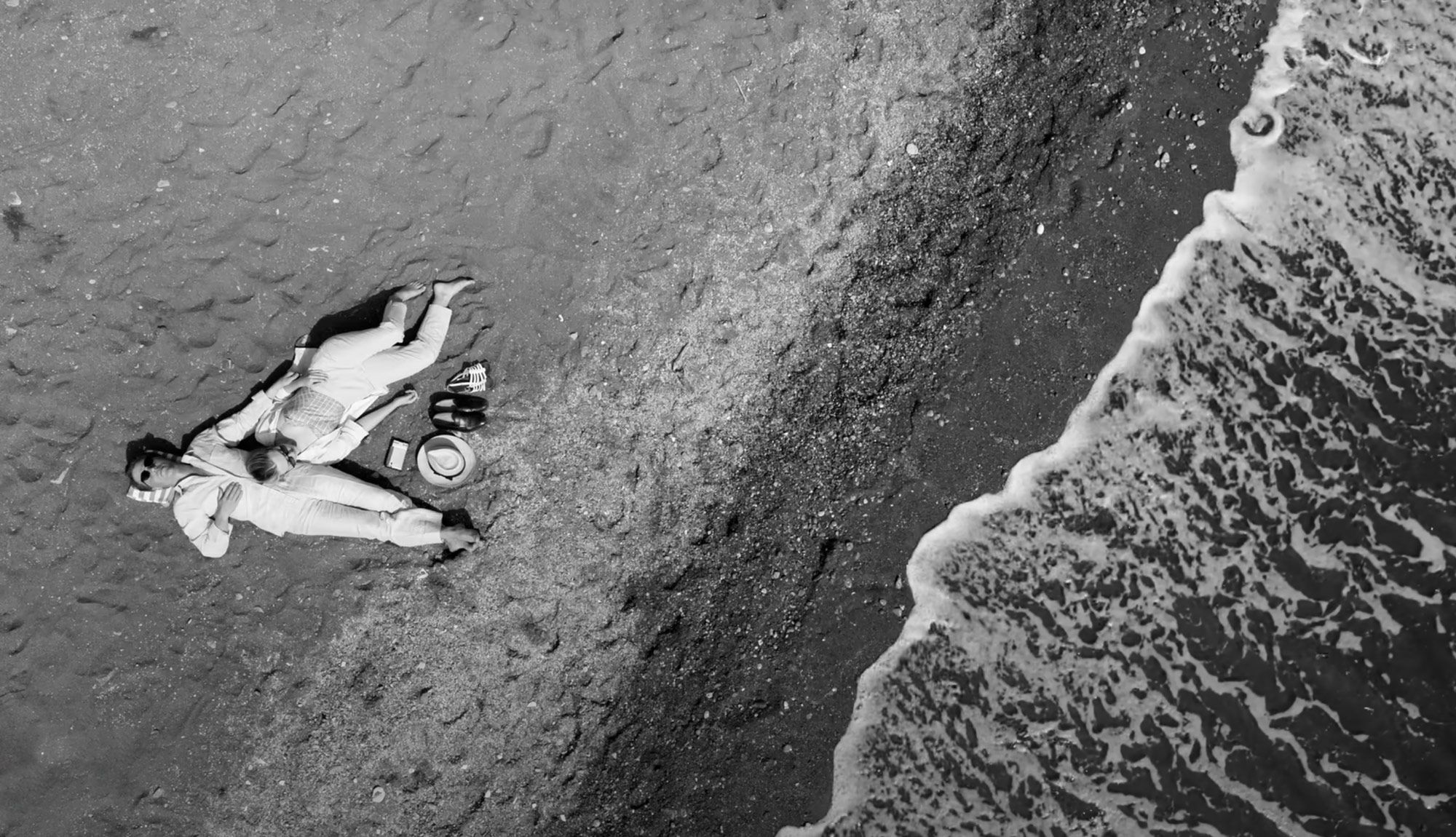
Eight episodes allow Zellian to not lower almost nothing in the Haysmit’s novel, as well as add something (at the same time, it cannot be said in paradoxically that Anthony Mingella lost something in his 1999 film, that script was still amazingly effective).
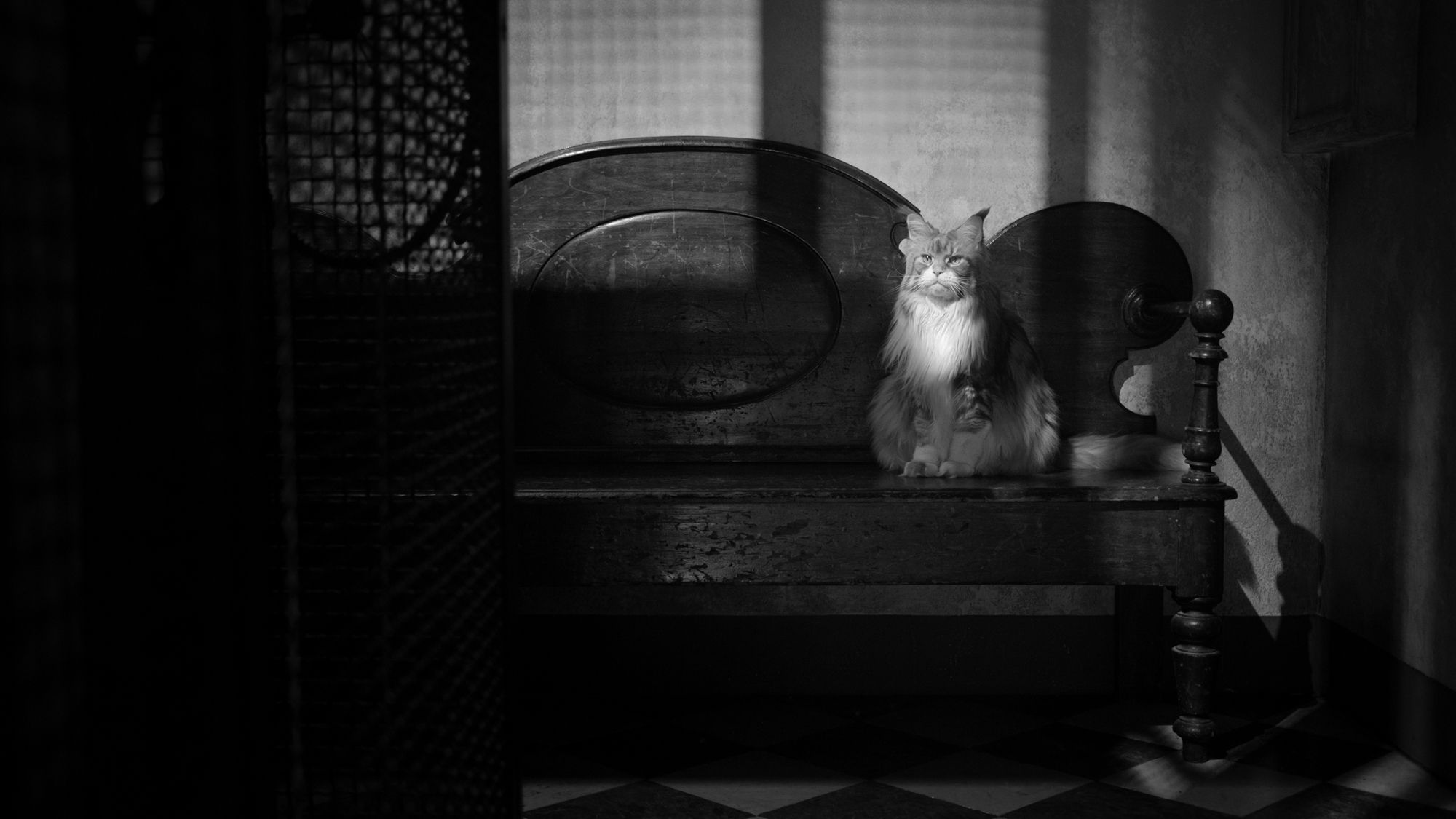
After a small bastard , a huge Mainanus carefully watches how Ripley drags someone’s body along the Roman ladder-we find ourselves in the New York of the 1960s, reminiscent of Dostoevsky Petersburg in his vileness: there is a crappy man, Tom Ripley, storing his crawled affairs. Basically, he works on trifles, but does it efficiently: he fakes signatures, letters from collectors, unpaid medical accounts, extracts money by phone in the style of “Sberbank Security Service”. Therefore, when the wealthy industrialist Herbert Greenlif takes Ripley for his close friend of his nonsense son Dicky, the fraudster plays along.
In order to return the Dicky staggering in Italy to New York and the Bosom of the Family Shipbuilding Business, Greenlif Sr. is ready to pay for this a trip to the south of Italy-if only the boy would throw his stupid painting from his head, to which the Amalfitan sun has so disposed. Tom, of course, will go. He will get into the relationship of Dicky with his friend Marge and so love a luxurious life that he wants to take the place of Greenlif Jr. in her.
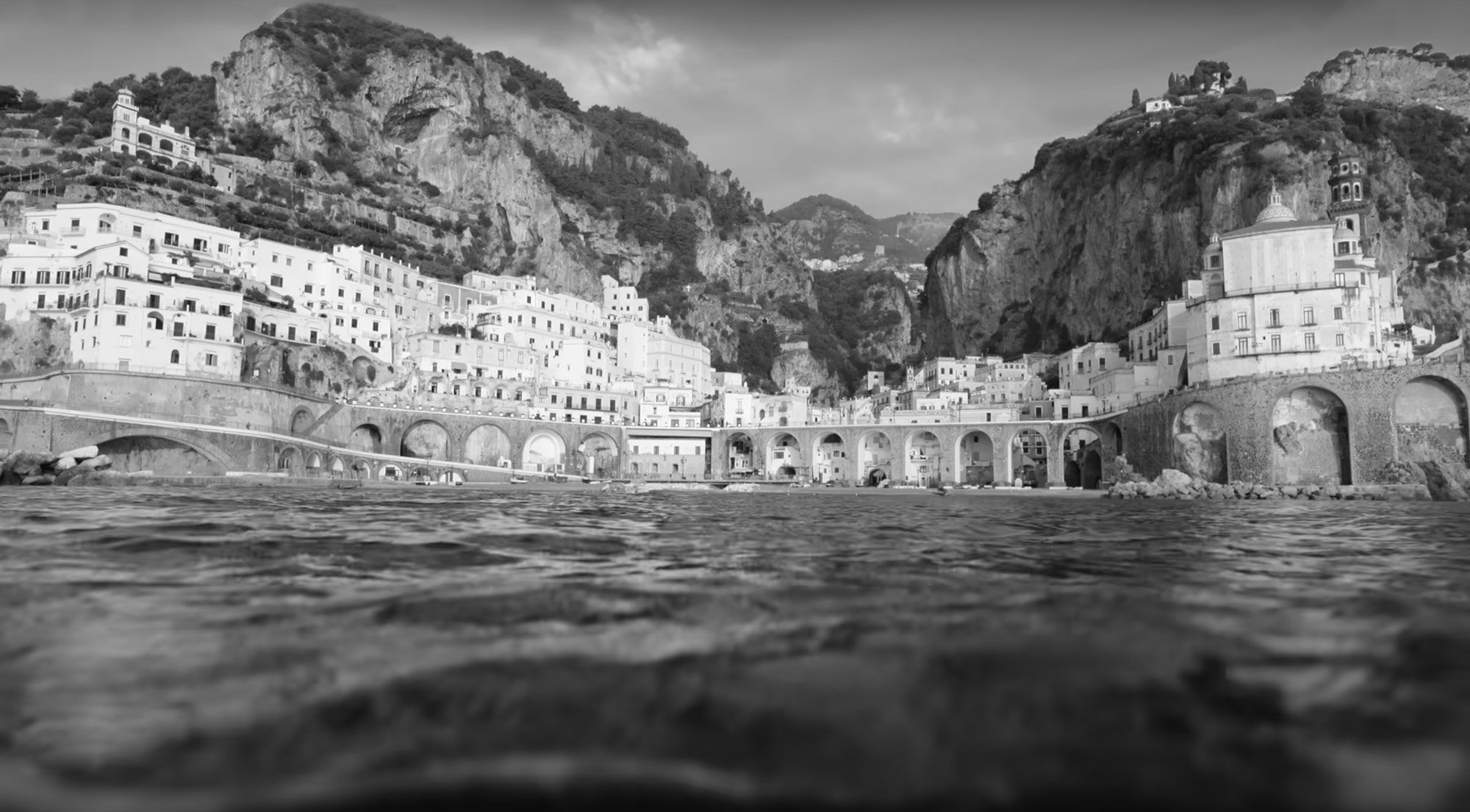
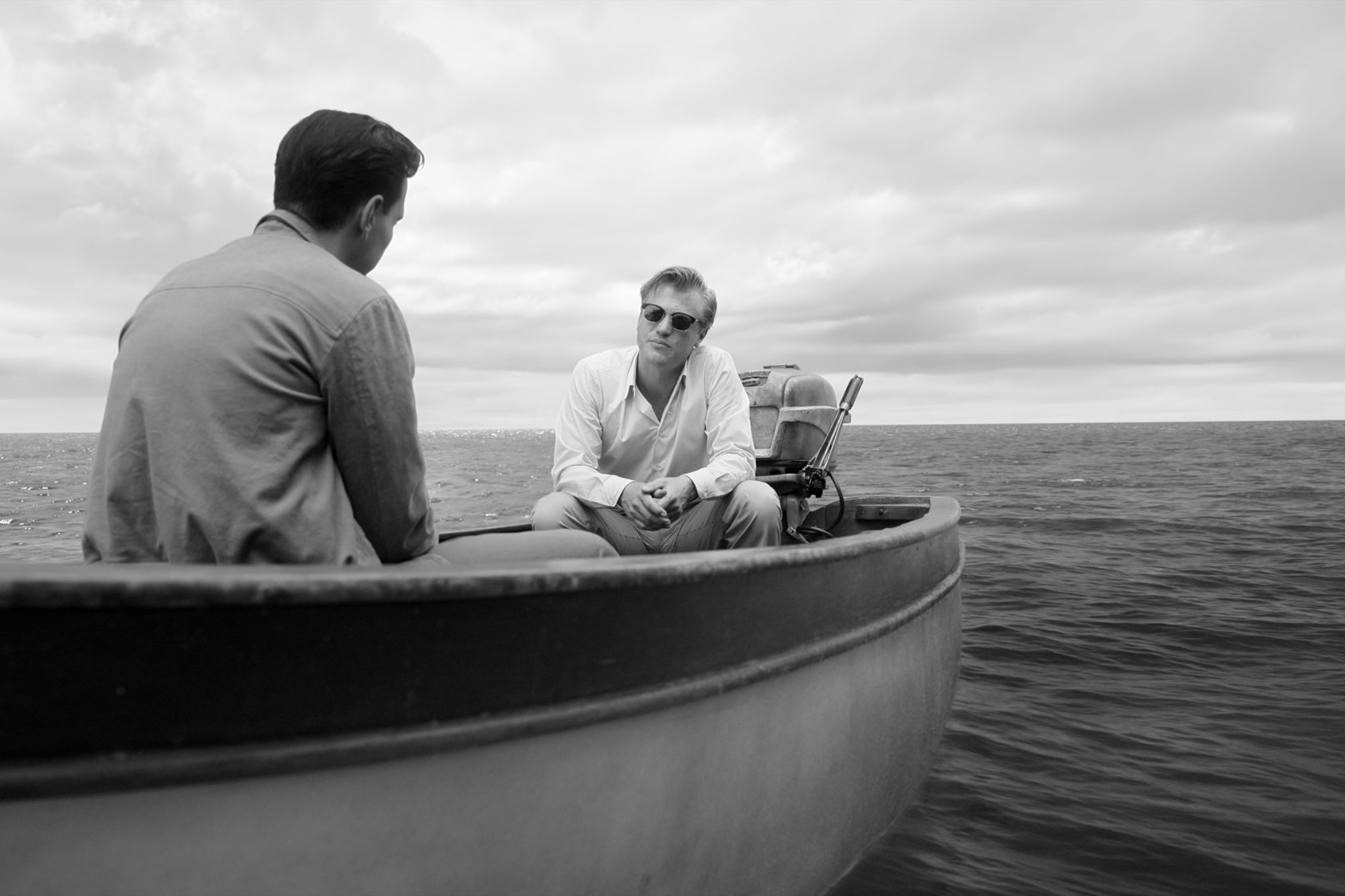
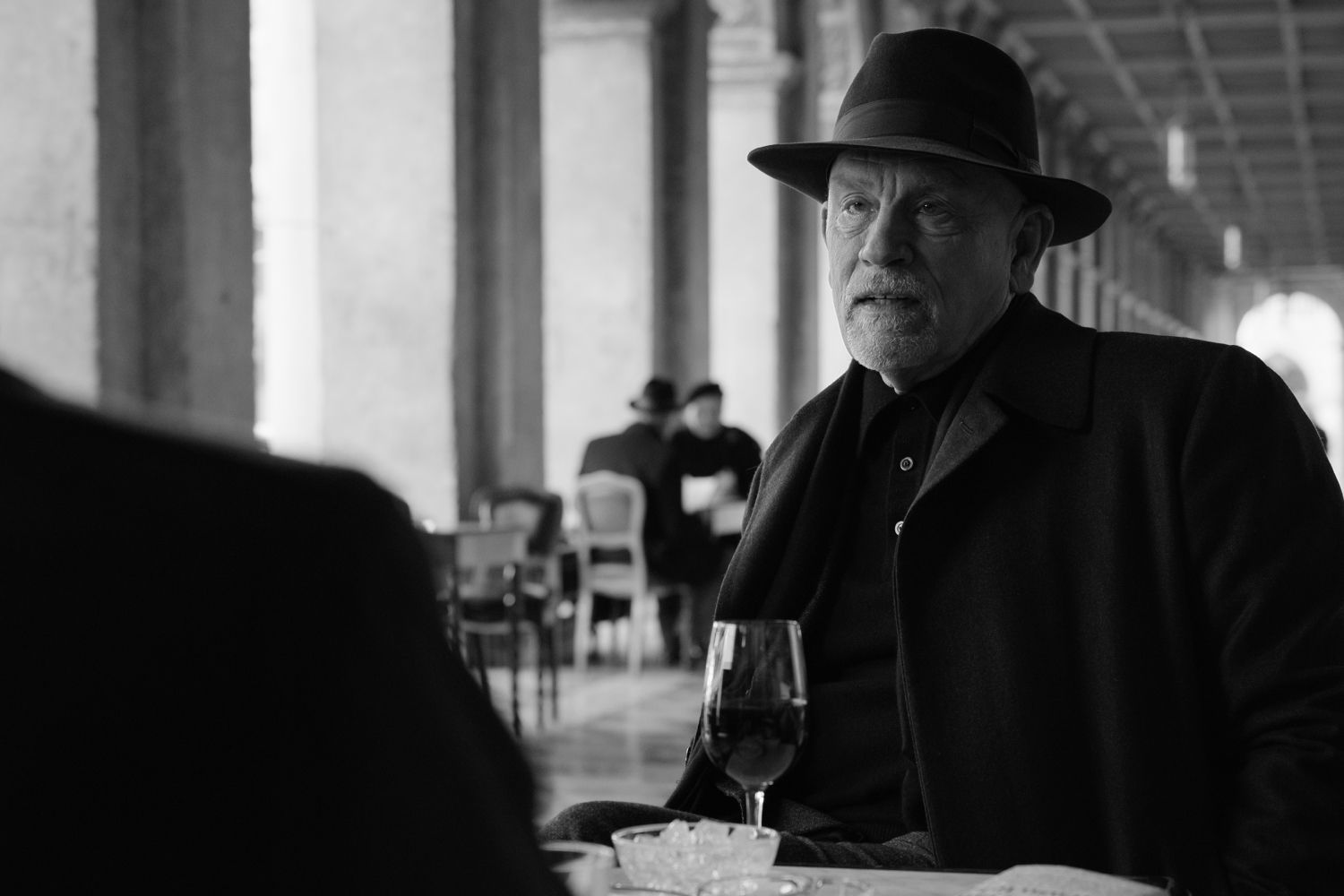
In Ripley’s novel, twenty -five years old, and although Andrew Scott is remarkably youthful, the fact that he is 47, fundamentally changes both tone and the meaning of history. Other heroes also became older. There is no longer a dubious resort friendship of Dicky - the privileged graduate of Princeton - and Tom - a young stuck ashamed of his poverty. We have a much more terrible alignment: forty -year -old loose Dicky (Johnny Flynn) with his indecent painting, Marge (Dakota Fenning), nor shaftko nor a rocker working on the guide to the coastal atrani, and almost the fifty -year -old Riplo - interested in intimacy not with Dicky, but only with his travo fund.
It is impossible to imagine the films of Cleman and Mingella without sex (Delon, Jude Lowe-constantly someone's tanned shoulders), while the series of Zellian cannot even be thought of in a sexual context. Only a crime without punishment, calculated, and not a half -right, committed in a state of affect, like Mingella's. The murder, Ripley’s running from justice: from San Remo to Atrani, from Atrani to Rome, from Rome to Palermo, again to Rome, from Rome to Venice-no affect, before us, icy procedural drama, asexual so that it begins to delight.
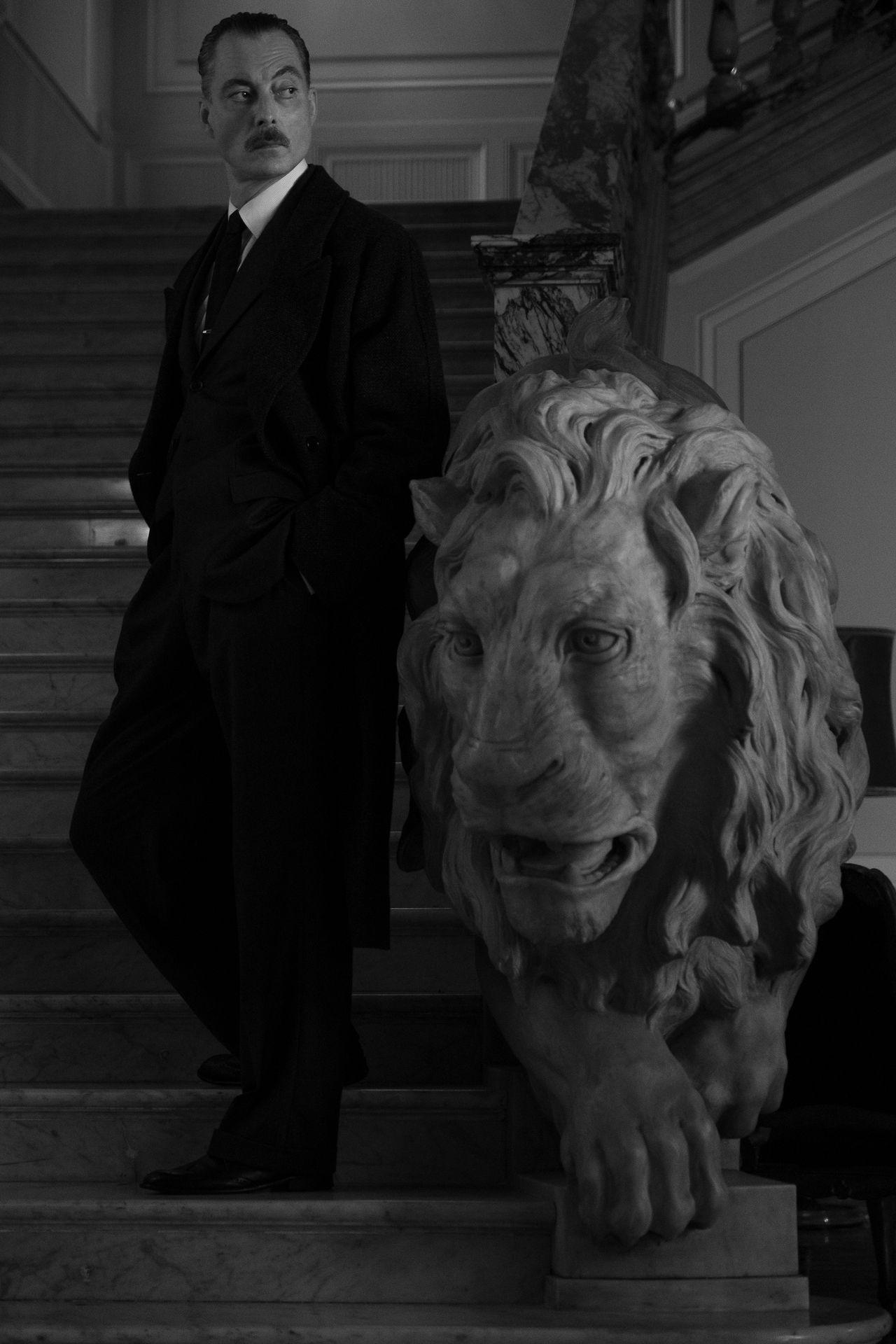
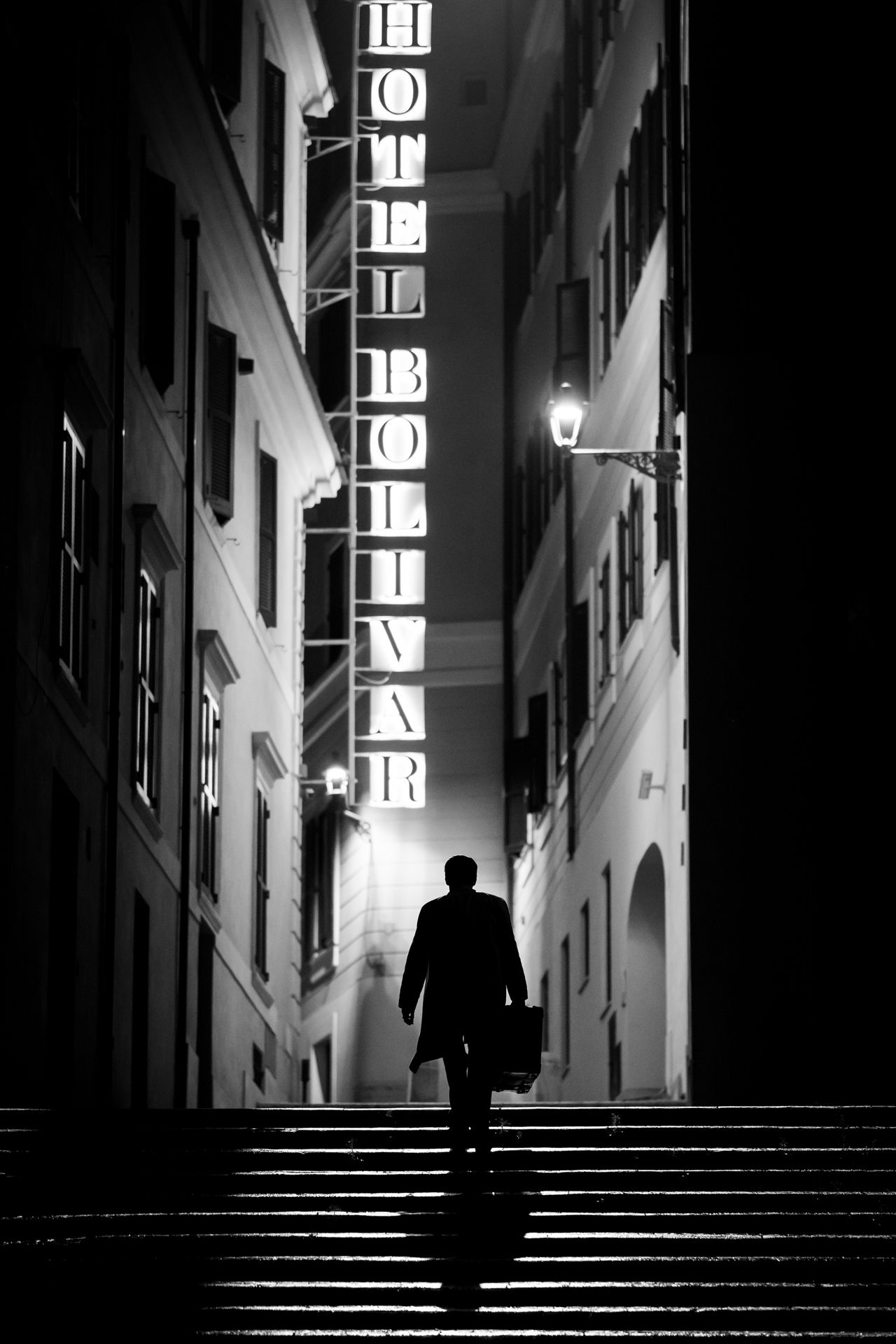
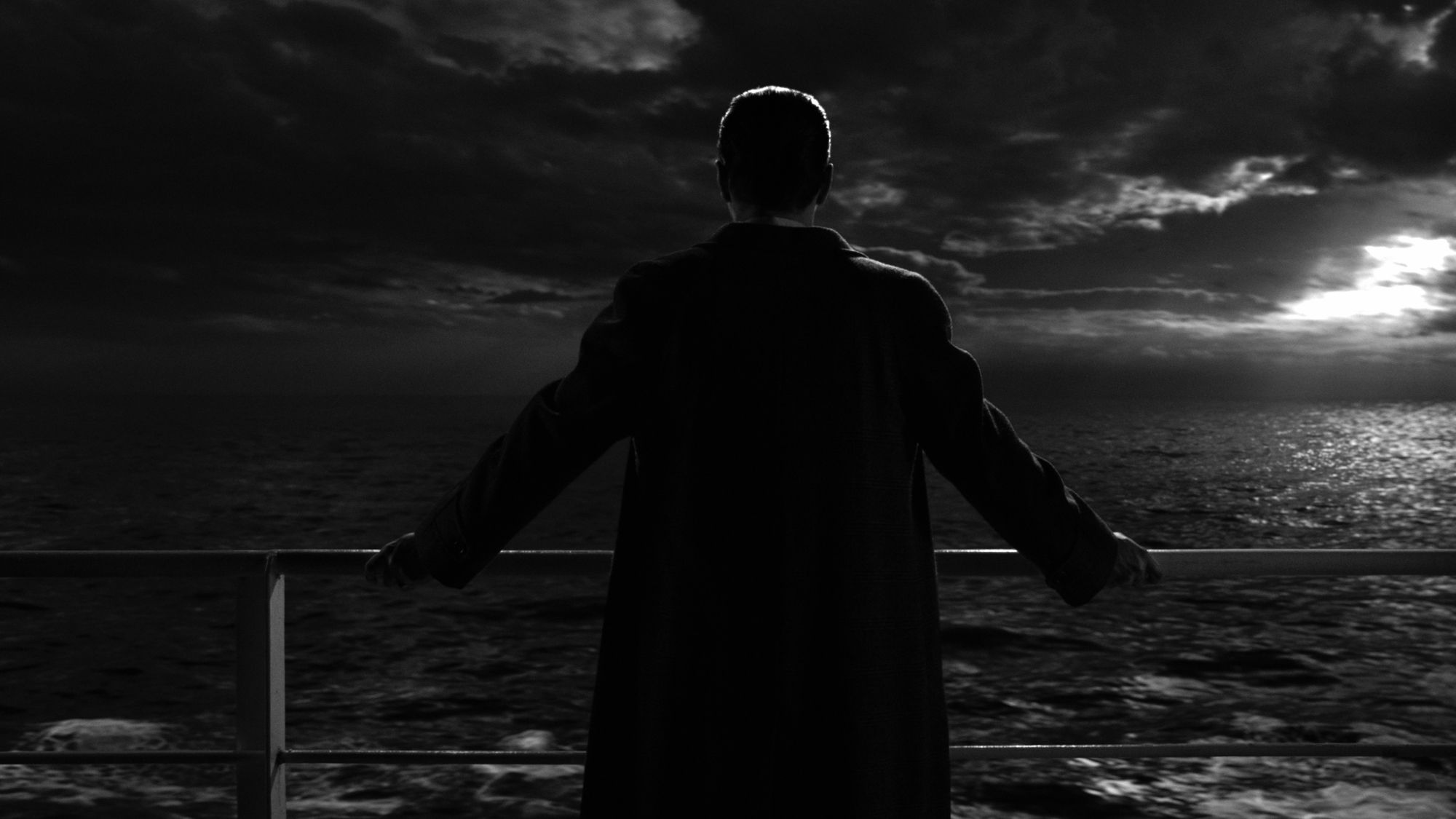
The vulnerable and in some ways fearless approach of Zellian is to free the Haysmit Roman from all warm, sensual, human. The obsession with which Ripley sucks to Dicky is the obsession of a boy who is about to burst the frog. Nothing personal. With the same enthusiasm, he is looking for in Naples, Rome and Palermo work of Caravaggio to consider the artist’s famous chiaroscuro.
It is not clear whether this was planned by Zellian, but such an interpretation brings his Riplo not even to the hero of the novel by Patricia Haismit (of course, also very personal, despite the supposedly clean genre), but to herself. In the diary that Haismit led all my life, there is such a record: “I can easily withstand cold, loneliness, hunger and toothache, but I can’t take out noise, heat when they interrupt other people.” Words under which someone’s escaped shadow would easily sign up-someone else's signature.
Elena Smolina