
Translated material
One of the richest entrepreneurs Vietnam was sentenced to death for fraud
The court decided that she stole $ 12 billion was 3% of the country's annual GDP
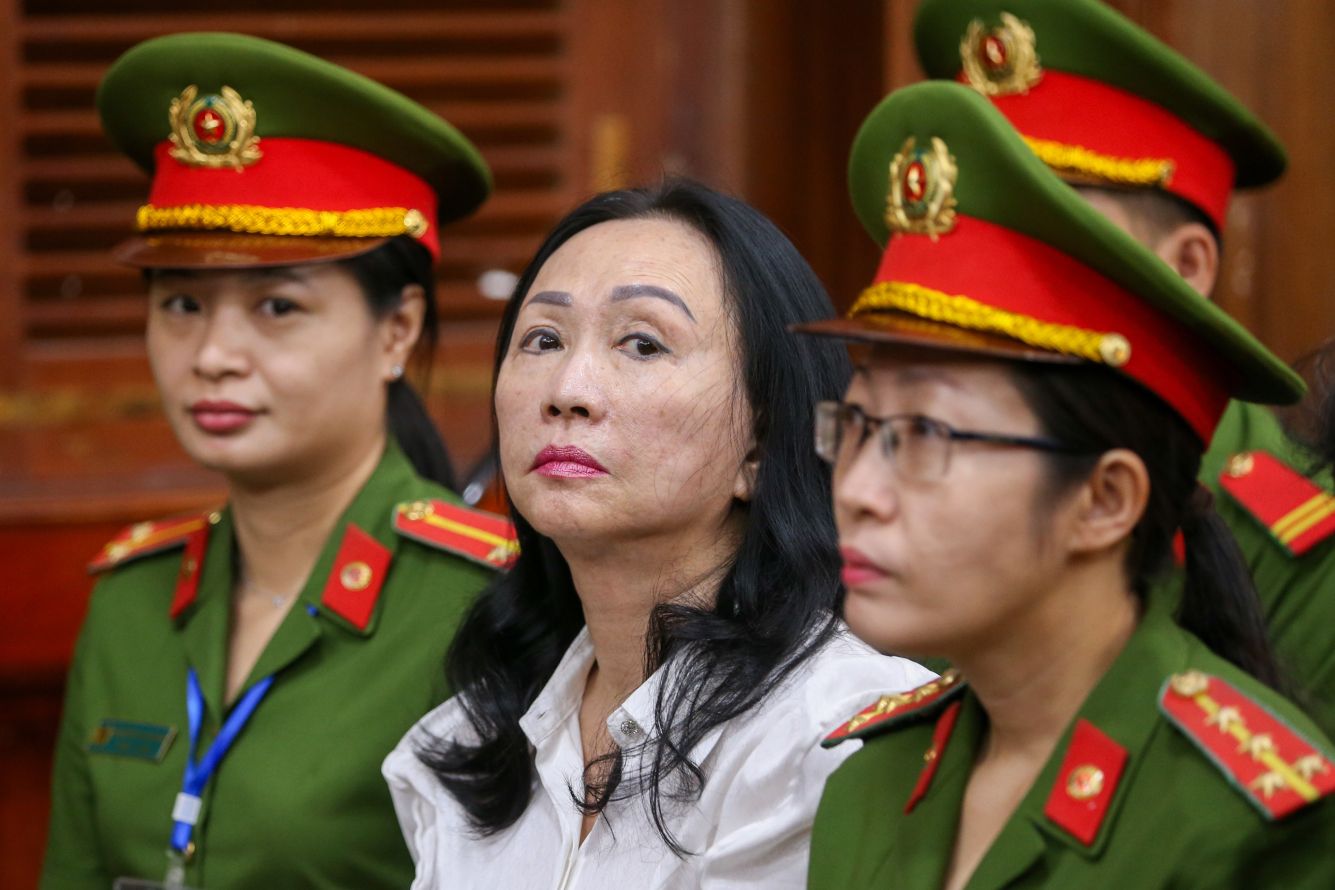
The court in Vietnam sentenced the entrepreneur Chyong Mi Lan to the death penalty. According to the prosecution, with the help of fraudulent schemes, she appropriated more than $ 12 billion-an amount approximately equal to 3% of the annual GDP of the country with a 100 million population.
67-year-old Chyong Mi Lan is one of the most famous entrepreneurs of Vietnam. She began her career as a cosmetics seller in the central market of Hoshimin. When in the late 1980s, the authorities of the communist Vietnam launched market reforms, she took up operations with land and real estate-as the BBC notes , in those years many richest people of Vietnam made their fortune. In 2012, Chyong Mi Lan gained control of the Saigon commercial bank. It was created by the merger of three banks that threatened bankruptcy, and soon became the largest private credit organization in Vietnam in terms of assets.
The legislation of Vietnam does not allow one person to own more than 5% of the shares of any bank, however, Chyong Mi Lan, using hundreds of fake companies and proxies, actually controlled more than 90% of Saigon’s commercial bank. She placed her people in key positions, after which they approved multimillion -dollar loans to firms that she owned - according to the investigation, these loans made up 93% of all loans issued by the bank.
A significant part of this money Chyong Mi Lan cashed. So, in the period from 2019 to the arrest in 2022, the personal driver of the entrepreneur, upon her direction, withdrew the accounts and transferred money to her basement in the amount of about four billion dollars.
Chyong Mi Lan in the mass order paid bribes to ensure that her business was not subjected to audit. The money was received by the most senior officials. One of the defendants in the case was the chief inspector of the Central Bank of Vietnam, to whom she paid five million dollars.
The process of Chyong Mi Lan has become one of the largest in the history of Vietnam. To testify, 2700 people were called, 10 prosecutors and about 200 lawyers participated in the case. The case materials fit in 104 boxes with a total weight of six tons. The authorities made the process open and indicative - it was most widely covered in the media controlled by the state, and representatives of the prosecution regularly gave reporters detailed comments.
In total, more than 80 accused were held in the case, among whom officials, well -known businessmen and financiers in the country. Among the defendants were the husband Chyong Mi Lan, Hong Kong Investor Eric Chu, and her niece. They received nine and 17 years in prison, respectively.
Chyong Mi Lan did not plead guilty, but expressed remorse, saying in the last word that she was poorly versed in the banking business and she did not have enough “understanding of legal issues”. Her lawyers said they would appeal.
The prosecutor's office at about $ 22 billion was estimated at the total damage from the actions of Chyong, Mi Lan - it was obliged to pay this amount as a fine. As the BBC-SC notes , there are assumptions that the death sentence is a way to put pressure on the convicted person so that it helps to find stolen money in exchange for a potential softening of the sentence for appeal. Reuters also emphasizes that although Vietnam is often used by the death penalty, it is appointed for violent, not for economic crimes.
Since 2016, Vietnam has been conducting an anti -corruption campaign, called the “glowing stoves”. Its initiator was the Secretary General of the Communist Party Nguyen Fu Jong. The campaign was started as part of the plan, in which by 2045, Vietnam should become a developed country with an innovative economy.
During the campaign, hundreds of officials received prison deadlines or disciplinary sanctions, and two presidents of the countries and two deputy prime minister were forced to resign. The case of Chyong Mi Lan is the largest in the framework of this campaign. At the same time, according to the Hong Kong publication South China Morning Post, its results can undermine the trust of international investors, since the process clearly showed: in Vietnam, you can conduct illegal activities in the key sectors of the economy for years without attracting the attention of the authorities.