
Translated material
The highest measure of distrust
13 years ago, a terrorist attack occurred in the Minsk metro, which claimed 15 lives, and then two more - sentenced to execution. Society does not believe in the guilt of the latter
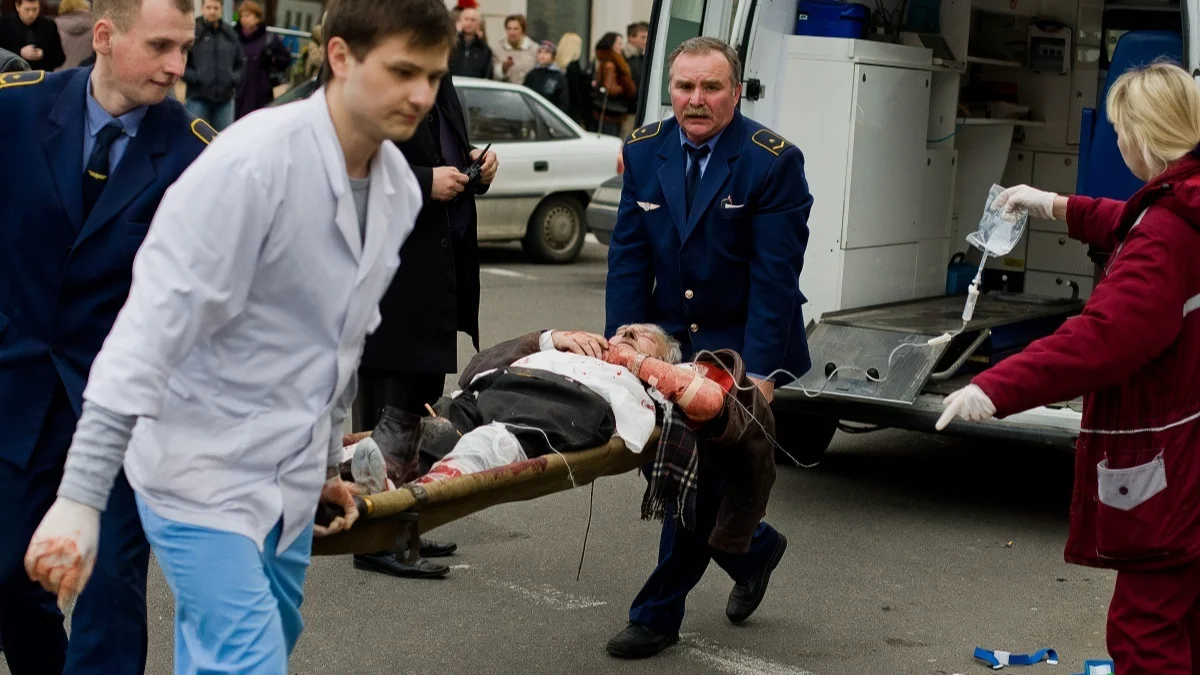
The situation at the metro station after the terrorist attack in Minsk, April 11, 2011. Photo: Anton Motko / Wizardist / Wikimedia (CC by-SA 3.0 Deed)
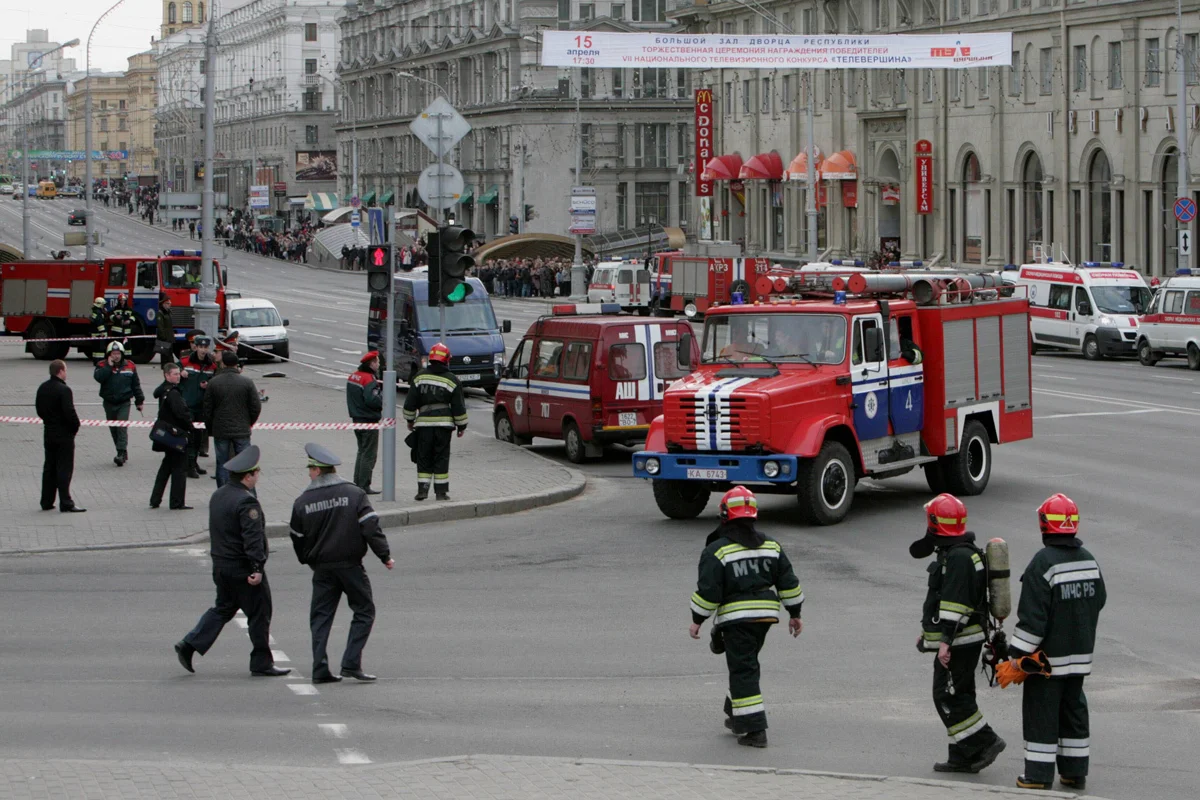
I learned about the terrorist attack in the Minsk metro from the Kagabashniks. Then, in April 2011, I sat under house arrest with two KGB officers who guarded the peaceful dream of Belarusian citizens from me. On April 11, at about six in the evening, they began to call phones. Previously lazily sitting in the midday and idle, the officers suddenly got nervous, ran in, began to call someone, ask something. Then they said: “An explosion in the subway. On October. Can I turn on the TV? "
Five kilos of TNT
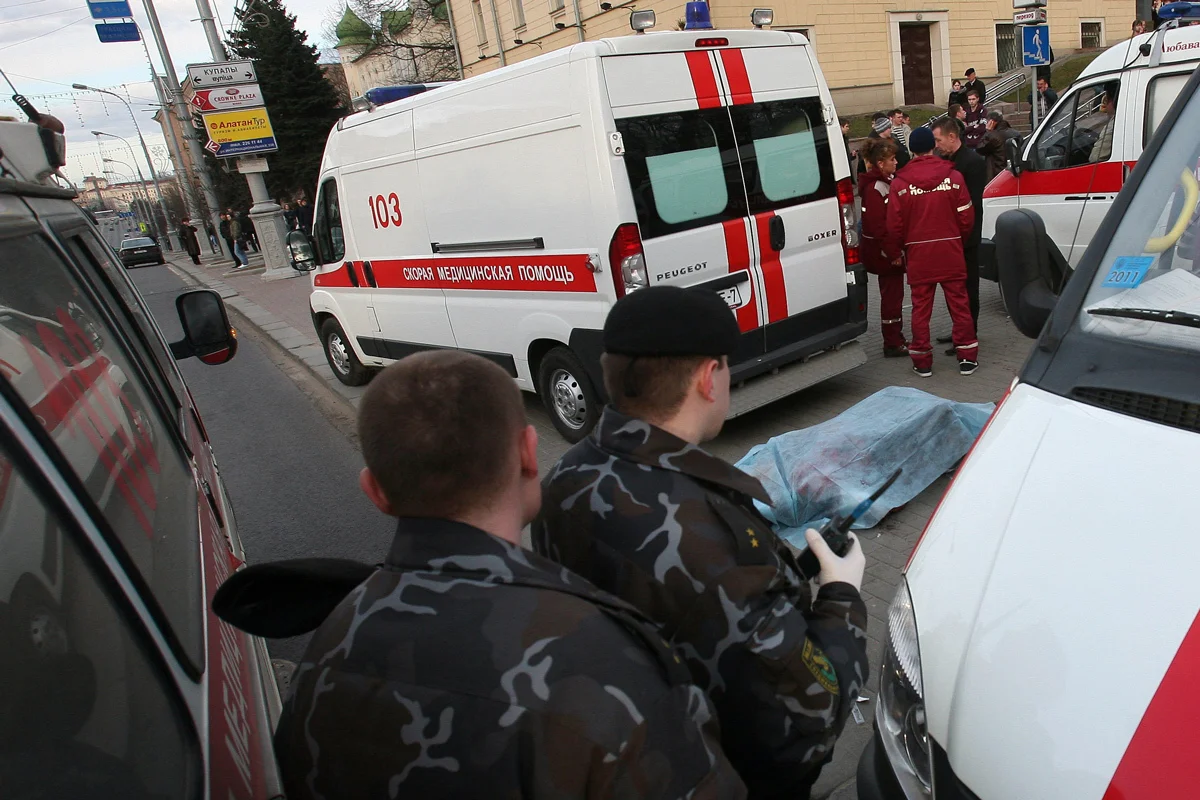
There was little use from the TV, they received more information right there on the phone: an explosive device worked at the station, at least ten dead, hundreds of wounded. The TV nevertheless did not turn off. And at nine in the evening, shots appeared in the Panorama program: Alexander Lukashenko with a six -year -old son Kolya calmly paces at the very spiritualized station, examines damage, puts flowers at the column.
Then the exact time of the explosion became known: 17:55. The terrorist, reported state media, entered the metro station with a bag, left it under the bench and, already climbing the escalator, with the help of the remote control, led the explosive device. After that terrorist attack, by the way, all benches were removed from the Minsk metro for several years.
At night, the Center for Information and Public Relations of the KGB of Belarus released a press release in which it was written:
“At 2:30 am April 12, the number of dead reached 12 people (six of which are currently identified), 149 applied to healthcare institutions for medical care (22 of them in serious condition, 30 with injuries of moderate severity). According to expert estimates, the power of the explosive device is equivalent to 5 kg of TNT. An explosive device containing chopped reinforcement, 80x8 mm nails and metal balls with a diameter of about 15 mm were installed in a bench located on the platform. On this fact, the General Prosecutor's Office of the Republic of Belarus opened a criminal case under part 3 of article 289 (“terrorism”) of the Criminal Code of the Republic of Belarus. ”
Later, three more died from injuries in hospitals, and the number of victims increased to 400. Oktyabrskaya station is the most lively in Minsk, this is the only transitional station between two lines, and at the peak one at all there. April 13 in Belarus was declared the day of mourning.
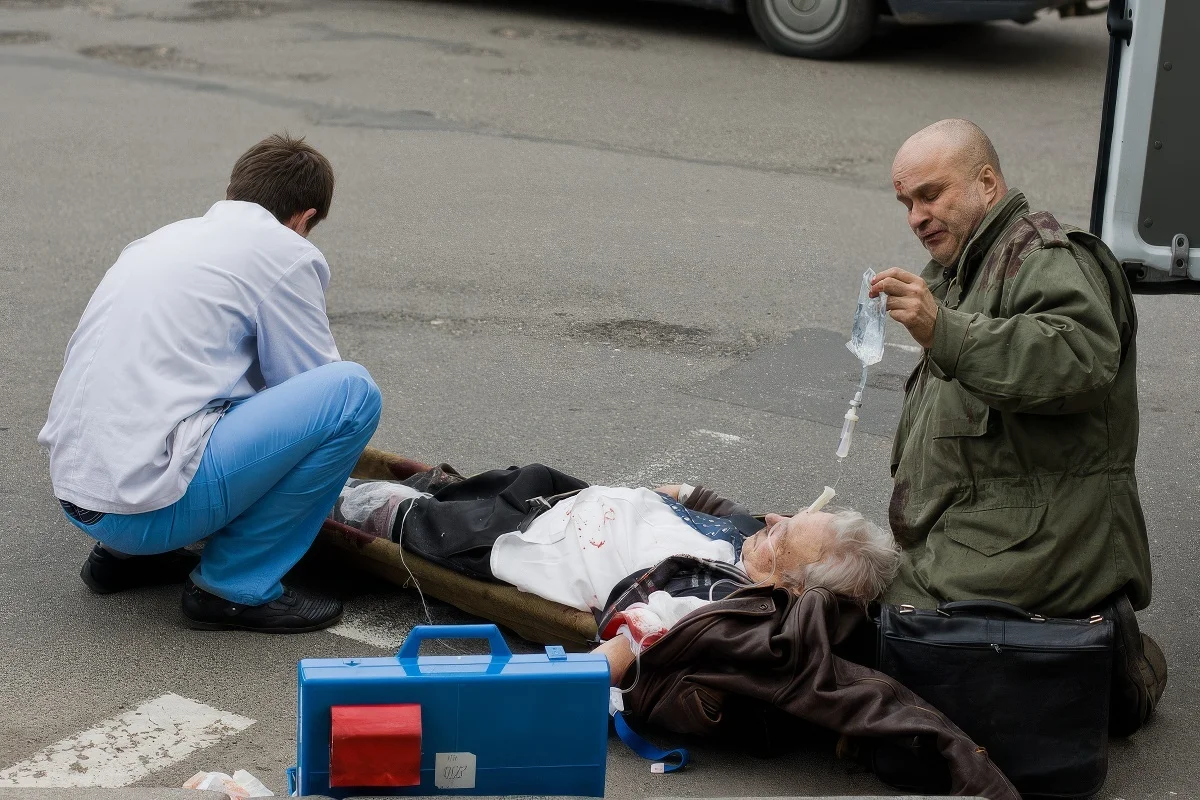
"They thought that they were being shot." The story of the witness
“On April 11, I arrived at my station, Oktyabrskaya,” recalls the Belarusian poetess Valentina Aksak. - I left the last car and went to the opposite exit. And when I caught up with the second carriage, suddenly burst. I thought: "Not a fig to myself that filmmakers do!" And the people - in bulk, six in the evening, people return from work, a complete transition. And again it was jerking off. I raise my eyes, having already stepped onto the escalator, and I see that all the advertising shields have collapsed and all this plastic burns. The light went out, and everything was lit only by this fire. The escalator stopped, I began to step back: I think I’d better go the other way. And so I turn and see a girl in burning clothes. Some guy is trying to extinguish the fire with his jacket. People do not understand what is happening. Perhaps many thought, like me, as if they were making this movie.
I moved a little to the right side, there were a little less people. I go - and I see a corpse. The man is all in the blood, and it is clear that he is already inanimate. After a few steps - another corpse. Only then did I realize that this was no longer a movie. I go and think: if the exit is littered, then in this transition to Oktyabrskaya I will remain forever. Fortunately, it was possible to go out.
I went near the house of officers, turning it on my street, and all passers -by ask me: “What happened there? Tell me, are you from there? " And I did not understand how they knew that I was from there. Then, already reaching the apartment, I’m trying to get the keys and I understand that I have no bags. I called the door - fortunately, my husband was at home. He opened and said: "Look in the mirror." I looked. And I realized how passers -by guessed that I was from the metro: I was all black, in soot. Not only clothes, but also face and hair.
And two weeks later a woman called her husband’s phone. She said that she found a bag, and in her documents and notebooks with phone numbers. And she called. It is interesting that she called from Radoshkovichi ( urban village in the Molodechno district, 50 kilometers from Minsk. - Approx. Ed. ). My son and I went for a bag. And that woman said that she was returning with her friend home and saw a bag on the side of the road. They raised her and found documents and notebooks there. There was only a wallet and a mobile phone in the bag. So thanks to the one who took my bag, took the wallet and the phone from there and threw it on the side of the road, albeit in Radoshkovichi. If in the trash, then I would have to say goodbye to the documents.
By the way, I keep my bag as a witness to those events. Then the investigator said that she was shot down from her shoulder by an explosive wave. I was called once as a witness, but for some reason the investigator was only interested in one thing: whether there was a panic, how people behaved, whether they helped each other or, conversely, pushed.
Versions of the KGB and the people
The next day, April 12, the chairman of the KGB of Belarus, Vadim Zaitsev, said that three versions of the terrorist attack are being considered: destabilization of the situation, revenge of extremist organizations and the actions of an unhealthy person. “I do not want to emphasize who is behind the organization of this destabilization,” Zaitsev said, “but today someone does not like the way of life and model of the Belarusian society, the Belarusian structure of security, and they are interested in aggravating the situation against other objective changes, sow primarily fear, panic and distrust of law enforcement officers, investigators, authorities.” And then he vaguely hinted at some forces that could commit a terrorist attack in revenge to the state security authorities after arrests on December 19, 2010, on the day of the presidential election. As for the actions of an unhealthy person, this version is typical and indispensable in the investigation of any terrorist attack.
The destabilization of the situation is a version, however, is also quite typical for totalitarian states. While the security forces talked about the destructive forces, Belarusians in transport and at work said: Lukashenko himself arranged to cause sympathy in the West and distract people inside the country from discussing the financial crisis.
The situation in the spring of 2011, indeed, was critical for Lukashenko. The whole world condemned the defeat of the protest on December 19, 2010, and the ministers of the Foreign Affairs of Sweden, Germany, the Czech Republic and Poland published in The New York Times a joint column under the Lukashenko -Luser heading, where they wrote that he lost the presidential election in December, from here and mass repressions. The European Union discussed the introduction of economic sanctions, and the Kremlin looked like a European dandy against the backdrop of this gopnic regime.
The Belarusian ruble was rapidly falling into the abyss, by April, the Belorussian exchangers lined up the queues for buying a currency and a black market appeared, as in the early nineties. So no one destabilized the situation more successfully than Lukashenko himself, and the statements of the security forces only angered Belarusians.
“Then I did not immediately understand that a terrorist act occurred,” recalls Valentina Aksak. - But a few hours later, when Belarusian television showed footage how Lukashenko calmly leads a six -year -old son to the scene of the explosion, being absolutely sure that nothing else to explode there, then it immediately became clear to me that it was and who was behind it.
Most Belarusians thought just like Valentine. Including due to the very video frames. And the news about the detention of the alleged performers of the attack was accepted skeptically. And Lukashenko himself informed her on the morning of April 13: “Today at five in the morning the crime was disclosed. The Chekists and the police needed only a day in order to spend a brilliant operation yesterday at nine in the evening and without noise, shots and cods to detain the performers. Today at five in the morning they gave their testimony. The main thing is that we already know who and how he committed this attack. So far, it is only not known why, but this will soon become known, and this is our main task today. ”
On April 14, the head of the investigation group, Deputy Prosecutor General of Belarus Andrei, Swede, told reporters that the preventive measure in the form of detention was applied to two suspects: "This is a direct performer and one person who assisted him." A little later, their names became known: Dmitry Konovalov and Vladislav Kovalev, turner and electrician, both in 1986, residents of Vitebsk.
550 volumes and three months
Konovalova and Kovalev were placed in the KGB pre -trial detention center. At that time, in the spring of 2011, the pre -trial detention center contained several dozen political prisoners. The KGB prison is small, there are only 18 cameras in it, and they were crowded. Considering that the Politseks are all the time transferred from the camera to the camera, in the spring in the KGB pre -trial detention center everyone knew each other. But Konovalova and Kovalev did not see. Two out of 18 cameras were completely released, compaction of the rest to maintain the accused in the explosion at a time, preventing him from contacting other prisoners.
On April 15, 2011, the Prosecutor General of Belarus Grigory Vasilevich told reporters that the investigation of the explosion in the subway helped to disclose another attack - an explosion in Minsk on the night of July 3 to 4, 2008. Then near the stele on the prospectus the winners there was a concert on the occasion of Independence Day. At 0:25 there was an explosion. There were no dead, 55 people were injured. It turned out that a packet from the Sadochok juice filled with bolts and nuts was a home -made explosive device. The device was 200 meters from the stage. The second device did not work. The criminal case was instituted under the article “The malicious hooliganism”.
The investigation was carried out for three years, but to find the one who made a home -made explosives, the prosecutor's office and the police could not be jointly by the KGB. And after the arrest of Konovalov, the Prosecutor General said: everything is open.
On July 20, the same prosecutor Vasilevich said that the investigation is completed, and the accused has been getting acquainted with the case file since July 14. Moreover, not only the terrorist attack in the metro on April 11, 2011 and the explosion near the Minsk Steel on July 3, 2008, but also explosions in Vitebsk on September 14 and 25, 2005 were disclosed. Then, on the streets of the city, homemade bombs exploded - tin, stuffed with bolts and nuts. About 50 people were injured.
After those explosions, two residents of Vitebsk, the Vitaly brothers and Yuri Murashko were arrested. On October 21, during a trip to the Gomel region, Lukashenko with pleasure said that Murashko had already admitted in everything: “In Vitebsk, these two okhlamons blew up an imitation device and thought that they would not be found. They were quickly calculated, found, and they already told where they took gunpowder and how they wanted to scare people in two places. ” And six months later, the brothers were released . The mistake came out.
The investigation in the case of Konovalov and Kovalev lasted only three months. A series of explosions, hundreds of victims, 550 volumes of criminal case - and three months. For comparison, a fresh example: the investigation in the case of journalist Igor Korney, recently sentenced to three years in prison for “participating in extremist formation” for publications on the website of the Belarusian Association of journalists (it was recognized as an “extremist formation”), took seven months, although there was no investigation on the printer of Igor's articles, and there was no completely.
And here - in three months they managed. The case went to the prosecutor’s office, and from there to the Supreme Court. This is the highest authority, and the sentences made by the Supreme Court are not subject to appeal. No appeals, no complaints. After the Supreme Court, you can only write Lukashenko a petition for pardon.
The name of the Republic of Belarus
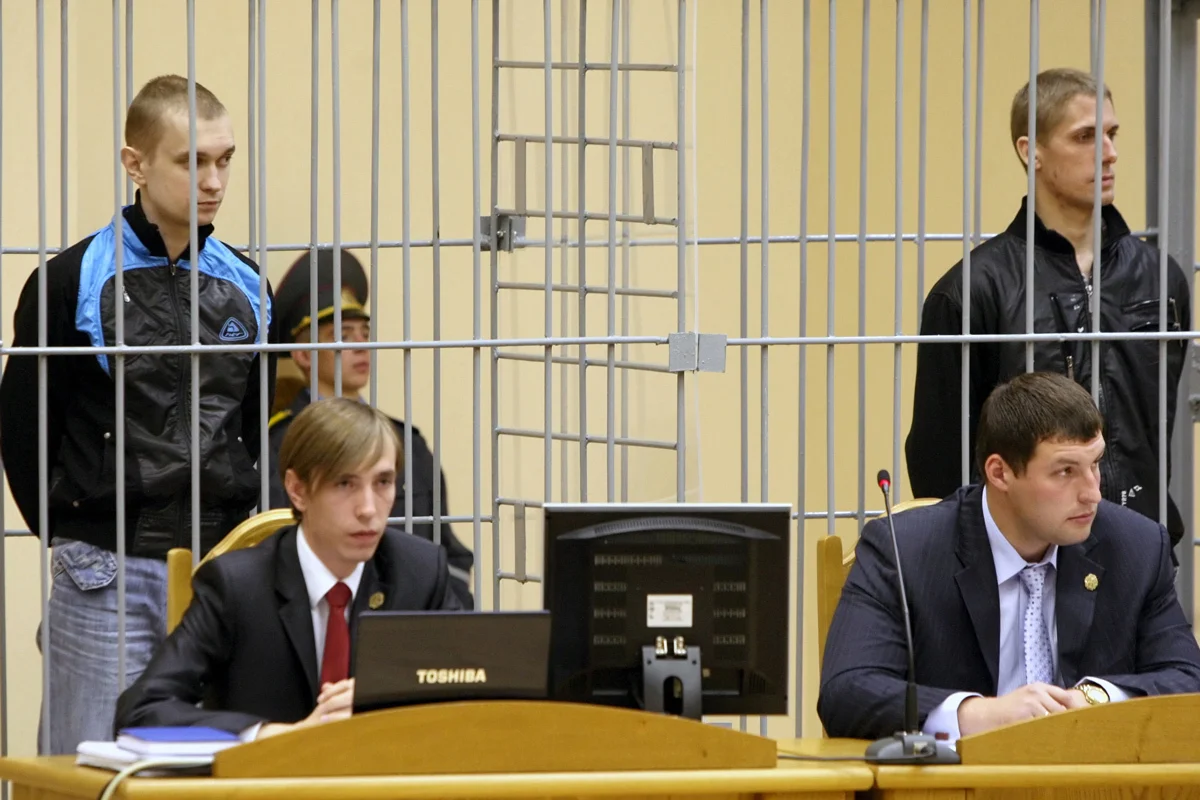
The trial of Dmitry Konovalov and Vladislav Kovalev passed as quickly as a result. Dmitry Konovalov refused to testify in court, and at the meeting they showed a video of the first interrogation after the detention: he says that he arrived in Minsk on April 10 with a large bag, in which there was a bomb collected in advance; On April 11 he came in the subway, put the bag under the bench, and then pressed the button. He answers all questions about the motives: "I did this to destabilize the situation in the Republic of Belarus." He spoke with difficulty the word "destabilization". During the trial, Konovalov did not utter a word.
Vladislav Kovalev, who signed the guilty of guilt after the detention, refused to plead guilty in court and stated that the recognition was made under pressure. By the way, if Konovalov’s accusation was written that he was guided by “a falsely understood sense of self -realization and his superiority over people”, then the motive of Kovalev declared the “false sense of partnership”. That is, Kovalev was accused of deficiency.
The correspondent of Novaya Gazeta, Elena Racheva, who was present at the trial, wrote that a month and a half, court sessions went every day, and in court interrogated the inhabitants of Vitebsk, in the entrances of which firecrackers, friends of childhood Konovalov and Kovalev, school teacher, apartment housewife exploded. Everyone thought that the court only approaches the main thing - to the terrorist attack in the Minsk metro. But then the process suddenly ended: all petitions were rejected, the witnesses were not called to the court, and the judicial investigation was unexpectedly declared complete.
Elena Racheva, like many those present at the trial, drew attention to the fact that the seizure of records from surveillance cameras - the main, according to the investigation, the tool for finding terrorists - was made on April 19, six days after the detention of Konovalov and Kovalev. Yes, and photobots were composed when both were already in jail.
Candles and flowers to mom sentenced
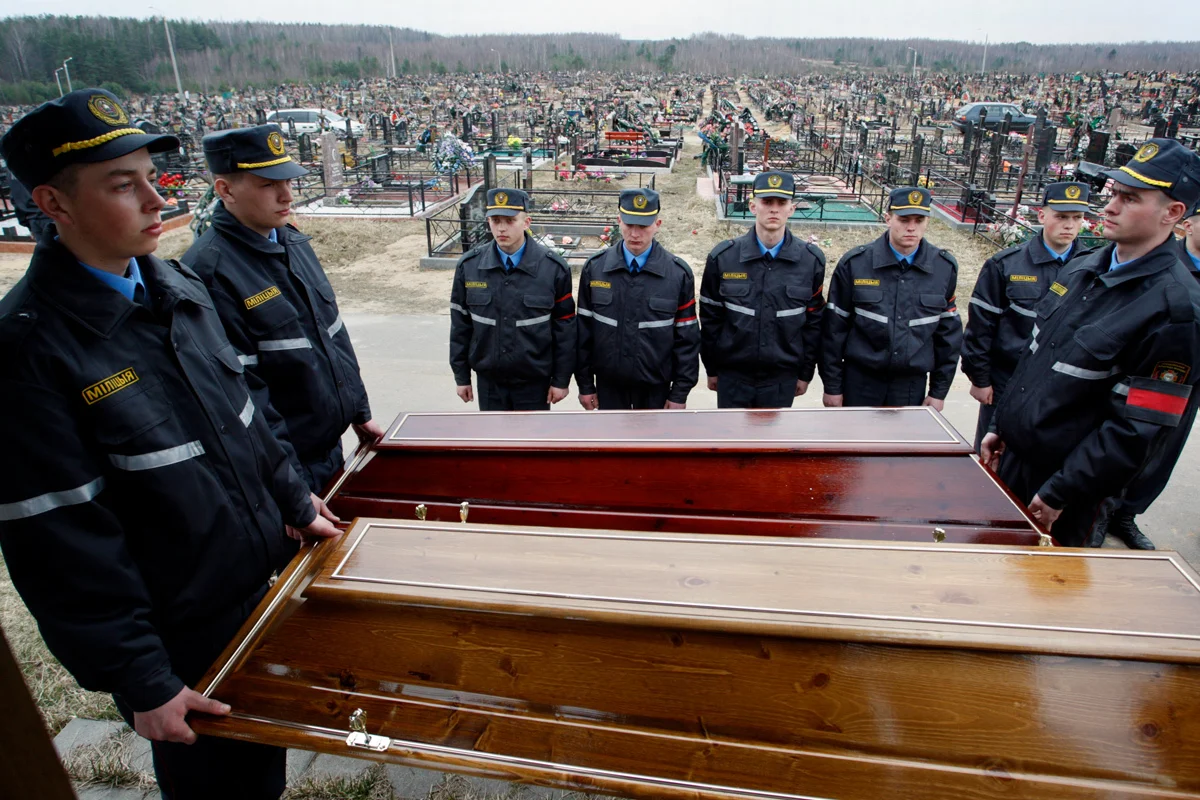
On November 30, 2011, Judge Alexander Fedortsov announced the verdict. Reading began at 11:00. At 15:00 they sounded the words "to the highest degree of punishment by execution." In the courtroom, where “shame!” Immediately sounded, was the mother of Vladislav Kovalev Love. She was present at all meetings. Dmitry Konovalov’s parents were brought to court only once, for half an hour, in a car with tinted glasses. In the same way, they took away. On the same day, all material evidence was destroyed.
Dmitry Konovalov did not write a petition for pardon. Lyubov Kovaleva went to his parents, but she did not open the door. Love itself did not give up. The day after the verdict, she wrote an appeal to Lukashenko and took to the administration. She gave an interview and spoke at conferences against the death penalty. At that time, an employee of the protection of the plant (in other words, watchman) Lyuba Kovaleva became the most famous Belarusian human rights activist.
She did not convict anyone, she asked for mercy. And even those Belarusians who, in principle, believed that she had the right to exist as a measure of punishment, thought about the inhumanity of the death penalty.
Lyuba forced the humanists to be indifferent. True, I paid too much for it.
On March 11, 2012, Lyubov Kovaleva was given a three -hour date with his son. On March 14, it became known that Lukashenko refused to have a pardon sentenced to death. On March 17, Belarusian television reported the execution of Dmitry Konovalov and Vladislav Kovalev. On March 22, Lyubov Kovaleva received a package with the things of her son, which she was sent from a pre -trial detention center. The package had clothes, indistinguishable cards and products from the last gear.
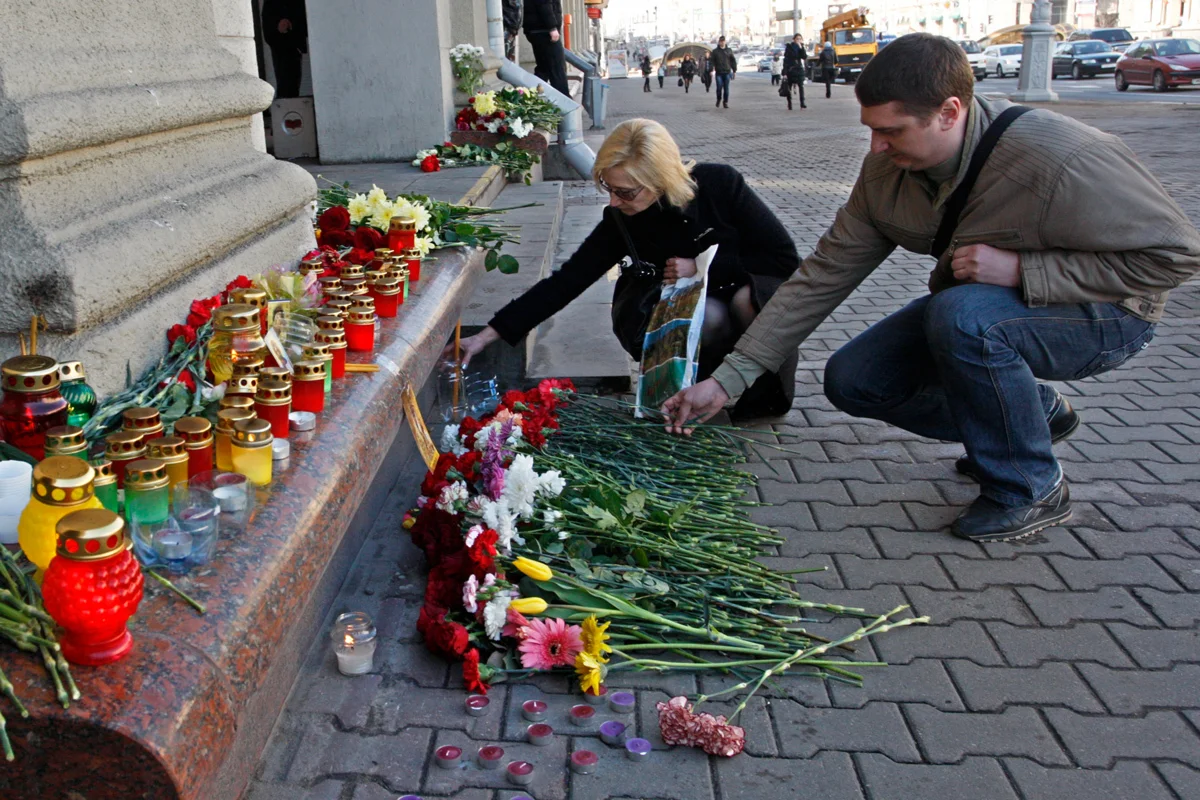
On the same day, when they announced the verdict from the television screens, on the spontaneous memorial to the victims of the attack near the Oktyabrskaya metro station, photographs of Vladislav Kovalev appeared, and candles and flowers carried the residents of Vitebsk at the entrance of the house of Lyubov. It was the highest measure of sympathy for her and the highest measure of the noble of Belarusians to power.