
Translated material
Exclusive Interview - a film about the conversation of Prince Andrew with journalists after the death of Jeffrey Epstein
A bad script here is saved by good actors (among them - Jillian Anderson)
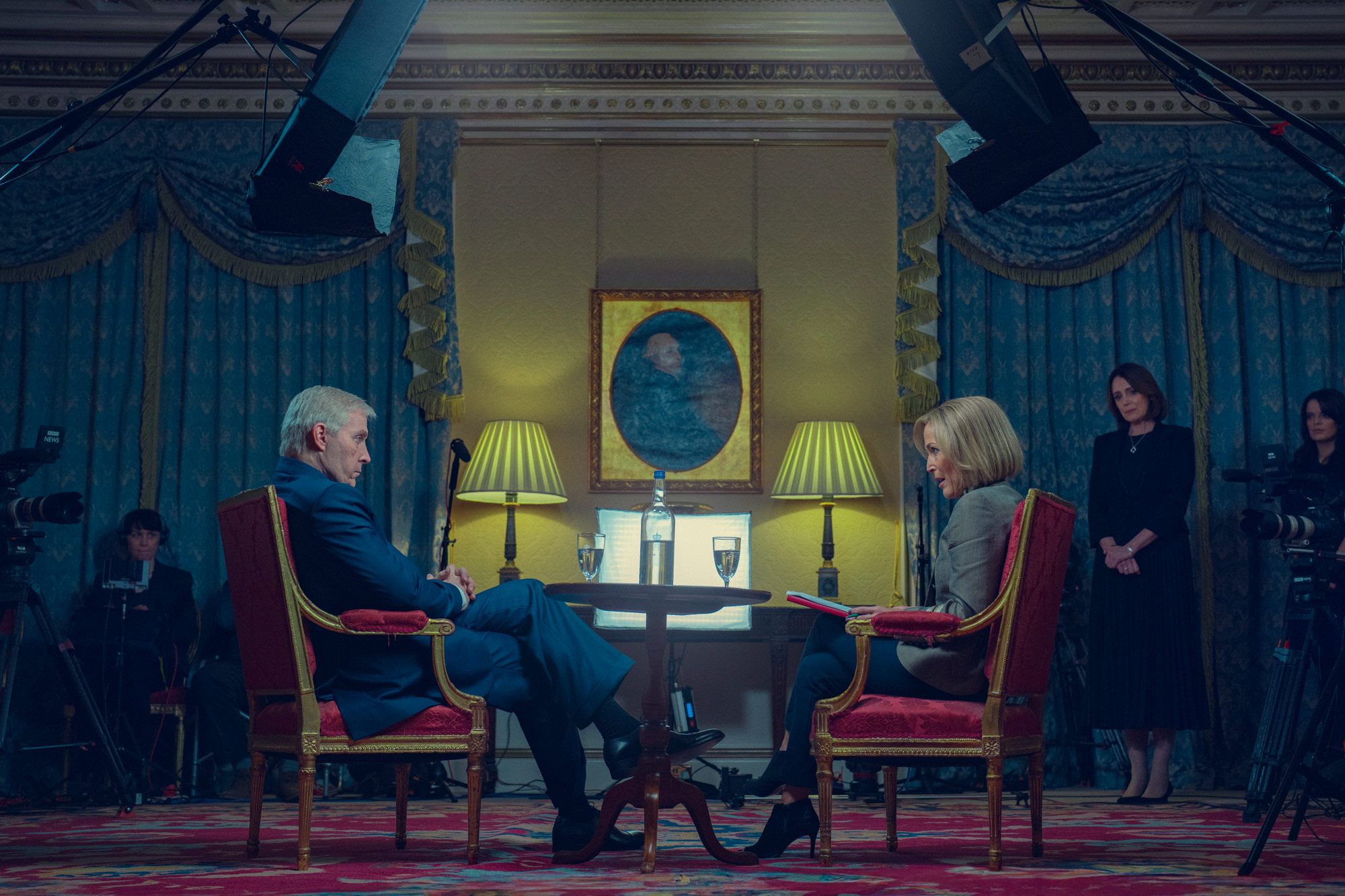
Netflix was published by Philip Martin’s drama “Exclusive Interview” (“SCOOP”)-a picture of the BBC journalists, who in 2019 convinced the Buckingham Palace that Prince Andrew needs to appear on television. Shortly before an interview in prison, Jeffrey Epstein died, an American millionaire, who was accused of sexualized violence and trafficking. Andrew was his friend-because of this, he had to explain to the multimillion-dollar audience (as a result, he was removed from the duties of a member of the royal family). Jillian Anderson played a journalist who talked with the Duke of York. The role of Andrew himself was played by Rufus Sewell. Kinocritic Anton Dolin tells why, without these acting, the film would remain completely unconvincing.
On August 10, 2019, American businessman Jeffrey Epstein, accused of a sex traffic of minors, committed suicide in a prison cell. This event entailed many others - including the political crisis in the UK. The Duke of York, who was friends with Epstein, Prince Andrew, was removed from the duties of a member of the royal family - an unprecedented blow to the Institute of the British Monarchy. Philip Martin’s film “Exclusive Interview” (“Scoop” was shot about these events, or rather, it would be translated by the word “sensation”) released by Netflix.
Actually, Epstein in the frame cannot be considered - the actor has neither replicas nor the storyline. A criminal financier is needed only to find himself in the required moment in the lens of Paparazzi Jay Donnelli-together with Prince Andrew, he gets into the frame in 2010, during a short walk in the New York Central Park. But the director Martin, who has still worked for the mostly on television, is not interesting to a millionaire, but a jail, an important acting person of the drama.
Speaking about the Abuez and sexualized crimes, the art in recent years is not focused on power criminals, but in people who have experienced violence, which no one often hears. This, of course, is also an “exclusive interview”: before catching a frame with Epstein and Andrew, a close -up photographer takes off a girl who came out of the same mansion. This portrait is the leitmotif of the film, up to his final.
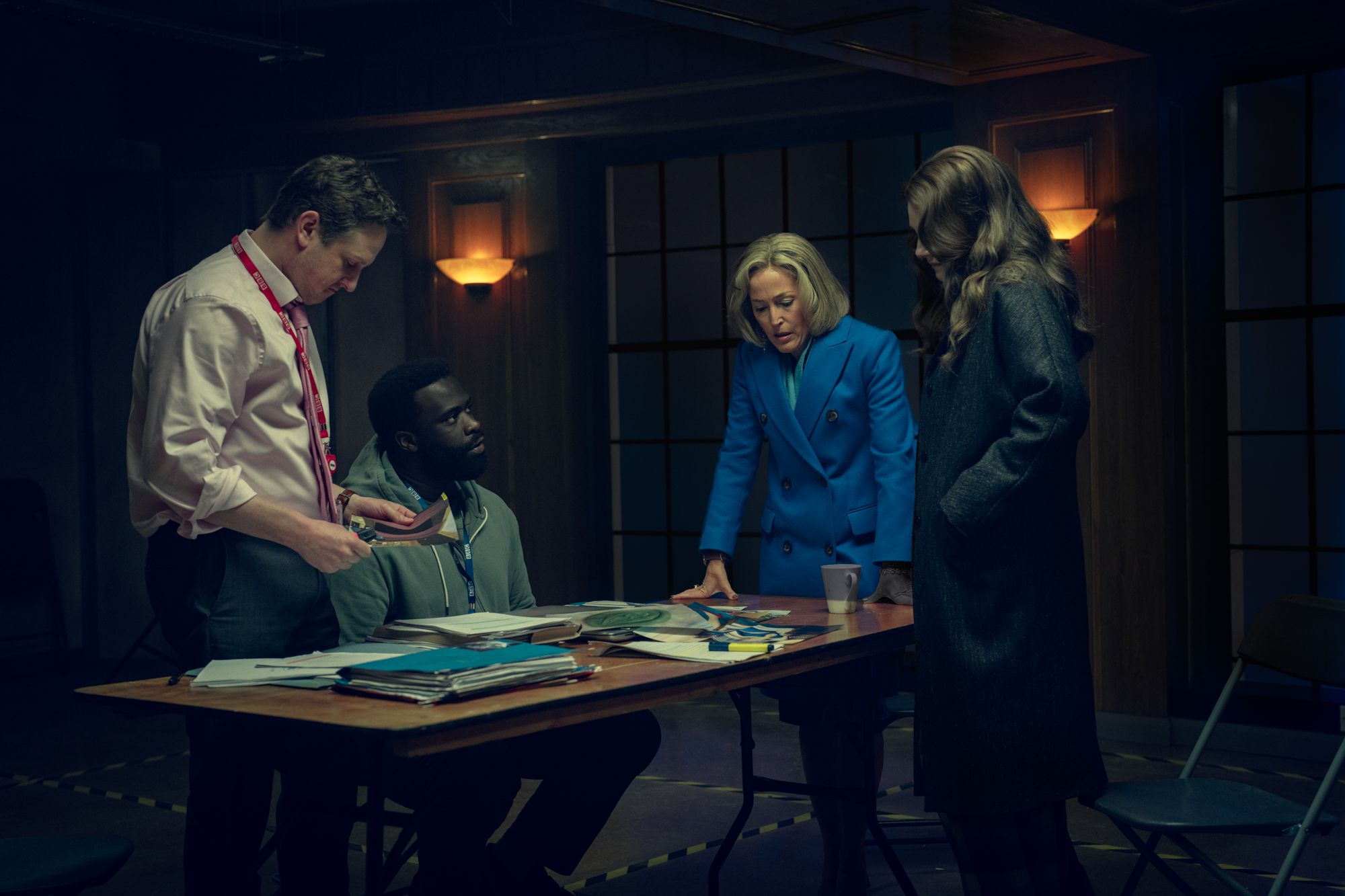
But the dramatic dynamics of the picture is still built on another. In its center are journalists who made the impossible - recorded interviews with one of the most influential people in the UK and showed his true face, without resorting to prohibited techniques. The interview was on the air on November 16, 2019 - and became one of the milestones in the history of not only British, but also world journalism, proving that the press continues to be the “fourth power”.
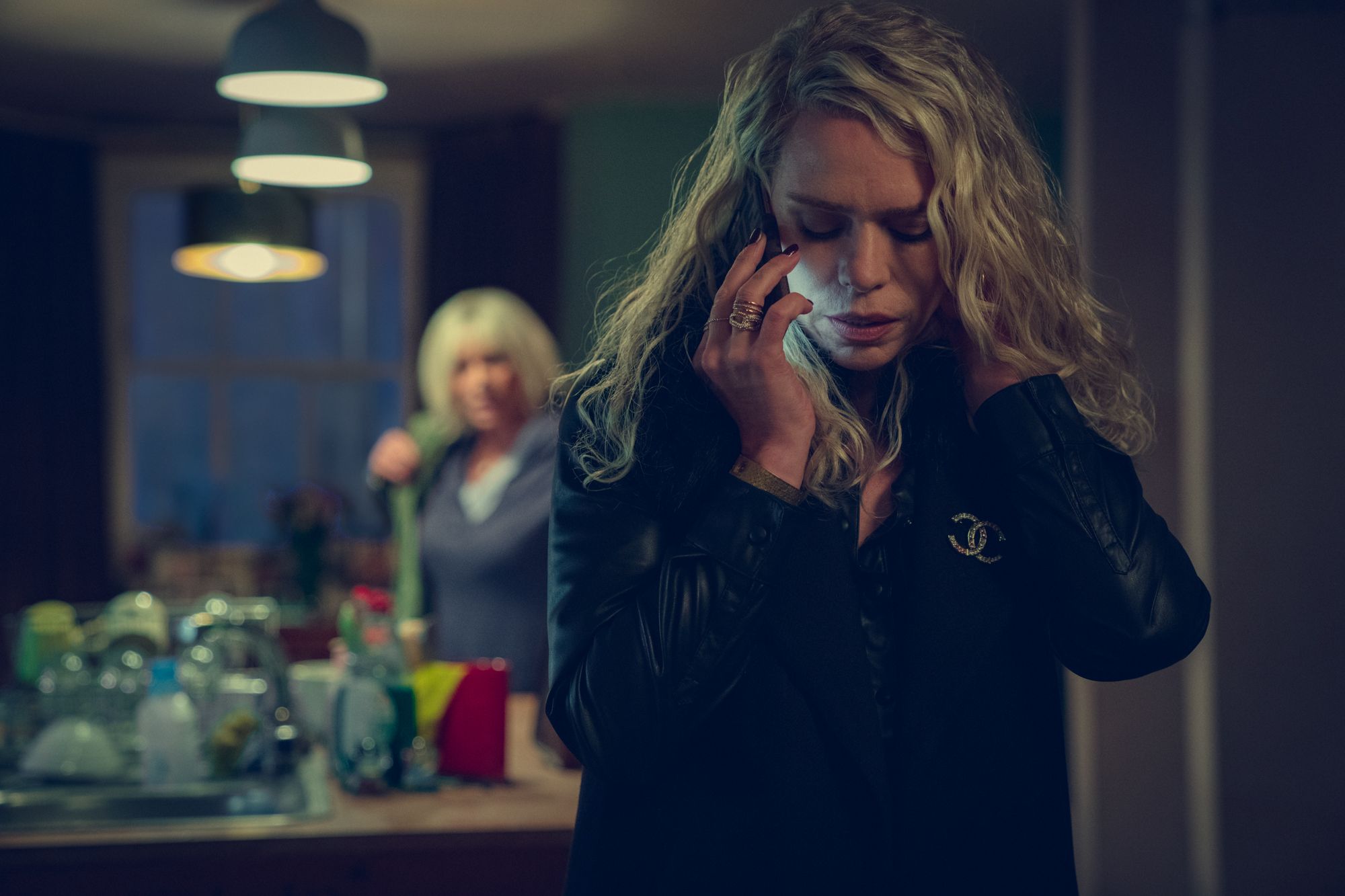
The most famous star of the film is Gillian Anderson, who played Emily Meitlis, the host of the BBC, who interviewed Prince Andrew for the Newsnight program. Her self -control, mind and combination of delicacy with fundamentalness made a sensation possible. The picture hints at the personal motives of the host: once she did not ask Bill Clinton (another friend of Epstein) about Monica Levinsky and thereby "letting all the women." But to a greater extent, the authors of the “exclusive interview” are interested in other heroines remaining behind the scenes. First of all, this is a producer Sam Makalister (Billy Piper, known for the Doctor Who and the Roles of Jerma in the theater)-a single mother who came up with an unrealistic interview and convinced the Buckingham Palace to agree to him. Also important for the plot are the restrained and empathic personal assistant of Prince Andrew, Amanda Tirsk (Kili Khous), and the BBC editor, Esme Ren (Romola Garay), which produces a responsible and risky conversation.
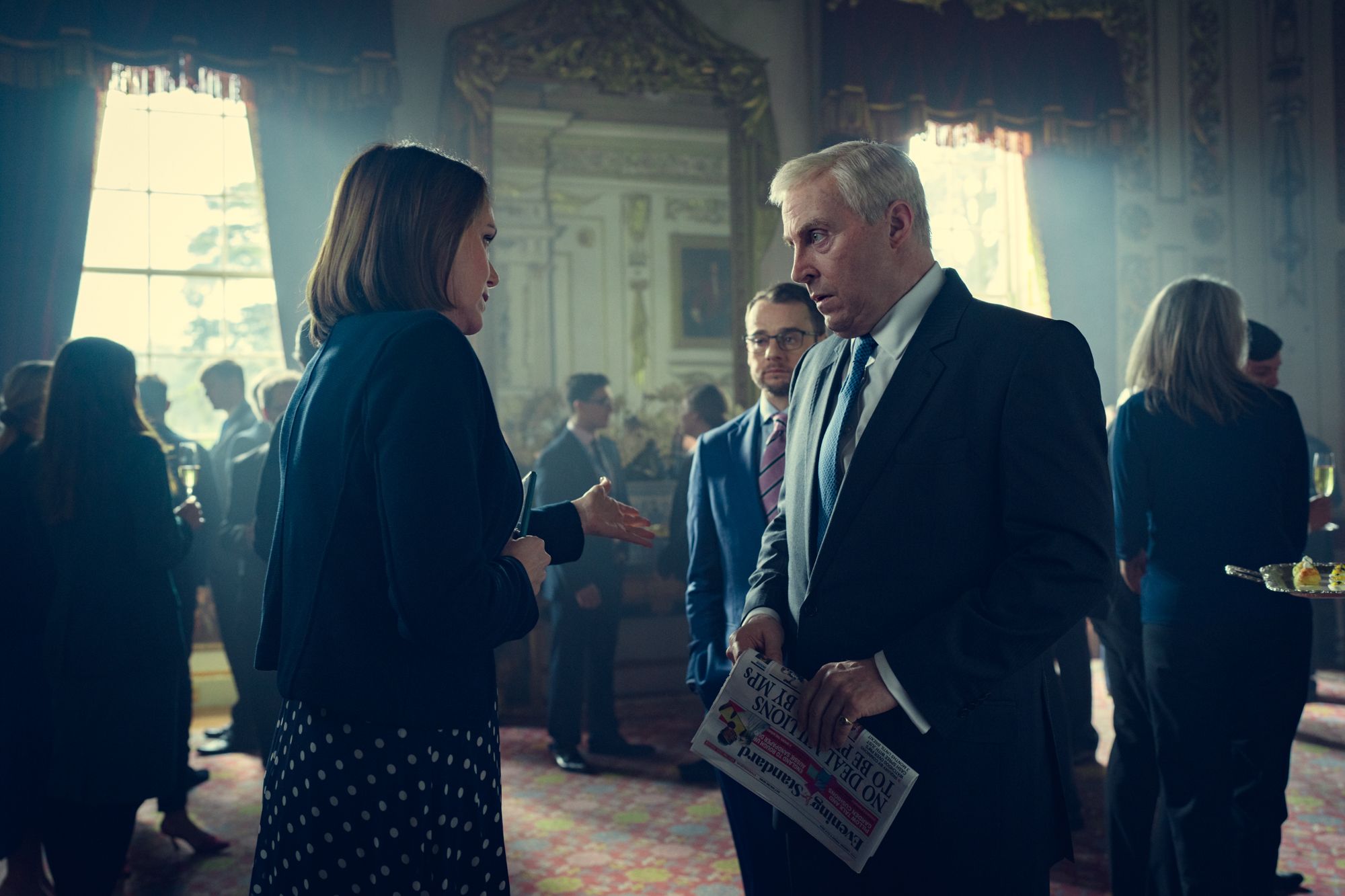
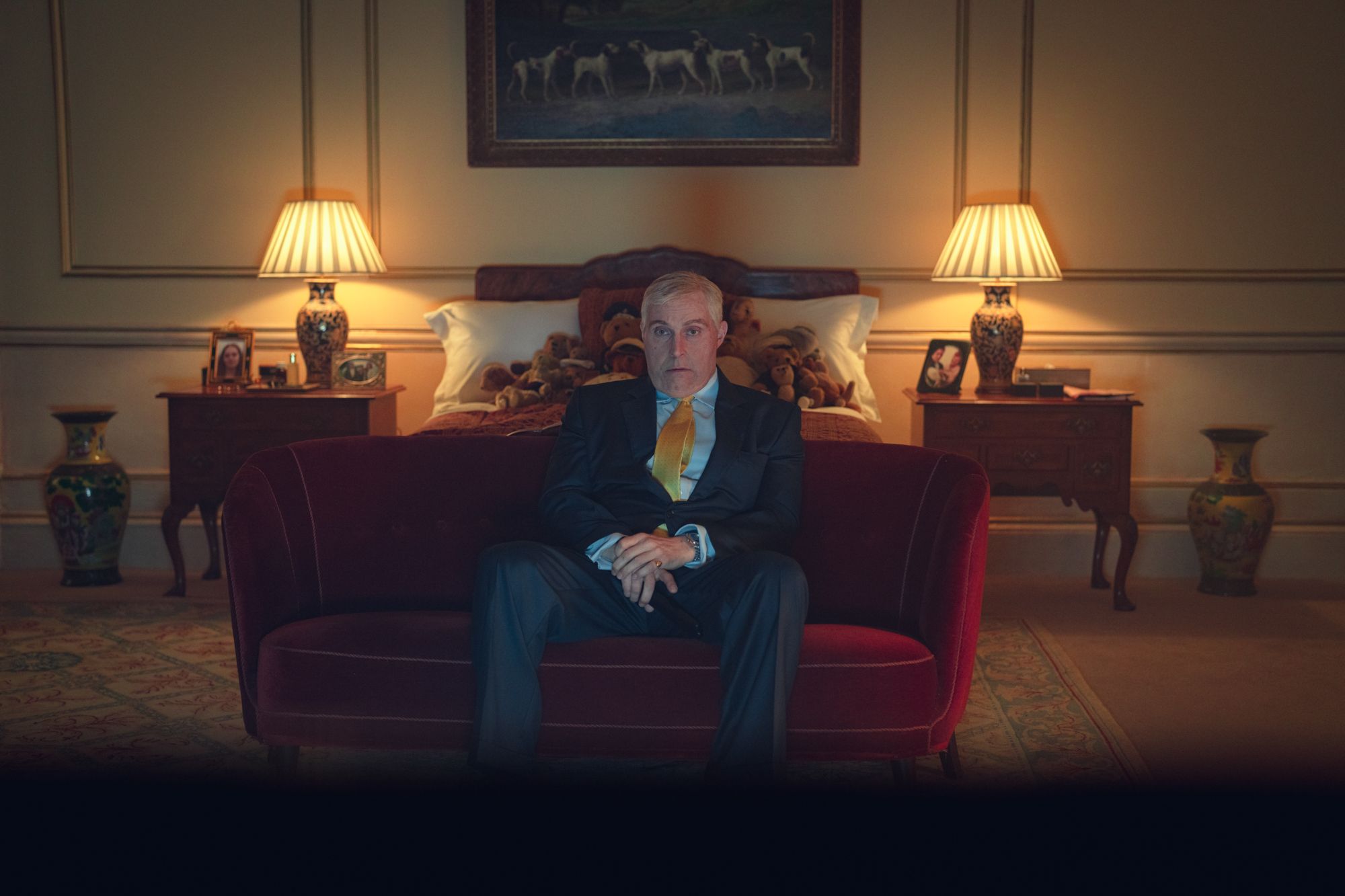
The most difficult work, undoubtedly, is Rufus Sewell, who played the Duke of York. The viewer requires not only external similarities, but also extremely accurate, psychologically convincing and plausible reproduction of not such a long -standing television program. The very idea to show the backstage life of the royal family requires the authors of special insight, journalistic and artistic intuition. These feelings at times refuse them. For example, a scandal looks grotesque, which Andrew suits a maid when she inexpensively folds plush toys on his bed (the viewer already understood that almost a 60-year-old prince has still remained an infantile mother’s son). If something provides a stably worthy level of the spectacle, it is precisely the impeccable training and commendable care of Sewella, who created-partly contrary to the script-the most voluminous and interesting character of the film.
The reasons for the appearance of such a film and the tasks set here lie on the surface. To destroy the idea of the inviolability of those in power, to show the world after the #Metoo revolution, to ask legitimate questions about the changing significance of the institution of the monarchy itself, to recall that everything secret sooner or later becomes clear, and the punishment for crimes can be not only the verdict of the court - especially when it comes to a public person. Sometimes an “exclusive interview” speaks with its audience with a rough tongue of a poster, and replicas boil down to slogans - this would not be possible in any good interview. Ultimately, this is noble in terms of plan, but not a very good film. But undoubtedly he shows (and very close to the text) reference journalism.
From a set of obviousness and cliches, an amazing idea is still growing, even though it is not born by the fantasy of the director or producers of Netflix. A truly talented and professional interview exposes human nature to no less than the most sensational investigation or hot report. At the beginning of the film, the BBC newsletters are experiencing a crisis and preparing for abbreviations; The finale clearly demonstrates why, in principle, society needs their ungrateful and, it seems, outdated work in the era of social networks.
Journalists do not just report the information. They serve as the voice of society, reveal the truth and help to accomplish justice even where justice is powerless. So an instructive quote from Orwell, demonstratively included in the fabric of an “exclusive interview”, again confirms its relevance: “Freedom is the right to say to people what they do not want to hear.”
Anton Dolin