
Translated material
The car of good and evil second freshness
Who should hate and be afraid of the Russian opposition. About "traitors" and traitors, about simplicity and Bolsheviks, about the new Inquisition and old witches
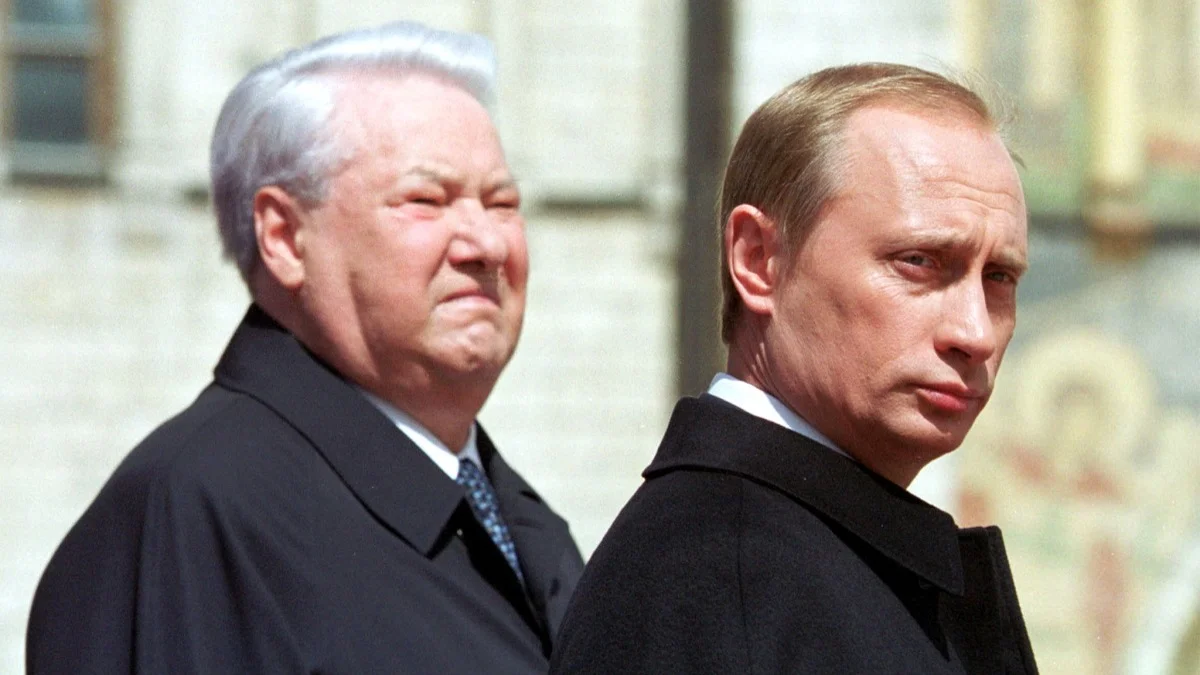
Boris Yeltsin and Vladimir Putin. Photo: Sergey Velichkin, Vladimir Rodionov / TASS
18+. This material (information) was produced, distributed and (or) sent by foreign agent Pastukhov Vladimir Borisovich or concerns the activities of foreign agent Pastukhov Vladimir Borisovich
From the editorial office
The text is published with insignificant seizures that forces us to make existing legislation of the Russian Federation.And with this text, the editorial office of "New" opens a discussion.
Not about the series itself, of course, not about its advantages and disadvantages, but about the future: goals and means. Judging by the unfolding discussion, the authors of the film were able to find very painful issues both in the assessment of the latest history of Russia and in the tactics-strategy of the opposition movement. In our opinion, this is an important conversation.
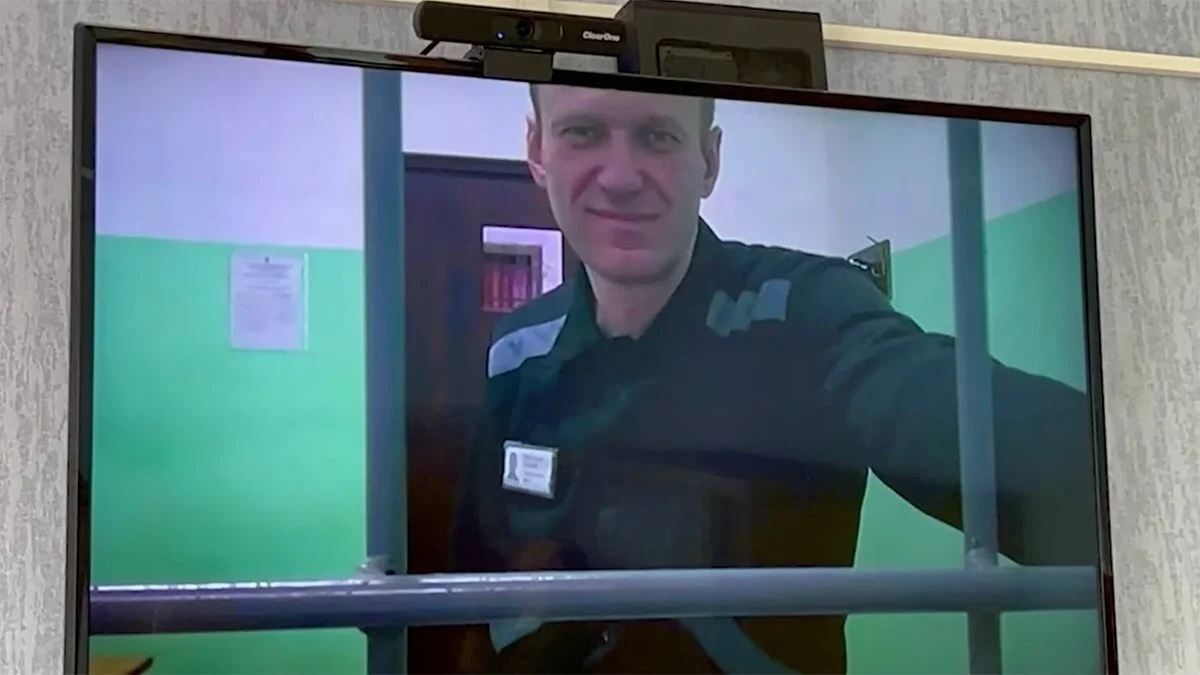
Boris Akunin* was rhetorically surprised by the disproportionate reaction, in his opinion (I, by the way, is also sinful) to the series “Traitors” - not the one with Lugov, but the one that is from the singers*. There is nothing to be surprised here: the film is not a scientific, but a credo. The credo of one of the most influential opposition forces in Russia, whose leader has just been brutally tortured in prison regime and which therefore attracted the attention of the whole world. The credo is a suffered, that is, not a random statement, but a deeply thought-out position that reveals the main theses of the last software article published on behalf of Navalny.
These circumstances, in my opinion, are enough to continue the conversation.
History from Adam and Eve
I watched the film late when the first hype and hat were already passed. Having survived a slight shock from the introductory phrase (“Have you ever thought about why and when everything went wrong?”), I decided to continue the review of “teenage cinema”.
It is teenage, because those who are twenty today and who have never seen either the 90s or even more than the 80s, are an exceptional target audience of the pseudo-historical series from the FBK **.
Did I think? Good question. Are those who slightly older than the authors of the film and who rejected Yeltsinism in all its manifestations are not post-fact, but online, about where the roots of the current deplorable state of Russia are hidden? Do not believe it - yes, and my generation and I were far from the first in this exercise. I will not disturb the ashes of Maxim Greek and Yuri Krizhanich, and God forbid to wake up the rebellious spirit of Protopop Avvakum (and everything goes to this), but starting with Radishchev, in my opinion, everything was about this.
It was all the more nice to listen to people who believe that before them the right view of Russian history did not exist. I think they will have something to discuss at leisure with Vladimir Medinsky.
But this is so, a saying, a fairy tale ahead.
The version of the latest Russian history presented under the FBK brand consists of several parts:
"Captain Evidence",
"Emotional forgery",
"Translation of the shooter."
We will analyze these three parts separately before observing the picture as a whole.
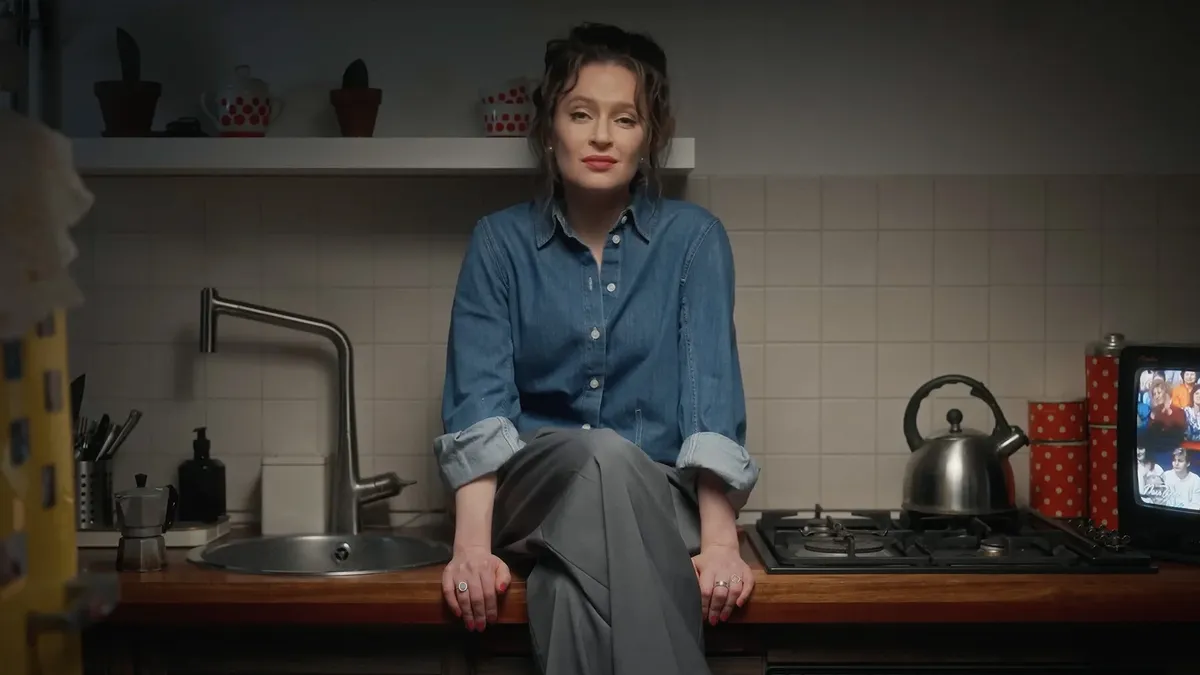
The captain is evidence
The film is based on theses, which have long and firmly mastered by modern political philosophy, which had enough time to complete the initial processing of the latest historical material.
I will briefly list them here.
Putinism is a direct and direct continuation of Yeltsinism, it did not start with Putin , and perhaps Putin will end (although, of course, I would not like). In Putin there is nothing that would not have come from the 90s, and Putin is a logical and most complete embodiment of the spirit of the 90s, cleansed of random, distorting his layers.
In Russia, the 90s had neither real capitalism, nor real private property, nor real democracy, nor real freedom , which does not cancel the fact that during these years the foundations were laid for many-both bad and good.
With the filing of Yeltsin and his entourage in Russia of the 90s, an authoritarian non-communist regime was formed , which quickly did not grow into non-oathetic and non-communist only because it was weak. Well, because the moshna at this regime was empty (as soon as oil prices went up, everything happened). Popying Yeltsin, we can say that his team took authoritarianism as much as she could take away;
The central element of the political system of the 90s was the “family” -a narrow-elite circle that developed around the closest relatives and friends of Yeltsin (something like a large and small courtyards with Russian emperors), inside which key economic and political decisions were made. From this model, in fact, the cooperative of the “lake” was sketched - Putin was just different than Yeltsin, an idea of the family.
The central element of the economic system of the 90s was the pseudo-community property that arose during criminal privatization (in fact-the opaque disposition of Soviet production assets). Criminal privatization, in turn, led to the formation of a quasi -capitalist system, as well as to unprecedented social stratification with the formation of a colossal concentration of wealth at one of the poles, and artificial, not arising from the general economic prerequisites of poverty.
Authoritarianism plus criminal privatization has discovered unprecedented opportunities for enriching individual representatives of the Yeltsin elite , which was accompanied by shocking moral decay, discouraging cynicism and frightening hypocrisy. This moral degradation of the elite became a prerequisite for the subsequent revival of revengeism, which pushed to the surface of the "collective Putin" and ended with a military conflict.
Let the one who says that before the film “Traitors” he did not read anything like this, the first to throw a philosophical stone at me (but first let him find it).
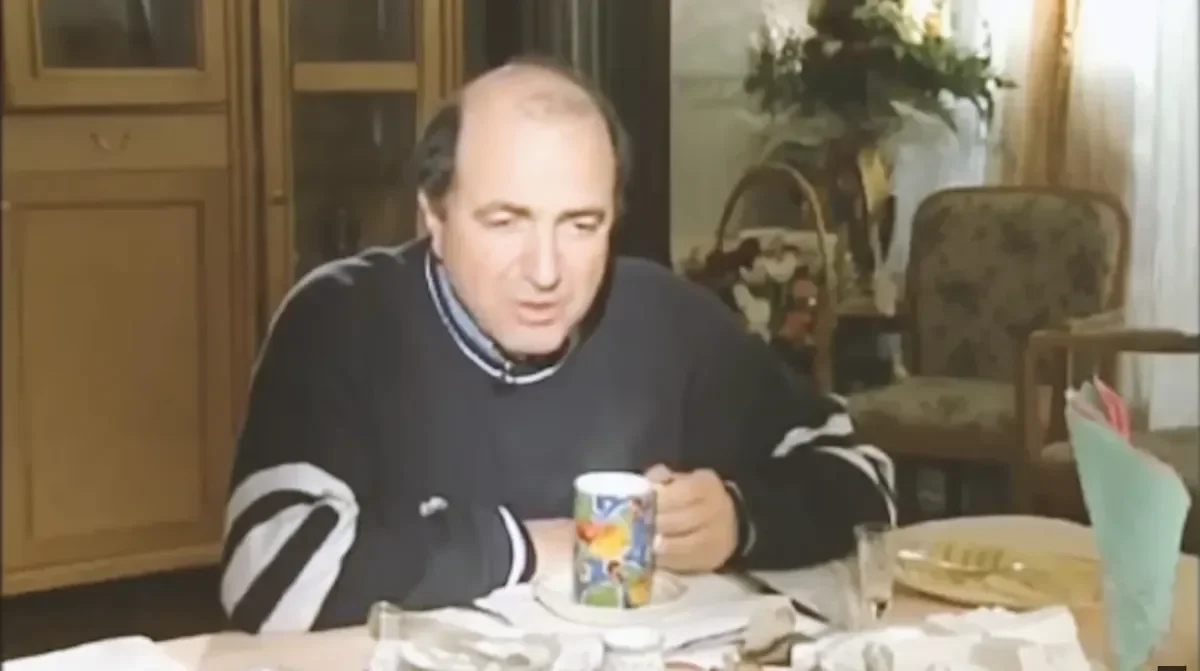
Emotional forgery
So, we have a number of indisputable, but far from new theses (which I personally support exactly 35 years, that is, from the very moment that the confrontation of Gorbachev and Yeltsin began), which are presented in the film as a philosophical insight and historical discovery committed by the FBK team. That is how the results of investigations are usually represented.
So what? We are not Dissernet or a political patent bureau that monitors priorities. Moreover, in politics, an anonymous borrowing of other people's ideas is not a deviation, but a behavioral norm.
The point, however, is not at all in priorities, not in novelty and not in ambitions. In the end, the idea “Earth - to peasants, peace - soldiers, factories - workers” was also so original, but went well in skillful hands. The point is the emotional connotations that are advancing with perseverance worthy of better application. They were set from the very beginning in the article referred to by the film, but in the film itself they were erected to a certain ethical absolute.
Such an absolute is hatred and fear for the authors. This is the main thing, the rest is political fiction.
From the very beginning, there is an emotional lifting, pumping to the highest degree of boiling of the indignant mind.
Navalny ( if we allow his one hundred percent authorship of the article and the correctness of the interpretation of his somehow conveyed words. - Ed. ), Sitting in a schizo, hates and experiences fear. This is fine. But to whom? To Putin [starting a special operation]? (...) To pseudo -philosophers and pseudo -Politologists calling for destroying all of humanity (why do we need this world if there are no Russians in it)? To the guard, who promotes the flywheel of repression, trying to finalize and overwhelm Russia to the scale of the "circle of the first"? No, this is hatred and fear of the runaway Chubais, trying to plan a new project of “large democratic reforms”. Before the bites, but the deadly afraid and hating Putin, the oligarchs, dreaming that he would let them live normally in the West again. Before the scraps of the liberal intelligentsia of the 90s, who managed to move to the west and dreamed of reviving Russia of his youth. Before other anti-war and opposition emigrant circles, which are rooted in the same 90s and each in their own way try to do something to combat the regime. Before the remnants of the same once royal “family” living in exile and with horror observing the adventures of his protege.
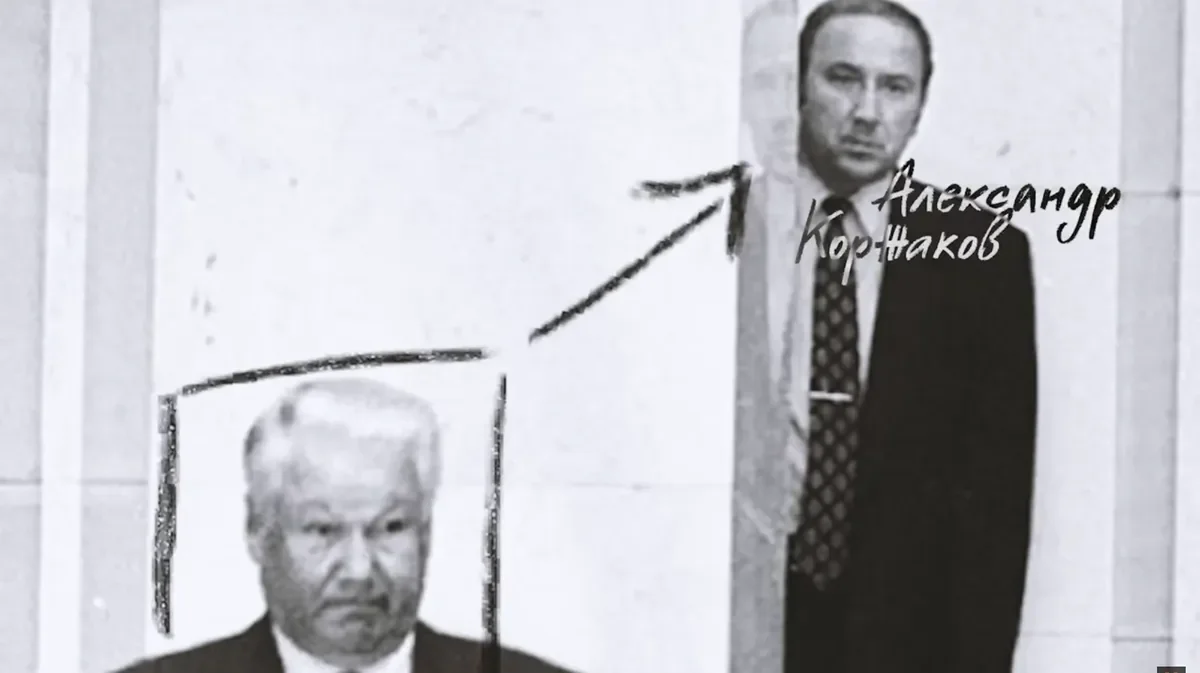
Is it a lot? Do not love - yes. Understand the degree of responsibility - yes. To remind of the genealogy of capital and conditions when they are forgotten - yes. But fear and hatred?
There really is something Duginskoye, something from the hunt for witches and the exile of the demons, which he is now actively popular.
Perhaps Dugin nevertheless made a greater contribution to the formation of the views of Maria singers by his teaching, which she herself seems to her. This is not like a sudden emotional bust, but on a conscious political-ribbon technique, with the help of which the enemy is imperceptibly. The new main enemy is indicated, and this enemy is not a regime. This is the point, and not in who we love or do not love.
A man stands on the edge of the ravine, say, in Babi Yar, watches the mass executions of Jews and says: “What fear and hatred I feel for Kant (again my dugina and Alikhanov), because from German classical philosophy, from all these cantes, Hegels and Nietzsche, the monster of Nazi ideology ultimately grew up.”
Translation of the shooter
So, the film (and the FBK team as its director) denotes the new “main enemy”, and this is obviously not a regime, but a kind of amorphous, difficult to determine a group of persons who became the beneficiaries of the 90s (first of all enriching in privatization-I put ten against one that the next series will be about them).
I have no sympathy for what and how these people did in the 90s. In 1995, I had a hand in categorizing the phenomenon of the “family” as a key element of the Yeltsin political system. In 2012, at the exit from the era, I wrote an article “The Provided Revolution”, where I designated privatization as a turning point in the latest Russian history, without understanding of which no excellent future of Russia is impossible. The vouchers of my whole family are in the nightstand in London - we made a collective decision that participation, even in a joke, in fraud of the century, humiliates our human dignity (at the same time I personally had alternatives, because at the same time the American recruiting agency invited me to take part in the competition for the position of director of the privatization center).
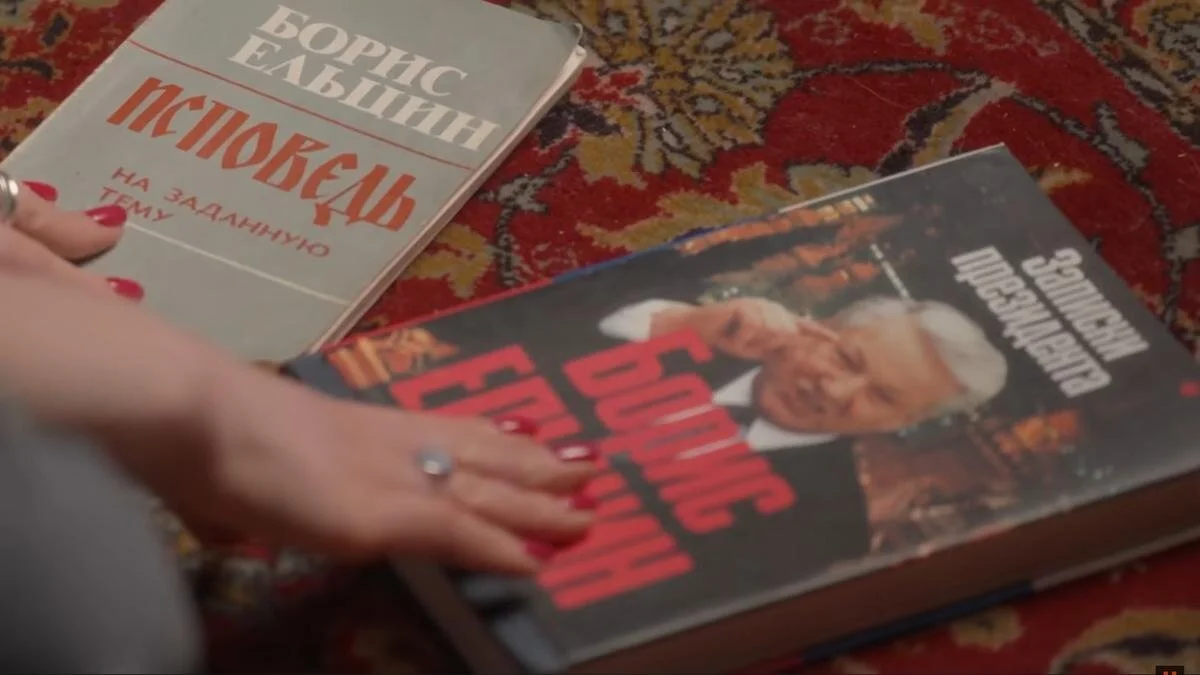
In general, in my attitude to this era, it is extremely consistent from its very first day. It would seem that I have to watch the series in both and rejoice. But I do not rejoice. In my opinion, the film translates the arrow from what is today a real actual evil, to what is a secondary and mossy “evil of yesterday”. For what, in my opinion, the authors of the series have tactical and strategic goals, for the sake of achieving which they spend exactly the political line that is designed to “boil” the masterpiece series.
Tactical goal is to increase its competitiveness within the Russian opposition.
FBK generally has a heightened sense of competition, and in many of those of those very 90s of the current newly addressed opponents Putin, they see more dangerous enemies for themselves. This is a normal intraspecific struggle, and it is not so interesting, although curious.
Strategic political goals are much more significant. Many do not see them, but they are. Such
The strategic goal is the struggle to intercept the Putin electorate. Consolidation on the basis of nationalist hysteria that the regime practices (with the help of the same Dugin), the FBK wants to contrast consolidation on the basis of class hatred. Very Leninsky
And in full accordance with the traditional main rate of the FBK - to rely on anti -corruption propaganda as a way of consolidating a petty -bourgeois class consciousness. In this sense, the employees of the Foundation are cosplaying the fully famous “fight against privileges” of the Yeltsin “young reformers”, who are called to hate and have fear.
I note in the fields that the purpose of intercepting the Putin electorate is legitimate, and I myself have been writing about this for many years. The question is, as always, in the means.
There are obvious products that do not justify the goal; And those that FBK chose, just refer to this. Nevertheless, FBK hopes something from this strategy to fuck. Firstly, this creates the ground for the most unexpected political alliances and unions (and therefore opportunities)-many of us are ready to hate the same Chubais, not to mention the fact that it is now completely safe. Secondly, this is a laying on the beautiful Russia of the future. More precisely, the “division of the skin” of the indispensable Russia of the present (no one canceled the future struggle for power). By the way, everything is competent. But there are nuances.
Traitors and cabbage
The name of the series is of particular interest and contains answers to many questions. And not only because it is the paraphrase of the Duginsky patriotic memes in relation to the same socio-political category. This is curious, but not essential. Another thing is interesting - in fact, the traitors of what ? It makes sense to stop in more detail.
The film reveals in detail one of the main theses of the FBK program programs about liberals. It consists in the fact that these radishes (bad people) "stole our victory." Well, it seems like it (it is a little strange to hear it from those who were about ten years later) was a great chance to build a wonderful country, but these people betrayed us, and we lost this chance (as if another Russia, which “we lost”, but not from Govorukhin). And now we are afraid that the same people (pensioners, who live mainly in exile, albeit with decent money) will again steal our victory with us, and therefore everyone should unite around us to combat them. Well, something like that ...
However, the whole thing is that there was practically no chance. The probability that restructuring and - even more so - two Yeltsin coups will lead to the emergence of normal capitalism and a full -fledged legal state with democracy in Russia are almost zero. And this was clear to everyone who impartially watched the development of events online. I will not engage in self -citing (they scold me for this), but I will simply send Nagibin to the diaries.
The thesis of the stolen victory is a newlyweds for those who do not remember and do not want to know the real history of the political struggle in modern Russia.
Perestroika was a great romantic (and partly utopian) attempt to build a “city of the Sun” in the USSR, which ended after 1989 by a civilizational breakdown and fall into turmoil. As in any turmoil, the “people of the forest”, “fighters without rules” surfaced to the surface of the 90s, who began to cut the country “for themselves” with the help of naked violence (and that is why we are talking about the 90s as the forerunner of today's times) and, most likely, under the supervision of the Chekists. The driving forces of the New Russia were the nomenclature (the second echelon and especially the power block) and crime, to which part of the intelligent elite joined. These people actually did not have any stable beliefs, but acted in their mainly selfish interests. They did not betray anyone, primarily because they had nothing to betray. If you have no ideals, then you can’t lose them ...
Vice versa,
Many of them have become traitors right now, when some of them, basically silently, but some actively, did not support *** [special operation], by traitors of their class.
Yes, for the 20 years (90s and zero), these people became part of the clan ruling in Russia (class): some are more successful, in the positions of the beneficiaries of the regime, others are just in the positions of his clientella. But when the regime was completely evolved into the non -Ototalitarian and militarist, they felt that they were not on the way with him, and jumped up. Some - obviously, others - secretly. They became traitors of the Putin clan, in the formation of which at one time took an active part. And what should we do with them now?
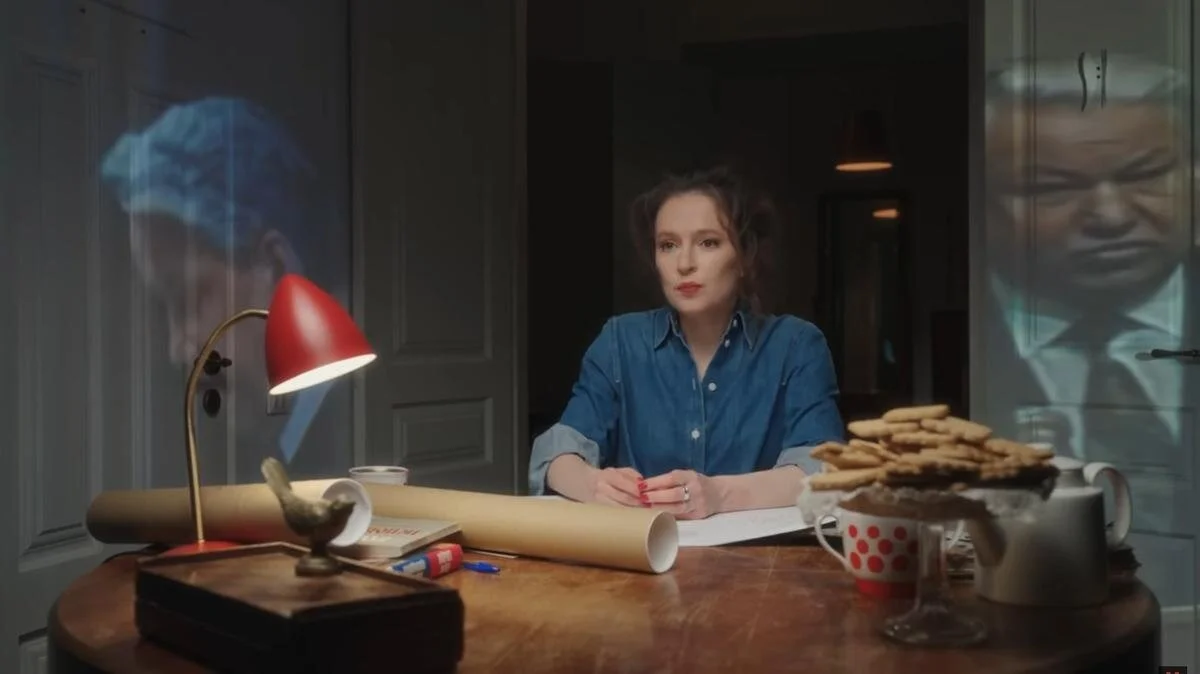
FBK offers them to finish them, which will certainly applaud primarily the regime itself and its ideologists, who only as traitors consider them. The problem, however, is that history (real) teaches us that
Revolutions make, as a rule, it is the traitors of their class.
Lenin was the son of a state adviser, and not a worker from the machine, Khrushchev - by the Stalin governor, and not a politicalzer, and Gorbachev was a protege of Andropov, not a dissident.
The third is not superfluous
You can, of course, finish off, but it is quite easy to simulate further development of the situation - the story has already accumulated quite precedents for this case. I will limit myself to an indication of the two most famous.
At the turn of the century, 100 with a quarter of years ago, Russia, creaking with all institutions, moved towards the softening of autocratic morals. On the horizon, the contours of the constitutional monarchy were loosened, which was much worse than the Democratic Republic for some French or American patterns, but much better than the "prison of peoples."
This movement was actively resisted by the reactionary cloak of the regime - the conditional "Purishkevichi", the precursors of the current Dugins. В самом начале XX века в драку вмешались ленинские большевики. При всей их ненависти к режиму они с ходу объявили главным врагом либеральную интеллигенцию, которую Ленин считал опаснее всех «пуришкевичей» вместе взятых, иными словами — испытывал страх и ненависть.
Итог известен: не выдержав удара с обеих флангов, либеральная идея в России провалилась на 70 лет, большевики на хребте своей ненависти сломали «пуришкевичей», но выстроили новый режим, который по своей кровожадности «пуришкевичам» еще только снился в розовых снах.
Чуть позже, в самом начале 30-х годов этого же столетия, в Германии, пораженной «версальским синдромом», схлестнулись консерваторы и социал-демократы. В засаде сидели коммунисты Тельмана и нацисты Гитлера. Коммунисты, науськиваемые из Кремля Сталиным, основной свой удар нанесли по социал-демократам, еще раз подтверждая тезис о том, что внутривидовая конкуренция является самой жестокой. Таким образом, именно тельмановцы открыли дорогу к власти в Германии нацистам, резко ослабив ту единственную силу, которая могла им противостоять.
Нынешний перенос акцентов с режима на реформаторов (олигархов)-предателей в перспективе может иметь тот же результат. Он открывает путь к власти антилиберальным, антидемократическим силам. Будут ли это дугинские черносотенцы или волковские* комиссары — вопрос совершенно второстепенный.
Впрочем, возможен вполне и какой-то союз (кстати, Дугин и Малофеев ни ненависти, ни страха, похоже, не вызывают). Недаром Дугин в своем интервью широко распахивает двери перед либералами-перебежчиками, прямо говоря, что за одного переобувшегося либерала отдаст двух патриотов.
Негражданская война
Мне пишут, что этот фильм не для вас, а для молодежи, которая плохо знает, что и как там было, и ей надо все правильно объяснить.
Это-то как раз и пугает.
Меня никаким фильмом не прошибешь, я разного кина в своей жизни насмотрелся. А вот программирование молодежи на то, что страшнее Чубайса, Кудрина или Авена зверя нет, действительно опасно. Есть, и живет он отнюдь не в эмиграции.
По сути, ФБК предлагает нам сделать выбор, противоположный тому, который предлагал Бродский. Получается, что кровопийцы им все же милее, чем ворюги. Не готов принять за основу, хоть политические (не поэтические) взгляды Бродского мне и не близки.
Значит ли это, что мы должны забыть и простить? Мол, Анатолий Борисович, приватизация была классной идеей. Или: Петр Олегович, история с письмом по бартерным сделкам питерской мэрии не вызывают никаких вопросов. Или: Михаил Борисович, залоговые аукционы лишь подтвердили, что социальная справедливость всегда была в приоритете у русского бизнеса.
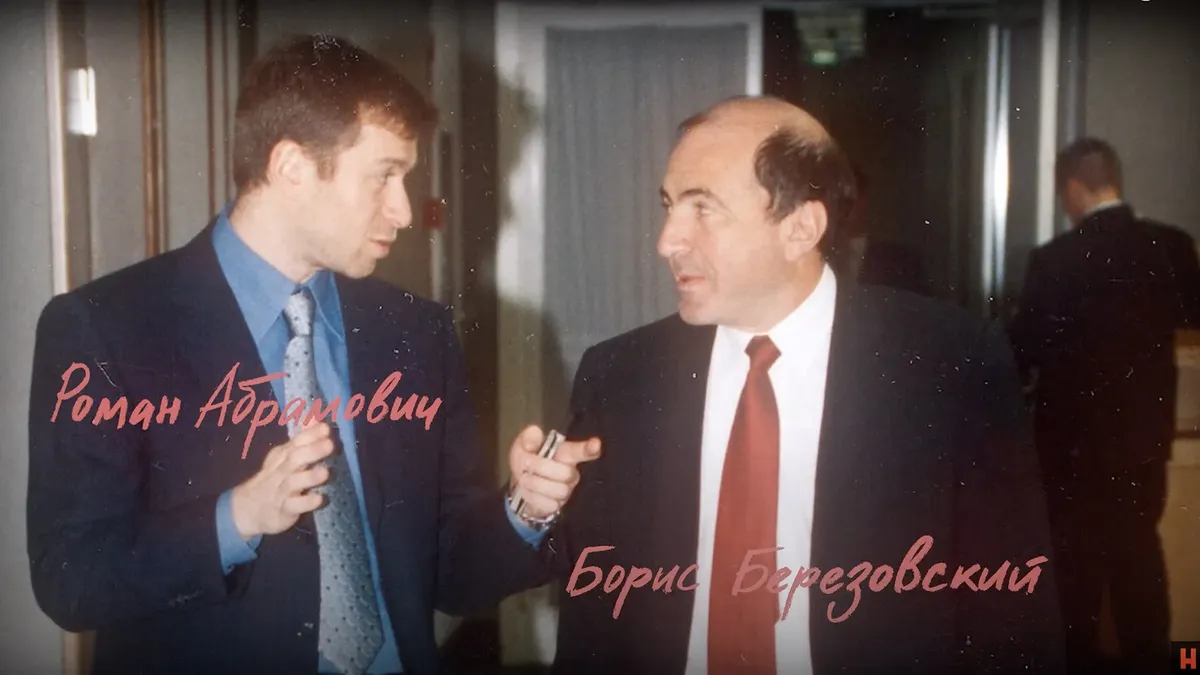
Но Чубайс покинул посты и Россию после начала *** [спецоперации] и, по слухам, пытается создавать какие-то think tanks, которые будут думать над тем, как не попасть в этот капкан снова (не уверен, что он начнет с самоанализа, но все-таки). Авен после начала *** [спецоперации] не был в России и очевидно дистанцируется от военной повестки режима (ну хотя бы). Ходорковский* просто создал и де-факто возглавил Антивоенный комитет*** и является одной из стержневых фигур сопротивления (не сравниваю с ФБК, но даже апостолов было 12, а не один). Для меня это сегодня важнее.
Да, многие оказались не святыми. Хотят жить на два дома. Не готовы пожертвовать капиталами (у кого есть) или просто квартирами, любимой работой или престарелыми родителями. Ну так а судьи кто? История с поддержкой Фридмана, которая вроде как вначале была, а потом куда-то исчезла, показала, что некоторые лидеры ФБК «отличаются не только выдающимися способностями» (для тех, кому не за тридцать: это отсылка к завещанию Ленина с характеристиками членов Политбюро).
В Евангелии есть любимая всеми ястребами мира сентенция: кто не с нами, тот против нас. Многие, однако, забывают, что там же есть и прямо противоположная сентенция: кто не против нас, тот с нами. И это наш личный выбор, куда поставить смысловое ударение.
Дело, конечно, не в отдельно взятом фильме, а в политике.
То, что делает сегодня ФБК, причем от имени Навального, — это попытка открыть в России второй фронт гражданской войны (точнее, негражданской, потому что граждан в сегодняшней России не сыскать днем с огнем).
Россия, как «Воронья слободка», готова запылать, подожженная сразу с нескольких сторон.
Это опасная игра, но мы не на футбольном поле, где есть судья, который может дать свисток. На этом поле нет никого, кроме нас, и нам самим придется разбираться между собой. Раскольничество — тяжелое генетическое заболевание русской политической культуры. С его проявлениями необходимо бороться, а не потакать ему: мол, детки шалят. Уже не детки.
Be vigilant
И напоследок я скажу — специально для тех, кто ратует за то, что с народом (и особенно с молодежью) надо говорить проще.
Когда из лучших побуждений вам продают упрощенную картину мира, будьте бдительны. Как правило, ее простота оказывается хуже воровства.
Конечно, можно было бы легко пройти мимо этого фильма, воспользовавшись мудрым советом Григория Шалвовича, — критиковать ФБК, особенно прямо, обычно бывает себе дороже. Фан-клуб ФБК в некотором роде напоминает секту с правилами поведения, как у футбольных фанатов, и подставляться под работу этой «машины добра» у любого нормального человека обычно нет никакого желания. Так зачем же?
Секты редко приходят к власти. Обычно у общества есть достаточно механизмов, которые предотвращают такой сценарий (в основном с помощью многослойного элитарного фильтра). Но если секта приходит к власти, то вне зависимости от того, какие лозунги начертаны на ее знаменах, она правит по лекалам инквизиции. В лучшем случае это приводит к тому, что общество оказывается на десятилетия запертым в самом темном чулане истории. В худшем — общество исчезает, распадаясь на социальные атомы.
Проблема состоит в том, что благодаря четвертьвековому разрушительному воздействию путинизма на русские элиты в сегодняшней России фильтры практически не работают, и у таких сект, как ФБК, имеются реальные шансы.
Под эти обстоятельства они и готовят пополнение рядов из числа той молодежи, которая с радостью воспримет косплей большевистской картины мира, подогнанной под YouTube, TikTok и прочие высокотехнологичные прибамбасы нашего века.
Это обречет Россию на еще один штрафной круг истории, с которого можно и не вернуться в гонку.