
Translated material
The number one spy
In the USSR, his name became the synonym for the traitor, in the West - a successful agent. Who was Oleg Penkovsky - an adventurer, a traitor or a hero who saved the world from a nuclear war?
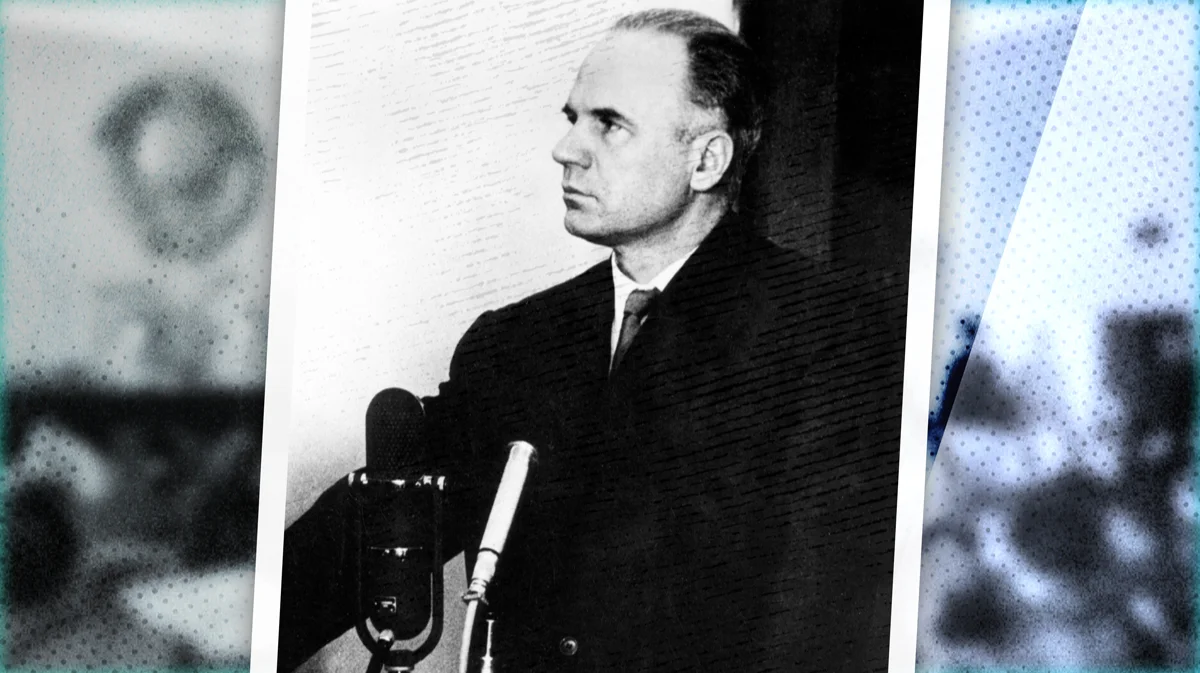
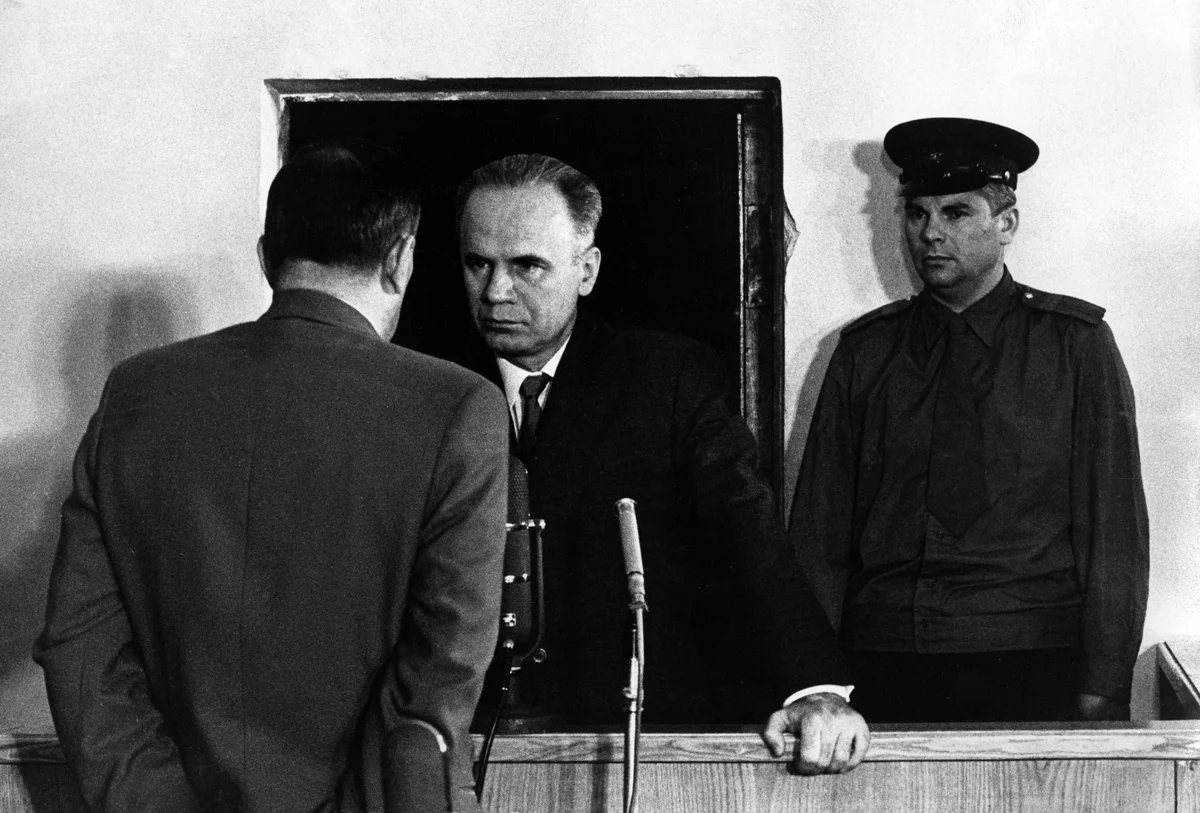
Oleg Penkovsky during the court in the case of state treason, 1963. Photo: Camera Press / T / V / Vida Press
April 23 marks the 105th anniversary of the British intelligence agent Oleg Penkovsky. The GRU colonel delivered information to the American and British intelligence services for only a year and a half, but his activities had consequences that influenced the political situation around the world. Western experts call him the most effective agent for the entire period of the Cold War and claim that it was thanks to Penkovsky that they managed to avoid a nuclear blow during the Caribbean crisis. Russian researchers suggest that Penkovsky could be a “double” agent and a channel for misinformation.
In 2011, writer Viktor Suvorov (former resident of the General Intelligence Directorate of the General Staff of the USSR Moscow State University in Geneva Viktor Rezun, in 1978 fled to the UK) published the book “Kuzkin’s mother”. In it, he voiced his own version of the development of the Caribbean crisis, in the resolution of which Oleg Penkovsky played the main role.
“They told us: he was a womanizer, yes, he loved money,” said Suvorov-Rezun in an interview with Radio Liberty in 2011. - I say: guys, why didn’t he run away? He needed to escape, but for what he handed over, he would be a millionaire. And the woman would have enough for him there. In Moscow, he could not burn his life. But for some reason he did not run away, although he constantly, regularly in Paris, was in London. He had all the possibilities. But Oleg Vladimirovich Penkovsky continued to save the planet named Earth.
Both the book and Suvorov’s speeches caused a sharp criticism both from Western historians and from Russian experts. And the personality of Penkovsky himself in the book of Suvorov is excessively romanticized. Who was Oleg Penkovsky in reality: a cold -blooded agent, a greedy and vengeful businessman who earned secrets, or the savior of planet Earth from a nuclear war, - the new newspaper Europe understands.
Manager
In the book “Kuzkin’s mother” Suvorov, as he himself said in an interview, set out the facts that he gleaned mainly from open Soviet and Russian sources. After the declaration of publicity in the USSR, many court documents were declassified, including the materials of the judicial investigation in the Penkovsky case. It is according to those documents that you can trace the biography of the future spy No. 1. Well, about his personal qualities can be judged by the memoirs of contemporaries and the accompanying career of Penkovsky award sheets.
Oleg Vladimirovich Penkovsky was born on April 23, 1919 in Vladikavkaz. His family was decently ensured by Soviet standards, but at the same time was considered a trustworthy and was not subjected to repression. In 1937, Penkovsky graduated from high school in the city of Ordzhonikidze (the so -called Vladikavkaz from 1931 to 1944) and entered the Kiev artillery school. There he also became a candidate for the party and proved himself an active social activist. After graduating from the school in 1939, he was sent to the army with a political instructor.
Almost immediately after Penkovsky arrived at the place of service, an operation began on the accession of the western regions of Ukraine and Belarus to the USSR. After the “Polish campaign”, the part where Penkovsky served, was transferred to the Leningrad Military District: the Soviet-Finnish war was planned. In hostilities, the artillery battery of Penkovsky did not take part, was in reserve.
After the end of the Soviet-Finnish war, Penkovsky was transferred to the Moscow Artillery School, to the post of deputy head of the political department. After the start of the Patriotic War, he will be awaited by a new purpose, which will become fateful for Penkovsky: he is transferred to the Komsomol work as a Komsomol work in the political administration of the Moscow Military District (MVO), where the future father -in -law of Penkovsky Dmitry Gapanovich worked. The young political instructor liked the general, and he brought him closer to him. Penkovsky became entered into Gapanovich’s house, where he met many senior officers of the Moscow Military District. And also received a kind of “armor” from the front.
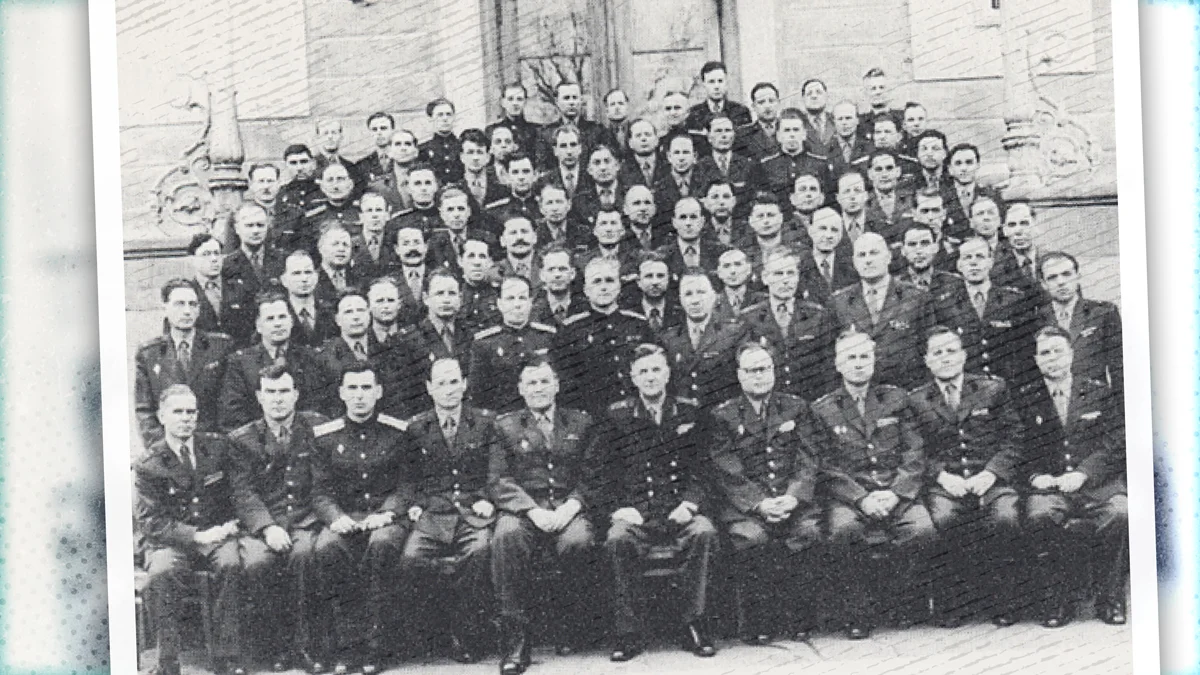
Most likely, General Gapanovich noticed a young officer as a possible party for his daughter Vera, who was only 13 years old at that time.
Almost the entire war Penkovsky wanders around educational parts and schools in different positions, absolutely not striving for the front. But in 1944 it reaches him that if he does not take a direct participation in hostilities, then you can forget about further career. And Major Penkovsky goes to the front. But not in the current fighting unit, but the adjutant of the artillery of the 1st Ukrainian Front. Neither General Gapanovich, nor the future chief marshal of artillery (and in 1944, the chief of artillery of the 1st Ukrainian Front) Sergei Varentsov did not leave evidence of how they participated in the fate of the young Penkovsky. But it can be assumed that the place of the adjutant Penkovsky provided the friendly relations of the generals.
A couple of months after arrival at Oleg Penkovsky, the Order of the Patriotic War of the 1st degree is awarded. As follows from the award documents, Major Penkovsky "led the actions of two artillery batteries, spaced several km away from each other, and managed to repel the enemy tank attack."
Two months after the first award - the next, the medal "For the Defense of Moscow". The fact that at that time his part was near Poland did not bother anyone.
In 1945, Penkovsky was simply shed from awards: two orders of the Red Banner, the Order of Alexander Nevsky, the military cross of Czechoslovakia, the medal "For the Liberation of Prague", the medal "For the victory over Germany." No fights were mentioned in award documents, Penkovsky was awarded that "... an initiative, experienced and knowledgeable officer did a great work on preparing and raising combat readiness of the fighter-firing artillery of the 1st Ukrainian Front." Even the amateur understands that Penkovsky, to put it mildly, did not deserve combat awards, but “served”. Be that as it may, but Penkovsky returns to Moscow with a completely worthy set of awards. In Moscow, two significant events take place in the fate of Penkovsky: he marries the 17-year-old Vera Gapanovich (her father by that time took the post of head of the political department of the Moscow Military District) and enters the Frunze Military Engineering Academy. Almost immediately after graduation, he is sent to the Military Diplomatic Academy, where cadres for military intelligence stared. At the end in 1952, it was distributed to the fourth (eastern) department of the Main Intelligence Directorate of the USSR Ministry of Defense. There, from Penkovsky, they begin to prepare a resident of Soviet intelligence in Turkey.
Did you come yourself?
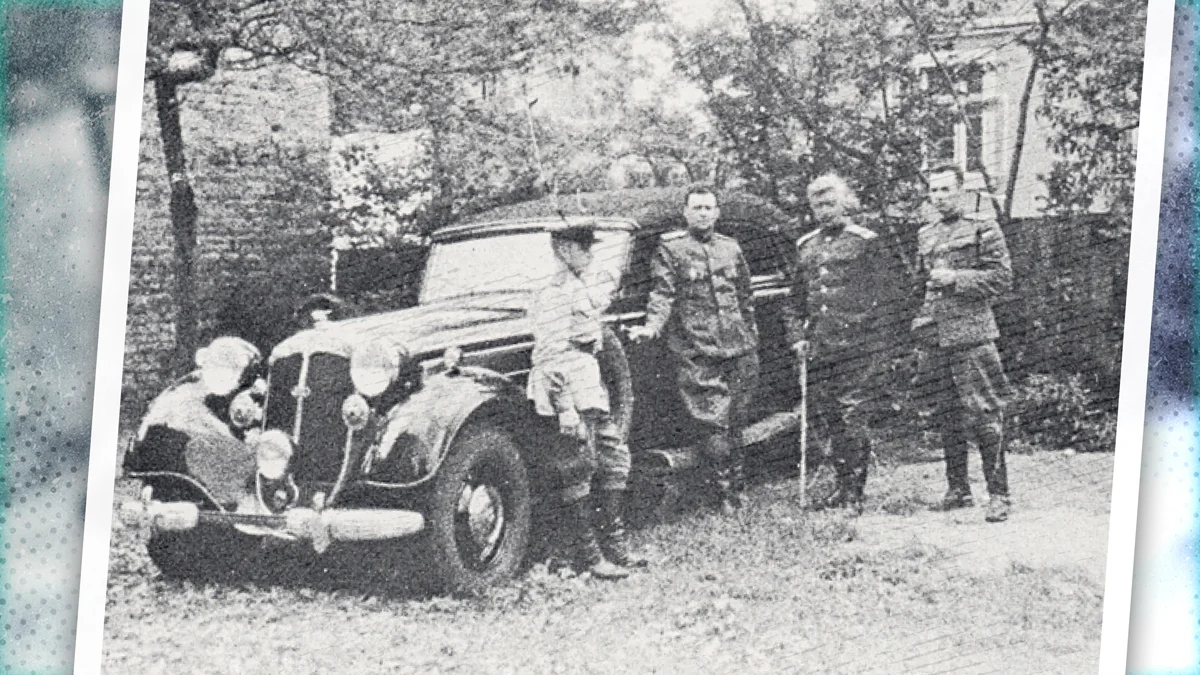
Penkovsky went to Ankara in 1955. But instead of working, the resident is actively engaged in business. Taking advantage of the fact that his official cover was the position of assistant to the military attache (that is, a person falling under diplomatic immunity), Penkovsky brought to Turkey a couple of dozen Zenit cameras (the baggage of a diplomat is not subject to inspection) and a certain number of jewelry.
Here it is worth explaining. The Zenit mirror camera was developed in 1952 in the USSR and was very popular abroad, but it cost there 10 times more than in the Union. It was appreciated in Turkey and Russian gold. In those days, in gold jewelry from the USSR there were the smallest amount of impurities of other metals. And such jewelry in the Soviet Union was again much cheaper than the products of Turkish jewelers.
At the same time, in Turkey it was possible to buy what was not available to Soviet citizens. Here he bought Penkovsky: after all, he needed to thank the “necessary” people for such a favorable purpose. Stormy commercial activity greatly interfered with the performance of the direct duties of a military intelligence resident. What was reported to the GRU leadership. A year later, in 1956, Penkovsky was recalled to Moscow. And here the main riddles begin in the Penkovsky case.
From Turkey, Penkovsky returned with a record that destroys his career in a characteristic: "Avenging, evil person, an unprecedented careerist, is capable of any meanness." It is removed from the state of the GRU and sent to the reserve of the Ministry of Defense. For some time, Penkovsky is in a limited state: it seems to be not fired, but there is no position. And suddenly a year later, in 1957, by personal order of the then chief of the GRU Ivan Serov, Penkovsky returns to intelligence, to the fifth department (operational intelligence).
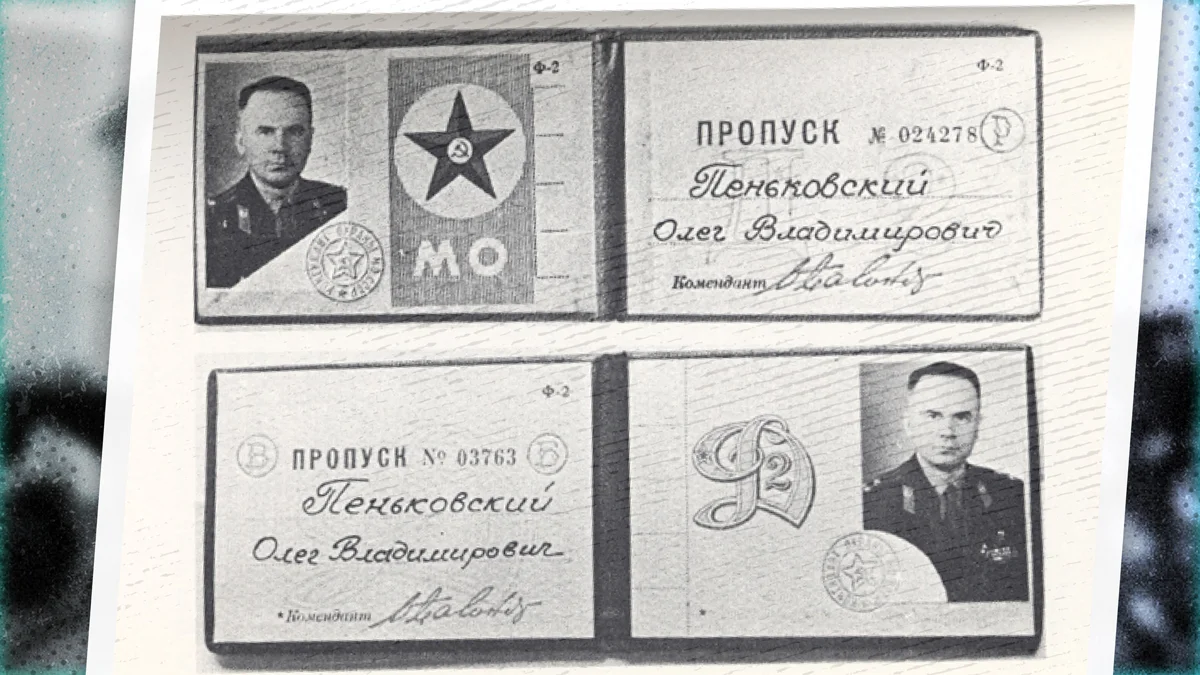
Most experts agree that Marshal Varentsov, who strongly favored the former adjutant, contributed to the return of Penkovsky to the service. A year later, Penkovsky was sent to the highest engineering and artillery courses of the Academy of Missile Forces, after which in 1959 he served the head of the course at the Academy for some time, and in 1960 it was distributed into the operational and technical department of the GRU. And from this moment, the story begins not by Colonel Penkovsky, but by the agent “Hero” (such a pseudonym Penkovsky, along with the names “Alex” and “Young”, was assigned to Sis (Secret Intelligence Service) and CIA in English intelligence).
In 1960, Penkovsky made several attempts to contact foreign intelligence. First, through American tourists, he handed a letter to the US Embassy in Moscow, in which he reported little-known details about the shot down by the American U-2 aircraft leading Francis Powers and offered his services. However, the Americans considered this episode a provocation - and did not come to contact. After that, Penkovsky made several more inappropriate attempts to contact.
In November 1960, at one of the tricks at the Swedish embassy, Oleg Penkovsky approached the English businessman Greville Winn. During the Second World War, Winn served in the English counterintelligence Mi-5 (one of the SIS units). The fact that Vinn did not break his contacts with English intelligence was reported by the Soviet agent in SIS George Blake.
During the conversation, Penkovsky handed Vinna a sealed package, in which there were secret information about the development of rocket troops in the USSR. In London, this information was carefully studied, contacted the Americans and checked the data obtained. It turned out that the “initiative” (as the agents are called in special organists, who, on their own initiative for contact with the warning intelligence), Penkovsky could be very useful. SIS and CIA began to work in this direction together.
In early 1961, Grevill Vinn arrived in Moscow, where he once again met with a potential agent. Penkovsky confirmed his desire to work for Western special services. In April 1961, Penkovsky was part of a scientific delegation that went to London. On April 20, 1961, his meeting was held at the Mount Royal Hotel with representatives of English and American intelligence.
According to the English writer Jeremy Dance in his book “Cache” (based on declassified in 2012, after 50 years, documents of special services) dedicated to Oleg Penkovsky, the motives of the Soviet agent were far from ideological.
“The main motive that prompted him to cooperate with the West, in my opinion, was discontent with his career growth in the GRU,” the writer said in an interview with Radio Liberty in 2013. -Of course, one cannot completely deny that to some extent they were also driven by ideological considerations: he wanted to undermine the Soviet system. But there were purely selfish reasons why he wanted to help the West. In general, his act can be called revenge. The first thing he told the MI-6 and the CIA to when he first met with them in April 1961 at the London Hotel:
He has a plan, as in the event of the start of the war to destroy the most important goals in Moscow - the buildings of the General Staff, GRU, the KGB and the Central Committee of the CPSU.
Moreover, not by bombing from air or missiles, which does not guarantee the accuracy of hitting, but with the help of sabotage, laying a group of saboteurs of nuclear bombs with a capacity of one or two kilotons. Penkovsky even explained how to lay them. He accused his bosses of not introducing him to the general rank. In the GRU, he was stuck with the rank of colonel.
Viktor Suvorov, in his book “Kuzkin’s mother”, claimed that Generals Serov and Varents, fearing the impulsive actions of Nikita Khrushchev, who was able to shut the spleeches, was specially prepared from the Penkovsky agent, who would supply information to the west that could prevent the raw nuclear war. And for this, the Americans had to report: Khrushchev’s statements that the USSR has hundreds of missiles that could erase all Europe and the USA from the face of the Earth, nothing more than propaganda.
Fragment from Suvorov’s book “Kuzkina Mother”:
“The chief of the GRU, Army General Serov, gently folded the newspaper“ Pravda ”and put it in a garbage box. It was just a newspaper with a statement by Comrade Khrushchev that we had missiles, like sausages from the conveyor, are leaving.
- What will we do? - This is a question to the commander of the missile forces and artillery of the ground forces of the chief marshal of artillery Varentsov. This is a question that may not be an answer to.
The situation is clear. Khrushchev set the task in December 1960 to launch a person into space. Now October. The flight of a person into space will become evidence of the indestructible missile power of the Soviet Union. As soon as a person flights, Khrushchev begins to scare Europe and America with rockets and demand a solution to the problem of Berlin. There is a rocket for the destruction of Europe, for the destruction of America - no. The conversation will go on high colors and ... everything can end very sad for everyone. To bluff, not having trump cards in the hands of, suicide. This is not a game of a fooly howling. The case can turn into the Third World War.
- And if you warn the Americans that Khrushchev will bluff that we do not have such missiles in our war units that reach America?
- How do you warn them? Will you go and say - do not believe Khrushchev? But why should they believe you, but not to him?
- There is only one way out - to provide the Americans with information, but those that they could check and make sure that we are not the time.
- How to convey this information to them? How to convey to believe?
-Again, we have only one way out-our officer will allow himself to recruit American scouts and give them secrets, and let them check.
- Which officer will go to this?
“We must look.”
So they found Oleg Penkovsky, who was slipped by Western intelligence.
Points over I
Indirect evidence that Penkovsky was used by Soviet intelligence to deliver the information necessary for the USSR for the USSR is the fact that the colonel was exposed 8 months after he began to work on the Western intelligence services (December 30–31, 1961, constant surveillance was established in January 1962). But after that, almost a year they simply watched him, without interfering with his activities.
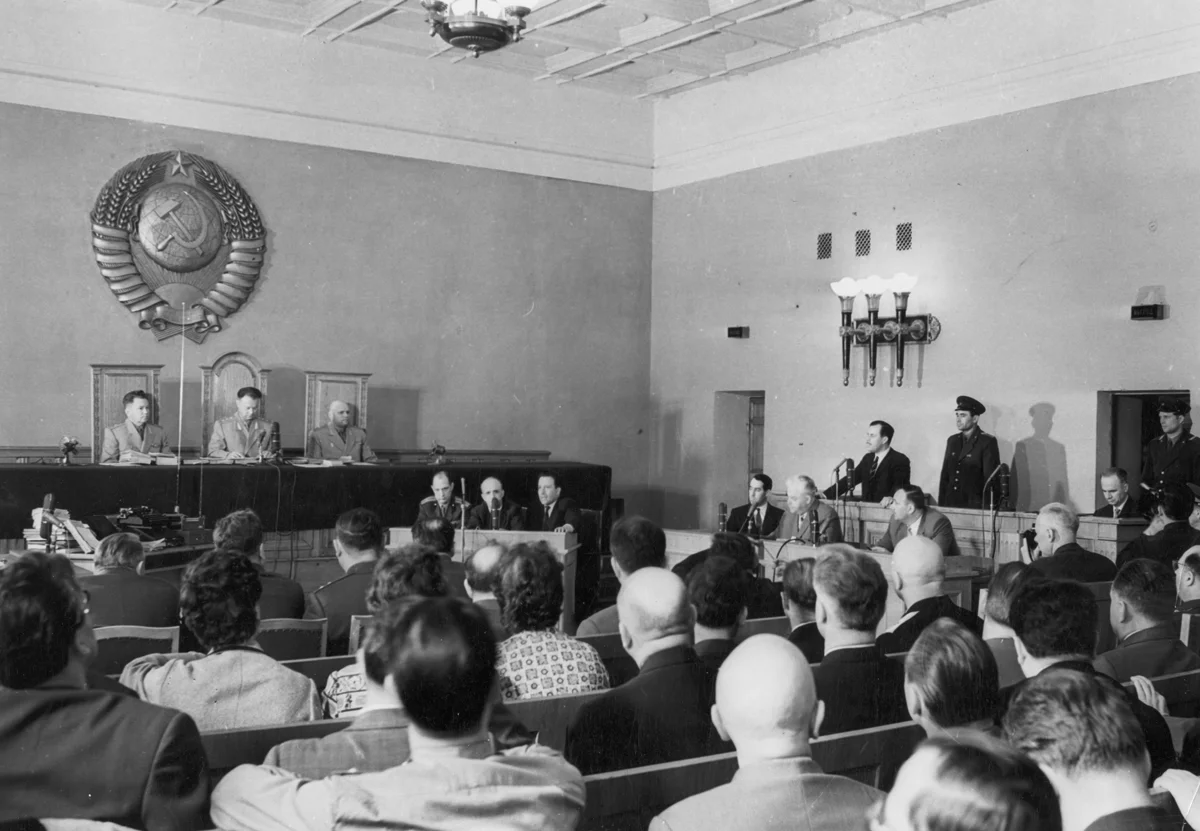
In 2000, the former chairman of the KGB of the USSR (1961–1967), Vladimir Semi -City, in an interview with the Kommersant newspaper, claimed that Penkovsky at the time of his espionage activities (April 20, 1961 - October 22, 1962) had no tolerances for secret documents, and to the West conveyed what he photographed in the ... GRU library.
“He could indicate the deployment and name some types of missiles, and not how much, and where, and what missiles are located, but only the geography of their placement-on Varentsov’s business trips,” said Semi-part. -Of course, he also knew that Varentsov chatted on a drunken head at the table or somewhere in the presence of the generals. And Penkovsky heard all this when he brought a drink or add ... And just in case, he was turned on. That was! But what could he find and take in the GRU library? And in the State Committee for Science and Technology, where it was listed as a clerk, the council materials in defense affairs have never passed. And, therefore, he could not take something there either. Second. If even in the GRU library there was an increased interest of some employee, even a general, to some topics (and not ordinary librarians are sitting there), it would immediately be reported where it should be and appropriate observation was established for such curious. These are special services. And there it doesn’t happen that someone itself came and says: “Give me this and that ...”-and everything went without a trace. Nothing of the kind. Если даже в обычных библиотеках всё на учете (кто, когда и чем пользовался), то в спецбиблиотеках тем более. Все выдачи материалов происходят по спецразрешениям, а разрешения выдаются по спецуказаниям, а указания даются на основании соответствующим образом разработанных планов операций и т. д., и т. п. Бывают, конечно, какие-то отступления. Но как только они начинают носить систематический характер, об этом сразу становится известно в структурах госбезопасности. И в архивах ни одному рядовому и даже высокопоставленному, но постороннему сотруднику не выдадут ни одну бумагу, прежде чем он не напишет объяснение: зачем ему это нужно? Во всяком случае, так должно быть!
Так было и с Пеньковским. Я же говорю, мы сняли ему в затылок четыре части фильма по тридцать минут. Я даже возил, показывал этот фильм Фиделю Кастро. Он еще министру своему говорил: “Смотри и учись, как это делается!” Ведь мы еще и подсовывали Пеньковскому какую-нибудь туфту, чтобы у американцев голова шла кругом. И он это всё им передавал. И они принимали это за чистую монету и платили ему такие премии, что становилось ясно: клюнули! И на ответные меры соответствующие финансы вбухивали.
Потом Пеньковский еще несколько раз должен был выехать за границу, однако мы закрыли эти выезды. Но мы его не арестовывали. Why? Мы тянули, потому что должен был приехать сюда Винн. И мы хотели их вместе взять. А он не ехал. Приехал Винн в Будапешт. И я туда срочно послал свой самолет и Банникова с группой захвата. Так что Винна мы прихватили вместе с машиной в Будапеште. По соглашению, которое у нас было. А Пеньковского, стало быть, взяли здесь. Пеньковского мы несколько раз не выпускали за границу, хотя и боялись, что американцы могут что-то заподозрить. Но они так к нему присосались, потому что считали, что он здесь занимает такое высокое положение, что рвать с ним ну никак нельзя. Тем более что Пеньковский, как Хлестаков, был на язык мастак... Когда с ним в Лондоне и Париже работали по два-три человека от американцев и англичан, он их всех так убалтывал, что они становились похожими на персонажей из гоголевского “Ревизора”. Хотя сомнения у них, конечно, возникали, но он им не давал в себя прийти, убеждая, что он со всеми, как говорится, “на дружеской ноге”. И этим, разумеется, еще большую цену себе набивал. И американцы с англичанами на нём прокололись, как Городничий и свита на Хлестакове. И вот теперь, чтобы выйти из чуть ли не комедийного положения, непростительного для разведок таких сверхдержав, какими являются Америка и Англия, им приходится уже самим набивать Хлестакову... прошу прощения... Пеньковскому цену, называя его своим суперагентом века в России, в то время как у нас действительно были такие суперагенты: и Филби, и Блейк, и Абель, и даже такие, про которых они, может, только через сто лет узнают. И что самое главное, все они не чета Пеньковскому, потому как работали не за деньги, а за идею. Время еще скажет свое главное слово в защиту разведчиков, которые делают дело именно за идею, а не за деньги!»
Но именно дислокация и типы ракет, которые сообщил Пеньковский, позволили американцам выставить советскому руководству ультиматум во время Карибского кризиса. Не поверив в хвастовство Хрущёва о том, что у Советского Союза сотни баллистических ракет, Кеннеди пригрозил ядерным ударом по Кубе, где уже были советские ракеты, и приказал привести американские ракеты в боевое положение. И Хрущёв вынужден был пойти на попятную: советские ракеты были вывезены с Кубы. Впрочем, американцы тоже убрали свои ракетные базы из Турции.
— Источники в КГБ утверждают, что они вышли на след Пеньковского в январе 1962 года, — рассказывал «Радио Свобода» писатель Джереми Данс в 2013 году. — Но арестован он был лишь в октябре. Его арестовали в тот самый день, когда Джон Кеннеди обратился к нации в связи с Кубинским кризисом. На протяжении десяти месяцев, с начала января по конец октября 1962 года, Пеньковскому давали возможность свободно передавать MI-6 и ЦРУ сверхсекретные материалы. Это был период серьезной международной напряженности. На это время пришлись Берлинский и Кубинский кризисы. Во всей этой версии КГБ много нестыковок, которые я рассматриваю в своей книге. Моя версия его ареста состоит в том, что Пеньковский не был разоблачен случайно, в результате рутинной слежки за одной сотрудницей британского посольства, которая, как выяснилось, была работавшей под дипломатическим прикрытием агентом MI-6. Думаю, что у КГБ был собственный агент в ЦРУ или MI-6. Этот агент знал, что в Москве проводится важная операция и оттуда поступает секретная информация. Он не знал, от кого она поступает, не знал имени Пеньковского, но знал о существовании крупного агента в советской разведке и о сверхважности его информации. У него наверняка было достаточно данных, чтобы высказать несколько догадок по поводу личности возможного агента.
Но проблема для КГБ заключалась в том, что, если бы он сразу же арестовал Пеньковского, то подставил бы под удар собственного агента. MI-6 и ЦРУ тут же поняли бы, кто выдал Пеньковского.
По-видимому, этот «крот» был слишком ценным агентом для СССР, и они решили до поры Пеньковского не трогать. Иначе трудно понять, почему «засвеченному» Пеньковскому разрешали продолжать работать на MI-6 все эти десять месяцев. Но когда разразился Кубинский кризис и руководство СССР сообразило, какая сверхсекретная информация поступает на Запад, оно решило, что ситуация выходит из-под контроля, и санкционировало арест Пеньковского. Именно эту версию я разрабатываю в своей книге.
А вот утверждения о том, что генерал армии Серов и маршал Варенцов были причастны к некоей операции по дезинформации американцев, не выдерживают критики. Оба сильно пострадали после ареста Пеньковского: Варенцов был понижен в звании из маршалов в генерал-майоры и лишен звания Героя Советского Союза. Та же участь ожидала и Серова (лишение медали Героя и понижение из генералов армии в генерал-майоры), который к тому же лишился и должности. Позднее именно смещение Серова приведет к тому, что сместят уже самого Хрущёва.
Процесс над Олегом Пеньковским (7–11 мая 1963 года) был официально открытым, но присутствовать на нем разрешалось ограниченному кругу лиц. Зато советское руководство поручило снять документальный фильм о суде, который позднее демонстрировался во многих странах мира. 11 мая 1963 года Олег Пеньковский был приговорен к высшей мере наказания, а уже 16 мая расстрелян. Англичанин Гревилл Винн был приговорен к 8 годам лишения свободы и впоследствии обменян на советского разведчика Конрада Мол о дого, приговоренного к 25 годам заключения в английской тюрьме. Но до сих пор остаются засекреченными многие документы, касающиеся деятельности Пеньковского. Причем как в КГБ/ФСБ, так и в ЦРУ и британской разведке. Видимо, пройдет еще немало времени, прежде чем они будут раскрыты, а в «деле Пеньковского» не останется «белых» пятен.