
Translated material
“Evil does not exist” Ryusuke Hamaguti - a mysterious parable with the finale, which is being argued by critics and viewers
The new film director of the Oscar -winning "Sit on the wheel of my car"
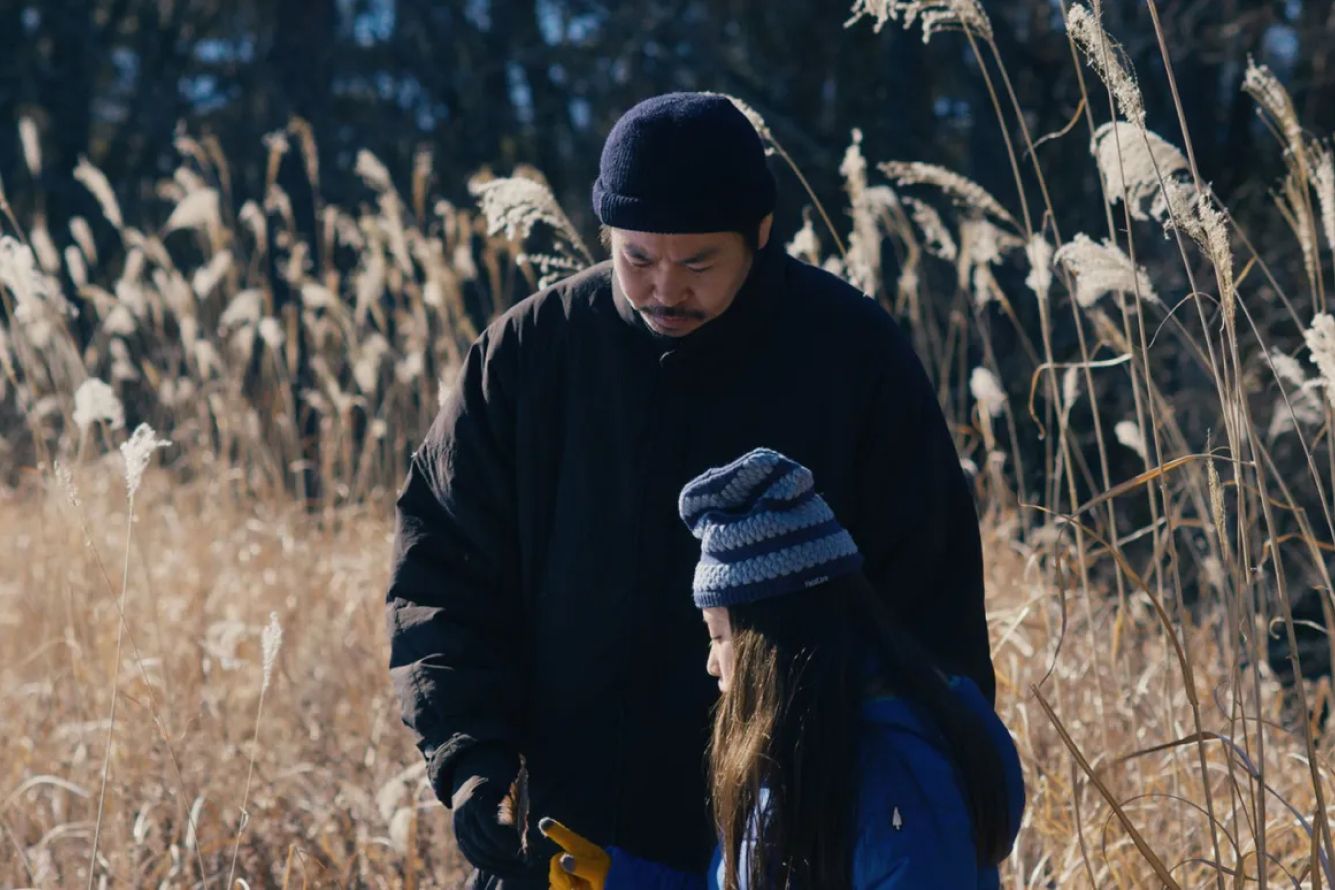
In Russian cinemas, the director “Sit behind the wheel of my car” Ryusuke Hamaguti-“Evil does not exist”, awarded the Grand Prix of the Venetian festival, was released. This is a story about the clash of a small village with cynical city managers who want to build a fashion hotel in this place in this place. The film critic Anton Dolin sees in the film a parable about how humanity has been trying to draw a border between good and evil for millennia (and cannot understand why this is impossible).
The name of the new film Ryusuke Hamaguti - the most famous Japanese director of his generation - manifests itself on the screen gradually, not in order. A particle of "not" is the last. As if the author himself does not know and doubts whether there is evil. And this is one of the many puzzles of attractive and confusing the picture, much less clear and consistent than “Sit behind the wheel of my car” - his Oscar -winning the story of Haruka Murakami.
According to Hamaguti, the name was born before the script. The director went to the countryside, at the invitation of singer Ayko Isibashi: she wrote music for “Sitting my car”, and he promised to make a half -hour film for her new job. It was there, walking alone in the forest, Hamaguti thought: nature does not imagine what good and evil are - only a person is able to bring these concepts into it. Inspired by this thought, he expanded the visual material for Isibashi - and turned it into an independent full -length movie, again with her music.

The camera moves through the trees, looking into the sky - these meditative personnel frames the effect of the more disharmonious and then anxious suite - these meditative personnel frames. “Evil does not exist” gradually, slowly introducing us to the inhabitants of the same village. Attention is focused on the closed and restrained handyman and lone father Takumi (Hitoshi Omik). So he picks up water in a local source and explains to a friend how to use wild Basabi in cooking. Here he picks up a beautiful pheasant feather as a gift to the elder of the village. Here he is waiting for his daughter, an eight -year -old khan (Ryo Nisikawa), but she already went home, her classmates report.
Takumi is a kind of keeper and the spirit of a protected place. Everyone here knows and respects him here. Therefore, it is natural that it is he who leads the resistance of the village inhabitants to the strangers who came from the capital. Takahashi (Ryuzy Kosaka) - older and more experienced, Mayazumi (Ayaka Sibutani) - is still simple -minded and naive; Together they work in a casting agency. Its director decided to grab the subsidy provided during the years of Covid by the state, and quickly re-profiled: in this very idyllic area, they bought the land cheaply where they are going to open glamping . Of course, it is necessary to consult with the locals, but at the first meeting it becomes clear that their recommendations are unlikely to change the approved construction plan. The consequences are also obvious - unique drinking water in the source is polluted.
Then the detached and gloomy Takumi decides to make contact with the townspeople. He patiently explains to them that in a place where they want to build their fashion hotel, a deer trail passes - and it is impossible to build there. But they do not see any problem in this - they only decide to make a fence higher. Mayazumi and Takahashi naively flattes Takumi and offer him the position of caretaker in glamping - the work is not dusty, they pay with dignity. In other words, there is practically no hopes for mutual understanding between strangers and local ones.
The rhythm “Evil does not exist” - smooth and deceptively soothing. Visuality is bewitching, but completely devoid of pretentiousness (the operator Yoshio Kitagawa manifests itself as an extraordinary landscape painter). Yes, and the film itself resembles a deer path: the directorial plan is only a careful look at its bizarre trajectory.
It would seem that the central conflict of the film is planned straight - this is an ecological parable about the clash of civilization with nature, about the futile and greedy ambitions of a person, unable to hear the quiet music of the elements. But is it possible to assume that local residents actually protect the interests of nature, the defending of which in any case they do not have enough resources? Do they definitely - “good”, and not the same “evil” as visitors from the city? As Takumi rightly remarks, people in the village are also aliens, immigrants, who violated natural harmony, no matter how much they wanted to consider themselves part of it. As in the ancient tragedy, the fatal outcome of the seemingly improved action is a foregone conclusion.
To tell the final “Evil does not exist” would be a cruel violation of professional standards. The audience must experience this experience on its own. The last and climax scene finally forms a picture, with a shocking sharpness interrupting the course of events. And at the same time, it completely destroys the fragile structure, plunging into bewilderment. It may even have the impression that the film is not completed, but interrupted at the request of a certain customer or producer.
But no, Khamaguti stubbornly repeats that life is cruel, irrational and absurd, which is reflected in an inexplicable denouement. And the disputes of the audience regarding the interpretation only additionally confirm this thesis. You can agree with this or not, but the unusual structure at least makes the film non -banal.
Anton Dolin