
Translated material
The last bandit
For the first time since the beginning of the war, Europe issued Russia a member of one of the most mysterious criminal groups of St. Petersburg - he has been wanted since 2011.
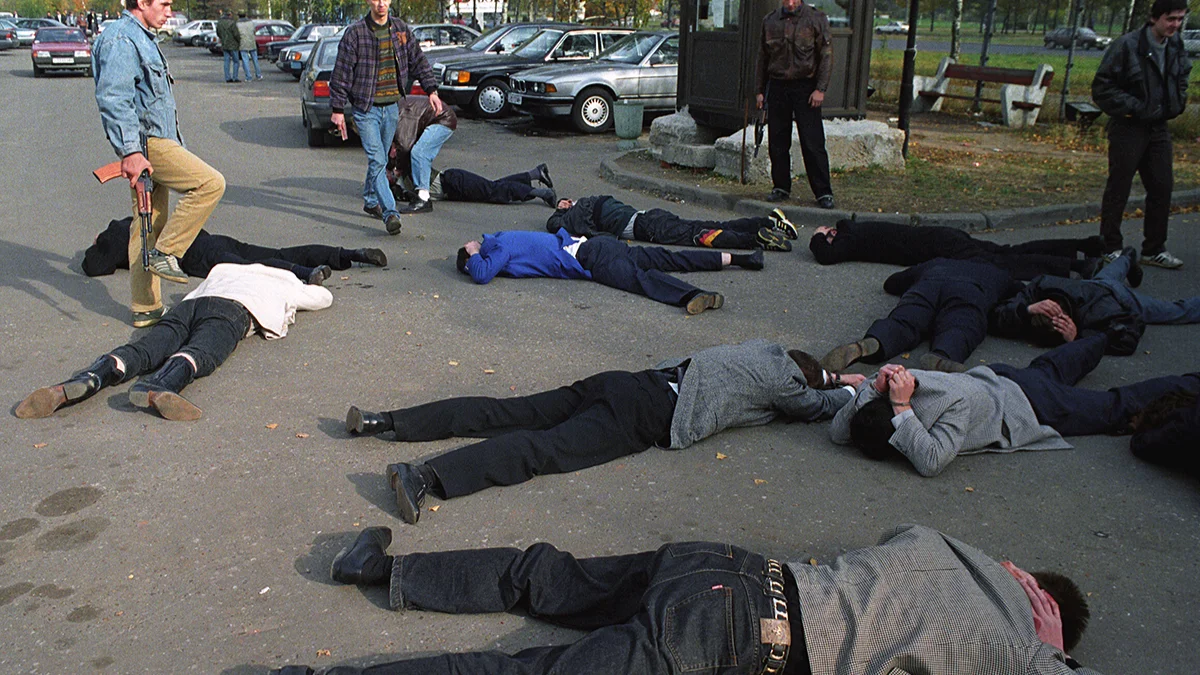
The detention of members of two criminal groups in Moscow, Russia, October 12, 1994. Photo: Dmitry Barinov / EPA
In the City Court of St. Petersburg, the jury issued a verdict to the last member of the most mysterious gang of the late 90s citizen of Moldova Sergey Gutsu. The group, which included the defendant, at first glance was not much different from others. But the stories that took place around her were so contradictory that they made a gang absolutely inexplicable. Even the issuance of the last member of the organized crime group of Russia became a precedent. The story of one of the most odious groups of St. Petersburg is in the material of Novy-Europe.
Bar of trunks
As follows from the materials of the case, the defendant Sergei Gutsu joined the organized crime group, which was headed by his relative Peter Gutz-Bobrovnichi, only in the early 2000s, becoming the right hand of the gang leader. But the group itself was born much earlier and by 2009 it had already had a rich history.
In the early 90s, Petersburg, like Moscow, experienced the invasion of criminal
brigades from all the former USSR. Hundreds of young people from the province went to a big city to bite off their piece from a cash pie, which, in their opinion, was formed in two capitals. The history of most of these gangs ended sadly - most often in suburban ravines. But occasionally the visitors managed to gain a foothold in the new territory and turned into force with which the local authorities had to reckon.
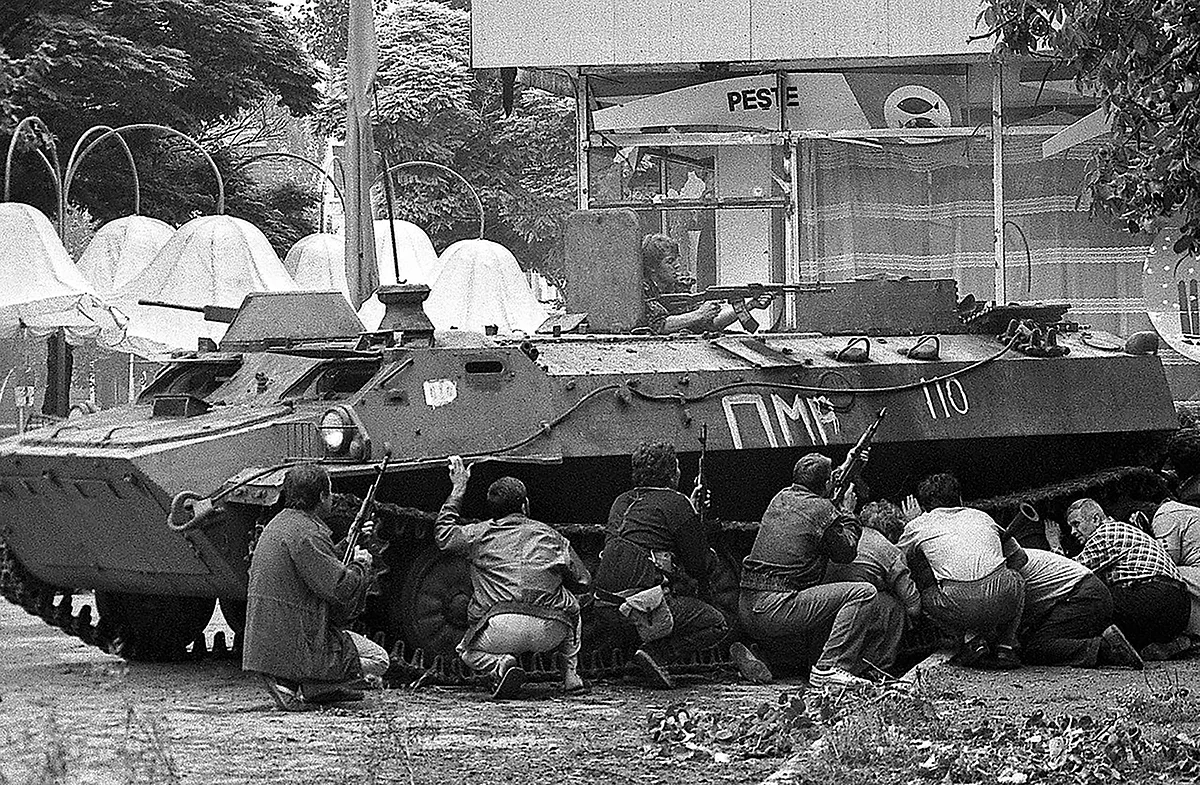
Pyotr Bobrovnichy arrived in St. Petersburg in 1992 as the leader of a small gang, which consisted mainly of Moldavian. Then he bore the surname Gutsu, and he became Bobrovnich in the early 2000s. In those days, the borders between the former union republics were still completely open, trains went between the capitals, including the Kishinev-Leningrad train, on which apricots, peaches, grapes, watermelons, wine were brought to the North Palmyra from the 50s. They will be transported to the goods with multi -ton autofors later, and then several wagons were attached to the passenger composition, supposedly with postal items, in which the “gifts of Moldova” were taken to sell to St. Petersburg. The trains in the early 90s were not subjected to any inspection. And therefore, not only fruits were transported in them.
“In 1992, the fighting of the Transnistrian conflict just ceased in Moldova,” a former employee of the criminal investigation department of the Central Internal Affairs Directorate of St. Petersburg and the Leningrad region Sergei Anisimov (the name changed at the request of the respondent) told the New Year.
- While the war was going on there, the population accumulated a lot of weapons. When the conflict faded, weapons began to be removed. Someone gave it voluntarily, someone hid it until better times, and the most consistent brought him to sell to Russia.
Here, for any trunk, it was possible to get 100 times more money than the authorities paid if you hand over weapons on the spot. Gutsu-Bobrovnichy came to St. Petersburg, accompanying a large batch of weapons, which did not even go in battle. It was then that he fell into our field of vision. They began to break through him, it turned out that he had ties with the Odessa and Ukrainian thieves in law, the nickname Peka adheres to the thieves' law. They established observation after him to break through his connection, but failed. Because there was a purely anecdotal story.
One evening, Peck with two friends decided to relax at the Metropol. We had lunch tightly, ordered several songs, argued a little with the local brother, but it didn’t reach the fight. One of the friends of Peki stayed with new local friends, and Gutsu and the second accomplice and two girls went to Petrogradskaya, where the gang rented three apartments at once.
Along the way, it turned out that there was almost no alcohol in the apartment, and decided to call in a night store. But after all, bad luck: there were only dollars in wallets, they refused to accept them in the store. Then the tipsy pitch grabbed the gun and stated that he would take everything he needed for free. It didn’t work out: the store was guarded in his free time from the local criminal investigation officers who quickly twisted visitors.
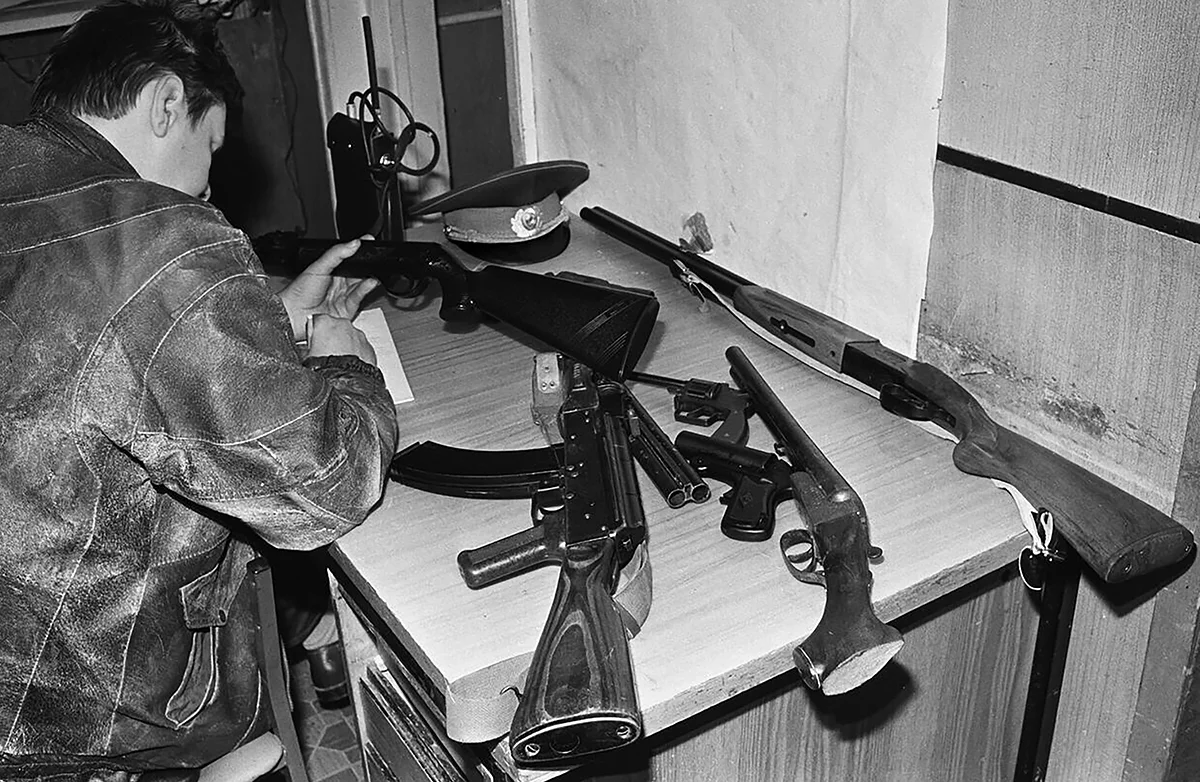
“Of course, we were in the local department after a couple of hours,” recalls Anisimov. - The guy was experienced, but his friend “swam” almost immediately and gave us where the warehouse with weapons. Then the removal of the arsenal even on the central television channels showed: there were six grenades of the “fly” alone. And another 30 Kalashnikov assault rifles, pistols, sniper rifles, a pair of light machine guns, grenades, anti -tank mines, even several units of pistols and foreign machine guns. But in court, the accusation of storage and trade in weapons did not resist: there was no evidence of its origin. So I received a bitch only for a robbery on a night store, but almost to the maximum - nine years.
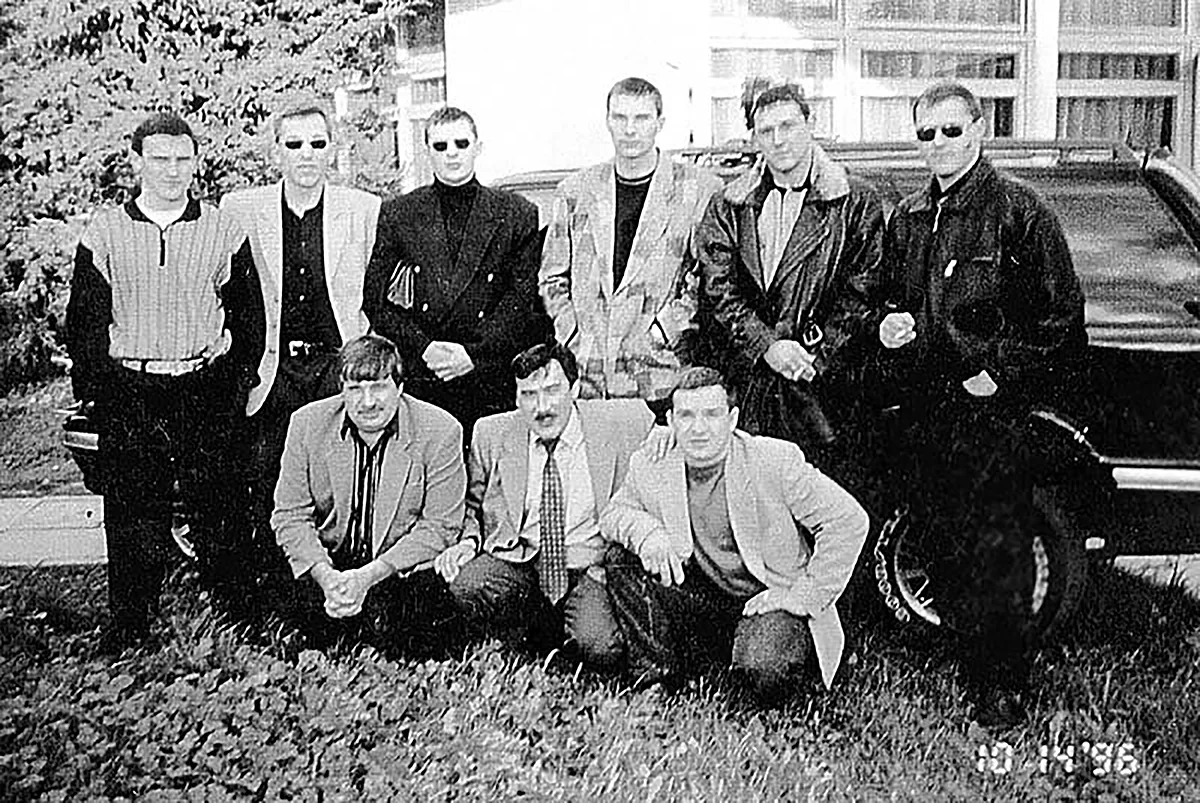
Even then we were struck by the absolute meaninglessness of the act of Peki. He has a “hot” product in his hands for several hundred thousand dollars, and he goes on an armed attack due to a couple of thousand rubles! It would seem that these qualities-the recklessness and the complete absence of discipline-should have buried the gang immediately after its creation, but it somehow lasted almost 20 years. Personally, I have only one explanation: the ordinary members of the gang were afraid of the leader, and he was just desperately lucky.
Murderous authority
In the Gutsu-Bobrovnichi zone, he made acquaintances with many important people and, by liberation, decided not to return to Moldova, but to stay in St. Petersburg. In the northern capital, adherents of thieves' law did not possess the authority and authority that they had in Moscow. The first violin in the northern capital was played by “athletes” - bandits who came out of the sports environment. But this does not mean that thieves in law did not have any business in St. Petersburg.
“With the“ blue ”, as we called those who adhered to the thieves of the thieves, we had something like the distinction between authority,” said one of the founders of the Tambov criminal community, which occupied the leading position in the criminal world of St. Petersburg from the late 90s until 2007, Alexander F.-for example, we never drove into the trade of fruits-fruits. There, the Caucasian thieves in law received bribes there. There were other “topics” (directions), which “Sergeyich” (as the near circle called the “night governor” of St. Petersburg and the leader of the Tambov OPS, Vladimir Barsukov, is now serving a 24-year term in the colony) allowed them to “twist” here. For example, roofing and distribution in the areas of St. Petersburg visiting brigades of Barsatomniki, auto standers, pickpockets.
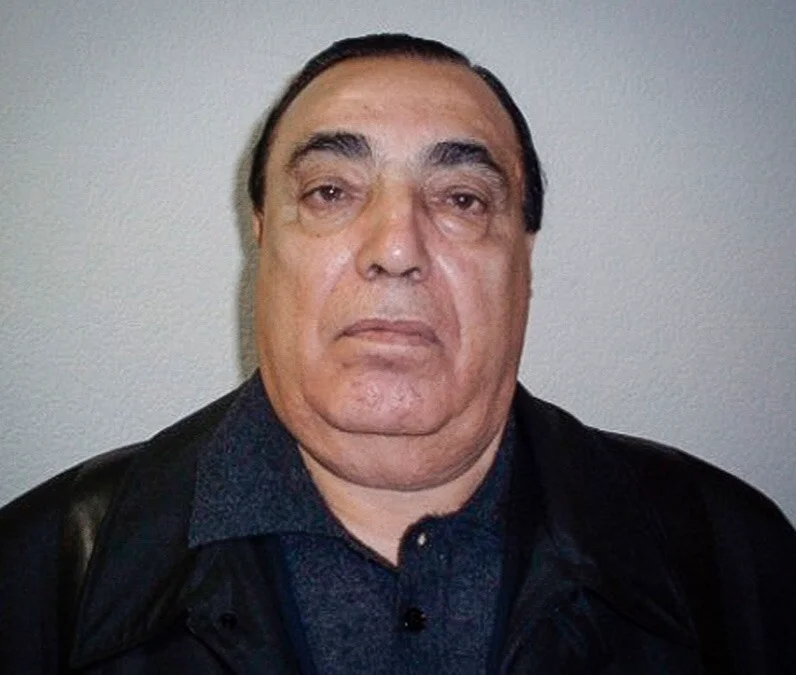
But in addition to the purely criminal business, “Lawyers” (thieves in law) constantly climbed into the legal, which caused inconvenience. The most persistent grandfather Hassan was
(One of the most famous thieves in law is killed by a killer). But he did not impudent, he always tried to agree, appealing to the fact that their companies receive orders from Moscow and, therefore, Moscow is invested in Moscow. Well, we, too, are not lawmakers, if everything is according to concepts and without deception, then why not let Muscovites earn money.
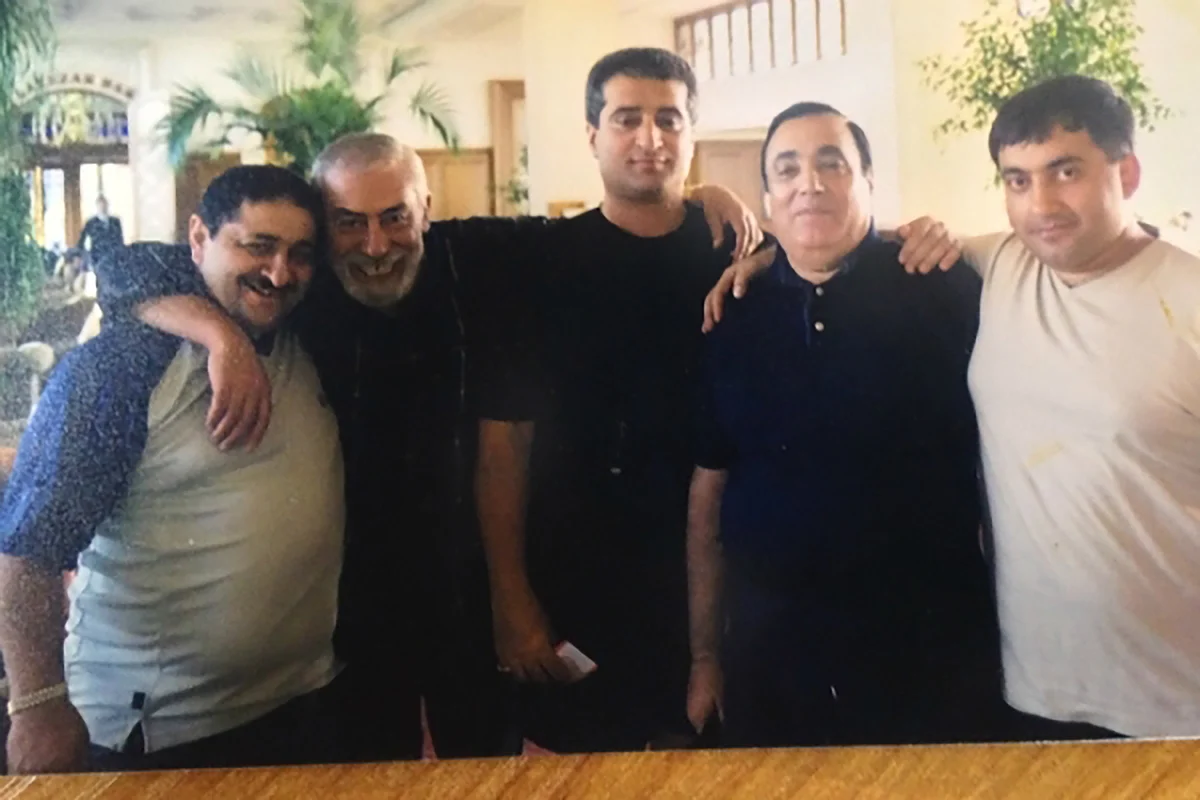
One of these “topics” that “twisted” Muscovites in St. Petersburg was the construction business of commercial real estate and storage services. To conduct business in St. Petersburg, several companies were registered, at the head of which people close to the grandfather of Hassan were. One of them was Joseph Marouvich Osipov, who had a nickname in the criminal circles of Marych. Some media confronts him with a thief in law Mirrych, but only one letter in the nickname can be of fundamental importance. Osipov, although he had a certain authority in the thieves' community (was personally familiar with Santa Hassan, some Georgian thieves in law and even photographed with Vakhtang Kikabidze), was not crowned. The thief in the law of Mirich is Andrei Miroedov, one of the authoritative thieves in law in the north-west of Russia. In particular, it is with him that the large -scale hunger strike of the prisoners of St. Petersburg colonies and pre -trial detention centers in 2007 is associated.
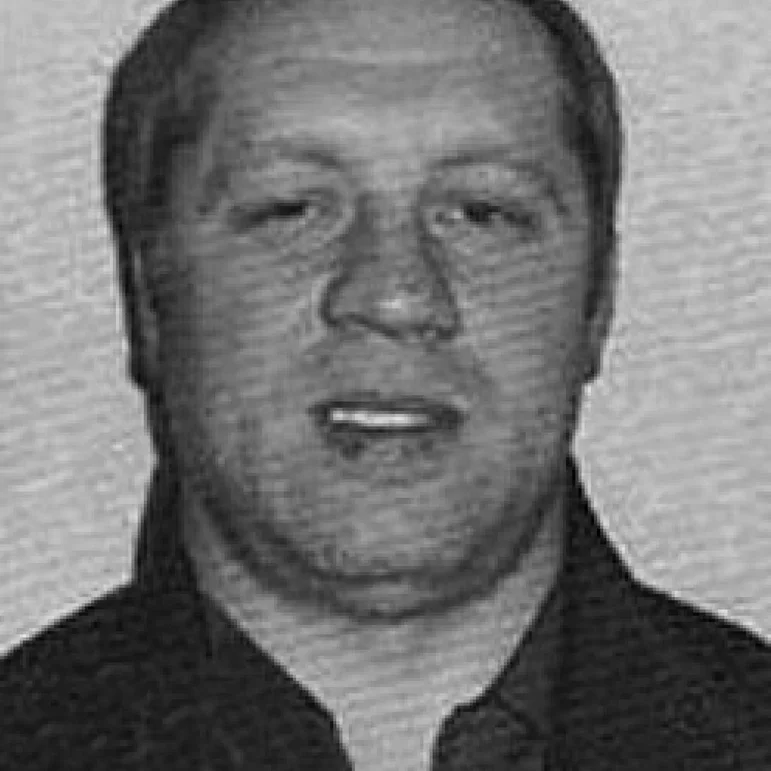
It was to Osipov-Marych that the head of the Security Service was sent by the thieves' community of Peku-immediately as he was released. At that time, he officially changed his surname to Bobrovnichy. He caused several people from Ukraine and Moldova to help himself, including the distant relative of Sergei Gutz, who becomes his right hand and a link with Moldavian and Romanian criminal communities. Another criminal group formed on an ethnic basis appears in St. Petersburg.
“It is not known what Peku imagined himself there, but it seems he decided that Osipov was given to him in order to milk,” recalls Anisimov. - Bobrovnichi began to demand a share in the company and 50% of profit. The situation was resolved in an amazing way. We were sure that Usoyan (Grandfather Hassan) would simply order to remove the presumptuous bee. But unexpectedly, the Bobrovnichi brigade was paid a large amount of compensation. According to some data, it was about a million dollars, according to others - about three million. And again, I cannot explain such an outcome of the conflict with anything other than luck. It was too illogical and even sensational that the most authoritative Russian thief in law went to a world with a urke, which was not even crowned.
For some time, Peck still mistaken in St. Petersburg, but then he was forced to leave. He lost the patronage of Russian “lawyers”, and the presence of a Vyletny brigade in the city did not know what was not satisfied with the “Tambovs”. Bobrovnichi and Gutz returned to Petersburg in early 2008, after the leaders of the Tambov OPS, led by Barsukov-Kumarin, were arrested, and the community fell apart.
On the second arrival of Peki in Petersburg, it turned out why in the early 2000s, grandfather Hassan ordered to pay Peke's apostate. Law enforcement agencies had information that Bobrovnichi was a trustee of the Ukrainian thief in the Law of Lera Sumsky (Nikolai Lysenko).
“Lera Sumsky was crowned in 1993 in Sumy,” the thief in law, which introduced himself as Ivan Ivanov, told Novy-Europe. - This is now the number one in Ukraine, and until 2009 there were other, more authoritative thieves in law. For example, Antik (Antimoz Kuhilava), Mammad (Sergey Mammadov) and Tskhvira (Amiran Ebralidze) in Odessa. But Lerus was strongly supported by Moscow thieves. In particular, one of those who gave Lysenko a recommendation and attended the coronation was Shakro young (Zakhary Kalashov, recently went out ato). So the Russian thieves were necessary that their “godson” gained authority as quickly as possible. It was already not about the all -Russian thieves' organization, but about the international. But all the same, the story with the indentation of the pier in the thieves' world was surprising. She gave the gang flalor of mystery, which, oddly enough, worked for the authority of the group.
Arriving in St. Petersburg, Bobrovnichi quickly realized that the legal and semi -legal business had long been divided not only between surviving criminal groups, but also by one or another law enforcement agencies. And trying to “squeeze” their business in order to “roof” them in the future will be too difficult. Therefore, the Peki brigade took up a purely criminal business.
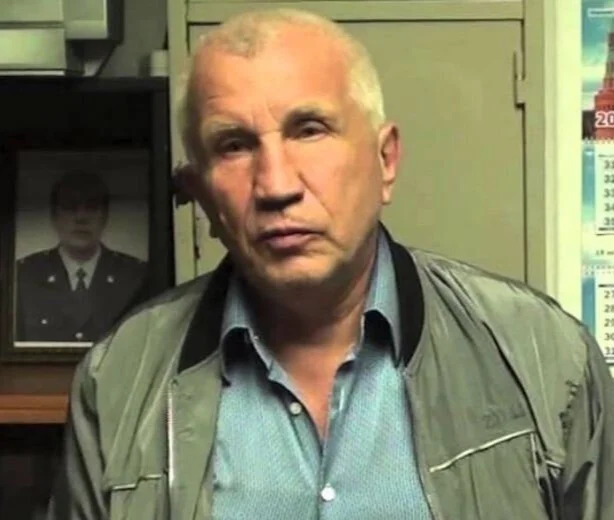
“The pitch of the Kryskhnikov and Barsatomnikov, who came to St. Petersburg from Moldova and the southern regions of Ukraine,” said Yuri Vasiliev, a former head of the inter -regional department for combating the pockets of the Main Directorate of the Ministry of Internal Affairs of St. Petersburg and the Leningrad region. -They came to brigades, paid to the common fund by local and for some time (a month or two) “worked” on the streets of the city. Then we calculated them and either detained them, or they left for another city. The largest influx was in the periods when significant events took place in St. Petersburg. For example, at the World Hockey Championship in 2000, 50 thousand pickpockets from the entire former union came to us in Petersburg. There are also seasonal differences: in the summer there are more than in other months. Sometimes it happened that in the same place two different brigades acted - of course, conflict situations arose that resolved such as Peck.
In June 2009, a team of pickpockets from Moldova under the leadership of Vasily Bukuku arrived in St. Petersburg. He refused to pay Peke, saying that he had already resolved monetary issues with his grandfather Hassan. But Bobrovnichy did not believe him and contacted Moscow. They stated that no one with Bukur did not solve anything. Then the pitch made Bukur a second meeting, which he came with the support of his brigade and a dozen local bandits. But a surprise awaited him: Bukur brought to the “arrow” of members of the Chechen organized crime group who came from Moscow.
Bukur allegedly stated that even though the pitch is a respected person, he is not a thief in law, and therefore has no right to resolve the issues of gathering in the thieves' common fund. Bobrovnichy could not endure such: his authority would have fallen even in the eyes of his subordinates. On June 10, 2009, Bukura was kidnapped and brought to the territory of the Lenvet plant on Flower Street. There the group rented a garage. The abducted for a long time was beaten, and then the bobrovnichy in front of his gang, with a few blows, the fellow countryman killed a plaque in the ear. The body was put in a large cloth bag, taken to the Vsevolozhsk district and buried on the 40th kilometer of the "road of life". The remains will be discovered in April 2010, after the arrest of gang members. The materials of the search case indicated that the current defendant Sergei Gutsu took an active part in the murder. But in court, for some reason, the accusation of complicity of murder no longer appeared.
"Condescending" jury
In addition to criminal showdowns, Porok with accomplices was also engaged in breaking up debts. As follows from the materials of the case, on the evening of October 8, 2009, a 35-year-old Petersburger was stolen at the restaurant on Engels Avenue in St. Petersburg, who owed 7 million rubles to his partners. The stolen was brought to the same garage on Flower Street, where they kept until the businessman's father brought the money.
“The amount of 550 thousand rubles appears in the case, which the father of the abducted paid,” says former employee of the UUR Main Directorate of the Ministry of Internal Affairs of Peter and the region Anisimov. - In fact, there was more money. The stolen participated in some fraudulent scheme with budget money and he could not talk about true income. The second stolen one also did not make money not quite legally, but there it was without ransom. Once again, they proved that carelessness and non -discipline lead to failure, but fools are still lucky.
On October 21, 2009, Bobrovnichi with two accomplices, dressing in camouflage, putting on masks and armed with AK-47 automatically, approached the street to a 24-year-old businessman, introduced themselves to police officers, put on handcuffs and took to the Venekeye village in the Kingisepp district of the Leningrad region. Later he was transported back to Petersburg and held on Zamshin Street, where he was guarded by members of the gang. On November 11, 2009, one of the participants of the Felix Staroselsky group, who was supposed to monitor the stolen, chained him to the battery in the toilet, and he went to the restaurant with the girl.
While Staroselsky had fun, the stolen man managed to unscrew a piece of the pipe, freed his chained hand and fled, going straight to the police. When a member of the group returned to the apartment, the capture group was already waiting for him.
Within three days, nine participants in the group were detained . In December 2011, two members of the organized crime group were found guilty of complicity in the murder of Bukoku and sentenced to 17 and 15 years in prison. In cases against two more gang members, the statute of limitations expired . The remaining members of the gang were either released on an amnesty or involved in court on other crimes. But gang leaders Petr Bobrovnichi and Sergey Gutsu managed to escape from St. Petersburg. They were lucky again. They arrived at the apartment where they kept the stolen, an hour after the Staroselsky’s non -pound guard and witnessed how OMON employees were put in the car. Having correctly assessed the situation, the leaders left not only from the city, but also from Russia. Peck, as reported by SK in St. Petersburg, died in 2012 in Argentina. And Gutsu was put on the international wanted list in 2011, but lived quite freely on the border of Moldova and Romania.
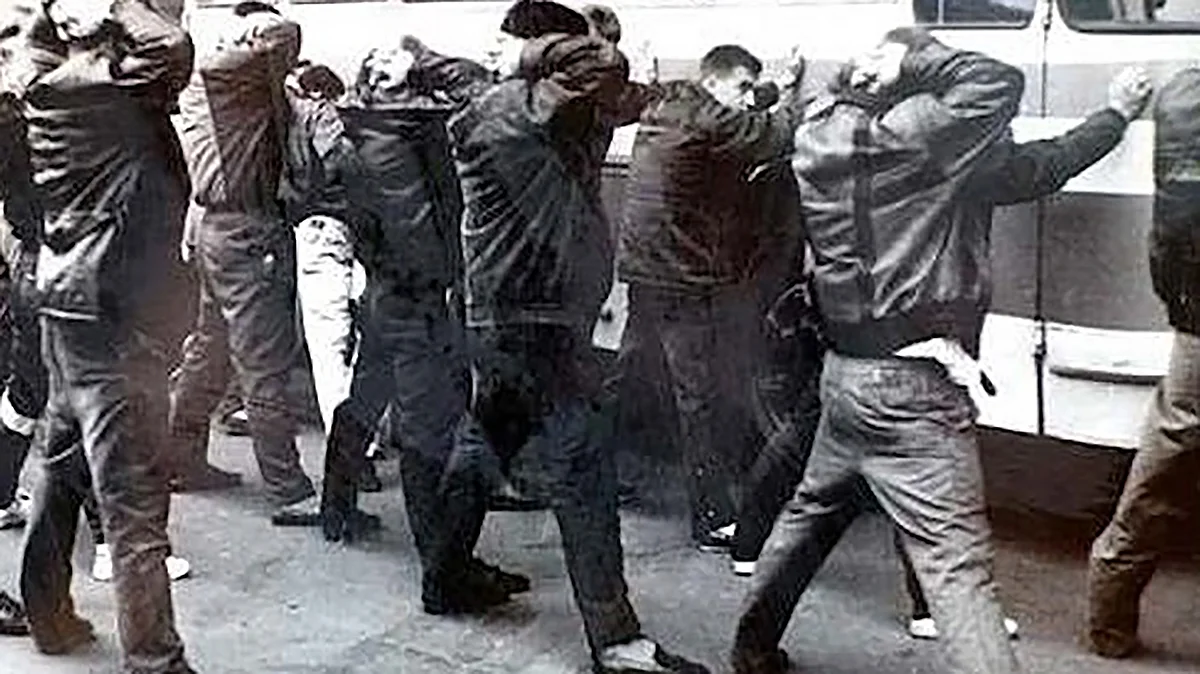
“Despite the fact that Gutsu was wanted through Interpol, nobody really looked in Moldova, nor in Romania,” the defendant was one of the lawyers of the defendant (the surname is in the editorial office). - He lived in two countries, constantly moving across the border. He even established some kind of smuggled business there. The Romanian police detained him several times, transferred him to Moldova, and there he was released almost immediately. Finally, the Romanians were tired of all this, and when Gutsu was detained in the border city of Yass for a restaurant fight, they did not transfer him to Moldova, but decided to expel away. Тут и помогло розыскное дело 2011 года. В конце 2022 года экстрадиция была согласована с российской стороной, и весной 2023 года Сергея Гуцу доставили в Петербург. Насколько я знаю, это единственный случай передачи разыскиваемого в Россию из стран Европы после февраля 2022 года.
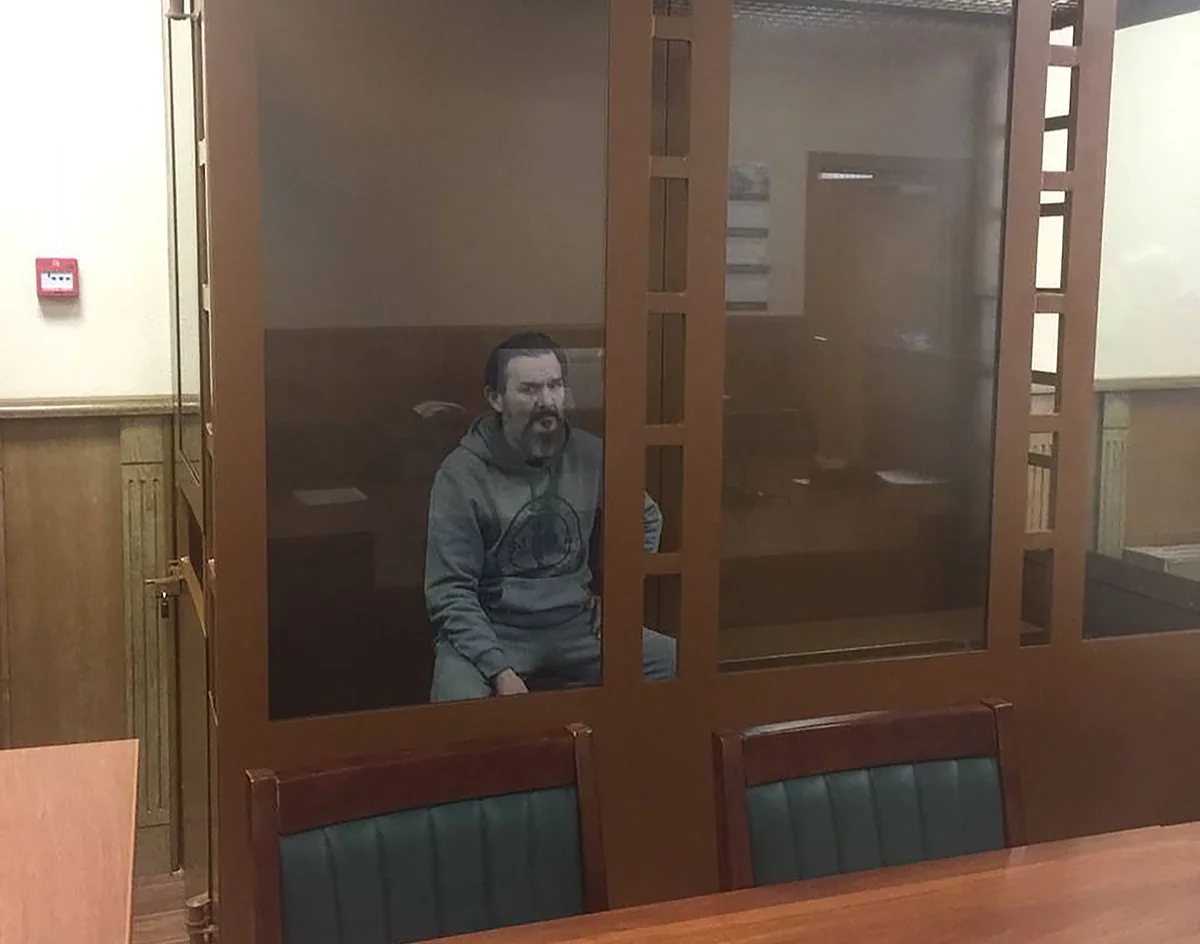
Первоначально Сергея Гуцу обвиняли в соучастии в убийстве (часть 2 статьи 105 УК РФ, до пожизненного лишения свободы), участии в банде (часть 2 статьи 209 УК РФ, до 15 лет лишения свободы), двух похищениях (ч. 2 ст. 126 УК РФ, до 12 лет), разбойном нападении (ч. 4 ст. 162 УК РФ, до 15 лет), вымогательстве (ч. 3 ст. 163, до 15 лет). Но в конечном результате осталось лишь два похищения, а разбой и вымогательство переквалифицировали в самоуправство (ст. 330 УК РФ, до 5 лет лишения свободы). Вину в самоуправстве он признал, остальное — отверг. Несколько дней назад присяжные признали Гуцу виновным, но заслуживающим снисхождения — на иждивении несовершеннолетние дети и мама-инвалид, в содеянном раскаивается, молодой был, попал под плохое влияние. Вердикт присяжных подсудимый выслушал с явным облегчением. Хотя ему и грозит до 15 лет лишения свободы, но вердикт «заслуживает снисхождения» обязывает суд назначить не более двух третей от максимального срока. А это значит, что Гуцу грозит не более 10 лет колонии. Приговор будет оглашен через месяц.