
Translated material
Half -down
38 years after Chernobyl in the "dirty" areas of the Bryansk region, an experiment on people continues. People participate in it willingly
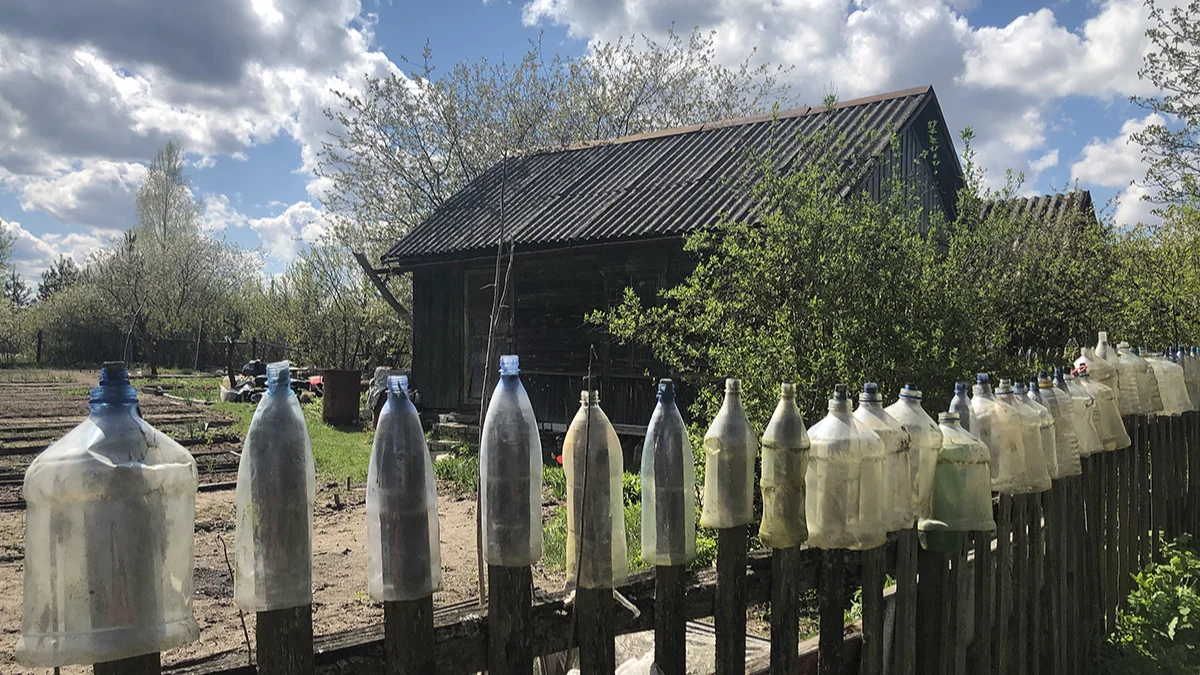
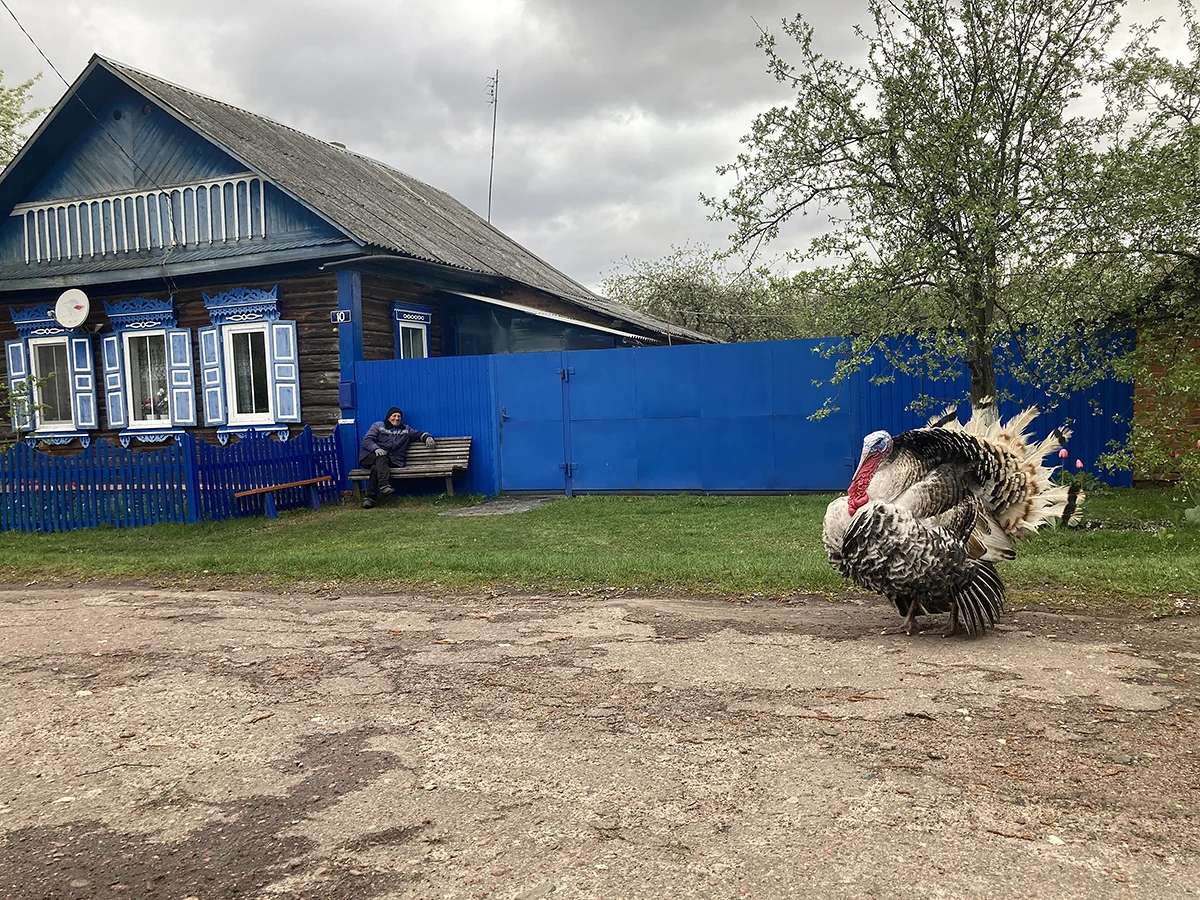
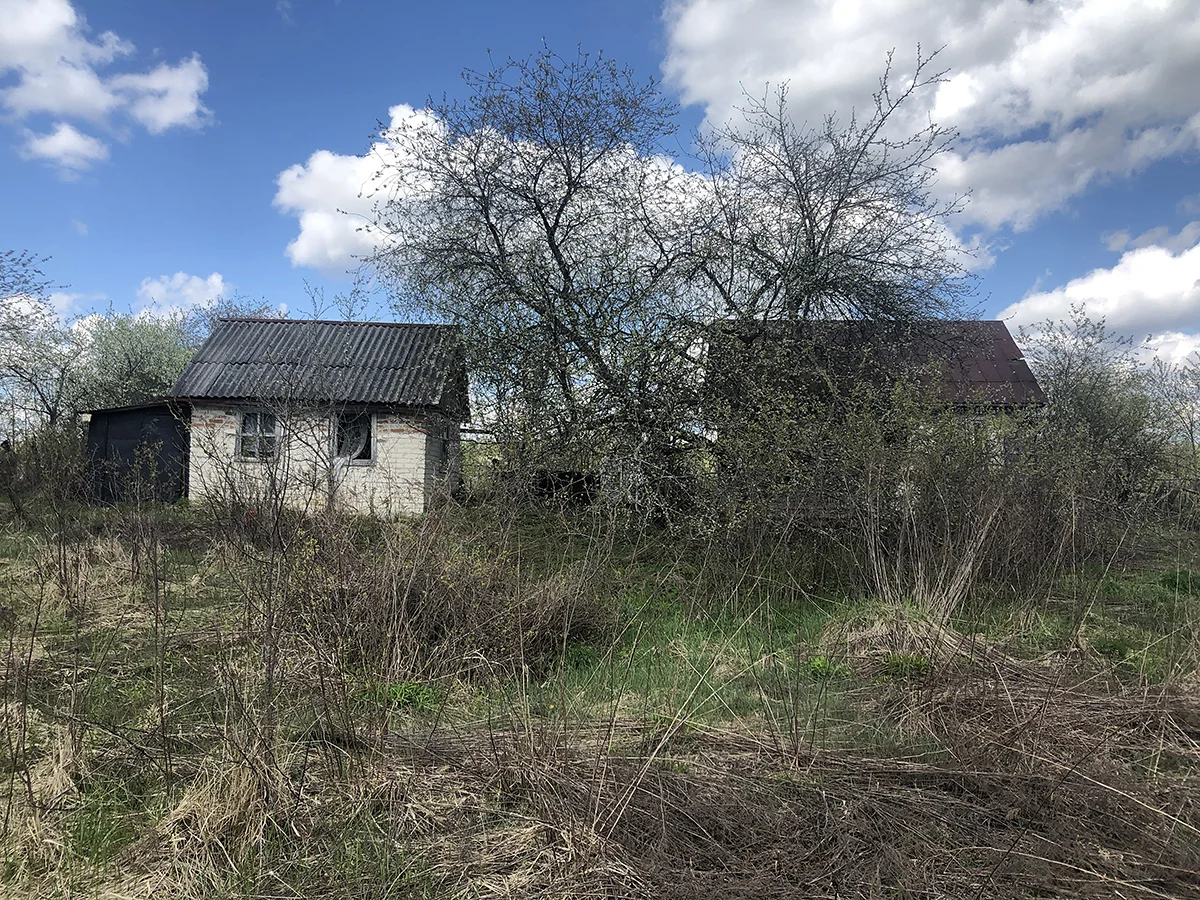
Cottage next to the alienation zone. Photo: Irina Garina
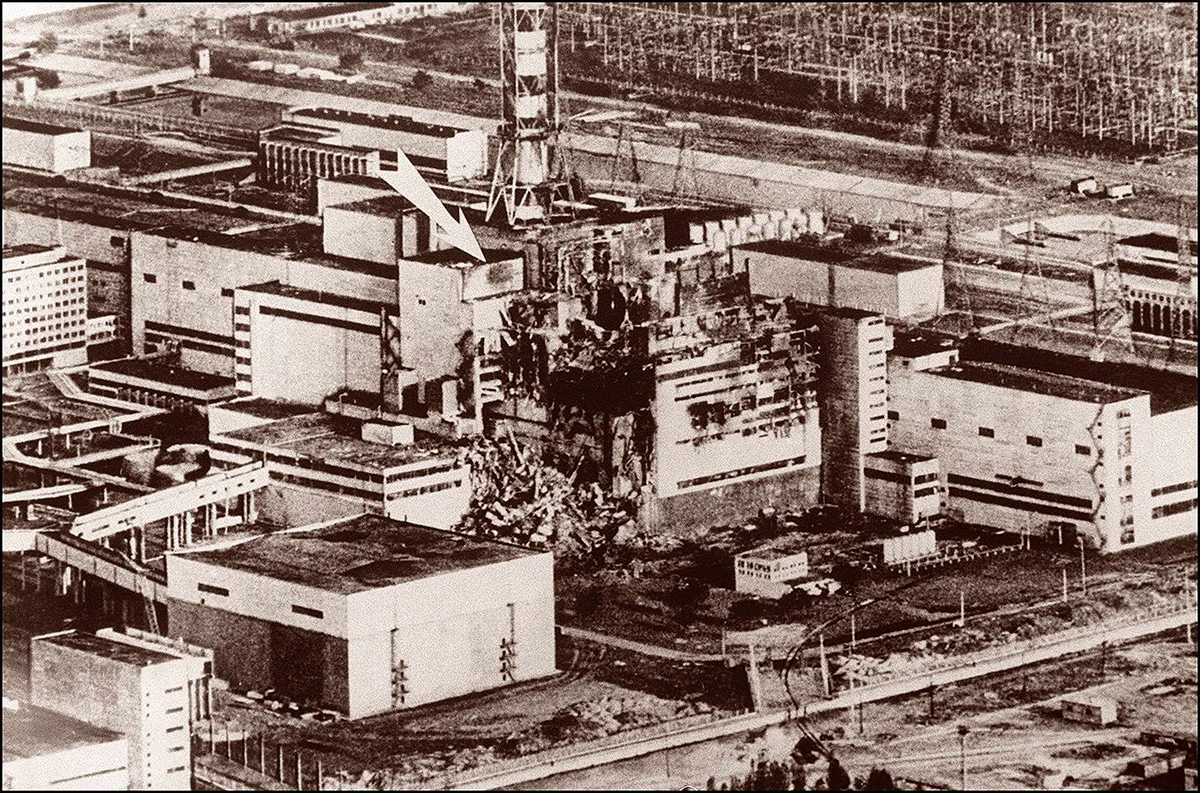
Thirty-eight years ago, on April 26, 1986, the Chernobyl reactor exploded in the Soviet Union. The regions in Ukraine and Belarus suffered from the emission of radiation, and in Russia the disaster affected 14 regions, its consequences reached St. Petersburg, but the southwest of the Bryansk region went most. Five years later, the USSR fell apart, and then each of the three former union republics coped with the consequences alone. In Belarus, there are still signs of radiation hazard in the forests and there are warnings with warnings that you can collect mushrooms only under radiological control. Under the Bryansk in the “Chernobyl” zone, three hundred thousand people live, collect mushrooms, sell them on the sidelines of the highway, carry their potatoes to the market. New Kazakhstan asked why they did not leave the infected lands and how 38 years later it lives there.
The text was first published on the website of Novaya Gazeta Kazakhstan .
We grow and eat
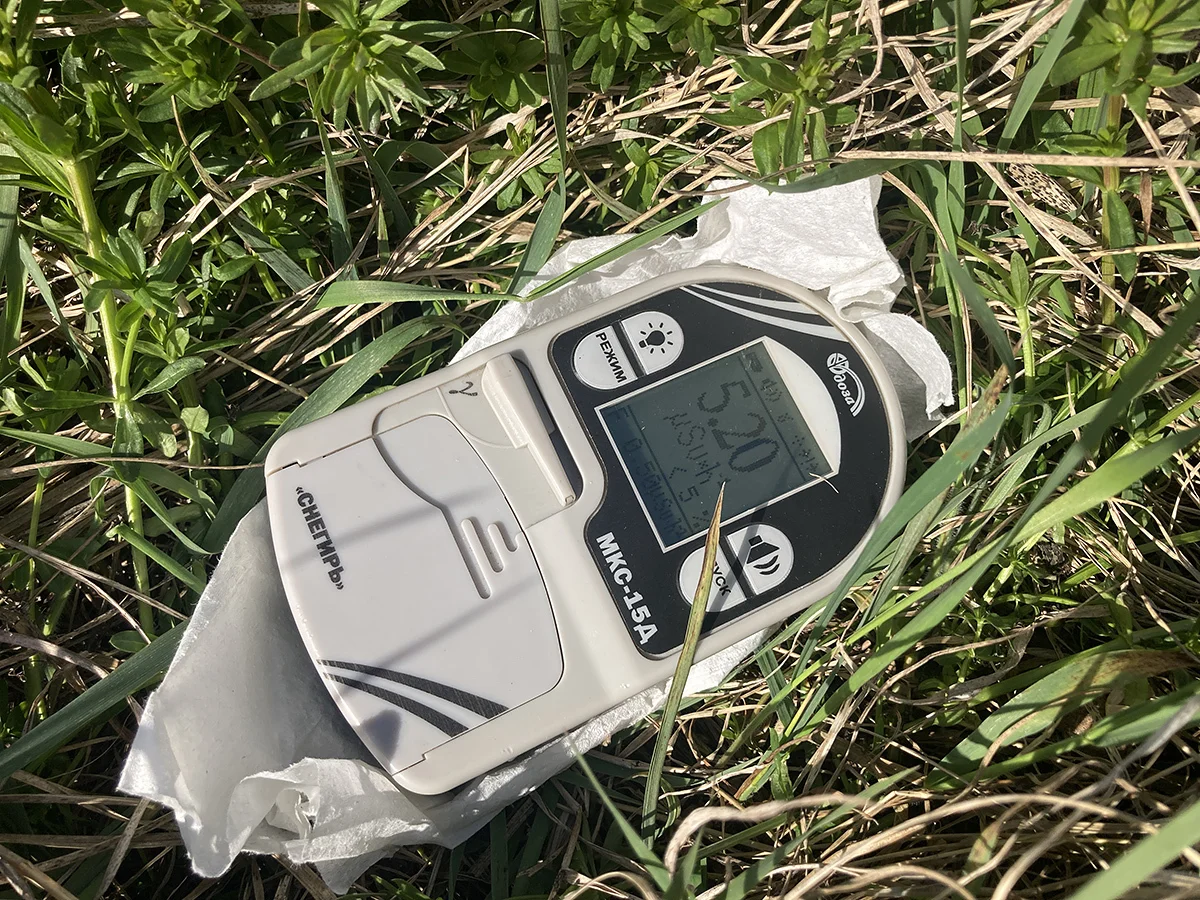
Having settled from the Moscow train in the city of Novozybkov, the physicist Andrei Ozharovsky still took out a dosimeter on the platform. On the asphalt, rolled several years ago, the device showed 0.2 microsiverts per hour. The usual, one can say, radiation background, especially when you consider that Novozybkov was considered one of the most affected areas of the Bryansk region and was attributed to the so -called zone of resettlement: leaving here, people had to receive new housing and lifting from the state.
Asphalt is a good thing. Under it, everything that fonilo is in this place is rolled up. The farther the engineer left the road, the more persistently the device chopped off. In the private sector, in the alley of Krasin, under the roof of one of the houses, just where rainwater drained on a flowering cherry, the dosimeter showed 0.4 microsiverts per hour. It's okay, but the berries from this cherry are better not to eat. On the other side of the house, under a different rain of the roof, the owners broke the garden, but it was impossible to measure radiation there without violating the boundaries of possessions.
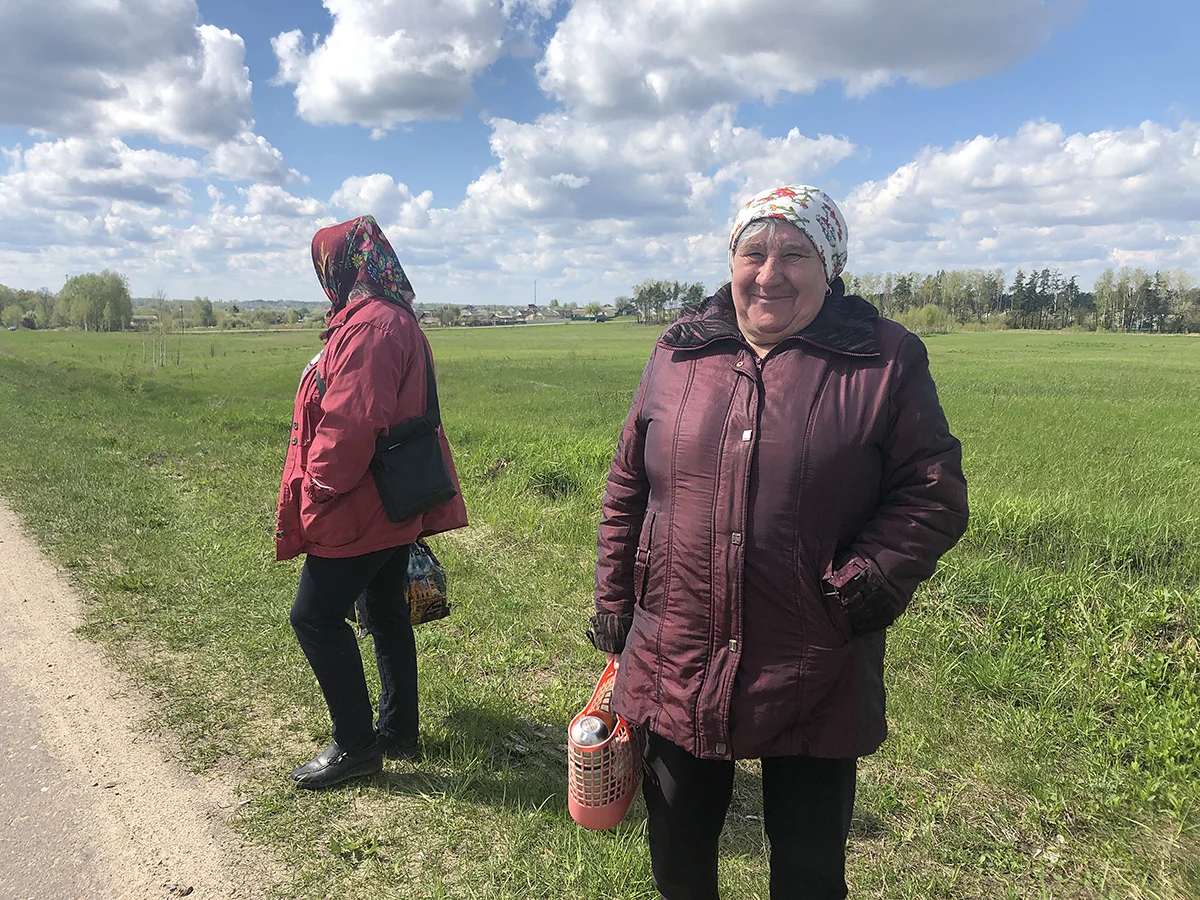
Two retired friends Raisa and Tatyana with large bags walked by slowly. They live on another street, in an apartment building, but they also have their own gardens. Just from there they returned, in the bag of Raisa, something similar to the feathers of the bow was green.
“Here we all have gardens, we only grow up and eat everything,” Raisa vigorously nodded. - In the USSR, we were given six acres from the organization, since then we sow potatoes. How can you live? They say that we have no radiation.
Both neighbors have been living in Novozybkov since 1986, worked earlier on PMK ( mobile mechanized column. - Approx. Aut. ). When an accident occurred, they, like everyone in the resonation zone, promised housing in the "clean" areas.
“We were told that we can go somewhere beyond Bryansk,” said Tatyana. -
We wrote a statement that we wanted to move, there the cottages were built for immigrants. We saw these cottages. Then it turned out that not about our honor. There were already steep ones, we did not get it. And we stayed here.
The neighbors were not upset then, because they did not particularly seek to leave. After all, the economy here, apartments, do not throw it. In addition, the state promised to pay extra for radiation. And really paid extra. Only all the time reduced the amount. The half-life of Cesia-137 and Strontia-90-30 years, and these are two of the most identified radionuclide from those that fell after the disaster. It turns out that eight years ago, both of these sources of radiation passed the stage of half -life, that is, the level of radiation became half as much as in 1986. How many? Neither Raisa nor Tatyana remembered when the last time they measured something in their gardens. The Bryansk Rospotrebnadzor annually publishes the reports “On the Radiation Office”, but recently the wording there is mysterious : the level of gamma radiation “does not exceed the average values of the control results ... characteristic of the territories of the Bryansk region”.
“Now for living with radiation we are paid 145 rubles, and before it was 900,” Raisa sighed. - I, as a veteran of labor, receive a pension of 18 thousand. Plus the UPEVES ( one -time cash payments. - Approx. Auth. ) For radiation: before about 3 thousand it came out, now half as much. Everything was cut half, and soon they promise to completely stop paying.
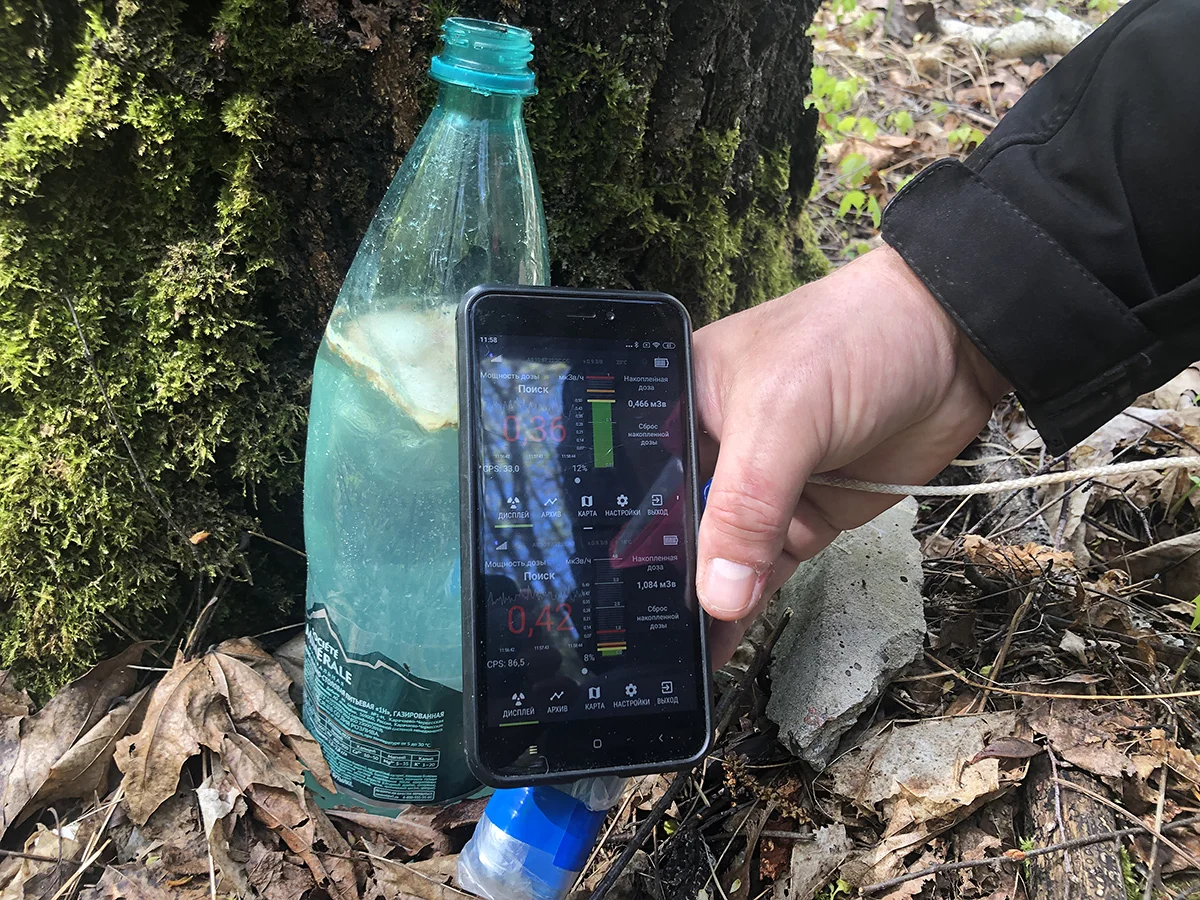
Lane Krasin rests against the forest. Between the Christmas trees, local physical education facilities equipped a horizontal bar, other leisure signs were scattered nearby: glass fragments and scraps of glasses. A bottle of muddy liquid is leaned against a birch and covered with a stone, the collection of birch juice in the Bryansk region is very popular. Next to the birch, the dosimeter of Ozharovsky showed 0.5 microsiverts per hour, a couple of meters deep into the forest - a unit.
“Where the dose power exceeds 1 microsivert per hour, you just don’t have to live,” Ozharovsky explained. - This is too much risk. And the risk is not that people are irradiated just walking. And the fact that the radioactive substances are in their gardens and in the forest from which they drag mushrooms and receive internal irradiation.
Cezia transition to potatoes
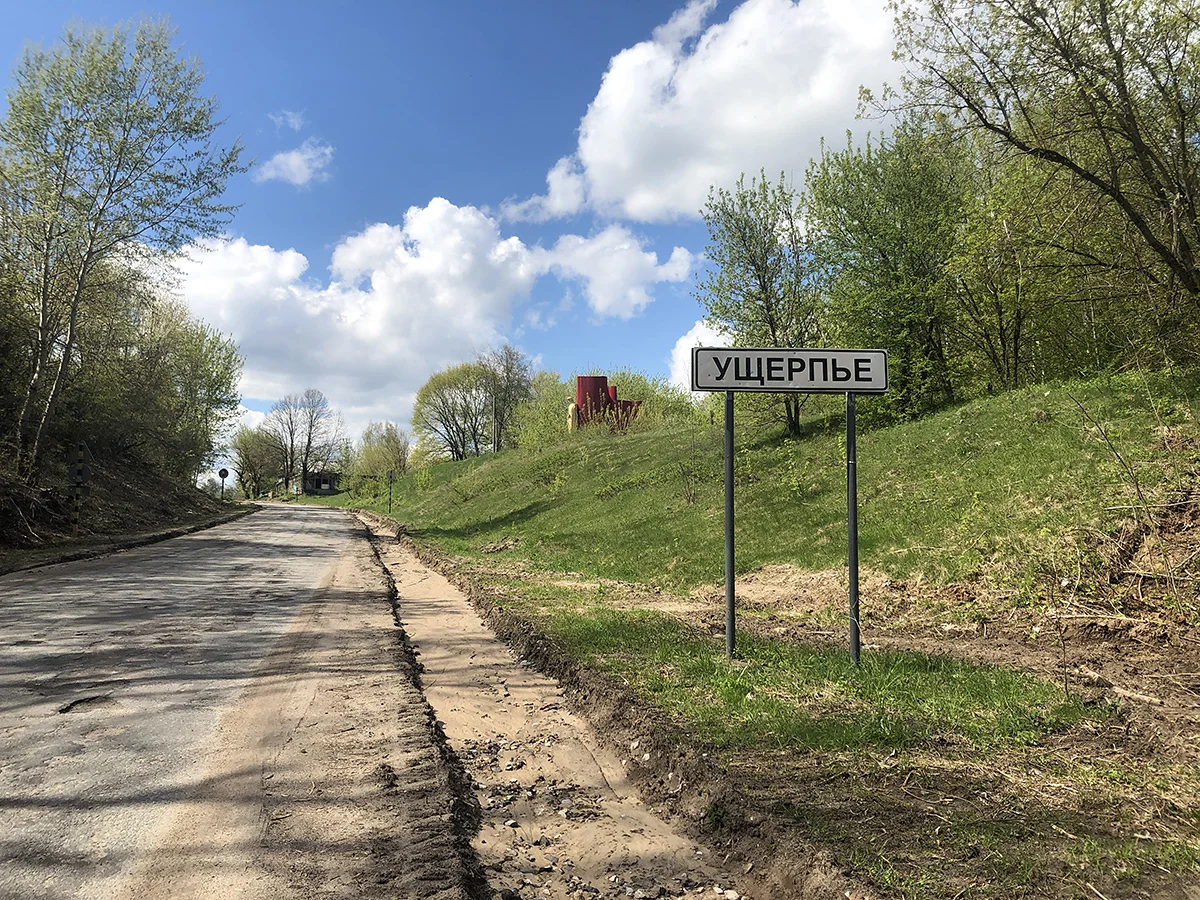
We were waiting for a long journey from Novozybkov through the Bryansk forests with a dosimeter. More precisely, in kilometers it was not at all long, but in the zone of resettlement, as we soon recognize, they did not begin to resettle people, and they, apparently, decided not to build roads. In the village of Kozhany, the car stuck in a puddle so that I had to call to the aid of local residents with a tractor. The tractor arrived with a capital letter Z on the windshield.
“We have the roads - I would have killed for such,” the driver of the tractor Artem laughed, tied the cable to the bumper of our car.
Artem lives in Kozhany since birth, and he was born after the accident. Parents did not want to drop the farm, after all, here they are their garden, and the forest is nearby, and fishing.
In a good way, the leather fell into the alienation zone, that is, people immediately had to be evacuated. But the locals say that in their village the liquidators staged a raging station, laundered Chernobyl equipment.
Until now, in leather, at a depth of 10-15 centimeters, the radiation reaches 4.8 microsiverts per hour, this was found out by Ozharovsky, driving a well in the ground about the depth to which potatoes are supposed to be planted.
“Indeed, the half-life of Cesia-137-30 years, that is, now it is 2.4 times less than after the accident,” the physicist commented, taking measurements. -But in 1986, when it fell out, it was on the surface of the earth, that is, it is less affordable for plants. And now he is where the roots are. That is, technically radioactive substances have become less compared to the year of disaster, but they went into the soil, to a depth, where they became more accessible for plant roots. So not Cesius himself is important, but the transition of cesium to potatoes.
Tatyana and Vladimir Ivanovich were born in leather, here they met, got married. After the accident, they left and returned only ten years later. Since then they have been living as they live before, they grow a bird. The whole village knows their turkey.
“We have both a garden and a forest - we use everyone where to go,” Tatyana shrugged shoulders. - Health, of course, is not already. But my classmates moved to a clean zone - so they have already died. One cancer, the other has a heart ... many who died. Everything is like everywhere, no more. Now we have few people remained in the village, but not because of Chernobyl. Young people are leaving.
There are areas in the leather where the level reaches 6-7 microseverts per hour. This is twice as much as it is allowed for employees of the nuclear power plant. The wasching itself, apparently, was at the swamp five minutes from housing, because there the dosimeter showed 11. This is the level at which, as experts say , the likelihood of the formation of malignant tumors sharply increases.
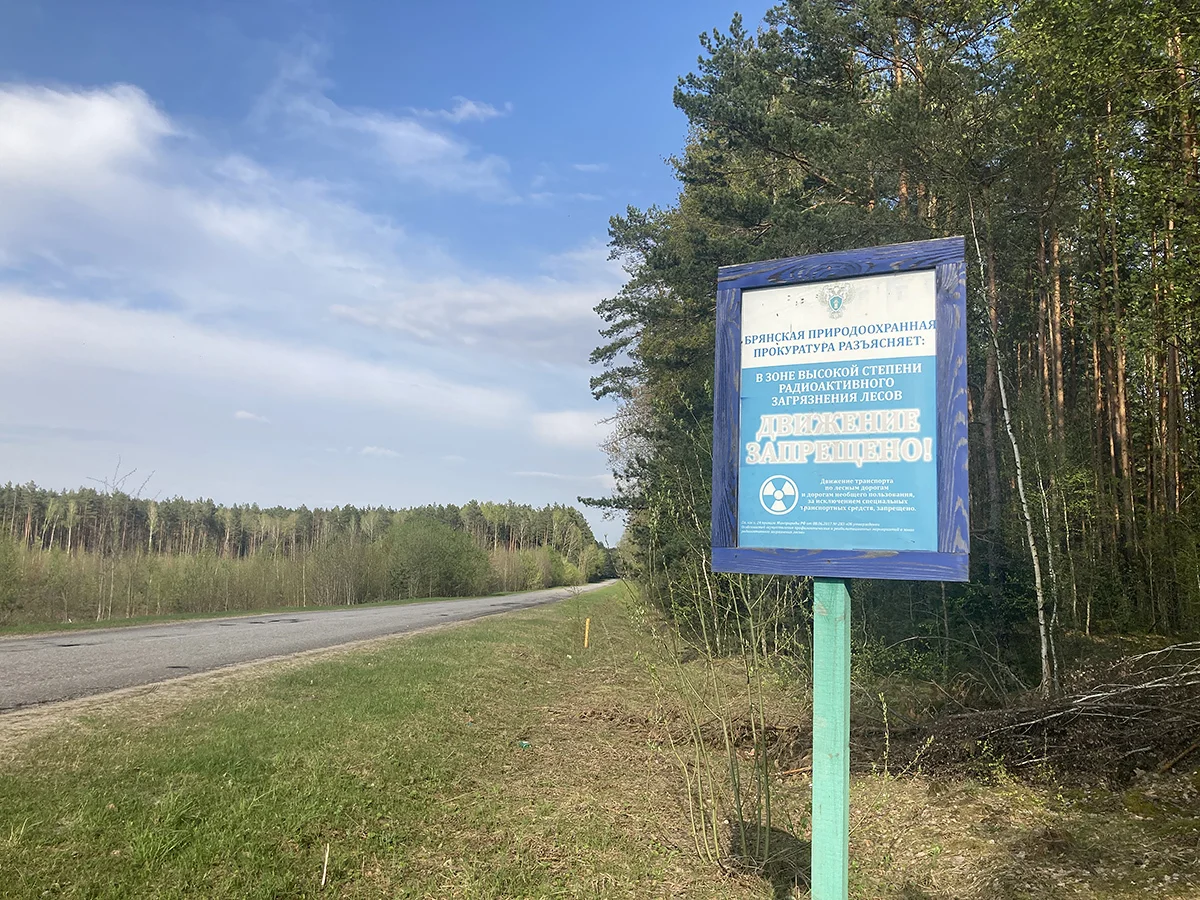
A legend walks around the village: somewhere nearby in the forest there is a sign “Radiation Danger”. Three people explained to us how to find it. We combed forest and forest roads three times, but we never found a sign. Later, we will see on the highway a tablet warning that in contaminated radiation the forest "is prohibited by traffic." That is, on foot for mushrooms-please, and by car-no-no.
“Big money should pay us for radiation,” Artem grinned, learning the results of our measurements. - Here my mother, for example, receives 150 rubles in Novozybkov, but here people pay twice as much, as many as 300. They want to remove it.
They say that Miratorg is making his way to us here, he already has a household in Klintsy and in Korzhovka. If there is the status of a radiation zone, who will buy their meat?
Now, when the notorious half -fall occurred, and the leather and other villages are half empty. But they are empty in the same way that they sat down throughout the country, and radiation has nothing to do with it.
“Nowhere to work, I’m going to work for Moscow,” Artem explained. - Previously, we mined peat, there was a brick factory. Now nothing is left. Some concrete slabs remained from the factory and trees on the plates grow. There was a collective farm, so he fell apart for a long time.
"Unique cohort of irradiated"
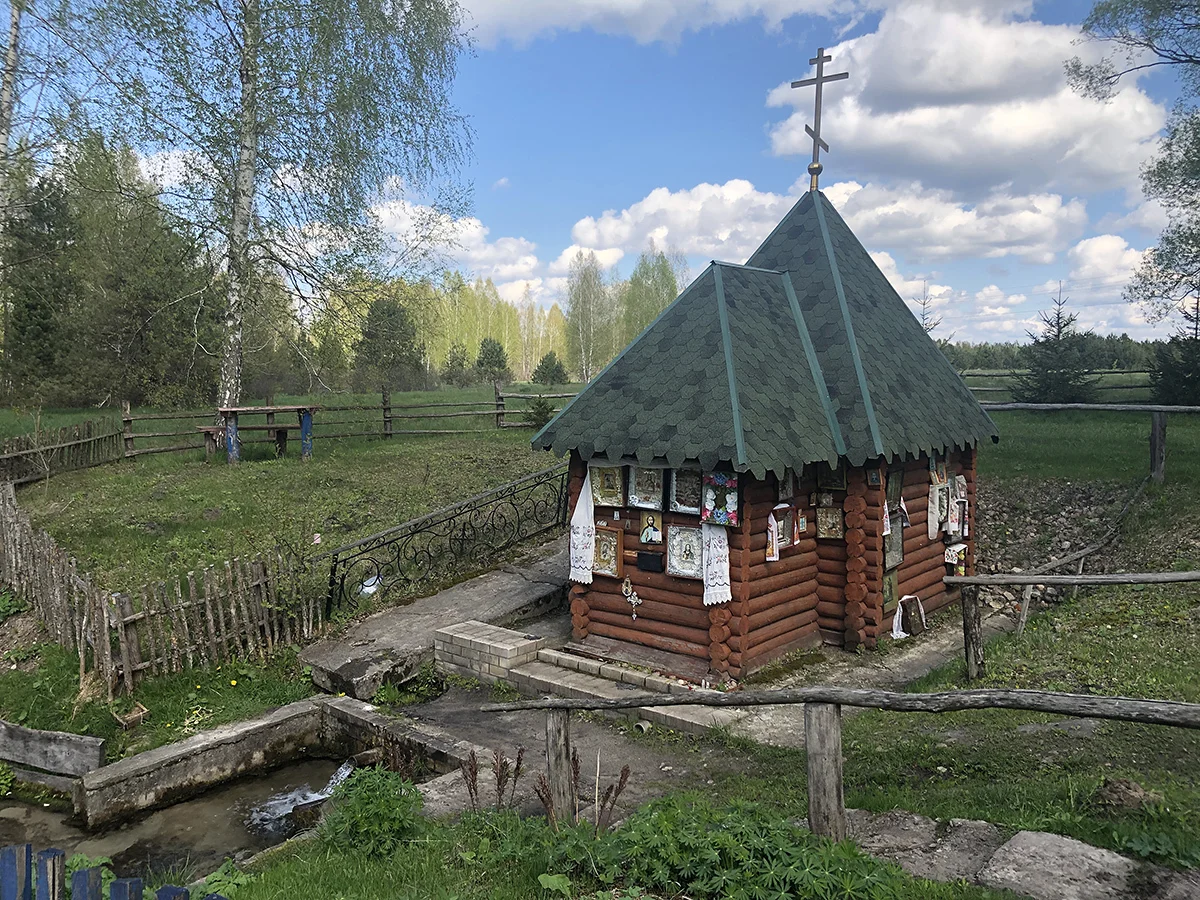
Holy water beats near the village of Kozhopovye from under the ground. It flows from the pipe laid under the foundation of the chapel. The walls of the chapel outside are decorated with icons, crosses and embroidered guns. Fonit this place is the same as a forest, but from radiation should protect the faces of saints. For greater protection for salaries of icons, people put on a ten -ruble coin. Well, why, one wonders, to move if there are such correct funds?
“Once I participated in the meetings of the Russian Scientific Commission on Radiation Protection,” Ozharovsky said, attaching a spectrometer in the grass next to holy water. -And there I heard such a phrase from some medic in uniform:
We have an advantage over the rest of the world, because we have a “unique cohort of irradiated”.
I quote the last words literally. That is, the accident and its consequences are not a crime, but a unique competitive advantage of the Russian nuclear industry?
Near Selmag, a thin dog and a one -eyed cat were sitting to the detriment. The door to the store remained wide open, and it was clear from the road that the lamps were blinking inside without stopping.
“Imagine how it cuts it in my eyes,” the saleswoman grimaced. - And so what is already a day.
The problem is not in lamps, the light regularly goes out in all damage. There is no one to repair electricity. There are few people left here, and more and more old people.
“People live in berry mushrooms,” the saleswoman continued. -They get kopecks, the minimum wrap-16 thousand, live, try it. And so - mushrooms are collected, sunset, they sell. Someone rolls and sells. Birch juice is collected. Everything is cooked for the winter, then they sell a home product. Radiation? And what about radiation? Here you are buying sausage in the store, so you know what is there in it?
Mirny village lasted only 30 years when Chernobyl happened. Just in 1986, the last three -story house was built there.
“Nobody wanted to settle there for a long time,” said Tatyana, a pensioner. - And that’s all, we didn’t build anything else with us. Now there are a lot of free apartments, but radiation has nothing to do with it. There is nowhere to work.
Tatyana and her husband Mikhail live in one of the three -story houses, and through the road they have six hundred parts with a garden, a flower garden and a small house.
“At first we did not go mushrooms,” Tatyana began to recall. - We haven’t walked in the berries before, everything in the garden is our own. But in the first years after the accident, we had a strawberries in the ONE, as so huge, a radish-with a fist. We were afraid to eat. I somehow tried it, my tongue burned so, I was already twisted. Now, it seems to me that everything has been gone long ago. We began to collect mushrooms again, because we cannot without mushrooms. Health? And where is it, health? In Moscow, is it better?
Michael, Tatyana's husband, is a veterinarian. Work could find anywhere. After the accident, one of the neighbors was gathering from these edges, but he and his wife decided to stay.
“When the accident happened, at first it was quiet, everyone was silent, we did not know anything,” Mikhail said. - Then they told us: leave here. They began to build something for immigrants. Well, our neighbors did not leave, so I say: come on and we will not go. I was offered work in the Pskov region, and in Belgorod. But it became a pity to throw everything.
Then half of the village left, and we stayed. Some of the neighbors were somewhere, did not like it-they returned back. Now, of course, the joints hurt, crunch, but what to say now.
Once in a peaceful there was a huge peat enterprise, one of the largest in the USSR. After the accident, it continued to work.
“There were peats for 20 kilometers,” Mikhail recalled. “The plant was, briquettes pressed.” The pipe smokes, dusting the dust on the village, like the wind - always on the windows. Then the director found something in the Klenyansky district, there also had peat, they decided to move.
There were fires on peat bogs. Especially large occurred in the year of the 30th anniversary of the disaster, and the Grinpis expedition came to the peaceful to evaluate the risks for firefighters who extinguished fire.
“We found out that people extinguished a radioactive peat,” said one of the former employees of the Russian Greenpeace on the condition of anonymity. - In a few hours, firefighters received an annual dose. They received a large dose through inhalation and plus due to gamma radiation from the surface of the earth.
Then environmentalists studied the samples of soil, berries, mushrooms in the Chernobyl zone near Bryansk, checked milk.
“In the soil, we found the excess of cesium content,” the Grinis officer continued. - In the air, concentrations did not exceed the norms, but it turned out that a lot of fell into the body with the so -called wild -rises - mushrooms, berries.
The norms were exceeded hundreds of times. People ate this - and irradiated from the inside. Of course, it was impossible to live in these places, people had to be taken out immediately from there.
There is such a terrible diagnosis: chronic radiation disease. It does not kill immediately, but develops when a person receives small doses for a long and continuously. Especially if he receives them "from the inside." Now there is no one to check what is happening in the Chernobyl zones: Greenpeace is prohibited in Russia.
"The alienation zone is - here it is"
The village of Makarichi belongs to the resettlement zone, that is, it is recognized as conditionally suitable for life. People here live here. There is a school, 36 people study in it. And ten years ago there were 98 students. People became relatively recently and certainly not because of radiation. Although three kilometers from here - the alienation zone, from there, immediately after the accident, everyone was taken forced. Houses in such villages were demolished immediately. And, apparently, they did the right thing. Because in the two survivors who fell into my fence and in badgers, someone still lives, leads the household.
In Makarichi, Anna works as a librarian at school. She used to study here before. When Chernobyl banged, I went to first grade.
“Then my parents were scared and took me to my relatives,” she said. “But no one knew what had happened.” We stayed with relatives summer, and then dad said that we would go back. And we did not feel anything like that. And there was no particular information. We were only explained that it is impossible to step into puddles, there is radiation. And mushrooms, berries - of course, were always collected, as without it. At first, people still eared by animals. Because they were afraid to drink milk. Piglets were installed, but there are no cows. And then they began to start the cows again. A year or two passed, people realized that there was nothing wrong. And how to live in a village without a household? No way.
People just now began to feel this radiation: diseases have gone, the joints are destroyed. A lot of bone diseases. We have all patients through one. But no one tells us that this is due to radiation.
Anna's mother fell ill with thyroid cancer. She was operated on, assigned her a disability group, but the disease was not connected with Chernobyl. Like other sores of the inhabitants of the village. It is believed that payments are already enough.
- For accommodation in this zone, we get 140, it seems, rubles. Children get half. And those who live in our zone and work, like me, get a subsidation. In general, together I have 1056 rubles. So we survive.
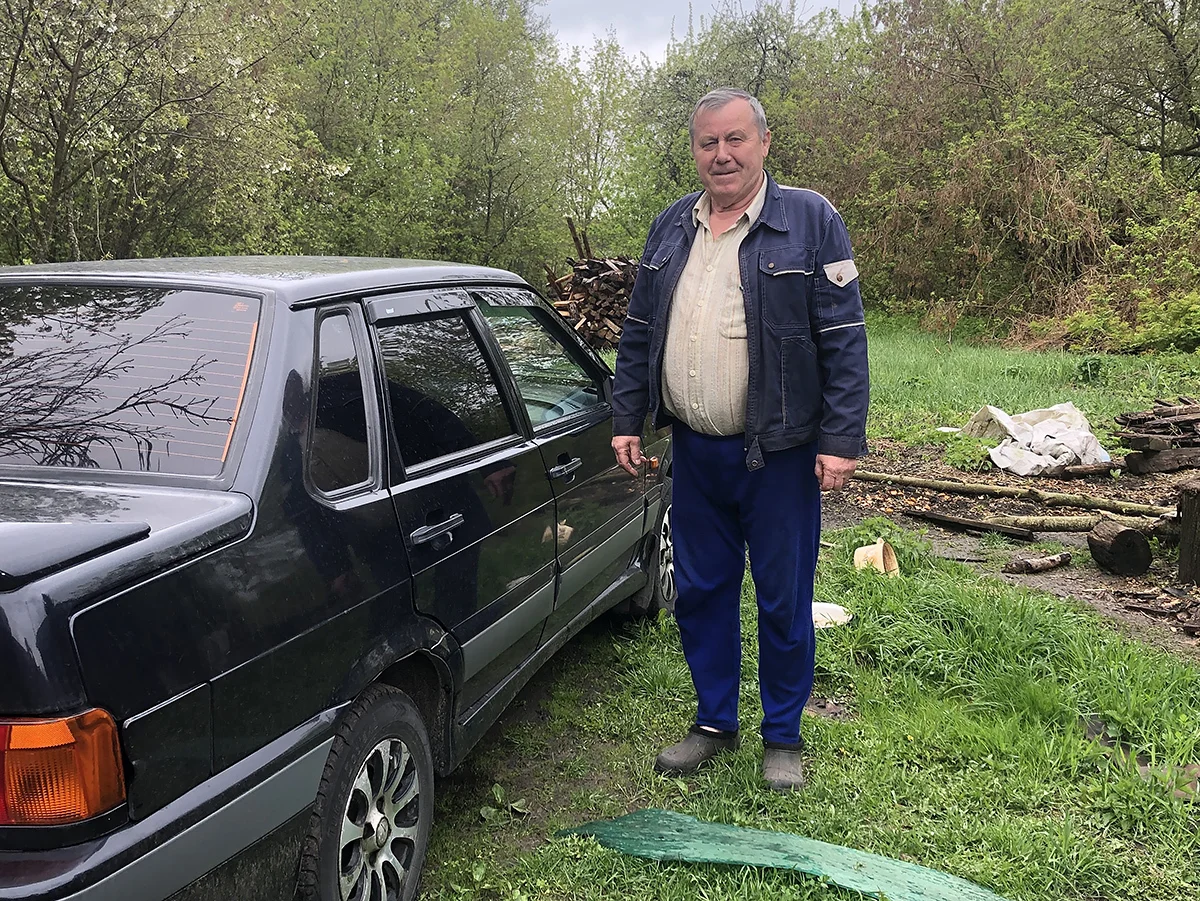
Viktor Petrovich from the village of Knomalch receives the same money. He worked in Peckla itself - at the elimination of the accident, but did not receive the status of the liquidator.
“At that time I worked in Klintsy, in the motorcade-1305,” he said. - And there was just on a business trip when an accident happened. We received an order from Bryansk: everyone who works on a dump truck is sent to the liquidation area. I took tickets, received diesel fuel and went. Nobody was explaining to us what it is, an accident - well, an accident. I drove the crushed stone from the clinics to the fence, which was then completely evicted. I’ll come home in the evening, and the back of the head hurts - I will not save. And in the throat, like such, it was unpleasant. I only later found out that this is a thyroid gland. I did not know that this was radiation, and picked up. May, June, July, August, then went on vacation, and his head was sick. No one examined me, did not even stutter. Only then I found out, one guy told me: the whole office walks in liquidators, even accounting, because they made the list. And I was seconded to the motorcade, no one included me on the list. But I was young then, I was on the lantern. And then the pressure began, the heart, angina pectoris. And the joints breaks. Maybe from radiation, and maybe in itself.
Without hope
Радиационные аварии разного масштаба случались в СССР и задолго до Чернобыля, но о них молчали или врали. В 1954 году в Обнинске произошла вспышка радиоактивного излучения в лаборатории Физико-энергетического института. Никто не погиб, пострадали десять человек — ученые и ликвидаторы аварии. В январе 1970 года взорвался реактор на заводе «Красное Сормово» в Горьком. На месте погибли 20 человек, еще трое умерли через несколько дней от острой лучевой болезни. Сколько было пострадавших — неизвестно. В цехах находилось более тысячи человек, со всех взяли подписку о неразглашении. В 1975 году авария случилась на реакторе Ленинградской АЭС. Причиной были конструктивные особенности реактора, которые позже приведут ко взрыву в Чернобыле. Это тоже засекретили.
В Краматорске в 1980 году при строительстве жилого дома в стену попала капсула с цезием-137. Примерно за год до этого ее просто потеряли на каком-то производстве, она оказалась в куче щебня, и вместе с ним строители замуровали ее в стену. Девять лет в этом доме люди заболевали лейкозом и умирали, но во всех случаях это объяснялось наследственностью. Только во время перестройки, в 1989 году, жильцам удалось добиться обследования дома. И то только потому, что прошло три года после Чернобыля, о радиации много говорили и писали. В 1985 году возле Находки, в бухте Чажма, авария на атомной подлодке привела к облучению 300 человек, 11 погибли, и это тоже было страшной государственной тайной. This is not all. Были еще аварии на других атомных подлодках, были ядерные испытания, были так называемые инциденты, для которых в СССР слово «авария» не использовали.
Какие-то меры социальной поддержки получили только те, кто дожил до постсоветской эпохи. В СССР не считали нужным внятно и прозрачно сформулировать законодательные нормы, регулирующие помощь пострадавшим, возмещение вреда здоровью и обработку загрязненных территорий. Закон «О социальной защите граждан, подвергшихся воздействию радиации» появился в России в мае 1991 года, а в октябре 1992-го вышел приказ Минздрава с перечнем болезней, которые считаются следствием облучения.
Одна из самых страшных катастроф произошла за 29 лет до Чернобыля. Взрыв случился на химзаводе по выделению и переработке плутония «Маяк» в закрытом городе Челябинск-40. Погибли 200 человек, пострадавшими считались 272 тысячи человек. Это только те, кто попал в зону загрязнения. А есть еще их дети, их внуки, и неизвестно, на сколько еще поколений это может распространяться.
Юрист Надежда Кутепова в течение 15 лет возглавляла общественную организацию «Планета надежд» и занималась защитой прав пострадавших в радиационных авариях и их потомков. Одно из наиболее известных ее дел показывает, что последствия лучевой болезни убивают и внуков пострадавших. И это, как убедилась Надежда, можно доказать даже в российском суде. Точнее, это можно было сделать до недавнего времени.
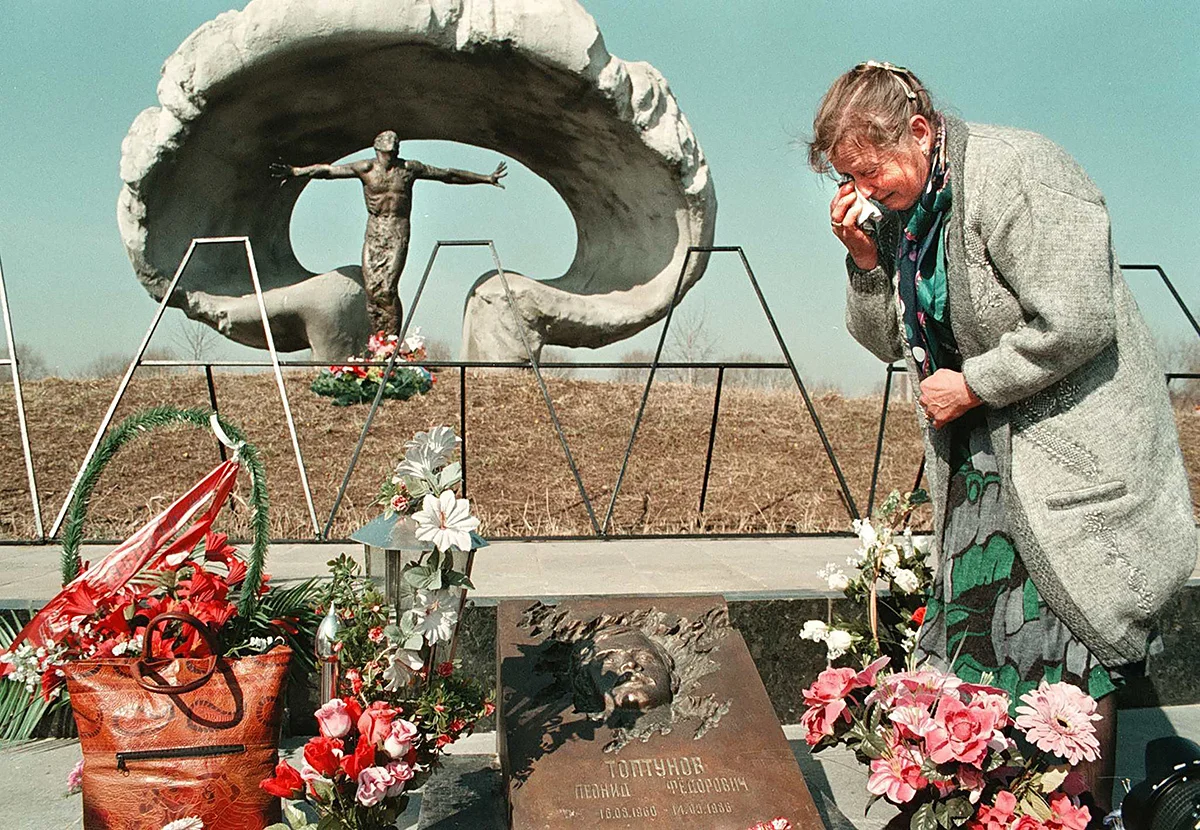
— В селе Татарская Караболка мы встретили женщину, у которой мать пострадала во время аварии на «Маяке», — рассказывает Надежда. — В 2005 году у нее родилась девочка, то есть пострадавшей она приходилась внучкой. В четыре года ребенок заболел, у нее диагностировали рак печени, в 2011-м она умерла. Мы узнали об этой истории в 2013 году, и нам удалось доказать причинно-следственную связь между ее болезнью и аварией почти 60-летней давности.
В практике Надежды было еще несколько подобных случаев. Потом по российскому телевидению ее стали называть врагом родины и шпионкой и, наконец, объявили иностранным агентом. Ей пришлось уехать из страны. Список заболеваний, связанных с радиацией, в современной России сокращен до шести наименований. Спустя 38 лет после Чернобыля людям, которые сегодня едят «чернобыльскую» картошку, обратиться за помощью некуда.
Автор: Ирина Гарина