
Translated material
"Everything is allowed to be censored"
Literary critic Anna Narinskaya - about new types of book censorship, prohibition of LGBT and the most important art for us - the art of VPN
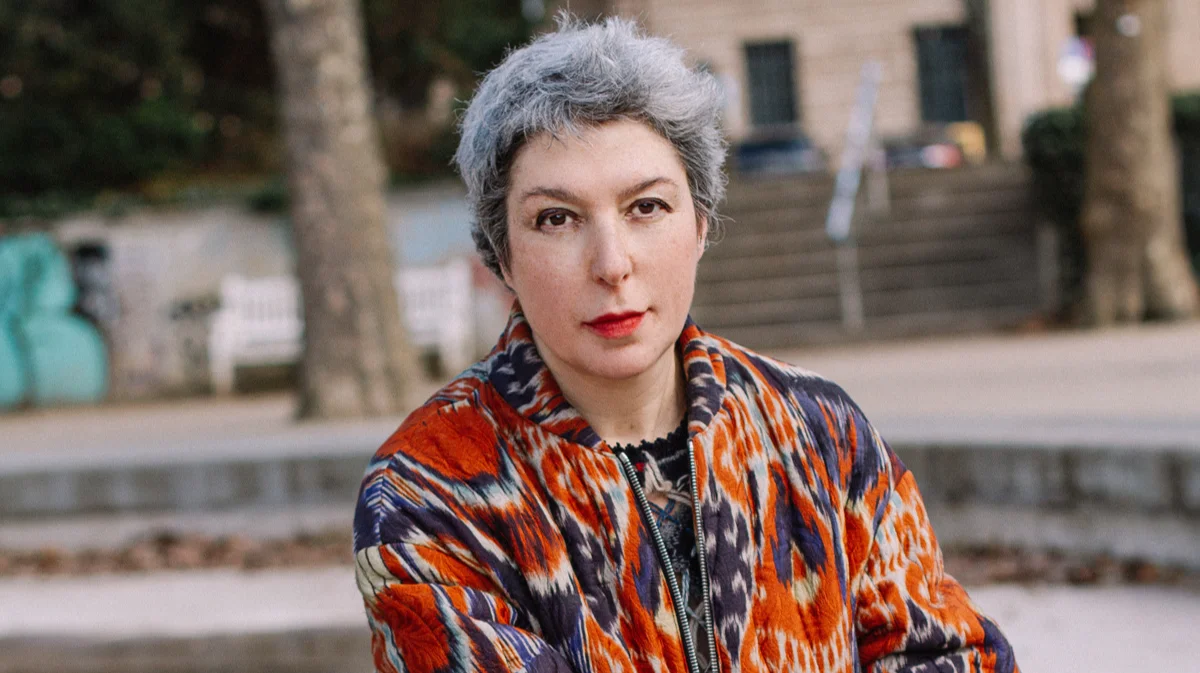
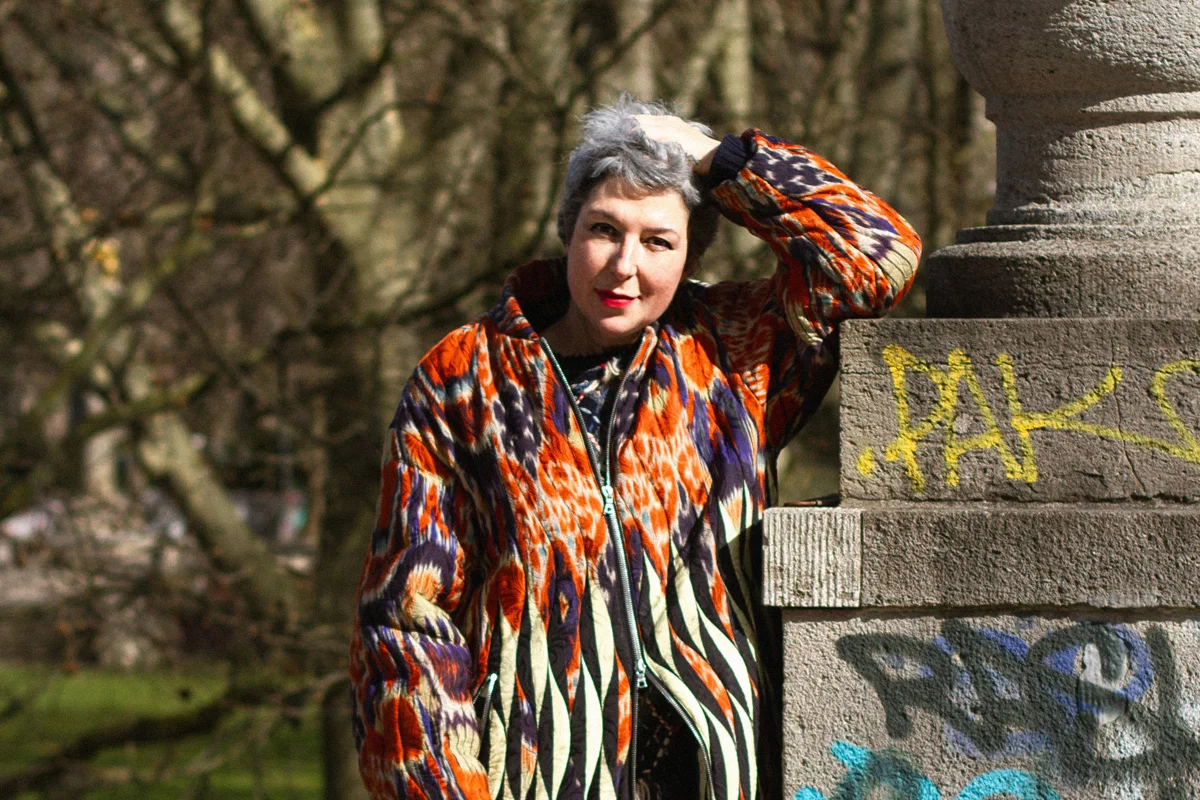
Photo: uladzislau papou
On the book industry, which until recently, the sovereign eye noticed reluctantly (at least in comparison with the theater, cinema and music), a stream of repression collapsed. First, writers became targets - Boris Akunin, Dmitry Bykov, Mikhail Weller, Lyudmila Ulitskaya and others. Their books began to be removed from the sale, and against some - to start criminal cases.
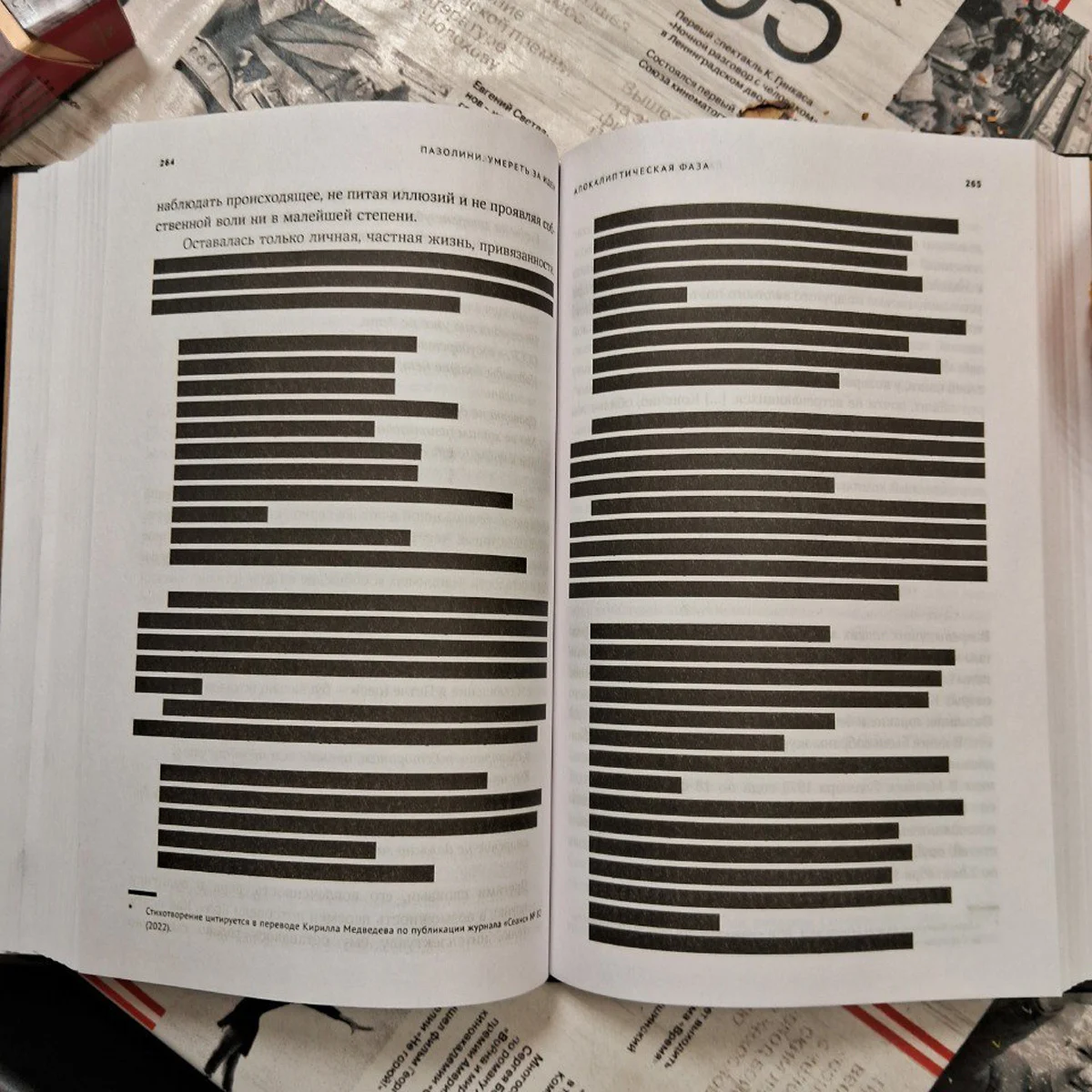
The decision to recognize the imaginary “LGBT move” to extremist created the opportunity to blame any publisher and any author whose books contain at least hints of “non-traditional relations” in terrorism. Now the publishers are sending “suspicious books” from their portfolio for examination, while others are simply withdrawn from sale (including books of world famous writers - Michael Cunningham, Hanya Yanagikhara, Vladimir Sorokin). Well, the star of the last days was the biography of Pazolini, the great director and open homosexual, in which the AST publishing house painted part of the text with black. With questions why the books came right now, what all this means and what to expect from book censorship further, the “New Evrope” turned to the literary critic Anna Narinskaya.
-History with a book about Pazolini, in your opinion, is it censorship or artistic action?
- Both. This, of course, is an obedience to the Law on LGBT, which in Russia is recognized as a kind of “extremist movement”, but also a gesture, this censorship, as it were, manifesting. The reader is presented: "Here is the text that you are forbidden to read." As a result, this turned out to be a successful marketing course. If you now go to Ozon, you will see that the previous edition of this book, where all LGBT scenes are on sale, but this new was fully bought. I will not hide, I also asked myself such a book, I want it to be with an artifact.
What is happening now is terrible among other things by the fact that it is impossible to separate censorship, irony or mockery of the regime from self -censorship and fear. Now the time is much more tough than the period when the Surkov led by our ideology, but it seems to me that we are experiencing some kind of “Surkovshchina”, but not with hybrid regime, which was ten years ago, but with totalitarian. After all, the idea of Surkov was just that you could not distinguish the truth from untruth, irony from an ardent straight -line statement. And what are these painted lines - low worship before the regime or a fig in the pocket? Go disgust.
-Does literature become something more important and dangerous for the authorities in connection with these processes than it was ten years ago? The poet in Russia again more than the poet? The persecution of writers , bans of books , cleansing libraries ... What is all this about?
- Well, rather, the poet in Russia again is at least a poet. After all, what is the first reaction to these painted lines and to a list of books prohibited to the distribution of books that have recently been leaked: here, they got to the books. Six months ago, it seemed that books were not interested in power. Boris Kupriyanov, the founder of the most important independent bookstore “Falanster” and, in general, one of the most important domestic book figures, quite incredibly, but sincerely wrote on Facebook that no real censorship in books, in literature, is still sold, just “foreign agents” are wrapped, LGBT Bolts do not lie in a prominent place, but in general everything is decent. Decent in comparison with other types of art, whether it is a theater or Sovrisk where censorship and repression have been raging for a long time.
It was even the opinion that the authorities consider books to be atavivism. Like, no one needs them, except for the "botanists" no one reads anything and there is nothing to spend a repressive resource on them.
-But books are still published and sold, which means that there are consumers.
- Of course, there is. But in general, literature is no longer in the unique position of the main art. It's just about technology. Today, when a person decides how to spend two free hours, he does not choose between one and the other book, but in principle between reading, watching a movie, online game and so on: all this is in the same computer. To read books, you need to love to do it right. And yes, the circle of readers, of course, has narrowed very much over the past decades. And the fact that they have reached them now is a very bad sign is a sign that everything was decided to censor, even what the hands did not reach before. This is a tragic moment.
The flip side of this tragic moment is the oncoming movement of those institutions that are responsible for books in particular and for the entire culture. Self -censorship and its normalization in Russia are huge. When I talk about this, they usually object to me that I am an emigrant torn from Russia and I don’t understand anything in Russian affairs, but just a bored. Of course, I am an emigrant, or rather, an emigrant, but my connections with Russia are not at all interrupted. I often discuss a variety of projects with colleagues - both publishing and museum. Of course, I can’t participate in anything as a foreign agent, so we are more likely to be a shame about interesting. Because there are interesting projects in Russia, and there are many of them. And literally through the phrase, my interlocutors - wonderful, talented people - say: "No, well, this will not pass." That is, this is not about doing something, and then bad uncles from the ministry will come and ban it, but simply to understand that “it will not pass”.
- What was the most hit on culture?
- In my opinion, the Law on LGBT. This is generally an amazing censorship tool. It is not concrete and allows you to see the propaganda of LGBT in almost anything. This, as the poet wrote just on a heterosexual occasion, "a key suitable for many doors." Suitable in order to close them.
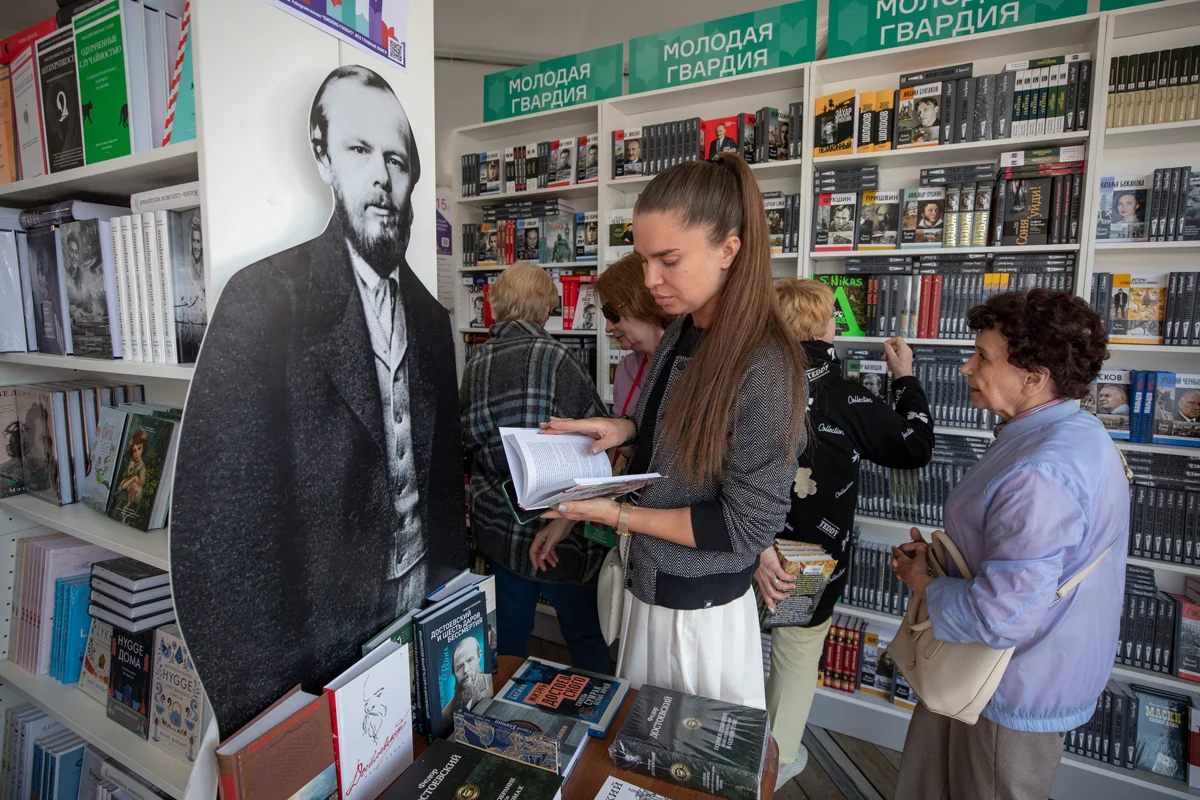
- Even Dostoevsky fell under the distribution.
- Well, regarding Dostoevsky, they seemed to play back there, but with this story of the lists of books that, so that they did not work out, decided not to distribute the books of the book trade, this is interesting. I reliably know that the list of these books was compiled by denunciations.
- According to readers' denunciations?
- Yes. Mostly on reviews on the Internet. How does this happen? A teenager or a student there reads something. And vigilant parents suddenly decide to see what their children are reading there, and suddenly bam! - And there is “Netochka Nezovanov”, and two girls lie in a hug in bed. I know this work well and I am sure that Fedor Mikhailovich did not mean any LGBT. But he had, he didn’t, but people write a review on the website of the online store or book: “God! What is going on? Our children read the same! "
And according to such reviews, a huge number of books fall under the ban-from Canningham or Faulza, where LGBT really is, to things, where LGBT Tematics are inspired by someone's sick imagination.
After all, a society where censorship reigns is arranged as follows: if it is forbidden to talk about something, then this is what the forbidden begin to see simply everywhere. Remember how Venedikt Erofeev’s: “The public has what is on my mind now? One homosexuality. "
- I well remember the times, more recently, when the first prohibitions began. For example, when the Russian Orthodox Church condemned something-like the film “Matilda” or the exhibition “Caution, Religion!”. In cinematic circles, they often discussed that for the promo of the film, especially if you do not have an advertising budget, such a ban can become a good promotional tool. What they want to prohibit, everyone immediately wants to see. But now the prohibitions have switched to another level - everyone is so afraid that they prefer to completely avoid some topics.
- I would not downplay neither the feats nor the suffering of those people who fell under such persecution earlier. The film "Matilda" nevertheless released in cinemas, and at the organizers of the exhibition "Caution, religion!" They sued even then. Or, for example, the “death of Stalin” was never released, as a result, everyone looked in a pirate, but the distributor, as I understand it, lost a lot of money. But today the repressions switched to a fundamentally new level, what to say there. That is, censorship, the inadmissibility of some words and punishment for them became physical.
A terrible example of this, which is beating in the heart, is what is happening today with Zhenya Berkovich and Sveta Petriychuk. Is it worth it about the fact that while they are in prison, the audience is breaking into the theater where the troupe with which Zhenya is associated? That is, yes, it breaks, but no, we cannot describe it in such terms. It is very valuable that there are still people in Russia, and there are a lot of them, for which the case Berkovich and Petriychuk became an encouraging motive to see these performances. And this is not just to join the art, but also to express support. I know many of these people, I admire them, and I am horrified by the fact that one day they will come to the theater, and there will be riot police. In general, somehow the language does not turn to talk about it in the terms "Promotion-tool is it or not."
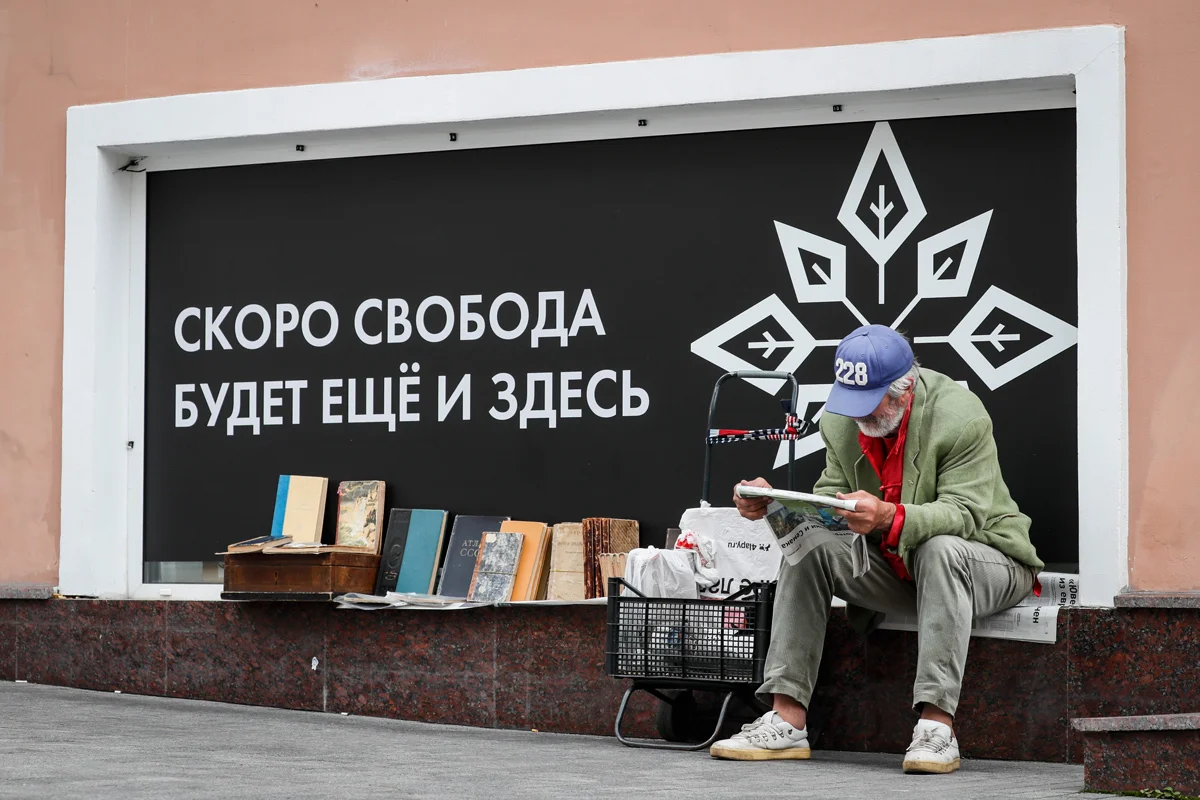
- It seems to me that people are breaking into this theater and in some other places also because they want to have time to see and touch what tomorrow may not become. Seeing the air that will be blocked at any moment.
- Yes, indeed, in Russia there are still places and institutions free from propaganda. They may not even declare something anti-war or anti-Putin, but they, as it were, build virtual walls, are fenced off from the propaganda that flows from everywhere and which has become the context of life. They are very scary for them. Today's state cultural management is such a small henchman of power. Often repression is the initiative in the field. After all, culture has always been the zone where you can not only speak out, but also curry up. Because in this zone you can get a very quick result, very quickly demonstrate the reaction to the desire of the authorities: “Here, look, we seized all harmful books, yesterday they were on the shelves, but now they are not,” or “before we had avant -garde ballets, but now they march in support of their own”. Moreover, the people who do this always rise very well along the career ladder.
- What is the similarity and difference between our today's reality and what happened in the Soviet Union?
-First of all, I must say that the Soviet Union was still different. The Soviet Union under Stalin, under Khrushchev and Brezhnev, is not the same thing. We still do not mention Lenin or, for example, years of the war. Therefore, it is always, when we say “how was it in the Soviet Union?”, Let's clarify which Soviet Union we mean.
- We will keep in mind that Soviet Union in which many literary works and writing names were prohibited, but at the same time Samizdat and Tamizdat flourished, and everything read. Your film “Stone. Scissors. Paper ” about the Ardis publishing house just about how the terrible Soviet censorship was bypassed.
- To say that everything read everything is an exaggeration. They read something, but not all and not all. I remember this by my own example. I entered the philological faculty of Moscow University in 1984. And what is a phille? 200 girls and 12 boys. And all these 12 boys were mine. Not because I was such a colorful. I invited them to visit. They went to the 12-meter office of my father Anatoly Naiman, where there were forbidden books, including the Ardis publishers,-the blue volumes of Brodsky, Nabokov, including even Lolita (!!!), which was incredible value. And besides this, such works that no one even heard about, for example, the “pale fire” of Nabokov, or the forbidden poems by Tsvetaeva - “Swan Stan”, or “trout breaks the ice” of Kuzmin. And a lot of this for my classmates from the philological faculty (!) Was in the new product.
Of course, the time was different. What is called Russian intelligentsia is very characteristic of contempt for technological progress, although it absolutely changes the world.
And we all understand that the most important for us is the art of VPN. This is the main thing that we have today.
And then these books, real books, that is, objects, had to be transferred from hand to hand. There is a wonderful book by Ivan Tolstoy about how the Doctor Zhivago was published: he was first transported abroad as a microfilm, published there, and then delivered back from abroad in secret methods to the USSR. So this is not true that everyone read everything. In Moscow or Leningrad, they read more, in other cities this prohibited almost did not reach.
- What was the most forbidden?
- Books on history. For some AutoKhanov or Kopelev, you could go to prison. Kopelev’s book “Store forever” published just “Ardis”. This book about the violence that the Soviet Army created, liberating Germany. Today in Russia this is also considered a terrible slander and it is forbidden to talk about it.
Maybe in this particular place I am an optimist, but I believe that all these Roskomnadzors will not be able to win, they will not be able to install complete blocking of sites. Therefore, access to some free texts prohibited in the Russian Federation will remain, and it will be much easier than in the 70s, when the book was only paper. After all, people are now reading a blocked facebook. It seems to me that technological progress on the part of people who fight against censorship will always win. This is my optimistic forecast.
-That is, you are not inclined to look for something in common between the USSR and modern Russia in the sense of the censorship of works of art?
- It seems to me important to draw attention to this. More recently, it was believed in Russia that there is some set of prohibited topics: you cannot criticize Putin and Russia's victory in the Great Patriotic War, you cannot say that Crimea is not ours or something like that. And this favorably distinguished us from the Soviet era in the sense of censorship. Many remember the great phrase of Sinyavsky: "I have aesthetic disagreement with the Soviet government." That is, the Soviet government did not allow not just some topics, but also the stylistics of statements, which, in their opinion, "was bourgeois in nature." And this acquired a completely absurd character. In 1942, the leadership of the Spartak team was arrested - literally - for the "bourgeois style of playing football" ( we are talking about the case of the Starostins brothers . - Approx. Ed. ). Style! That is, the Soviet government was against a large number of artistic methods.
Until recently, we believed that in modern Russia themes are still pursued, but not stylistics and artistic method. And that, let's say, Bogomolov can ideologically carry everything that he carries, but at the same time use radical stylistic techniques.
And in this regard, I want to return to the LGBT-wrap, because a huge number of things can be perceived as LGBT not only in the sense of content, but also as stylistics. Yes, now from the exhibition of Timur Novikov and artists of the new academy in St. Petersburg they shoot paintings with naked, pages with the homoerotic poems of Pazolini are washed out of the book, and the books of Cunningham or Hanya Yanagikhara are removed from the sale of the book-that is, it is still a ban on the topic. But the topic at some point merges with the method. That is, this law opens up the opportunity to cancel the various styles of art, accusing them of, as it were, I want to say, LGBT, and therefore prohibit them as an artistic statement. In my opinion, we are very close from this.
And this rhymes with Soviet practices, when many things were banned not because something bad is written there, but because it is "not our Soviet approach."
- Recently, the propaganda film by Arkady Mamontov “Inoagens” was released on the Russia 1 channel, which exposes the “hypocritical essence of the reserves”, that is, traitors of the homeland. There, Mamontov from the very beginning appeals to the literary character of Smerdyakov (calling all the “foreign agents” “stinks”), and then, having exposed those who themselves “plundered” Russia and now “lives” in Europe (like Khodorkovsky or Gozhozh), cutting the statements of activists like Chirikova or Serenko, calling for the collapse of Russia, once again quoting the actor. Smolyaninova, who seemed to be going to fight for Ukraine, uses your interview in the final. “The main role in the struggle against Russia is played by people for whom the word is a profession,” says Arkady Mamontov, representing you. That is, the word, in his opinion, is a much more terrible crime than economic crimes or separatist calls?
“I don’t know if Mamontov planned when he made this film, so concentrated on me.” But in a sense, I myself am to blame for the fact that I really gave an interview to the dummy people who introduced themselves as a foreign film crew, but turned out to be mamontov’s hires. This interview was not shot at the congress of “foreign agents”, at which I was not, but in another place at another time, and a few weeks before I was declared a “foreign agent”. Part of the installation in this interview distorts the meaning of what I said, and some of the questions that sound behind the scenes did not ask me. But in this interview, I really spoke a thought that I consider correct. To their question, what is the greatness of Russia for me, I replied that the greatness of Russia for me is just an euphemism of the right to violence. И вообще, концепция величия страны, любой страны, — это концепция, которая просто говорит о том, что раз мы такие великие, то и насилие с нашей стороны оправдано. И, наверное, это прозвучало слишком убедительно, потому что я до сих пор нахожусь под штормом ботов, писем и проклятий. Я в мессенджеры боюсь заходить.
— «Всякая мысль, выраженная словами, есть сила, действие которой беспредельно», — писал Лев Толстой. Аркадий Мамонтов с ним, похоже, согласен.
— Сталин, например, всегда считал, что слово очень опасно. Известно, что, читая книжки, он комментировал прочитанное на полях. Например, на полях Платонова он написал «сволочь». Сталин считал, что писатели — это важнейший идеологический инструмент, и мы знаем, что из этого выросли и страшные страдания — запреты, лагеря и расстрелы, и благоденствие — дачи, премии и прочие привилегии.
Сейчас, конечно, не совсем так, но слово, разумеется, считается важной вещью. И удивляться тут нечему, особенно сейчас, когда государство своим важнейшим оружием считает пропаганду, то бишь слово.
— Литература становится важнейшим из искусств?
— Я вообще считаю, что всё искусство — это литература, потому что любое искусство рассказывает историю: в основе любого кино — сценарий, в основе театра — пьеса, писсуар Дюшана — это тоже история, просто выраженная одним жестом. А история — это, соответственно, нарратив, смысл, идеология. И поэтому да, всё, что несет смыслы, невероятно важно для государства, которое и само старается создавать смыслы. «Можем повторить», или «такие-то территории — это наши территории», или «мы самые великие», или «семья — главная ценность, и она должна состоять исключительно из разнополых супругов и множества детей».
То есть создание ценностей, проповедь этих ценностей и объединение вокруг них людей. Вот мы смеялись над Путиным, который говорил про скрепы. А теперь вот как это всё выстрелило! Теперь у нас есть официальные ценности, а тех, кто этим ценностям не соответствует, мы убьем или посадим.
— Как вы себе представляете, что будет дальше?
— Вы, наверное, хотите от меня чего-то совсем драматического. Но я думаю, что в ближайшее время некоторый паритет между работниками искусства и, в частности, писателями, живущими внутри России или хотящими публиковаться в России, будет выработан. Понятно, что действия власти очень сильно зависят от разных вещей — и от конфронтации с Западом, и от положения дел на войне с Украиной. Власть тоже нестабильна. Сейчас мы видим репрессивное наступление на культуру.
Но мне кажется, что вот сейчас, когда все, кто решил уехать, уже уехали, а тем, кто остался, стало ясно, что сидеть на двух стульях почти невозможно, выработаются правила игры.
И у меня есть надежда, что эти правила, пускай на ужасно низком допуске свободы, они все-таки как-то устаканятся.
Мне казалось, что сейчас в России многими найдена вот эта степень осторожности, оставаясь на которой ты можешь не заниматься пропагандой и не оказаться при этом в тюрьме, под штрафами и (или) уволенным. Например, делать выставки про белый цвет в искусстве или выпускать книги о том, что случилось в XII веке. У меня есть надежда, что вот такая стагнация, вот это понимание, как можно, не творя чего-то ужасного, не выпуская духоподъемных книг про Донбасс, все-таки оставаться на плаву, не делая запретного, но продолжая делать нечто, что все-таки несет некий свет, свет ненасилия, что вот такого равновесия можно добиться.
С другой стороны, каждое известие, будь то обыск в «Гараже» или увольнение кого-нибудь, кто даже не делал ничего антиправительственного и в нашем понимании смелого, а просто профессионально работал на своем месте, они этот мой, назовем это словом «оптимизм», разрушают. Однако, повторюсь, у меня есть надежда, что в России всё же будет возможен в культуре компромисс. И если раньше мы говорили: «Как? This is impossible! Это же компромисс!», то вот теперь для всех, кто в России вынужден оставаться, при этом полностью отвергая всё происходящее, я желаю, чтобы этот компромисс был возможен.
— Есть мнение, что цензура культуре идет не только во вред, но еще и на пользу, потому что появляется новый язык, новые формы, новые способы проговорить что-то, что нельзя проговорить прямо. Снова эзопов язык?
— Он давным-давно в России есть. То есть он был задолго до полномасштабного вторжения. И мы все считывали намеки на разные вещи довольно часто. А прямое высказывание как раз недостаточно ценилось. Тех, кто высказывался прямо, называли демшизой и считали, что они не ищут интересных путей. Но это давние споры, теперь уже неактуальные. Эзопов язык процветает. Но интересно тут вот что: являются ли какие-то вещи, которые люди видят между строк в книжках, в спектаклях, в кино, реально заложенными создателями намеками, или это в глазу смотрящего?
— Как в СССР все везде видели намеки на евреев?
— Именно про это была вся моя выставка и документальный фильм «Найди еврея» . Поскольку в советское время еврейская тема была запрещена, ее все везде и находили. Мы до сих пор не знаем, мультипликационный Чебурашка еврей или нет. То бишь имели ли в виду его создатели, евреи по национальности, Шварцман и Качанов спрятать в нем свой советский еврейский опыт «неизвестного науке зверя», которого никуда не берут на работу, или зрители просто сами вкладывали туда эти смыслы.
So now. Люди видят в театральных постановках намеки на всякое протестное. Закладывают ли эти намеки создатели? Или это в голове у «потребителя»? Мне тут недавно пересказывают московские друзья один спектакль и говорят: «В этом спектакле точно имеется в виду тот Совет безопасности, где решали ввести войска в Украину и где у Нарышкина дрожали руки». А я смотрю ту же сцену в интернете — ну, может, и есть там намек, а может, и нет.
А вот что точно есть — это возвращение чтения между строк. Угадывания намеков. Это и есть признак тоталитарной культуры.