
Translated material
"Down with Putin" did not shout? Well done!
Sources predict the resignation of the governor of the Orenburg region after the flood. Political scientists urge not to rush: real successes and problems for the governor are not as important as Putin's favor
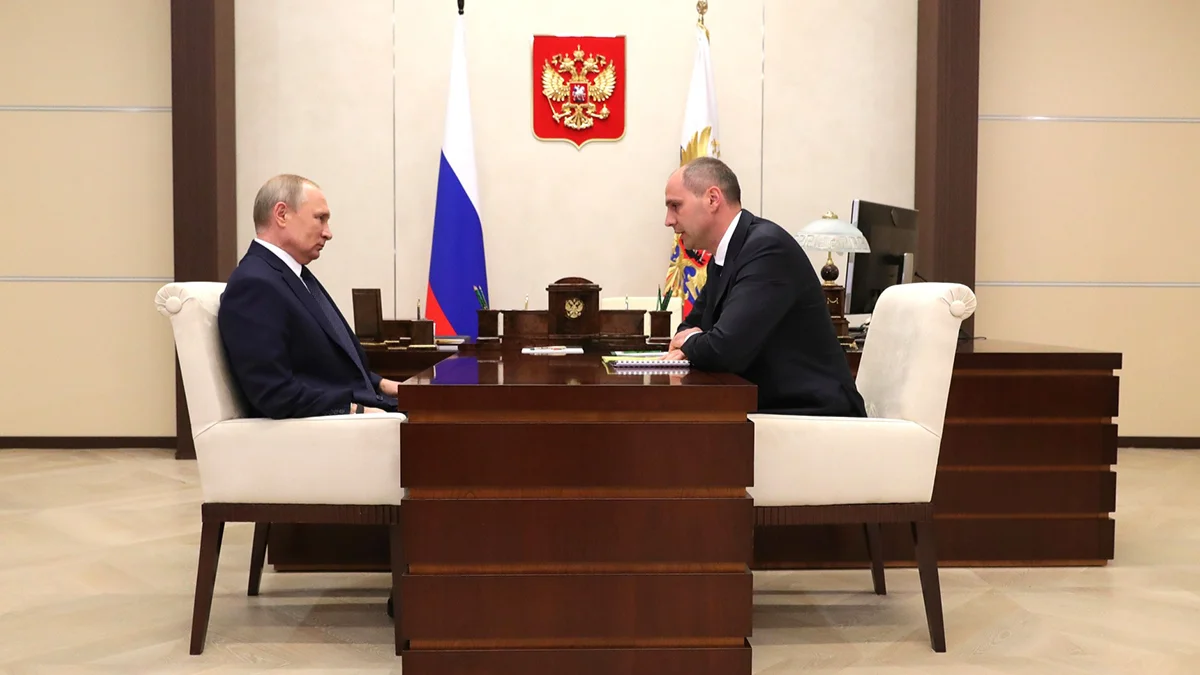
A meeting of Vladimir Putin and Denis Pasler. Photo: kremlin.ru
In the Orenburg region, a month has been copeing with the consequences of the spring flood for a month. A spontaneous disaster affected thousands of houses and caused the death of at least five inhabitants. Russian publications predict that the resignation of the head of the region Denis Pasler may be the political result of the flood. The new newspaper Europe studied who the governor was before arriving in the Orenburg region and, according to what criteria the federal authorities evaluate his work.
"Governor, not an investigative organ"
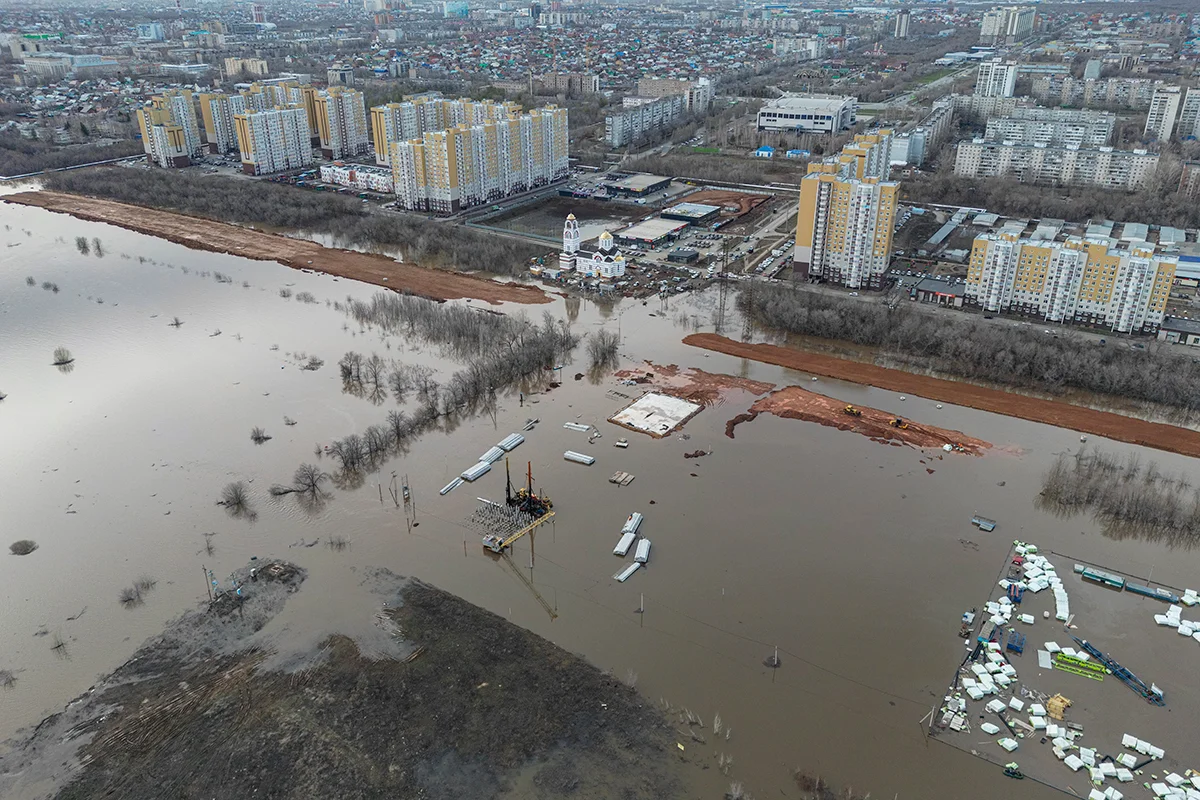
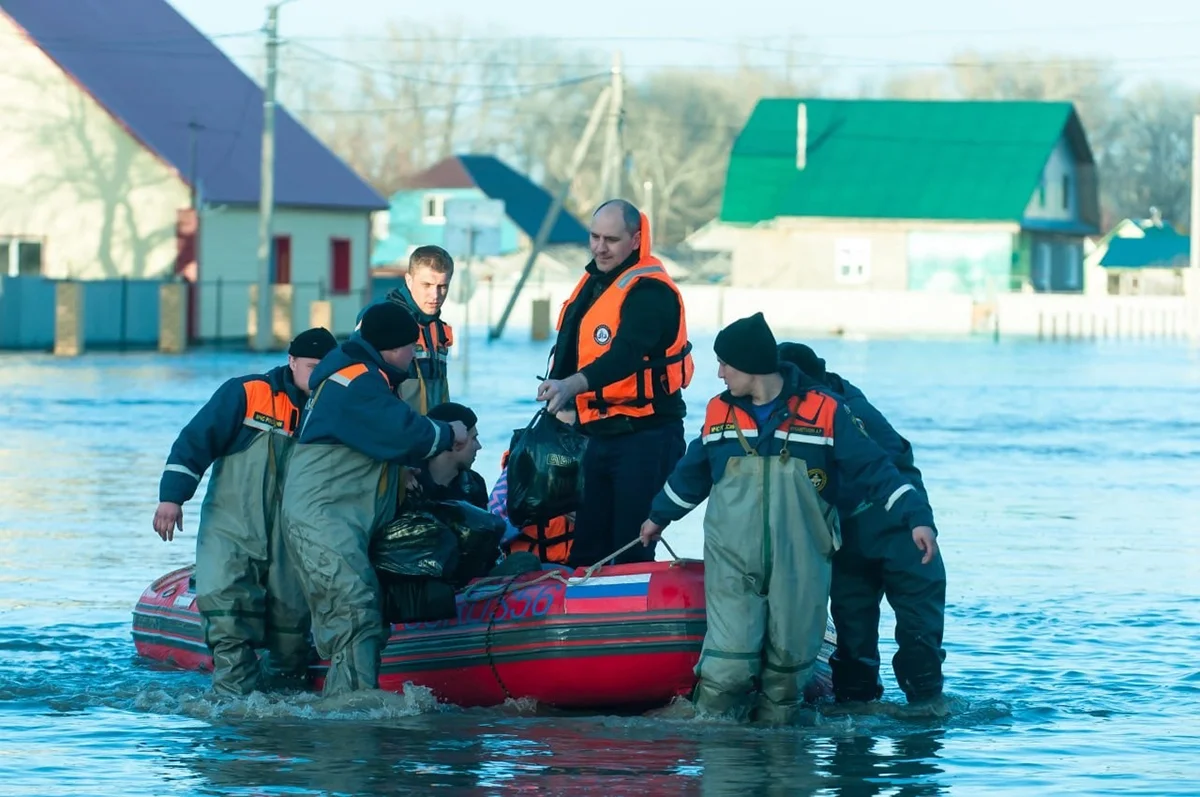
In early April 2024, a flood occurred in the Orenburg region. A surge of the Urals, the main river of the region, was significantly intensified by melting snow and the water level overcame a critical mark by tens of centimeters. Orsk was most affected - the second largest population and industrial significance, the city of the Orenburg region. On April 5, a dam broke through on April 5, which led to a flooding of more than 7 thousand residential buildings. In the Orenburg region, a federal emergency regime was declared . Soon after the flooding of the city’s authorities, they organized temporary accommodation points in schools. According to “important stories”, at least five people died due to a natural disaster in the region.
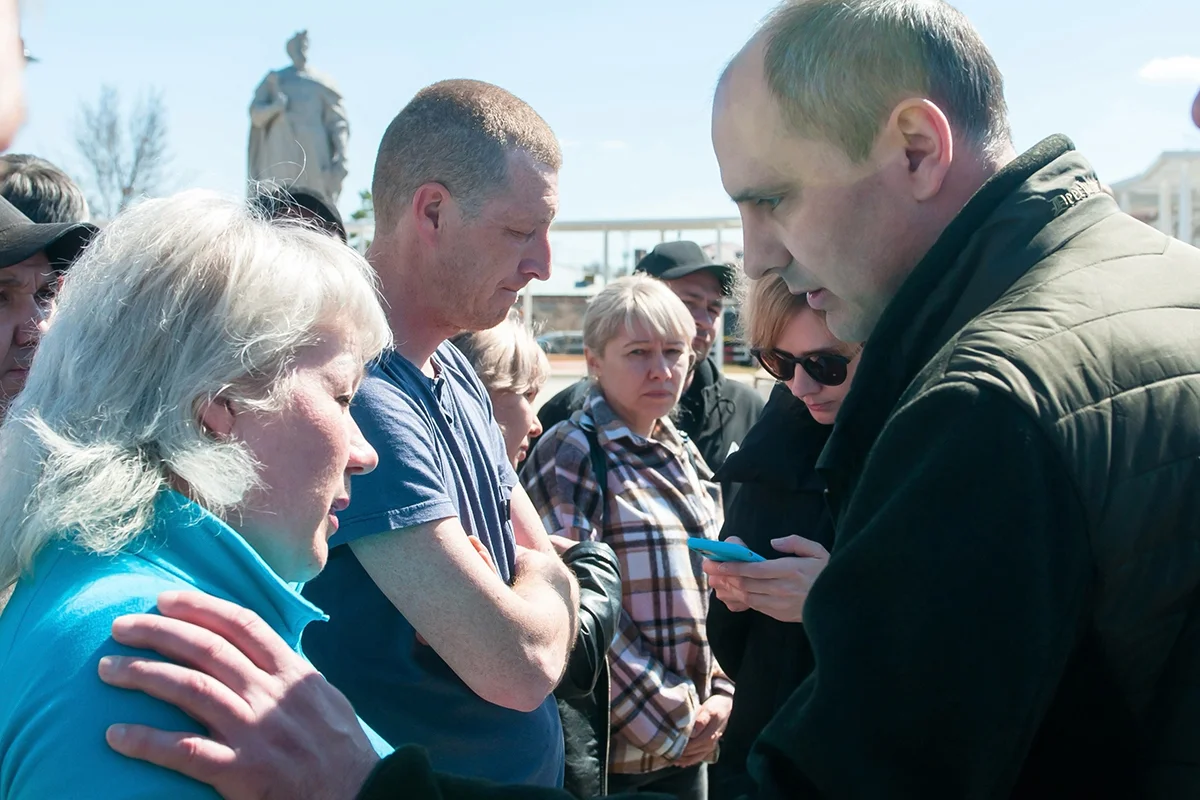
On April 8, Orsk residents reached a spontaneous rally in the city center. People were not frightened by the warning of the prosecutor's office in social networks, or the police who reported on the loudspeakes that the action was not agreed. First, the mayor of Orsk Vasily Kozupitsa came to the audience, but people killed his speech with questions about compensation for flooded housing. After that, the “initiative group” from the protesters was invited to the city administration building to a meeting with the governor of the Orenburg region Denis Pasler.
Pasler behaved with citizens as subordinates: shots were dispersed along social networks, on which he demands to “remove phones” from people. The governor began to blame the inhabitants of Orsk of pulling attention to themselves, while the flood affected the entire Orenburg region: “Honestly, I am surprised at a number of comrades. I have been here with you all days, I could never even change clothes. For the first time in five years I took a vacation for two weeks and did not go. ” When asked about responsibility for the disaster, Pasler stated that he was a “governor, not an investigative body”, and then emphasized that “everyone is to blame.
As of early May, water in the Orenburg region gradually retreats. City administrations pay the first compensations to those whose houses and apartments fell into the flood zone, subsidies for several hundred thousand rubles for business restoration are distributed in the region. There is an investigation under the articles “Violation of safety rules in the maintenance of construction and other works” and “negligence”.
On April 22, Vedomosti journalists with reference to four sources close to the presidential administration said that by the end of May the heads of several regions may be replaced in Russia. Three interlocutors of publications emphasized that, most likely, Denis Pasler will be resigned. The press service of the governor and the government of the Orenburg region after the release of the material sent Vedomosti an extremely foggy answer, in which she did not confirm, but did not refute the information: “The Governor of the Orenburg Region Denis Pasler at its post daily holds events dedicated to the fight against the consequences of the sailors. He leaves the territory, meets with people, solves problems related to floods in the region. ”
Who is Denis Pasler
Denis Pasler was born and raised in Severouralsk - a city in the Sverdlovsk region with a population of several tens of thousands of people. He studied at the Ural State Mining University, and then worked on the North Ural Boxyot mine. As a result, he began to engage in business and led a number of companies in the energy and construction sector. Not without the support of the father - the owner of a large transport enterprise in the Sverdlovsk region.
Since 2008, Pasler began to combine business and politics-he was twice elected at the Legislative Assembly of the Sverdlovsk Region from United Russia (in 2008 in a single-mandate district he gained 54.5%, in 2012-34%). From June 20, 2012 to September 26, 2016 he was the chairman of the Government of the Sverdlovsk region - the youngest in the history of the region.
After leaving politics, Denis Pasler began to lead the largest Russian private company in the field of electric power and heat supply - T Plus. It belongs to the Renova business group, which is controlled by billionaire Victor Vekselberg.
Governor who constantly wants to leave
In March 2019, Vladimir Putin appointed Pasler the temporarily acting head of the Orenburg region instead of the former governor Yuri Berg. In an interview, the politician suggested that a combination of factors contributed to this decision: “My and my approaches to work learned at the federal level. There are results of the management of large companies, there is experience as chairman of the Government of the Sverdlovsk Region. I think that this was the decisive. ” In September 2019, Pasler ran for the post of governor of the Orenburg region from United Russia and won the election with a result of 65.9%. Local political scientists called these events "the strengthening of Viktor Vekselberg, who is rebelled from the ashes and gains control over the two regions."
For the first time, Denis Pasler wrote about the potential resignation of RBC in December 2021. Familiar with the situation in the region, the sources of the publication emphasized that "there are no complaints about the work of Pasler at the governor's post, the initiative to leave his own." The reasons for this desire were not specified. Pasler then left the questioning of journalists about potential resignation. Despite the “plums” in the telegram channels about the inevitable departure of the governor, he remained at his post.
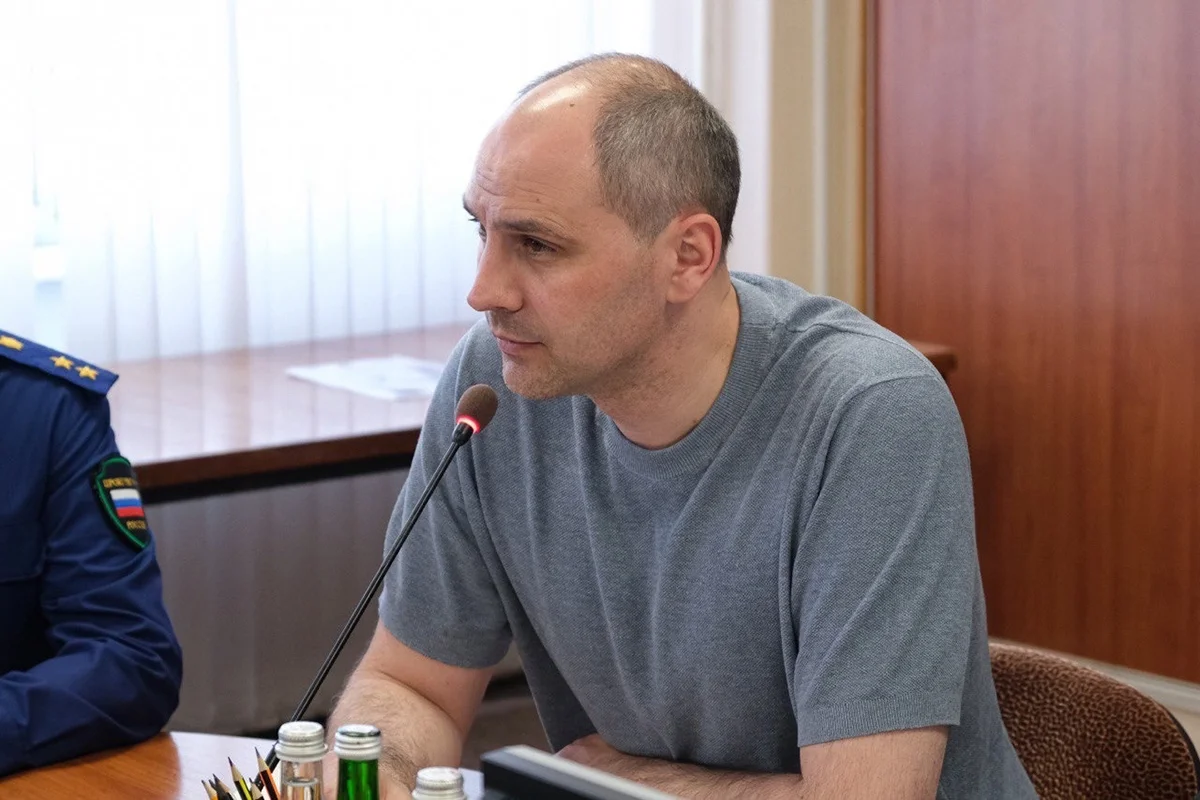
The next round of discussions of the upcoming resignation of Denis Pasler began in November 2023. The publication "Vedomosti", referring to three interlocutors close to the presidential administration, said that the governor really wanted to leave the post of his own free will. Other anonymous sources said that the decision could be made after the presidential election in March 2024. If this information was correct, then Pasler simply did not manage to resign in a short interval between the elections (March 15-17) and the flood (from April 5).
Who follows the governors
To predict whether Denis Pasler will be sent now, it is worth studying how exactly the federal center evaluates the effectiveness of the work of governors. This is followed by two executive bodies - the presidential administration (AP) and the government, says Nikolai Petrov, political scientist and invited researcher of the German Institute for International Relations and Security (Stiftung Wissenschaft und Politik) in Berlin. At the same time, AP officials monitor two things-the popularity of the President of the Russian Federation and the governor itself in the region, while representatives of the government are responsible for "a huge number of different indicators related to socio-economic development."
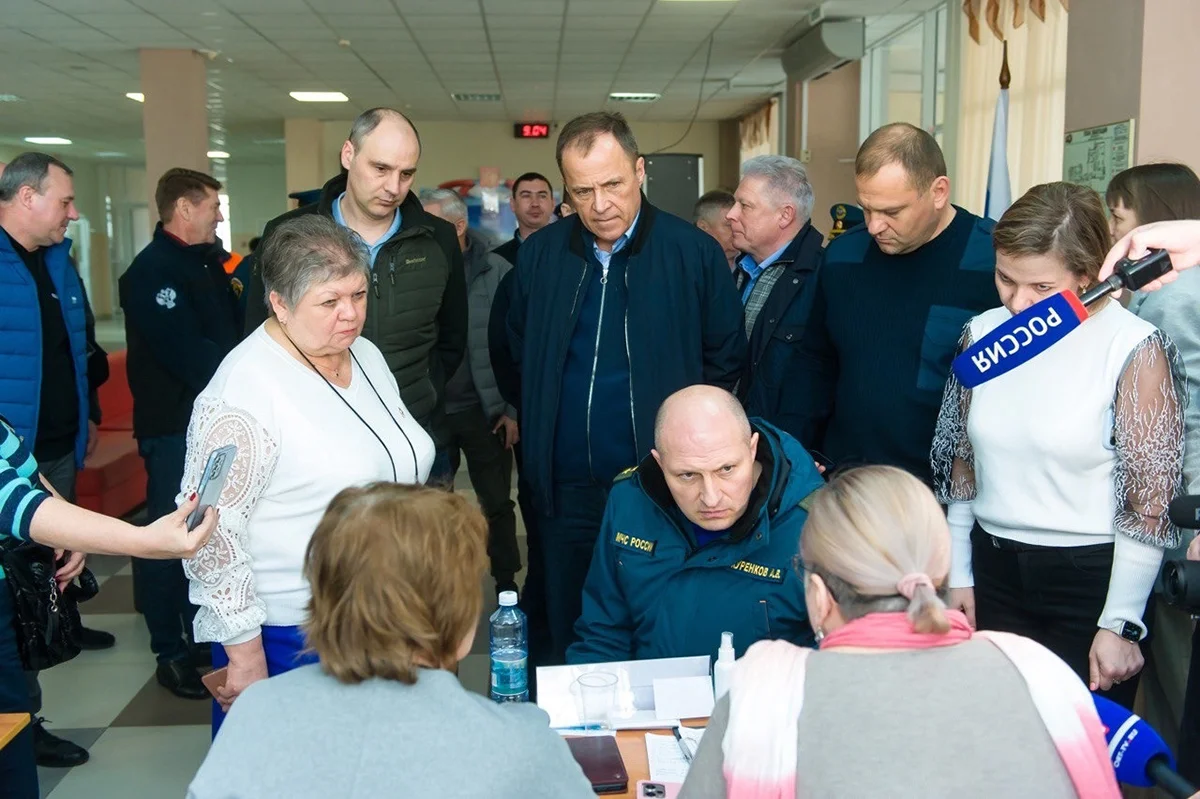
Political scientist Fedor Krasheninnikov adds “oligarchic structures” to these bodies, on which some governors depend. Bringing Denis Pasler as an example, the researcher notes: “He is a protege of Vekselberg, who worked in his structures. The governor puts control of financial flows [of the region] and provides the interests of the people who pushed him there. Naturally, they also look after him. ”
How governors are evaluated
Since 1999, officially the effectiveness of the work of governors has been evaluated for several dozens of specific key indicators (KPI). Over the past 25 years, they have been changed several times - for example, in 2010 their number has grown to 48, and already in 2012 it has fallen to 12. Now the government resolution has been in force for the heads of regions from 2021. It indicates 38 methods: 19 of them relate to the calculation of indicators over the past year and the same amount to establish the target values for the future. Nikolai Petrov notes that this list should not be attached to this list: “When something happens, a new indicator is added. For example, they shoot at school, and at the request of the Ministry of Internal Affairs, the government introduces the “protection of educational institutions”. As a result, everything grows a snow lump.
But the political indicators [rating of the head of the region and the president], of which the AP proceeds are really important, because it is ultimately that it decides, leave or change the governor. ”
A similar system, in which governors are evaluated as schoolchildren, in the federal center, is directly related to the events of 2004. Then, under the pretext of a terrorist attack in Beslan, Vladimir Putin canceled direct elections of the heads of regions. Nikolai Petrov talks about further events as follows: “At first, the Kremlin relied on some popular figures from among the regional elites and made sure that it was really influential people. However, in 2012, the municipal filter was introduced , and the Kremlin began to regulate not only the person whom he sends to the position of the governor, but also the one who can compete with him at all. Then they began to calculate this complex KPI system, which, in general, is not very efficient, but gives operation to the bureaucratic machine and creates the illusion of comprehensive accounting. It is designed to replace the lack of normal elections and instead of people to put officials who will decide whether this person is good or bad. But for them, it is not the productivity of labor, but Putin’s popularity and the results that the region gives in the elections. As well as the lack of public scandals. "

Fedor Krasheninnikov supplements that the local authorities for the system built by Putin do not have much importance and can easily be replaced in case of a loud failure. The political scientist characterizes this approach by the formulation of "the king is good, the boyars are bad."
It all depends on Putin
To read the attitude towards governors in the federal center, you do not need to be seven spans in the forehead, Nikolay Petrov notes. According to him, it is enough to monitor two things - how often Vladimir Putin meets them and whether he gives the good to the re -election in case of approaching elections. However, you should not confuse the media publicity of some incident in the region with the Kremlin’s attitude: “Khabirov in Bashkortostan also recently had large-scale protests , but Putin, in fact, reassigned him at the meeting. The Kremlin proceeds from a number of factors, including those related to whether there is a worthy replacement. AP does not want to burden itself with large -scale governor's replacements. Too many other problems to create additional from scratch. ”
Both political scientists agree that it is still impossible to predict whether Denis Pasler will be resigned ahead of schedule in the near future. Nikolai Petrov notes that now the Kremlin has more important matters, first of all, reformatting the government and the presidential administration due to the new term of Vladimir Putin, "under such conditions, hands are unlikely to reach the regions." Fedor Krasheninnikov suggests that so far the authorities of the Orenburg region manage to stop the situation with the floods in such a way that popular discontent does not apply to federal authorities: “The flood is over, no one rebelled,“ Down with Putin ”did not scream. Well done!"