
Translated material
Father - Russophobe?
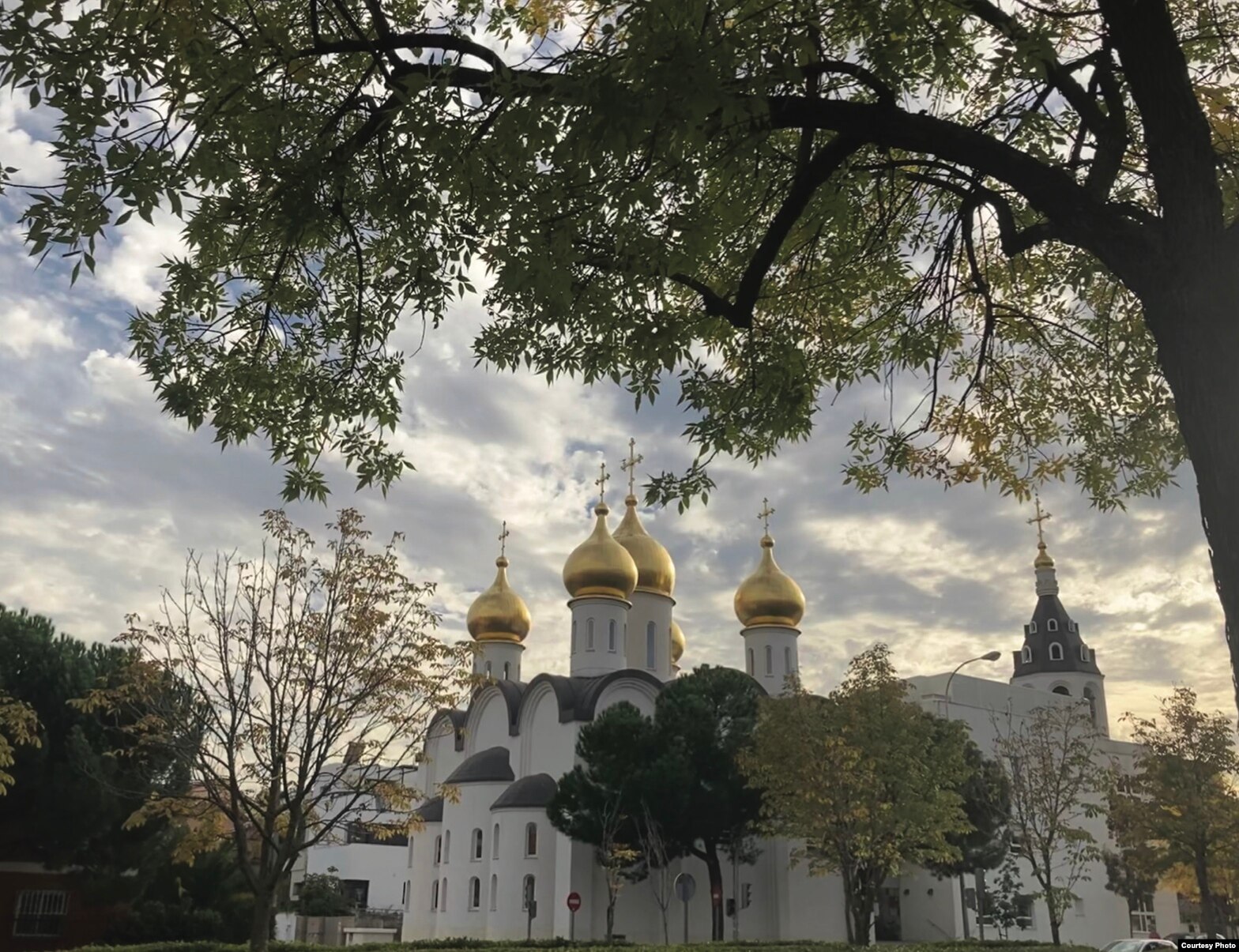
The scandal around the new Orthodox Church in Madrid and the history of Orthodoxy in Spain. Says Mikhail Talalay.

How to get around the lock?
Read>Ivan Tolstoy: Mikhail Grigoryevich, I usually present you as a historian of Russian-Italian cultural ties. But you proposed today a plot associated with Spain. Is this your expansion, the capture of another Romanesque territory, or is it still worth something more modest?
The scandal around the new Orthodox Church in Madrid and the history of Orthodoxy in Spain. Says Mikhail Talalay.
Mikhail Talalay: There is still some advance to the West. Yes, I am a long -standing Italian resident, but Italy and Spain are so vitally interconnected, starting from ancient times, from Caesars, ending, of course, modernity. Therefore, I personally had different relations with wonderful Spain. For example, in the mid-90s, when I lived in Florence and collaborated with the Florentine publishing house Bonechi, I was entrusted with an exciting business: to prepare the Russian version of the guide to Madrid and Toledo. I went to the place, although I myself was not an author, but carefully looked, described, in fact, I redid this book. It was then sold for a long time there on trays, in a bright red cover. Now this genre has already died out. But, nevertheless, this first entry from Florence to Madrid and Toledo left an indelible impression. Then the first relations began with the Russian community there.
We, the researchers of the Russian abroad, have our own keys
As for the new book, which is dedicated to the history of the Russian Church in Spain, we, the researchers of the Russian abroad, have their own keys, everyone has their own. I have a church life. I wrote a dissertation on the topic “Orthodox diaspora in Italy”, I knew where I was lying, working with the archives of foreign churches in the archive of the foreign policy of the Russian Empire, in synodal archives and saw that there were both characters and plots, there was some kind of such general Mediterranean-Russian discourse. Some people moved back and forth. I even talked about one of them-this is a wonderful Rafail Ivanitsky-Ingilo, there was a whole program about him. He is Georgian, fled from Soviet Russia, was previously arrested by the Moscow Cheka. In Rome, he entered the Russian Diaspora, was a sexton at the Russian Church, transferred a lot to Italian, including the first time he transferred Shota Rustaveli for the first time.
And after the Second World War, Rafail Ivanitsky-Ingilo was written out, in fact, Prince Irakli Bagration in Madrid and became the founder of the already post-war community in the bosom of the Russian Orthodox foreign church. So such an interesting character connected Italy and Spain. But I, Ivan Nikitich, told you about him in detail.
On one of my visits to Spain, I met a wonderful priest, about. Andrei Kordochkin, visited the temple, which was built on his initiative - this is the temple of St. Mary Magdalene, who, incidentally, resumed the first initiation of the XVIII century. I immediately liked him: a fellow countryman, a European education, lived for a long time in England, and liked him with special attention, my relatives, to local Christian history.
There were heroes that were not known about, for example, Vikenty Saragos
The first book that Fr. Andrei Kordochkin, he devoted to the Christian history of Spain the first millennium, that is, the time when the eastern and western church were still united. In this book, he first brought out the acts of many heroes of the Early Spanish church, martyrs, ascetics, saints, that is, those guidelines that many of our compatriots who moved to Spain were important and interesting. This about. Andrei continued the line of the Russian diaspora of the first wave: when those refugees were in the West without their homeland, they also looked for some milestones and found them in the person of the early saints, previously unknown in Russian culture. In France, St. Genevieve became the patroness of the Russian outcome, for English -speaking countries this is St. Patrick and others.
And in Spain, of course, heroes were found by the works of Father Andrei, about which there was little known, for example, Vikenty Saragos. There were many other wonderful stories that he first excavated, described and published.
Ivan Tolstoy: Then did you have a book about the Russian diaspora?
Mikhail Talalay: Not immediately. Father Andrei was familiar with my publications in Italy. However, the Russian diaspora in Spain is minimal, especially church. Therefore, I did not even think that it would be possible to prepare such a thick book. We worked on it for several years, as a result, it came out in the middle of last year. And I anticipated how we are successful, how interesting we will resolve it in Madrid. Last year, I revealed a calm month for myself - December, wrote about. Andrei: "Let's present the book in December." He once answered me melancholy: "I don’t know if I will stay in Madrid until December." And he really did not stay there until December.
On the network, a denunciation of Andrei's father was published in essence
Of course, I was amazed. Something I heard about the unrest around the Madrid priest, began to delve into deeper, and in surprise I saw: the denunciation of Andrei’s father was published on the network. Last spring, exactly a year ago on the forewalls, a large group of 150 parishioners accused Father Andrei of various sins, the main one was Russophobia: “The Russian priest, the abbot of the Russian church, we have a Russophobe.” It was listed in what exactly this Russophobia consisted in: that he prays for peace, and not for war, remembers all the fallen warriors. In general, these signatures refused to prayerfully be together in the same room with their rector. 150 people ... Then it turned out that most of them were in the temple.
All kinds of persecution began, about. Andrei was first removed from the ministry for three months, then it seemed to somehow soften something, then the clouds began to thicken again. And in the end last fall about. Andrei left Spain, left the church rebuilt by him and moved to Germany, where he settled in another Patriarchate, not in Moscow, but in Constantinople.
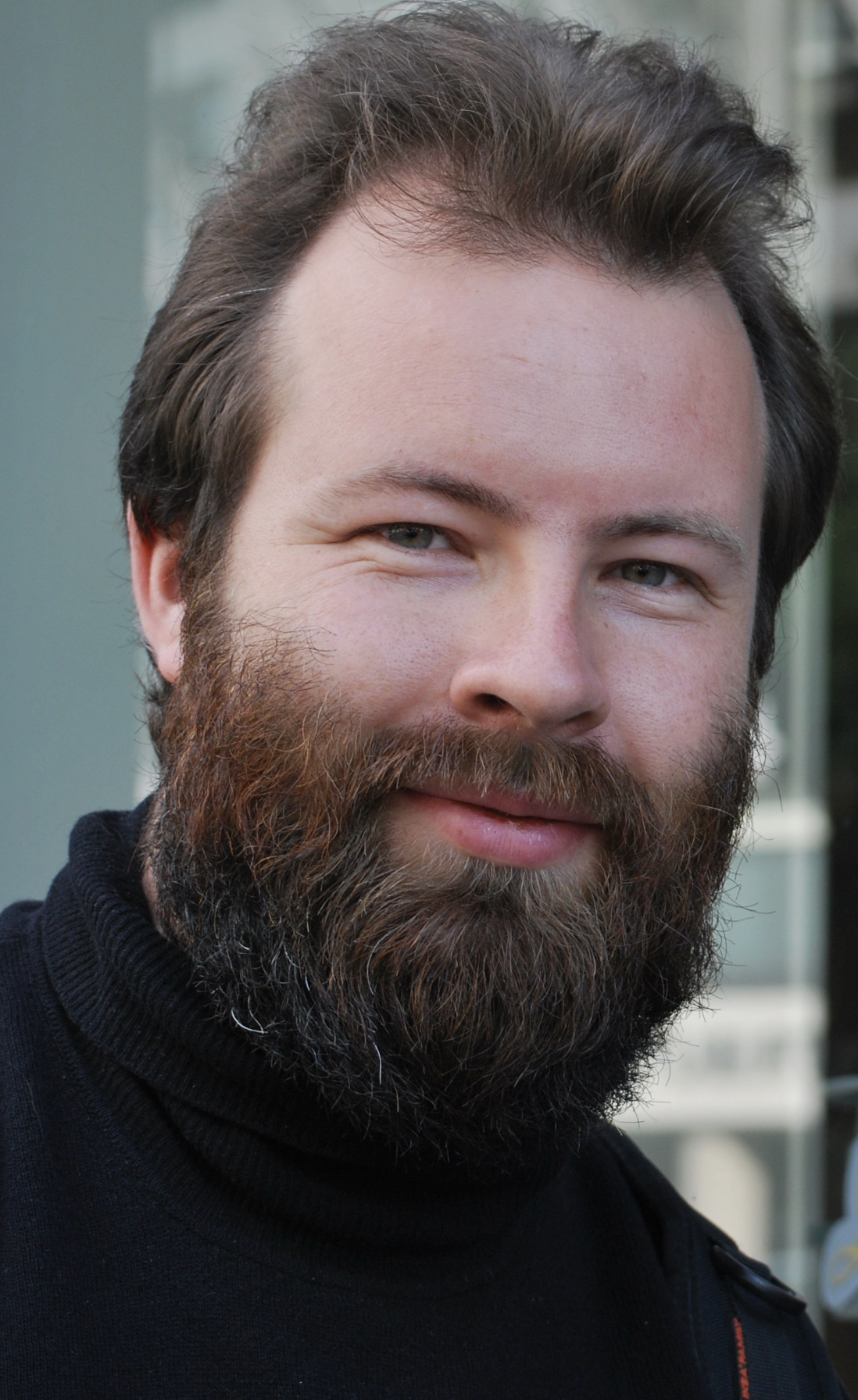
He was instructed to nourish, surprisingly, the Dutch community in the small university city of Tilburg, which is located next to the border, so from Germany to Holland now about. Andrei moves back and forth, and still continues his pastoral ministry as a priest.
On the way from Spain to Germany-Holland about. Andrei stopped in Moscow and agreed on the presentation of our book in the Russian capital. We found a place for the presentation, prepared the poster. I agreed to participate online. Everything seemed to go to a wonderful presentation, and suddenly it was canceled due to the fact that some fiery Russophiles threatened almost physical reprisal with Russophobe, the author of the book about the Russian Church in Spain. And the presentation was canceled. So, Ivan Nikitich, I am grateful to you that at least in such a radio genre you allow me to tell us about this.
Ivan Tolstoy: In my opinion, the time has come to tell about the publication itself. What are you writing about there?
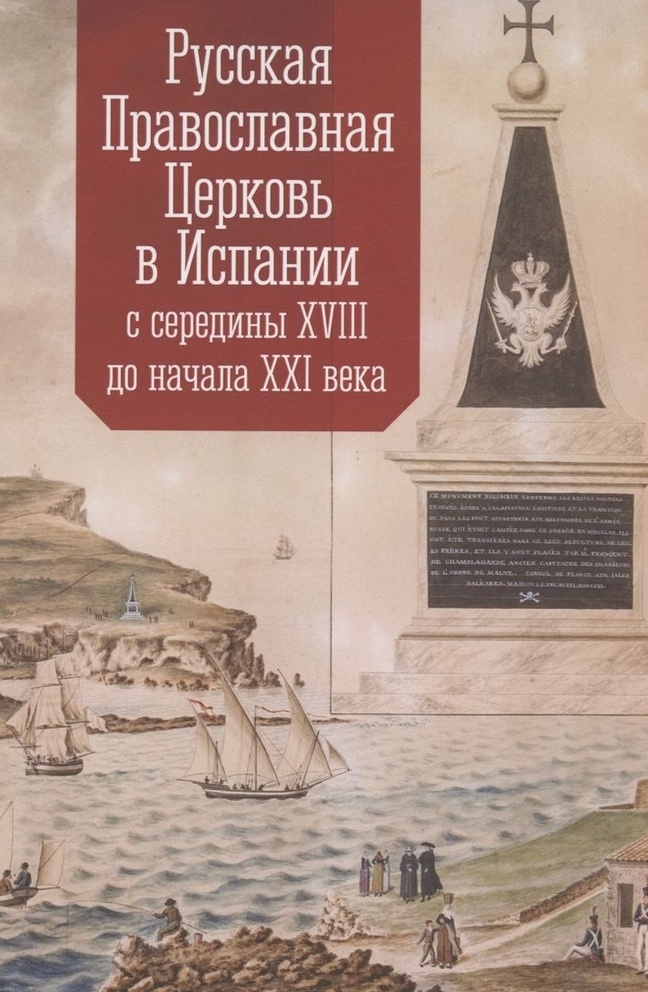
Mikhail Talalay: Our approach to the history of Spain, I repeat, through church plots, but which as a result was found a lot, I even find it difficult to retell. Probably, the earliest should be mentioned - these are the plots associated with the Russian squadron, which sailed from St. Petersburg through the Baltic Sea, through the Atlantic Ocean and sailed to the East Mediterranean to the victorious Chesen battle.
Along the way, this squadron stopped on the island of Menorca; We know the Mallorca resort well, and less is the island of Menorca. There were many Greeks. At that time, Catherine II, I studied this Italian research, worked out the Greek map, let’s say, she hoped that the Greeks of the Sablebreds would help, support this campaign against the Ottoman Empire. And so it happened-in essence, the first naval base of the Russian fleet in the Mediterranean arose in Menorc. And on the way back, already after the Battle of Chesmens, a holiday was arranged on the same Menorc. By the way, this was reported in Florence. There was a wonderful Florentine newspaper "News of the World", she described that holiday on Menorc.
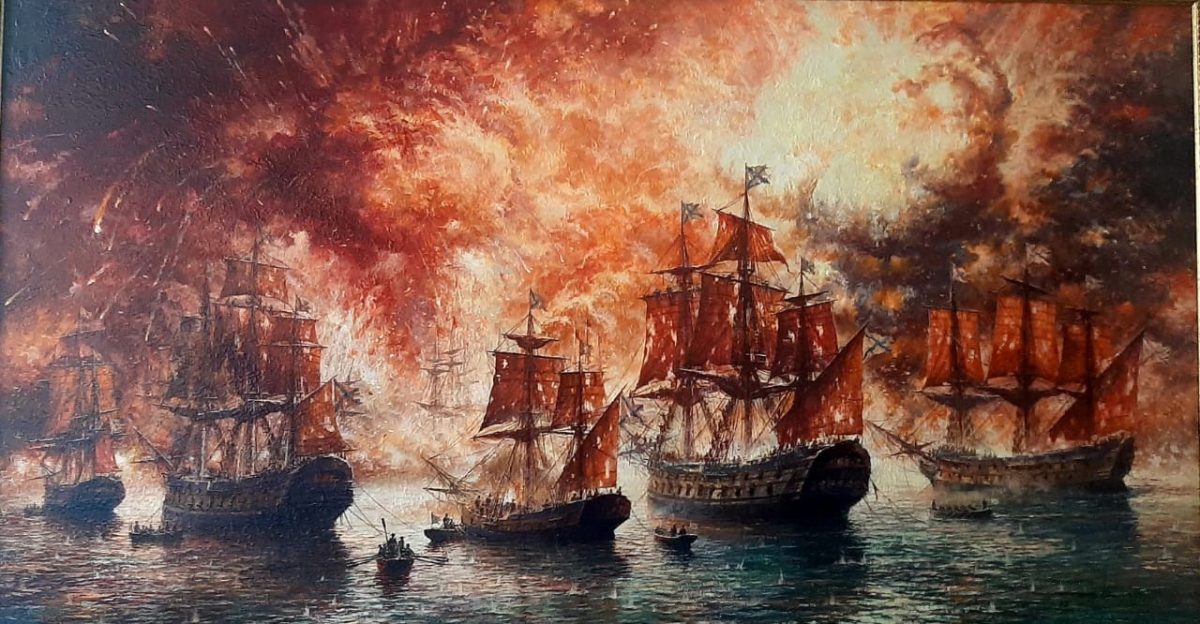
Ivan Tolstoy: Florentine News News (Notizie Del Mondo) in 1770 reported a festival in honor of the Battle of Chesmens on the island of Menorca.
“The most amazing in such a festival was the illumination: the prospect appeared on the facade of the cathedral, representing the army and name of the Russian empress, and the beautiful artificial flame that was devoured by the Turkish mosques, in the midst of which the inscription [in Italian]“ Katerina II All-Russian Empress, Vivat, Vivat! ” After the fireworks, in the house of the consul, a ball took place, which continued until the morning of the next day.
Mikhail Talalay: But the holiday was not for everyone, because it was in those days, at that time Menorco suffered some terrible Mediterranean epidemic, and several hundred of our sailors died on the same Menorca and, in general, forgot about them. Surprisingly, after half a century, the French consul recalled about them, who took up a worthy burial of the ashes of Russian sailors, winners at the Battle of Chesmens.
The remains of Russian sailors on Menorc reburied the French consul Formant de Shamplagard
Ivan Tolstoy: the remains of Russian sailors on Menorc reburied the French consul Formant de Shamplagard, who in A report of 1820 reported:
"The next event made me do the case, which no one else did. In February 1819, a man who dug the earth near one of the caves discovered a significant amount of bones. Everyone gathered to satisfy his curiosity, but no one had to collect these remains and even more to find out something about them. These bones were left there for more than six weeks and were scattered along the most lively road. I decided to collect them. I decided to collect them. Immediately I began to find out from the locals with considerable satisfaction that it was only Russian warriors, participants in the campaign under the command of Admiral Spiridov.
Mikhail Talalay: Here we must return to relevance. When about. Andrei Cordochkin learned about this obelisk and that the obelisk was destroyed at the beginning of the twentieth century, because he could be a military landmark, he began to bother about the resumption of this obelisk. And now the priest-Rusofob, as announced in the denunciation, agreed with the Spanish Ministry of Defense, because this section belongs to the Ministry of Defense, that the obelisk will be restored. Good was given. He began to knock on the door to our compatriots-Rusophiles rich in Russophiles, no one gave a single broken Eurocent, so this project died, and this obelisk was never restored.
In the status of the embassy in those days, the embassy church was also needed
Meanwhile, of course, the main church affairs in the past unfolded in Madrid, at the Russian embassy. In the status of the embassy in those days, the embassy church was also needed. Therefore, they wrote out a priest from Russia, he became the first permanent priest in the Spanish territory, this is Hieromonk Viktor Anisimov. I must say that, it seems, this business trip to Spain was unexpected and, moreover, unwanted. He arrived there in 1761 and began to complain every year to church authorities about various circumstances unfavorable for him. We found in the archives of 14 petitions about an increase in salary or on returning to the Fatherland, so he alternatively set this life task. And in the end, he was allowed to return - after he began to write to Catherine II herself.
In general, I must say that church history here went dashed, as in general the history of diplomatic relations between Russia and Spain. So, for example, at the end of the 18th century, when Paul I became the great master of the Maltese order, Spain for some reason did not recognize his title, the emperor was offended and declared war on the Spanish kingdom. It did not come to the Russo-Spanish war, because, as we know, Pavel’s rule was short-lived, and his son Alexander I resumed diplomatic relations.
To that era, there is a curious plot, the permission of which I do not know to the end. The new ambassador of Baron Grigory Stroganov arrived. And so I found a document: in 1808 he writes to the Ministry of Foreign Affairs, then it was called a collegium about the criminal behavior of the ponomars of the Embassy Church: Ponomar Gavril Tikhomirov, the ambassador convicted of falsification of the signatures of tsarist diplomats-for the sake of some dark divisions with the Spaniards. And since with such a misconduct he could no longer be kept at the embassy, this severmar was sent to the squadron of Vice Admiral Senyavin, she stood at that time in Lisbon, with the order to send Gavril to judge in St. Petersburg.
The time was stormy, people with an adventurous fold quickly made a career
There was still the second sector Nikolai Evnokhov, who was obviously in the conspiracy with Gavrila, but he did not wait for him to send him to St. Petersburg and made a strong move: Eunokhov signed up a soldier in the Spanish army. How he finished his biography, I do not know. I made some attempts, but maybe he changed his name-familia and became a full Spaniard, the time was stormy, people with an adventurous fold quickly made a career, he could last the Spanish general, who knows. This is a task for future researchers.
And the brightest moment of church life in Spain and in Madrid is associated with the name of Priest Kustodiev.
Ivan Tolstoy: This Kustodiev is not a relative of the famous artist for an hour?
Mikhail Talalay: Yes, of course, a relative - and this is the first thing that comes to mind. Obviously, there was an extraordinary family. Our Konstantin, a priest in Madrid, is the artist’s native uncle. An unusually talented young man, a writer, even wrote artistic stories under pseudonyms, knew languages, and asked himself after the spiritual academy in Madrid. At the age of 28, still not being a priest, he enters Madrid as a deacon at the beginning of the abbot of the embassy church there. In his letters, he describes his first entry into the Spanish reality, he began to learn Spanish. And so that he tells his friend about Spanish.
Announcer: “I began my acquaintance with the Spanish language and began with a backstage language. This discovery is the Spanish language incomparably richer by Russian with strong and even unwritten words. And this language in Spain is not even backstage, but the most ordinary, walking. In taverns it goes out with a special noise and rude in all angles, only a little more well -groomed. The streets are these sounds, like the sounds of accident, doubt, bewilderment, fly the same way from the lips of the Spaniards and from the mouth of pretty Spanishness ... "
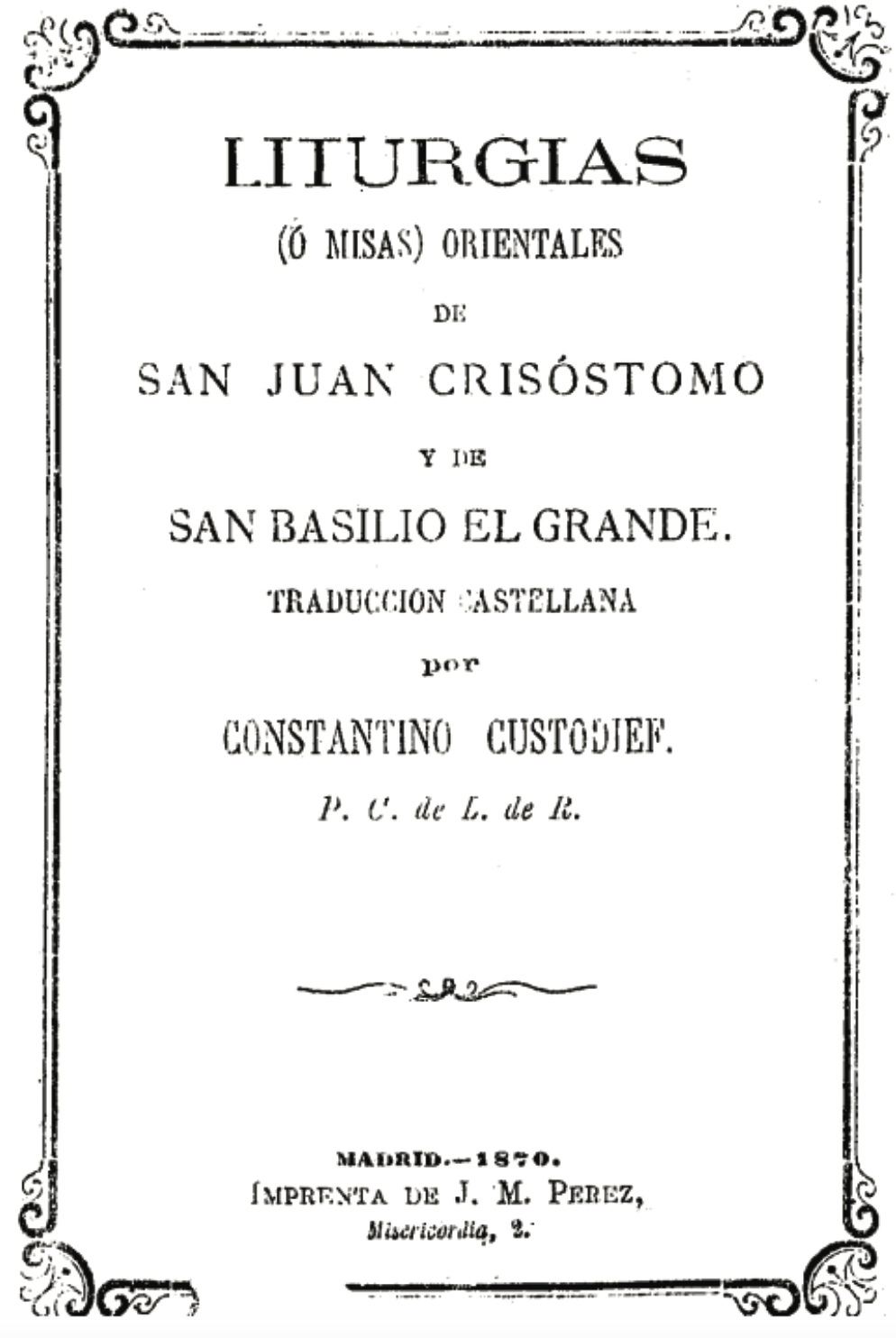
Mikhail Talalay: The classes of Father Konstantin Kustodiev by Spanish were so successful that he even received a rather large sum of money from the Synod to publish liturgical books in Spanish. But then, I must say that Konstantin Kustodiev’s father suffered a family tragedy: his little daughter, on the oversight of the nanny, swallowed arsenic prepared for mice and died. And so, having lived for 8 years in Spain, obviously without taking out a family tragedy, he asked for another place and, unfortunately, left Spain.
Most of our publication is the text of Fr. Konstantin Kustodiev
With this, the most wonderful, interesting in the cultural sense of the page of our book was interrupted. He wrote articles, wrote essays in the magazine Orthodox Review. And the merit of our book is that we collected these essays together, so most of our publication is just the text of Fr. Konstantin Kustodiev.
Then, at the turn of the XIX-XX century, a big break came, for diplomatic various reasons. And after the revolution, the Russian diaspora did not reach such a wide volume to Spain, so there was no particular need for the Orthodox Church, unlike, say, France, England, Italy. Therefore, the next moment of church life is already connected with the civil war in Spain - the moment is unusual. Different priests-emigrants came to nourish Russian volunteers from the former White Army. Of these, the most famous was Archimandrite John, in the world Prince Dmitry Shakhovskaya, also an extraordinary person, a very cultural, with a wide horizons. He is a preacher, and a writer, and a poet.
Already in new times, he was known even in the Soviet Union: for 40 years he conducted religious programs at the Voice of America radio station. Archimandrite John Shakhovskaya arrived in Spain in 1936, and was here in 1937, wrote upon his return to Germany, where he lived, an interesting and little-known book "Spanish letters about the army." This brochure was published in Berlin in 1939, and we reprinted it as part of our book. One of the curious episodes of this brochure is a meeting of Fr. John with captured Soviet pilots, conversations with them.
Иван Толстой: Отец Иоанн Шаховской – о встречах с тремя пленными советскими летчиками, чьи настоящие имена и их дальнейшую судьбу установить пока не удалось.
"Первый советский летчик, с которым я встретился в Испании, в новой саламанкской тюрьме, был очень напуганный и буквально раздавленный происшедшим, русский 24-летний человек. Он все время ожидает расстрела, и каждый вызов из камеры его трагически страшит. Успокаиваю его, как могу. Меня деликатно оставляют с ним наедине. Говорю ему, что нахожусь здесь проездом, что посещаю отдельно живущих, не имеющих своей церкви русских людей, и, узнав, что находятся здесь пленные русские люди, вознамерился непременно их посетить. Как священнику, мне это было разрешено. Спрашиваю его имя-отчество, откуда он, кто остался в России... Он – москвич. Расспрашиваю про некоторые знакомые места.
Не подстрекатели попадают в плен, а вот эти, обманутые
Не знаю, приходилось ли мне в жизни кого-нибудь так жалеть, как жалел я, от всего сердца моего, этих трех русских людей – советских летчиков, сбитых над полем сражения в Испании, обожженных, взятых в плен и ожидающих военного над собой суда в стенах саламанкского заключения. Этот горький внешний плен был и образом, символом горького духовного плена, в котором они – и многие другие русские люди – пребывают, служа своей русской жертвенной совестью антихристову, антирусскому, марксистскому материализму, надвинувшемуся на мир, – вот через этих обманутых и обманувшихся простых русских людей. Не подстрекатели попадают в плен, а вот эти, обманутые".
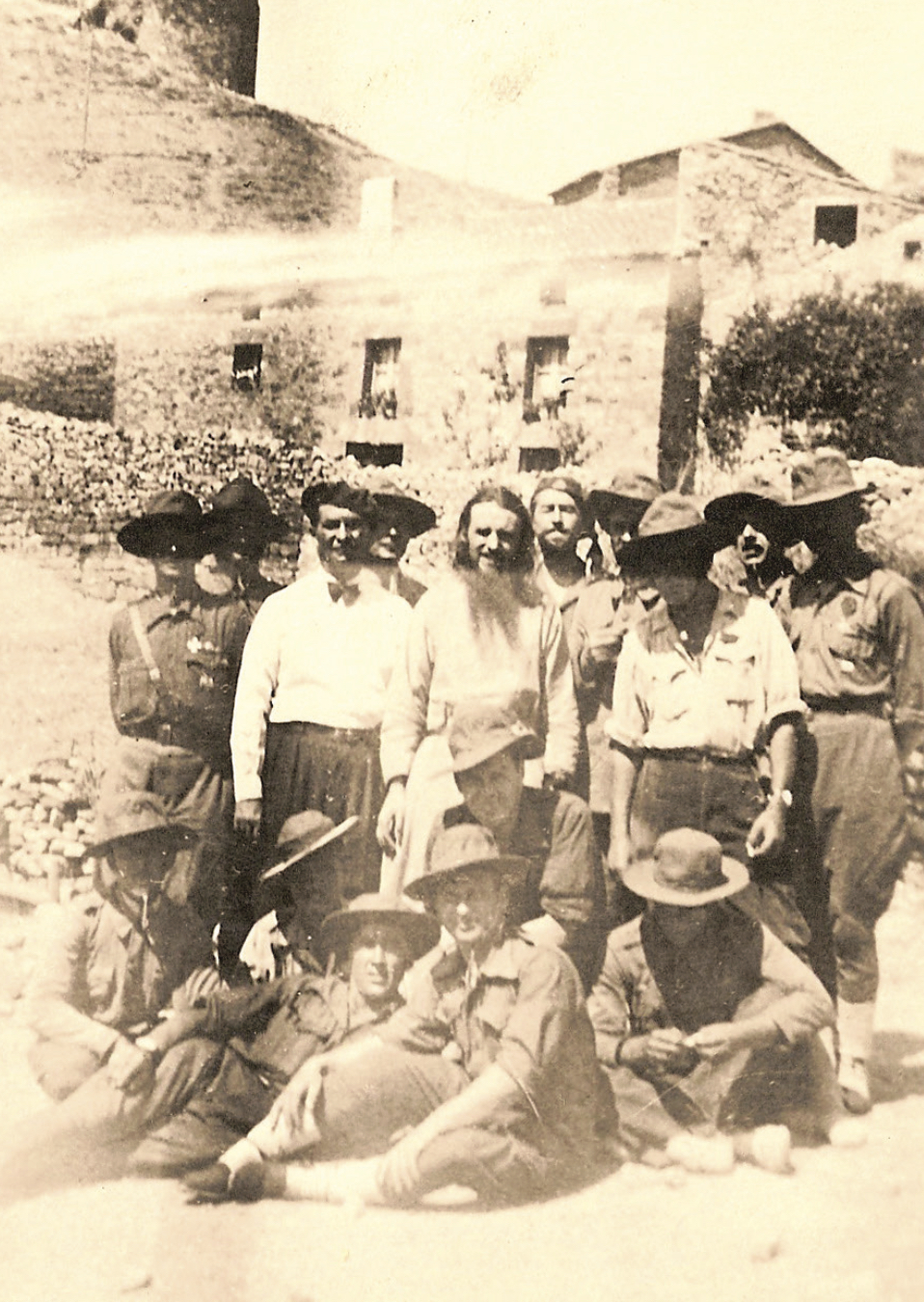
Михаил Талалай: После Второй мировой войны отец Иоанн возвращается из разбитой нацистской Германии в Мадрид. Но, как ни удивительно, не все ему были рады. Вот такое свидетельство мы обнаружили в книге воспоминаний белого ветерана Гражданской войны в Испании, Николая Всеволодовича Шинкаренко.
Иван Толстой: Николай Шинкаренко, ветеран Гражданской войны на стороне франкистов, оставшийся в Испании, вспоминал:
"И вот, когда гитлеровской Германии пришлось окончательно скверно, либо в самом конце 1944 или в начале уже 1945 года, дошли до меня сведения, что о. Иоанн намеревается прилететь из Берлина в Испанию, и по этому случаю в Мадриде собирают пожертвования. Почему так? Да потому, что ведь Берлин-то возьмут красные русские. Так, чтобы плохо не пришлось… Улететь из Берлина! Священнику из своего прихода. Чтоб не попасться. В наше время! Когда епископы со священниками в некотором плане равнозначущи с командирами военными… И вот о. Иоанн из Берлина улетел и объявился в Мадриде. Оттуда он написал мне письмо, в котором, между прочим, изъяснял, что в Берлине ему больше делать нечего, ибо его прихожане расселились. У нас он был встречен русской маленькой православной колонией со всем восхищением, и, разумеется, служил и обедни, и всенощные".
Михаил Талалай: Такой критический тон, возможно, был связан с тем, что Шинкаренко к тому моменту стал католиком.
О следующих, 50-60-х годах в книге тоже есть большая глава, глава интересная, потому что церковная жизнь, вообще эмигрантская жизнь в Мадриде была тесно связана с Домом Романовых. Мадрид стал местом пребывания великого князя Владимира Кирилловича, в 1953 году там родилась его дочь Мария Владимировна, оба, естественно, близки к Православной Церкви. Из их секретариата о. Андрей получил ряд интересных документов, которыми мы воспользовались при написании уже последних глав русско-церковной жизни в Испании. При этом при публикации этих документов возникали курьезные моменты. В частности, секретариат Дома Романовых настаивал на соблюдении заглавных, прописных букв, которых было необыкновенно много: Государи, Великие, Князья. Мы пытались привести их к орфографическим нормам, но возникали разного рода дипломатические трения с Домом Романовых, и мы оставили эти прописные буквы.
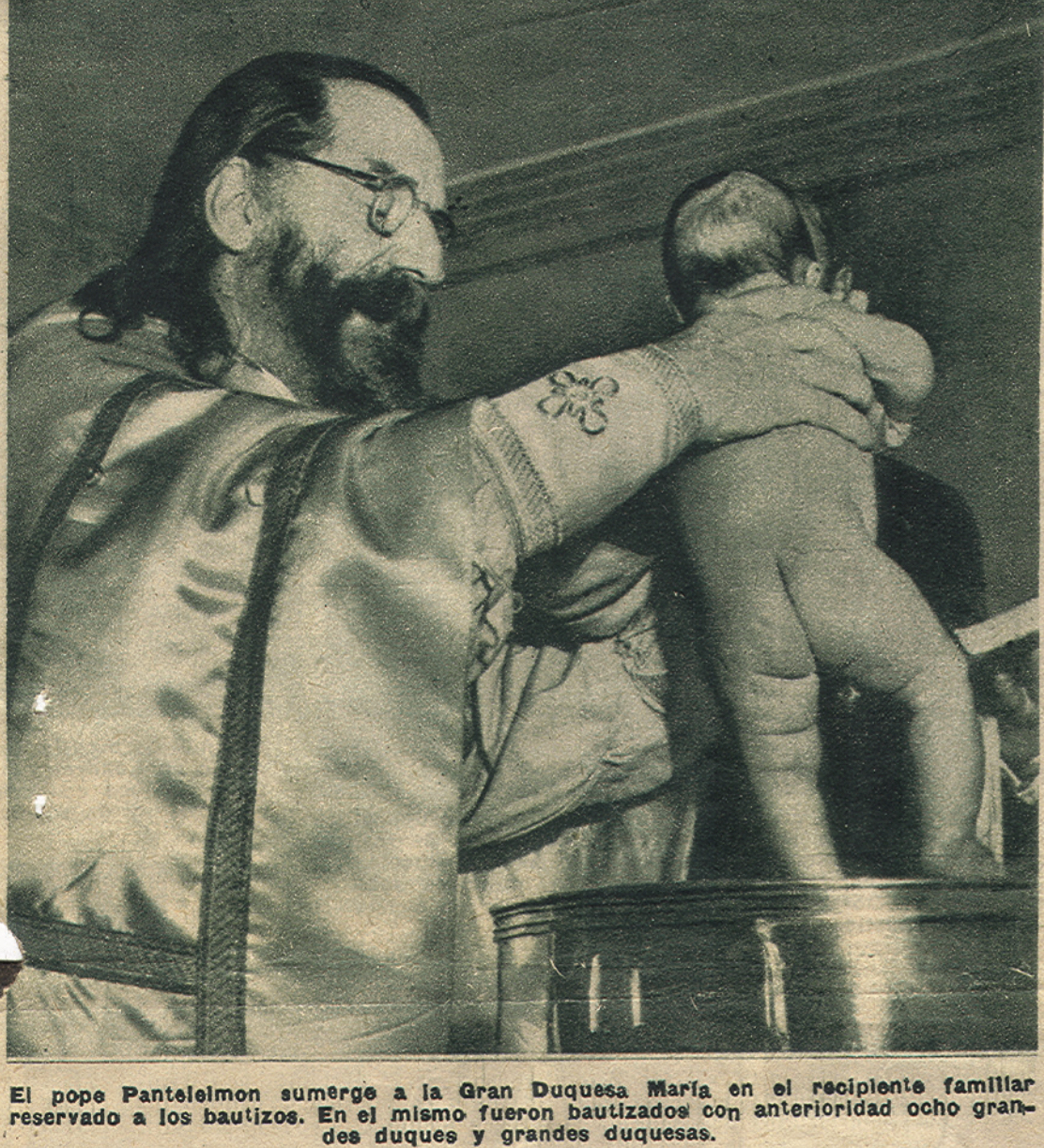
Последние страницы – это уже XXI век и строительство нового храма св. Mary Magdalene. Естественно, дописывая эти последние главы о современной русской церкви св. Марии Магдалины, мы не знали, что ее строитель о. Андрей Кордочкин скоро покинет этот храм, отправившись в самоизгнание.
Иван Толстой: Михаил Григорьевич, а что с храмом сейчас? Стены ведь стоят, кто-то служит там службу?
Михаил Талалай: Да, конечно, служит. Здесь прямо по пословице: свято место пусто не бывает. Я, правда, не познакомился с новыми священниками, наверное, это достойные люди, наверняка не русофобы, как о. Андрей Кордочкин.