
Translated material
Who is the new Minister of Defense Andrei Belousov, who replaced Shoigu
Andrei Belousov, formerly Putin’s economic ideologist, became Minister of Defense: “brain explosion”
Editorial “Layout” May 12, 2024 |Who is Andrei Belousov, who became the Minister of Defense and what does he have to do with the army?
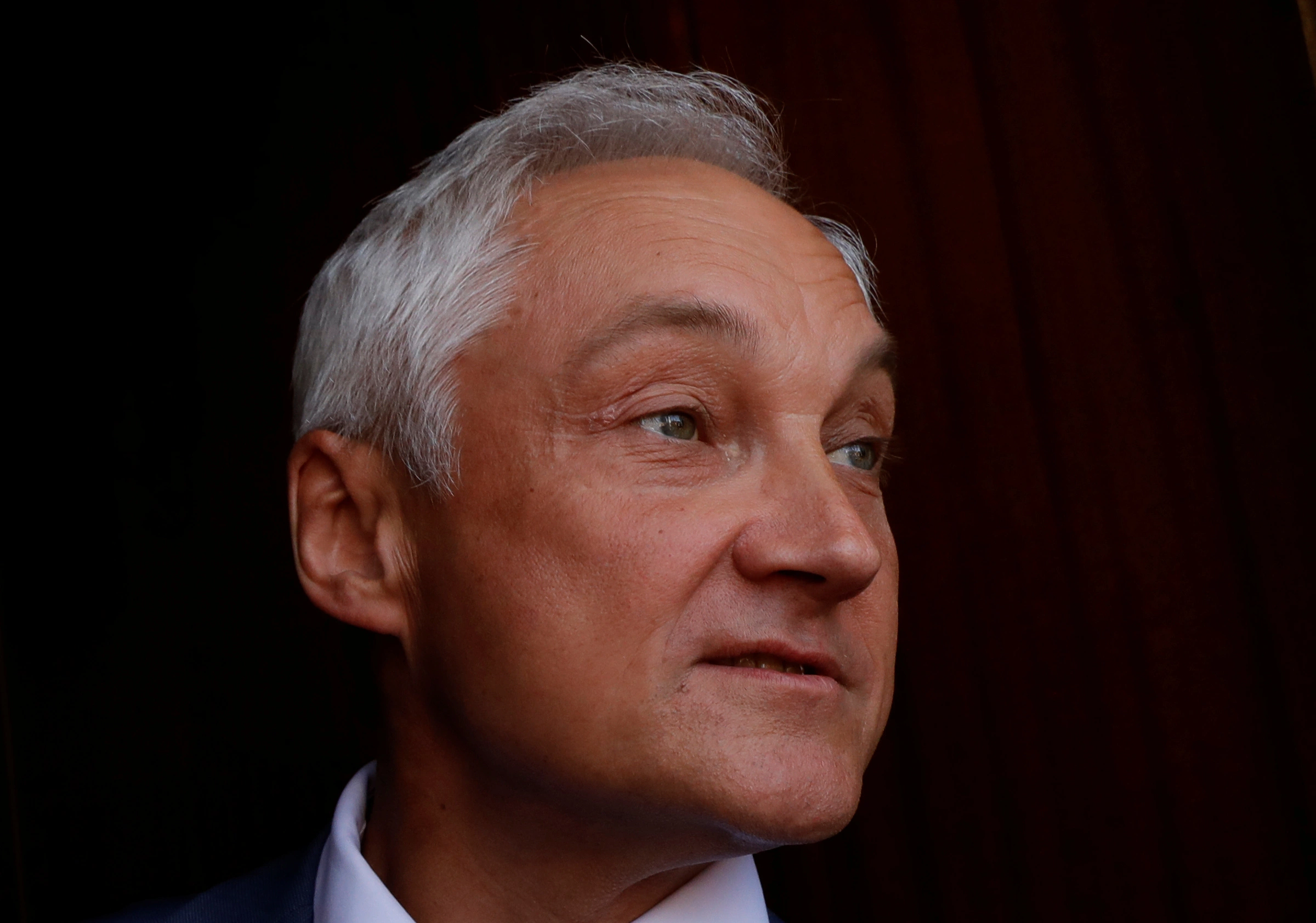
On the evening of May 12, Sunday, it became known that President Vladimir Putin decided to replace the key minister of power - the head of the Ministry of Defense Sergei Shoigu. In his place, the president nominated Andrei Belousov to the Federation Council, a man who had previously been called his protege in the government and who had not previously had a direct relationship with the security forces. Shoigu, in turn, has been proposed for the post of Secretary of the Security Council.
In order not to miss new texts from “Layout”, subscribe to our telegram channel
Belousov is known as an "economic ideologue" and served as Minister of Economic Development and later as a presidential aide. Before his resignation from the government, Vorstka’s interlocutors called him Putin’s lever of influence in the government as opposed to Prime Minister Mikhail Mishustin. “Subtle, smart, diplomatic,” is how he was described by a parliamentary representative, who described his emotions at Belousov’s appointment as defense minister as “shock.” Let us remember that “Verstka” already wrote about the proposed changes in the government shortly after Putin’s inauguration, but none of our well-informed interlocutors could have imagined that the changes would be so radical.
Military Keynesianism: Andrei Belousov will be responsible for the economy of the Northern Military District, and not for “moving the arrows on the map”
The only interlocutor of “Vestka” who did not start the conversation with emotions of surprise was the interlocutor in the Federal Assembly. “Well, what did you want? In our country, we have military Keynesianism in economics—sort of? Here's a doctor of sciences who will be responsible for the economics of the Northern Military District, and not for moving arrows on the map. And let the General Staff take care of the front. In addition, it is necessary for someone to look after the rear: [the head of Rostec Sergei] Chemezov and [Deputy Prime Minister Denis] Manturov were already the sovereign heads of the military industry, and now they have also included [former governor, now head of the Ministry of Industry and Trade Anton] Alikhanov. Here, a faithful Putinite will look after them,” he explained. According to another source close to the government, “not only his extravagance, but also his ambitions played against Shoigu.”
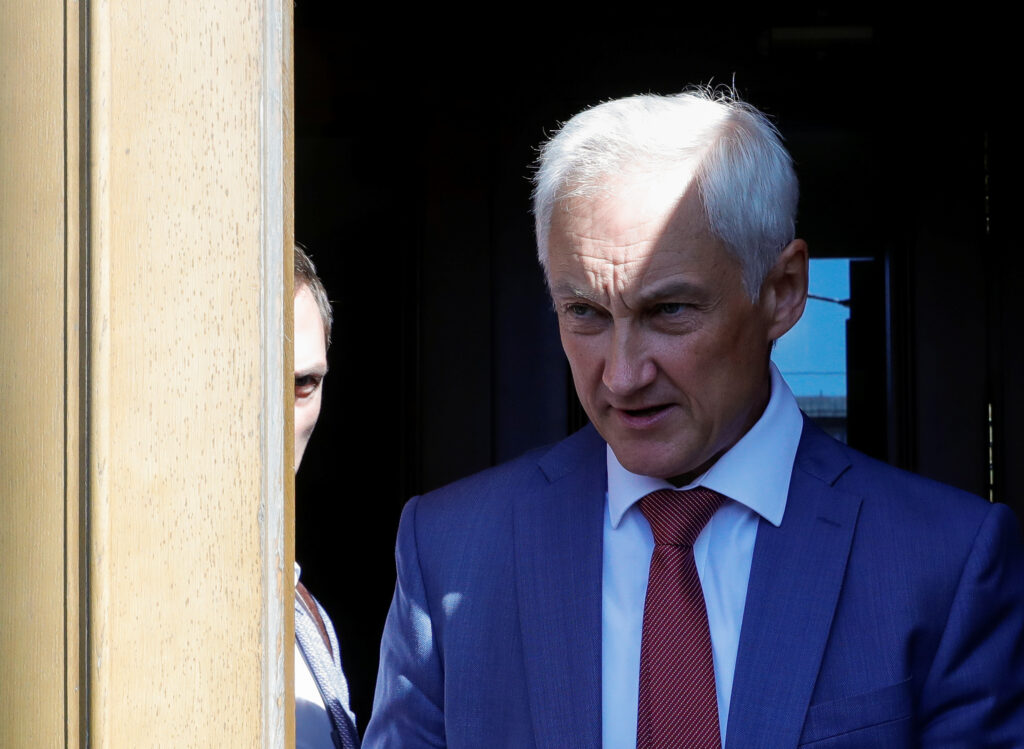
“Belousov is a supporter of the mobilization model,” political scientist Konstantin Kalachev commented on the appointment. — Enjoys the confidence of [the president]. He knows how to count money. That’s where he belongs.” The expert noted that the priority of the new minister will be “optimizing expenses, bringing them into line with successes,” and “for every ruble spent [will be added] another square meter of territory.”
In order not to miss new texts from “Layout”, subscribe to our telegram channel
At the same time, Belousov’s appointment was a “break of patterns” and a “brain explosion,” Kalachev continues. “Apparently, Shoigu was really under suspicion,” he suggested. According to political scientist Tatyana Stanova, with the advent of Shoigu, the Security Council “becomes a reservoir for Putin’s “former” key figures - those who cannot be let go, but there is no place to house them.”
Andrey Belousov at one time introduced ideas related to the symbiosis of statehood and the market into the Russian economy
Political scientist Ilya Grashchenkov also called Belousov’s appointment unexpected. “It was assumed that Belousov should move to some quieter industry, for example, as the rector of Moscow State University or to some kind of development institute. This was close to him from the point of view of strategic development as an ideologist of the state economy, because Belousov is, of course, an economist,” he noted. The expert recalled that Andrei Belousov learned a lot from his father Rem Belousov, who was one of the devotees of the Chairman of the Head of the Council of Ministers of the USSR Alexei Kosygin. “From there, Belousov brought into the Russian economy all these ideas related to the symbiosis of statehood and the market,” explained Grashchenkov. “Therefore, all this introduces a clear trickle of economic pressure into an area that was previously thought of exclusively as the sphere of the Ministry of War.”
Will Andrei Belousov be able to cleanse the Ministry of Defense of corruption and improve the functioning of the department?
According to the expert, now the Ministry of Defense is exclusively concerned with waging war in Ukraine, but not with the economic aspects related to this. “Belousov will now be able to focus on qualitatively changing approaches specifically to the arrangement of all ministerial bodies of executive power - that is, everything related to providing the front, providing supply lines, and so on,” added Grashchenkov. — The Ministry of Defense has been heavily criticized for corruption, which, by the way, is partially reflected in the case of the “glamorous deputy minister” Timur Ivanov . But now he is being replaced by a statist minister.” It is unclear how much this unexpected appointment will help change the structure of the Ministry of Defense and facilitate its functioning. At the same time, the question remains whether Belousov will be loved in the army, the political scientist notes. “Most likely not. But Putin doesn’t need this. He needs an effective manager. In principle, Belousov is like that,” concluded Grashchenkov.
Simultaneously with the announcement of Belousov’s candidacy, Russian military “bloggers” began to praise the appointment of a “civilian experienced manager” to the post of head of the Ministry of Defense. “Belousov is a purely civilian person. Patriot, statesman and Putin's man. He does not have his own group of influence, and will not participate in intrigues and clan struggles. He is going to reform the Defense Ministry to meet modern requirements and develop military science and state defense procurement. The future head of the General Staff is becoming the main military man in the country,” wrote “military correspondent” Alexei Zhivov.
The audience of “military correspondents,” however, was not so optimistic. In the comments to posts about Belousov, many were “visited by Serdyukov flashbacks,” named after another civilian defense minister, Anatoly Serdyukov, who led the Defense Ministry from 2007 to 2012 and sharply reformed the troops, including reducing their numbers, causing discontent among the military.
Support “Vestka” - it’s important and safe →