
Translated material
Cannes began with the absurd comedy "Second Act" with Lea Seydu and Louis Garrelem
Director Quentin Dupier, who shot the "gum" about the training of a fly, is now ironic over the author's cinema
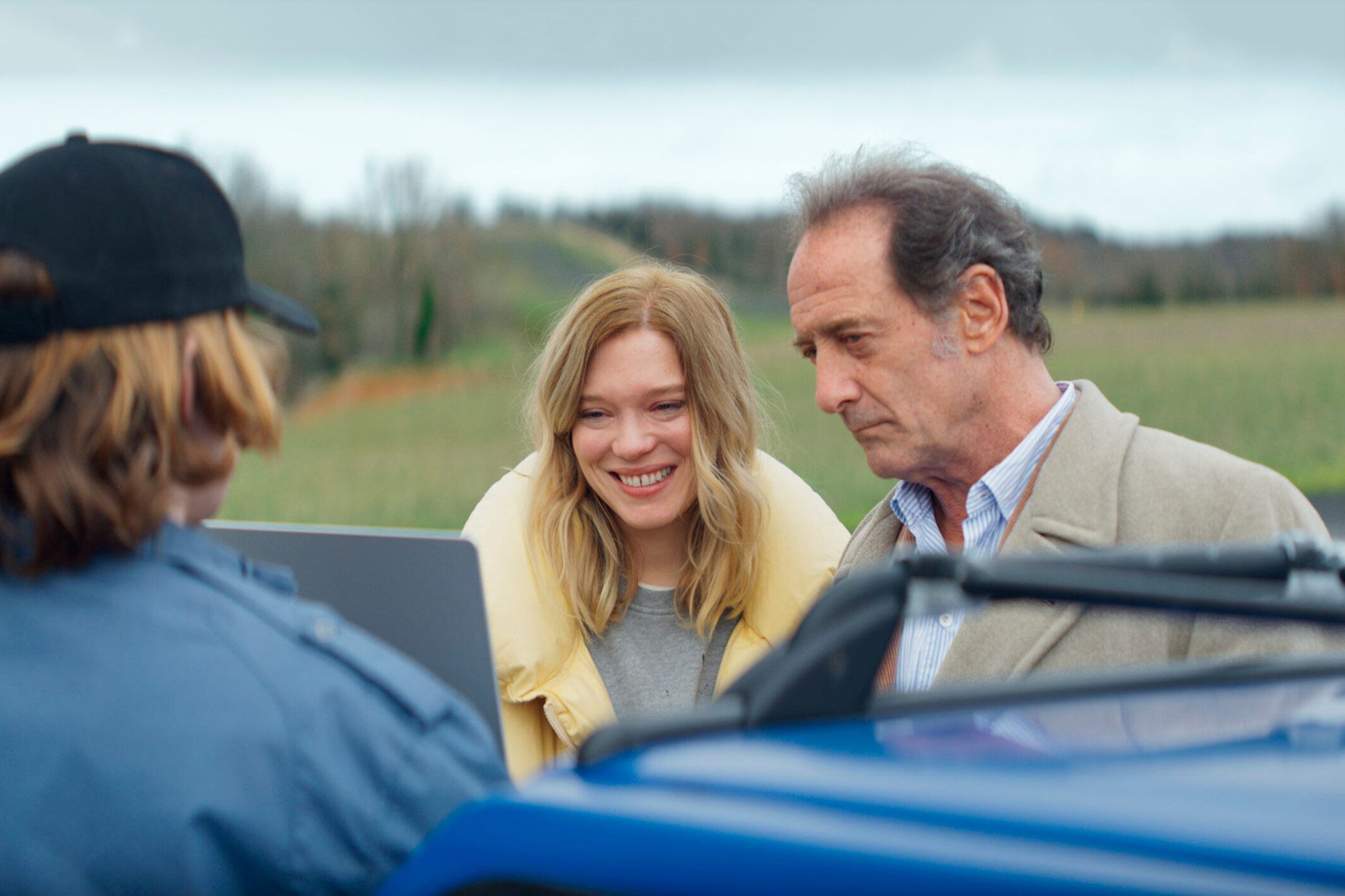
The 77th International Film Festival began in Cannes. The opening film was the “Second Act” - the comedy of the French director Quentin Dupier (“Zhvali”, “Daaaaali!”). The main character wants to introduce her boyfriend to her father, but the young man is not in love with her - and tries to sink her for his friend. The four of them are found in the restaurant "Second Act". Kinocritic Anton Dolin tells how the director goes from this tie to criticism of the entire author's cinema.
The 77th Cannes Festival opened on duty. Beautiful outfits, scraping rain, crowds of secular photographers on the red carpet - everything is as usual. He reminded of bad times, and not everyone, only an official poster - very successful this time. Four teenagers surround the old woman, they sit with their backs to the camera and look at the night sky, where instead of the moon the “gold palm branch” rises. This is a slightly modified frame from the penultimate film of Akira Kurosava "August Rapsody." Grandmother surrounded by grandchildren is one of the few miraculously surviving Nagasaki in 1945. The picture, with all the pacifying beauty, is ominous.
The shadow of the atomic bomb, which covered the cinema with Oppenheimer, does not think to disappear. This directly affects the spirit of the new movie and the mood in the auditorium. Nevertheless, a holiday reigns on stage. Juliette Binosh on a piece of paper offers praise Maryl Strip, handing the honorary “golden palm”, receives compliments in response, which Greta Gerwig, president of the jury of this year, looks like vice versa. The ceremony is not accidentally focused on filmmakers: in the competition, only four films were shot by women, the remaining 18 are “male”, and the discovery seems to be trying to compensate for such an obvious imbalance.
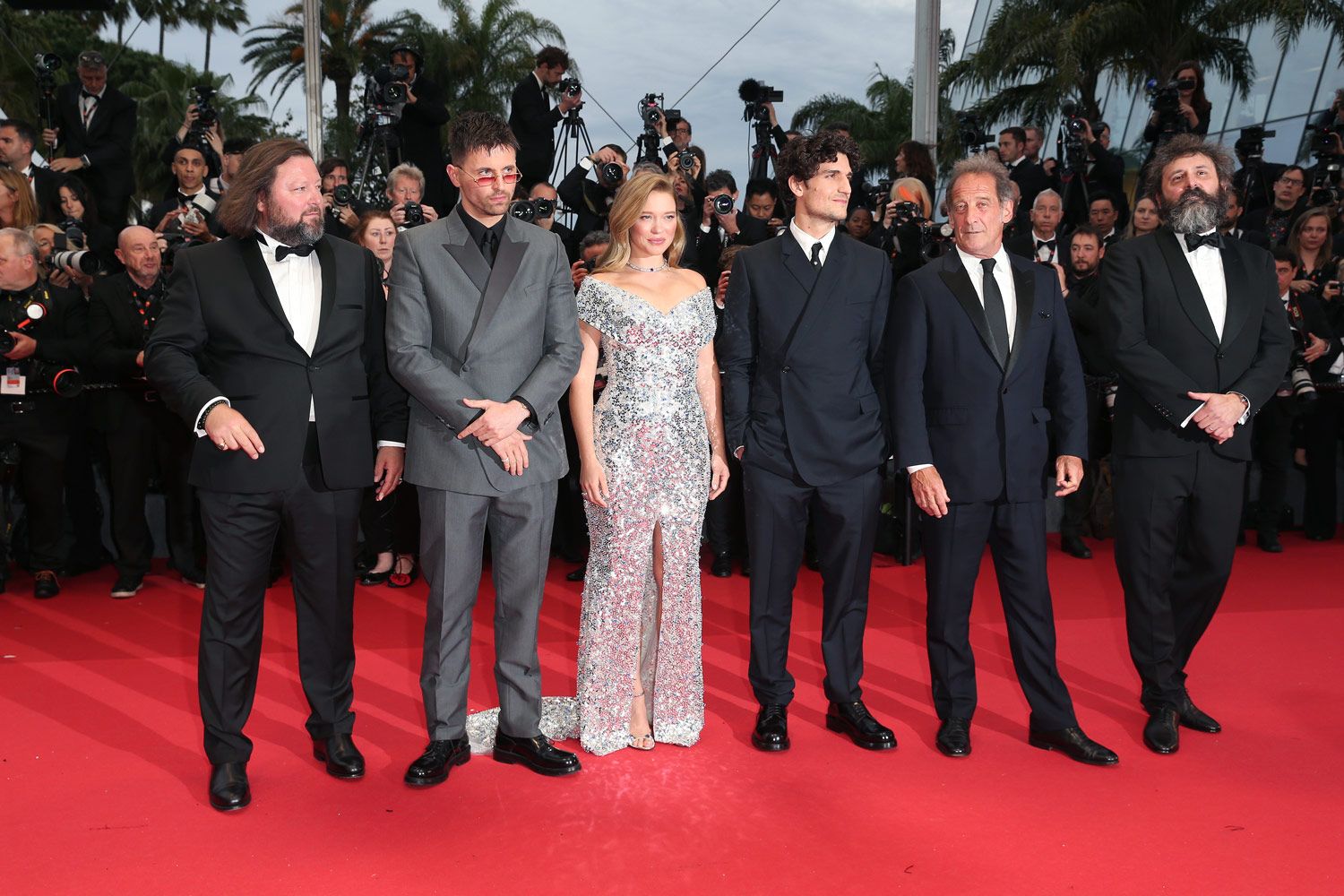
When not laughing, does it make sense to laugh? And over whom? Of course, over yourself. So believes the chief absurdist of French cinema, in the past, a successful pop musician Quentin Dupier (“Shina”, “Reality”, “Zhval” ). Its conceptual, ascetic and highly mocking “second act” was opened by the Cannes festival.
It is generally accepted that the decisive factor when choosing the opening film is the cast: elegant stars should pass along the red carpet. For Cannes, it is fundamentally that the French are among them. This need “Second Act” satisfies this need. Three of the five actors are all European celebrities: Vincent Lyndon ( Titan ), Lea Seydu (“Adele’s Life” and the last films of Bondiana), Louis Garrel (“Dreamers”). The fourth is the rising star Rafael Kenar, who played the main role in the recent Yannik of the same Dupier.
The fifth is an unknown heavy bearded man, someone Manuel Guillaio, or an unprofessional actor, or impeccably playing him. He opens the film, closes it and performs the most spectacular scene. Thus, the author, as it were, depreciates the remarkable efforts of his more eminent colleagues. And at the same time it is amazed at the pathos characteristic of both festivals and commercial cinema.
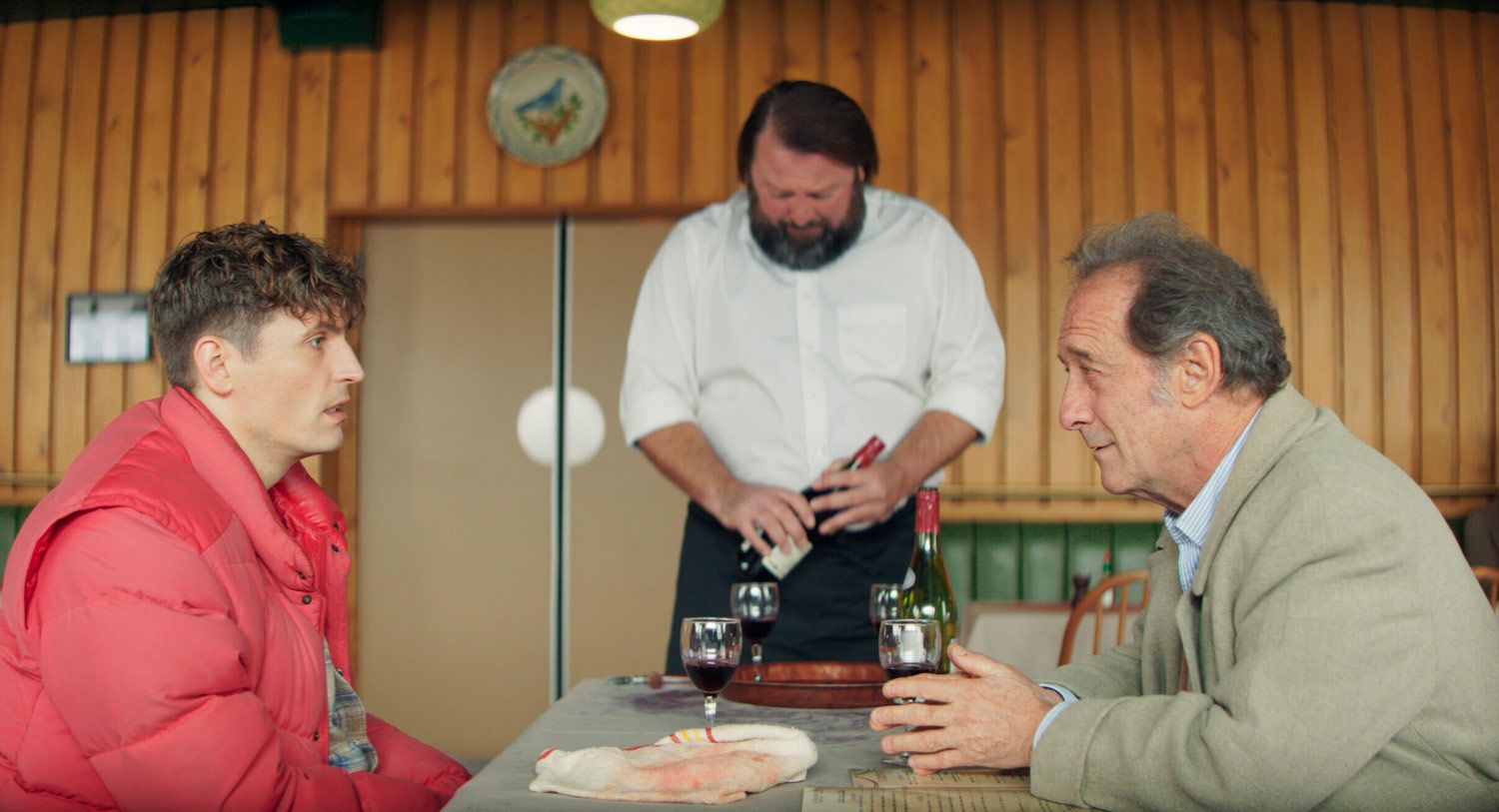
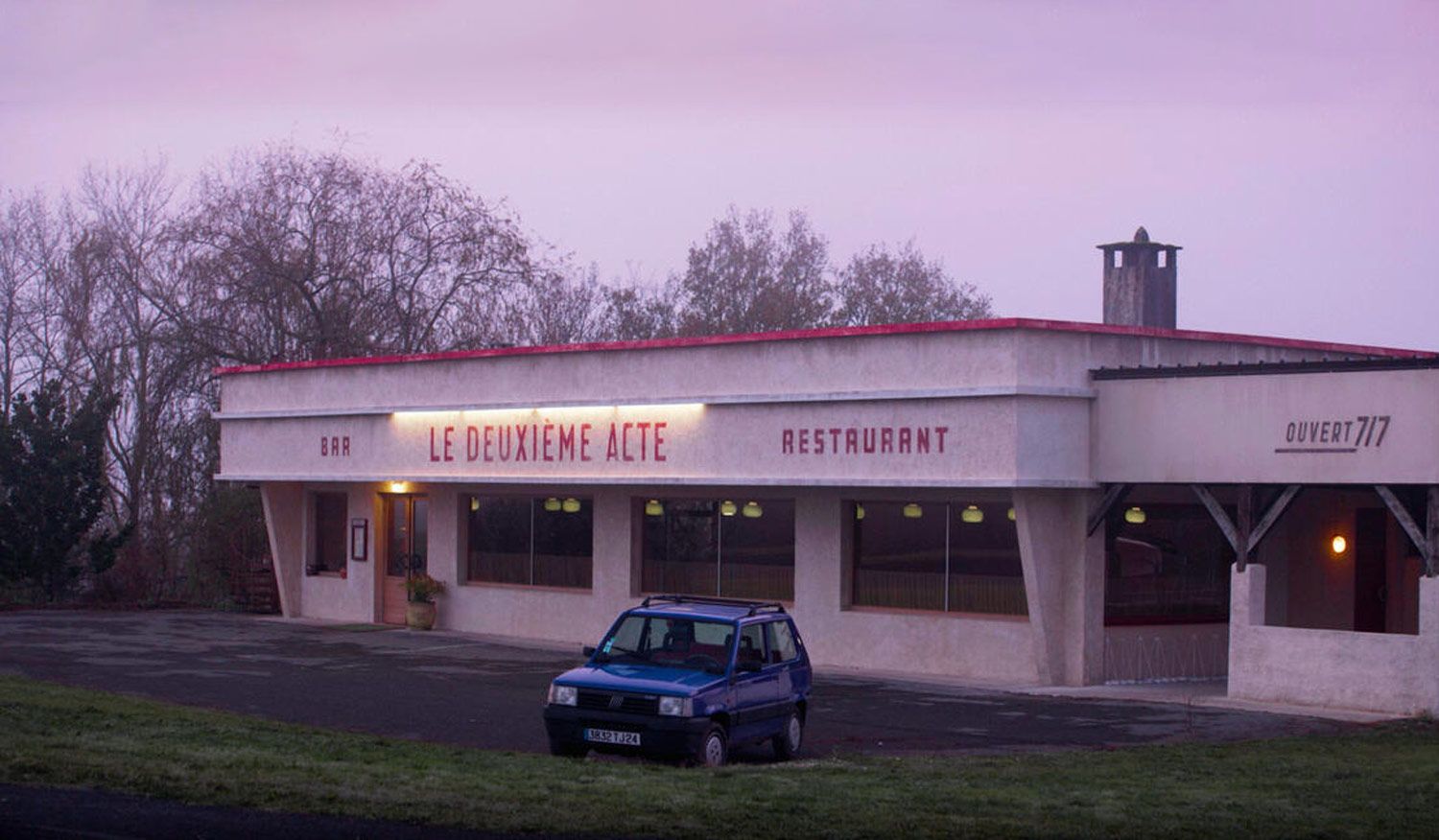
The second act is the name of the restaurant in the wilderness. The action of the maximum minimalist film unfolds there - apparently, almost the entire budget went to fees to the performers. The same bearded man arrives in the “second act” in the morning, his hands tremble, he is excited and frightened. He turns on the light, sweeps the floor, prepares a restaurant for opening.
The day comes, the main action begins. The camera for a long time, without interrupting, monitors two pairs of characters. On the one hand, friends are approaching the restaurant, one of which (Garrel) is trying to convince the second (Kenar) to heal after his girlfriend without much success - after all, she does not attract him at all. On the other hand, the same girl (Seydu) and her father (Lyndon) go, with whom she wants to introduce the alleged lover. Four are found to have lunch together. Of course, absolutely everything goes wrong.
Terribly, I do not want to spoil and deprive the viewer of pleasure to open the film on their own. If you plan to watch the “second act”, you can focus on this by believing a word: this is a very smart (and at the same time in a good dull) comedy on extremely serious topics.
Note. In the next part of the text there are minor spoilers for the film.
A penny plot is needed by both the author and its heroes exclusively for cover. In fact, the meeting of four in a restaurant is an intrigue obviously a bad, sloppy, microbudge art film, in which each of the four heroes is removed for their reasons. None of them are in love with anyone, and if in love, then not the same. There are no fathers, daughters and friends. Only the actors who are trying to make their remarks as natural as possible while they are removed by the invisible - despite the fact that the viewer is aware of his presence - the operator.
“The second act” is not for nothing to be called the scenario drama: this is a movie about cinema. When the shooting in the plot ends, one of the performers, instead of making a makeup, will put on a new one, because-you have already guessed, the film continues. There is no and will not be any reality or anything that pretends to be reality (until the final credits have ended).
There are plenty of charming jokes, sometimes deliberately rude, sometimes unexpectedly thin. About homosexuality, harassment and how indecent, and simply dangerous to joke on this these days. And also about how the statists feel next to the main characters. The funniest joke is about who makes the film that we watch (guess both easily and difficult).
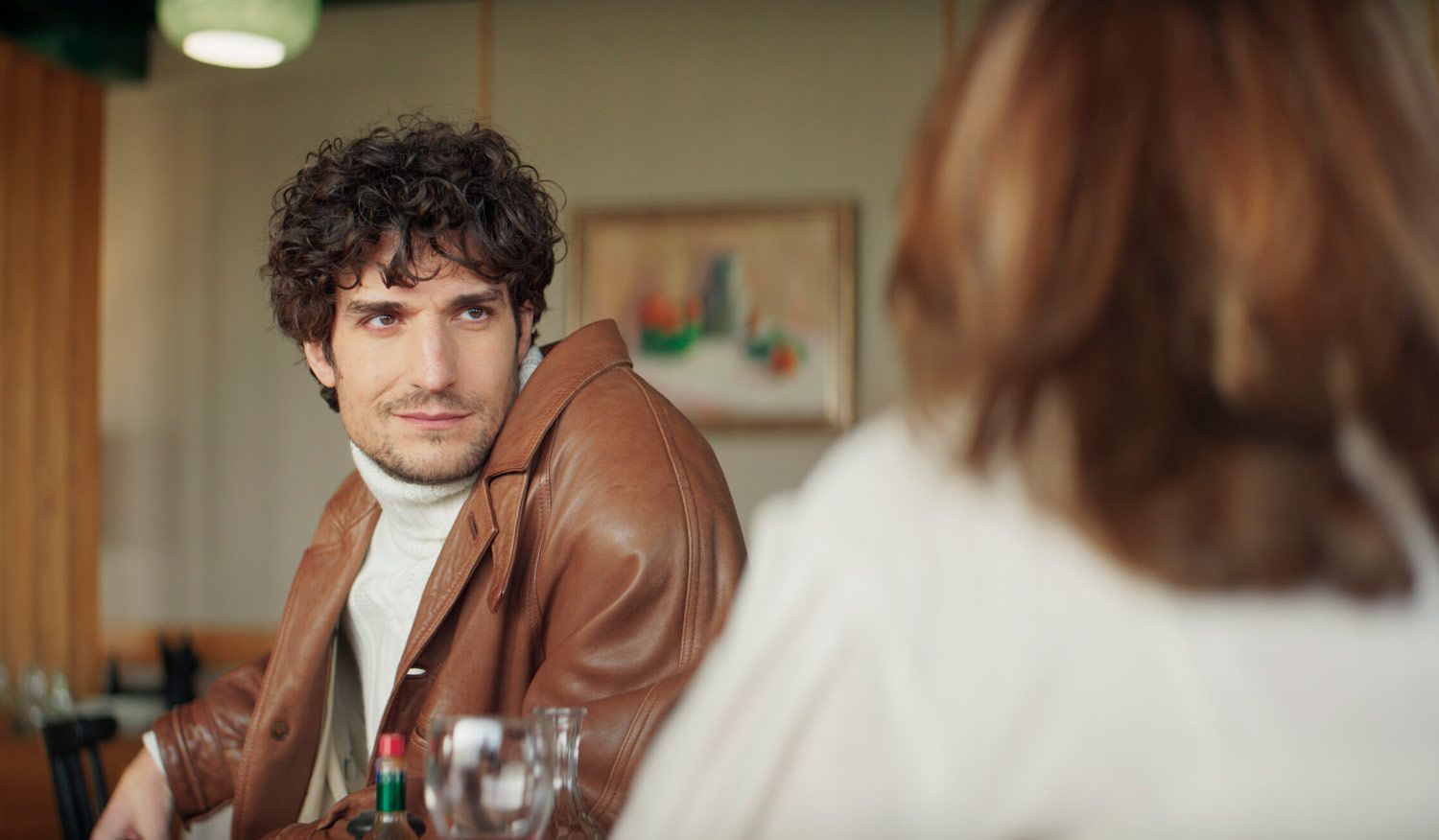
The senior and most eminent of the participants - the character of Lindon - is constantly annoyed. He does not cease to be outraged that the world is flying to Tartarara, and we continue to remove meaningless independent comedies, is it a shame? "Thus, cinema is good that it makes no sense!" - Sundays him Seyd. This does not convince a professional. Suddenly he is called from the United States and offers a role in an American film by a famous director (guess who?). The mood improves sharply. Now the world has the right to fail straight to hell, if only our hero managed to light up in Hollywood. I would have time to learn English.
Yetuub-show "Radio Dolin" asks for help. The authorities of the Russian Federation forbade advertising from “foreign agents”, and now the project team can only rely on the audience. All the options, how to support the show, are at this link .
Dyupier does not so much make fun of the vanity and empty -voice of the acting workshop, as defiantly enjoys the delusibility and simultaneous sophistication of his own production. He is a deadly enemy of any deep meanings (just like that, in the plural) and takes the screenwriter with the director for the frame by chance. Before us is a comedy of performers who are confused in poorly learned dialogs, carelessly invented role and slurred psychological motives. When they are completely swimming and drowning in the material, behind the scenes-apparently, to finish off the audience, an alarming and central music begins to sound, designed to compensate (actually emphasize) the lack of meaningfulness of everything that happens.
It is impossible not to recall what to devalue and expose the sacred for cinema - especially for the European festival movement - the figure of the author Dupier began for a long time. And he especially succeeded in this in his previous film, just now leaving the world, the hooligan “Daaaaali!”. This antibayopic was created according to the covenants of classical surrealism, invented by Salvador, a couple with Luis Bunyul . The picture shows a shocking artist-sympathic with a pompous boob, a mask without a face-several interchangeable artists of the unfortunate complexion, age and appearance play a role. Around such a bright personality it is literally impossible to build a intelligible plot: this hero cannot even reach the end of the corridor.
In the “second act”, which is able to cheer up and annoy no less, the relationship between the characters does not stand broken pennies. A different conflict is truly important: between cinema as an entertainment that helps to escape from the oppressive reality, and the analytical, realizing himself film art “with ideas”, which does not deliver the viewer of any joy (most of these films are the festivals). The second act in the picture of Dupier is the backstage of the filming process and at the same time the background of the narrative, where heavy thoughts on eternal topics disperses a thoughtless liberating laughter.
Avoiding the righteous anger, thundering sarcasm or philosophical sincereness, the director thinks about the significance and weight of the rituals that we are used to considering art. In an excellent finale, the camera goes along endlessly long rails among the picturesque nature, but removes not the surrounding beauty, but these rails themselves, meaningless the efforts of the authors and amusing the viewer’s attempts to extract at least some lesson from what he saw. Let this be the last spoiler of the article that you just read.
Anton Dolin