Translated material
"My unfortunate dead city"
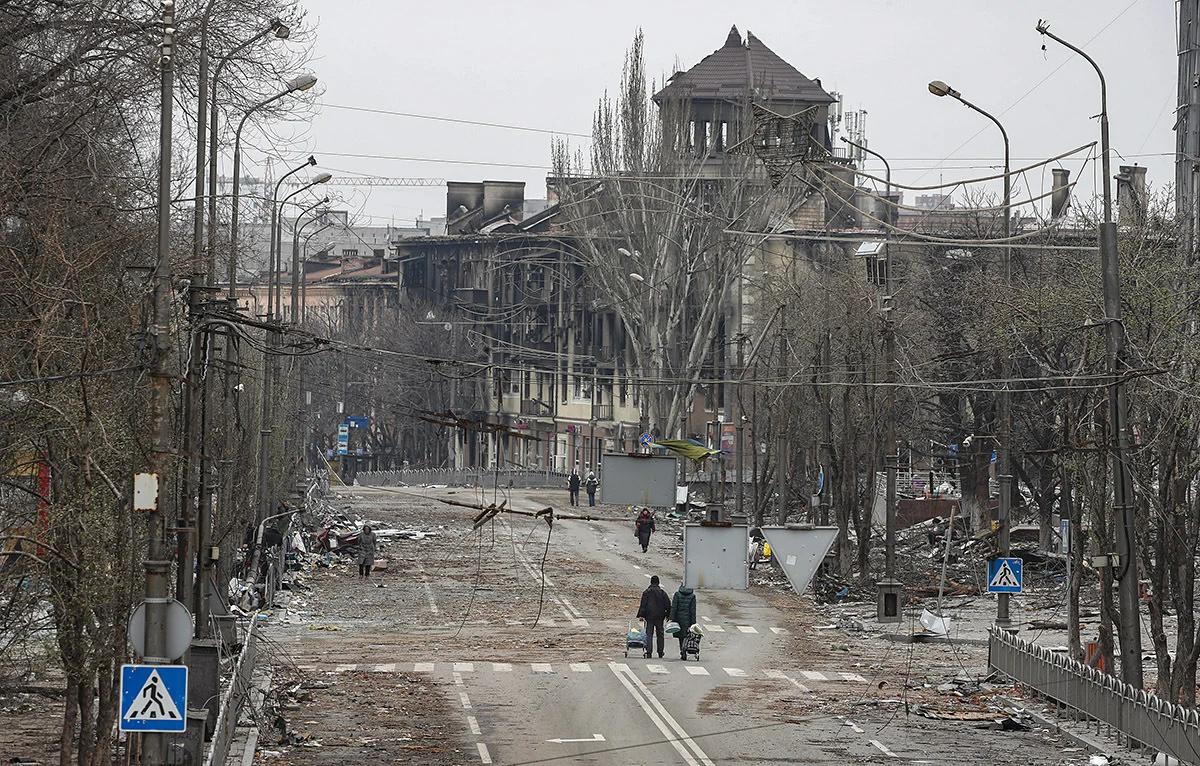
On May 20, 2022, Russia destroyed and captured Mariupol. Three books in which the surviving inhabitants of the city testify to the experience of the nightmare
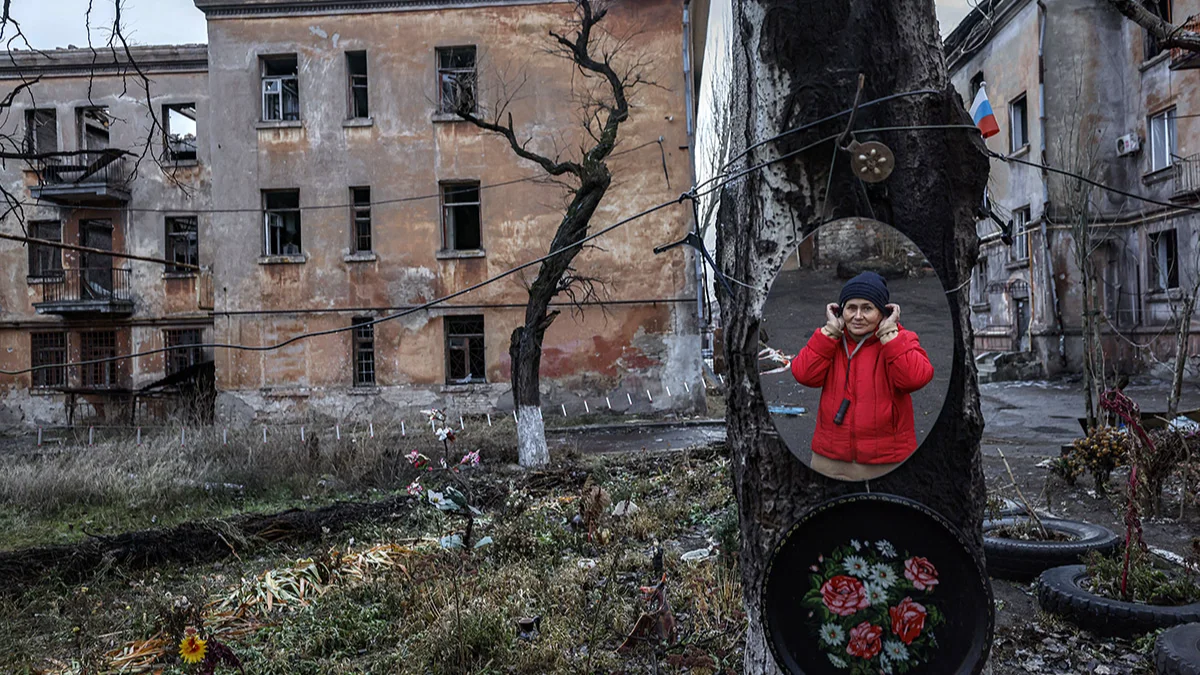
74-year-old resident of Mariupol Zhanna in reflection in Zeracal, Mariupol, Ukraine, December 8, 2022. Photo: Sergey Ilnitsky / EPA-EFE
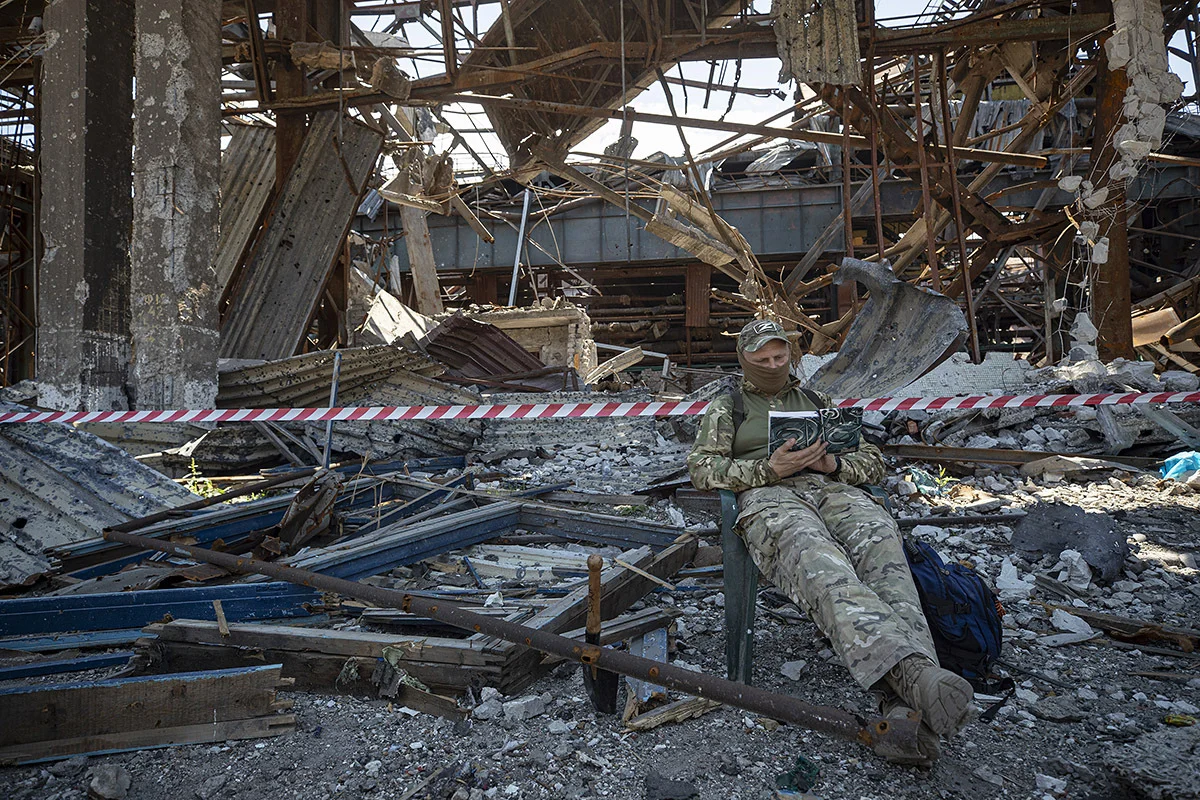
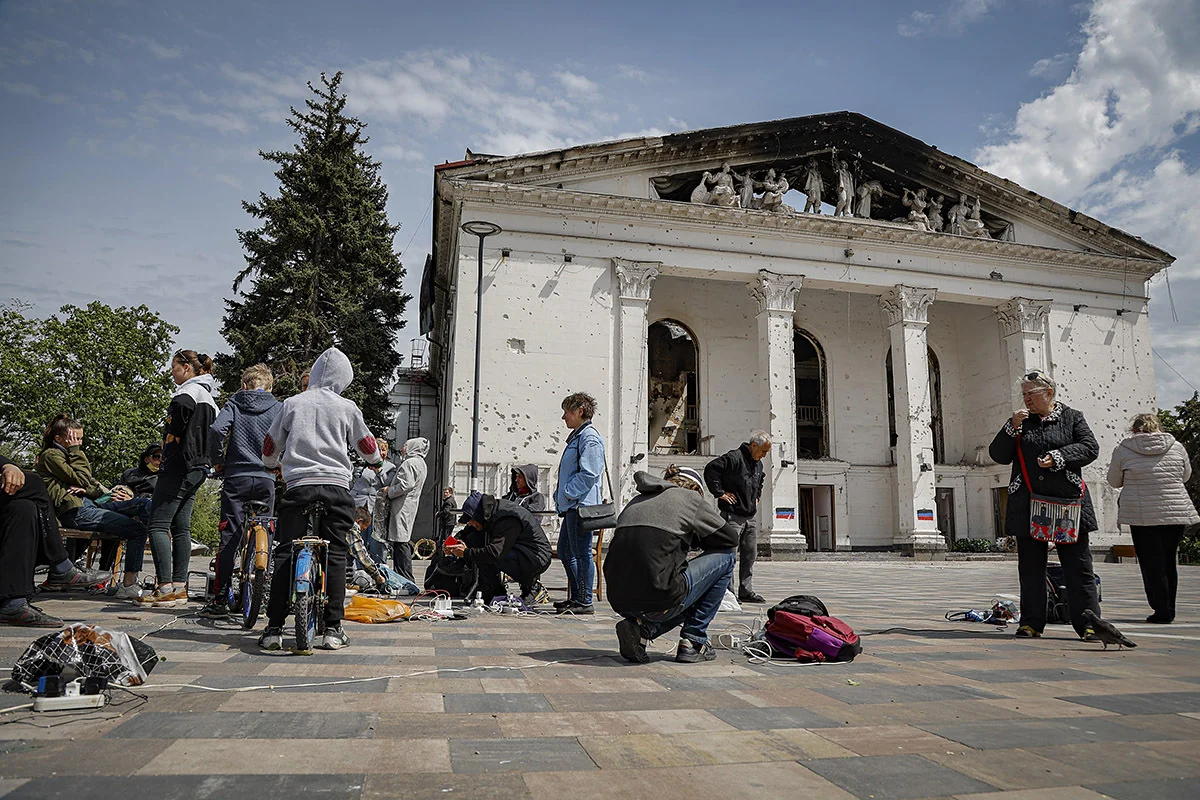
The siege and occupation of Mariupol is one of the most bloody pages of the current war. There was nothing in the city that would not be destroyed: residential buildings, hospitals, schools. The Azovstal plant and part of the residential quarters turned into ruins. The exact number of victims among the civilian population of Mariupol has not yet been established, and the survivors in this hell are unlikely to ever forget the terrible horror. Ulyana Yakovleva specifically for Novaya Gazeta Europe read three eyewitnesses - Mariupol residents who captured the terrible paintings of the besieged city.
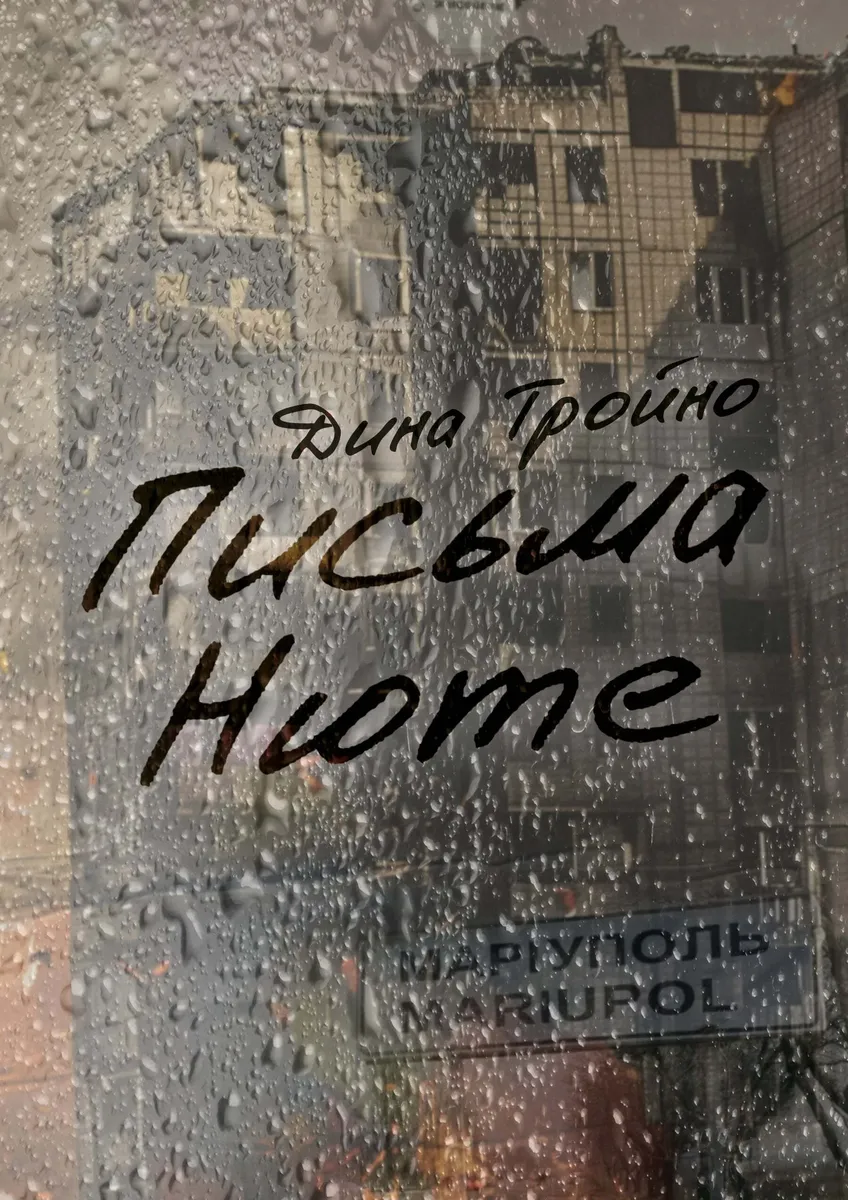
Dina Troino. Letters of Nyute. Kyiv: Drucar Dvir Oleg Fedorov, 2024.
The book of Dina Troyno is built as a collection of letters addressed to the childhood of Nyuta, who has long settled in Cologne. Letters - from the very heart of the war that build a woeful chronology: the death of the house, survival under the bombs, flight to Berdyansk, life in the occupation and the intense expectation of the victory of Ukraine. This is an attempt by a retractable, but at that therapeutic letter that allows you to return to the pitch February and March days of 2022, when tons of iron flew to Mariupol, and Russian tanks crawled along the streets.
“In that meat grinder, we remained alive, but our families were destroyed: our grandchildren grow far from us, and my husband and I just tears the soul: we stole two years of communication, two years of life, two years of happiness.”
Dina's family did not remain in their own, just equipped apartment: on February 28 they turned off the light, on March 6 - gas, on the same day the projectile hit the neighboring train, knocked out glass, a fire began. We decided to move to the house to the youngest son - there were a stove and a basement. Eight people were located in the house: in addition to Dina and her husband, there was a mother and mother -in -law, a son and his wife, her sister, their child. Plus cat Murzik. However, the shelling continued here: the house soon was left without glasses. We slept in the basement, in clothes.
In March, food problems began. The shops that managed to reach were broken and empty.
And the city that was difficult to find out:
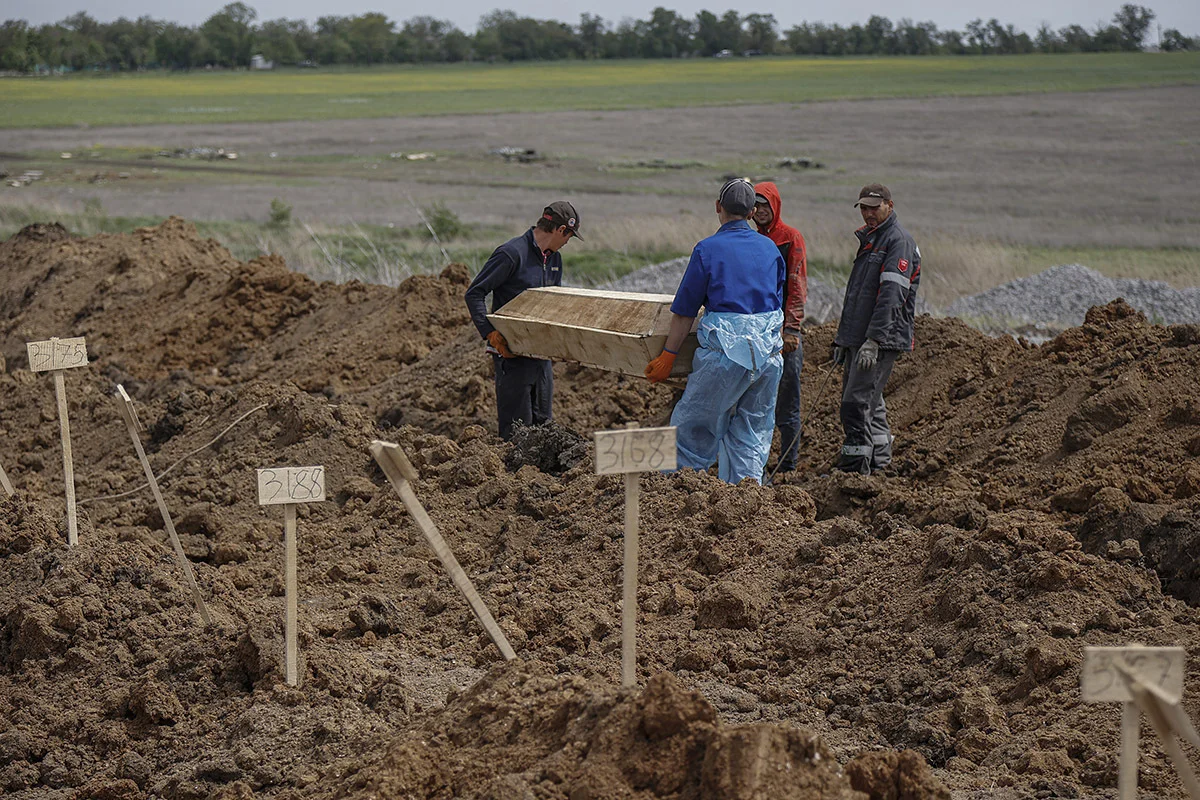
“On the streets here and there are corpses - wrapped in sheets and tied, so that the dogs do not touch, no one removes them for weeks: there are no authorities, the cops flew back in early March, followed by the military registration and enlistment office ... near the houses, near the stops, in front of the shops, the first graves began to appear: who grabbed their strength, people themselves dug their pits and buried their own, or their own, or their own, or their own, or their own people, or their own, or their own, or their own, or their own, or their own, or their own people. neighbors ... wand, on it a sign is a name, date. The whole park near the Coral restaurant, in the Primorsky district, in the Kronstadt, in such graves ... Moroders from bombed apartments take everything, they sell or change it. ”
On March 10, planes flew in, from this day, air bombs were added to the shells.
On March 22, the children managed to leave - through Berdyansk they reached Vinnitsa. Dina and her husband continued to survive in the basement, engaged in hard physical work: they chopped firewood, cleaned garbage, drove water from the source on the cart, took care of their elderly mothers who did not understand what was happening and repeated, as the leaders: “Russia cannot attack, this simply cannot be!”
On April 7, the explosion left a house without a roof and one of the walls. Three weeks Dina, her husband and mother and mother -in -law lived with the neighbors.
“Our whole life consisted of making food and the very meal itself. Everything was built around this: firewood, water - stole, apply; Krupa, onions - cook, fry. In the evening, we agree that we cook, and identify the availability of products. ”
Meanwhile, terrible news came: in the factory areas, where, according to the author, the Kadyrovites are atrocious most of the Zhdunov of the “Russian World”; A seven -year -old neighbor who went on the threshold of the house, the fragment demolished half a head.
Only at the end of April managed to put in order an old car, which had been in garages for many years. On May 1, the family left for Berdyansk, where a new life began - refugees.
Dina’s book Troino talks in detail about what he saw and experienced. However, the format of letters allows us to include here also the history of people and - in the Berdyansk part of the book - cities, talk about war and politics and even quote verses. Moreover, the most diverse: from Tvardovsky to the faith of Polozkova and unknown authors. It can be seen that the triple loves Russian, Russian literature and his country - Ukraine.
All the more unambiguous in this book, the picture of the Mariupol meat grinder looks like: the Russians came to kill Russian -speaking.
“The diary of Anna Frank, the Leningrad diaries of Tanya Savicheva, Vera Inber and Olga Bergholz, the diary of Kiev, Nina Gerasimova, is about that war. We thought - never again ... Now - about this one. It happened. I am writing, and the war is coming. Every day we follow the news and wait for victory. We are waiting, and I write ... "
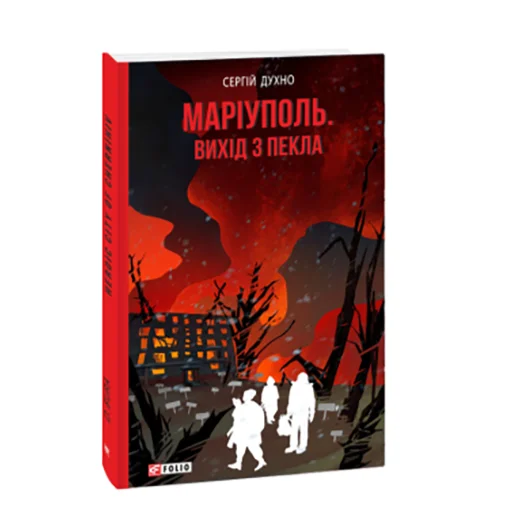
Sergius Dryno. Mariupol. VIKHID Z Pekla. Kharkiv: Folio, 2024.
“Rosiyskomovniya Ukrainian” Sergey Duhno wrote an auto -documentary story, which is a diary of the surviving in Mariupol. True, you can read it only in Ukrainian.
The author did not conduct a diary under shelling, but he managed to restore the events of thirty -two days from the beginning of the war from memory: from the first shelling, which were not afraid (thought that it would be, as in 2014 ), before leaving the destroyed city and evacuation for the front line. “I remember every day. Every hour. Every minute, ”writes Dukho in the preface. Nothing is able to forget anything. “I immediately saw Mariupoltsev in my eyes - unbearable longing and pain that cannot be hidden even by smiles ...”
The book is permanently recreated with Dukhno's family: the chaos of the first days of the war and the decision to stay in the city (no one believes that shells can fly to residential quarters), the first explosions near the house, the idea to move to the Azovstal plant, at which the author and his son, an arrangement in a new place, in a bunker, next to other families (there is light, one, warm, one, and there is a warmth, one, warmth, one A woman cooks for all soups, she is now called “aunt soup”), massive shelling of a plant, knocking out communications, erasing buildings in dust, a decision on leaving the city at all costs. Among the most important events of these painful days are a meeting with Volyna, commander of the 36th separate brigade of the Marine Corps, defending Azovstal. As an old factory worker, Dukhno knows some fragments of the network of underground utilities of the plant: tunnels, bunkers, etc., and means them on the map. He convinces the commander: you need to find the archive in the factory, there are complete schemes of this network.
In general, the more they shoot and fall asleep with bombs, the greater the desire of victory and fiercely hatred of those who came to kill Mariupol.
Shelling, lack of sleep, meager life recede when the author tries to figure out himself, which finds himself in an impossible, previously unimaginable situation of loss of all landmarks: “Two weeks in the bunker. I had never had such an experience before. It is difficult to convey in words - this must be experienced, then understanding will come. And I will not wish anyone this "understanding". "
“Any of my comparisons can only draw a contour drawing of what is happening around me: the psychological nakedness of people, my perception of views and faces, the contact of thoughts - my own and others, and much more, for which I cannot choose the right words.
Everything is on the verge of unreal, consciousness and unconscious. You live and at the same time see yourself from the side ... and it becomes scary ... Are you on the verge of loss of mind ... How to keep your mind under control? "
The book combines two plots. One of them is the plot of a huge, fatal loss that radically turned the author’s life. From the wealthy, self -confident sixty -year -old man, spiritually turned into a person without everything: at home, a small homeland, plans for the future, himself. “My favorite sea - I was born with its salty taste on my lips, grew up on his sandy beaches. And if the sea dies, I will die with it. Once again he cursed everyone who brought us war and made me hate people who call themselves Russians. ”
In a situation of walking on the verge of death and constant anxiety for loved ones, there is no time to re -reduce themselves again, only total fatigue remains, especially sharply manifested at the exit from the city, at the Russian checkpoint:
“ - I shot me - I want to die elementary, I'm tired ...” I asked indifferently.
“I am not a“ fascist ”, dad ... - the unintelligible gaze of the Horde.
- And who are you ??? I have already died ... still in Mariupol ... Before you is only my body. "
True, Dukhovo has writing, and he thinks about the book that he will definitely write, and that his only gratitude to those who help refugees may be words in this book.
However, the main plot, indicated by the author himself, is the exit from the bead, into which the city has turned.
On the twenty -fifth day of stay in the Bunker, Duhno gathers a group to leave the sheated territory of the plant. The plans include 85 kilometers on foot to Berdyansk. The inhabitants of Azovstali simply have no other options. And they, who are worried by their Moses (the so is the name of those who joined the foam out of the bee), it turns out almost everything - only cats run away from carrying and in one particularly severe shelling a woman wounded in the stomach dies.
The Ukrainian military who met on the way show a safe exit.
“We went to the end of the tunnel, to the exit. Another lad showed the direction to the break in the fence. The whole road was dotted with funnels burned by cars. We tried to go as quickly as possible ... "
There are people who help already in Mariupol, and those who bring to Berdyansk, and those who accept them for a temporary settlement in a new city.
And then, on the thirty -second day, - an evacuation bus to Zaporozhye. “The doors opened, and we began to go out. It is difficult for me to describe my condition - they overwhelmed emotions. The whole body pulsed a joyful trembling. ” The incredible cold of the bake is replaced by a sense of heating warmth:
“It was warm - it is also very difficult to describe, because it is not the warmth that we feel when we get into a warm room. It was something more, comprehensive, all -permanent. This is the warmth of the hearts of people ... with their warmth they treated our souls ... This world turned into a “paradise” that we all wanted ... smiles of strangers, and at the same time already our people - this is only a small fraction of what you feel, returning to the “lost everyday life” ... ”
“Glory to Ukraine! We will definitely win! " - The book ends with these words, because there is nothing more to hope for the survivor.
Alexandra Krashevskaya. Lullaby for Mariupol. Thirty dreams without awakening. London: Freedom letters, 2024 (series "Words of the Ukrainian")
The authors and part -time heroes of three books have a lot in common. They did not expect the hell into which their life instantly turned in February 2022. They faced an acute need to take care of the family. They could not fully believe that this is happening with them. The facets between reality and delirium, reality and memory were thin. And then there is still eternal lack of sleep due to shelling and the state when you do not understand whether you are sleeping or awake.
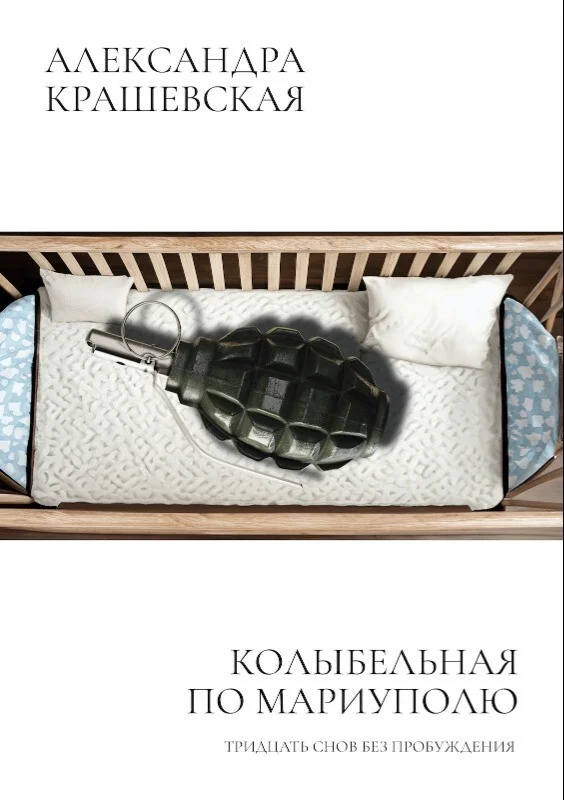
Aleksandra Krashevskaya is about this precisely about this: about the downed landmarks, about the refusal to perceive reality, about the inability to comprehend it and accept that it is necessary to do this at all costs.
“You are abruptly and distinctly falling into a deep hopeless dream. From which no longer wake up. Everything that happens to you here is forever in your head, in your thoughts, in your boiling blood. There is no more “cold mind”, there is no way to understand the situation, there are no expectations. ”
“All the time I felt the unreality of what was happening - as if a thin smell of thick human blood penetrated my quiet apartment. I breathed them and poisoned the dark horror of panic, as if even then I caught these first manifestations of irreversibility, but I was afraid to admit it. ”
And one of the introducts that filled this terrible book:
“You just survive in an inverted world. As if everything that you lived turned over and shook it like a glass New Year's ball. Only instead of snow - one ashes.
Mariupol. My unfortunate dead city. "
And again, a chronicle of events: March 3 in the microdistrict turn off the light, March 4 - “Rain from the glasses”, a nine -story building fell under an explosive wave, an apartment was burning in a neighboring house, tanks are driving around the house: “Now I know how my hands tremble with fear of death. Two tanks stopped on both sides of the house. They are unpleasantly chirping with engines and aching. So about an hour passes. " In the evening they turn off the gas. The apartment is cold. A family of four - Alexander, her husband and two young children (daughter - with an auto disorder) - decides to move to a friend in a house where there is a stove and firewood.
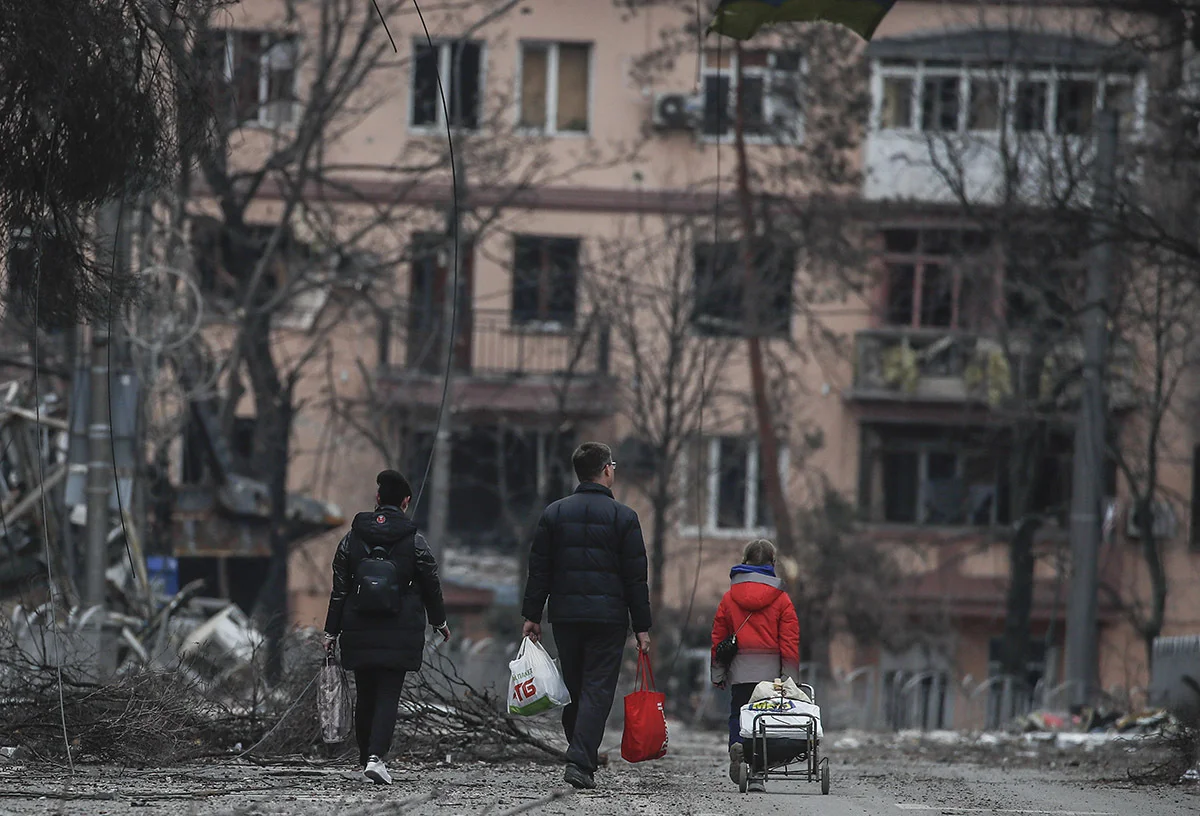
“On the way we meet people at the entrances: all exhausted, blocked children, old people sit quietly, some ask us where we are going, as if they are looking for salvation and want to get an answer that will give them hope.”
Thus begin workdays built around basic needs: food and heat. Accompanied by indispensable rethinking of life. From a strong independent woman, who fell under the 25th year under the car, but not breaking, having re -built a life, who gave birth to children, who believed in his strength, working in the very bombed drama theater, Alexander turns into a person without settings in doubt in everything. “War is such a deep, hellish purge of people ... I'm talking about survivors now. Everyone who survived then, in the spring of 2022 in Mariupol, live without masks and roles. ”
If we talk about the differences, it is in this book that the main, total rejection of the war as such becomes the main motive. And if everything is clear with the Russian military, then the author cannot forgive the Ukrainian military, for example, that they arranged artillery positions right in the courtyards of residential buildings, kindergartens, hospitals and schools.
“Just an order. You just need to endlessly shoot the terrain around 3 km, 5 km, 23 ... It doesn’t matter. Such an order. You have a shootout above your head. ”
“Through the lane from the house where we live, on the territory of the kindergarten, the soldiers firmly dug a gun into the ground. They beat from there, and the answer from the enemy periodically arrives, not point, naturally, but with errors. Error is residential buildings with people now living in basements. Some floods, someone with fragments in the ribs moves to the neighboring surviving houses ... "
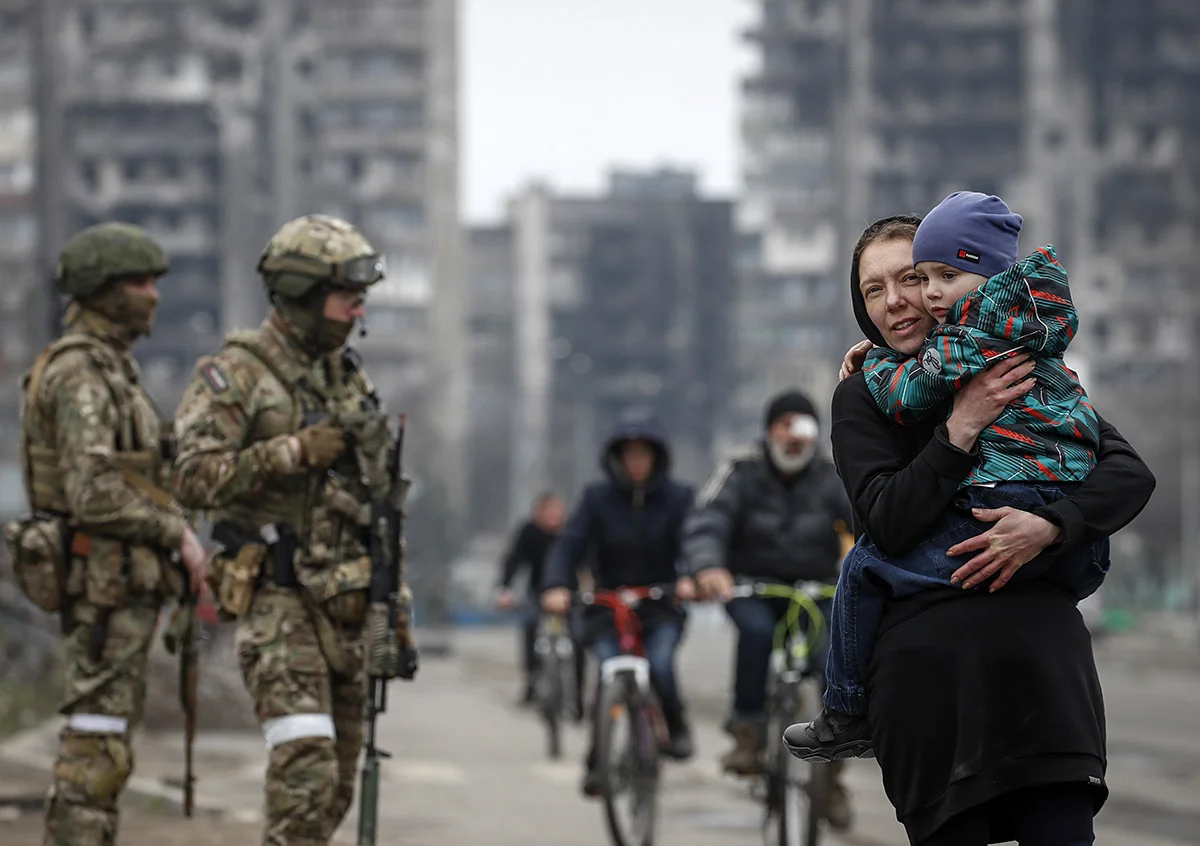
In this nightmare, you need to survive at all costs, and the most unbearable is a clash of everyday life and death. As Linor Goralik writes in the preface to this book: “There is life in hell. In hell they are trying to wash the dishes. In hell they go to the toilet. Children play in hell. In hell they make tea for grandmother. From this hell becomes much worse than hell. ”
The opportunity to leave the city with a family appears only in May. They manage to pass filtration on a checkpoint, get to Russia, and after some time to fly to Germany through Georgia.
But Mariupol does not leave the thoughts and sensations of surviving, doomed to PTSR. Alexandra admits: it was difficult to go to a supermarket in Russia:
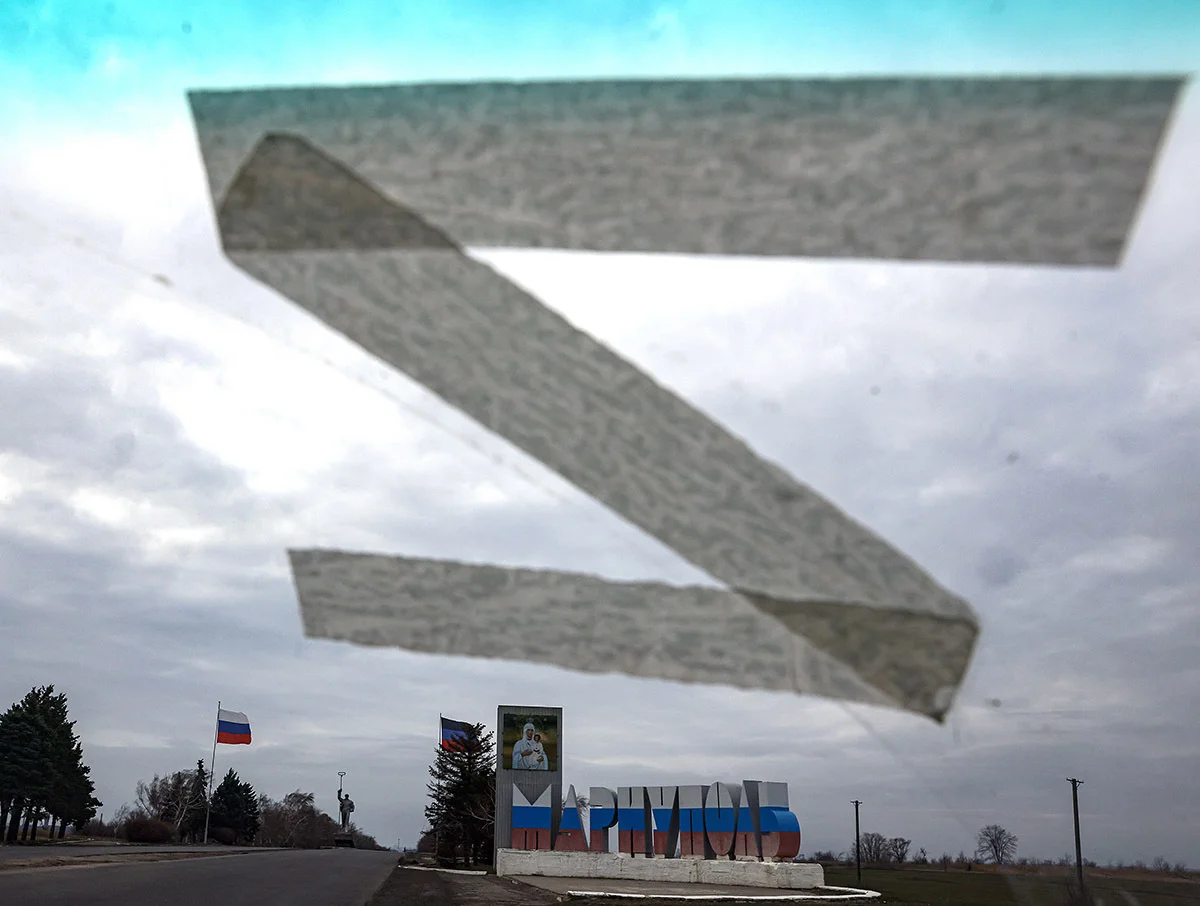
“At the exit I came across a small shop: souvenirs, caps, t -shirts. And now there is a mannequin in a T -shirt with a capital “Z” and the inscription “I'm not ashamed”. And in my homeland now, right at these minutes, a huge meat grinder continues to ooze blood.
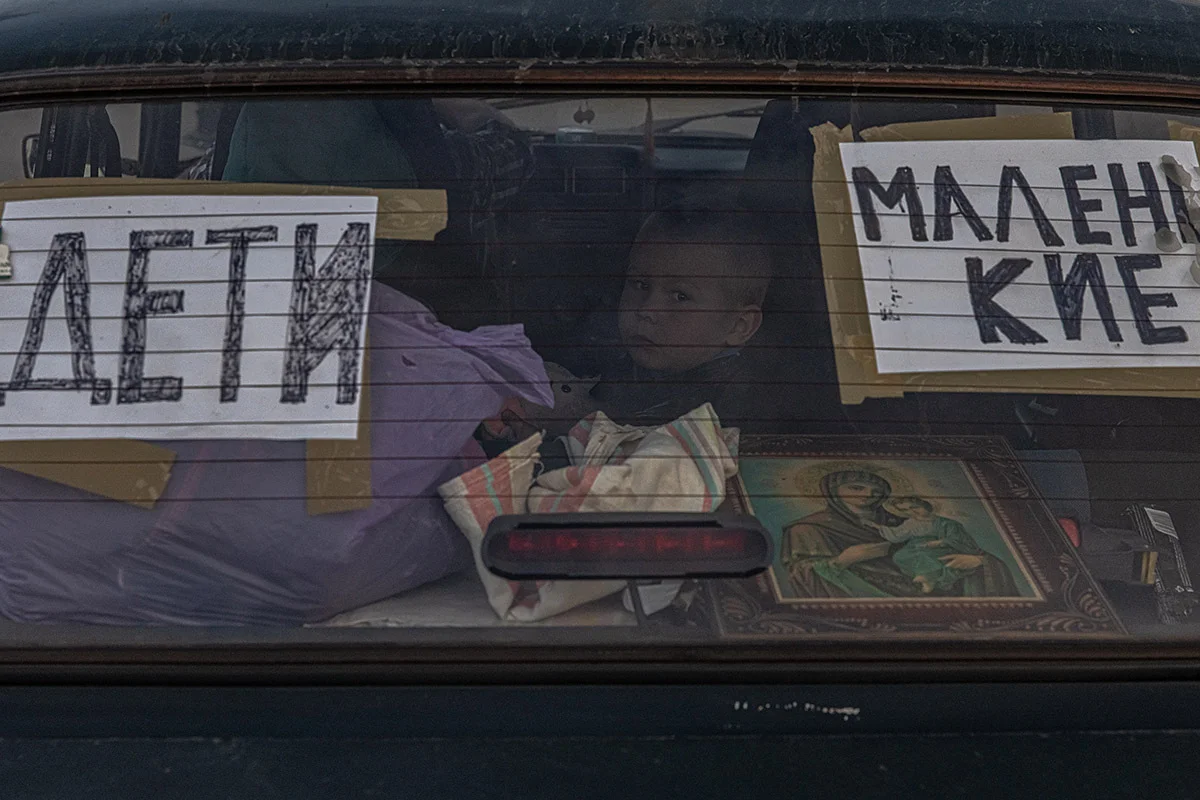
The bones of soldiers, children, the elderly, burned out the remnants of someone else's life - are rubbed in it - to the cries of the survivors ... I left the sparkling supermarket and, pushing the cart, suddenly remembered how people took out small children from Mariupol then, at the end of March. Often they were brought in carts from supermarkets, and they sat, wrapped in blankets, soiled soot or blood, plague, tired, calm from monotonous hopelessness. There were, apparently, all the things that they managed to save, and the children sat there quietly and motionlessly, holding their bedspreads in the frosty wind with small pens. I took packages, inhaled the sweet smell of the May evening and still cried. She stood near her purchases and roared. "
This book was written a year after the start of the invasion. The author, who is still seeing dreams about Mariupol, sorrowfully states: there is no more city. Тот город, который теперь «отстраивает» Россия, к Мариуполю не имеет никакого отношения.