
Translated material
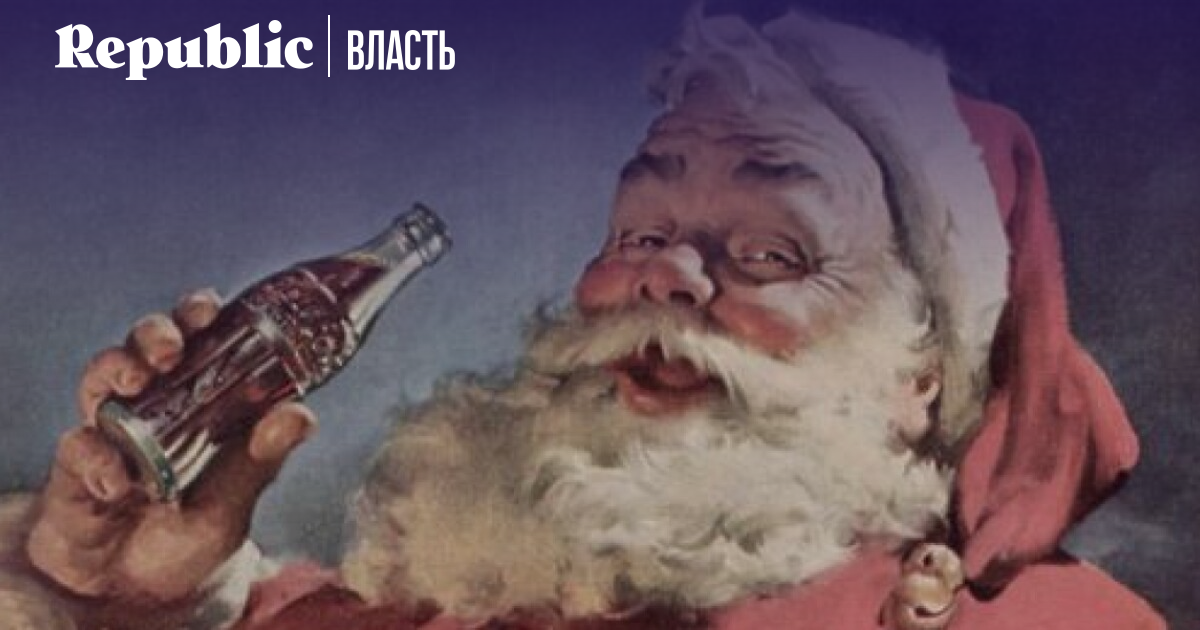
Collination of civilizations. Tank and jar of soda
Every day it seems more and more that the views of most Russians on political life should be described by some such minted formulas: “Liberalism should be equated with extremist ideologies, along with Wahhabism, Nazism, LGBT and extreme versions of communism already prohibited in the Russian Federation.” Well, something like.
By the way, the farther the observer is from Russia, the more firm his confidence that things are just like that. It is more difficult for an observer inside, it is more difficult to convince himself that the fellow citizens given to him in sensations are so striving to ruin Washington and equate liberalism with extremist ideologies. You have to make an effort on yourself, it does not always work out.
There is no media, sociology is approximately equal to propaganda, who knows what is behind the next numbers from VTsIOM or Thomas-the data of at least some survey or just a manual lowered on top. Remember, once we watched the oscillations of the dollar on the air, and now we read in RIA’s tape once a week: “Next week, the dollar will rise in price by six kopecks”? That's the same, probably, with sociology, it is possible to simply declare through loyal newspapers: “Next week, the president’s support will rise to 108%, later a slight decline is possible to 106%.” The level of reliability is the same, but less.
The more valuable the accidental opportunity to look - as in the keyhole - into the world of genuine values of the majority through research, which are in no way connected with politics, that is, they give a safe resident a safe space for self -expression.
The X5 company is far from the maximum from politics, these are retailers that control large networks of supermarkets and network delivery services. Their research project “Package” interviews Russians not about the attitude to fateful events, but about purchasing preferences. The other day I found out , for example, which drinks seem to fellow citizens most similar to Coca-Cola who have left the market (some, by the way, seem, but this is not interested in us). This is what:
56%, more than half of the respondents, try to find the original Coca-Cola on the shelves.
20% are ready to overpay for the original stake, even if the margin is significant (young people prevail here, people aged 25 to 34 years). Another 49% of respondents will overpay if the price difference is small (these are mature people, 45–60). In total - 69%, significantly more than half of the respondents.
Subscribe to read the whole
Make a subscription Redefine.media to read Republic
Subscribe [you can pay for a Russian or foreign card. The subscription is extended automatically. You can unsubscribe at any time.]
Where are the money subscribers going