
Translated material
Sudden turbulence
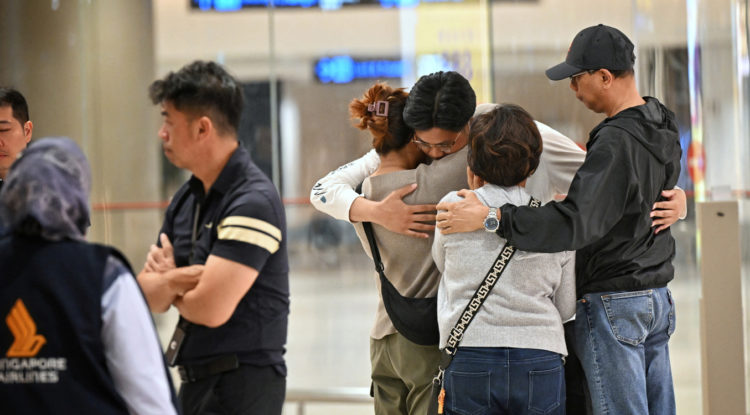
A passenger died on Boeing, who flew out of London, dozens were injured. Scientists associate this with global warming
The Singapore Airlines passenger aircraft fell into the zone of sudden turbulence in the sky over Myanmar. The power of the elements was so strong that as a result of the incident, one person died, dozens were injured of various severity. Death as a result of turbulence became the first in 27 years, but scientists are afraid that such cases can become more - the phenomenon of sudden turbulence is associated with global warming, even modern technologies cannot predict it, and the only way to protect themselves during the flight is to fasten the belts. "Cold" tells why.
In order not to miss the main materials of the "cold", subscribe to our Instagram and telegram .
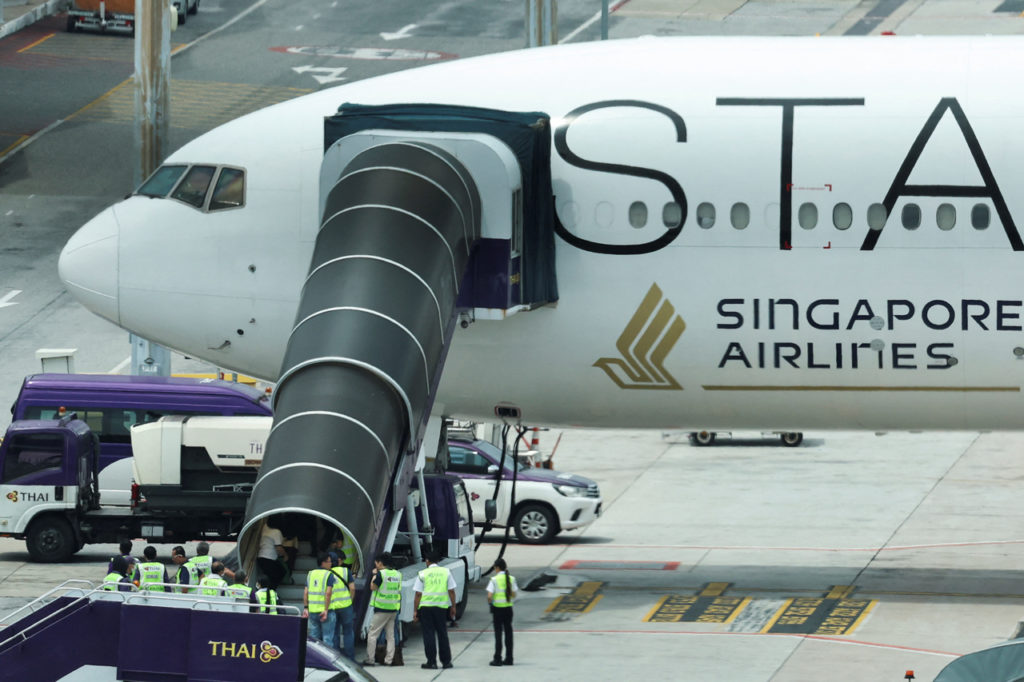
On May 20, 211 passengers and 18 crew members of Singapore Airlines flew out of London to Singapore on a Boeing 777 aircraft. During the flight, the plane ran into a sudden turbulence over Myanmar. The turbulence was so powerful that the flight had to be directed to an emergency landing to Bangkok. The incident occurred after 10 hours of night flight, a few hours before landing in Singapore - the flight attendants at this time carried breakfast.
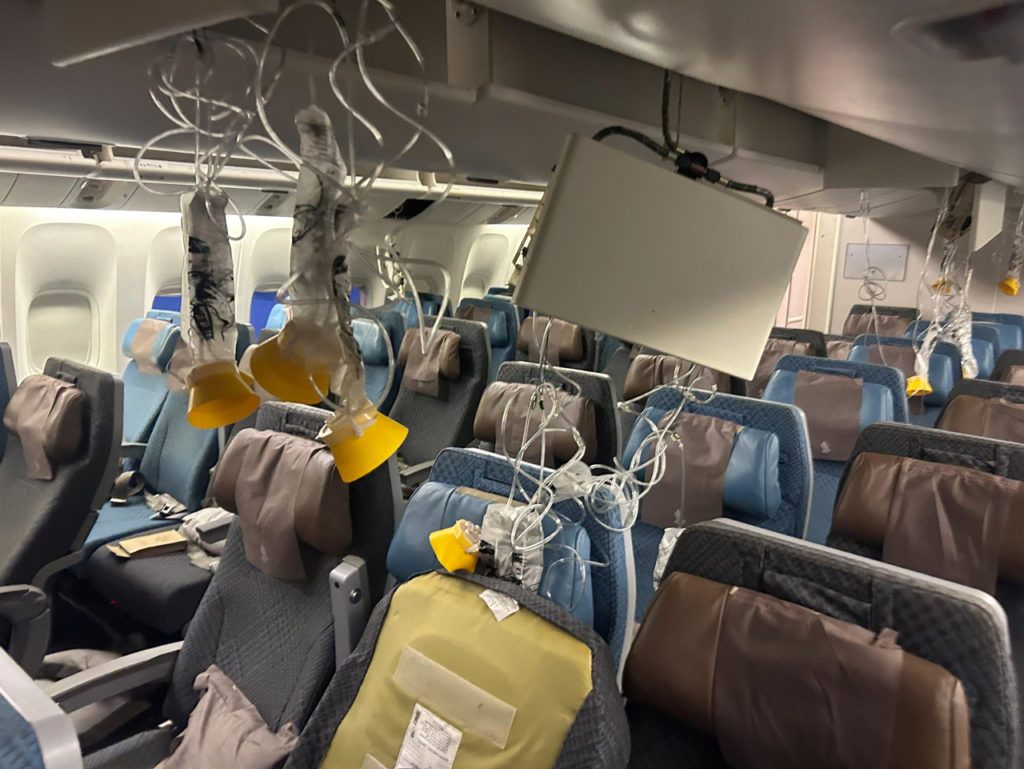
The passengers of the flight said that the plane entered the turbulence zone almost instantly: the “Fasten belts” plate caught fire, almost immediately there was a feeling that the plane was falling. In three minutes, the plane lost 1800 meters, which is why passengers and crew members who were not fastened with seat belts hit the ceiling and flew into the aisles. Cups with drinks, food, trays, phones, shoes, pillows - all things that were not fixed, flew along the cabin.
The plane was in the turbulence zone for only a few seconds, but as a result one passenger died -73-year-old Briton Jeffrey Kitchen. Thai doctors reported that he had a heart disease and death occurred, according to preliminary estimates, due to a heart attack. In total, 71 people were injured as a result of the incident. Six were serious injuries.
The director of the hospital in Bangkok, where the affected passengers were brought by Adinun Kittiratanapaybul, said that the staff had never had to treat people with injuries obtained due to turbulence. According to him, in six people, the skull and brain injuries, 22 acted with spinal injuries, 13 with injuries of bones, muscles and other damage.
The General Director of Singapore Airlines, Go Chun Fong apologized to the passengers and crew members and expressed his condolences to the family of the deceased. The airline said she was taking part in the investigation of what happened. Boeing also said that it was ready to support Singapore Airlines in the investigation and expressed its condolences.
The passengers and crew members who avoided injuries flew to Singapore an auxiliary flight the day after the tragedy. After the incident, the airline changed the internal rules: now when turning on the “Fasten belts” sign, the flight attendants will not spread not only hot drinks, but also stop supplying food.
"Absolutely normal flight"
One of the passengers, the 28-year-old student Zafran Azmir said that the incident occurred very quickly: the aircraft sharply began to roll, shaking began. “A very sharp fall occurred, so all the sitting and not fastened with seat belts was immediately thrown into the ceiling. Some people hit their heads on the luggage compartments and crushed them. They hit the place where flashlights and masks are located, ”he said.
Another passenger, Andrew Davis said that objects flew across the cabin, and a woman with a bleeding wound on her head screamed next to him. The "fasten belts" icon appeared suddenly during a "completely normal flight", Davis added.
“I woke up because of turbulence, but when the“ fasten belts ”icon appeared, I did not have time to do this. Almost immediately, I was thrown to the ceiling, ” said 30-year-old Theandra Tukhunen.
“I fell to the floor and did not realize what was happening. I must have hit my head. They screamed on the plane, people were scared, ” recalled 24-year-old Briton Josh Silverstone.
“One of the flight attendants said that it was the worst flight for all the time of her 30-year work experience. The conclusion is this: always fasten the seat belt, only those who were not fastened, ” said Andrew Davis.
The 68-year-old Briton Jerry said that he was lucky-before the loss of heights, he had just returned from the toilet. He and his wife hit his heads on the ceiling. “Some poor people who were in the aisle made Salto - it was terrible. And then suddenly everything stopped and it became calm again, ”he said. - The staff did everything possible to help the victims, and there were many of them. Some employees themselves were injured. ”
The turbulence of the clear sky
Sarah Nelson, President of the Association of Betaranthelors, also stated that the initial reports based on the results of the Singapore Airlines incident indicate the “turbulence of the clear sky”, which is considered the most dangerous type of turbulence. It cannot be detected even with the help of the most modern technologies.
Scientists associate the “turbulence of the clear sky” with global warming: air heats up at high altitudes, making the weather unpredictable. The number of such cases has been growing in recent years, due to which the risks of similar incidents have increased. The only way to ensure the safety of passengers during turbulence is fastened belts, so Nelson recommends always fastening, even if the flight passes normally.
Turbulence in flight leads to death extremely rarely . In some cases, there are injuries, including serious ones, but most often this happens with crew members, which spend more time on their feet. There were incidents when people died, but before this happened only on small private aircraft, when turbulence led to a crash.
In past years, several incidents caused by turbulence occurred in the Asian region. In June 2023, two crew members received on the flight of Singapore-London of the legs. They fell in the cabin due to sudden strong turbulence during the flight over the Bengal Gulf.
In March 2024, the plane flying from Sydney to Auckland, in a similar way, sharply reduced the height . Then 50 passengers and flight attendants were injured, one of them was in serious condition.
The study of the US National Security Council, published in 2021, showed that turbulence accounted for more than a third of all registered incidents (from 2009 to 2018). As a result of most of them, crew members and passengers suffered, no damage to the aircraft was recorded.
The previous case when, due to turbulence in the flight, the passenger died in 1997. The plane that made a flight from Tokyo to Gonolulu fell into a strong "turbulence of the clear sky." The 32-year-old passenger, which was not fastened with a seat belt, died .