
Translated material
"Don't make me a legend!"
At the end of May, the world recalls the Hero of the Soviet Union Alexei Maresyev, who became a symbol of courage and the prototype of the pilot from the "Tale of a real man"
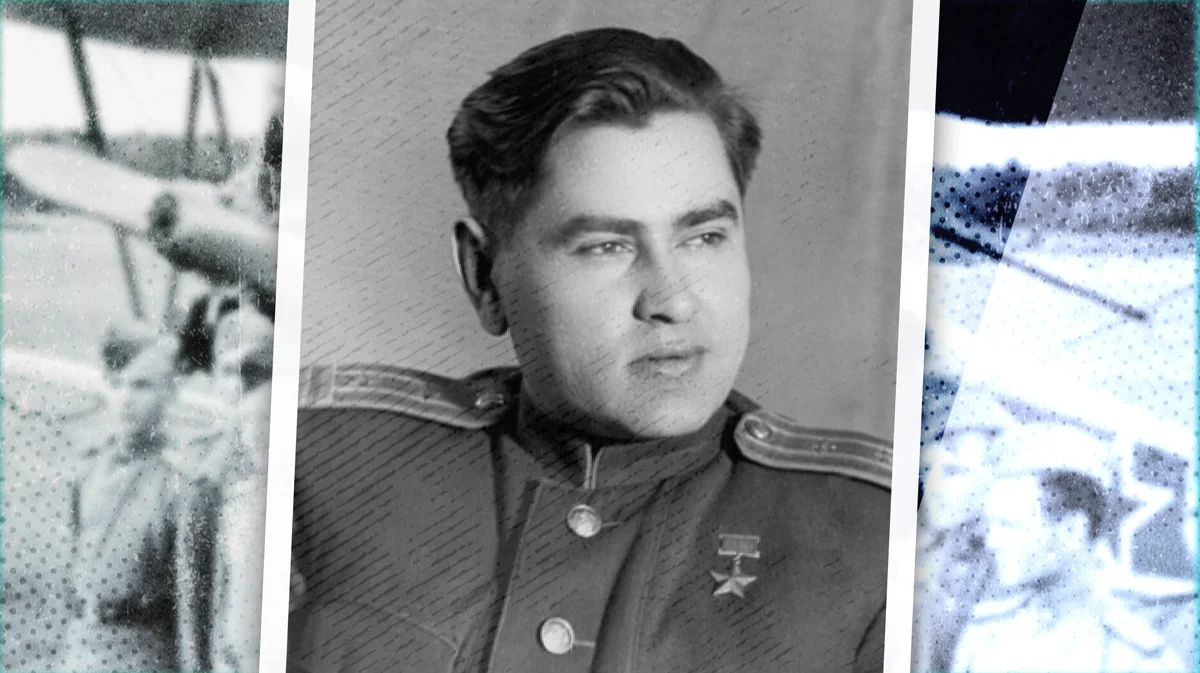
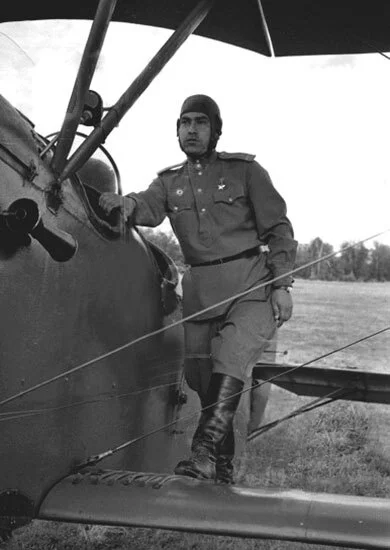
Alexey Maresyev. Photo: Russian Ministry of Defense / Planespottera320 / Wikimedia (CC by 4.0)
On May 18, 2001, not having lived only two days before his 85th anniversary, the Hero of the Soviet Union Alexei Maresyev died. This surname was known by all schoolchildren of the Soviet Union: “The Tale of a Real Man” was part of a compulsory literature program. The fighter-fighter, who lost both feet as a result of wound and gangrene in the spring of 1942, returned to operation a year later. Fighting on prostheses, shot down seven enemy aircraft, was awarded the title of Hero of the Soviet Union. The book about him saw the light shortly before the end of the Nuremberg process. One of the Soviet judges, Alexander Volchkov, personally made its brief retelling to English and handed it over to his colleagues in the international tribunal. Maresyev’s story made an indelible impression on the English, American and French judges and, possibly, influenced their sentences to Nazi criminals.
In March 1985, Mikhail Gorbachev became the Secretary General of the CPSU. The country is not yet very noticeable, but clearly pleased the changes. On May 6, 1985, a decree was issued on the assignment of Murmansk the title of "Hero City". There were 12 of them in the Soviet Union, plus the Brest fortress. At that year, I (to the author) was performed. And in those days I was in Murmansk, participated in the Olympiad on the history of the USSR. After the decree was released on the assignment of the title in the city, celebrations began.
The arrival of many important persons was expected, including Gorbachev, but the Secretary General did not come then. Although there were still many guests. One meeting was remembered by us, schoolchildren, in the smallest details - with the hero of the Soviet Union Alexei Maresyev.
Maresyev during the war had nothing to do with Murmansk. He fought in the southwest and in the central regions of the country. And that became the famous “Camping”, when the pilot with fragmented legs for 18 days got out of the place where the catapult threw him, to the nearest village, he made in the Novgorod region. But Maresyev was the responsible secretary of the Soviet Committee of War Veterans and his “face”, and therefore he was often sent on business trips to a variety of cities.
At his behavior at our meeting, it was noticeable that he often talked with children. But unlike other veterans who looked more like the speaking icons of themselves, Alexei Petrovich was alive and his own.
He spoke to us as equals, without irritating lustering and mentor instructions. And it was clear that he liked it. Even despite the fact that we sometimes asked not very pleasant questions.
“Ivan Kozhedub (the most effective AC of World War II, three times Hero of the Soviet Union) wrote in his memoirs that the hero’s star was given for 20 settled aircraft, and you have only 10 on your account,” Roman Krawl, captain of the Monchegorsk national team ( after graduation, he would go to LSU, but after the first semester he took an academic and left for the volunte Afghanistan, from the last column of Soviet troops on the Friendship Bridge, in 1996 headed the brigade in the Monchera organized crime group, was shot in in May 1999 . - That is, you, it turns out, got the hero of the hero in the blat?
“If you read carefully, you must remember that the marshal was talking about the enemy bombers,” Mareziev retorted calmly. - The downed fighter was valued above. And how many aircraft were shot down by Anatoly Lyapidevsky? Do you know who it is?
“Of course,” Roma snorted, “the owner of the star of the Hero of the USSR No. 1. A participant in the salvation of passengers“ Chelyuskin ”.
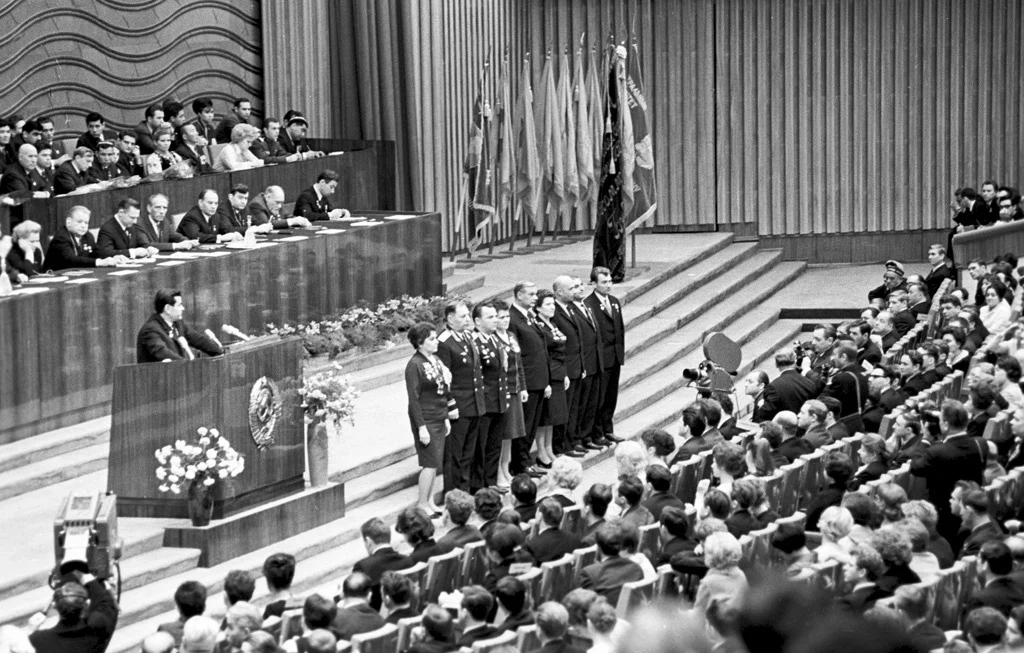
- Well, how many planes did he hit? - asks Maresyev. - Maybe he was also given a star in the blat? Understand this award, the highest award of our Motherland, is not given out of pity, by blat or for money. Personally, they gave it to me for the saved lives. In July of the 43rd, in the sky near Kursk we were defeated. Our two attack aircraft were shot down and tried to go to the front line. Behind them “Fockers” (a German fighter Focke-Wulf FW-190, along with the BF-109 Messerschmit, was the most common fighter of the German Luftwaffe), and I noticed. In general, while the Germans hunted for our wounded, we were attached to their tail and knocked down both. And our attack aircraft safely hung up to the airfield. And when they presented me to the reward, not even 10 on my account, but there were only 6 shot down . Here you say what they gave me for the prostheses of the hero, ”continued Maresyev,“ maybe the absence of my feet and influenced the government’s decision. ” But I was not alone. You know who Zakhar Sorokin is? I see, do not know. But he fought here near Murmansk and also flew on prostheses. The British Ambassador to him the Knight's Cross handed him for the salvation of the English ships who arrived here with Lend-Lease, who were trying to bomb the German bombers. Without Soviet fighters and attack aircraft, half would not have reached the port. But you did not hear about him, because you did not write a field about him. There is simply such a word - propaganda, and I became her involuntary victim. (At these words, Maresev laughs.)

- And the "star", is it really made of gold? -asks one of the girls.
Maresyev smiled, extended his hand to his chest, took off the “star” and held it out to us. It so happened that I was the first to accept it. I can’t convey the feelings that swept me at that moment. But I remember exactly that the only thing I could pronounce was: "heavy."
"Cool" essay
After the collapse of the Soviet Union, many research historians rushed into the archives that became affordable. Almost daily articles appeared that debunked the myths of the Soviet past. Some considered the story of Maresyev a myth, but could not refute it. Although inconsistencies were discovered in the book of Boris Polevoy, The Tale of a Real Man with a real story.
“The search for the Maresyev aircraft for all search engines of the Novgorod region was an idefix,” Roman Druzhinin, head of the Wanderer’s tourist-search club, told the author of the author of the tourist and search club. - It would seem that there was not a single nozzle in the Valdai district (it was there, according to the Book of Polevoy, that Maresyev’s plane fell), wherever we looked. The writer described everything in detail: the plane fell in the area of two small lakes and swamps. And then he describes the equipment and corpses of German and Soviet soldiers remaining from some battle. There, Meresiev (the hero of the book has a surname through “E”) took the Bank of Tusenka, which for a long time served him the only food. But if it is a swamp and lakes, then where did the tanks come from? They simply would not have passed through that area, and later there were no confirmations that some battles happened in that area. No skeletal corpses, no residues of equipment, no trenches, nor shellful funnels were found.
Further, Meresiev, in the book, moving strictly east, stumbled upon the road along which there were a German armored car and trucks with soldiers. But in April 1942 there could not be German units. The battles went in the Bologoya area, and this is much further from the possible fall of Maresyev. Again, if the pilot stumbled upon the road, then he did not fall into such a wilderness. After all, the roads are connected by two settlements, and in the novel Polevoi the only village on the path of Meresiev was an “underground village”, consisting of dugouts, in which the inhabitants of some fins moved, having fled to the forests from the Germans. That is, even from their village for several kilometers to the wilderness. There were no doubts about the village: Field simply mixed up - accidentally or intentionally - the name of smelts with fluids. But everything else, especially the plane that was not found, made me doubt the whole history. Too many questions arose that there were no answers: when exactly was Maresyev, where it happened, how many days he got to people, from which side he went to people, in which direction he moved. But the most important question remained:
If the pilot fell by plane, then where is the device or at least its remnants? The lakes there are small, three or four meters in depth, even if he had completely gone under the water, it would still be visible.
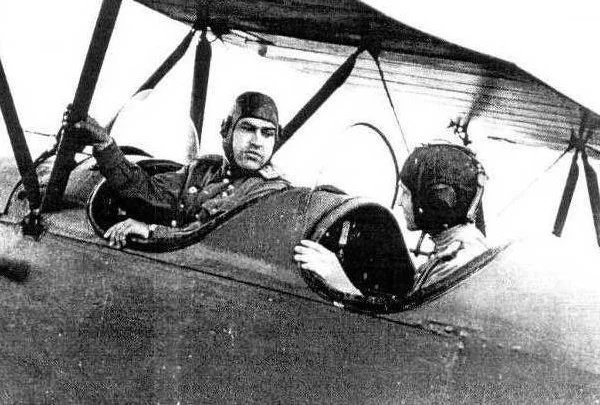
But in the village of Plav (Novgorod region), to which Maresyev got out, those who found the pilot on April 23, 1942 were still alive. And in the military archive, the report of the regiment commander on the battle on April 5 and the losses was preserved, among which Alexei Maresyev was also listed. Yes, and the hero of the story himself was lively evidence that all this was - albeit with the difference in details. According to his son, in 2018, nevertheless, not only the place of the fall of the aircraft was discovered , but also documents on his disposal in 1942. The plane was not found where Maresyev and Field was indicated, but in general everything coincided.
During the war, Boris Poleva worked as a military correspondent for the newspaper Pravda. In 1943, when Alexei Maresyev was awarded the title of Hero of the Soviet Union, the Soviet government led a rather mean policy of distribution of awards. Maresyev received a golden star at number 1102. Recall that the title “Hero of the Soviet Union” was established on April 16, 1934. And the Medal "Golden Star", which the heroes were awarded, appeared only on August 1, 1939. The first heroes were the pilots who saved the passengers of the Chelyuskin steamer. That is, by the 43rd year there were Hassan and Khalkhin-Gol, the Civil War in Spain, the Soviet-Finnish war and two years of World War II, during which the titles of heroes were awarded. And in the country there were only 1101 of them. So it is not surprising that military correspondents frequently in Maresyev. But to write about the fact that the pilot is fighting on prostheses, they were forbidden.
Here is how Boris Poleva recalls his meeting with the pilot: “At that time, the battle on the Oryol-Kursk arc entered its decisive phase. Having exhausted and bleed the German divisions trying to advance, breaking their morale, our army went on the offensive. Not far from here, the fresh tank units entered the breakthrough, and the aircraft worked tirelessly, covering the sky over them. On these days, the glory of one guards aviation regiment, which shot down more than two dozen enemy aircraft, thundered along the front. The regiment itself lost only a few cars in the battles. I flew here on a coherent plane in the evening to collect material for correspondence.
The political officer was in the air. The chief of staff, completely hoarse, with his eyes red, like a rabbit from insomnia, at first snapped, and then, examining my epaulets, caught on, said some crumpled apologies and said: he said:
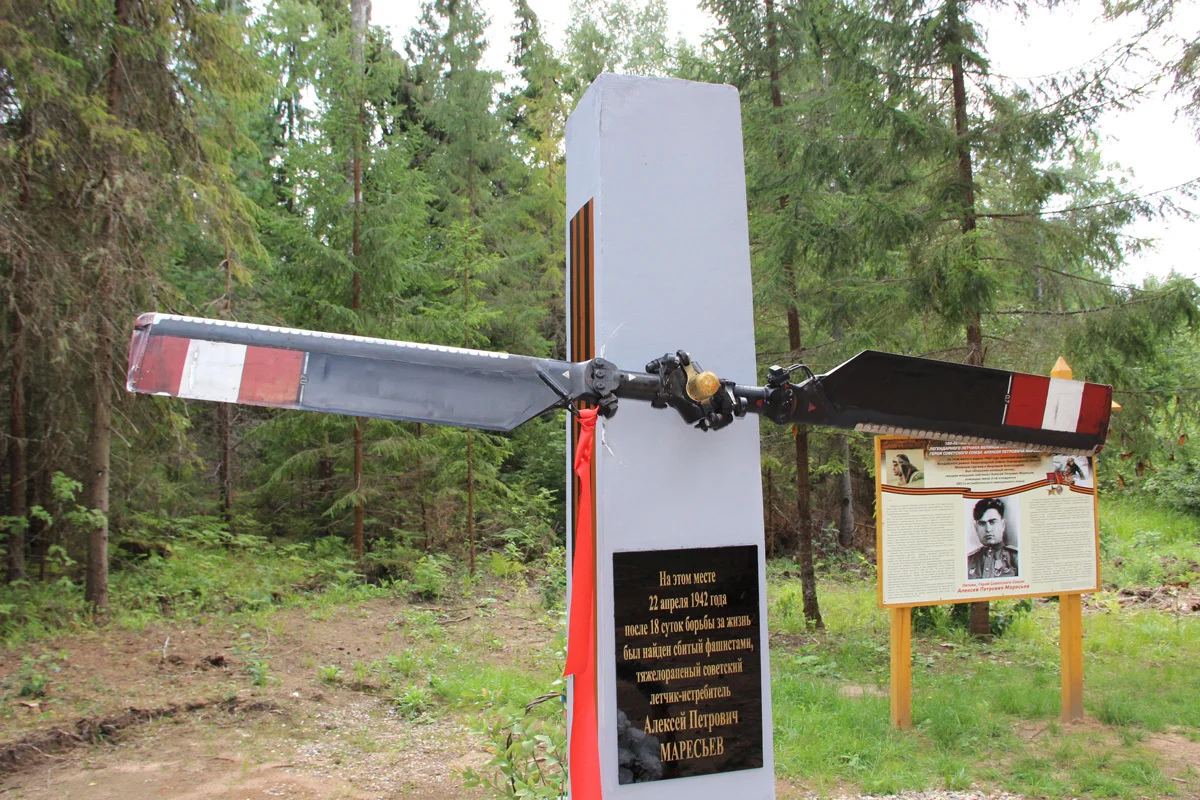
- Here will return from the battle Alyosha Maresyev. He had just shot down the second plane for today. Go to him. He is on a nine. Singing nine, you right on it and dive.
The nine sat down, chose to my caponier at the edge of the forest, and I “dedicated” to a young stocky guy that with some special bear grace got out of the plane. He barely stood on his feet. Still: six battles, two shot down enemy. He refused to speak, referring to fatigue, and it must have been in order to sweeten the pill, or maybe just by kindness of sincere, smiling, he suddenly suggested:
- We have a good rule in the shelf. In addition to the People's Commissar of Military Grammar, add two hundred of two hundred for each shot down aircraft. I will have half a liter today. A bit too much per one. Let's go with you, the major, with a toll to the canteen. For two it will just come out.
It was difficult to refuse such a proposal. We went to the Voentorgovskaya dining room, had lunch, drank it, and my new acquaintance, to whom different people came to congratulate him on a victory all the time, offered to spend the night in his dugout. The pilot with whom he lived together did not return to the airfield on this day. He was shot down. Kuik was empty, and I agreed to take her, for it was already dark and it was too late to fly away.
We talked for a long time, eating forest raspberries from the pot. Maresyev and his wrong friend gathered her in the morning. Before going to bed, the pilot, washed with taste, grunted and snorted for a long time. I already began to doze and was awakened by a strange sound-something heavy weightily hit the earthen floor. It was dark in the dugout, but the ray of the moon fell into the walker, and it seemed to me that from under the NAR, on which my friend lay, someone's legs stuck in officer polished boots.
I instinctively put my hand under the pillow. And suddenly there was a laughter, but so healthy, cheerful, rolled up, which felt uneasy. The owner of the dugout laughed.
“These are prostheses, my prostheses,” he explained.
- What, what?
- Ordinary prostheses, and nothing more. I have no legs.
For persuasiveness, he slapped his hand over the blanket.
A legless pilot? And not just a pilot, but a person who shot down two fighters on this day? No, this cannot be! Meanwhile, everything was so. Sleep as it happened. Jumping out in his underpants from the bed, I grabbed the first paper at hand. The pilot sat down on the bed. And so we sat until the morning - he told, and I recorded it unusual and at the same time so typical of these days a story, a story that is difficult to believe in, and nevertheless truthful from the beginning to the end ...
... In the morning it started to rain. Large warm drops of his sonorously beat the scalp burdocks, and it seemed that a fast mountain stream was tired there was tired of tired. I blessed the bad weather. She constrained the aviation, and I was able to ask Maresyev all day all the details of his unusual feat. Understanding what kind of material it was, I recorded everything with protocol accuracy, with the name of the places, surnames and addresses of all who were related to this story.
And then, putting aside all the other things, I wrote an essay on the feat of a legless hero in a “truth” one in a day, and put the project of the advanced “Soviet warrior Alexei Maresyev” to the essay.
Whenever a fresh newspaper fell into my hands, I eagerly opened it. But there were other, less significant and less interesting materials. And this was not. Why? .. Only then did I realize that then, after a new defeat of the German-fascist armies on the Kursk arc, when Dr. Goebbels, trying to soften the blow of this new terrible defeat, is lying that the tips are fighting from the last forces, that the elderly and children were called into the army, to publish this extraordinary history meant to give the Hitler Libe-Raurus new material: legless on aircraft ...
Instead of everything that I wrote to the Pravda, a decree of the Presidium of the Supreme Soviet of the USSR was published on the assignment of the title of Hero of the Soviet Union to Senior Lieutenant Maresyev. The editor Petr Nikolaevich Pospelov said to me:
- Do not be upset. This will not disappear, the war will end, we will publish a whole book ... Write ... This is a book. ” (B. Field. These four years. 1974)
"Rock" German Goering
In early 1946, Polevoy was sent to Nuremberg to cover the process over military criminals. It was there that in February 1946 he remembered the legless pilot and decided to write a book.
“It was snowing during the day. No, not ours-dry and sharp, which at this time of the year shines and stings the faces of passers-by on the streets of Moscow, and some kind of Christmas-large, soft, wet. I walked, trampling the path, and suddenly I clearly recalled the story of one legless pilot Meresiev or Maresyev, heard at the field airport in the midst of the battle on the Oryol-Kursk arc. He seemed unusually interesting to me, this story, which I managed to record then. A notebook with the inscription “The 3rd squadron’s flight calendar”, where I recorded the Odyssey of this pilot, I pulled the whole war with me, about to ever turn everything recorded into the book. She is now with me, this notebook, and the old, erased photograph in which I photographed this pilot at his combat vehicle on our meeting day. What if, having familiarized yourself with the situation and getting the case, start writing here in Nuremberg? There is enough time.
It is decided. I am writing. I am a wakeful step I return to our Chaldean. None of the four cohabitants are in the room. I take out a stack of paper, resolutely display on the first sheet the name “Tale of a real person”. Wrote and stopped - what's next? Essay? Or is it really a story? .. Or maybe a novel? .. So, without coming to any conclusion, I cowardly falling asleep, deciding that the morning of the evening is wiser. ”
But for another six months, Field of Field will not be able to begin writing a book. The impetus for creativity will give the interrogation of German Goering. More precisely, his words about Soviet people:
“The main Soviet prosecutor, interrogating Goering on a particular occasion, very cleverly drove him into a corner.
- The defendant, do you admit that by sending troops to the east, criminally violating the peace treaty, having started the war with the Soviet Union, your General Staff committed the greatest crime, which ultimately led Germany to disaster?
“This is not a crime, this is a mistake,” the “second Nazi” of Germany answered muffledly. - I can only admit that we acted recklessly because, as it turned out during the war, we did not know much, but we could not suspect much. Наша разведка неплохо работала, и мы знали приблизительно численность Красной Армии, количество танков, авиации, знали мощь русских военных заводов. Сопоставляя силы, мы были уверены в победе. Но мы не знали советских русских. Человек Востока всегда был загадкой для Запада. Наполеон совершил ошибку. Мы ее повторили, — и, возведя к небу свои серые оловянные глаза, сказал: — Это не преступление, это — рок.
Rock? Признаюсь, я просто-таки взволновался, выслушав это вынужденное признание. Rock! Мне сразу вспомнился безногий летчик, о котором я еще ничего не написал. Летчик, который так упорно уходит от меня. Вот он, этот «рок», который решил исход войны и бросил вас на скамью подсудимых, Герман Вильгельм Геринг!
По утрам я теперь хожу регулярно на свидания с моим безногим летчиком. Пишется необыкновенно легко, иногда по десяти — пятнадцати страниц в один присест. Передо мной всего только тетрадь с очень беглыми заметками, из которых за давностью времени половину не могу разобрать. Я не знаю даже, где он сейчас, этот летчик.
Is he alive? Удалось ли ему провоевать до победы, или он где-нибудь сбит на огромном пути Советской Армии — от Курской дуги до Берлина.
Впрочем, в свидании с ним нет и нужды. Этот старший лейтенант Мересьев или Маресьев, фамилию его так в записях и не разобрал — не то в ней “е”, не то “а” — он всегда со мной. И тут в каморке со скошенным лестницей потолком, и в зале суда, и на вечеринках в пресс-кемпе, и на каком-нибудь лихом гангстерском фильме, которые пресса иногда смотрит по вечерам, я с ним не расстаюсь. Слушаю, записываю какие-нибудь изуверские показания, а думаю о нем, об этом русском парне с Нижней Волги, и когда на суде заходит речь о великом подвиге советского народа, о доблести Красной Армии, я вижу перед собой его — простого, бесхитростного, искреннего, такого русского».
Неожиданная и ненужная слава
Книга была написана всего за 19 дней, и ее сразу стали печатать в журнале «Октябрь». После публикации двух глав ее стали читать по радио. А потом, как написал Аркадий Полторак (юрист, журналист, писатель, на Нюрнбергском процессе возглавлял секретариат советской делегации) в своей книге «Нюрнбергский эпилог», в дело вступил глава советской делегации Андрей Вышинский (прокурор СССР с 1935 по 1939 годы, пытавшийся подвести законную базу под сталинские репрессии).
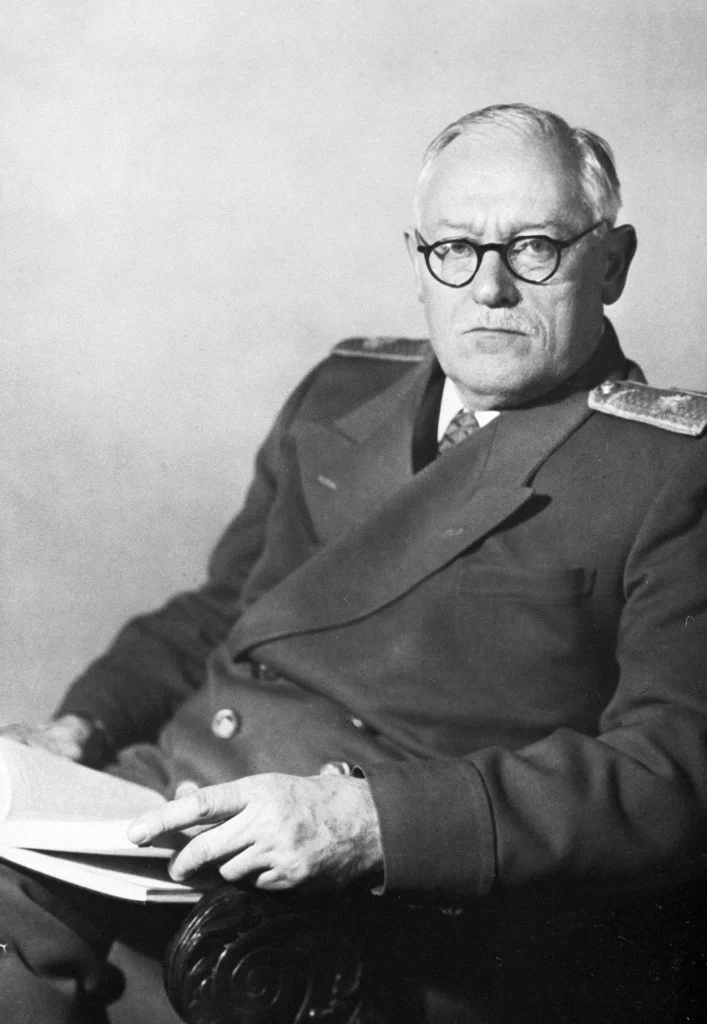
Как отмечали многие исследователи Нюрнбергского процесса, так как представители СССР (обвинители под руководством Романа Руденко и судьи Иона Никитченко и Александр Волчков) по выстроенной Вышинским схеме не могли принимать самостоятельные решения, не посоветовавшись с ним (а сам он постоянно докладывал о происходящем в Москву, откуда получал «ценные указания»), советская сторона часто становилась виновницей затягивания процесса. Да и общественное мнение стало меняться не в лучшую сторону.
«После того, как Черчилль произнес свою речь в Фултоне в марте 1946 года, отношения многих западных журналистов к нам (советским коллегам) стало меняться. Это происходило постепенно, медленно, но к концу процесса многие из тех, кто плакал над кадрами военной хроники из блокадного Ленинграда, стали позволять себе намеки на то, что коммунизм мало чем отличается от нацизма…» — писал в своих мемуарах Полевой.
По воспоминаниям Полторака, Вышинский, прочитав первые части «Повести о настоящем человеке», сразу понял огромный пропагандистский потенциал этой книги. Именно с его помощью «Повесть…» в кратчайшие сроки прошла все цензурные преграды и стала печататься практически сразу по готовности корректуры глав. Более того, Вышинский приказал скопировать текст Полевого (сам Полевой об этом почему-то не упоминает), который тот обязан был предоставить главе делегации перед отправкой в Москву, и передал его судье Волчкову:
«Ему Вышинский и поручил быстро перевести повесть на английский и передать коллегам-судьям из США и Великобритании. Не знаю, насколько художественным был тот перевод, но судьи были явно впечатлены. И ее прочтение повлияло на суровость вынесенного приговора. Хотя в западной прессе уже стали появляться статьи, что вина немецких подсудимых не доказана по всем правилам, и Фрэнсис Биддл (США) уже был не так суров в своих суждениях, а председательствующий лорд Лоуренс (Великобритания) все больше отмалчивался, приговор был почти таким, как его и требовала советская делегация…»
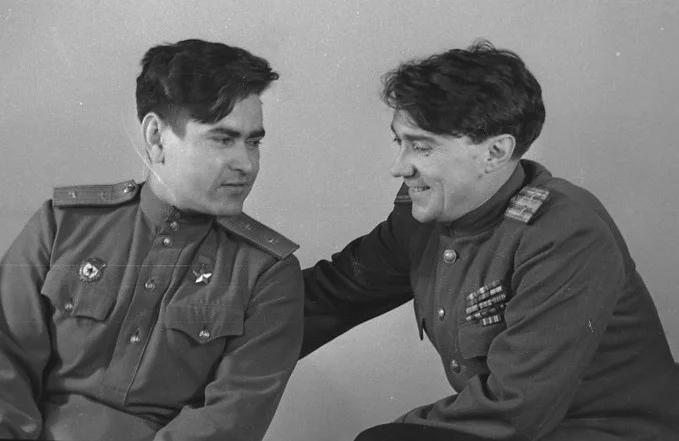
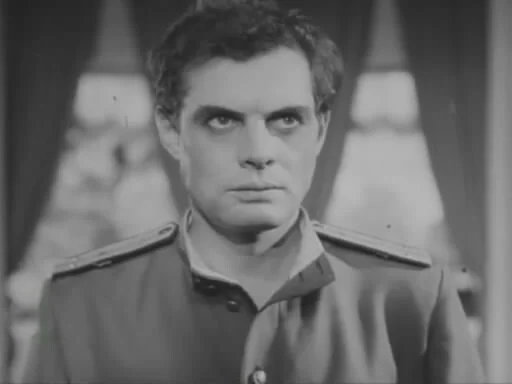
На Алексея Маресьева всенародная слава свалилась неожиданно и, по его мнению, незаслуженно. Книга вышла без его ведома и без его одобрения. Маресьева привлекали к съемкам фильма (он вышел на экраны в 1948 году), но его мнение мало кто слушал. А вот его личностью заинтересовались на самом высоком уровне.
Алексей Маресьев родился в Камышине (Саратовская губерния) в 1916 году. Официальным днем рождения будущего героя считается 20 мая. Однако три года назад РИА Новости выяснило, что родился Маресьев 29 мая, но позже где-то перепутали и записали двадцатым числом. Ну а сам Маресьев не стал исправлять, так и праздновал свое рождение на девять дней раньше. Дальше всё закономерно: закончил шесть классов школы, затем ФЗУ (фабрично-заводское училище), получил специальность токаря. В 1934 году по комсомольской путевке поехал на строительство Комсомольска-на-Амуре. Работал сперва лесорубом, затем мотористом на катере. В 1937 году был призван в армию, служить попал в 12-й авиапогранотряд на Сахалине. Там и получил направление в летную школу. Учился в Батайске, после окончания в 1940 году был оставлен инструктором в школе.
В Батайске Маресьев познакомился с потомственной казачкой Елизаветой Крамаренко. 3 мая 1941 года у них родился сын, которого назвали Валерием (в настоящее время проживает в Ростовской области). Брак не был оформлен, поэтому этот факт советской пропагандой замалчивался. Считалось , что женился Маресьев уже после войны на сотруднице Главного штаба ВВС СССР Галине. В браке родилось еще двое сыновей: Виктор (родился в 1946-м, инженер-автомобилист) и Алексей (1958–2002).
На войне Маресьев находился с августа 1941 года. Еще до присвоения звания Героя был награжден орденом Красного Знамени. Демобилизовался в 1946 году, какое-то время был инструктором в спецшколе ВВС в Москве. После успеха книги и фильма его вызвали в ЦК и предложили продолжить обучение. Маресьев выбрал Высшую партийную школу при ЦК КПСС. Защитил кандидатскую диссертацию по истории.
Вся его дальнейшая жизнь была связана с ветеранским движением, «лицом» которого он фактически и стал.
По словам сына летчика Виктора, отец всего один раз посмотрел фильм и не любил, когда при нем эту картину вспоминали. А единственный раз побывав на опере Сергея Прокофьева, поставленной по книге Полевого, на вопрос, понравилось ли ему, ответил: «Хорошо сымитирован звук мотора».
«Он не любил воспоминаний, не любил повышенного внимания к себе, которое появилось после выхода книжки и фильма, — говорил Виктор Маресьев в интервью газете “Аргументы и факты” в 2013 году. — Говорил: “Воевали все! Сколько на свете таких людей, на которых Полевой не нашелся!” И правда, много было летчиков, которые без ног летали. Есть даже книжка такая — “Сколько у нас Маресьевых”. Мы награждали как-то летчика из Тулы, Ивана Леонова, — он без правой руки летал. Отец знал о таких людях, поэтому возмущался: “Что вы из меня легенду делаете? Сумел я выжить, сумел полететь — и всё!”»
Маресьев не хотел мировой славы, но пойти против решения руководства страны не мог. Он свято верил в коммунистическую идею, ради которой полз 18 дней, утопая в снегу и превозмогая боль в раздробленных ногах. Он упорно стремился к цели — вернуться на фронт. С такой же терпеливостью воспринял и свалившуюся на него славу.
Крушение идеи и СССР не могли оставить Маресьева безучастным.
«Развал Советского Союза его сильно подкосил, — рассказывал Виктор Маресьев. — К нему тогда пришел один знакомый: Лешка, ты видишь, оказывается, какие при Сталине делишки творились? Отец едва через стол не перепрыгнул и закричал: “А дела ты забыл?!” Он себя называл марксистом-ленинцем, но вообще, был сталинистом, конечно».
По словам его сына, Маресьев после развала СССР неохотно откликался на приглашения поучаствовать в различных мероприятиях. Он не понимал и не принимал новую власть.
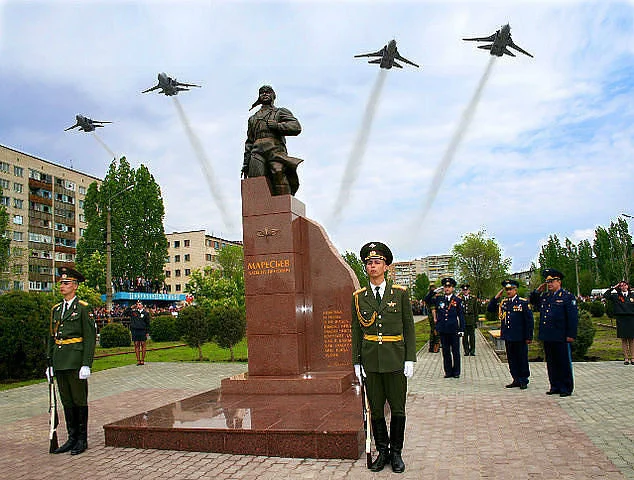
Это не мешало уже российским властям делать из него «икону Отечественной войны» даже после смерти. Во всех городах, где даже короткое время жил летчик, установлены памятники, бюсты и мемориальные таблички. Его именем названы улицы и скверы. В 2004 году в Москве была учреждена международная премия имени Алексея Маресьева «За волю к жизни». А на месте, где его нашли мальчишки из деревни Плав, установлена табличка с пропеллером от самолета.
По словам сына, Маресьев был против шумного празднования своего 85-летия, которое должно было с размахом пройти в Москве. «Наверное, поэтому и умер за два дня до юбилея, — добавляет он. — Выиграв последнюю в своей жизни битву».