
Translated material
Cancer vaccine
Is it only dreams or cancer vaccines can appear in the near future? We talk about the most promising technologies in the treatment of oncology
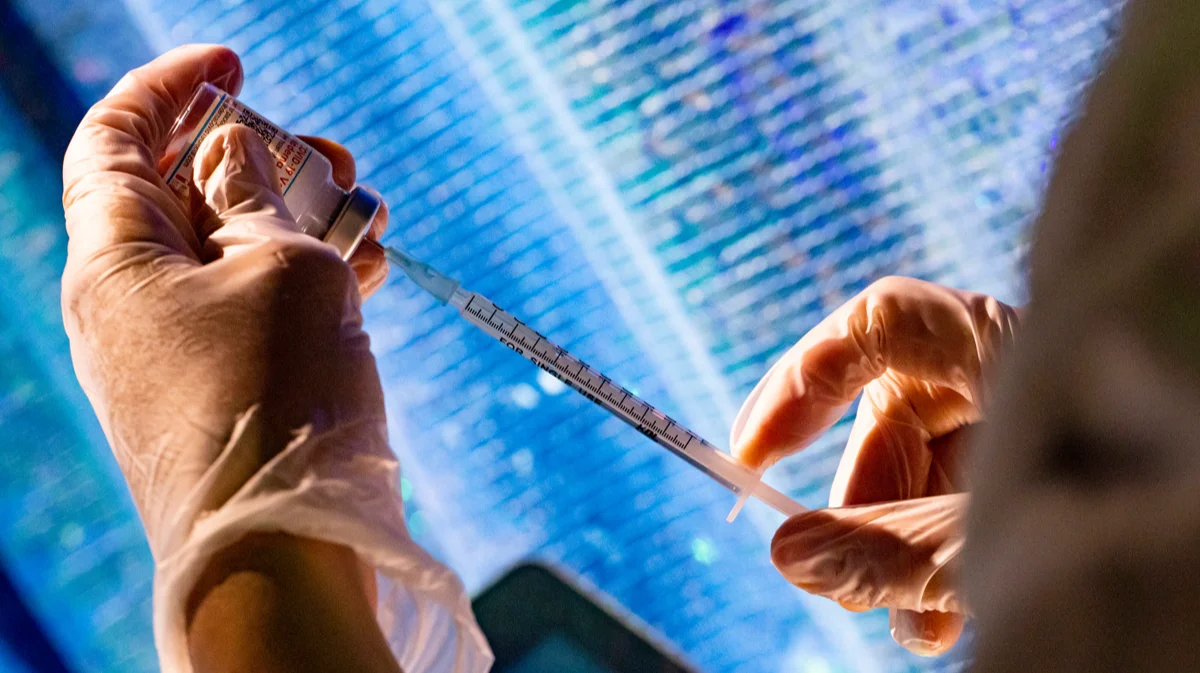
Photo: Emmanuele Contini / Imago Images / Scanpix / Leta
In the University College of London, the final clinical trials of the vaccine from melanoma - the most formidable form of skin cancer. This is not a vaccine in the usual sense of the word, it will not be introduced to healthy patients for prevention. The drug is intended for patients with cancer, but, as in the case of any vaccine, the principle of its work is to ensure the appearance of immunity to a certain antigen.
Moderna and Merck are operating on the vaccine from the RNA of tumor cells of each patient - the study participant. Using genetic engineering methods, the drug is programmed to ensure that the immune system detects cancer cells and destroys them. The already conducted two -year study, during which patients received this vaccine in combination with an antitumor drug, showed encouraging results. The risk of relapse of cancer and death in such cancer capacents almost doubled in comparison with those who received the drug without a vaccine. Recently, researchers have announced the beginning of the third, final phase of clinical trials, which are supposed to include a wider circle of patients - over a thousand people with a diagnosis of melanoma. The creators of the vaccine hope to get the approval of the FDA in 2025.
In search of agents
How exactly does the vaccine work? In the case of vaccine infections, it contains an agent - a weakened pathogen or its particle, which causes a mild disease and against which the immune system produces retaliatory measures, thus preventing the development of this disease. It turned out that you can also create a biological product against cancer, which will stimulate the immune system to fight oncels. The only question is what can become an agent.
In the case of cancer, it is not so easy to find it, if only because the receptor composition of the tumor cell is very variable and does not contain a stable target.
Therefore, it is unclear what the preventive vaccine should be aimed at.
By the way, two prophylactic cancer vaccinations that exist today, in fact, are not protected from cancer as such, but from infections that are associated with the development of cancer. This is a vaccine against HPV (human papilloma virus), which leads to the development of cervical cancer, and a hepatitis B vaccine, which is responsible for cancer liver diseases.
There are no common markers common to all tumors of markers, by the development of cancer and which could become targets for the vaccine. As there is no vaccination from absolutely all infections.
But you can force immunity to work aimed at certain, in our case, cancer cells, when they have already appeared in the body. Such a drug - the therapeutic vaccine - should help the immune system recognize the enemy, stop its advance on the body and ideally completely destroy it. The question is, who will become an agent who can affect the immune system, activate its activities and make sure that everything goes as it should?
All studies both in the past and are now aimed at choosing the most suitable candidate for this role.
Tuberculosis against cancer
It is expected that the first to whom the researchers drew attention to a century ago were bacteria. In 1890, the surgeon-oncologist William Kolya, in the process of treating patients with erysipelas, found that the administration of streptococcus toxins reduces the size of the tumor. So the very first cancer vaccine was created, in which, in addition to streptococcus, the surgeon added anaerobic enterobacteria, which was supposed to enhance the anti -cancer effect. These microorganisms were strangers for the immune system, which immediately began to attack them, and with them tumor cells fell under the blow.
After several decades, other researchers described a similar effect - already with regard to a tuberculous stick. Data on the results of the autopsy of patients with tuberculosis, carried out by Jones Hopkins, showed that they practically did not meet cancer: immune cells that fought with Koch's wand, simultaneously acted on oncoclets.
But the idea to treat cancer with bacteria did not find understanding among doctors of that time. There was a very specific risk of infecting a person who has an oncological disease, also an infection. From the moment the English rural doctor Edward Jenner made the very first vaccination, introducing the child the contents of the omniped bubbles of sick cows to protect him from black smallpox, 150 years have passed. At the beginning of the 20th century, vaccinations from rabies and tuberculosis were already created, but to introduce causative agents of deadly diseases to defeat another equally formidable disease, seemed too bold. And the treatment of cancer took a different path- the development of radio and chemotherapy.
To this idea - to treat oncological diseases with bacterial injections - returned only at the end of the 20th century. And again, the main role was a tuberculosis stick, more precisely, Bacillo Calmetta-Geren, known to everyone as Bacillus Calmette-Huerin, which is introduced to newborn in the first hours of life to protect from tuberculosis.
It turned out that with the introduction of BCG to patients with bladder cancer, the relapse of this disease was significantly reduced and noted only 20%, despite the fact that in other cases, cancer returned in 50% of patients.
Despite the fact that in this method of treatment there were complications in the form of the formation of tuberculosis granulum in the liver, therapy was recognized as effective, in 1990 the FDA was approved and is now used in many countries of the world.
Viruses-wizards
At the end of the 19th century, doctors described the history of “magical healing”. In a woman with leukemia, the number of leukocytes - cells indicating a malignant process - has decreased several times after she transferred a respiratory viral infection with high temperature, sore throat and runny nose, muscle slurp and a sense of fatigue. The translated SARS actually caused remission and gave the patient additional years of her life.
Thus, the theory was born that viruses can penetrate into tumor cells, parasitize them and prevent their growth. There were many confirmations of this. For example, after the infection of the Far Eastern encephalitis in mice, the development of the sarcoma stopped. There were also some encouraging results after hepatitis in patients with Hodgkin lymphoma in patients. 22 participants in the study 14 were infected with hepatitis, but still 8 people had an immune response, and in four participants in the experiment, the tumor decreased in size. There were also incidents. The patient who was diagnosed with melanoma with metastases, the growth of the tumor suddenly stopped and for a long time there was a remission after the dog bit him and he was vaccinated against rabies.
Experiments with different viruses lasted until the middle of the 20th century, but did not bring visible results. Although remission of cancer, although they happened, were short -term, in most cases the patient was infected by the fact that, in theory, it was supposed to cure him. And in the end, the immune system switched to the fight against an “concomitant” infection, leaving the tumor cells without its control.
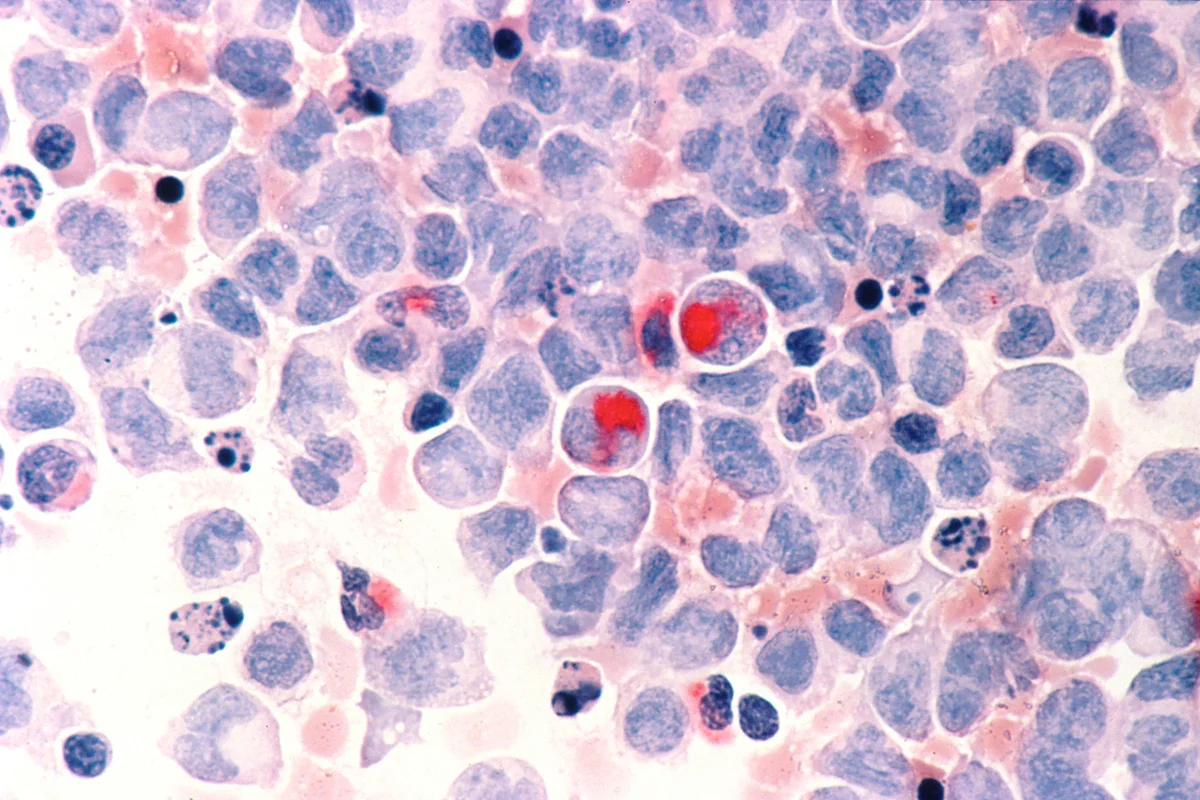
Over time, it became clear that not all viruses, but many have “magical” properties. Among them are adeno and herpesviruses, polyoviruses, parvoviruses and some others. All of them, named by oncolytic, have amazing specifics. On the one hand, they have a toxic effect on the cancer cell, damage it, and in the end it dies. Their other feature is that oncolytic viruses can multiply only in a tumor cell, without affecting healthy ones. Once in the tumor, they form a large number of infectious viral particles, which leads to mass death of tumor cells. And most importantly, there is a release of molecular fragments and specific antigens that activate the adaptive antitumor immune response, which leads to apoptosis (death) of the cancer.
The researchers' task was simple - to teach the virus to destroy certain cancer cells without touching healthy ones. It was only possible to solve it with the development of genetic engineering methods at the end of the 20th century, when the virus was modified in such a way as to eliminate its pathogenicity, that is, the ability to cause a disease. Now the virus is used as a “killer” of tumor cells and as a carrier for therapeutic molecules: it integrates special proteins into the body that block certain receptors on the surface of tumor cells, thus showing the immune system: here it is, the enemy, which must be destroyed.
The first such vaccine was created in 2005 in China based on designed oncolytic adenovirus and is used to treat cancer of the esophagus, neck and head. Ten years later, another vaccine appeared , based on a modified herpes simplex virus of the first type - this virus is known to everyone as a fever, which often appears on the lips.
Similar developments are underway in Russia. So, in January of this year, researchers of the Scientific Medicine Scientific and Technology University of Sirius reported on the development of a new drug based on a modified Virus Vezicular Stomatitis (VSV), which not only destroys tumor cells, but also stimulates them to produce large amounts of IL-12 and GM-CSF proteins. These are signal molecules responsible for the activation of immunity and the maturation of dendritic cells. The first research results showed that the introduction of VSV mice with melanoma was 40% slowed down by tumor growth. Perhaps you need to increase the dose of viral particles or affect both signal molecules immediately. All this scientists have to find out in the near future.
Find and destroy
Nevertheless, viruses and bacteria remained for the immune system “foreign agents” - alien elements that could launch unwanted infectious processes. And we needed their own among strangers, and then the researchers turned to the patient's own cells.
- All tumor cells begin their life as absolutely normal and do not look alien to immunity. Therefore, the immune system does not immediately destroy them, ”explains the oncologist Dmitry ( we do not call the surname of the speaker for security reasons. - Approx. Ed. ). -As a result of the occurrence of mutations, the tumor cell begins to produce specific antigens proteins, which are not in healthy cells. These tumor antigens are the most important goal of cancer immunotherapy. For tumor cells, it is important to hide from your own immune system. And the task of the anti -ray vaccine is to increase its ability to find these antigens and destroy them. Who can do this best? Of course, the one who knows the tumor from the inside.
For example, dendritic cells are a population of special cells of the immune system of bone marrow origin that play a key role in it. It is they who recognize strangers, including tumor cells, and can identify their antigens. They transmit the information received to other cells of the immune system.
The development of such vaccines is actively conducted in the NMC of Oncology named after N. N. Blokhin : dendritic cells are extracted from the patient’s blood, in the laboratory conditions they are loaded with tumor antigens, then through intradermal administration they are returned to the body so that they are stimulated by the development of the T-cell immunological response and form immunological memory.
In total, in the world, according to the Global Dendric Cell Cancer Vaccine Market Dosage Price & Clinical Tritels Outlook 2024
Now more than 60 dentric cell vaccines are being developed, which are located at different stages of clinical studies.
At the beginning of this year, I received from the FDA the status of accelerated consideration of the Norwegian vaccine Ultimovacs for the treatment of a rare but aggressive type of cancer in which tissues lining the lungs and chest are affected. This vaccine uses peptides - specific substances that are obtained directly from tumor antigens and in which the task similar to dendritic cells is to transmit SOS signals to other cells of the immune system and stimulate the production of specific antibodies. Peptide vaccines have a number of advantages: they are simple in synthesizing, chemically stable and do not have high carcinogenicity. True, the ability to cause an immune response in them is also low, so they are used together with the advances assistants-the so-called compounds of substances that allow this answer to strengthen. The Norwegian vaccine is also studied in combination with other therapeutic drugs.
The possibility of creating a vaccine from the patient’s own tumor cells, which contain the entire spectrum of tumor antigens, is actively studied.
The introduction of the matrix
In 2023, the Nobel Prize laureates became the biochemists of Katalin Kariko and Drew Vaisman, who developed the method of synthesis of matrix RNA - the basis for the production of protein, which transmitted all the genetic information available in our cells. Ten years before the pandemia Covid-19, scientists have proved that it is possible to modify the MRNA by endowing it with the necessary characteristics, for example, so that the cells produce certain antibodies to pathogens. Since 2010, several companies have been developing this method, and in December 2020, in the midst of the pandemia of a new coronavirus infection, Pfizer and Moderna presented Covid-19-based vaccines.
The Nobel Committee noted the impressive speed with which such vaccines can be developed, and predicted that in the future this technology can be used, including for the treatment of cancer.
The future has come rapidly. Only if the MRNA in the era of coronavirus was modified to recognize the virus, then the current MRNC-vaccine launches intracellular production of encoded antigen proteins, causing an immune response against cancer cells.
The tumor of each person is specific, has its own antigens, so researchers are trying to follow the path of creating a personalized vaccine. For this, the patient in the process of surgery takes a piece of the tumor, DNA is released from cancer cells and secure. So it turns out a personalized drug for cancer specific to a particular patient.
Studies in this direction are at once by several scientific groups. This is not only Moderna and Merck, who study the vaccine against melanoma. About the beginning of the second phase of clinical studies of the MRNC-vaccine against pancreatic cancer , the University of Zincinnati was encouraged . Biontech also leads similar developments in conjunction with Genentech.
Magic remedy
Does this mean that a breakthrough has occurred in the treatment of cancer and science came close to victory over oncological diseases? We talked about this with a leading specialist in the field of cancer immunotherapy, professor at the Department of Microbiology and Immunology of the Medical School of the University of Miami and the syncruder of the research program for the immunology of tumors Eli Gilboa:
Eli Gilboa
Professor of the Department of Microbiology and Immunology of the Medical School of the University of Miami and a compatriate of a research program for immunology of tumors
- What is meant by the word "breakthrough"? For me, a “breakthrough” means a long -term regression of a tumor and a cure of more than 50% of patients. So far, there are grounds for cautious optimism that the results of the study of MRNC-vaccines will be “good” or “very good”, namely, that a significant part of the patients will have an immediate and long-term clinical response.
- That is, to expect that this vaccine will be widely used until premature?
- A personalized vaccine is always very difficult and very expensive. In addition, the use of such an approach is limited by patients in whom the tumor contains a sufficient amount of antigens to affect them with a vaccine. And there are not many such patients - no more than 20-30%, their number differs depending on the type of cancer. For example, patients with melanoma - 40-50%, and with prostate cancer - only 5-10%. So in the foreseeable future, it is unlikely to be widely used.
- What are the main difficulties in creating a vaccine?
- The key component is antigens that are contained on the surface of tumor cells. The vaccine should force the immune system to perceive them as foreign substances and attack. The problem is that these tumor antigens - the target is not universal. They are heterogeneous and differ not only from the patient to the patient, but even in one cancer patient in tumor cells there can be different antigens.
Иммунную систему надо обучить, чтобы она боролась с тем, с чем нужно. Наша лаборатория как раз пытается решить эту проблему.
— Как именно?
— Мы выявляем неоантиген ( антиген, образовавшийся в результате мутаций в онкоклетках, он специфичен для опухолевых клеток и отсутствует в нормальных. — Прим. ред. ). Неоантигены — это своего рода «черный ящик» для иммунной системы, который нужно обнаружить и без которого вакцина не будет оптимальной. Сейчас мы разрабатываем подход, при котором «украшаем» опухоль пациента неоантигенами и таким образом делаем ее видимой для иммунной системы, а затем уже вводим вакцину. На мышах это сработало хорошо, мы получили мощный иммунный ответ без токсический проявлений. Теперь задача состоит в том, чтобы перенести этот метод на пациентов.
— Какие еще направления в иммунотерапии рака, помимо прививки, кажутся вам наиболее перспективными?
— В первую очередь, это работа с неопухолевыми клетками, которые способствуют росту опухоли, — то, что специалисты называют опухолевой стромой. А также обучение терапевтических агентов попадать в цель, например, в опухолевые поражения или иммунные клетки. Этот метод наименее токсичен и наиболее эффективен.
— И всё же: будет когда-нибудь создано волшебное средство, излечивающее от рака?
— Не думаю, что может быть какое-то единственное средство излечения, будь то вакцинация или блокада контрольных точек. Я могу представить себе «универсальную» противораковую вакцину для всех или большинства пациентов, но в долгосрочной перспективе я не сторонник индивидуального лечения каждого человека с учетом уникальных особенностей его опухоли. Для борьбы с раком необходим комбинированный подход — коктейль «универсальных» препаратов дополняющего действия, который будет охватывать если не всех, то большинство онкологических больных. А вот комбинации этих препаратов уже могут варьироваться в зависимости от биологии, стадии и типа рака.