
Translated material
"This is how wars began." The border between Poland and Belarus is restless again
On June 6, it became known about the death of a Polish soldier wounded by migrants on the border with Belarus. Earlier this week, media reported the arrest of Polish soldiers who fired warning shots at people trying to break through the border fence. The migration crisis, the current phase of which is estimated to be the most acute since 2021, is accompanied by cyber attacks on critical infrastructure in Poland. All this happens on the eve of and during the elections to the European Parliament, taking place in EU countries from June 6 to 9. Why is Poland uneasy again?
" Peak of Hybrid Warfare "
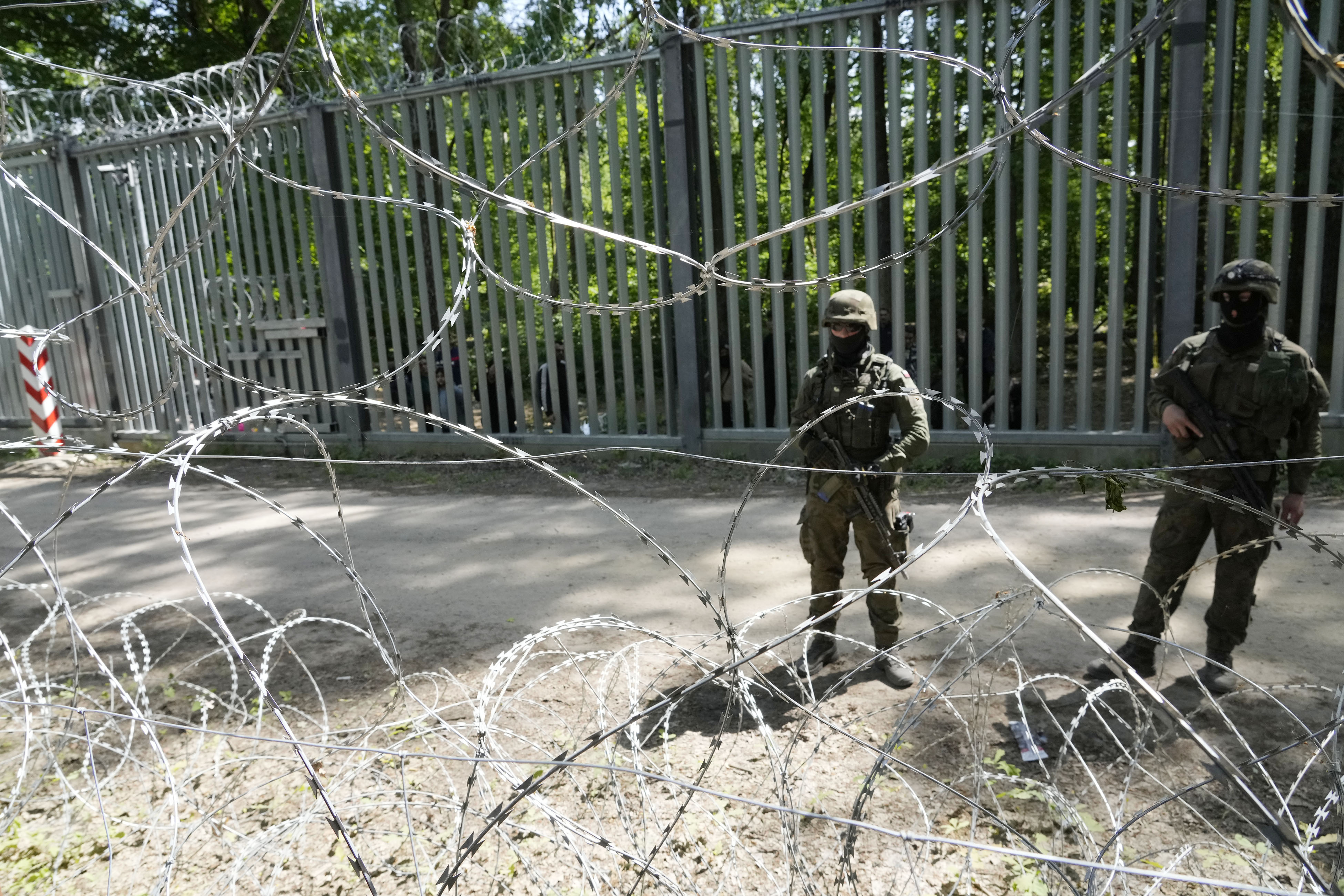
Last Thursday, a Polish soldier died after being stabbed on the border with Belarus. The attack on a soldier of the 1st Armored Brigade occurred on the morning of May 28 near the village of Dubice Cerkiewne in Podlaskie Voivodeship . One of the migrants who tried to break through the border fence wounded a soldier with a knife. The victim was first taken to a hospital in Hajnowka, then transported to the Military Medical Institute in Warsaw. “Despite the assistance that was provided at the scene of the bandit attack on the border with Belarus, and the efforts of doctors, he could not be saved,” said the High Command of the Polish Armed Forces.
“In the morning, a group of migrants tried to illegally cross the Polish-Belarusian border. These people behaved aggressively, throwing branches and stones at soldiers and border guards. They damaged the span of the fence through which they tried to enter the Polish side. They were stopped,” said a statement from the press secretary of the district prosecutor’s office in Warsaw, Piotr Antoni Skiba . According to the report, "a soldier with the rank of private in the 1st Armored Brigade was stabbed in the chest while blocking a hole in the fence made by migrants with a protective shield and his body."
“This is the peak of the hybrid war. This is the most brutal moment of this war, which has been going on for three years. This bandit attack that took place on May 28 will not be forgotten, it will not be silenced,” said Polish Minister of National Defense Wladyslaw Kosiniak-Kamysz .
Shots at the border
The Polish website Onet was the first to report the detention of three soldiers serving on the Polish-Belarusian border by the military gendarmerie. The servicemen opened warning fire on the migrants. Prosecutors accused the two soldiers of exceeding their authority and endangering the lives of others. The third detainee has the status of a witness. The incident occurred at the turn of March and April on a section of the border near the same village of Dubiche-Tserkevne.
Soldiers should have no doubt about whether they will become heroes or criminals after returning from a mission.
Polish publicists and experts warn that in the context of a hybrid war, which the government says Poland is in, charges brought against the military could have an undue chilling effect on their colleagues. “Soldiers should not doubt whether they will become heroes or criminals after returning from a mission,” writes Tomasz Pietryga, deputy editor-in-chief of the publication Rzeczpospolita.
Prime Minister Donald Tusk ordered the Minister of National Defense to prepare amendments to the law regarding the use of weapons by military personnel. “The point is that the law clearly supports the soldier when he uses weapons for self-defense, defense of Polish territory or the border. He must have a sense of legal security,” the head of government emphasized.
At the same time, there are voices that soldiers serving on the border must be adequately trained to eradicate cases of abuse of authority. Deputy Minister of National Defense of Poland Pawel Zalewski said that such actions of Polish soldiers could become a casus belli - a reason for war. “These shots were fired towards illegal migrants, but after they crossed to the other, Belarusian side. Now imagine that a bullet would hit, for example, a Belarusian border guard. After all, Belarus does nothing but provoke us. This is how wars began,” said Zalewski.
Belarus does nothing but provoke us. This is how the wars began
The Deputy Minister of Defense also emphasized that the soldiers were under enormous stress. “They knew that their task was not to let illegal migrants through. This is their mission. But this is not a mission at the front. This is not an armed struggle for which soldiers are trained,” he added. According to Zalewski, “it is too early to definitively assess these events.” He complained that “a campaign continues against all institutions, based on the fact that they are acting badly. The commander, at the request and on the basis of materials received from the border service, submitted a report to the military police that the prosecutor’s office was acting in bad faith, the military gendarmerie was also behaving incorrectly, etc. Instead of clarifying the details, everyone already seems to know how everything happened and are passing sentences.”
" Digital Cold War "
Simultaneously with the aggravation of the situation on the eastern border, Poland is subjected to daily cyber attacks, which, according to Deputy Prime Minister and Minister of Digitalization Krzysztof Gawkowski , are Russia and Belarus.
“We are dealing with attacks, of which there are already more than a thousand per day. There are several hundred incidents that we monitor and classify as serious. This night we managed to prevent several attempts to hack the software of critical infrastructure facilities,” the Deputy Prime Minister said the other day.
One of the most notable cyber attacks in recent days was the hacking of the website of the Polish Press Agency ( PAP ). Fake news about mobilization appeared on the news agency's website. “There was a hack at the Polish Press Agency. The account of one of the employees was hacked, thus the attackers gained access to the main website. This also demonstrates that you can have the best systems, allocate large sums to them... but the weak points are where the people are,” said Minister Gafkowski. In his opinion, Poland is in a state of “digital cold war” with Russia.
According to the Polish side, this is one of the elements of the hybrid war that the Russian Federation and Belarus are waging against EU member countries on the eastern border of the European Union. We are talking primarily about Poland and the Baltic countries. Polish media are calling on politicians for a more consistent policy in the current conditions. "It would be much easier to deal with this crisis if there was a single policy that all political forces followed, instead of throwing increasingly absurd accusations at each other about who is whose agent. It would be much easier to explain what happened at the border if it were not for the excessive, pathological polarization. If the latest incident is not a wake-up call, what will wake up Polish politicians?" – writes Rzeczpospolita .
Life in the buffer zone
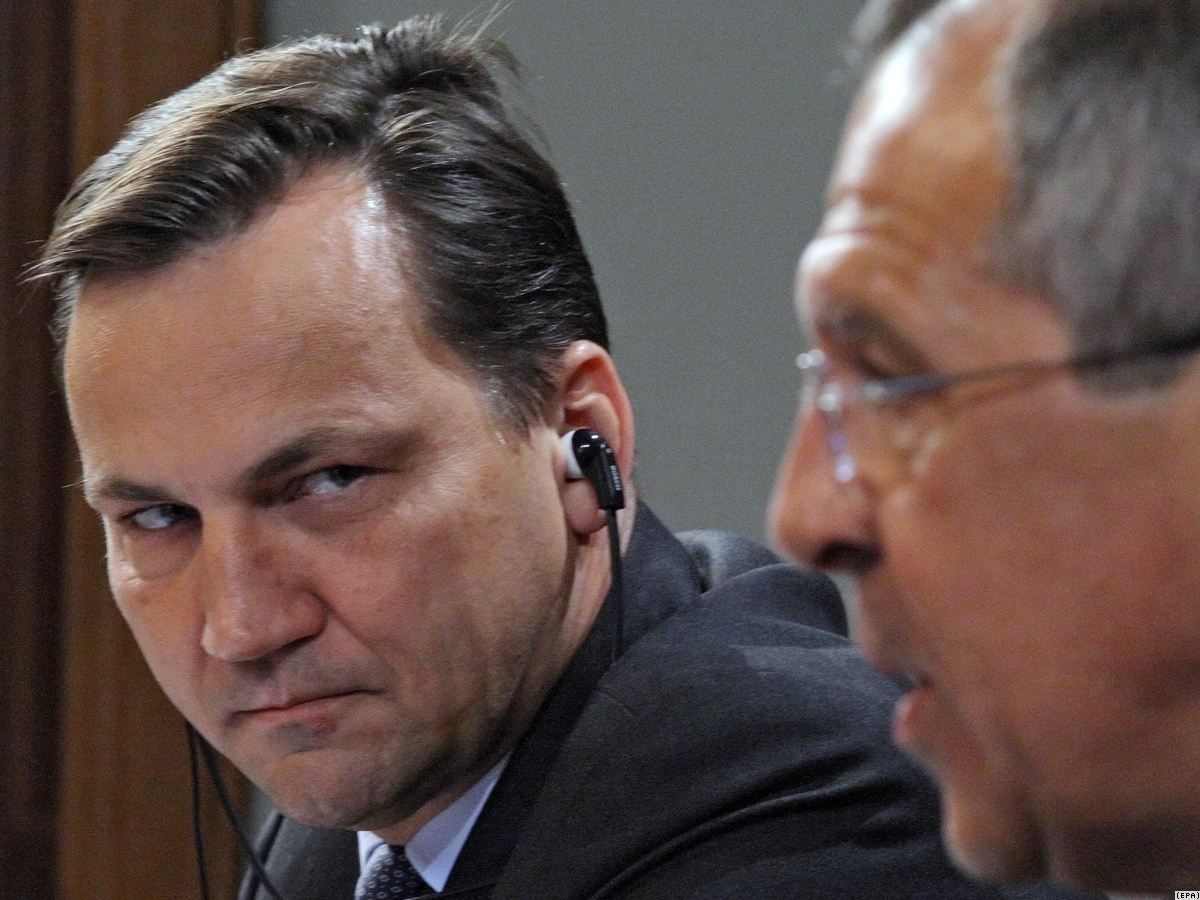
Polish Foreign Minister Radoslaw Sikorski on public television channel TVP Info warned that the latest flare-up on the border could only be the beginning of a more widespread campaign against Poland. “Large organized groups of hooligans, trained to attack a soldier or border guard officer, are heading towards the Polish border,” the head of the diplomatic department said. Sikorski notes that the situation at the border has changed since the new government came to power: “We have not yet dealt with such cases where almost 100% of those who tried to cross the Polish border had Russian visas. These are really people who were brought to Russia and then to Belarus to try to break through the border. This is simply part of a hybrid Russian attack.”
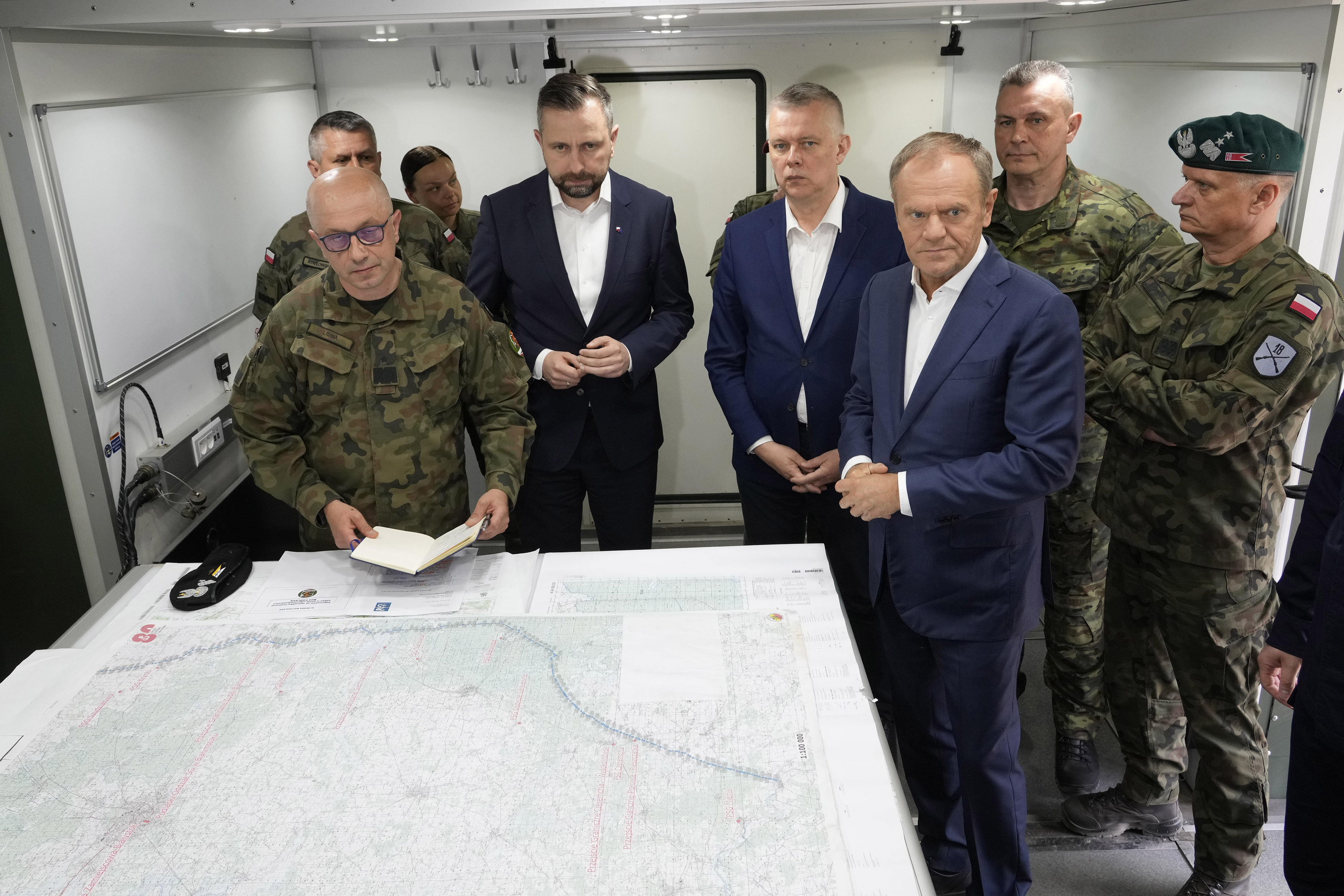
Meanwhile, Prime Minister Tusk is planning to visit military units in eastern Poland. He announced that on Monday, June 10, a government meeting would be held, which would be devoted to the situation on the border with Belarus. The meeting will be preceded by a meeting with President Andrzej Duda within the National Security Council. Tusk also asked the heads of border voivodeships to present a plan of actions that, in their opinion, need to be taken at the border. Last Wednesday, the prime minister announced the restoration of the so-called buffer zone, about 200 meters wide, on the border with Belarus. He justified his decision by the worsening situation in the border Podlaskie Voivodeship.
Polish journalist Paulina Szegien , who lives in the commune (district) Dubiche-Cerkiewne on the border with Belarus, notes in a commentary for Radio Liberty that residents of Podlaskie Voivodeship criticize the government’s decision.
Making such a decision without consulting people before the start of the holiday season in a tourist area is a stab in the back
– Despite the prime minister’s statements that the width of the buffer zone will be 200 meters, a draft resolution with an appendix has appeared on government websites. It said that this buffer zone would be the same as the one that existed under the previous Law and Justice (PiS) government. Then many courts recognized that this resolution was contrary to the constitution. Despite this, the government now wants to introduce a buffer zone, the width of which in most places will be 3–5 km, covering several dozen settlements. This caused strong resistance from local residents. Local authorities made their statements. I talked to many people about this topic. The fact is that people still have memories of the first, as we call it, zone of PiS times. This was at the turn of 2021-2022. These memories are very bad. On the other hand, making such a decision without consulting people before the holiday season begins in a tourist area where many people make a living from tourism is simply a stab in the back.
At the same time, Paulina Szegen notes that residents of border settlements do not feel any more in danger than residents of Warsaw or Lodz, despite the crisis at the border:
– People living in border communes have gotten used to this crisis, no matter how strange it may sound. The fact is that we have been living in these circumstances for more than three years. We see what's happening here. Nothing has changed dramatically. The fact that provocations could occur, someone could attack a Polish soldier - this was one of the scenarios of this crisis from the very beginning. This is a tragic event, but we must not forget that several dozen people have already died at the border.
After criticism from local residents, the government sent the draft resolution for revision, and government officials went to Podlaskie Voivodeship to consult with local entrepreneurs.