
Translated material
A terrible-passionate fairy tale
Summing up the theater season
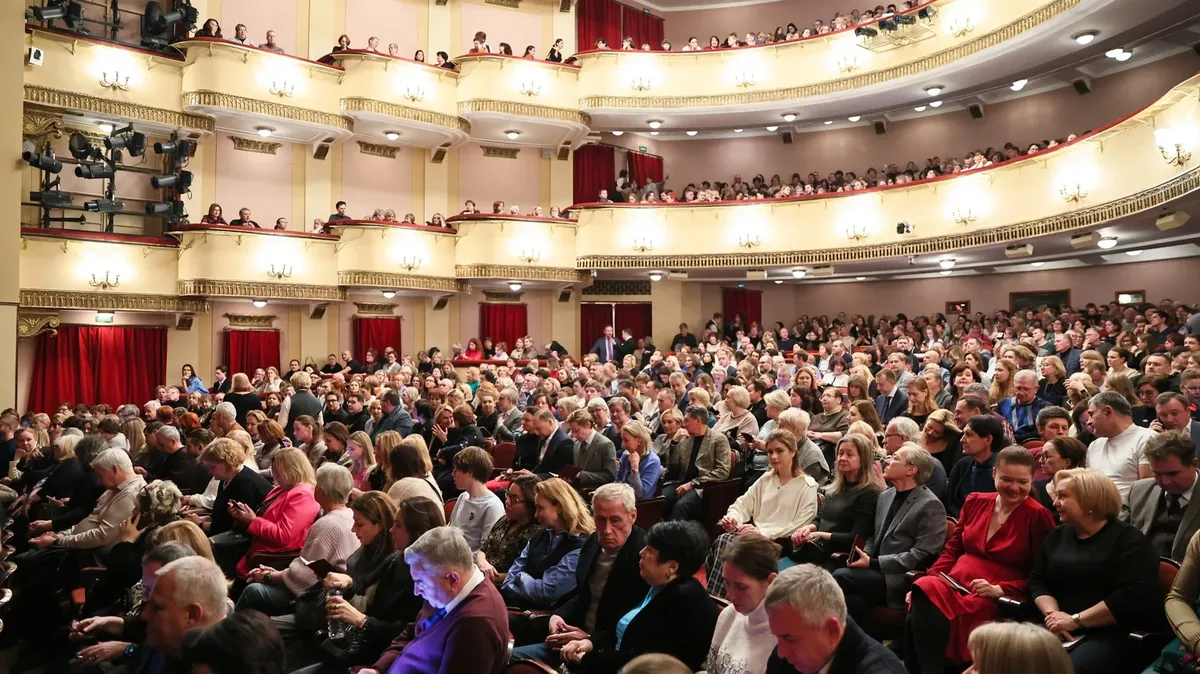
Photo: Sofya Sandurskaya / TASS
The genre of what is happening today around the theater is probably worth defining as a “terrible fairy tale”. A terrible one - because a lot is frightening with absurdity, cruelty, unpredictability, and a fairy tale - because it is almost impossible to believe in all this. But it is. The world lives frantically with synergies of mutually exclusive events, and an increasingly difficult burden lies with the theater.
Spectators feel this sharply. The audience, the theater’s people are lamented, this season is “induced” increased, complains and complains outside of logic and norms:
- Why is it so hot?
- Why is it so cold?
- Why is the play without intermission?
- Why are there such long intervals in the play?
Suddenly, someone in the lobby faints.
And someone is perplexed why they are not allowed into the auditorium with their beloved hamster.
- In other theaters, they were allowed!
And you have to urgently look for a cardboard box in order not to discriminate against the hamster in the administrator.
But most importantly, the degree of extra -adatal tension increased greatly.
First, fear . He covered potential spectators after the tragedy in Crocus. Today, before the performance in a number of broadcast theaters, a warning about possible evacuation sounds. At the entrance to the Small Theater, the audience meets and sniffs a large shepherd. Ticket sales in the capital fell by 25-30%in the spring; No price reduction helped to plug the economic gap. Because of this, somewhere they extended the season, pushing the vacation. And the most reasonable seriously decided to check their security systems. This need is really from the primary.
And secondly, the performance today is more than the performance, it is an occasion for denunciation . Not just spectators come to the hall - observers: right activists, assistants of deputies, telegrams. Don't like the artist's position? The director gave the wrong interview? On social networks Kramol? The shaky and dubious readiness to be offended by the public factor, a reason for persecution.
Events. They still become performances.
No matter how amazingly, at these times the theater resisted, did not collapse, despite gaping losses in personnel: there is no Tuminas; Butusov, Karbauskis, Krymov, Serebrennikov no longer work in Russia.
But for their colleagues, the outgoing season has become the season of the peaks. We will concentrate on them.
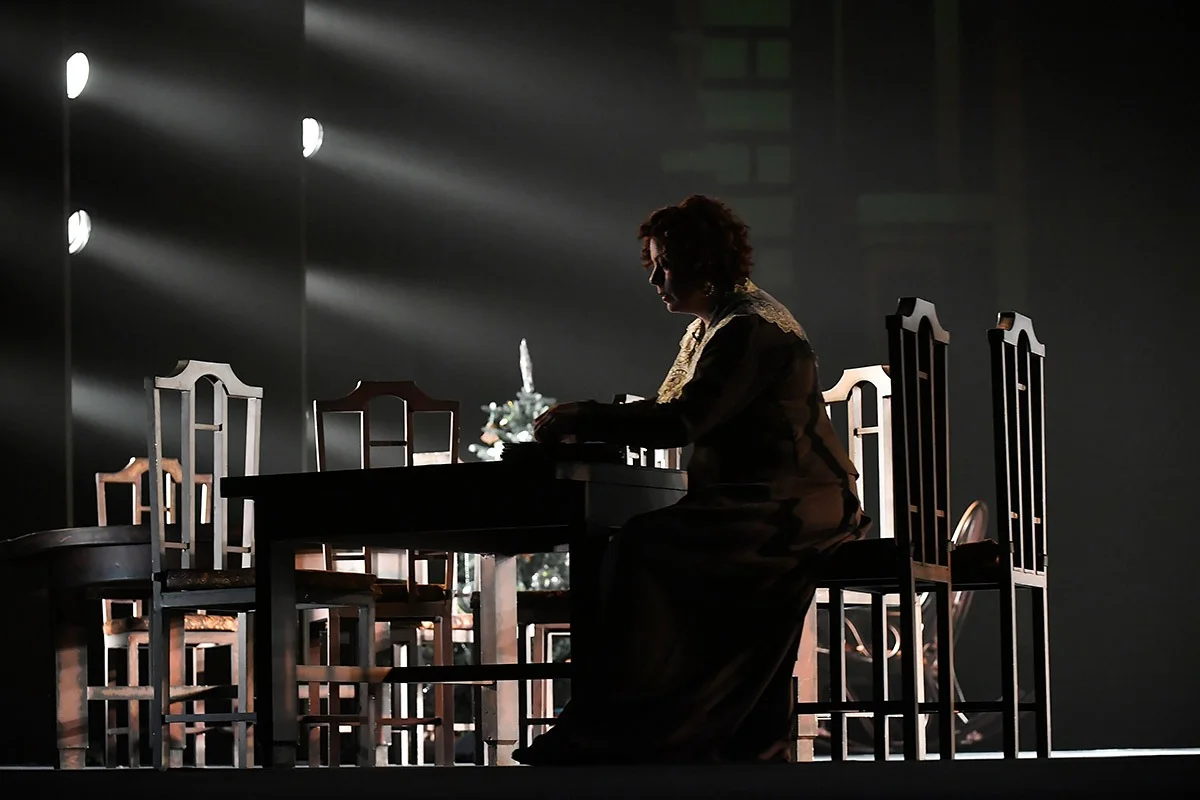
The season was opened by the performance of Alexei Borodin Leopoldstadt : the fate of the Jewish family in the pre -war, military and post -war vein, described by the pen of the modern drama of Tom Stopard, shocked and amazes the hall. Stoppard, the English playwright with Jewish roots, reflects on what the world roots of anti -Semitism are. And after the Hannna Arendt (“The origins of totalitarianism”) is trying to find “some new law on Earth, which should be right for everyone”. The modernity fits into a deceptively simple performance: the animal face of anti -Semitism, revealed right now, the tragedy of entire peoples and individuals, disputes about faithful and false tracks. Overturned into the past, the performance is buzzing with the present to the present - today he was covered and strengthened the tsunami of the conflict between Israel and Palestine: waves of reactions of European intellectuals, hellish heat of social protests.
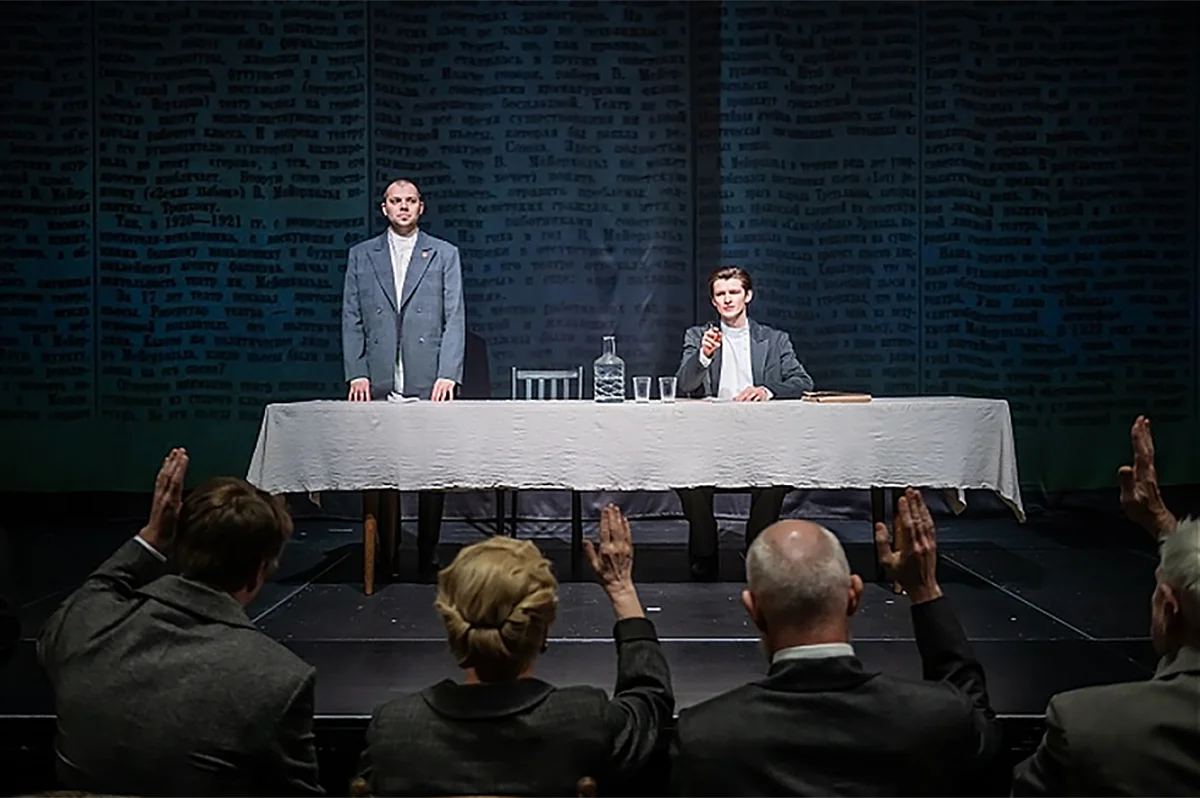
The performance of Valery Fokin, dedicated to the fate and fate of Vsevolod Meyerhold, is called "Alien Theater." It will results in many years of creative dialogue through times. In it, Fokin breaks through to a person who for many years means more for him than an example, a challenge and a method. Who and his own fate built mystically and specifically. Perhaps that is why the performance addressed to the memory of the master is defiantly alive, and a passionate thought beats behind a verified solution.
“Alien Theater” is an attempt to hack the paradigm “artist - state”, an attempt to understand its renewability. The performance is also a Meyerhold lesson, an open demonstration of his most important techniques. In it - on top of action and plot - it is noticeable by a certain superiority: the struggle with the time that changes us all, the fight against personal and historical circumstances that take us from us, the fight against the resistance of the material. And perhaps, the artist today is especially acute to understand: what another artist felt, left alone with the century, who had offered him, today is rejecting, but is executing tomorrow?
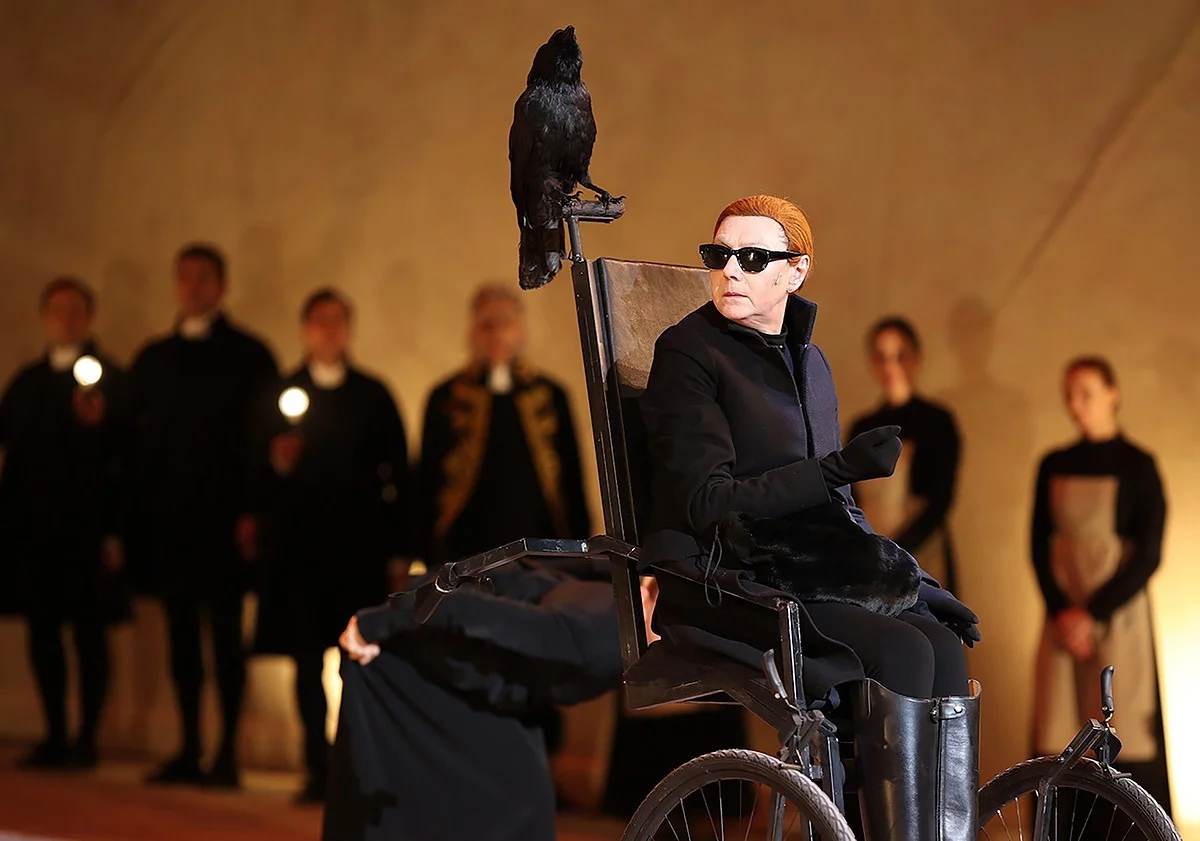
The “slaves” of Gnedich, the play, whose background is serfdom in the era of Paul I, it would seem, is not a work that will determine relations with modernity. Andrey Mighty denied this. “Hypes” for him is an attempt to realize a heavy Russian ailment. An attempt to understand where our damage to lack of freedom, where the roots of cruelty as an instrument of power are, and to lay out a phenomenon that largely explains our reality.
Of the special reflexes of St. Petersburg writers in relation to the empire, from the aesthetics of the dying past, a strange magic of the performance is born and covers the hall. The day before yesterday and are now connected in history inextricably. The fictional character - “The idea of the emperor Paul I” - plays a silent, but significant role. Alexander Shishkin, the best scenographer for those who want to tell a special mystery atmosphere: rushing shadows on the white walls, candles burning in the hands of the servants, the walls of the mansion converging. So the dark matter of time arises gradually, and in the raw Petersburg air the unnecessary question hangs: “Why did I slammer all my life?!”
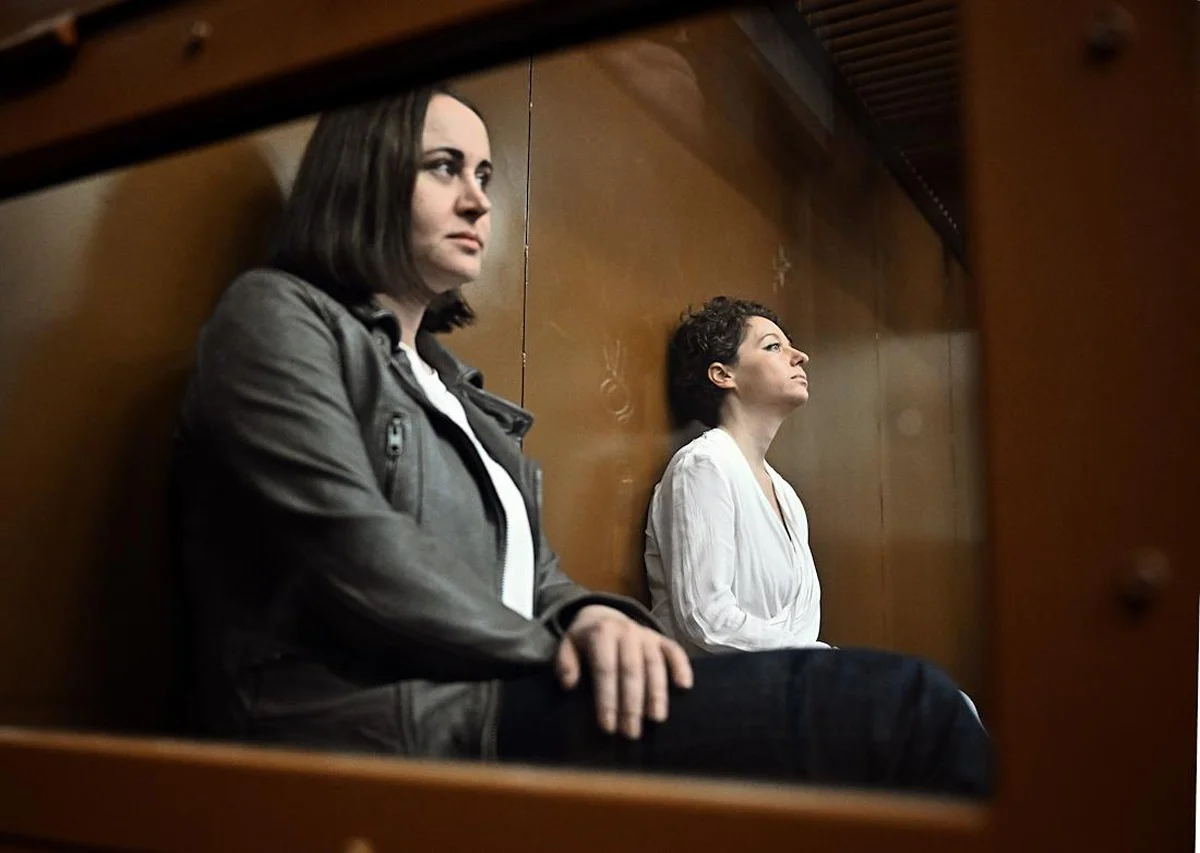
Abscess. As you know, the whole organism feels unhealthy if an abscess goes in the body. So for the theater, the process over Evgenia Berkovich became (entered in the list of terrorists and extremists) and Svetlana Petriychuk (included in the list of terrorists and extremists). The authors of the play “Finist Yasny Falcon”, which carries a loud signal of public anxiety, Alarm preliminary award of terrorist danger, human tragedy, broken fate. It was he who was declared the propaganda of terrorism. And they judge a military court.
The year, which the director and playwright spent in jail, approved the standards of the absurdity of not even Kafkian, but some new scale. When white is called black and put everything and put black paint in many layers.
The neighborhood with this process is also gradually changing the “ordinary” life of the scene: one strengthens, the other depreciates. Convention and relativity have become quite everyday concepts: much, important yesterday, seems relative and conditional today. One hope, albeit weak: that would be a period that for the first time in modern Russia looms for writing the play and the production of the performance, also turned out to be conditional.
Loss. There were many of them, everyone seems irreparable. Valery Semenovsky, a wonderful theater writer. Valery Galendeev, a unique teacher, researcher of stage speech. Artist Dmitry Lipinsky, prime minister of the theater art studio.
The great historian of the Art Theater Inna Solovyova. Do not list everyone ...
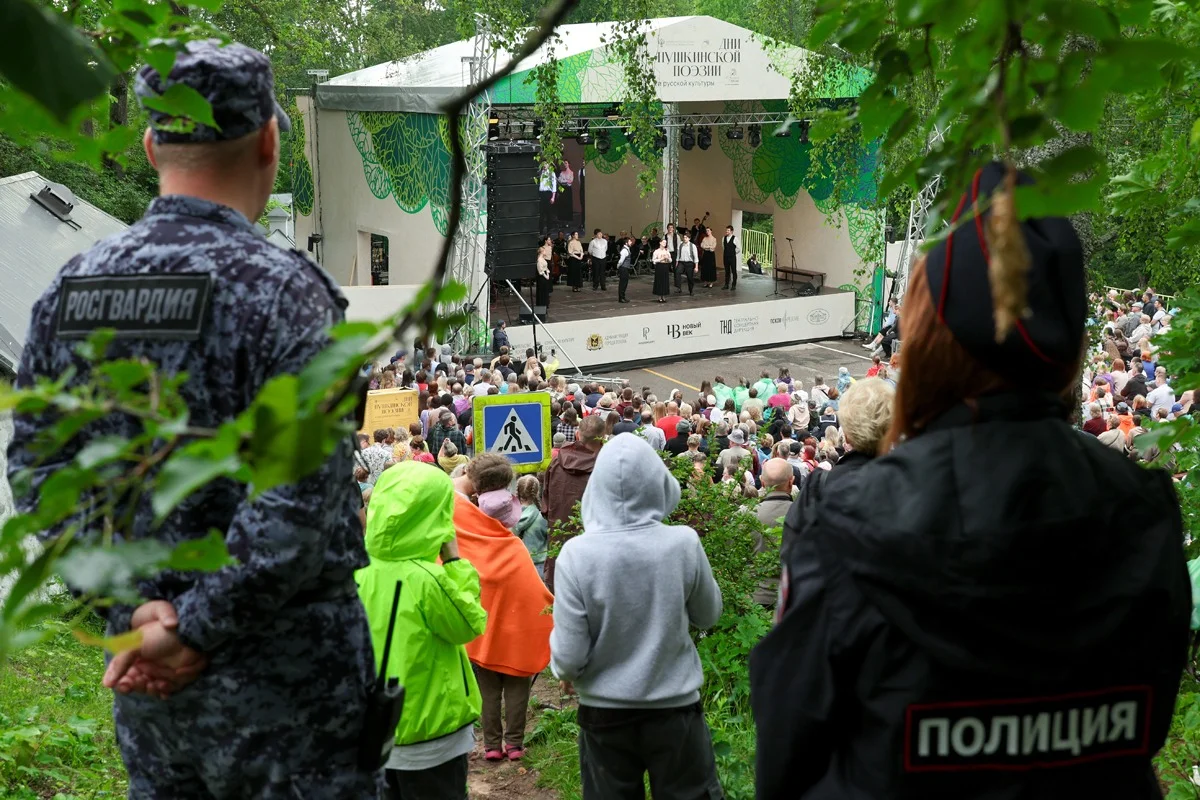
Pushkin. Four capital theater took up the anniversary tasks.
The 225th anniversary of the birth of the first poet gave rise to the Pushkin Spring: performances in the Vakhtangov Theater, in Mtuuz, in the Maly Theater. And even in Lenkom, which Alexei Franetti had just left, making a farewell bow - the musical performance “Kabarea Pushkin”.
However, Pushkin - it would seem so brilliantly theatrical - is always a difficult test for the stage.
Anatoly Shuliev, Kama Ginkas, Vladimir Dubrovsky - different schools, different handwriting.
"Tails of Pushkin" in Vakhtangovsky is a charming young performance with intelligibly learned tuminas lessons. It would be even better if Schulev had already learned to reduce himself at the start of the career of the chief director. Firstly, Pushkin appreciated brevity. Secondly, the longs kill the energy of the stage text. Thirdly, it’s time to learn the concentration of the statement, not horizontal, but vertical directorial thinking.
Ginkas is a brilliant master, and his performance in Mtuuz “Notes of the late Belkin” was made masterfully confidently, with Ommazhi of our time. Here, Marya Gavrilovna flies through the scene on a gyro scooter, there are quotes from Wikipedia, and in wooden boxes with the inscription “fragile” in the final are the white plaster heads of the first poet. Ginkas mounts the ironic cheerfulness of prose with the tragedy of the fate of the genius, the "story of Belkin" - with the great lyrics, and huge frozen branches hang over the stage. But it seems that the directing is harmful to excessive evidence. And possibly, the spirit of the time that believes over the director is stronger than Pushkin ...
And the performance of Alexei Dubrovsky in the Maly Theater against expectations is the qualities of a genuine old theater school. Two artists are soloed in it: Vasily Bochkarev in the role of a baron in the “The Winge Knight” and Mikhail Filippov in the role of Salieri in Mozart and Salieri. And it turns out a performance about the properties of villainy: greed and envy as two grandiose passions that destroy a person.
Both have the finest semantic glazing. Bochkarev plays the relationship of the baron with money as almost sexual dependence, creates personal black cosmos. And Filippov, in front of the audience, passes a complex score of states: delight, suffocation of envy, a cramp of decision, the death of the soul. Both are voluminous and powerfully playing bad people, who are interesting to follow. There are no such strong parties in the "Stone Gost" and generally a lot of plastic numbers in Venetian masks. But in this performance, the archaic is unexpectedly turned into style.
Does Pushkin look modern? Undoubtedly. But also impregnable.
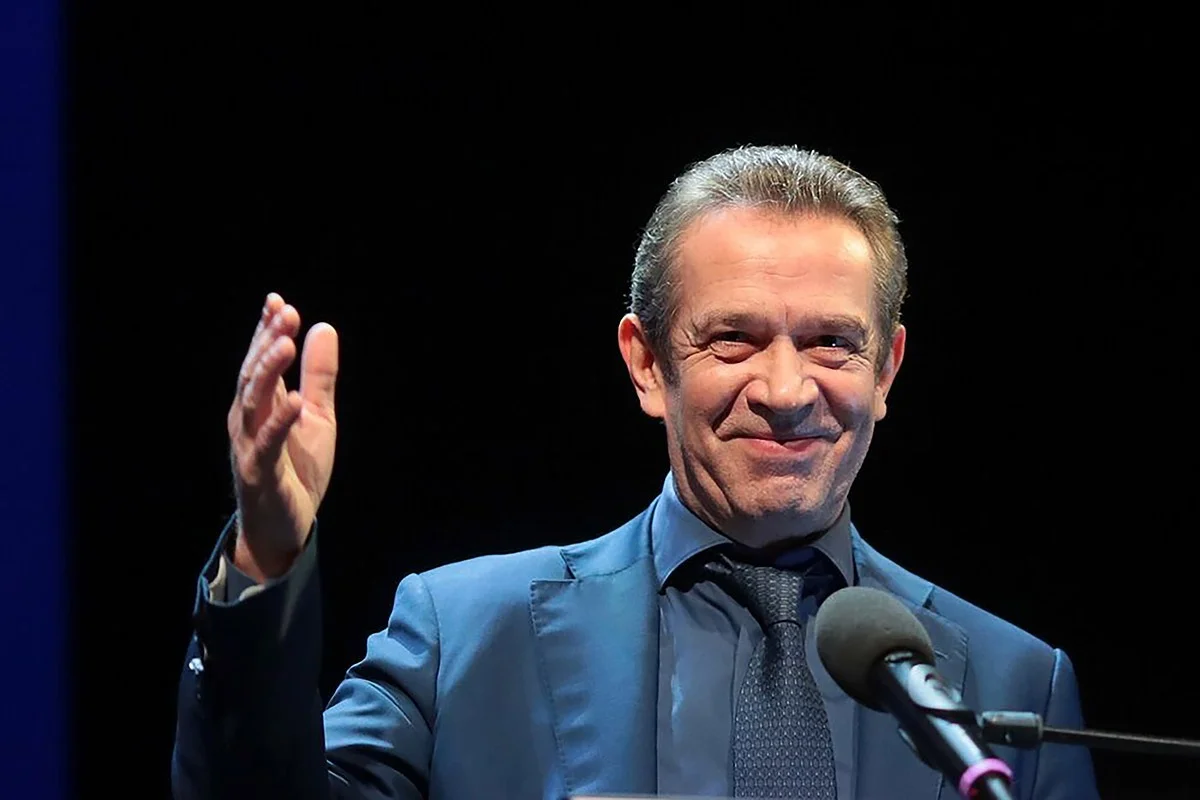
Appointments. Very funny news at the end of the season is optimization that looks like diagnosed nonsense. The three were collected, united by the only correct civil position, and gave them two theater in one hand.
For what?
There is no answer. Vladimir Mashkov now has the theater Oleg Tabakov and “Contemporary”. Konstantin Bogomolov has a small Bronnaya and the Viktyuk Theater. Evgeny Gerasimov has a former Luna Theater and another Satire Theater.
“Contemporary” with two scenes unexpectedly received the most stormy and busy Russian theater figure. Vladimir Mashkov is already leading two scenes of “Snufflery”, the theater lyceum, the huge economy of the Union of Theater Workers, and also in “Contemporary” is going to “... to develop the Russian Psychological Theater, the center of which has always been and will be an artist.” But with all its frantic energy, how to effectively sit on three chairs? Moreover, between the audience of “Contemporary” and the well -fed, rich in the public “Snufflery”, an obvious distance. And one more thing: a “contemporary” in his biography was tired, aged, confused, but never serving.
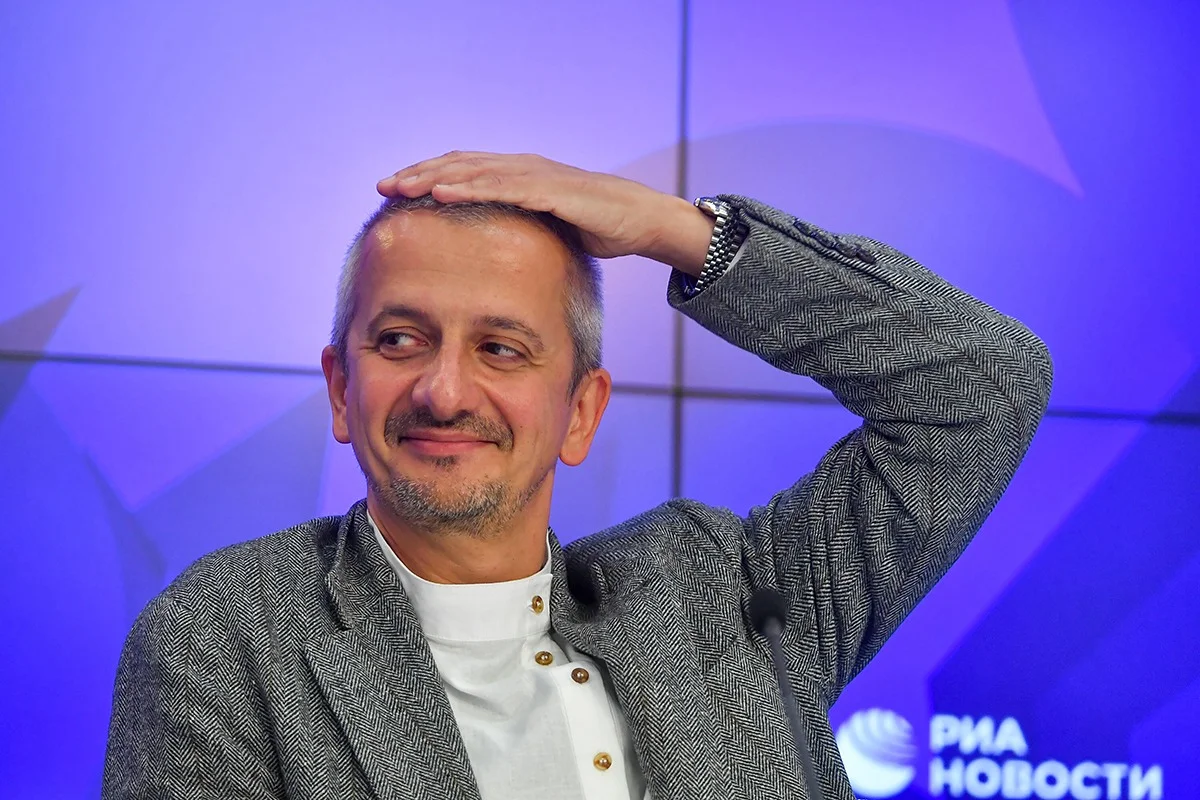
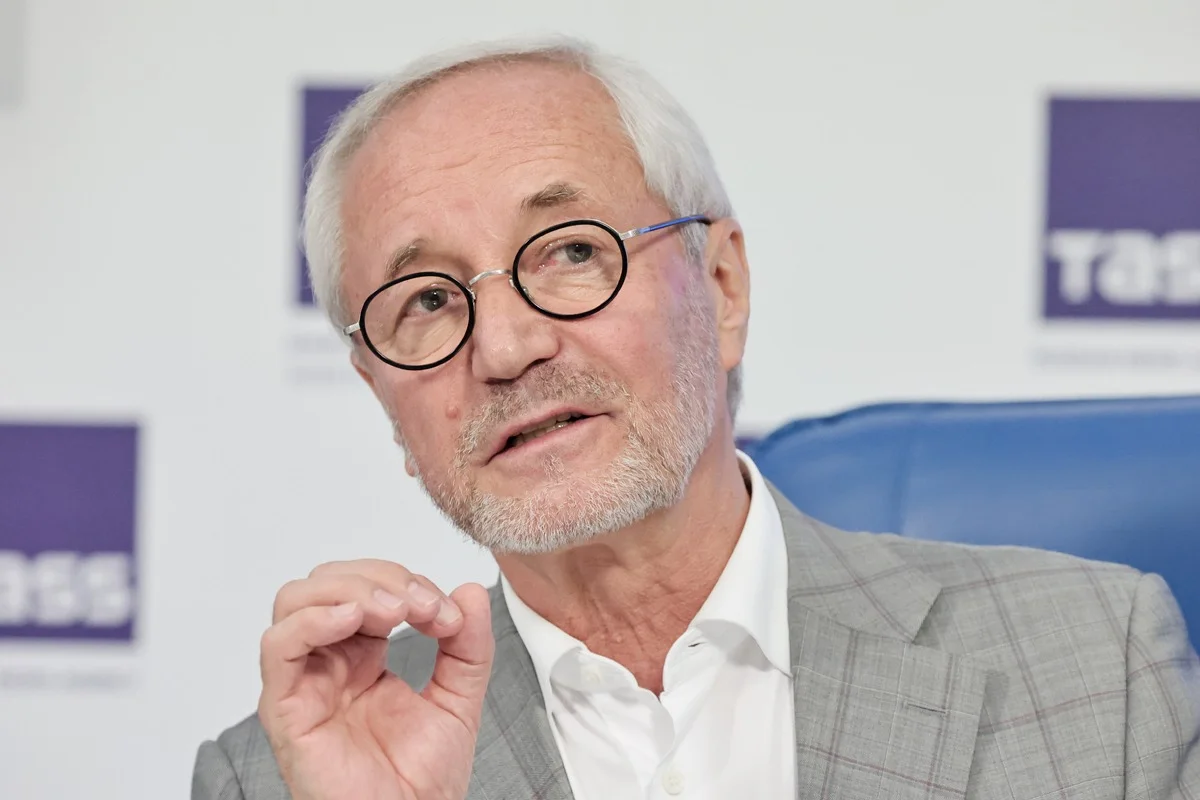
Konstantin Bogomolov, as many people remember, in the historical yesterday we adore a nearby Critics as a left innovator. And in the present it was established in diametrically different quality: a recognized carrier of right meanings, useful authorities. This is an outstanding talent, sometimes it seems that it has left the pages of Dostoevsky’s novel “Demons”, so voluminous it embodies the era of crawle and substitution.
As for Gerasimov, there is nothing to say. Artist, United Russia, deputy of the Moscow City Duma. Apparently enough.
The economy of these decisions, as we see, reveals a shortage of trusted personnel. And besides, the meaning of theatrical work is so abolishing that you think: maybe they are trolls? Who has such a black sense of humor at the top to remember: the idea brought to the point of absurdity turns to its opposite?
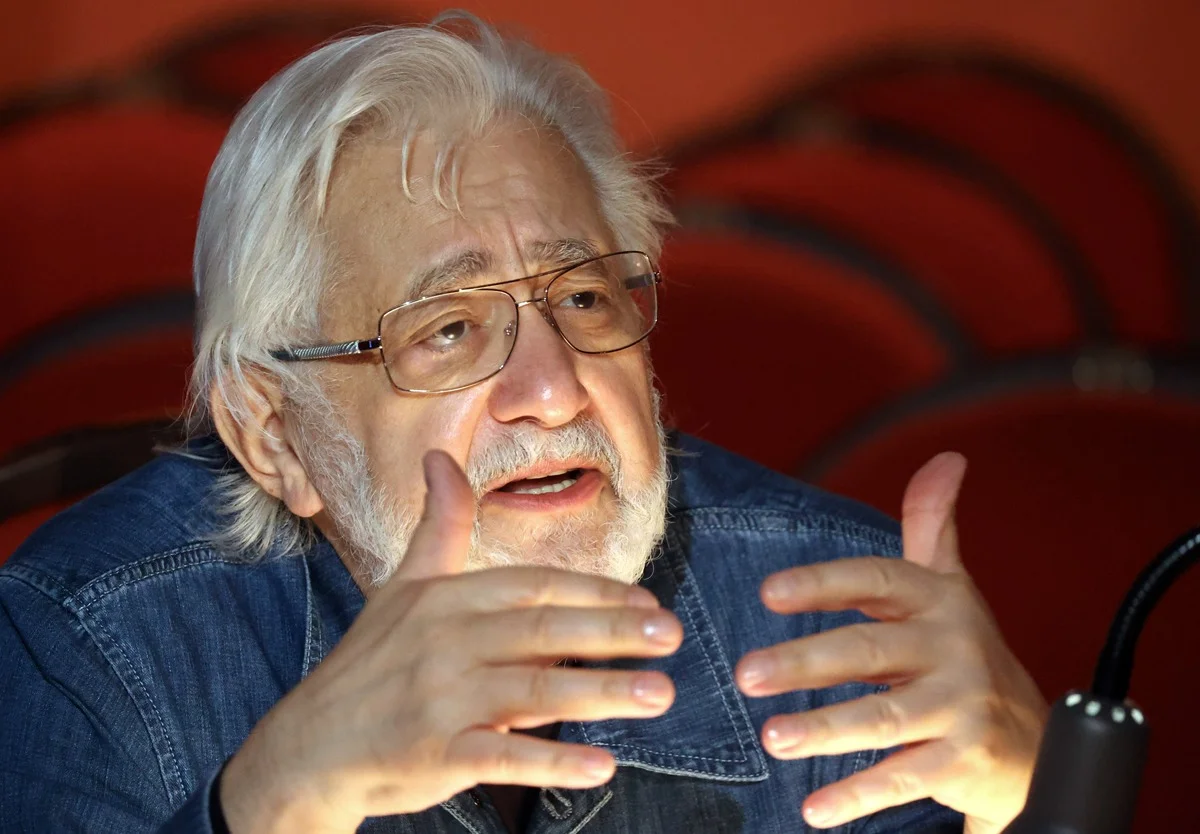
Dodin celebrated his 80th anniversary. Today it is he and his theater - the St. Petersburg Small Drama Theater / Theater of Europe - the visible peak of the artistic work that Stanislavsky and Nemirovich began 125 years ago. The main thing in it is not the narrow events of the scene, but a wide impact on the movements of the spirit, soul and representations of the country.
In the stage business, as in any, the top and the bottom are possible, and Dodin is there, upstairs. There, presumably, lonely, and it is not easy to breathe in mountain air, but when the theater contrary to everything in time carries its mission, you have to pay the highest price.
A year ago, an attempt was made to destroy MDT. The plot with the mop, sweeping the Art Theater, would be inconceivable in the historical yesterday, and last spring it already looked an abnormal norm. The farce act of Rospotrebnadzor was concentrated on harvesting buckets, and the court cost a fine: the repertoire was partially brought down - the horror showed the prospects.
The fine was paid, the sediment remained. And he will notice at the bottom of the two prime miners - “Lira” and “Chamber number 6”.
The essence is not in specific threats to the theater - in the aggravated feeling of the tragedy of existence. No wonder, plunging into one of Chekhov’s most terrible stories, the director indicates the time of action - “always”. The scenographer-charter is Alexander Borovsky.
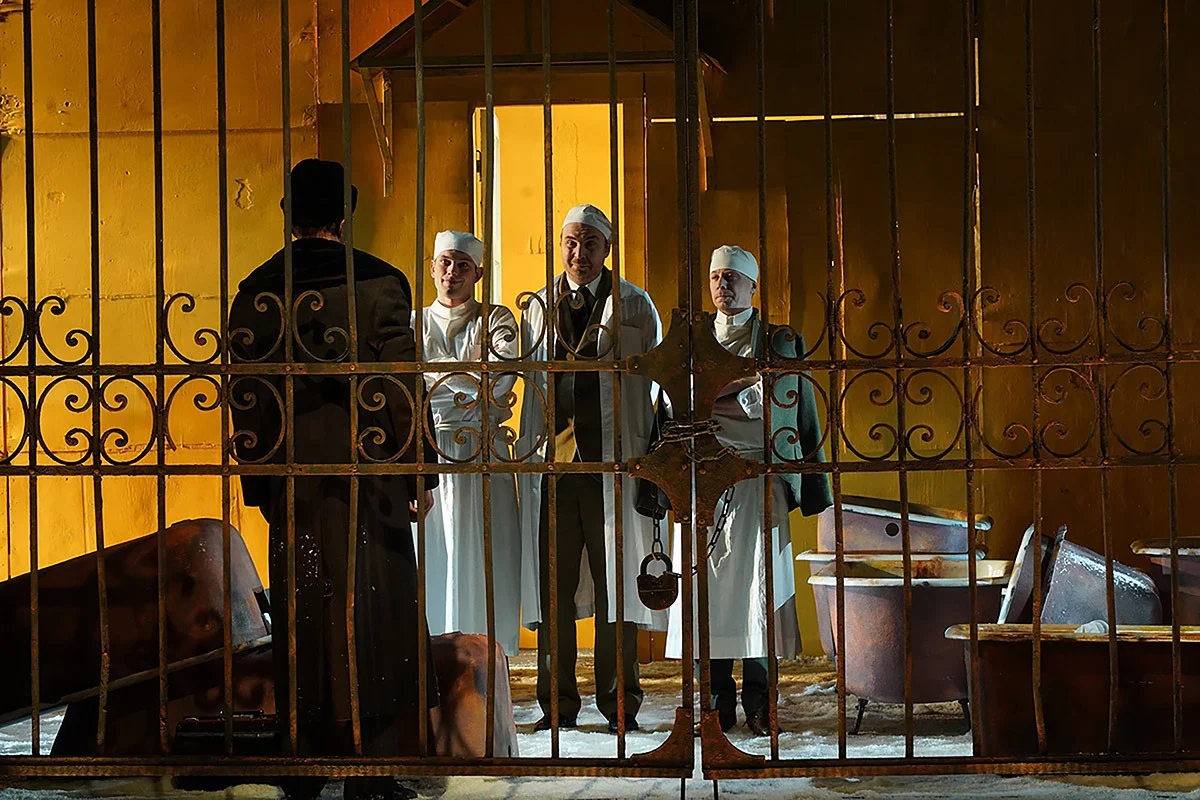
The yellow walls of the yellow house, the overturned rusty baths in the snow, dirt and rudeness, the ultimate vulnerability of life. And the grill between the inhabitants of the chamber and the audience - everything is behind bars.
Igor Chernevich (a patient, the former bailiff Gromov) and Sergey Kuryshev (Dr. Ragin) - so audible despair play very quietly. Their conversation is about the invisible axles of life: what is the reason, where is my fault, is it possible to change all this and what to do now. They say to themselves, about Russia, about the present and the impossible future. In their conversation is that final concentration, that invigestity of life that arises in its main moments.
In the middle of the conversation, it seems that there is nothing to breathe, as if oxygen was pumped out of the hall. The entire rhythmic course of the performance: a bucket, washing, a series of inhabitants of the chamber - as if already in other being. The painfully reliable Daryushka (Tatyana Rydzova) and the watchman Nikita (Pavel Gryaznov). And the bare legs of a beaten dying doctor sticking out of the bath, like death itself.
... Dodin has repeatedly pronounced time. Each of his masterpieces - from “brothers” to “demons”, from “lira” to “Karamazovs” - was going to be such a sentence. And every time behind a hopeless stage text, the light squeamish. Art, even stating a lack of hope, gives it. And for the first time in life, this is not so.
“Chamber number 6” is the most hopeless performance of Leo Dodin.