
Translated material
Coalition re-elects Cyril Ramaphosa as South African President
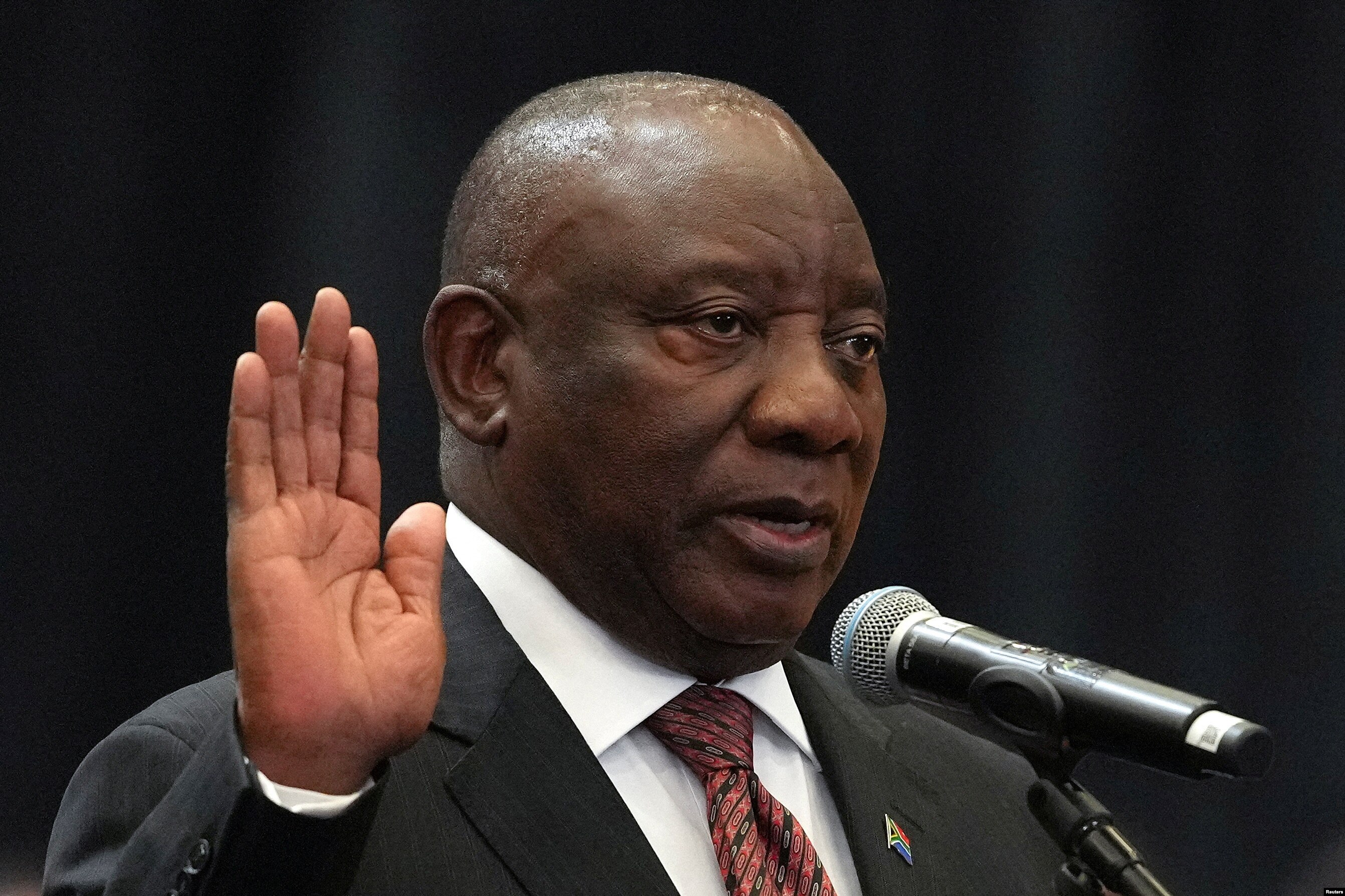
The South African parliament re-elected Cyril Ramaphosa as the country's president after forming a coalition between the leading party and the opposition.
On Friday, June 14, parliament met in a new composition - for the first time since the elections, in which the African National Congress (ANC) received 40%, and the opposition Democratic Alliance - 22%. The ANC, which has ruled South Africa since the end of apartheid in 1994, did not receive an absolute majority for the first time - and was forced to look for coalition partners.
An agreement was reached with the Democratic Alliance and two other small opposition parties. Economic analysts considered the coalition of the ANC and the Alliance to be the most preferable from the point of view of the country's investment attractiveness. However, the agreement was unprecedented as the two parties had been rivals for decades.
The Democratic Alliance advocates strengthening South Africa's ties with the West. The parties that took third and fourth place in the elections demanded the resignation of President Ramaphosa, as well as South Africa's refusal to participate in the International Criminal Court in The Hague.
South Africa's involvement in the International Criminal Court prevented Russian President Vladimir Putin from attending the BRICS summit last year. Russian diplomacy and propaganda attach great importance to this organization, which includes Brazil, Russia, India, China and South Africa.
The ANC, led by Nelson Mandela, led the campaign against the racist apartheid system in 1994. The ANC won the first democratic elections held in the country.
Critics of the Democratic Alliance accuse it of seeking to protect the economic privileges of South Africa's white minority. The party leadership categorically denies these accusations.
Democratic Alliance leader John Steenhuisen said the cooperation agreement reached by the two main political parties "opens a new chapter in the history of the Republic of South Africa."