
Translated material
The last campaign
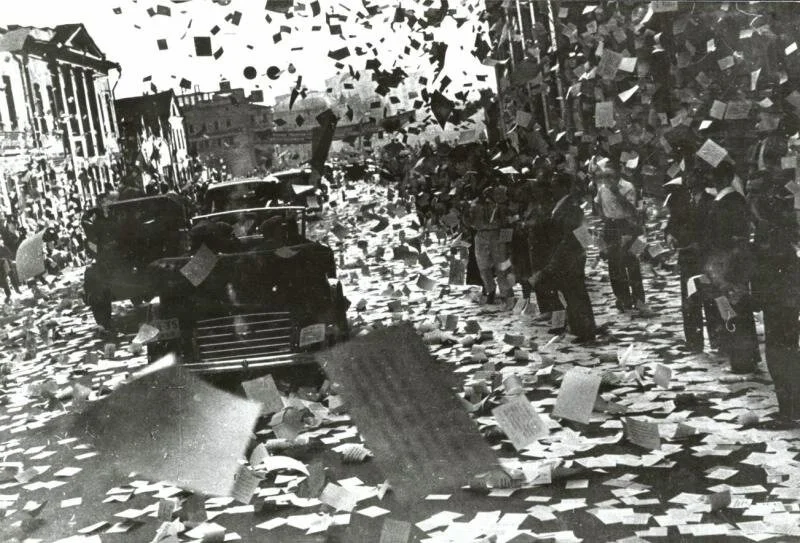
90 years ago, on June 19, 1934, Moscow solemnly met the rescued Chelyuskins. The whole capital took to the streets
Why did we highlight this particular date? The ship "Chelyuskin" went on its first and last campaign on August 2, 1933. He was wiped with the ice of the Chukchi Sea and lay down on September 23. He was crushed and drowned on February 14, 1934. The last expedition participants were taken out by pilots from the ice camp on March 13. On foot from the polar station in Vankarem (along the winter tundra), then they reached the steamer to Vladivostok by May 16 ... But the last point was set in Moscow, at a solemn meeting. Then, only then, against the backdrop of popular glory, repression broke out - as usual, illogical and inexplicable ...
But it was in Moscow that the Chelyuskin expedition ended.
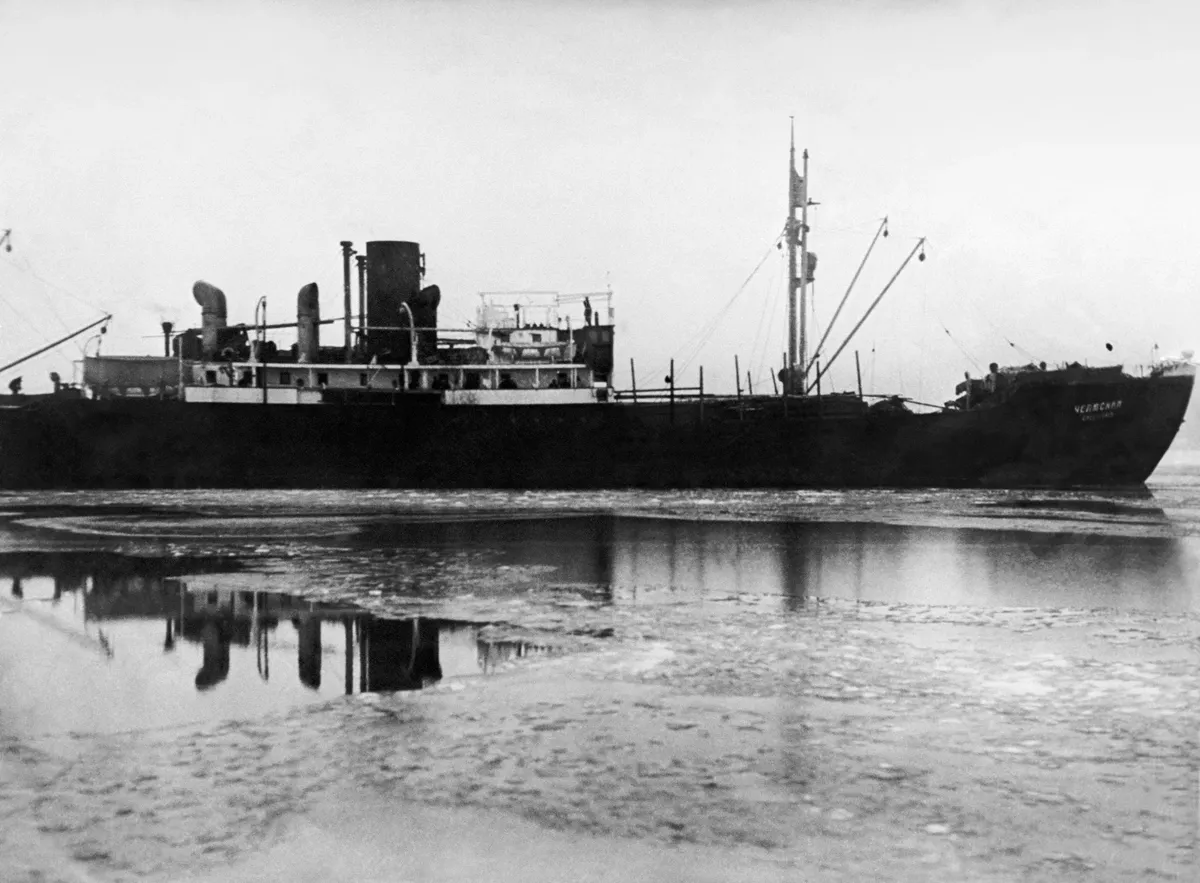
First of all, what was Chelyuskin himself? In the first edition of the BSE (by the way, its editor-in-chief was an academician, the head of this “heroic expedition” Otto Yulievich Schmidt) Tom was released in January 1934, it states that the ship was built in Denmark “Specially for servicing the Chukchi-Anadyr coast”, that is, for areas with a complex ice situation. In the 2nd edition of 1957-that it was a "Steamboat of the non-Lederal type", and in the 3rd, 1978, Chelyuskin became just a "steamer". As simply the “steamer” is reported about “Chelyuskin” in the brief geographical encyclopedia of 1964, and in the Soviet encyclopedic dictionary of 1983.
The Danes built this ship to us, I must say, with a mass of deficiency (66 serious), to correct them “along the way” to Chukotka again to go to Copenhagen. Did you manage to fix everything from the noticed? Many doubt.
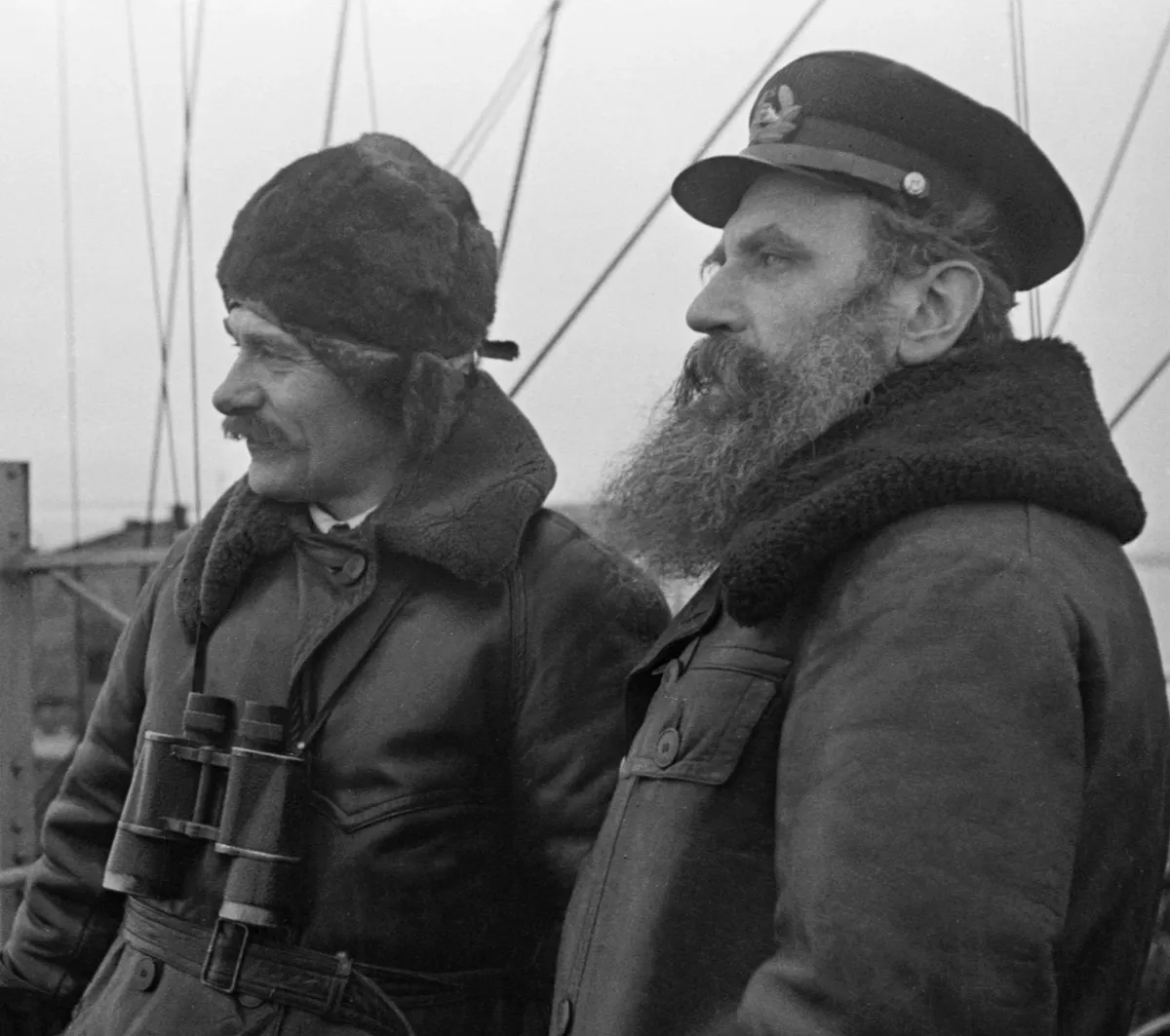
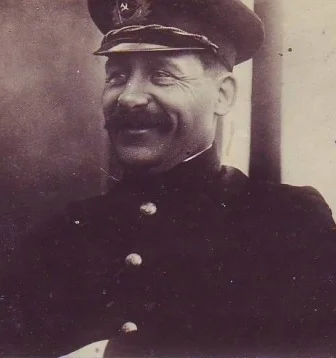
Other questions appeared. The captain’s problem was already solved in the process of swimming. “Before the Norwegian saber, the ship was led by Captain Peteris Besis, who, on behalf of the People's Commissariat of the People's Commissariat, took“ Chelyuskin ”in Copenhagen and was supposed to finish trial trials along the way. Captain Vladimir Voronin came out with the whole expedition from Leningrad, and the command of Chelyuskin accepted in the Norwegian skerries. “With regard to Chelyuskin, he did not have illusions from the very beginning,” writes Vyacheslav Koryakin in his surprisingly honest (albeit understandable defaults) book “Chelyuskina epic” (2007).
But another researcher, Sergey Larkov, says directly:
“Voronin’s opinion is known“ Chelyuskin’s opinion on the unsuitability of the vessel for this swimming, so categorical that he even refused to accept the command of him and became the captain of Chelyuskin only as a result of a simple, but also ethically dubious intrigue of the expedition of Schmidt, who had already gone with Voronin, the Northern Sea Route on Sibiryakov in 1932 and, of course, wanted to see on the bridge of the Mostika itself experienced at that time the polar captain. Voronin agreed to hold the ship only to Murmansk, believing the promise of Schmidt to find him a replacement, which Schmidt did not even try to do. ”
The headquarters of the head of the expedition included his deputies - Ilya Baevsky and Ivan Kopusov, he chose “Old Bolshevik A.N. Bobrova, with whom he was connected by joint work in the heroic times of 1918-1919 in the People's Commissariat of Food. ”
The fate of Commissioner Bobrov is covered with darkness. It is known that three years before the campaign, his seemingly successful career was interrupted by arrest, but also unexpectedly Bobrov was released. Appointed to Chelyuskin literally at the last minute. It is not known how he coped on board with his political duties. But already on the ice floe, after the evacuation of the patient Schmidt, he himself (for two days) led the expedition and left the camp last - together with Captain Voronin and radio operator Krenkel.
In the festive two -volume “Chelyuskin campaign”, immediately edited by the editor -in -chief of Pravda, L. Mehlis, Bobrov is represented discouragingly sparingly, I would say formally. And this is the commissar of the campaign!
From the days of popular glee, almost a clear -up of the year has passed. And on January 3, 1938, members of the Politburo of the Central Committee of the All-Union Communist Party of Bolsheviks, Molotov, Kaganovich and Voroshilov showed the submitted NKVD “List of persons subject to the court of the Supreme Court of the SSR of the SSR in Moscow, the Moscow Region and the Railway named after Dzerzhinsky. " In this huge, for several hundred surnames, the document in the section “1st category of condemnation” (execution) is also included by Sergey Nikolaevich Bobrov. At the time of the arrest, on September 25, 1937, he served as deputy head of the sea and river transport of the Glavsevmorputi and lived in the famous house on the embankment.
On January 11, 1938, the Military College draws up the prescribed verdict, which was carried out on the same day.
Rehabilitated.
But so far on the 1933 calendar. The personnel in Murmansk was in a hurry. Moreover, along with the expedition on board, there was a change of winters on the island of Wrangel, led by their boss (not a polar explorer, but an assistant head of the department of the personnel of the Leningrad regional committee P. Buiko, who went on a dangerous journey with a young wife and a young daughter. By the way, another woman gave birth to a daughter Karina - by the name of the sea, I don’t know how this happened. comment).
The fate of another Chelyuskinz - a stovenik from the team of builders Dmitry Ilyich Berezin, writes S. Larkov, is completely amazing and even fantastic, S. Larkov writes. On board the steamer, which performed particular importance the task, he rose, being convicted of 10 years of imprisonment. The accusation - “was in a counter -revolutionary group, which systematically waged decisive work on the collective farm, campaigned against the events ... tore off the spring sowing ... organizedly plundered the collective farm rye ...”. Surely an illiterate 38-year-old veinist peasant from a deaf corner of the Novgorod (then Leningrad) region did not understand half of these formidable words.
At the end of November 1932, Berezin was taken to Leningrad, where he escaped from custody right at the station and was put on the wanted list. After 20 days, the “Troika” of the Plenipotentiary of the OGPU in the Leningrad Military District pronounces it for 10 years in prison, and the escape does not appear in the decision.
The peasants did not have passports at that time, but Dmitry Ilyich probably managed to straighten some certificate with the help of fellow villagers and relatives and, together with the 20-year-old brother Mikhail, also a stove-maker, to admit, as they said then, to the north. So he ended up at Chelyuskin.
Berezin really behaved in swimming and drift well done. Bobrov Expedition Commissioner notes:
“The stove Dmitry Ilyich Berezin was especially stood out in his studies and work. He began to study with Azov, but soon overtook his comrades. Berezin became interested in literary activities and often addressed our writers and journalists for instructions on how to describe events. On the ice, his diary accidentally came to Baevsky, and he placed in our wall newspaper a number of essays of Dmitry Ilyich, written very lively, colorful and interesting. ”
The name of the enemy’s search for the party’s line appeared in newspapers and radio programs along with the names of other Chelyuskins no later than December 1933, and, apparently, the OGPU operatives did not immediately associate this name with the name of the fugitive prisoner, and having tied it, obviously, hoping that they would resolve themselves.
It did not resolve, and on June 9, 1934, when the train with Chelyuskins was already triumphantly rode around the country, the Novgorod Operator of the OGPU sends a notice to Moscow that D.I. Berezin was put on the wanted list 17 months ago. The task of the Chekists was not easy: to solve whether to arrest a fugitive, as the law requires, or not? If you arrest, then where? Not on Red Square during the celebration?
In the end, they decided to wisely: not pay attention. There is no decision to cancel the decision of the Troika in the Berezin case. And the only document in the archive of the Novgorod FSB immediately for the “notification” of 1934 - the “conclusion” of the prosecutor's office of the Novgorod region on the rehabilitation of Berezin. An excerpt from his diary in 1934 was published in the 1st volume of the “campaign of Chelyuskin”. In general, Dmitry Ilyich settled in Leningrad by no justified by anyone in Leningrad and honestly worked at the factory. He died in a blockade.
... The first test was waiting for Chelyuskin in the Kara Sea, although here the ship went, as planned, behind the icebreaker Krasin. But the canal, cutting out by the icebreaker, turned out to be too narrow and winding for Chelyuskin, and the side broke through the ice; Fortunately, it was possible to put a temporary patch. As a result, it was decided to overload part of the coal to the icebreaker to reduce the siege of Chelyuskin, the ship rose, and the strokes of the ice began to take on a thicker belt in the waterline area. Naturally, in the official history of the campaign this was not so considered: the overload of coal to Krasin passed, of course, as a pre -planned event.
But on this, the icebreaking wiring for Chelyuskin was over - Krasin was required to save three steamers of the Lensky expedition of the Chekist Dalstroy.
Despite the Stalinist promises, not everyone subordinated in the Arctic of Schmidt. For example, the Chekists did not obey him, who formed their “expeditions” and carried out independently. “Krasin” went to salvation, throwing “Chelyuskin”.
Looking ahead: in the same way, fulfilling the Chekist mission, he could not help the dying steamer - already in the Chukchi Sea - an iceberry “Litka”.
“Due to the onset of cold weather and continuous storms from September 16 to 23, three freight steamers were forced to urgently leave a inhospitable bay, unloading only from 2500 to 1,200 tons of 200 zek and their protection that remained for wintering. - writes Honorary Polarr Vyacheslav Koryakin. - In the reports of the press and the memoirs of the participants it is mentioned that several barges were carried away in the sea, but whether people remained on them - not a word, as well as about their salvation. Now it remains only to guess what happened in reality, because there is no reason to believe on the word of foundations.
Having turned out to be an involuntary witness and a participant in such a practice of mastering the Arctic, [the head of this expedition] Evgenov ( Nikolai Ivanovich Evgenov - a well -known Russian, Soviet hydrograph and oceanologist, researcher of the Arctic, marine officer, a member of the First World War, a doctor of geographical sciences, a professor, a prisoner of the Gulag. A number of geographical points on the map of the country continued to wear the name Eugenov, even when he was in The conclusion ) from powerlessness to change the situation in the nervous exhaustion and was later taken to Yakutsk on dog sledges, accompanied by the doctor and the Izvestia correspondent, M. Zinger, who left about this journey an extensive (but, of course, without unnecessary details) the essay “Tagam” and the book “112 days on deer and dogs”. A.P. The barrel, whose fraction fell a difficult decision to take ships to the east, which was made too late. As a result, in the area of the Chayunskaya lip, the courts stood for a wintering, after which they again had to return to the barn to deliver unloaded goods. Because of this, the steamers "North" and "Anadyr" remained in the second winter. "
... And Chelyuskin continued to go east. Already one.
Five months in ice captivity
On September 23, Chelyuskin was completely blocked by ice. The unprecedented drift of the ship, lasting 5 months, began.
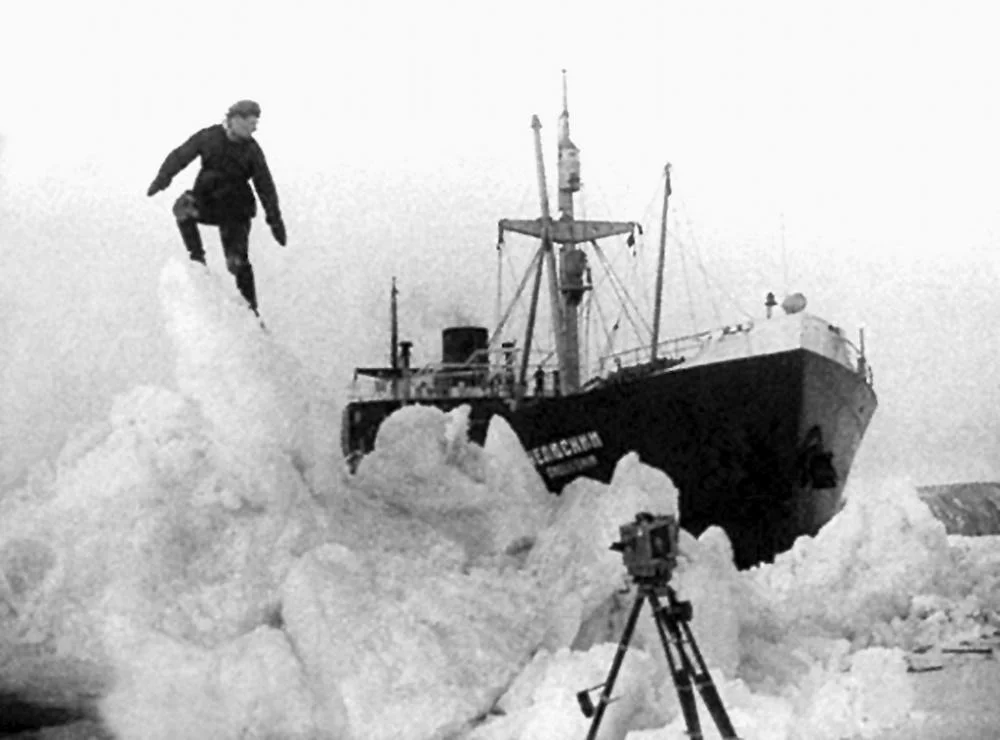
At first, the drift carried the “Chelyuskin” in the Bering Strait and the hope was preserved that the ice would take it to clean water. But suddenly the ice course changed, and he went north. “The speeds of the drift that we observed on the Chelyuskin flight reached 80 meters per minute. What colossal manpower the huge masses of ice have at such speeds! ” -In a book about the campaign, his participant, an physicist engineer Ibraim Fakidov.
Voronin's diary complements:
“They tried to bring“ Chelyuskin ”, but the ice was strong, even three tons of ammonal did not help ... On the same day, November 4, they received a radiogram from the command of the northeastern polar expedition on the icebreaker“ Litka ”, which offered us help. “Litka” was not far away, at twelve - eighteen hours, on the Providence raid ( already in the Pacific. - P. G. ). Knowing the fortress of the ice surrounding us, the then state of the “Lithuania” (he hourly took up to two hundred tons of water inside the body, with the pumping of which his water -excessive agents barely coped) and its limited ability to force heavy ice, I abandoned his help. And by the evening of that day, the drift began to change direction, increased speed and drove Chelyuskin to the north ... I went skiing to examine the ice field. He reached the edge and saw there cracks of twenty to thirty centimeters. The cracks ended only four hundred meters from the ship. One could hope that the wind and the sea would bring their destructive work, this time so necessary for us, and they would help Chelyuskin free themselves. Hopes did not materialize. "
The very critical situation was made by the fact that more than half of the passengers subordinate to the “Litka” steamboats were sick with scurvy, and there were no food and warm clothing reserves on the ships. “Litka” by order of the head of the Kolyma Special Expedition of Sergievsky (“Leaving the Dalstroy passengers for winter cannot be allowed for well -known reasons”) made incredible efforts to break through to these three ships, but was forced to retreat, he miraculously jumped out of the ice fall of Kolyuchin. The results were the loss of the screw blade, serious damage to the steering wheel and leak in the housing. The head of the expedition at Litka A.P. Barrel and captain Ledozorez N.M. Nikolaev were forced to answer the request of the “Chelyuskin” for help.
After 20 days, when Chelyuskina took to the Chukchi sea and hopes for an independent exit from the drift collapsed, Litke in the Arctic winter that had already begun on November 12 desperately left the bay to the Chukchi Sea and tried to break through to Chelyuskin from Cape Hop on the Alaskan coast. The ships shared 50 km of rather heavy, but for a serviceable ice cutter, probably, probably overcoming ice. However, the Lithuania entering them updates old damage and receives new ones, every minute risk of getting into the ice captivity. And on his board-a two-week supply of food, and at some point the barrels even offers Nikolaev to throw the ship to the shore of Alaska-even if people will be saved.
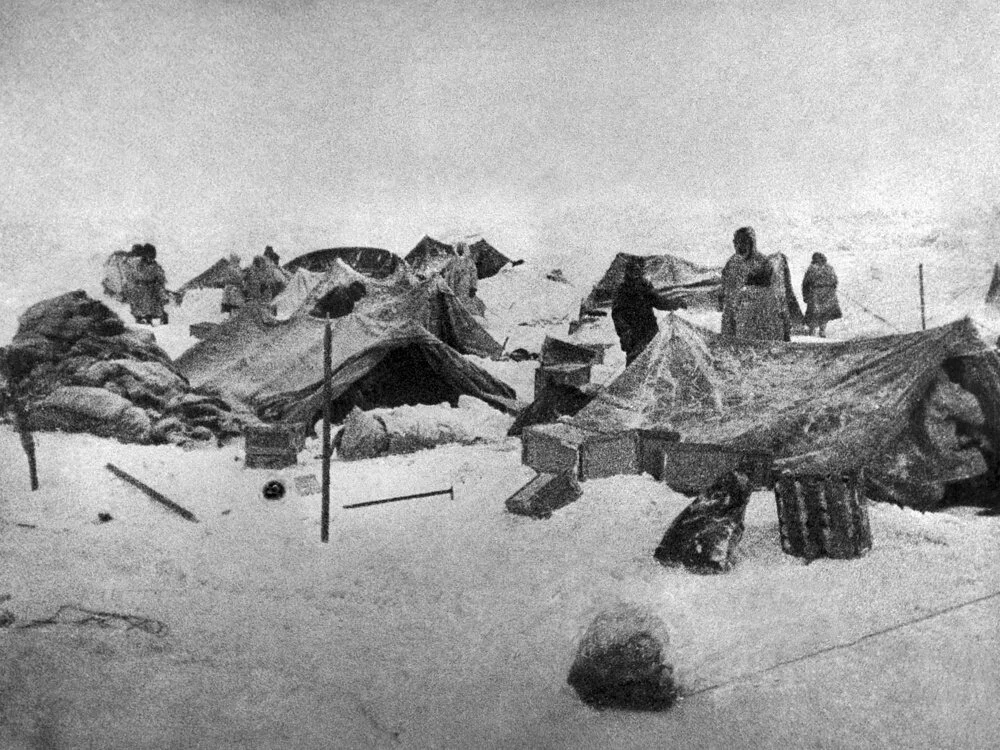
On February 13, 1934, the ice crushed Chelyuskin. People managed to unload, save food, remaining fuel, tools, all materials of the expedition. They were able to establish life in a forty -degree frost.
They survived, did not quarrel with each other, did not try to escape one by one (the most powerful could count that they would reach the shore on skiing, but the fate of the remaining in this case would be deplorable).
68 degrees 16 minutes of northern latitude, 172 degrees 51 minutes of Western longitude - these data became the last, which Mikhail Markov, second assistant captain entered the watch magazine.
They really were heroes, propaganda this time did not lie.
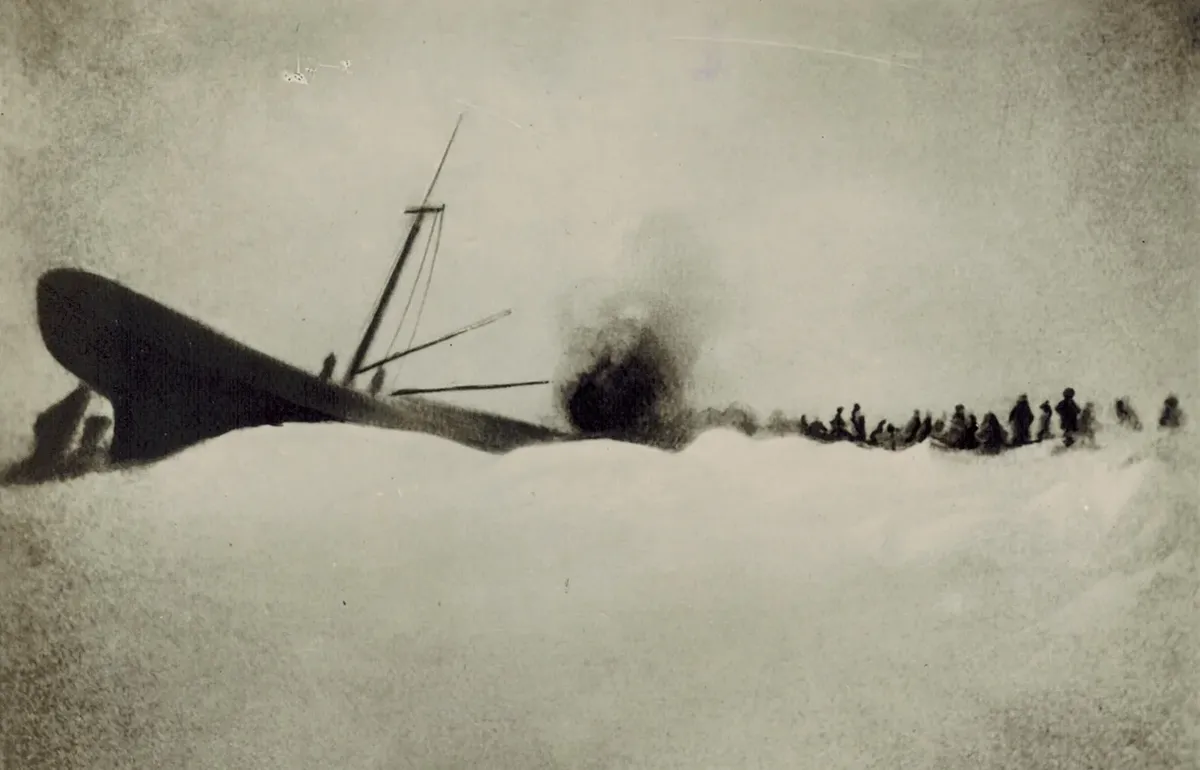
The reaction of Moscow to the death of Chelyuskin was instantaneous - by the decision of the government, on February 14, a special commission was organized to assist Chelyuskins. It was headed by Deputy Chairman of the Council of People's Commissars Kuibyshev, he is also the party curator of the Glavsevmorputi. His deputies were Joff (from the State Unitary Enterprise, left by Schmidt during the campaign of Chelyuskin in Moscow “on the farm”), the People's Commissariat of Yanson, Kamenev (representing the interests of the military in the Arctic) and Untshlikht, who in 1928 at the head of the Committee, which was in Moscow for organizing the rescue of the expedition participants Umberto Nobile.
Now it was necessary to save their own.
Initially, the idea was considered to take the Chelyuskins on dogs. The mobilization of the dog teams was entrusted to the local border boss A. Malsin, whom this task was at a dead end: “To recruit 60 Nart meant exposing the entire area. In addition, such an expedition would have to take two months, its success is doubtful, and at that time here, in place, without dogs, no other measures would be impossible. We also had to remember the needs of the population. Mobilizing for two months of all dogs meant to leave the Chukchi without hunting, i.e. Doom them to hunger. " Malsin also markedly noted the main danger (this “can cause an uprising”), but in the official text these words, of course, are omitted, only concern for the “needs of the population” remained.
"Enemies of the people" behind the polar circle "
This is the name of a thin book, published in 2007, published by the Academic Institute of History of Natural Science and Technology. The book consists of several articles by Sergey Larkov and Fedor Romanenko, to the limit filled with the names of the repressed. Their number is discouraged even by a prepared person: the famous polar captains, scientists, winters ... I will limit myself only to some names associated with the transition of Chelyuskin.
После 1934 года было репрессировано пятеро челюскинцев, то есть с точки зрения статистики сравнительно немного — один из 25. Автор этого очерка Сергей Ларьков пишет, что ему довелось заниматься политическими репрессиями против участников экспедиции 1928 года ледокола «Красин» по спасению участников экспедиции Нобиле, так среди них по политическим соображениям был репрессирован каждый седьмой — 18 человек, из них 11 расстреляны.
Из челюскинцев был расстрелян вместе с Бобровым еще один заместитель Шмидта — Илья Леонидович Баевский.
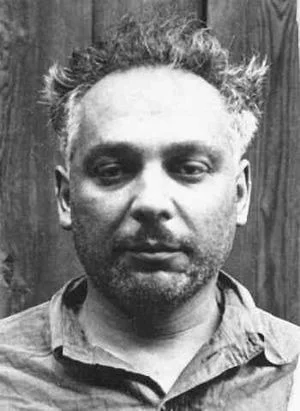
Когда в 1936 году бдительные чекисты обнаружили в Главсевморпути правотроцкистскую организацию во главе с начальником политуправления С. Бергавиновым (умер на Лубянке 12 декабря 1937 года, спустя полтора месяца после начала следствия), в руководстве начались кадровые перестановки. И в 1937 году экономист и плановик Баевский был назначен и.о. начальника Архангельского территориального управления ГУ СМП. Хотя продолжал жить в Москве, в квартире в Козицком переулке, откуда и был увезен на Лубянку. Через полтора месяца после расстрела мужа (чего она, конечно, не знала) была арестована его 46-летняя жена Мария Павловна Баевская-Гоберник, врач детской Филатовской больницы. Как член семьи изменника Родины она была заключена в лагерь на пять лет. Дальнейшей ее судьбы, как и детей (14-летнего в 1937 году Владимира и 12-летней Аллы) Ларькову выяснить не удалось. В 1956-м Баевские были реабилитированы.
Под так называемое дело Гидрографического управления Главсевморпути попал героически работавший на «Челюскине» Павел Хмызников. Состав ведущих специалистов управления был арестован почти полностью во главе с его начальником Павлом Орловским, чудом уцелел лишь челюскинец Яков Гаккель. Хмызников был арестован одним из последних — 28 мая 1938 года.
Следствие над полярными гидрографами шло долго, серьезные обвинения гарантировали расстрельный приговор. Между тем на место Ежова в НКВД приходит Берия. Обвиняемые отказались от своих признательных показаний, «данных под физическим воздействием», то есть под пытками. Более того, от своих выводов отказались и эксперты, заявившие, что их заключение, якобы подтверждающее вредительскую деятельность обвиняемых, построено на личных предположениях и домыслах и необъективно. Поступок экспертов по тем временам (да и только ли по тем!) иначе как героическим посчитать нельзя.
В результате дело было направлено на доследование (случай редчайший), но поскольку чекистам возиться с ним надоело, было решено обойтись без суда вообще. 3 декабря 1939 года ОСО НКВД приговорило Орловского и полярного гидрографа Евгенова к восьми годам лагерей каждого, Хмызникова — к пяти, остальных — к меньшим срокам или ссылке.
Волна Большого террора накрыла и заместителя Шмидта, остававшегося «на хозяйстве» в Севморпути. Именно Семен Иоффе как член правительственной комиссии взял на себя организацию спасательных работ. 20 июня 1938 года по обвинению в участии в контрреволюционной террористической организации он был приговорен к расстрелу Военной коллегией Верховного суда и в тот же день расстрелян.
Среди 25 казненных вместе с ним был еще один член комиссии Куйбышева, Н.М. Янсон, в 1934-м — нарком водного транспорта, а в 1937-м — замначальника Главсевморпути. Таким образом, из пяти членов комиссии расстреляны были двое; сам Куйбышев, его заместитель Уншлихт и С. Каменев (командарм, не путать с бывшим членом Политбюро, расстрелянным в 1936-м) успели к тому времени умереть своей смертью. Впрочем, и этот Каменев был объявлен «врагом народа» — посмертно.
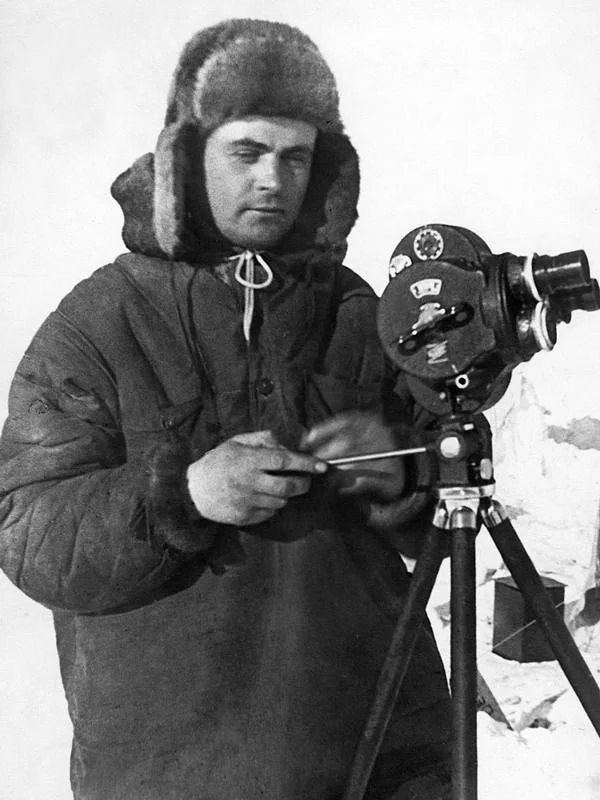
Третий из замов начальника экспедиции на «Челюскине» Иван Копусов «тоже находился под дамокловым мечом, но сумел выжить». Выжил и блестящий ученый Петр Ширшов. Партячейка «Челюскина» при приеме в партию припомнит ему исключение из комсомола, но не посмеет отказать дважды орденоносцу (таких людей не на военной или чекистской службе тогда можно было пересчитать по пальцам).
После 1947 года, когда была арестована его жена, актриса Е. Гаркуша (измена Родине), органы превратили в ад жизнь министра Морского Флота и директора академического Института океанологии (до таких карьерных высот не добрался ни один челюскинец).
Рекордный переход
Из бесспорных достижений «Челюскина» — доказательство возможности преодоления Северного морского пути обыкновенным пароходом. Если учесть количество погибших транспортных судов на трассе Северного морского пути в последующие полвека («Рабочий» в 1938 году, «Моссовет» и «Казахстан» в 1948-м, «Севан» в 1957-м, «Вилюйсклес» в 1964-м и «Нина Сагайдак» в 1983-м), то ответ напрашивается сам собой, особенно если сравнить со статистикой морских катастроф на других морях. При этом в отмеченных случаях обошлось без человеческих жертв.
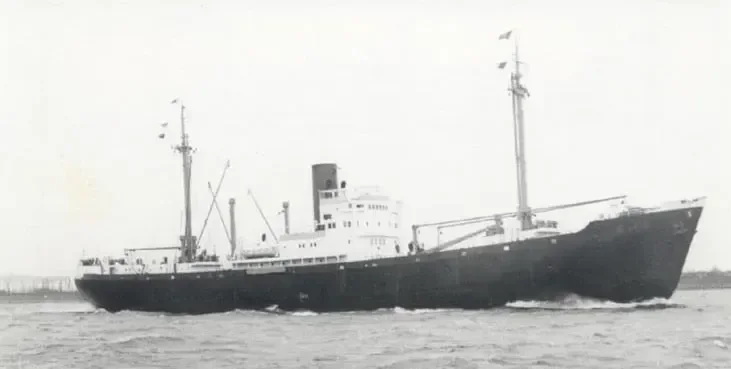
В 2020 году в нашей газете был опубликован материал о рекордном рейсе по Северному морскому пути. Автор — журналист Владимир Воронов.
Германский корабль «Комет» (Komet) под командованием капитана-цур-зее (капитана 1-го ранга) Робера Эйссена прошел Берингов пролив в ночь с 5 на 6 сентября 1940 года. Позади осталось 3300 миль плавания по Северному морскому пути. Этот переход «Комет» совершил за рекордные 23 дня, побив прежний рекорд плавания по Северному морскому пути — 26 суток. If we take into account that of these 23 days the chassis was 15, the achievement looks at all fantastic. Правда, об этом выдающемся рекорде газеты не писали: под покровом глубочайшей секретности советские ледоколы и советские лоцманы провели вдоль всего советского арктического побережья в Тихий океан корабль Кригсмарине, задачей которого было ведение боевых операций на путях британского судоходства.
Along the coast of Norway, he walked under the Soviet flag - like the icebreaker Semyon Dezhnev. Дальше тоже неоднократно менял «вывеску», фигурируя то как советский сухогруз «Дунай», то как немецкий «Донау», а потом снова становился «Дежневым». Of course, all this was agreed with the Soviet curators of the “project”.
По версии исследователей,
именно на основе данных Эйссена и была разработана схема блокады подлодками гросс-адмирала Дёница Кольского залива, которая достаточно успешно применялась на войне.
Through the ice fields of the sea, the Laptev raider led the icebreaker Stalin, then the icebreaker Lazar Kaganovich took the baton.
30 ноября 1941 года «Комет», совершив кругосветку, вернулся в Гамбург. 14 октября 1942 года корабль, вышедший под началом нового командира в очередной рейд, был потоплен в Ла-Манше британским торпедным катером, из команды не спасся никто.
Подлинные герои
«За выдающееся участие в организации и проведении спасения челюскинцев и сохранении научных материалов экспедиции» постановлением ЦИК СССР от 15 июня 1934 года начальник полярной станции Мыс Северный и председатель Чрезвычайной тройки Г. Петров, командир самолета «СССР-Н4» Ф. Куканов были награждены орденами Красной Звезды; ордена Трудового Красного Знамени были вручены радистам Т. Хаапалайнену, Л. Шрадер, Е. Силову, механику рации мыса Северного С. Семенову, начальнику полярной станции Уэлен Н. Хворостянскому и члену Чрезвычайной тройки Я. Погорелову.
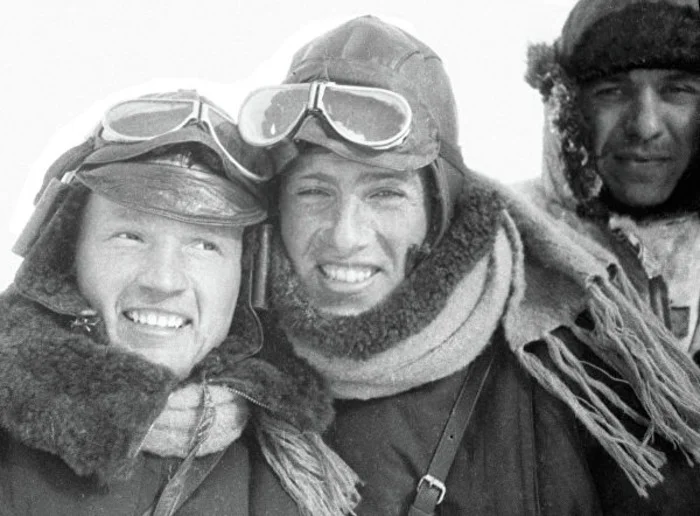
Но куда более масштабная спасательная операция в куда более сложных условиях была проведена поздней осенью 1933 года, когда только начиналась цепь трагического невезения «Челюскина». Тогда с зазимовавших у мыса Биллингса кораблей экспедиций Дальстроя было вывезено на мыс Северный (более 100 километров) 93 (!) человека — на одном самолете, одним экипажем. Самолет — трехмоторный юнкерс «ЮГ-1», командир экипажа — полярный летчик Федор Куканов. Полеты проходили в октябре-ноябре при крайне неблагоприятной погоде.
Но, согласитесь, спасение заключенных (а это были они) на подвиг, достойный всенародного триумфа, что называется, не тянет.
В воспоминаниях челюскинцев о пребывании в Ванкареме и на мысе Сердце-Камень отсутствует (и разумеется, неслучайно) одно обстоятельство, восполненное уже знакомым нам пограничником Небольсиным.
«Вместе с челюскинцами в Ванкареме появились люди с пароходов, зазимовавших у наших берегов. Часть из них в свое время была переброшена Кукановым в Уэлен, часть — на мыс Северный. На мысе Северном были рабочие Дальстроя — народ такой, что без дела сидеть не привык. Они слышали, что подходят пароходы забрать челюскинцев, и сейчас же двинулись в путь. Собралось их человек двадцать пять. Они пришли в Ванкарем, отдохнули и с челюскинцами пошли дальше».
То есть картина благостная. «Народ такой, что без дела сидеть не привык», пришли в Ванкарем, «отдохнули», пошли с челюскинцами дальше… По морозцу, за нартами, несколько сот километров… С конвоирами, конечно.
Я к тому, что
после спасения со льдины челюскинцам еще долго сладко не приходилось. До Владивостока (где их бурно встретили и посадили в литерный поезд, а потом торжественно встречали на каждой станции) они добирались после спасения со льдины почти два месяца!
Летчиков на всю Чукотку было тогда всего двое — Куканов и Анатолий Ляпидевский. Предлагали помощь американцы (на Аляске имелись десятки самолетов), но Москва ответила отказом. «Нужен был подвиг, и совершить его должны были советские люди», — пишет по этому поводу Николай Великжанин в книге о Куканове «В тени первых Героев. Белые пятна челюскинской эпопеи». Тем не менее было решено купить в США два самолета и передать их летчикам Маврикию Слепневу и Сигизмунду Леваневскому. Вместе с уполномоченным от правительства Георгием Ушаковым они отправились в Штаты — пароходом через Атлантику.
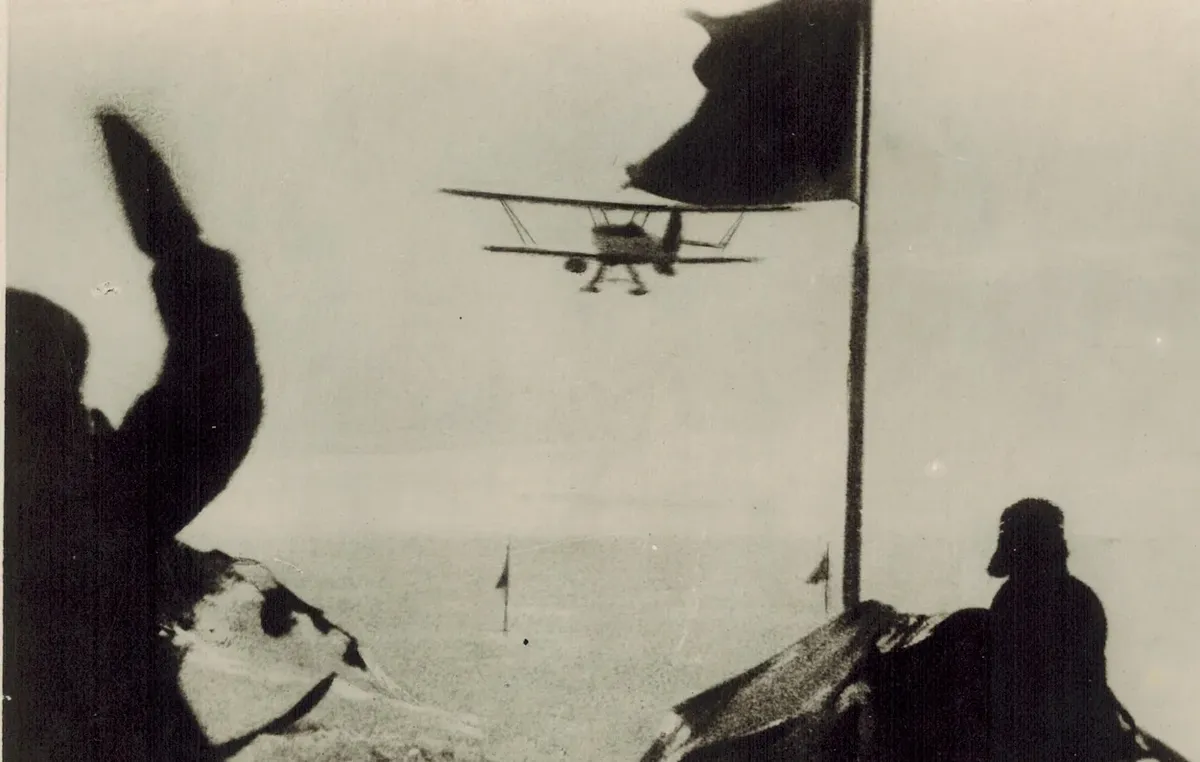
«…Самолет АНТ-4 под управлением летчика Ляпидевского при летчике-наблюдателе Петрове прилетел из Уэлена к нашему лагерю, спустился на подготовленный нами аэродром и благополучно доставил в Уэлен всех бывших на «Челюскине» женщин и обоих детей… Посадка и подъем были проведены удивительно четко и с пробегом всего на расстоянии в 200 метров. Успех полета т. Ляпидевского тем значительнее, что стоит почти 40-градусный мороз… Удачное начало спасательной операции еще более подняло дух челюскинцев, уверенных во внимании и заботе правительства и всей страны. Глубоко благодарны. Schmidt. "
Случилось это 5 марта 1934 года.
Второй успешный рейс на льдину совершил 7 апреля (только через месяц) Слепнев, доставивший челюскинцам ящик американского пива и собак — возить багаж от лагеря к аэродрому. В тот же день в лагерь прилетели, ориентируясь на столб дыма, Каманин и Молоков. Большую часть челюскинцев — свыше 80 человек — эвакуировали всего за четыре дня Молоков, Каманин, Водопьянов, Слепнев и Доронин. Шмидта, слегшего с воспалением легких, увезли в больницу на Аляску. В Америке Шмидта встречали восторженно.
Но потом, в течение нескольких предвоенных лет, Шмидта почему-то перестали упоминать в официальных изданиях Главсевморпути, а в лексиконе его преемника (начальника знаменитой полярной экспедиции СП-1) Ивана Дмитриевича Папанина появился ругательный термин-определение «шмидтовец».
Сами «шмидтовцы» отметили отставку «шефа» примечательной эпиграммой:
Примеров много есть на свете,
Но лучше, право, не найти:
Снял Шмидт Папанина со льдины,
А тот его — с Севморпути…
…Семь летчиков, спасавших челюскинцев, стали первыми Героями Советского Союза.
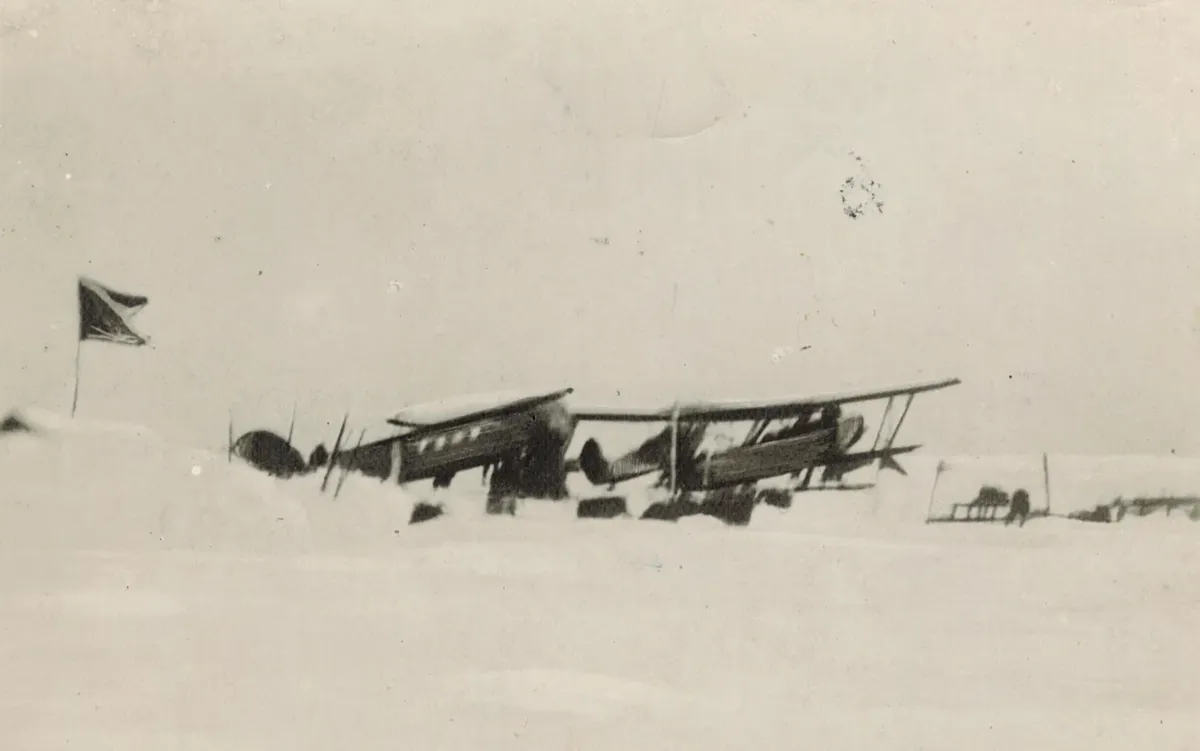
Молоков и Каманин совершили по девять рейсов на льдину. Первый вывез 39 человек, второй — 34. Ляпидевский в своем единственном рейсе спас 12 человек. Сигизмунд Леваневский до лагеря Шмидта не долетел, потерпел аварию у мыса Онман, в 30 км от поселка Ванкарем. Впрочем, тоже стал Героем.
25 июня 1934 года, когда челюскинцы и их спасители-летчики были в Москве нарасхват, начальник ВВС РККА Алкснис направляет наркому обороны совершенно секретный доклад «Об отрицательных последствиях чистки для ВВС РККА». Протестуя против произвола особых и политотделов, будущий «член антисоветской националистической шпионско-террористической организации» выдвигает убедительный, как ему кажется, аргумент: «Заслуживает внимания тот факт, что из числа 7 летчиков, коим Правительство присудило звание Героев Советского Союза — 5 человек находились в рядах ВВС и были изъяты и уволены по настояниям особых отделов, политорганов и командиров, как политически и морально неустойчивые и несоответствующие службе в РККА (А.В. Ляпидевский, М.Т. Слепнев, И.В. Доронин. В.С. Молоков, С.А. Леваневский)».
Все 104 участника похода «Челюскина» были награждены орденами Красной Звезды.
За помощь при спасении челюскинцев орденом Ленина были награждены двое американских бортмехаников — Клайд Армстед и Уильям Левери.
***
И вернемся к самому началу. Пишет очевидец:
«…Когда все это доложили на Политбюро, Сталин, который, покуривая трубку, ходил вдоль стола, спросил: «Вы думаете, все это можно осуществить?» Ответили: «Если будет решение». Сталин: «Покажите, где это ваше Тикси?» Шмидт подошел к карте и показал. Сталин хмыкнул: «Ну да! Мы этот Наркомвод каждую неделю ругаем за то, что он нефть из Баку по Волге не может как следует перевезти, а вы хотите, чтобы он думал о вашем Тикси, порт там строил? Он же думает, что завтра получит выговор за перевозку нефти, а за ваши дела, за Тикси, выговор ему грозит года через два-три. Не сделает он ничего в Тикси!»
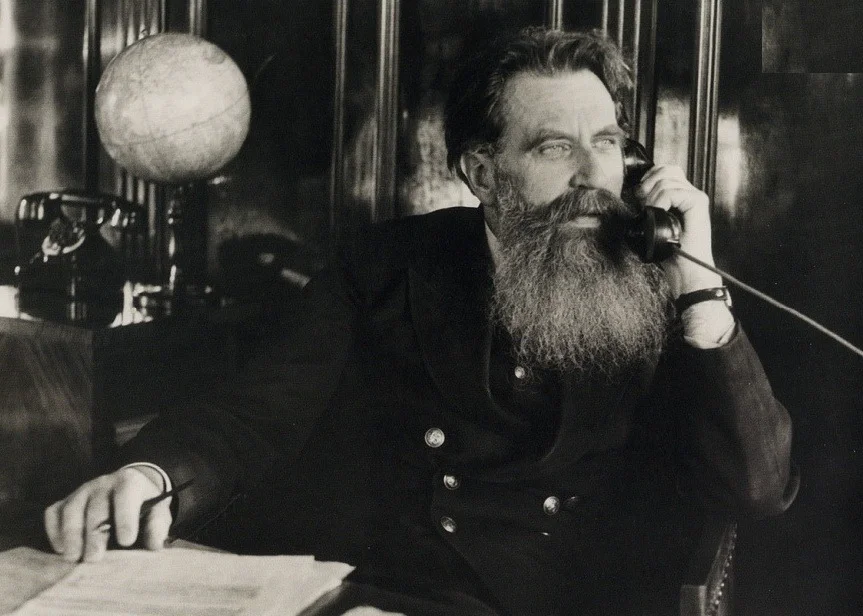
Примерно такой же разговор был и по Наркомпочтелю, который газеты вовремя доставить не может. Куда ему радиоцентр строить на Диксоне! Шмидт показал на карте Диксон. «Нет, не будет он Диксоном заниматься, кому-нибудь поручит. So it will not work. Арктика — вещь сложная. Надо создавать организацию, которая отвечала бы за все. И знала бы — отвечает за Арктику и больше ни за что. А мы с нее спросим — и строго! Тогда дело у вас пойдет. Давайте сделаем по-другому. Бумаги переделайте, а мы напишем постановление: создать при СНК Главное управление Северного морского пути, поручить ему проложить этот путь и содержать в исправном состоянии. Пока хватит».
Так состоялось рождение Северного морского пути. We started working. Приказ № 1, который отдал Шмидт, датирован 1 января 1933 года, так как с этого дня началось финансирование, открылись счета».
Главный редактор «Правды» Мехлис написал в предисловии к двухтомнику «Поход «Челюскина»:
«Челюскинская эпопея показала всему миру, с какой настойчивостью и талантливостью народы Советского Союза борются за светлое будущее человечества. И они победят! Порукой тому наша ленинская партия, ее Центральный комитет, ее гениальный вождь Сталин».
Ни убавить, ни прибавить, как говорится.