
Translated material
"There is no habit of blaming power in such situations"
What do the inhabitants of Dagestan think about the attack on Orthodox churches and the synagogue - and who are responsible for the attack on?
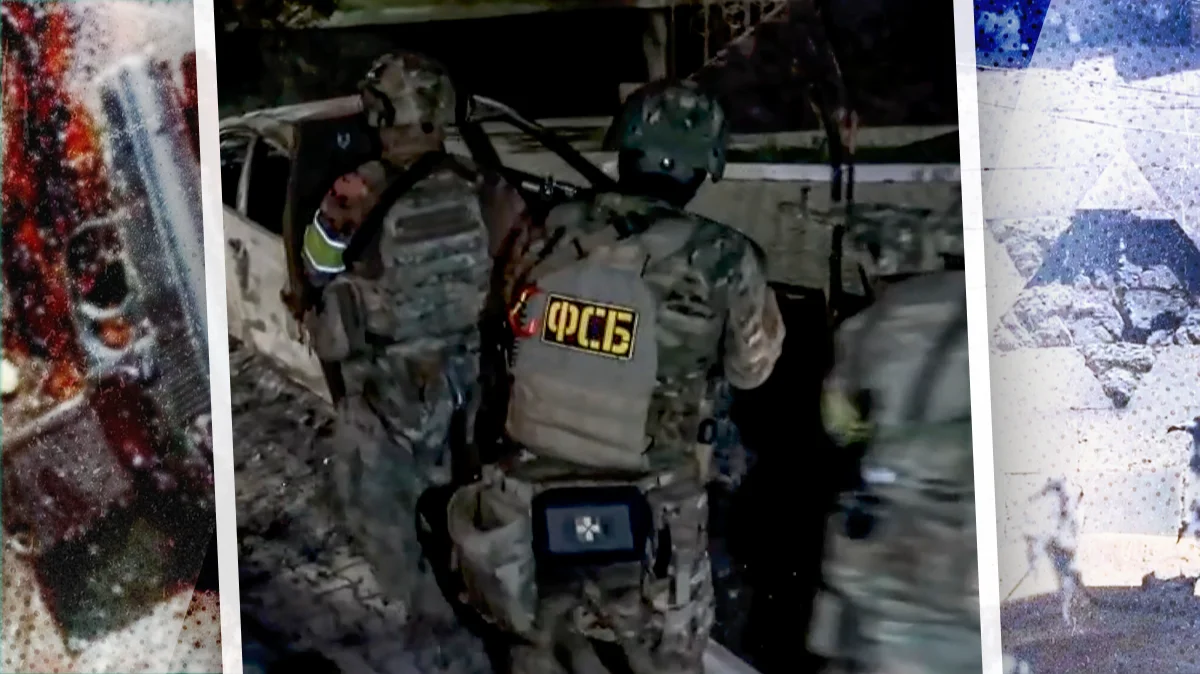
Photo: National Anti -Terrorism Committee
On the evening of June 23, armed people attacked two Orthodox churches, a synagogue and a DPS post in Derbent and Makhachkala. At least 20 people were killed, among them 15 police officers and a priest. The security forces reported on the murder of five militants. A three -day mourning has been declared in Dagestan.
According to Baza, among the attackers are two sons of the head of the Sergokalinsky district of Dagestan Magomed Omarov, Osman and Adil Omarov, as well as his nephew Abdusamad Amadziev. After the attack, the head of the district was detained and expelled from United Russia. Vladimir Putin has not yet commented on the attack. What do residents of the republic think about the attack and who is they blamed for what happened? Novyevropa talked with two residents of Dagestan (they chose to remain anonymous for security reasons).
"The issue of responsibility of the authorities is not that the first comes to mind when armed people appear on the streets"
- The vast majority of the inhabitants of Dagestan condemns such terrorist attacks. People want to live calmly, go about their business. The attack on the clergy of any denomination for most Dagestanis is unacceptable and does not find support in society. In the Republic of centuries, different faiths existed nearby - especially in a city as Derbent: it is the most ancient city in Russia, it is more than 1,500 years old, and Muslims, Christians, and Jews lived there. They always coexisted peacefully with each other, without experiencing any problems.
First of all, people accuse those who took the weapon in their hands and attacked the police and civilian, as well as the priest who did nothing wrong with anyone. In Derbent there is a monument to the brotherhood of three religions: it depicts a rabbi, an Orthodox priest and a mullah. Each figure has a real prototype, and the priest in the center of the composition is just the 66-year-old rector of the Intercession Church, Nikolai Kotelnikov, who served in the church for more than 40 years. As a result of the attack, the guard of the temple Michael also died.
The official authorities distribute reports that in the attack you allegedly can be seen "Ukrainian trace." However, I do not think that the population supports this particular version. I would also not say that the inhabitants are afraid of something: they try to preserve prudence, but they have no fear.
In such situations, it is usually difficult to blame federal or regional authorities, because under threat - our peaceful life. Judging by the numerous videos and how people commented on the attack, the inhabitants worried about the police and wanted everything to quickly end. There is no habit of blaming the authorities in such situations. Cooperation with them is more likely.
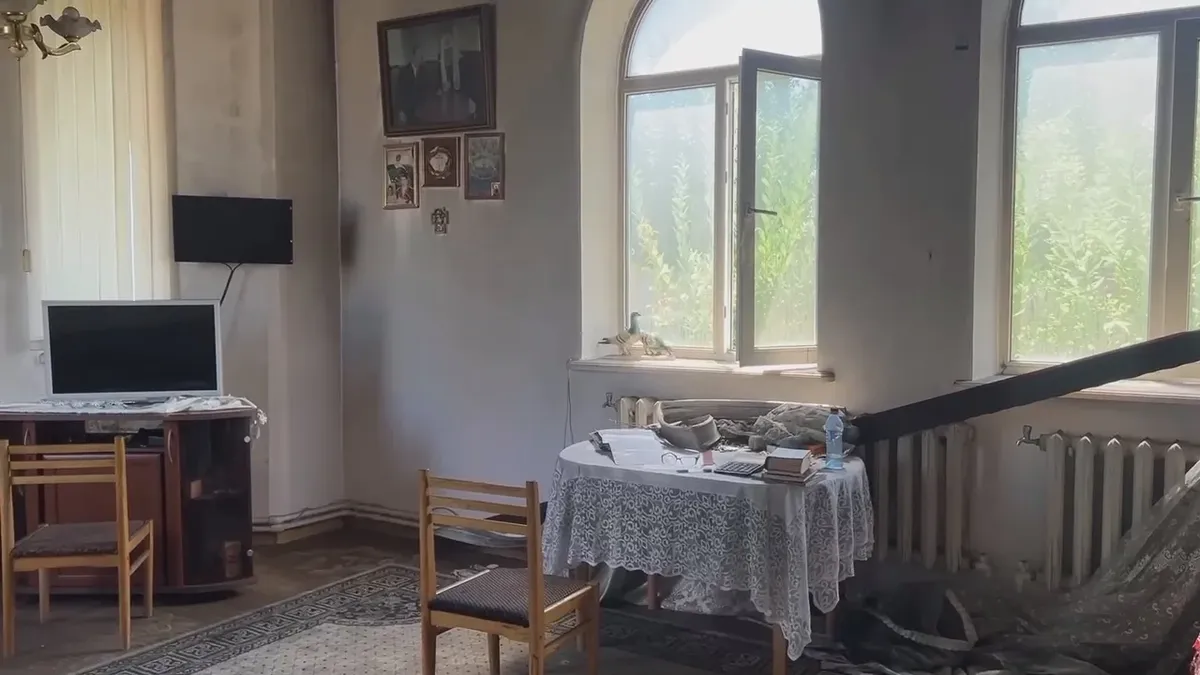
At the same time, the default authorities always bear political responsibility for what is happening in the region. They must ensure security - but this time they could not. It can be difficult for people at the time of the attack to understand this, because it is not that the first comes to mind when armed people appear on the streets. Residents want everything to end as soon as possible and become good.
The fact that people close to the authorities participated in the attack is more likely to surprise. It is usually customary to think that they easily recruit people from dysfunctional families. In this case, this is not so. However, we still have to understand why this happened. Now you can’t unequivocally answer this question.
“If the issues to the authorities are“ wrong ”will be accused of“ justification of terrorism ””
- The society is now shocked, because there were no serious prerequisites for this kind of attacks. Attacks on the objects of the cult in Dagestan - on churches or mosque - are extremely rare. The last such attack was in 2018, when a single militant came to the temple in Kizlyar and shot several parishioners there.
The execution of parishioners in the Orthodox Church in Kizlyar
On February 18, 2018, in Dagestan Kizlyar, the 22-year-old militant Khalil Khalilov opened firing at people who came out of the parish church of the great martyr George the Victorious of the Russian Orthodox Church in Kizlyar after the worship of the forgiven resurrection. As a result, five people were killed. The attacker was killed. About five thousand people came to say goodbye to the victims of the attack.
Therefore, questions arise: how could this happen now and why? It is still incomprehensible. First of all, the attack is accused of the direct performers of the attack. At the same time, questions arise for local authorities and security forces, as far as they could warn the attack or at least know about it. But these questions are blurred and they are not among the first. Because society saw how police officers fought with terrorists, and now it was still shocked by what happened. Perhaps questions to the authorities will arise a little later, but not now.
Then this will go into the general piggy bank of discontent. However, the situation in the country is now tough, and the authorities are quite easily dealt with this kind of protests. Society, of course, will ask questions, but not the fact that the state will at least somehow answer them. And there are risks that if these issues are “wrong”, then the authorities will be dubbed “justification of terrorism”. And therefore, people, as in Soviet times, will share their feelings and dissatisfaction rather in kitchens, but not in the squares, because it is safer. They see a certain meaninglessness of a single or mass protest, because this, in their opinion, does not lead to some result.
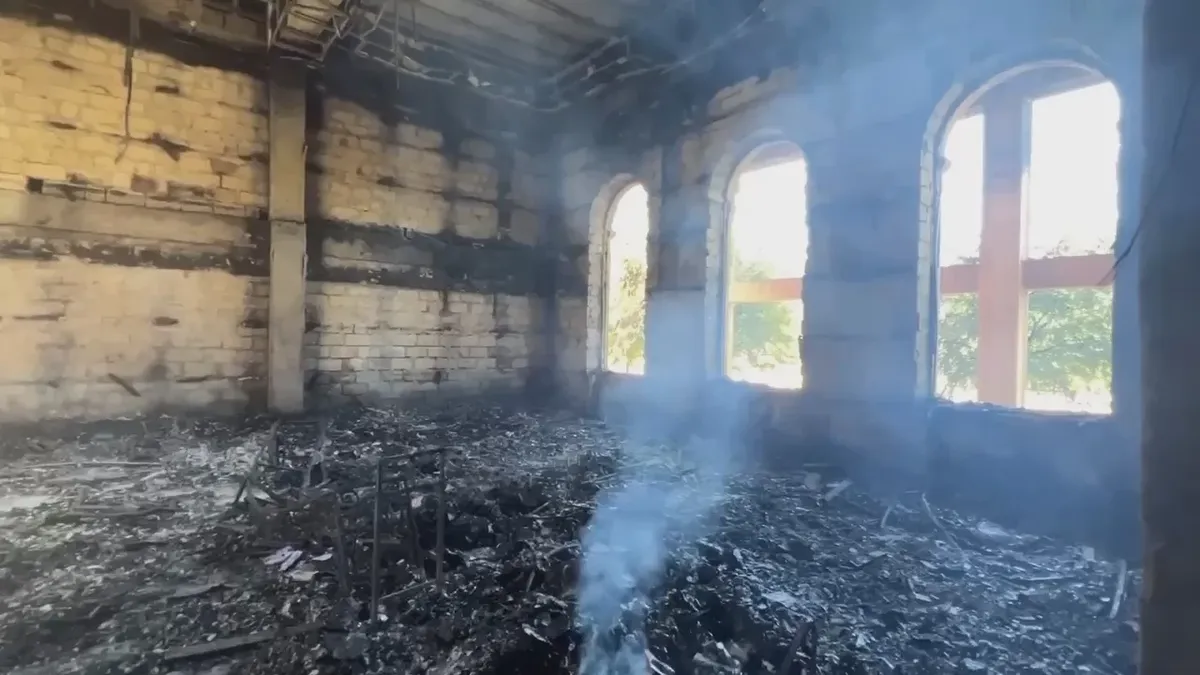
There are still many uncertainty. We do not see the standard terrorist scheme when the attackers make a action, and then his video message appears on the Internet, where they say, what they were guided by. In Dagestan, the militants made a raid, killed people, set fire to religious buildings, but we do not understand why and who it was done. We do not even know what terrorist group they entered and whether they were included at all.
For me personally, it was a great surprise to see how a bunch of young people are standing next to the security forces who, not particularly hiding, fixed everything on the phones. Shards, bullets flew around them, and they calmly shot what was happening on the video, not making particular efforts to hide.
The leaders of terrorism and the performers of the attack can be from any layers of society - not only low -income people, but also quite educated. Therefore, the fact that among the attackers were the children of the head of the municipality is not particularly shocking. However, the question arises: what did they lack? They had everything: education, money, opportunities, career. The only thing we can assume is that they were radicalized based on the general information background around Muslims, the situation of Caucasian peoples and Dagestan.