
Translated material
"Quiet place: the first day" - a prequel of films about toothy monsters with a subtle hearing
With Lupita Niongo, Joseph Quinn (he performed Metallica in “Very strange deeds”) and a cat Shnice
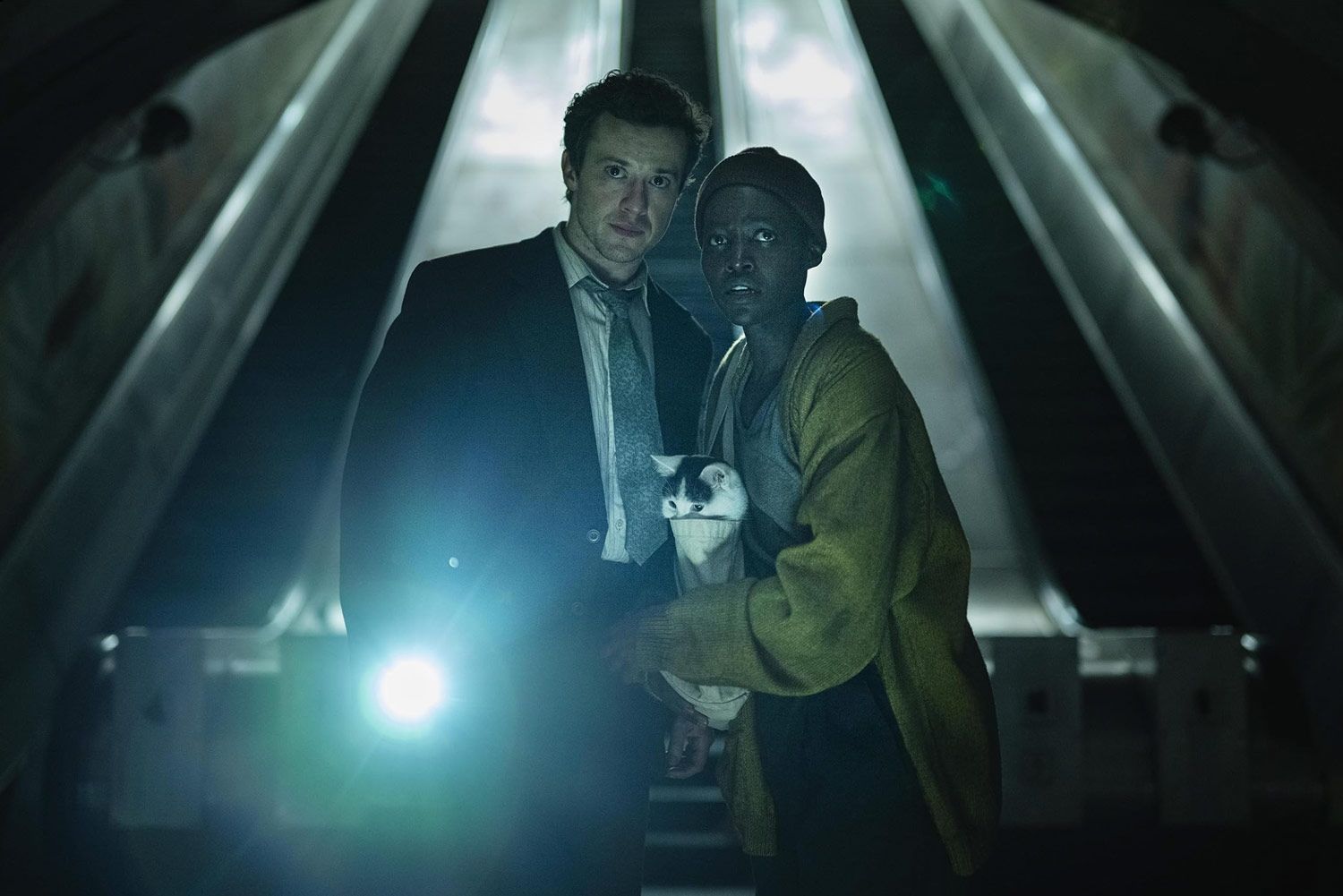
The horror “Quiet place: the first day” - the prequel of the franchise John Krasinski was released in the world rental. While the third part of the most “quiet place” is in production, a picture of the beginning of the invasion of toothy monster on the ground was entrusted to another director - Michael Sarnoski. He got a solid genre film about a disaster in New York-and three heroes trying to survive in it. They were played by the winner of the Oscar of Litafa Niongo, Joseph Quinn, known for the role of Eddie Manson in “Very strange deeds”, as well as the Cat Schitzel, who played the role of Kota Frodo. Film critic Anton Dolin talks about how the "Day First" differs from the original franchise of Krasinski.
“The average noise level in New York is 90 decibels. It’s as if someone was constantly shouting loudly, ”the first titer of film tells us. Those who have been there will appreciate and agree. But the heroes will be able to shout out, giving an exit to emotions, only closer to the middle of the picture, when a strong thunderstorm breaks and against the backdrop of thunder of their screams will not be heard.
Recall the rules of the game. Franchise "Quiet Place" - about the original emergency department. Our planet was captured by creatures from other worlds, which have very sharp teeth and super -thin hearing. But they, in fact, are deprived of other feelings, and if you sit quietly, you can stay alive. In the first and second “quiet places” of John Krasinski, this model of behavior was mastered by the Ebbot family, in the fresh prequel-the population of an entire city, the destruction of which is included in the mandatory canon of catastroph films.
This is a separate picture-object, and not the continuation of the previous ones (work on the third “quiet place” goes in parallel, from it we learn about the further misadventures of the Ebbots). That is why the production was entrusted to another director. It is a little sorry that the project of the originally invited Jeff Nichols was not implemented - although thanks to this breakdown we received his wonderful “bikers” . Nevertheless, Michael Sarnoski as a director is by no means the worst candidate. Having shown his talents in the debut “pig” - an extraordinary drama, where Nicholas Cage fought with the abductors of his beloved pig - in a “quiet place: the first day” Sarnoski received a larger budget and obviously, without much regret, reconciled with the restrictions of creative freedom.
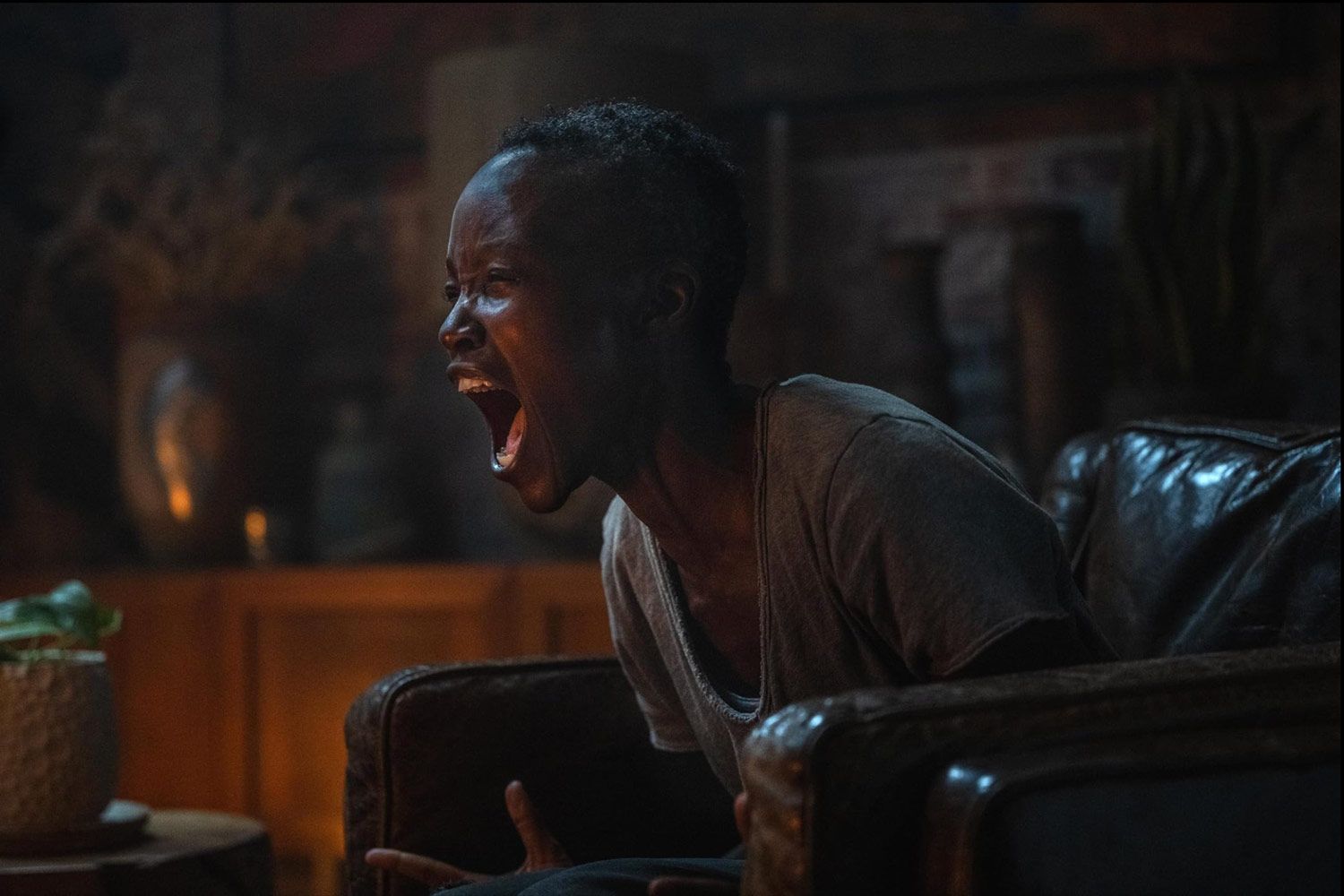
We have a very high -quality genre film in which the balance between heterogeneous elements is designed. Almost without dialogues (everyone has to keep silent so as not to gobble up), the difficult characters are revealed, but there are also impressive mass scenes in which monsters deal with the population of New York for pleasure. The moments of the masterfully created Saspens and the frightened silence are replaced by roar and tense chases.
Unobtrusive metaphors are intelligible and rather traditional than banal. For example, several central characters gather together before the invasion of monsters in the Manhattan Theater and watch a performance with fragile old puppets, and they are controlled by the same dilapidated touching puppeteer. Leaving the hall and seeing meteorite rain in the sky, they realize that each of them is the same doll in the hands of fate, whose strings can be cut in one second. The performance becomes frighteningly immersive.
The choice of actors is the luck of the film, although in the casting there is some predictability. Oscar winner of the Oscars, Lutipi Niongo (“12 years of slavery”, “Black Panther”) has already shown in Jordan the ability to scare and scare Jordan . In the "quiet place" her lonely heroine Sam is the terminal stage of cancer. The very necessity at all costs to survive it annoys it, because it has long prepared for death. A frightened student named Eric, emerging to the second third of the film from a flooded metro, was given to her partners. The role was invited by the British Joseph Quinn, who became famous for the role of the guitarist Eddie in “Very strange deeds”; It turns out, and he does not get used to the conditions of Horror. Continuity with the previous film franchise is provided by the respectable Jimon Hongsu - however, he was allowed for a short while.
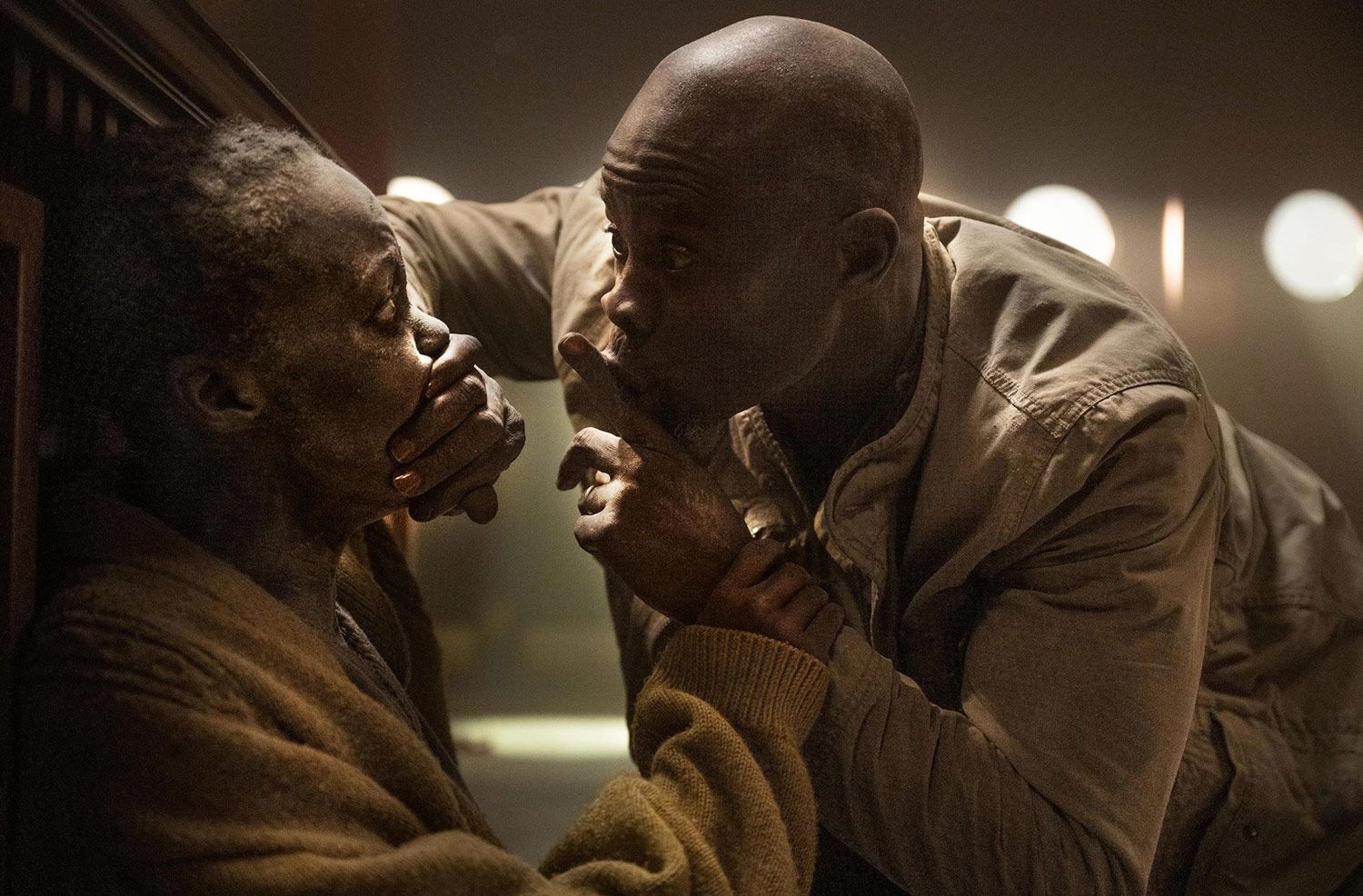
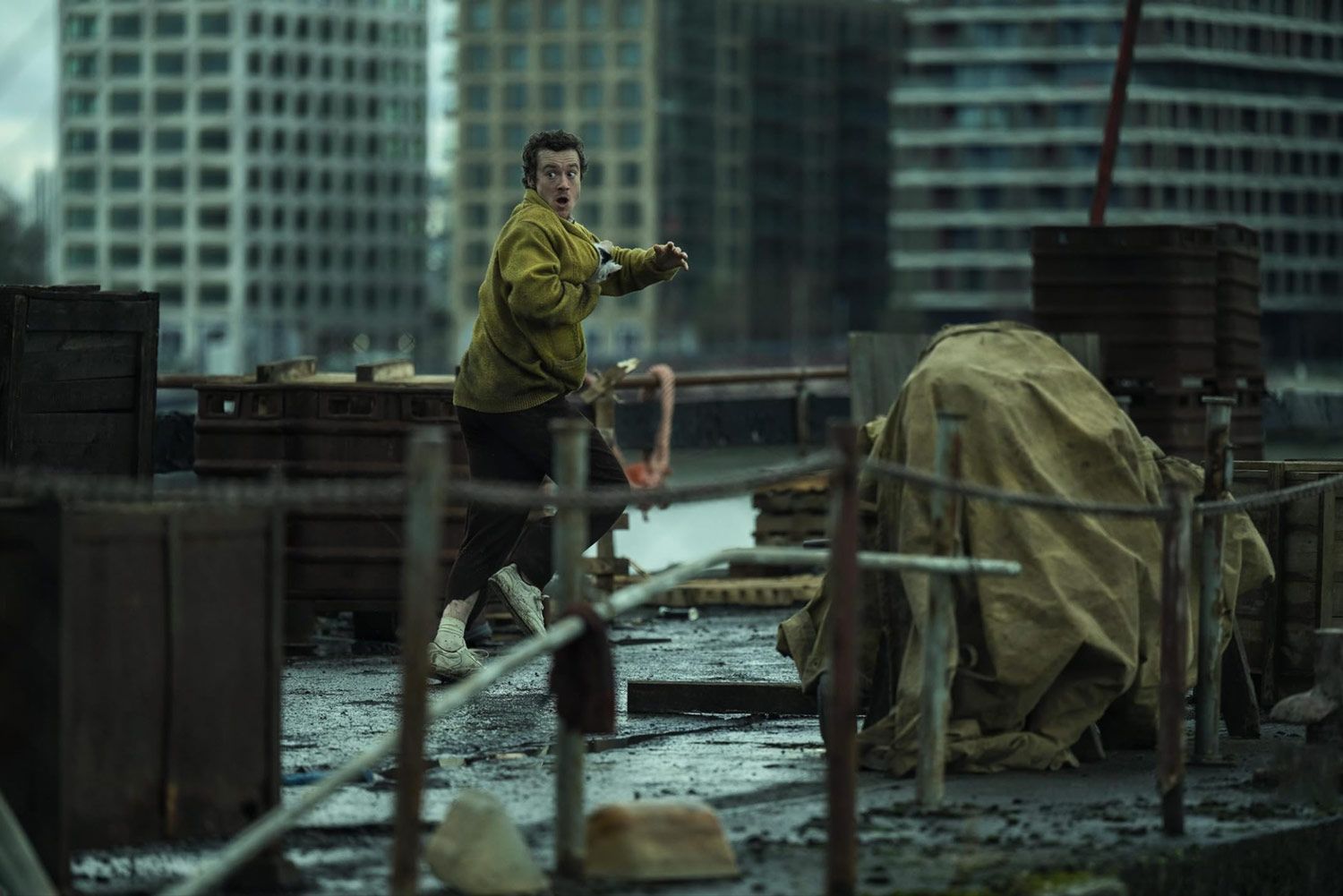
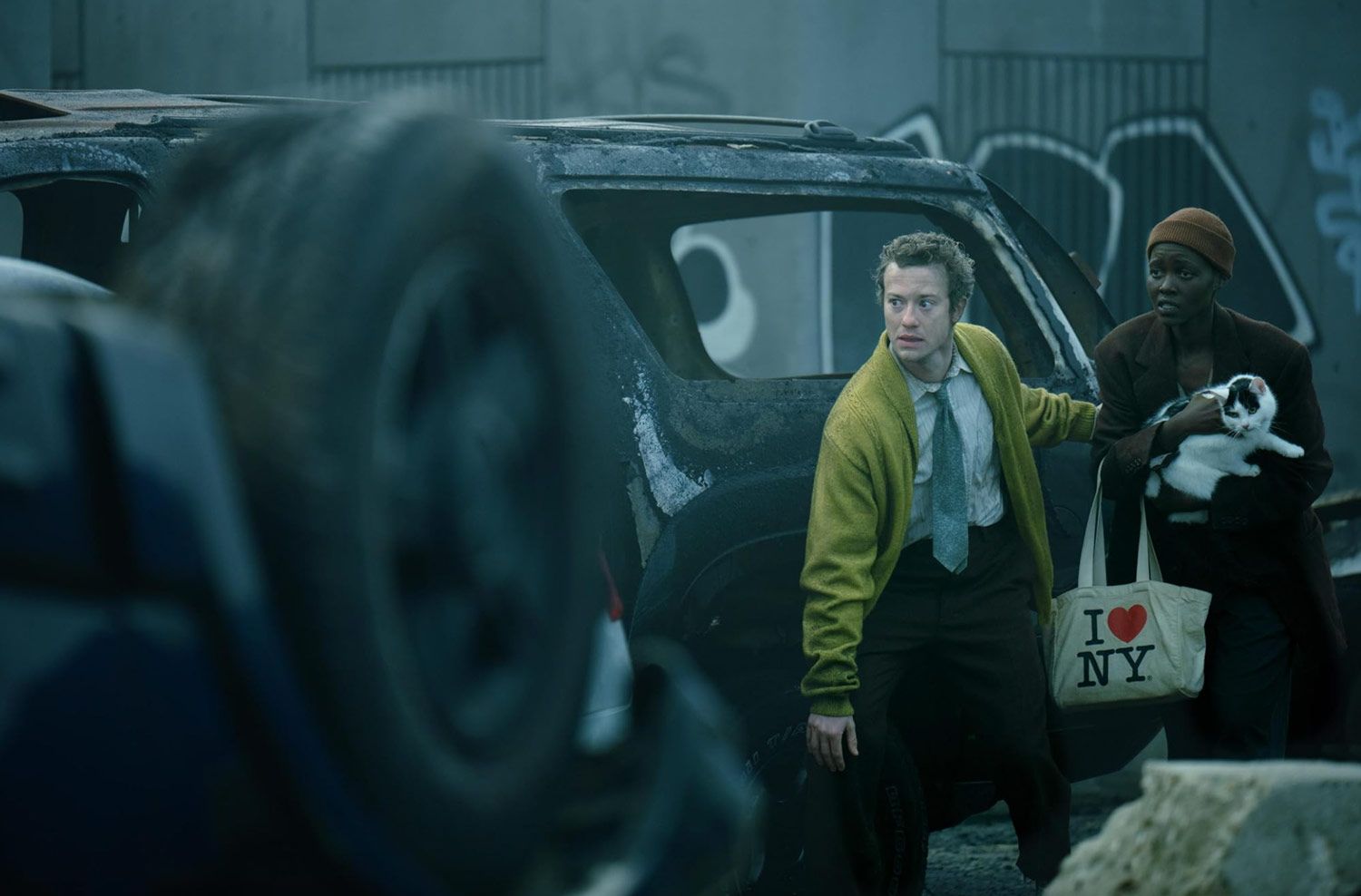
Do such a star needs a star? Not a fact. The attention of the audience in any case is stealing another hero-the cat Frodo, the necessary Sam for emotional support, the irritably calm white and black belly. Frodo (his role was played by the cat named Schitzel) is so used to being silent that he does not have to adapt to the disaster. Again, following the “pig”, it feels that Sarnoska has a special passion for pets: to explore their deep connection with the owners is most interesting to him.
Sometimes the picture enters the pathos of a purely Hollywood sense - for example, the heroes find asylum in a dilapidated church, and this scene is filled with liturgical solemnity. And the name of the cat with anecdotal straightforwardness indicates the mythological and shealing essence of the intrigue: two helpless, but purposeful characters will have to get to the point of purpose, making their way through the very heart of darkness. Where and why do they go is not so important. Suppose Sam finally dreams of eating a piece of Harlem Pizza, which in childhood enjoyed in the company of her father, a pianist-jazzman, who has now passed away.
The most attractive quality of the first two “quiet places” was minimalism. It was about global processes, but showing them Krasinsky managed to exquisitely limited means. The prequel is struck by a typical disease of successful franchises requiring growth - at least a budget. It was made more carelessly, so careful work with the sound path, like Krasinsky, is also not noticeable. Nevertheless, personal dilemmas of single characters, showing in extreme circumstances both the best and their worst qualities, are still at the center of intrigue.
The picture of Sarnian holds the audience, and in the last scene even gives something like catharsis (a considerable share of responsibility for this effect should be assigned to Nina Simon's magical music). It remains in the end to recognize the obvious: the films about the end of the world, which came shocked suddenly and forced everyone to choose a certain model of behavior, over the past few years have not lost its relevance, but only became even more timely.
Anton Dolin