
Translated material
Will be expensive and tasteless
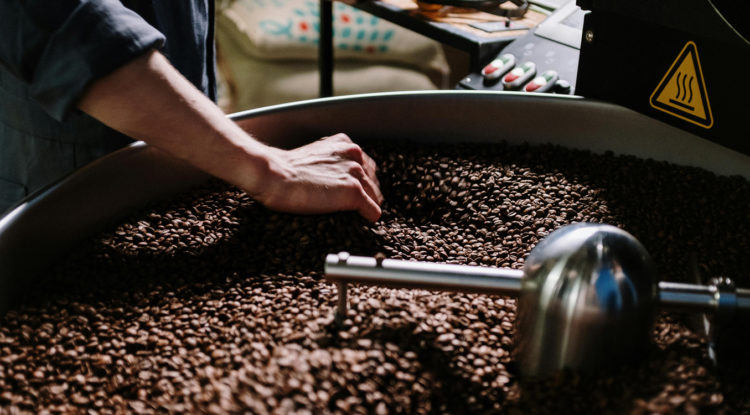
Global warming will forever change chocolate, coffee and wine: they grow in price and lose in quality. This will happen with other products
Olive oil, sugar , coffee, cocoa , chocolate -all these products of everyday demand began to rise in price due to climate change. The heat and heavy rains destroy the crop. Farmers lack resources to quickly adapt, merchants who do not want to lose profit raise prices. The price of coffee has already reached a 45-year-old maximum, Cocoa Bobs have risen in price by a year. Buyers have to get used to not only inflation on their favorite products, but also to their new taste: for example, grapes for wine, which France and Spain were famous for, are now grown in Canada and Sweden. "Cold" talks about products that especially suffer from climatic changes.
In order not to miss the main materials of the "cold", subscribe to our Instagram and telegram .
Global warming disrupts the process of growing many plants whose fruits we eat. Anomally high temperatures “burn” crops. Rain of rains in West Africa has already led to a sharp increase in the price of sweets: prices for cocoa bobs, a key ingredient in chocolate, beat a record set almost 50 years ago.
A similar situation is observed with coffee: drought in Vietnam, the second after Brazil of the world manufacturer of coffee, forced traders to buy grains around the world, which led to a record increase in prices for two most popular varieties: Robust and Arabica. Some of the varieties are grown in only one or two regions, as a result, extreme weather in these territories affects all world production.
Double price for double espresso
Vietnam collided with the strongest drought, due to which local production of coffee could fall by 10-16%. A year ago, weather forecasters recorded the highest temperature in the history of the country - more than 44 ° C. In addition to direct damage to crops, drought leads to another serious problem - salting the soil, which spoils the crop. Moreover, abnormally high temperatures led to a deficiency of fresh water - some settlements do not have enough water for household needs, not to mention crops. In such conditions, farmers hope only for the resumption of rains.
Vietnam - the second most in volume manufacturer of coffee in the world, including varieties from Robust beans. It is cheaper than arabica, it is used to prepare espresso and ordinary soluble coffee. The drought, the exciting increase in demand and the disappointing forecasts for the crop led to the fact that the prices for Robust were beaten by a record of 45 years ago. The retail business has not yet felt the consequences of this, but traditionally the influence of wholesale and retail markets on each other is late. In Europe, according to the results of 2023, coffee prices increased by 1%on average, the greatest increase was recorded in Croatia - 7.4%.
At the same time, not everyone shares extremely negative forecasts for the crop: for example, the US Ministry of Agriculture predicts that the volume of coffee in Vietnam, according to the results of 2024, will not fall too much and will be at the level of last year.
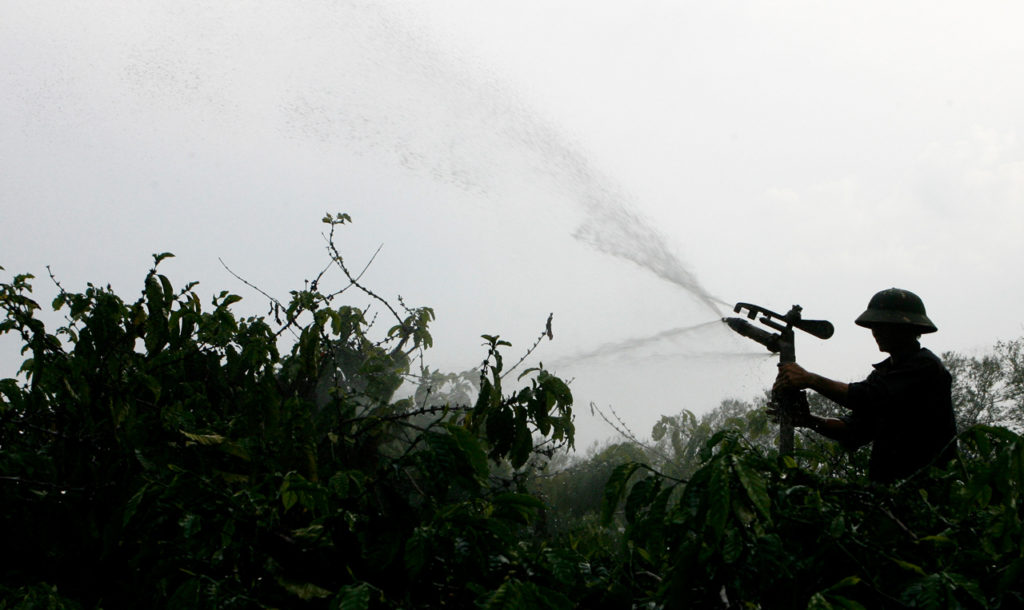
The largest coffee manufacturer in the world, Brazil, also suffers due to extreme temperatures. In 2021, drought and frosts damaged almost one and a half million square kilometers of agricultural land, which led to a loss of about 600 thousand tons of coffee beans. In the future, the situation may become even darker: up to 60% of the land in the southeast of Brazil can become unsuitable for growing coffee trees, which can reduce the total crop by about 25%.
“After 30 years, almost 50% of coffee lands [around the world] that we know today are no longer suitable for growing coffee,” warns the head of the Nestle strategic coffee unit Philippati.
In India, coffee manufacturers also suffered from a double blow. In 2023, strong rains collapsed into the country, because of which coffee grains began to crack. This influenced the usual taste of coffee. And in April 2024, extreme heat came, which hit the new harvest. The local coffee manufacturer Nisant Gururger is afraid that next year, due to the wave of heat, the production of coffee in India will decrease by at least a quarter.
Bordeaux is not right
Grapes were very sensitive to climate change. Basically, sunlight has a positive effect on its growth, but this does not work with all the varieties. For some types of grapes, the sun is dangerous: it can burn leaves and berries. Sunlight is needed for ripening and production of sugar, which then turns into alcohol. Too many sun can increase the sugar level in grapes, making the taste of the future wine too alcoholic and unbalanced.
Anomally warm weather changed the calendar of the ripening of grapes in Spain and France. Now grape vines are blooming ahead of schedule - the crop is harvested three weeks earlier than 30 years ago. The vines that have opened ahead of schedule become vulnerable to late frost in mid-spring, which is why wine producers are forced to artificially warm vineyards-for example, special huge candles were installed in French vineyards.
Winemakers from Bordeaux, where they produce elite wine, even began to violate the long -term law in order to maintain their crop. The fact is that each aspect of winemaking in France is clearly regulated, but due to climate change, traditional rules have to be reviewed. In 2022, vineyards in the Bordeaux region allowed to irrigate grape bushes: this practice is strictly regulated in many European regions, since it is believed that irrigation affects the quality of wine.
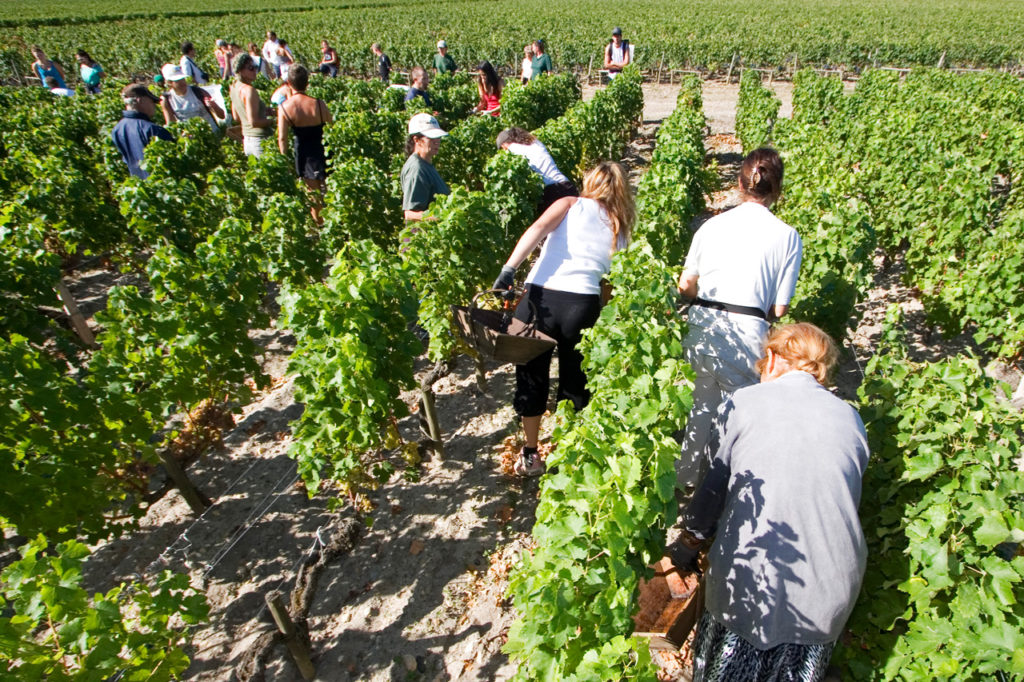
The increase in demand for irrigation systems led to a new problem within France - the exhaustion of water resources. The same challenges were encountered in Spain. One of the possible exits from the situation is to reduce the density of crops so that each bush has enough soil and moisture from it. However, winemakers are unlikely to agree with this decision whose income will be reduced in proportion to the reduction of vineyards.
A decrease in the territories suitable for viticulture forces manufacturers to master lands in unusual climatic zones. Vineyards now want to transfer to colder countries: to Canada, Great Britain and Sweden. True, it has not yet been possible to guarantee the same taste, but this compensates for the reduction in production in traditional Spain and France, where grapes sometimes just burn out under the sun.
Olives in Austrian
The practice of planting crops in atypical places is used by producers of olives, for example, in Austria. In the past, this country was not very suitable for growing olives, but due to global warming the climate in Austria became more comfortable for these trees, although not ideal for producers of olive oil. Trees will need years to get settled in new territories and begin to bear fruit. In addition, olives must be processed on specialized mills, but they are not in Austria yet.
Spain, the world leader in the production of olive oil, has been suffering from drought for more than two years. During the year, Spain produces almost one and a half million tons of olive oil: it is about three billion half -liter bottles. The drought and lack of water reduced the crop of 2022 by about two times compared to the previous one. The UNIó de PageSos Union last fall predicted a decrease in olive crop in Catalonia, assuming that due to the lack of rains in certain areas, losses can reach 95-100%. As a result, by the end of the period of the harvest of olives of Spain, only 600 thousand tons of olive oil were produced.
Over the past two years, the price of olive oil in Europe has doubled, which inevitably pushes restaurant prices up. Some institutions even switched to alternative recipes. Now olive oil is replaced with a mixture of lemon juice and balsamic vinegar and often used grape seed oil - this is the cheapest replacement for olive oil.
High -quality olive oil will continue to rise in price : scientists have come to the conclusion that climate changes are inevitably reflected on the taste of olives. The German consumer group Stiftung Warentest conducted an experiment with 23 different brands of olive oils and found a decrease in their quality.
“Droughts and heat in the Mediterranean countries leave their mark. The highest quality oil - Extra Virgin - often has a bad or sharp taste, ”the research results say .
Consumers will pay for adaptation to climatic changes: farmers are simply forced to shift rising costs to them in order to maintain their enterprises. Buyers will have to get used to raising prices and worsening the quality of products. Berries and grains grown under the new conditions will not have the same taste as they had in normal climatic conditions, and some crops that are now sold in stores can completely disappear . This is not only coffee, cocoa and wine, but also avocados, and bananas.