
Translated material
"I don't want to leave, but I want to live." Belgorod residents are seeking refuge in other regions
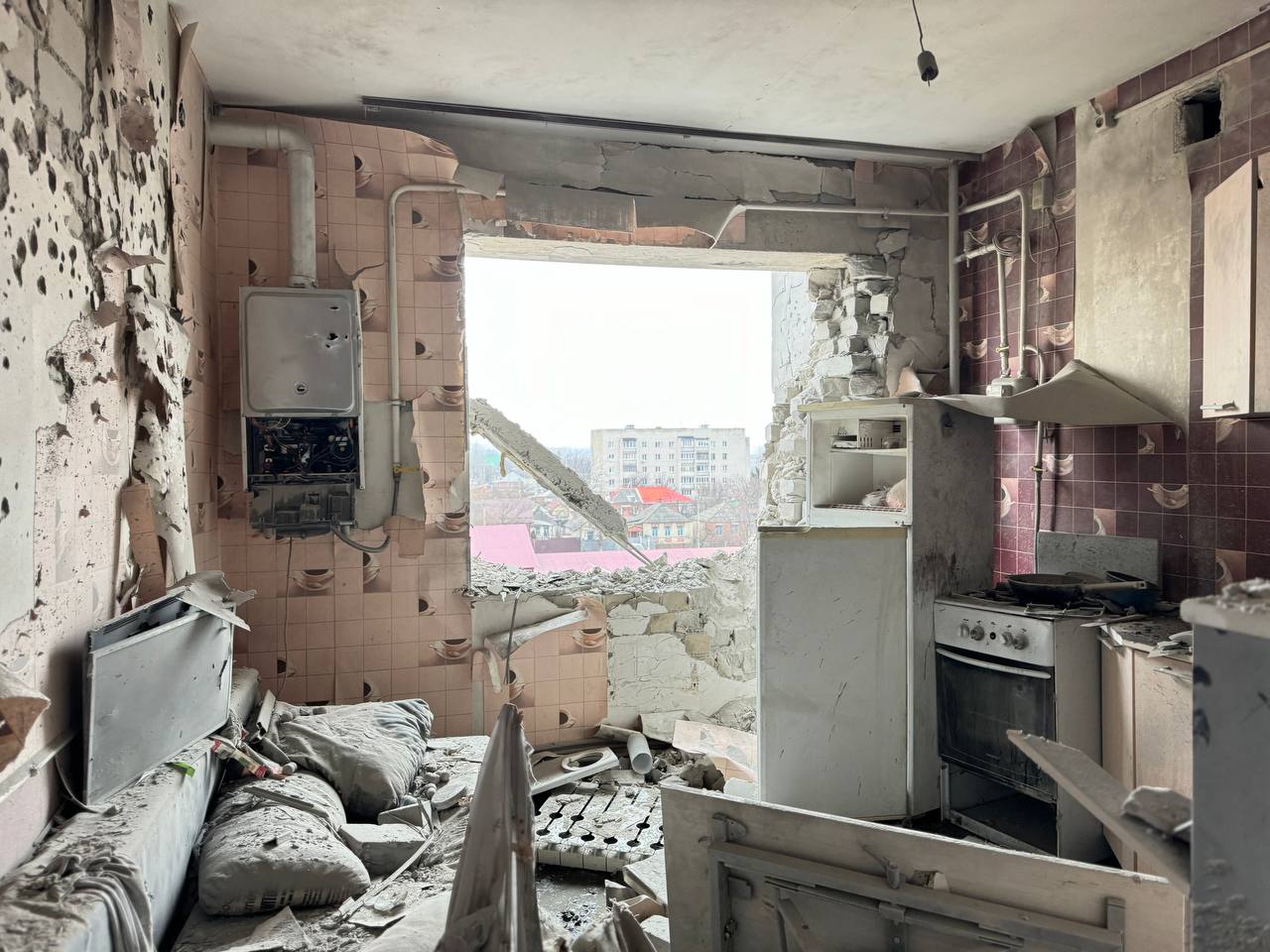
In the Internet project "Let's Place" anyone can offer free housing in their region to residents of the Belgorod region. During the month and a half of the project’s existence, several dozen families with children were able to escape from the shelling in this way. The Window correspondent spoke with the hosts and guests about how two and a half years of war affected them.
Text: Window
29-year-old Maria from St. Petersburg arrived at the city station to meet a young couple from Belgorod. 21-year-old Lisa and 21-year-old Nikita were traveling to St. Petersburg for the first time. A few days before, Maria read about them in the “Place” telegram channel and agreed to let them live in her two-room apartment.
“The guys don’t know, but when we first met in a cafe, my husband was watching them at the next table,” Maria recalls. – Yes, we were afraid, because everyone is strangers to each other. Before that, they sent me their passports, but it was still alarming. Fortunately, everything went well, we found a common language and agreed that the guys could live with me for a couple of weeks.
Maria has an anti-war position, she herself was involved in activism. That's why I decided to participate in the project.
– I’m from the hero city of the “disgusting liberals” of Yekaterinburg, I passed both the squares-temples (a large-scale city protest in 2019 against the development of the square. - “Window”) , and Furgal (after the arrest in 2020 of the Khabarovsk governor Sergei Furgal, actions of solidarity with the protesting Khabarovsk residents took place throughout the country. - “Window”) . The number of days spent in paddy wagons and pre-trial detention centers can no longer be counted on one hand. I learned about the project from a video by Maxim Katz and realized that I could provide this help. Although in general I don't get along very well with people. The same marriage, but a guest one. But I’m ready to let people in for a couple of months,” says Masha.
During the two weeks that the Belgorod residents lived at Masha’s house, they became friends.
“Masha is very sweet, responsive, she greeted us very cordially, gave us shelter, and sometimes even cooked for us,” says Lisa.
“It’s very scary during shelling”
It was clear long ago that we needed to leave Belgorod: drone attacks and rocket attacks are here almost every day, and life is more like survival.
– It’s very scary during shelling. But you get used to it. It happens that you are driving to work, standing at a bus stop, and drones are flying. And you wait: it will bang or not. Then time passes, the buses start running again, you go to work. There are sirens at work again. And so it has been for a long time,” recalls Lisa. – A year ago, a rocket hit a private house. I found out that there lived a family who fled from Kharkov and found shelter there. And the whole house will be cleaned. Everyone died. The whole sky was orange then, it was very scary.
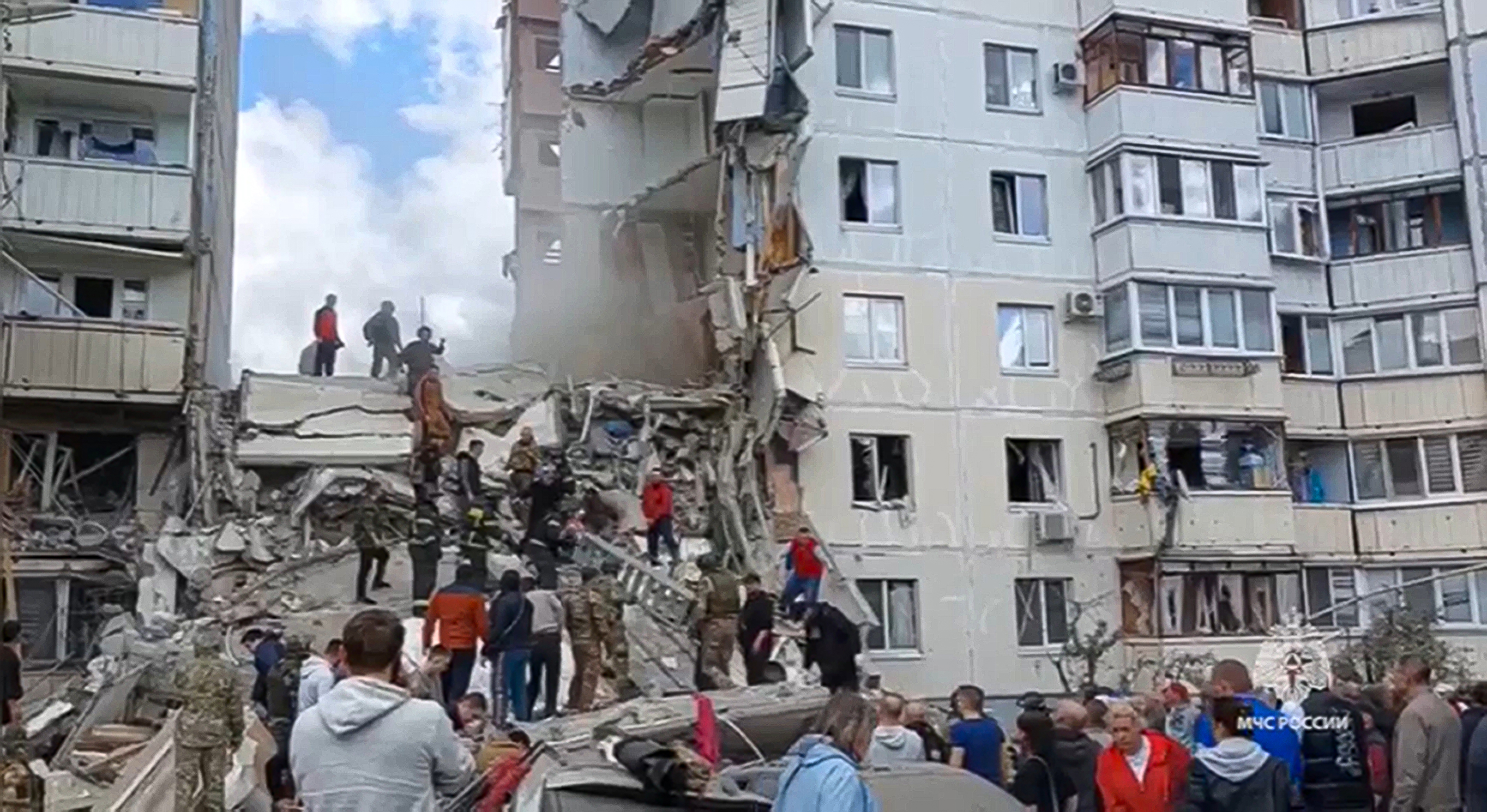
On May 12, a rocket hit a residential building and the entire entrance collapsed. 17 people died. This was the last straw, the guys say. Whose missile it was - Ukrainian, as Belgorod authorities said, or Russian, as a number of military experts believe - is not known for sure.
– Literally one day we decided that we urgently needed to move: when our entrance in Belgorod was demolished. The guy’s mother spoke about the “Let’s Place” project. Within three days we found Masha. They took all our saved money, our parents helped a little, giving literally their last. My mother was recently laid off; she was a consultant in a clothing store, but now many have left the city and there is no work. Dad can also barely cope as a courier,” says Lisa.
“I tried not to ask them anything. My psyche simply cannot stand it. And this calmness when they talk about terrible things... Nikita had surgery on his lung, he was wounded by a shrapnel. The second time he was hit by a blast wave. And he said so calmly: “If a firecracker explodes, the first thing I think about is my lung.” In some places I even slowed down their stories. They’ve seen enough at that age, they’re very young...” says Maria.
According to Lisa, she and Nikita want to stay in St. Petersburg. They have already rented housing and are looking for work. She herself is half Ukrainian. Before the war, she often visited neighboring Kharkov with her parents, where her grandmother, uncles and aunts live.
“I was initially in a very bad mood about everything; all my relatives have no sympathy for the war. We are all waiting for it to end. Among my friends, everyone is against the war. After all, it was possible to solve all the issues in another way. I really want to be at home and not be afraid of missiles. Belgorod has become very friendly today. If there is a missile threat, explosions, many people open their entrances and help each other. I really miss Belgorod, it’s a very cozy, beautiful city, the people are good. To put it bluntly, we were driven out of there. And the authorities don’t help in any way, except that they put up shelters. People are fleeing the city, always for their own money. There is no help,” says Lisa.
"We are ashamed, no one needs us"
In 2022, it was from the territory of the border Belgorod region that Russian troops invaded Ukraine. Military units and weapons depots are located here, and planes take off from airfields and bomb Kharkov and other Ukrainian cities. This makes the Belgorod region a legitimate target for the Ukrainian Armed Forces. Rocket attacks and drone attacks, which have plagued Ukrainian residents since the beginning of the war, began here in the second year of the “special military operation,” as Russia calls the war in Ukraine. Today, the Belgorod region is, in fact, the only region of Russia that has experienced what war means.
On May 14, opposition politician Maxim Kats posted a video on his Youtube channel, in which he talked about the launch of the “Post” project. The goal is to bring together those who want to leave the front-line zone and those who are ready to provide them with free housing in the regions. You can also help the project with donations.
– By the beginning of spring, shelling of border areas became more frequent, but this was not on the news agenda of federal channels. They practically didn’t talk about Belgorod, no one cared about it. Max quickly found a team, and we started work,” says Inga, project coordinator.
Those interested place advertisements through the bot of the Telegram channel. Then the project volunteers call people and find out all the details. After successful verification, the ad appears in the project’s Telegram channel .
“If we start saying ‘I rent only to Slavs’ or ‘only to Orthodox’, we don’t publish such announcements,” says project moderator Olga. – Or advertisements from the series “I will place a woman in my studio apartment.” We also had a young man who started writing to everyone that he was from Sochi and was inviting women to come to him. We immediately realized that he wanted to organize sex for himself in this way. And now we are warning everyone: if the announcement was not published on our channel, it means that the person is not from us, we did not talk to him. We had a number of advertisements offering housing along with work. But there were announcements from apparently workhouses - where 40 women in a dormitory, working in slave conditions. We immediately ban such advertisements.
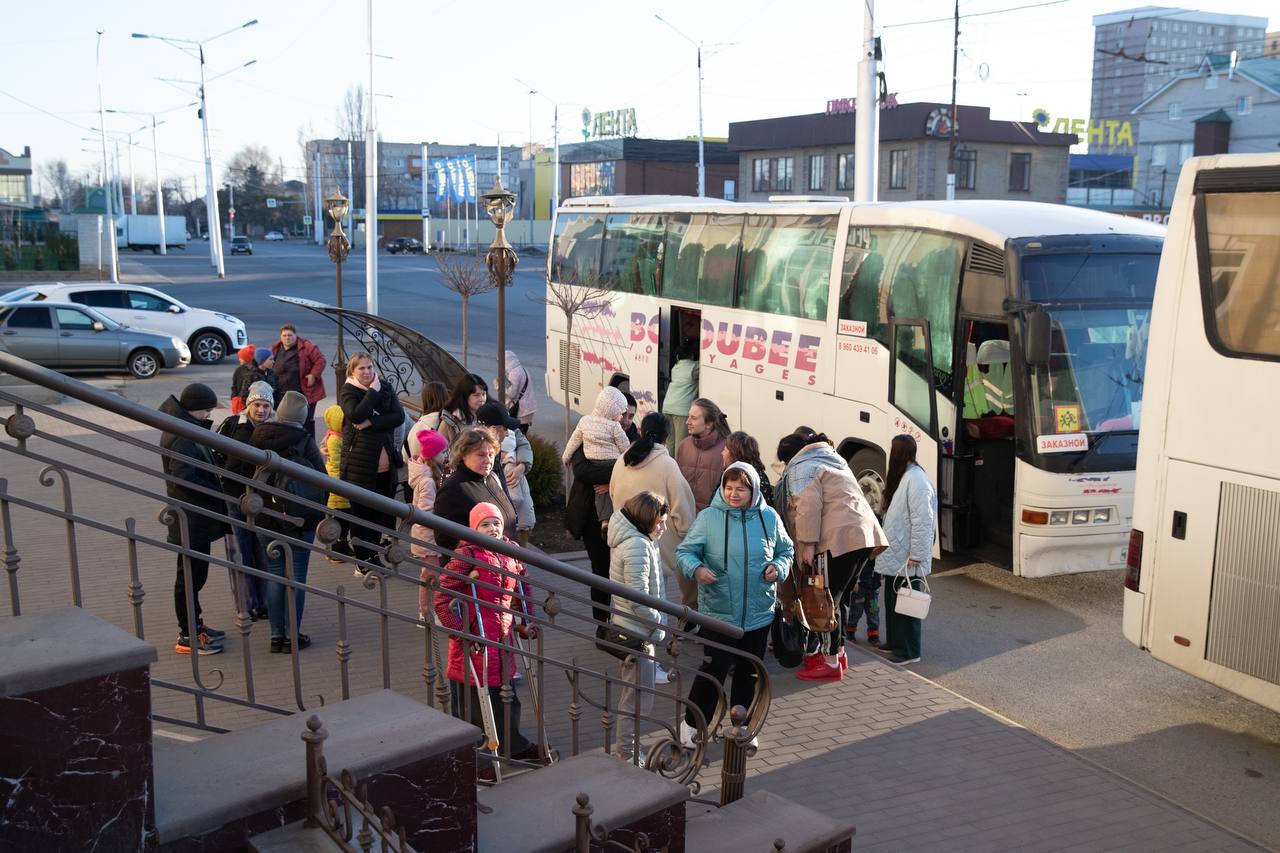
In the first days, the telegram channel “Post” had a flood of announcements from people who were ready to provide housing.
“People said that they wanted to help, that it was impossible to look at the helplessness of others. This is mainly the audience of Maxim Katz, they are anti-war, people with high civic responsibility,” Olga argues. “Men wrote to us at least twice and said that they had no available housing, but they were ready to rent an apartment to Belgorod residents for two to three months. We are currently in negotiations. There is a family in Belgorod where a child has developmental delays and needs a special kindergarten. And we are organizing this now. And if Ivan can rent an apartment for this family, as he promised, it will be very cool. Mom has already found a kindergarten.
As for Belgorod residents, conversations with them literally tear your soul apart, says Inga.
– On the first day, I talked to a woman, she was about 70, and she said that she lives 17 kilometers from Ukraine, that she is scared, that when she hears rockets, she has panic attacks. She said: “I didn’t want to leave for a very long time, because this is my home, but I want to live. Help!” It is difficult to communicate with people from the Belgorod region. They are desperate and often cry. They say: “We are ashamed, because no one needs us.” I want to work for this, to give people a break from all this.
– Great fear and such gratitude on their part. It felt like they would have fallen to their knees if they were nearby,” says project volunteer Anastasia. “Many people cry—some out of fear, some out of gratitude.” One woman said: “I’m worried all the time, I can’t sleep, I can’t hear these sounds, we’re bombed all the time...” There was also a lot of mistrust that someone would help them, even for free.
According to Olga, usually the parties contact each other themselves and send passport data. About half of the residents of the Belgorod region who contacted the telegram channel are single mothers. The rest are families with children. Today, the project has managed to accommodate about 30 families – these are just those who gave feedback.
– Advertisements for housing in the south, in Anapa, were super popular. Or in Moscow. The South and Moscow are priority directions,” says Olga. – Some of their children were going to camps in the south under a state program, and the families wanted to be close to the children. But we immediately said that, guys, we’re doing the wrong thing here. Although they have the right to do so, they have suffered through everything. But at the same time, I cannot say that such cases are the majority. The majority of people want to leave Belgorod in principle. Many already have plans for where to go. Somewhere friends and relatives, somewhere work.
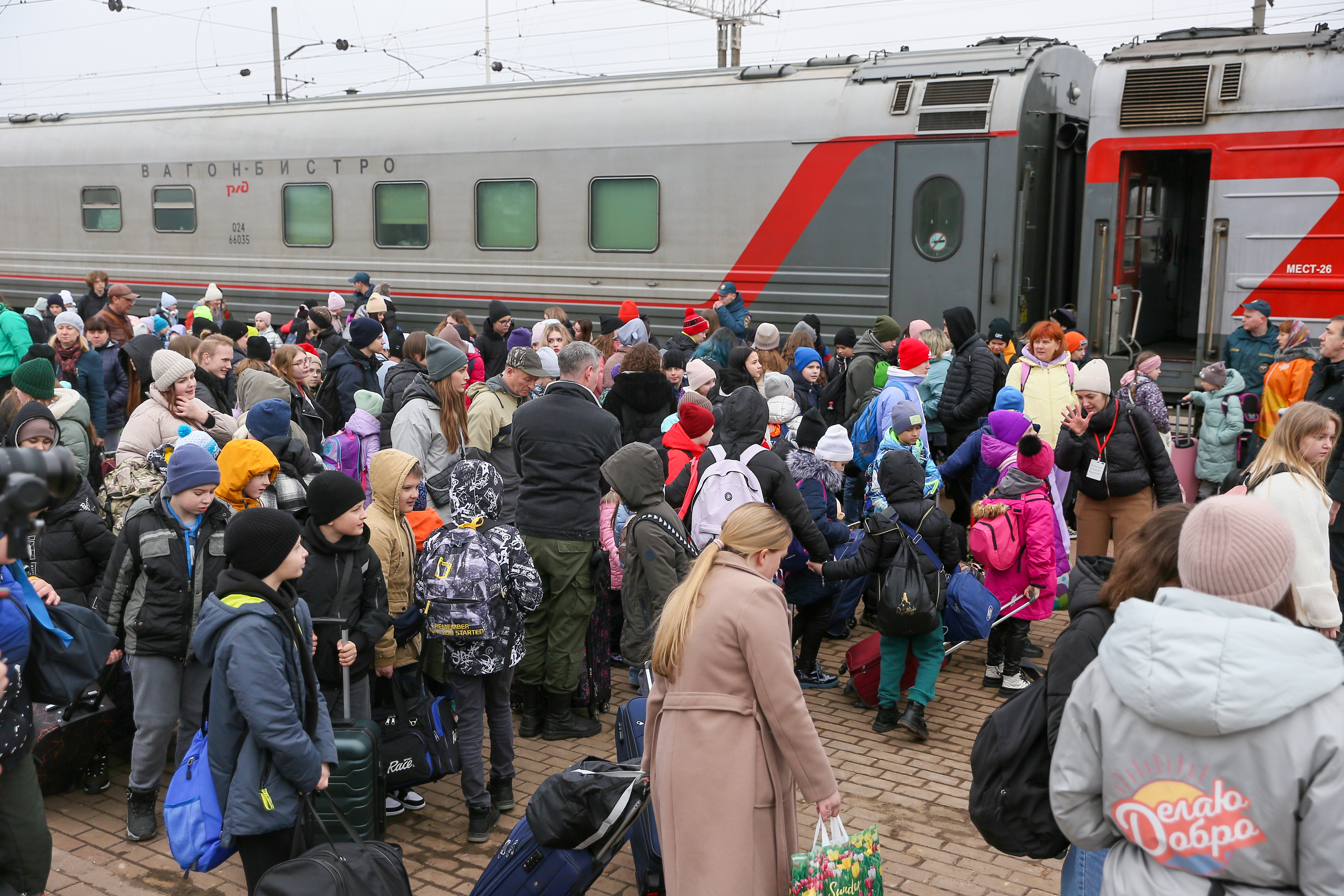
Typically, volunteers do not find out people's political views, since the goal of the project is to ensure a safe departure for Belgorod residents.
– My task is to find out that this is a real person, that he is not crazy or a fraudster, and to warn about safety rules. Political history doesn't bother me. But for many on the receiving side, an anti-war position is important. Many people say: “The main thing is not to drown for the war.” For many people this was important. Although, according to my feelings, people try not to talk about politics so as not to encounter unpleasant situations,” Olga notes.
“You are not provided with state support”
30-year-old Anna from the Shebekinsky district of the Belgorod region has long wanted to leave. She is a single mother and has two children. The daughter is five years old, the son is eight. Due to constant shelling and rocket attacks, I had to quit my job, and my daughter began to have health problems.
“My daughter was very afraid, she was worried at night. This is constant tension, when you can’t sleep normally, when there’s shelling, you grab the children, run into the corridor... I wrote an ad in the telegram channel, a girl called me back and asked a few questions. The advertisement was posted. And after some time, a man, Alexander, wrote to me and asked if I was really from the Belgorod region. And he rented us an apartment in Khimki for two months,” says Anna.
The three of them arrived in the Moscow region, taking their pets - a cat and a rabbit.
– We came across a good apartment owner and immediately made a temporary registration. Alexander and his wife brought us dishes and toys, our children are also friends with them, we go to events together. We have been living here since May 26th. The owner is not against pets. And the animals are happy too - the cat is no longer afraid of explosions, he walks everywhere calmly,” says Anna.
Soon the free apartment rental will end, but Anna plans to continue renting housing herself: she has found a job in a nearby pizzeria. My daughter was given kindergarten. And my son will go to 3rd grade on September 1st. This will be his first “real” school.
– My son was in distance learning for two years. In fact, I taught it myself,” says Anna. – There has been no connection with teachers, there has been no online learning for a long time. Can you imagine what it’s like to write a lesson plan and conduct lessons. Although, according to the Constitution, we have access for children to education... Instead of working and supporting the children, I had to teach my son. I had to quit a year ago - it was impossible to combine children with work. It is dangerous to take them with you - there are no taxis, there are no buses, there is constant shelling.
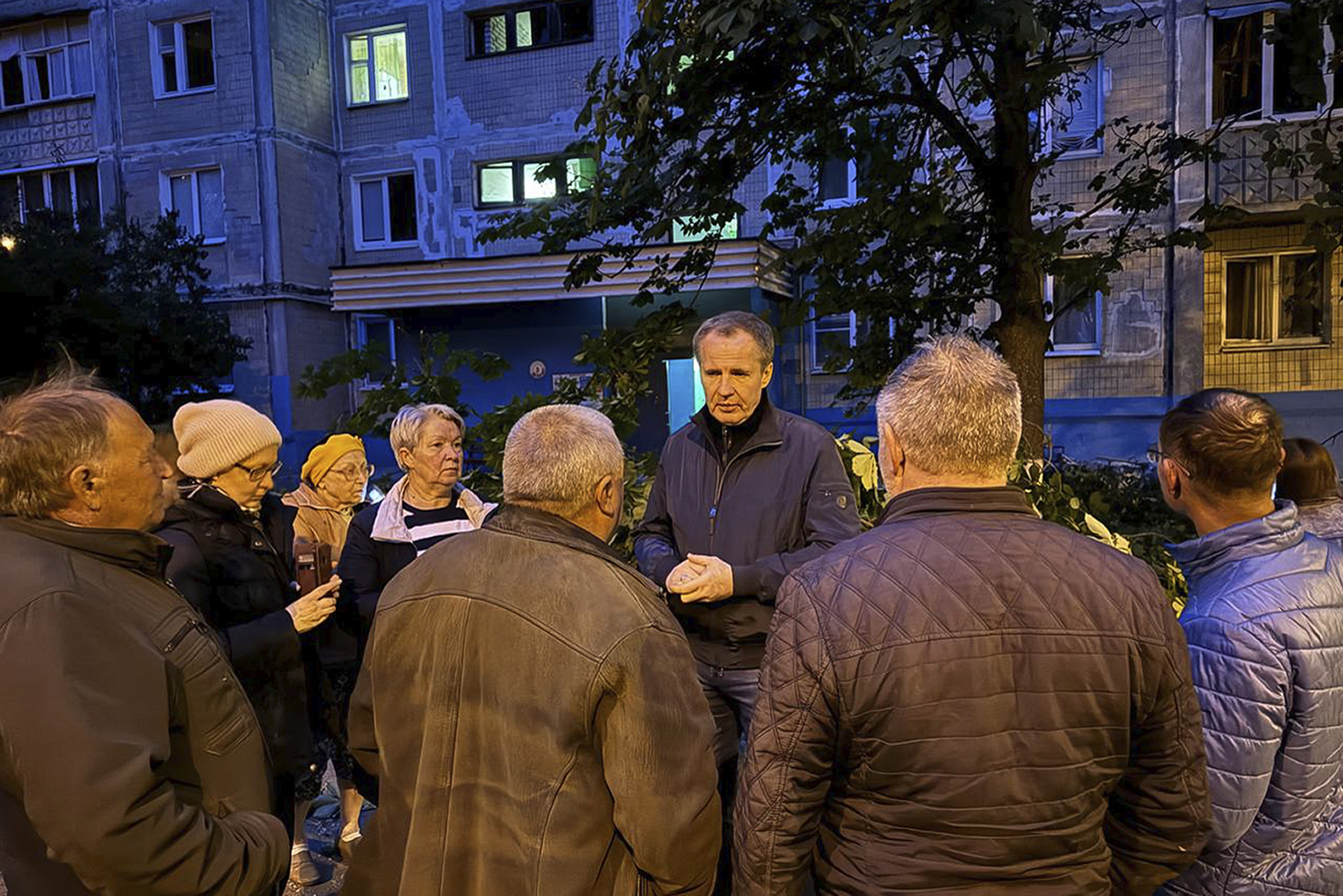
Anna was the manager of a beauty salon. After dismissal, we lived on child benefits - approximately 24 thousand rubles a month.
– There is no support from the state. And I live on child benefits - I take this money away from children, from their education and development. Now the payments are as follows: if you completely lose your home, you are paid 50 thousand. What is this? This is the month of renting an apartment in the Moscow region. What if you have a big family? If the housing is not completely destroyed, then only 10 thousand. This is not even enough for tickets,” says Anna. – When all this chaos began, I wrote to the Ministry of Defense. And they answered me: “Guys, don’t worry, you are safe. You are not provided with any support from the state.” Apparently, it is very safe under fire. We have now moved to Khimki, and a friend came to visit me for a while, to take a break from the shelling. And yesterday her boyfriend was killed by a drone in Belgorod. And no one, no one will help...
According to her, more than 40 thousand people lived in the border Shebekin before the shelling, six thousand remained - the rest left. Many houses have been destroyed. The authorities are trying to restore them, but the shelling continues.
“People are so tired of this that they don’t even hide. Can you imagine? This is the worst thing when a person has no fear. Everyone wants everything to end quickly. But people just get used to it. Missile danger, my children and I are sitting in a shelter, and people are just walking around, they don’t care. It will fall and fall - well, that means fate. Two years ago, “Tochka U” arrived on Mayakovsky Street, and 34 private houses were demolished. The family, grandparents, parents and children died. Last year, on June 1, thousands of shells flew into Shebekino, we could not get home. On December 30 last year, my daughter and I went to the skating rink. And she said: “Mommy, I don’t want to go to the skating rink, otherwise I’ll be finished.” She probably meant that something would fall. But then we found out that the girls from her dance studio died at the skating rink. There was a direct arrival, a lot of dead, rockets were flying into the city center. Then there were shellings every day,” recalls Anna, who fears most of all for the children. – Children are my area of responsibility. I had to take them out. I don't understand why the state doesn't want to protect us. We found ourselves refugees in our own country. When there was a flood in Kherson, people were given certificates for housing. Our Shebekin residents were given nothing. I have no money saved, no husband to help. You have to deal with it yourself.
Now the children are safe. What surprises them most is that you can walk in the Moscow region, there are no shelters and no rockets flying.
– My daughter, after the incident on December 30, when the girls died, constantly pees at night. Wears diapers. He gets upset - they say, who is wearing diapers at that age. We have already been treated by a neurologist and psychologist. But in Khimki everything is fine with her. Apparently, we just had to take the child out of the shelling zone... says Anna.
All her friends and many relatives have already left the Belgorod region. People are abandoning apartments and houses - it is impossible to sell them. But some people don’t have the money to leave, and others can’t quit their jobs or move their business.
– My parents are pensioners. They are also thinking about leaving, but they can’t yet - there is no money, and my grandmother recently broke her hip. The authorities are so far only building shelters and not helping people. Solovyov ( propagandist Vladimir Solovyov - Ed .) came and said that the residents of Belgorod are simply hysterical, you have shelters, what else do you need? And people say: have you seen these shelters? If you get there, that's where you'll stay. Shelters without a roof are generally incomprehensible, if there are fragments, maybe they will protect. But nothing can save you from a direct missile,” Anna reasons. – And what surprises you most is when you leave Belgorod for other regions, and they tell you: “Belgorod is Ukraine, right?” Or today I heard this phrase: “Belgorod is the one that is at war with Ukraine and will not calm down? It’s right that you are being shelled there, it’s your fault.” Thank you, of course, but I didn’t plan to shoot at anyone...
The shops are open. And not a single bomb shelter
Most of all, Belgorod residents are surprised by the usual quiet life in other regions, without shelling, explosions and shelters on the streets. A month ago, Sergei invited a family with children to live in his spare two-room apartment in St. Petersburg.
– My ad was posted in the telegram channel. A couple of days later a person wrote: “There are four of us, we would like to come tomorrow.” We agreed to meet at the Moscow station. A family arrived, a boy was 12 years old, a girl was 9. They stayed with me for ten days. We traveled with them around the city, to tourist places. And their reaction amazed me. They didn’t understand what it was like—shops were open, restaurants were open, and not a single bomb shelter. Then they went south. It was cold here then,” says Sergei.
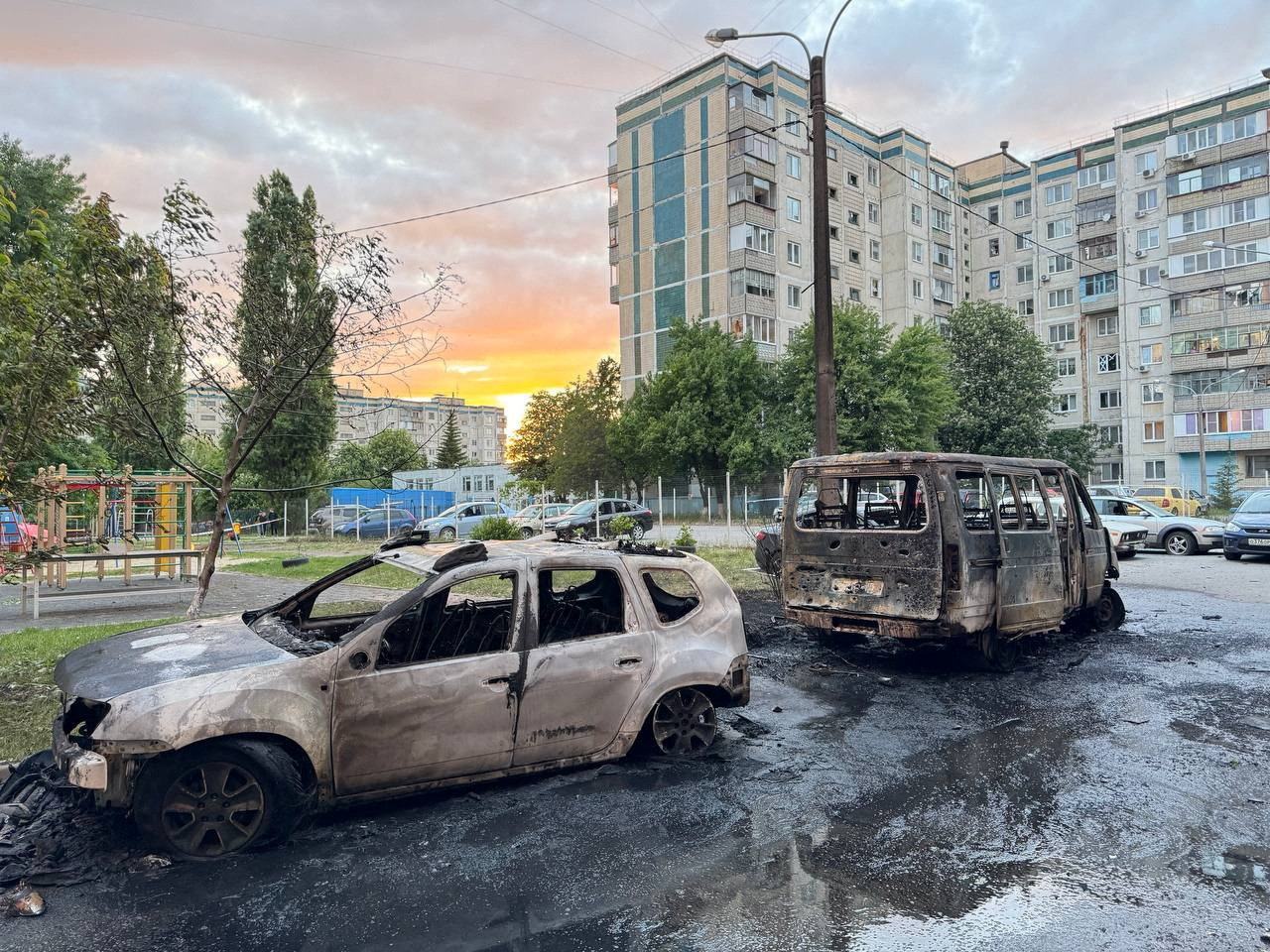
What is happening in Belgorod is a common tragedy, Sergei believes. Two years ago, he helped a family from Mariupol get to Europe. And he still remembers this story with pain.
– There were neighbors with children – a 15-year-old girl and a 17-year-old boy. They tried to go from Mariupol towards Ukraine, but their bus was fired upon. They rushed into the forest plantation, where they got lost with the boy’s mother. Somehow they tried to get out. At every Russian checkpoint, everyone was stripped naked and checked. It was very painful to listen to their stories,” recalls Sergei.
Then the refugees were able to get to St. Petersburg. After which Sergei took them in his car to the Russian-Finnish border.
“At the border, the girl was asked to take off her headscarf to check the photo. Although I lived for 59 years, it was a shock: I had never seen a gray-haired 15-year-old girl in my life. We crossed the border and she just started getting hysterical. Did they really get out... It was very painful. At the border, the migration commissioner shook my hand. This time, when the opportunity arose to help people from Belgorod, I realized that I needed to act. “I plan to continue offering housing to residents of the Belgorod region,” says Sergei.
To date, the "Let's Place" project has received 282 applications for publication and published 220 advertisements - 167 from the host side and 53 from those wishing to find housing. The project accepts applications through a telegram bot , and after verification, announcements are published in the project channel .