
Translated material
Vaccinated from HPV, even if you are adults
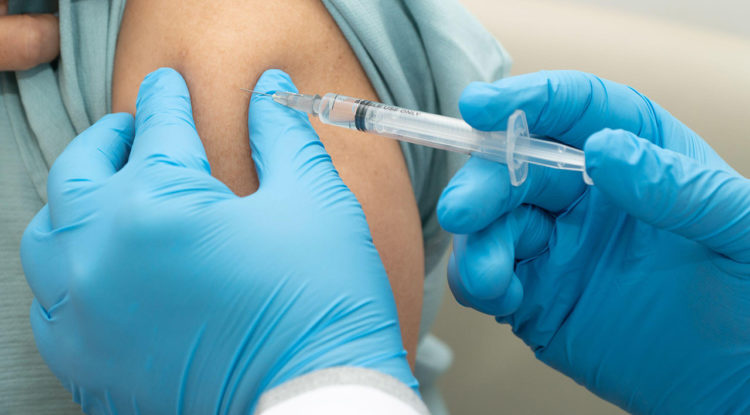
This will protect you from several types of cancer
The human papilloma virus (HPV) is one of the most common sexually transmitted infections in the world. And this is the main reason for the cervical cancer - in 95% of cases it is associated with HPV. However, men are also not safe from cancer caused by this virus. "Cold" tells why the vaccine from HPV makes sense not only in childhood - but it is better to vaccinate right now.
In order not to miss the main materials of the "cold", subscribe to our Instagram and telegram .
According to WHO estimates , in 2019 alone, the human papilloma virus caused 620 thousand cases of cancer among women and 70 thousand among men. HPV provokes the development of tumors of the cervix, anus, vulva, vagina, penis, oral cavity or larynx. In total, 200 types of this virus are known, but the most dangerous - 16 and 18. With normal immunity from the moment of infection to diagnosis of an oncological disease, 15–20 years can pass.
During the life of a human virus, up to 80% of people who lead a sex life are infected with a virus. You can reduce the likelihood of HPV transmission using condoms, but they do not cover the skin of the genitals completely, therefore they do not provide one hundred percent protection against infection.
Who and when should be vaccinated?
It is best to vaccinate from 9 years before the start of sexual activity, because infection with the virus is possible with the first sexual contact. But you can vaccinate later - up to 45 years. Especially strongly, experts recommend vaccination from HPV to people practicing sex with different partners, or those who have already diagnosed precancerous conditions or tumors.
The risks of HPV-Associated cancer in women are higher, but men should also be vaccinated. This will help to protect sexual partners and prevent cancer of the penis and anus. If you are already infected or transferred one of the strains of the virus, experts still recommend a vaccine. The vaccine saves from other dangerous types of HPV. If the oncogenic variants of the virus have already been diagnosed, a woman must regularly conduct cervical studies.
Where and how can I get a vaccine from HPV? Is it free?
The VPV vaccine is included in the calendar of children's preventive vaccinations in Moscow. It is made for free in clinics or schools for girls 12-13 years old. The vaccine is also included in the programs of 58 regions of the country, for example, the Perm Territory , the Sverdlovsk Region , St. Petersburg and the Khanty-Mansi Autonomous Okrug . For residents of other regions of Russia, girls over 13 years old, boys, women and men vaccinations from HPV are paid.
In Russia there are two vaccines from HPV: “Cervvarix” and “Gardasil-4”. CERVOVERIX is effective against the two most oncogenic strains (16 and 18), they are instilled in girls and women. Only “Gardasil-4” is suitable for boys and men, which protects from four HPV strains: 6, 11, 16 and 18. Gardasil-9 vaccines that prevent infection with nine strains of the virus, in Russia, but they are, for example, in Georgia and Turkey .
You can learn about the presence of a vaccine from the human papilloma virus in city clinics. If you are refused or responded vaguely, then you can contact the area of healthcare of the district or city with a statement and a request to purchase the necessary drugs. You can also complain about the lack of vaccines by calling the hotline of the regional compulsory medical insurance.
How many times do you need to vaccinate from HPV?
Children 9-15 years old are usually administered two doses of vaccines with an interval of six months. Doctors advise people from 15 to 45 years old to do three injections: two months should take two months between the first and second vaccination, and four months between the second and third. With weakened immunity or autoimmune diseases, children also show three doses.
How much is vaccination?
In Russia, one dose of VPV vaccines will cost an average of 10 to 13 thousand rubles. A little cheaper can be snooped in Georgia-from 105 Lari (3.4 thousand rubles) to 400 Lari (12.9 thousand rubles) per dose of Gardasil-4. Three doses of vaccines in Turkey will cost about 9600 Turkish lires (25.6 thousand rubles). In Kazakhstan, one dose of a vaccine costs from 53,500 tenge (9.8 thousand rubles). In Germany, one vaccination of HPV without insurance will cost about 186 euros (17.7 thousand rubles). In the countries of the European Union there are insurance programs that can cover at least part of the cost of the vaccine.
Is the vaccine safe?
The drugs do not contain a living virus, but fragments of its shell, so it is impossible to infect HPV from it. Studies "Gardilal 9" showed that after vaccination, antibodies appeared in almost 100% of girls and girls who were not previously infected. This means that the vaccine reliably protects against cancer and precancerous conditions that provoke oncogenic strains of the virus.
In vaccinated adolescents and young women in Australia, Germany, Sweden, Great Britain, the USA and New Zealand, up to 90% less often detect HPV infection and genital warts provoked by them. In Scotland , not a single case of cervical cancer was revealed in women born in the period from 1988 to 1996, which were completely vaccinated from HPV aged 12 to 13 years. Among those who received all three doses of vaccines aged 14 to 22 years, cancer cases were 2.5 times less than among unvaccinated women.
According to studies , the vaccine does not affect the possibility of conceiving children in the future. But experts do not recommend vaccination during pregnancy, although scientists did not reveal negative effects on the fetus.