
Translated material
Divide the last skin
As in Russia, for the sake of entertainment and money, the Himalayan bears are destroyed. Report from the Far East
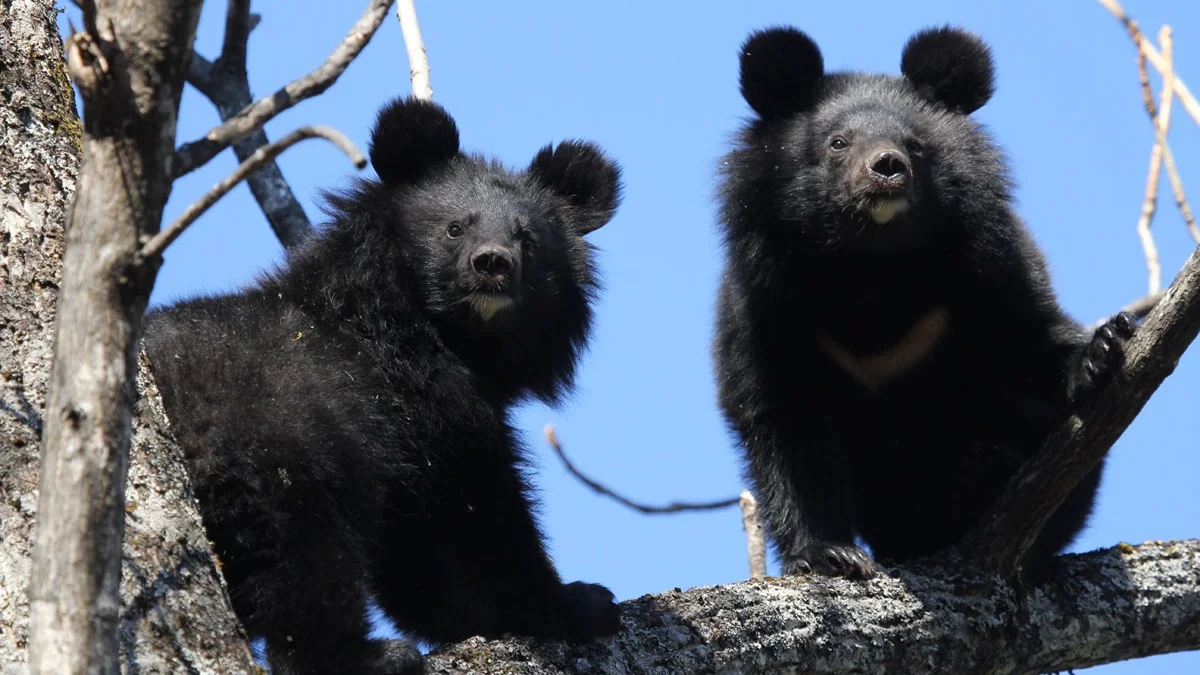
Photo: Sergey Kolchin
In May of this year, the Ministry of Natural Resources of Russia proposed changing the rules of hunting and allowing to kill brown and Himalayan bears all winter. The initiative caused a great resonance, because in winter the bears are in a state of sleep, give birth to cubs and cannot protect themselves.
9598 people spoke out against the department’s proposals on the portal of state regulatory legal acts, 775 - left detailed critical reviews. The initiative supported was only 12. The Ministry of Natural Resources was forced to abandon their idea.
Environmentalists indicated that the ministry could be an elite hunters who are interested in the extraction of the Himalayan bears. The Gimalayan is a prestigious trophy, but shooting it in the summer in mountain impassable forests is not easy. Another thing is to find a wintering place and kill sleeping.
This is possible only in Russia: in other states - from China to Napal - the Himalayan bears are under guard.
But is everything so good for these animals in our country? And is it permissible at all hunting for them? The special corner of the "Novy" went to the Far East, where people are adjacent to the Himalayan bears to tell:
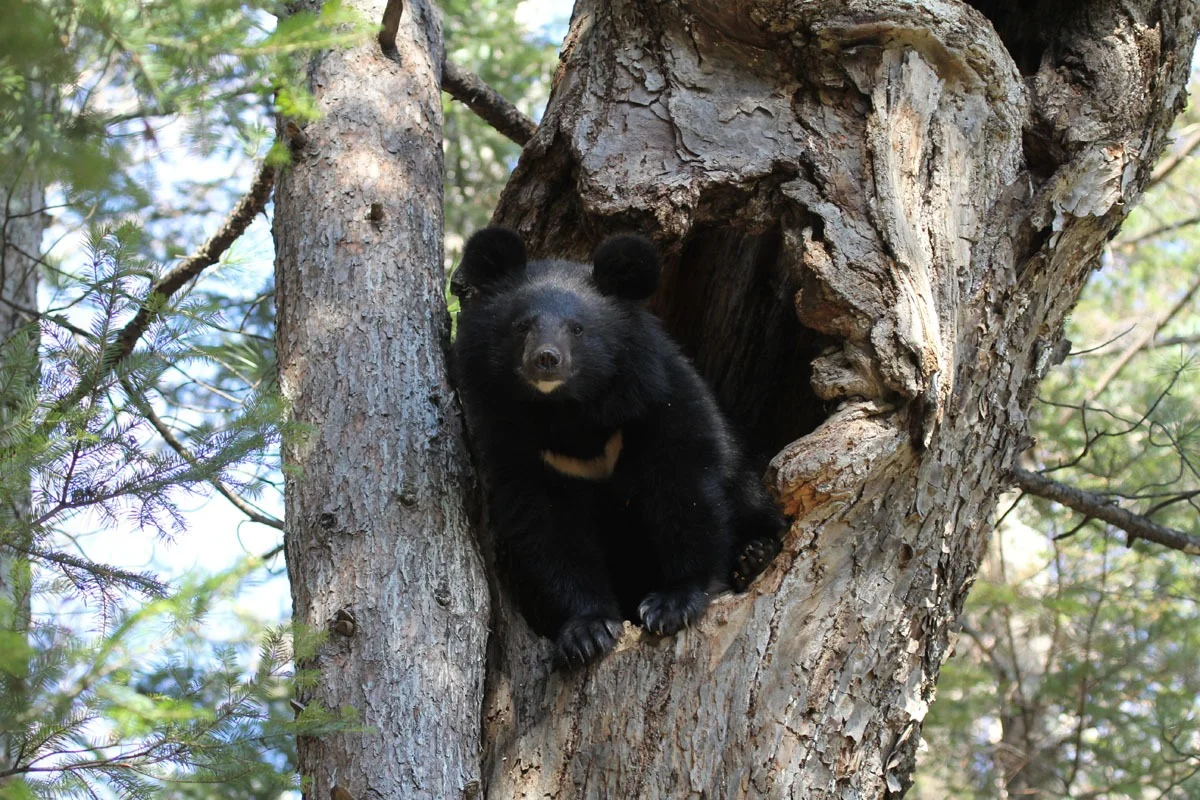
What are these bears who feed on trees and winter in hollows.
For the sake of which a person destroys them: who and how much earns on this.
Lee threatens the Himalayan bear in Russia complete destruction.
And also - about the great migration of bears, during which animals, fleeing hunger, literally populated cities and villages of the Khabarovsk and Primorsky regions.
Part I. "Drawn" population
- Lipa usually rot from below. And through hollows in it are often formed just a few meters from the ground. So the bears are very low in lindens. - With Zoologist Sergei Kolchin, we stand on a cut -out plot in the middle of the Ussuri taiga. For tens of kilometers around - not a single settlement. Only industrial roads, clearings, cabbage propelled rods. We examine the cups of Amur linden thrown by rollers of the forest.
“It is evident that the decay has already begun,” Sergey continues. - That is, in 15 years, the wood could use bears: they sometimes even gnaw at the hollow in the hollow, in which they winter. They scrap rot on the floor of the den and sleep on such a soft litter. But this linden, of course, is lost for animals.
The Himalayan bear is almost not familiar to the inhabitants of Russia. Many do not know at all that he lives in our forests. And it is not surprising, because it is found only in four regions in the south of the Far East: mainly in the Primorsky and Khabarovsk region and very small groups in the Jewish autonomous and Amur regions.
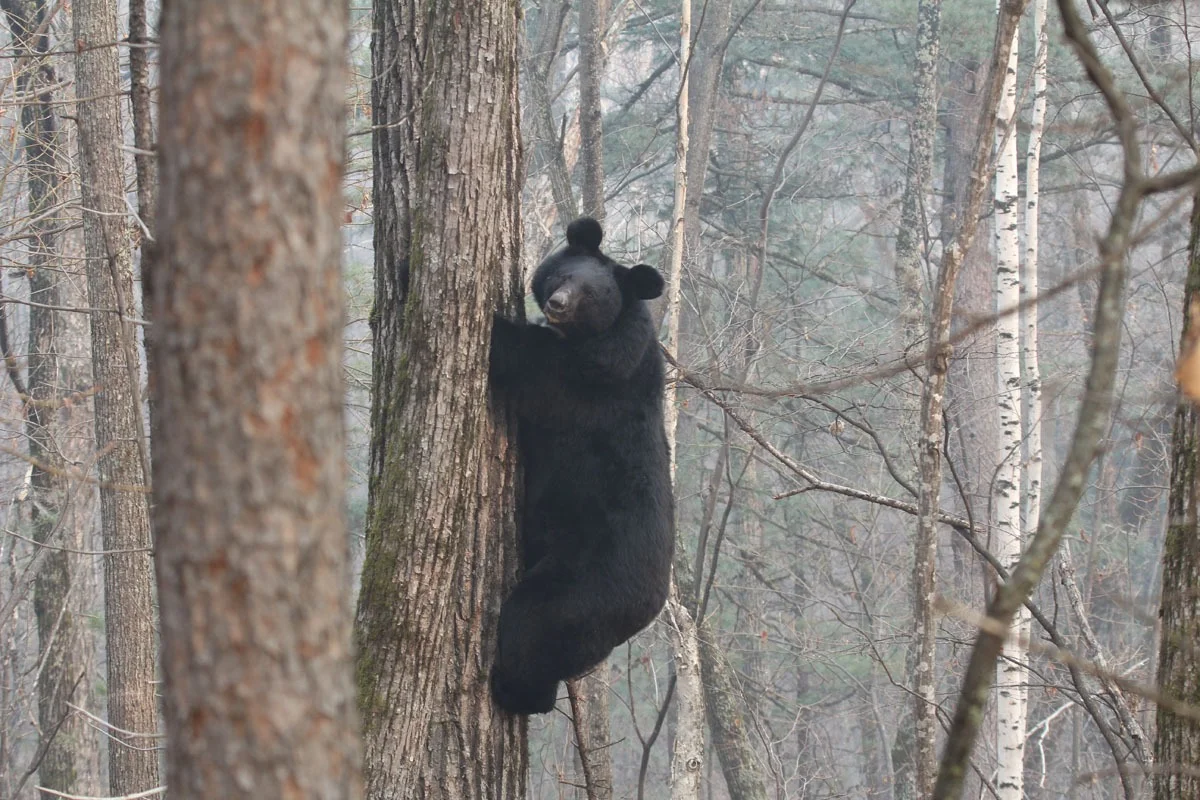
The Himalala leads a semi -annual lifestyle. And the basis of its diet is vegetation: first of all, the nuts of cedar and oak acorns.
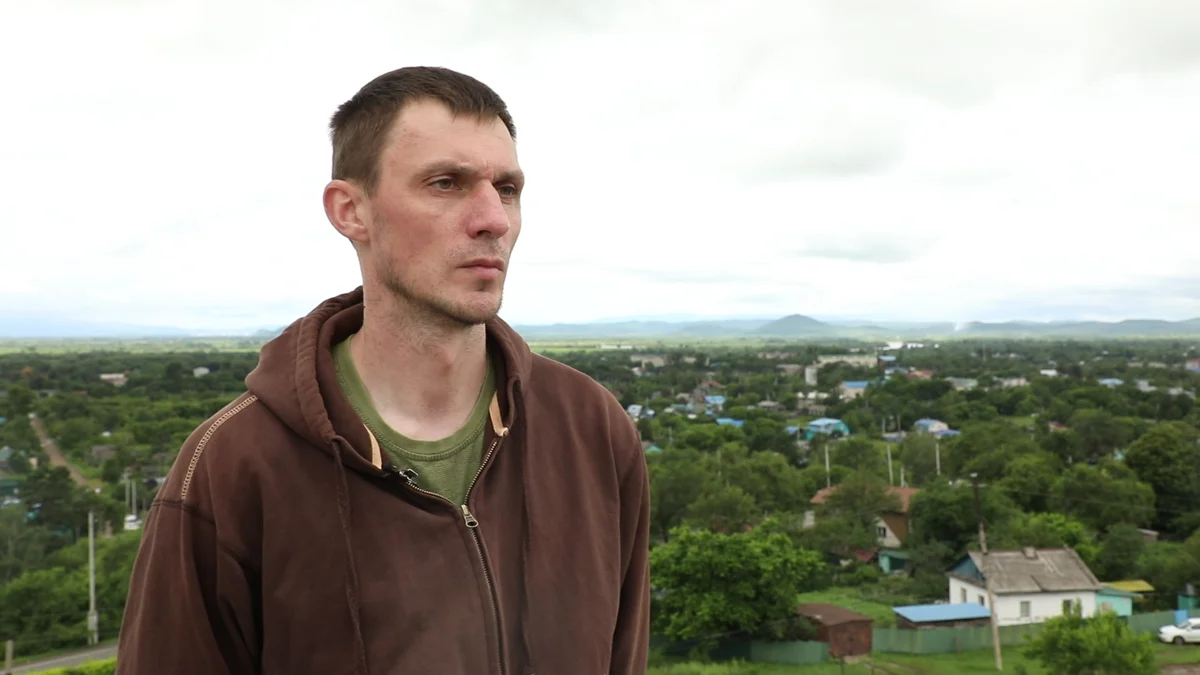
“It is these feeds that determine its well -being and the possibility of existence in our region,” says Kolchin. - For this species, old -growing indigenous forests are extremely important. He does not know how, like a brown bear, to dig Burlios and therefore seeks natural shelters: in Russia, first of all, it is hollow of trees. On the trees, he not only sleeps and feeds, but also saves from stronger predators - a tiger and a brown bear, which, at any opportunity, hunt him successfully.
The Himalayan bear is two times less brown. More shy and less aggressive. Its exact number in Russia is unknown, but the animal all the time balances on the verge of the Red Book: it was excluded from there in 1997, and in 2012–2020, scientists repeatedly raised the question of its return to the number of protected species.
- Traditional animal accounting methods - for example, in the wake of the snow - are almost unsuitable for bears: they sleep in winter. With the help of photoealists on the scale of our regions, it will not work to assess the absolute number of Himalayan bears, ”says Sergey. - Yes, there is the so -called state monitoring, but it is not scientists lead, but hunting users - that is, people who are directly interested in the production of the bear. Often these are hunting organizers. Therefore, it turns out that only in the Khabarovsk Territory 3,500 individuals are allegedly inhabited now in the early 2000s.
Moreover, if we analyze the official data, then in some years the number bounced at once by 50%, which is biologically impossible - bears do not give birth at such a pace. Therefore, my opinion: the number of Himalayan bears in our country is simply drawn.
Part II. Great migration
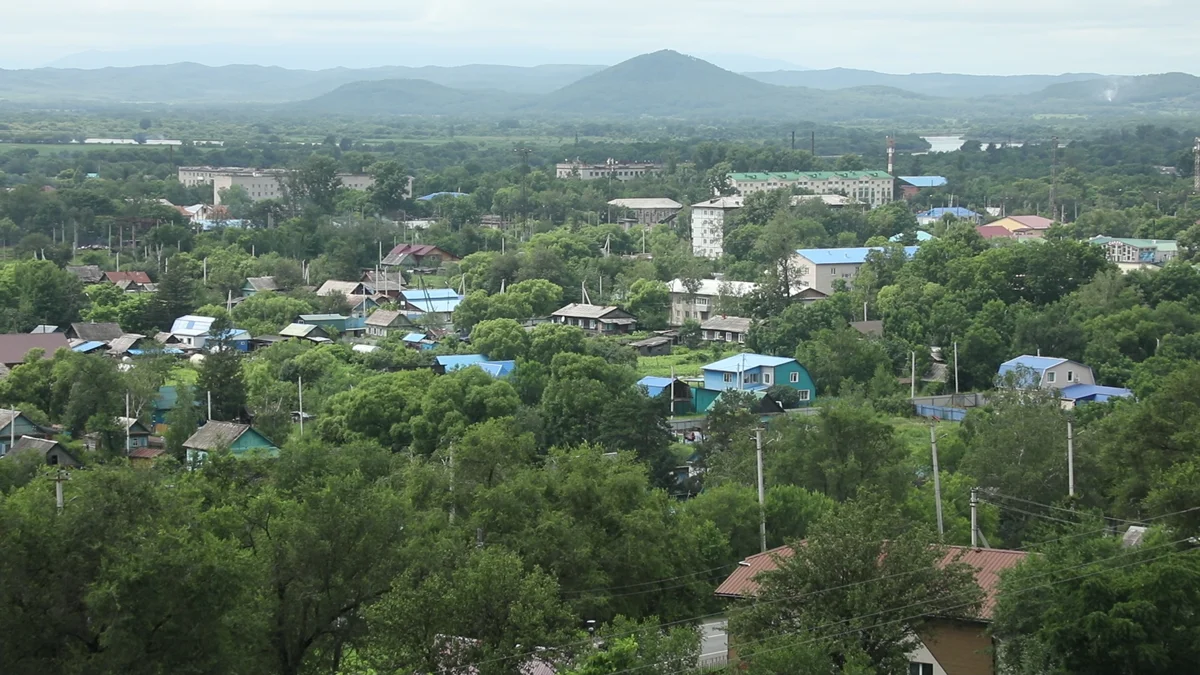
At the end of August 2015, in the vicinity of the Strelnikov ridge, on the border of the Khabarovsk, Primorsky regions and China, unimaginable began to happen. The bears wandered across the state borders, faded Ussuri, descended from the spurs of Sikhote-Alin and rushed into settlements.
For people, their appearance was a complete surprise.
The lane is fast in the private sector of Bikin - a long street at 94 houses, stretching along the stream overgrown with trees. These trees and the log itself, which flows a stream, became a shelter for the bears in the city line.
- 6 in the morning it was when my husband and I woke up from the barking dogs. They barked all over the street, but our three flooded the most fierce. We go out into the yard and see - the grapes go shaking, ”says a local resident Nadezhda Alexandrovna. - They came closer - the bear of the Gimalayan buoy, the berries tears, eats with handfuls. We ran into the house, we observe from the window: he ate all the grapes and went to tomatoes. Suddenly shots: one, the other. This, it turned out, our neighbor, a hunter, drove the bear from his garden. In general, they were frightened and rushed somewhere in another place.

The bears were everywhere: they were seen (and shot down) on the A-370 federal highway, connecting the Khabarovsk and Primorsky Territories, on city and rural streets, on landfills and especially a lot in the gardens.
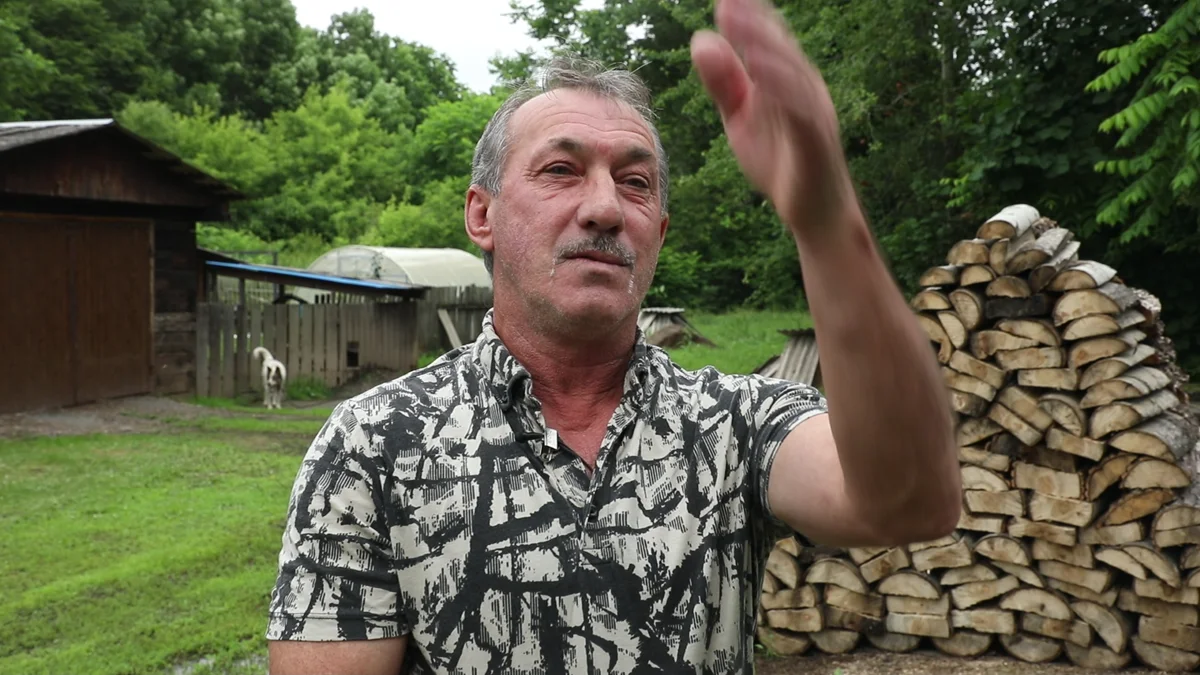
“First, they saw a bear under the hill of a hill,” recalls a resident of Bikin Anatoly. - Then the neighbor said that his father in the garden of the Himalayan watermelon ate. Then other neighbors say: they decided to apply water to the bathhouse, come in - and the bear jumps out of it. And then I began to notice at home: in August, the pear is in a hurry and the fruits begin to fall off, small pears - more sweet, and large ones - a little worse; And I came to pick them up and realized that there were no small ones at all. Then I look - there are no big ones either: there are no trees on the trees and there is no on earth. And then the wife of the bear saw in the next site! In general, he came to us and the pears chose: at first small, the most delicious, and when they ended, he began to eat large.
In the village of Lesopilny, one of the bears literally settled in a house neighboring with people.
- I was traveling from work in the evening, I drive up to the house, look - walks along the road. He went to the exit from the village, towards the lakes, and I thought: probably, accidentally wandered here. But it turned out that he lived in an abandoned house in the neighborhood, ”recalls a resident of the forested Leonid. - It became clear after a while. In the evenings, I took out the food in the evenings-some kind of porridge, meat, put her a pan and left. Suddenly he began to notice: the pan in the morning is further and further from the dog. At first I thought: maybe other dogs are offended - they take her food from her. And then it turned out that no. One evening I hear the gate slammed in an abandoned house. I think: Well, what is there, boys, or something, climb? He took the flashlight, went out and ran straight to the bear - he stood fifteen meters from me. We looked at each other, I turned quietly and left. There was no fear - I have been in the forest since childhood, this is not the first time I see a bear. But then it became clear who was eating the dog.
The arrival of bears meant one thing: in the taiga - a lot of hunger. 2015 turned out to be rare - such are happening every 40-50 years - when neither cedar nor oak were urged. At the end of summer, the bears felt that there would be no food in the forest. And went, overcoming instinctive fear, to people.
Eyewitnesses recall that the bears were unhealthy: exhausted, many had almost no wool. They went out into the streets mainly at night, tried to avoid contacts with a person. The village of Lewegorsk is the only one where there were cases of attacks by migrating animals on people: there were two of them.
A resident of the street of the embankment, Viktor Dubitsky, says that that day, August 21, will never be able to forget. In the morning he left his entrance to take a walk with the dog, and after a few seconds a Himalayan bear rushed at him.
- I only managed to turn my head and see how he jumps. There was no time to group, nor put a hand or leg forward. Instantly, he knocked me down - threw me three meters. Then he bit, began to tear with his claws, the dog clung to him from behind - he let her throw away. But all this continued for seconds: people began to scream, the car drove along our street and sat - he was frightened and fled, ”the man says. - Hospitalized me with ragged wounds of the left hand and shoulder. Then, as far as I know, this bear was shot.
The bear who attacked Victor, scientists tell, found a shelter under the balcony of the first floor. He rushed at a person because of fear: people, in principle, are perceived by wild animals as a source of danger, and in an unusual environment and an unexpected meeting, the beast, which is in a state of stress, can decide that he has no way out, except to join the battle.
People themselves also reacted to bears in their minds. Some called the hunting experts: they came, drove animals or caught and taken to the forest cubs. Others called the police, and she acted tougher, sometimes simply killing the animals. The third - hunters - did not wait for anyone and killed them themselves.
On the shores of the Luchegorsk reservoir in September, a whole special operation unfolded: hunters, police and firefighters drove off a bear hiding in the thickets of trees near the village beach. The animal was first tracked with the help of spotlights, and when they found it, they began to be watered with water from a fire hose. As a result, they forced to sail to the opposite, uninhabited, shore.
But the bears all walked and walked. They were driven away, and they returned. They lived with people all of August and all fall, and then some of those who were not killed, began to look for places for wintering right in settlements.
- One even in a military garrison in the bikin found one. There are old garages, and under one of them the pit was dug up. The Gimalayan climbed there and overwinter, ”says Nikolai Satsyuk, who at that time worked as a hunting inspector in the Bikinsky district. - It was already in the spring: the woman went and saw. Let's yell. The bear was also scared - he jumped into the garage and hid. As a result, they called the catchers from Khabarovsk, they put him asleep and took him away.

Wintering was also not easy. In that year, scientists first noted the Himalayan bears-shawls that did not lie in the Berlogs due to exhaustion. Animals died of hunger and cold. Found frozen corpses of bears in hollows and hunters.
Still, by the summer of 2016, the situation stabilized: the bears left the settlements, and we could say that the big hunger ended, but by the fall - everything was repeated. This has not yet happened in history: it has not yet happened that cedar and oak do not give a crop for two consecutive years.
“The scale of the new tragedy clearly reflects the situation on the Hechcir ridge. On September 14, 2016, in the village of Kazakevicho, a small bear fed by pears, located at the border of the Bolshekhychic Reserve, the village of Kazakevicho. The appearance of the animal testified to his distress, they wrote .
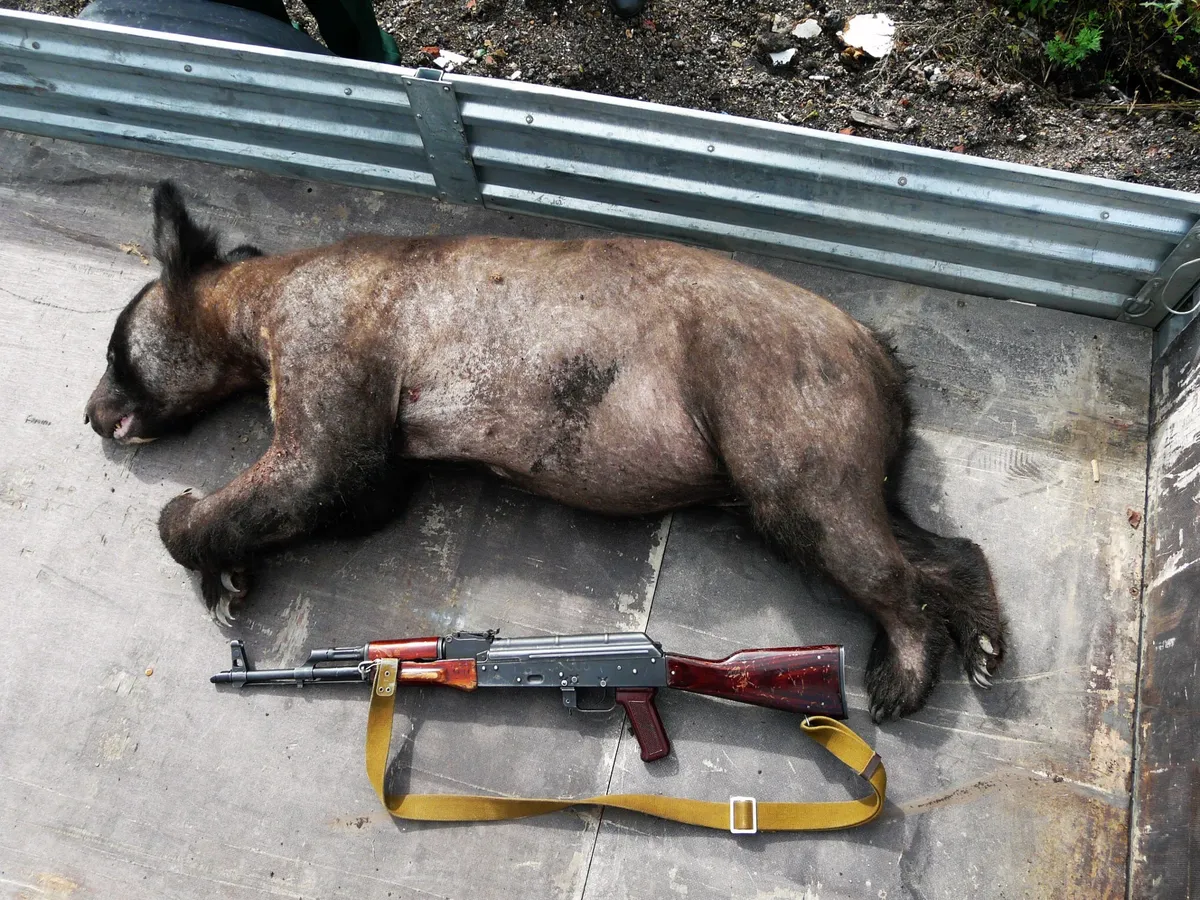
Only three apiaries near the Bolshayahekhcir Reserve during the summer and autumn of 2016 were shot 13 bears. They practically had no hairline, which testified to a strong exhaustion.
In conjunction for two related years (2015 and 2016), the Gimalayan bear of the ridge has lost at least 36 animals. <...> In February-March 2017, four bears were discovered on Hehcira near the villages of Kazakevevo and Novotroitskoye, not far from the village of Hehkir and on the territory of the military unit in the village of Korfovsky. They all winter in atypical places and left their shelters 1.5–2 months earlier than the usual terms due to exhaustion, ”the scientists wrote. - One of them - a two -year -old male, who winter under the roots of a fallen aspen of 100 m from the outskirts of the village of Hehcir and left the den in mid -February - we discovered and began to feed in a timely manner. In mid -March, having strengthened a little, the bear moved 1.5 km from the village and climbed into the hollow oak. The beast continued to feed and returned to the reserve on March 30. This bear has become one of the few people who survived with the assistance. ”
But what led to such a large -scale hunger, which forced the bears to go to people?
Part III. Empty taiga
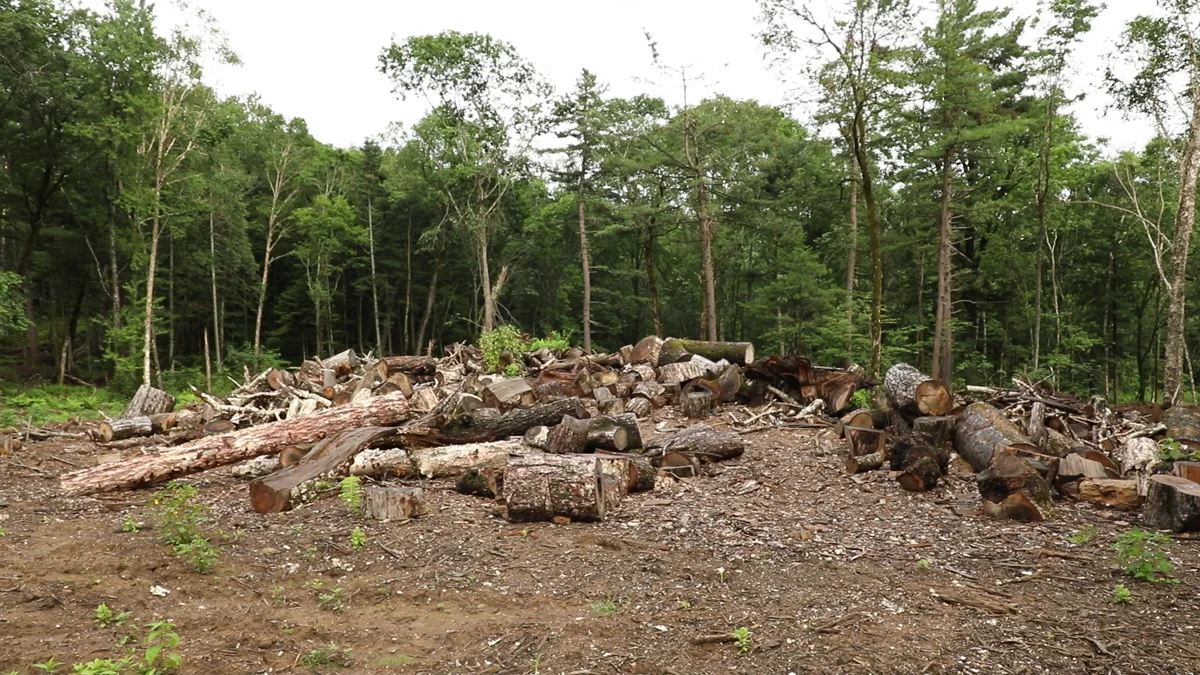
Slitter red tosses dissect the forest every 50-100 meters. It is noticeable that in some places the lumberjacks laid them to a single large tree. But there are also plugs cut out cleanly. We stand on one of these. It is turned into a landfill: in a large heap lies an illiquid wood - uneven trunks, uprooted stumps.
- Here, mainly linden, oak, ash, spruce, yellow birch, - zoologist Sergei Kolchin examines the abandoned trees. - But the stump is cedar: when laying the drag, the bulldozer simply uprooted the cedar. Well, they drank it and threw it, because the commercial harvesting of the cedar wood is prohibited, but it is allowed to remove them when laying the drags. Therefore, lumberjacks simply destroy them and throw them in place.
Sergey says that these plots are not the first time:
-About 50 years ago, there were luxurious cedar-chirocolide forests here. There were huge cedars. But in the 70s they were thoroughly cut out. In 1989, the cedar industrial workpiece was banned, and lumberjacks began to take more oak, ash, linden, birch, choosing the best, fruiting trees - those that are more appreciated in the wood market in China. But now they are almost over, and today they are already sawing what they had not paid attention to before: a thin meter. To sell the Chinese at least something.
These words are confirmed by scientific research. In 2018, biologist Olga Slendatkina published an article in which, on the basis of the analysis of space pictures, she stated that 41% of the indigenous forests of the Primorsky Territory was completely cut down, 40% were affected by triggering to one degree or another, 15% did not represent value for forest industries due to the pedigree, and only 6% of valuable forests were not violated. There were no such studies in the Khabarovsk Territory, but scientists agree that the state of the Ussuri taiga is generally catastrophic.
The philistine look still sees the trees around, but this is not at all the forest that guaranteed the peaceful coexistence of people and animals in the Far East.
- Now this is no longer a balanced ecosystem, but just a set of trees. Such a forest cannot be called cedar-chirocolide, because the initial dominance of the cedar is lost here. The entire upper tier was huge cedars of 35–40 meters high.
You look from above: it seems that there is a continuous cedar. And the rest of the species, the same linden, ash, oak - it was a retinue. And now the thin meter prevails here. The main massifs of cedar, oak, linden, ash are drank.
Well, here's a spruce, let's say, Kolchin shows an uneven log lying in a heap. - Even 10 years ago, they would not saw her. The birch is the same, here the venke is small ... Every 50 meters there are dragging, dragging, dragging. In this “sick” forest, there is no longer that biomass of animal feed: there are few cedar nuts, few acorns, fruits of linden, ash. The microclimate, water regime, natural fruiting cycles are broken here: separate trees of cedar or oak during pollination are simply far from each other. And because of this, situations are happening such as in 2015-2016.
Sergey reinforces his words with a reverse example: during mass hunger, the Himalayan bears that lived on the territory of the current Bikin National Park - one of the few places where the indigenous forests were not passed by triggering, despite the crop failure, nevertheless could find food, collecting a few fruits from the trees.
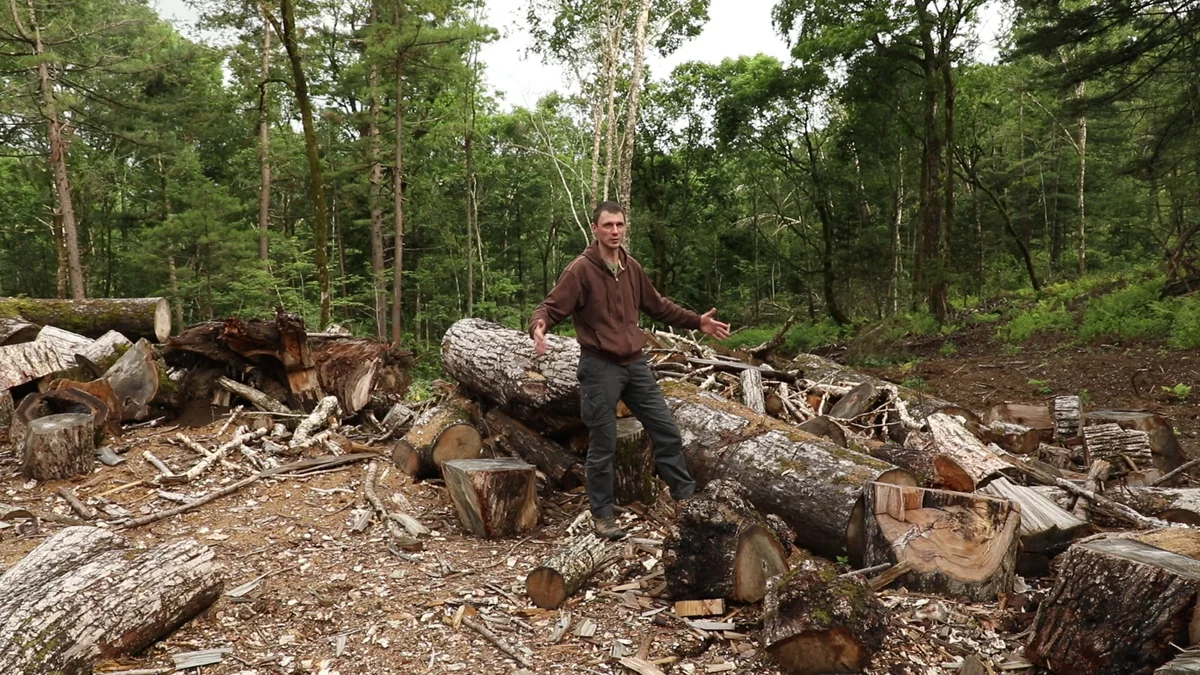
“When there are a lot of oak and cedar, animals have the opportunity to take a little from one tree, a little bit from the other and still at the very least to gain fat to winter,” he says. -But there are almost no untouched cedar-chirocolous forests left ...
The question may appear here: what to do the timber industry? Brush? Oddly enough, they know the answer in neighboring China:
There they stopped chopping old -growing forests and switched to plantation forestry. Trees are specially grown to cut them down. This model is gaining popularity around the world from Argentina to Finland. The reason is simple: natural forests end, destroy them - the path to nowhere.
Биолог Алексей Ярошенко отмечает , что для получения первых полноценных плантаций нужен относительно небольшой срок: около 30 лет в условиях российской средней полосы. Но в России даже на такой период бизнес-планов не строят, пытаясь забрать у природы как можно больше и как можно быстрее. Более того, де-факто плантационное лесоводство в нашей стране запрещено.
— В мире лесные плантации разбивают в основном на сельхозземлях, потому что для них необходимы высокопродуктивные почвы и благоприятный климат. Но в нашей стране существует постановление правительства № 1043, которое запрещает выращивание лесных плантаций на сельхозземлях, — объясняет эксперт. — В том же Приморском крае 0,5 млн га земель — преимущественно сельхозназначения — заброшены, на них ничего не растет. Но выращивать лес здесь нельзя. Хотя если этим заняться, то можно вырастить древесины больше, чем дают сегодня все остальные леса Приморского края: 9–10 кубометров с гектара можно получать. То есть брать 5 млн кубометров древесины в год с заброшенных земель, но это запрещено. Хотя сейчас на территории всего края заготавливается 4 млн кубометров древесины.
Part IV. Thirst for blood
Разрушение мест обитания — главный, но не единственный фактор, влияющий на популяцию гималайского медведя в России. Эти животные обитают, главным образом, в государствах Юго-Восточной Азии, но только в нашей стране, где проходит северная граница ареала и где условия жизни для гималайцев экстремальны, на них разрешена охота.
Притом даже сами дальневосточные охотники часто говорят, что добывать этих животных в общем-то незачем: мясо у медведей специфическое; спроса на шкуры сейчас нет; а медвежьи желчь и лапы, которые ценятся в китайской медицине и кухне и которые массово вывозили контрабандой в 1990-х и начале 2000-х, теперь продавать в Китай трудно из-за ужесточения таможенного контроля.
Но у охоты на гималайского медведя есть своя целевая аудитория. И это отнюдь не простые люди, а, напротив, — представители элиты. Те, для кого гималаец — трофей, череп и шкуру которого можно повесить себе на стену.
Когда Министерство природных ресурсов только выступило с инициативой стрелять медведей всю зиму, экологи сразу заявили, кто может быть интересантом — представители «Клуба горных охотников».
«Клуб» — объединение высокопоставленных чиновников, депутатов Госдумы, друзей президента и представителей крупного бизнеса: его членами являются миллиардер Искандер Махмудов, сооснователь сети кинотеатров «Каро» Олег Малеев, член думского комитета по налогам и бюджету Владислав Резник, зять друга Путина Геннадия Тимченко Глеб Франк, бывший помощник Бориса Ельцина и Владимира Путина Сергей Ястржембский и другие.
Для них на Дальнем Востоке готова вся инфраструктура. Нам удалось обнаружить в Хабаровском крае как минимум три охотхозяйства, которые организуют трофейную охоту на гималайского медведя. Стоимость добычи одного зверя в них — от 676 641 до 760 122 рублей. Если убить гималайца не удастся, часть денег (около 1/3 суммы) вернут. Самые дорогие услуги предоставляет ООО «Амтур», чьи владения примыкают к Анюйскому нацпарку: там охотникам обещают проживание в лесных избушках с электричеством и душем, питание, транспорт, сопровождение профессионального охотника и первичную обработку трофеев. Из 193 гималайских медведей, обитающих (согласно официальным данным) на территории охотхозяйства, убить разрешено 19.
При этом организаторы трофейной охоты заявляют, что их бизнес способствует сохранению гималайцев. «Российский подвид гималайского медведя не находится под угрозой исчезновения, а трофейная охота (хотя некоторым людям в это трудно поверить) является важнейшим инструментом сохранения вида. Самые большие угрозы для гималайского медведя в России — это лесозаготовки, которые уничтожают старые деревья, необходимые медведям для берлоги, и браконьерство для китайского рынка традиционной медицины. Охотничьи угодья сопротивляются лесозаготовкам и обеспечивают различные стимулы против браконьерства», — говорится на сайте охотников.
«Сохранение» вида выглядит так: летом медведя заманивают к вышке, на которой сидит стрелок, с помощью подкормки — специально раскладывают кукурузу или мясо или даже высевают поле овса и ждут, когда придет животное. Но особым спросом пользуется другой способ охоты — отстрел гималайцев, спящих в древесных берлогах. И зимой процесс их добычи выглядит страшно.
— Медведи, когда приходит охотник, обычно лежат крепко. Они знают, что снаружи их ждет опасность, и не выходят. Поэтому дупла прорубают топором или пропиливают бензопилой. И уже через такое сквозное отверстие пытаются поднять зверей колом, выстрелом или пиротехникой. Или даже доходит до того, что разжигают в основании дерева огонь, чтобы «выкурить» медведя. И бывают случаи, когда медведи просто заживо сгорают, — говорит Сергей Колчин.
— Этический вопрос встает не только из-за беззащитности спящих животных, но и из-за того, что зима — это период рождения медвежат. Самки рожают с конца декабря и весь январь. То есть зимняя охота на берлогах — это и гибель беременных самок, и гибель родивших самок, и гибель медвежат.
Правилами охоты убийство самок с детенышами запрещено, но на деле отстрел в берлоге происходит вслепую — охотник зачастую не знает, кто именно лежит в дупле. И фактически это изначально ставит его в позицию браконьера.
Александр Даневич — охотник из села Лесопильного. Поздней осенью 2016 года он сам пострадал от раненого им гималайского медведя. От той встречи у него остались переломы рук, пальцев, выбитый глаз и оторванный нос, который врачам полностью восстановить так и не удалось.
— В том году был голод. У нас по селу медведи носились. А я пошел в лес — готовил дрова на зиму на своем охотничьем участке. И напоролся на мишку. Он вылетел, и все произошло очень быстро: один раз я успел выстрелить, но пуля его не остановила. Он меня сбил и начал рвать. Перекусил мне обе руки. По локти они были раздроблены. Стал по лицу бить. Понимаю, что уже конец мне приходит. Тем более когда он меня сбил, карабин улетел в сторону. И он лежит на мне, рвет лицо: нос оторвал, глаз вырвал. Ну в общем, такие вещи творит. Я руку правую закинул назад, а левую поглубже вставил ему в рот, он жует ее. И правой сломанной стал шарить, и просто повезло: нащупал кончик ствола карабина, подтянул к себе. Левый глаз уже ничего не видел, а правым, хоть и кровь текла, еще видно было. Смотрю, в затворе патрон торчит. Я закрыл затвор и сломанной рукой подтянул ему под подбородок. И целым пальцем нажал на курок. Вылез из-под него и пошел. Четыре километра шел до лесовозной дороги. Потом меня подобрал лесовоз.
Ну по виду водителя я понял, как выгляжу. Спрашиваю у него: «Мозги не торчат?» Он говорит: «Мозги не торчат, но лица у тебя нет». Лечили долго потом в Хабаровске и в Москве — четыре года операции шли.
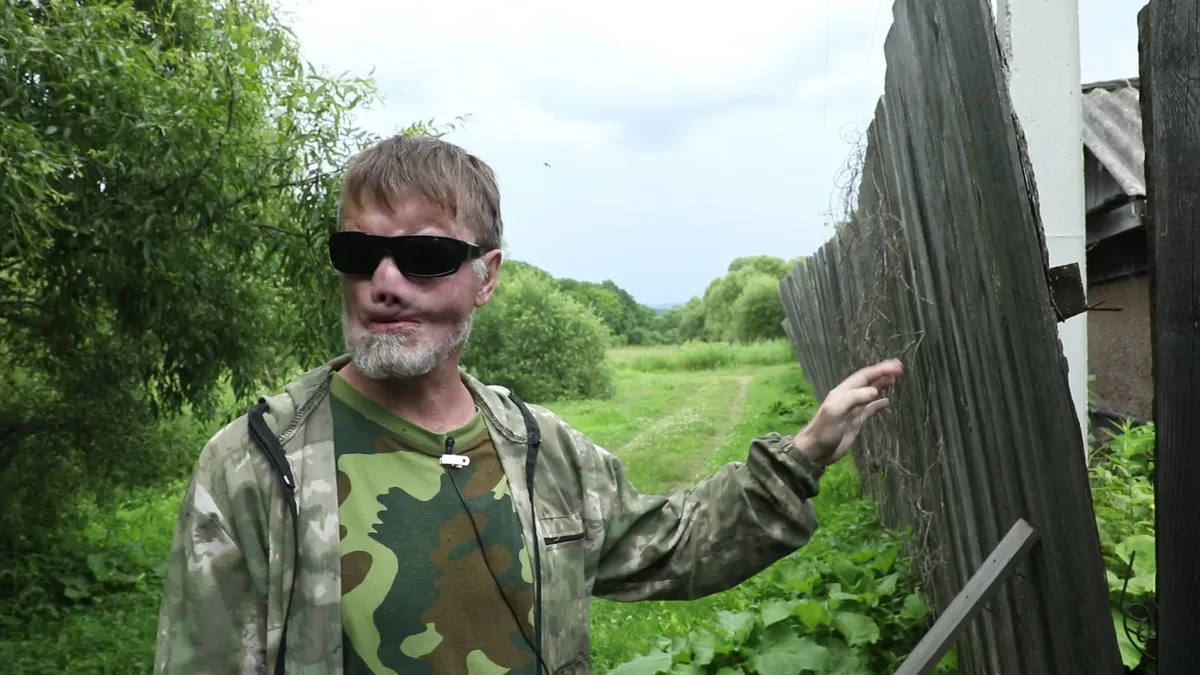
Даневич считает, что сейчас популяция гималайского медведя в России находится в кризисе — в основном из-за рубок лесов: зверю негде жить. Но и трофейная охота на гималайца вносит свой вклад. Инициативу Минприроды Александр считает «очень плохой».
— Это очень плохая идея. Потому что на берлогах медведи вслепую добываются, гибнут медвежата. Когда человек более опытный, он может определить, кто в берлоге лежит. А если приехал какой-нибудь дядька с толстой сумкой денег, ему все равно: ему нужна берлога, его приводят к берлоге, убивают животное и все. Еще и само берложное дерево при этом уничтожают. Московские охотники не дают медведям вылезать из берлоги, потому что это опасно. А стреляют прямо в дупле, потом дерево спиливают, и охотник довольный фотографируется, что он добыл этого медведя.
Аналогичного мнения придерживается и бывший охотинспектор Николай Сацюк.
— Нужно бы признать его краснокнижным видом. Он и был всю жизнь краснокнижным, только в 1997 году его вычеркнули. Не знаю, кто этого добился. Это же из Москвы пришло распоряжение: якобы гималайцев столько развелось, что и девать их некуда. А на самом деле их и нет почти уже.
Часть V. Все хорошо?
В 2017 году Дальневосточный филиал ВНИИ охотничьего хозяйства и звероводства провел исследование состояния популяции гималайского медведя. Эксперт Юрий Дунишенко оценил численность зверя в Хабаровском крае в 3,5 тысячи особей. И назвал условия его обитания в России хорошими.
«Заметного съеживания ареала в результате трансформации кедрово-широколиственных лесов не происходит, т.к. их внешний облик по причине выборочных рубок изменяется незначительно, — заключил эксперт. — В последнее десятилетие не происходило и видимого снижения численности зверя. Более того, <…> плотность населения животного к 2015 году в сравнении с 2005 годом увеличилась на 75,3%. Произошедший за 10 лет рост размеров популяции подтверждается и стабильно участившимися в этот период визуальными наблюдениями зверей».
Массовый выход животных к людям в 2015–2016 годах и их гибель в населенных пунктах эксперт назвал «жестким естественным отбором», последствия которого «явно переоцениваются».
В научном сообществе Дунишенко и ВНИИ охотничьего хозяйства уже тогда раскритиковали. Некоторые ученые посчитали исследование заказным, сделанным в интересах охотников.
«Дунишенко сообщает: «…в целом на территории всего Дальнего Востока годовой нелегальный отстрел гималайских медведей составляет 380–420 особей, или 8,6–8,7% от общей численности, а с учетом официального изъятия — 10,6-11,4%». Это как раз составляет выделяемую квоту. Возникает вопрос: за счет чего и каким образом, по данным «Центрохотконтроля», увеличивается численность гималайского медведя?» — писали рецензенты.
Интересно, что в 2005 году Юрий Дунишенко проводил аналогичное исследование и делал ровно противоположные выводы:
«Убежденность в том, что в Хабаровском крае популяция гималайского медведя благополучна, по нашему мнению, преждевременна. Это подтверждают полевые наблюдения последних лет <…> По-прежнему имеют место деструктивные изменения среды обитания, которые лимитируют поголовье медведя, и с каждым годом эти явления приобретают все более угрожающие масштабы».
«Неуклонное сокращение площади кедрово-широколиственных лесов приводит к смещению гималайского медведя в малопригодные биотопы с низкой продуктивностью и в конечном итоге ― к «съеживанию» ареала. Нельзя не учесть и того факта, что в Хабаровском крае проходит северная граница естественного ареала гималайского медведя, и все негативные явления, происходящие в популяции, здесь имеют ярко выраженный характер, т.к. условия обитания приближены к экстремальным».
«Вероятней всего, снижение численности продолжится и далее, и за десяток лет она достигнет критически малой величины».
В 2017 году этот же эксперт писал уже, что численность гималайского медведя в России с 1998 года росла и к 2015 году «достигла, вероятно, максимума».
В 2021 году ВНИИ охотничьего хозяйства было поручено провести очередную оценку состояния популяции гималайского медведя. Институт разослал охотпользователям письмо, содержавшее методические рекомендации и сроки проведения учета животного. Но сегодня директор ВНИИ Вадим Долинин говорит о состоянии популяции гималайцев так:
— К сожалению, у нас, скажем так, объективной картины в общем-то нет. Ни у сторонников введения в Красную книгу, ни у противников. То есть мы достаточно точных цифр не знаем.
Оценка численности основана на методиках, которые в общем-то не являются, скажем так, очень объективными. То есть, грубо говоря, мы не знаем на самом деле, сколько у нас гималайских медведей.
В декабре 2019 года о намерении запретить охоту на гималайского медведя и рассмотреть возможность его включения в региональную Красную книгу заявил губернатор Хабаровского края Сергей Фургал. Но вскоре его арестовали, и дело так и не было доведено до конца.
PS (Р)убить без памяти
В апреле этого года мы выпустили два материала об амурских тиграх:
О том, почему эти животные все чаще выходят в населенные пункты на Дальнем Востоке, убивая собак и скот, и почему они могут вскоре исчезнуть в России, несмотря на декларируемую заботу государства и лично Владимира Путина.
И о том, кто зарабатывает большие деньги на трагедии тигров, уничтожая уссурийскую тайгу.
У тигров и гималайских медведей — общие враги. Это, в первую очередь, жадность людей и стремление к быстрым деньгам. Наша страна — едва ли не последний крупный экспортер древесины, рубящий ради нее свои старовозрастные леса. При этом даже для экономики страны такое положение дел — не слишком выгодно.
Один из экспертов по лесопользованию на условиях анонимности рассказывал нам, что как минимум до 2019 года государство получало от лесопромышленников Дальнего Востока копейки — вероятно, из-за коррупции.
“As for taxes. The tenant of the forest plot pays money to the budget not for the area that he rented, but for each cubic meter of the extracted wood. Until 2019, lease agreements were often concluded without auctions - apparently, for large bribes. Or auctions were carried out, but were non -competitive - the winner was known in advance. The cost of one cubic meter of wood under such agreements often amounted to ridiculous money, for example, 20 rubles. Not 20,000 rubles, but just 20 rubles. Sometimes more, but on average, from one cubic meter of wood, the budget received 100 rubles: that is, 4.5 million cubic meters of wood were cut down in the region for a year, and only 450 million rubles went into the treasury. Expert assessments vary, but everyone agrees that in fact, budget revenues should have been much more - from 50 to 100 billion rubles a year. Буквально: регион не получал и 1% от тех денег, которые мог бы получать», — говорил он.
Сегодня лесопромышленники тоже приносят в казну совсем не те деньги: в 2023 году в Хабаровском крае они уплатили 2,7 млрд рублей налогов, в Приморском — 1,7 млрд .
Российскую природу разрушают, не задумываясь ни над тем, что будет, когда она погибнет, ни над тем, чем она ответит. Гималайские медведи и тигры выходят в населенные пункты, потому что их собственный дом уничтожен. Но те, кто привык зарабатывать быстрые деньги, лишены сострадания к животным. И кажется, что, когда уссурийской тайги не станет совсем, последнего истощенного гималайского медведя с улыбкой застрелит трофейный охотник, чтобы повесить его череп к себе на стену.