
Translated material
A sports festival or the epicenter of the Cold War? Beginning of the Olympics
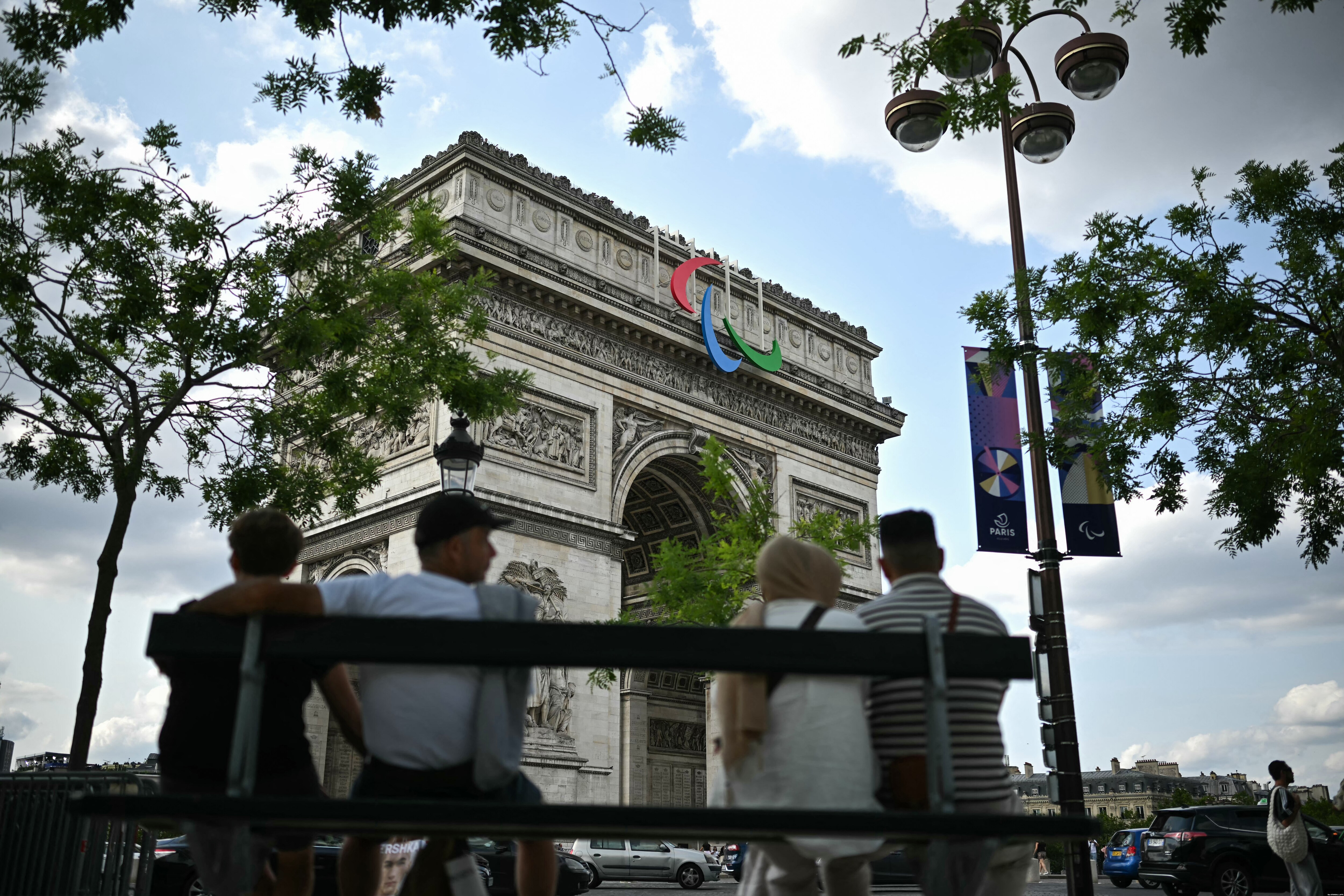
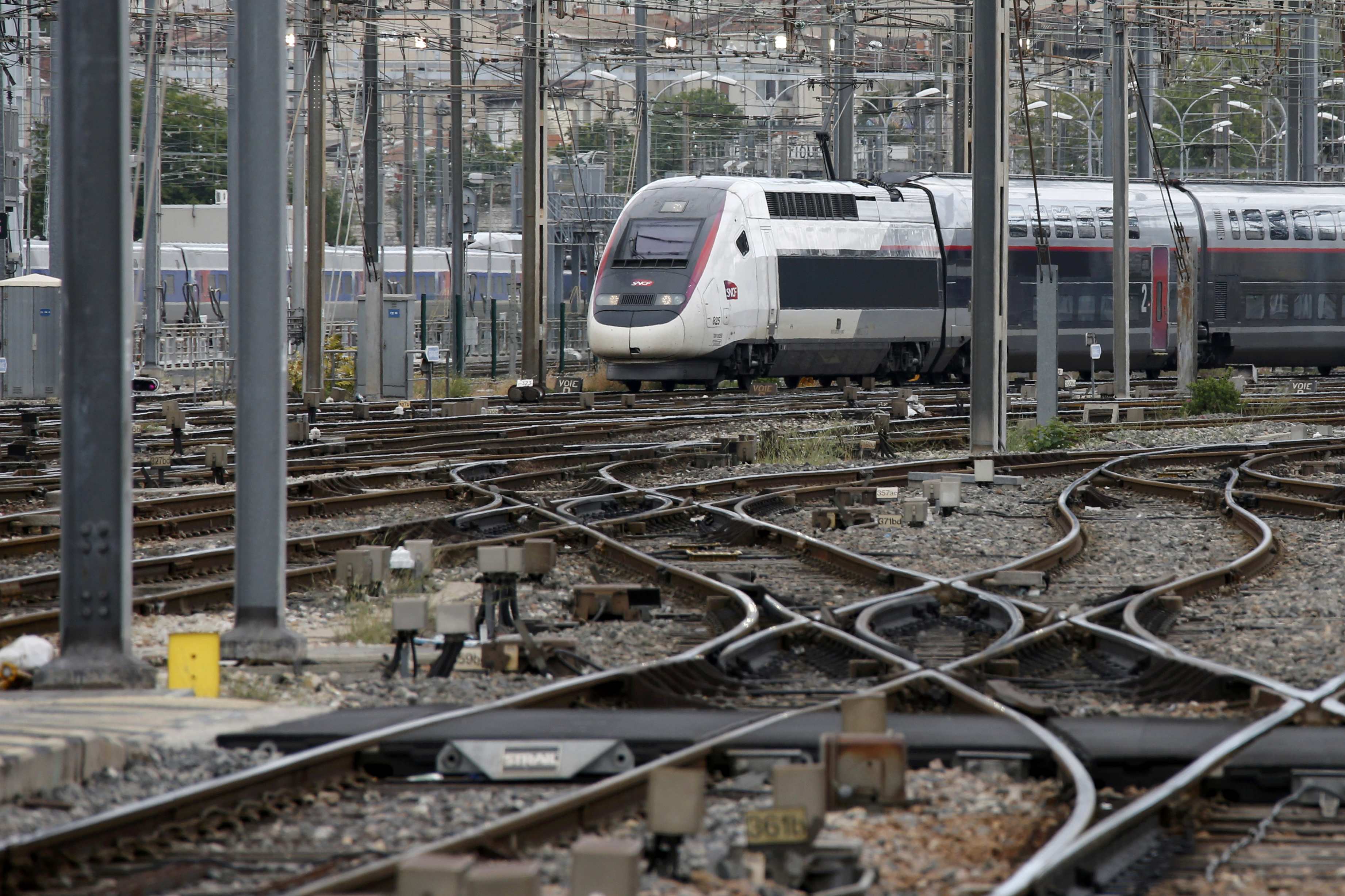
The Summer Olympic Games begin on July 26 in Paris and will run until August 11. Radio Liberty talks about the ups and downs with the admission of Russian and Belarusian athletes to the Games, as well as what security measures the French authorities took in connection with the Olympics, fearing provocations, including from Russia. Despite these efforts, the opening morning of the Games began with arson attacks on TGV high-speed train lines that threaten to paralyze traffic on French railways until at least Monday.
15 Russians will compete at the Olympics as “neutral athletes”. Their selection included complex criteria developed by the International Olympic Committee for Russian and Belarusian athletes due to ongoing Russian aggression against Ukraine.
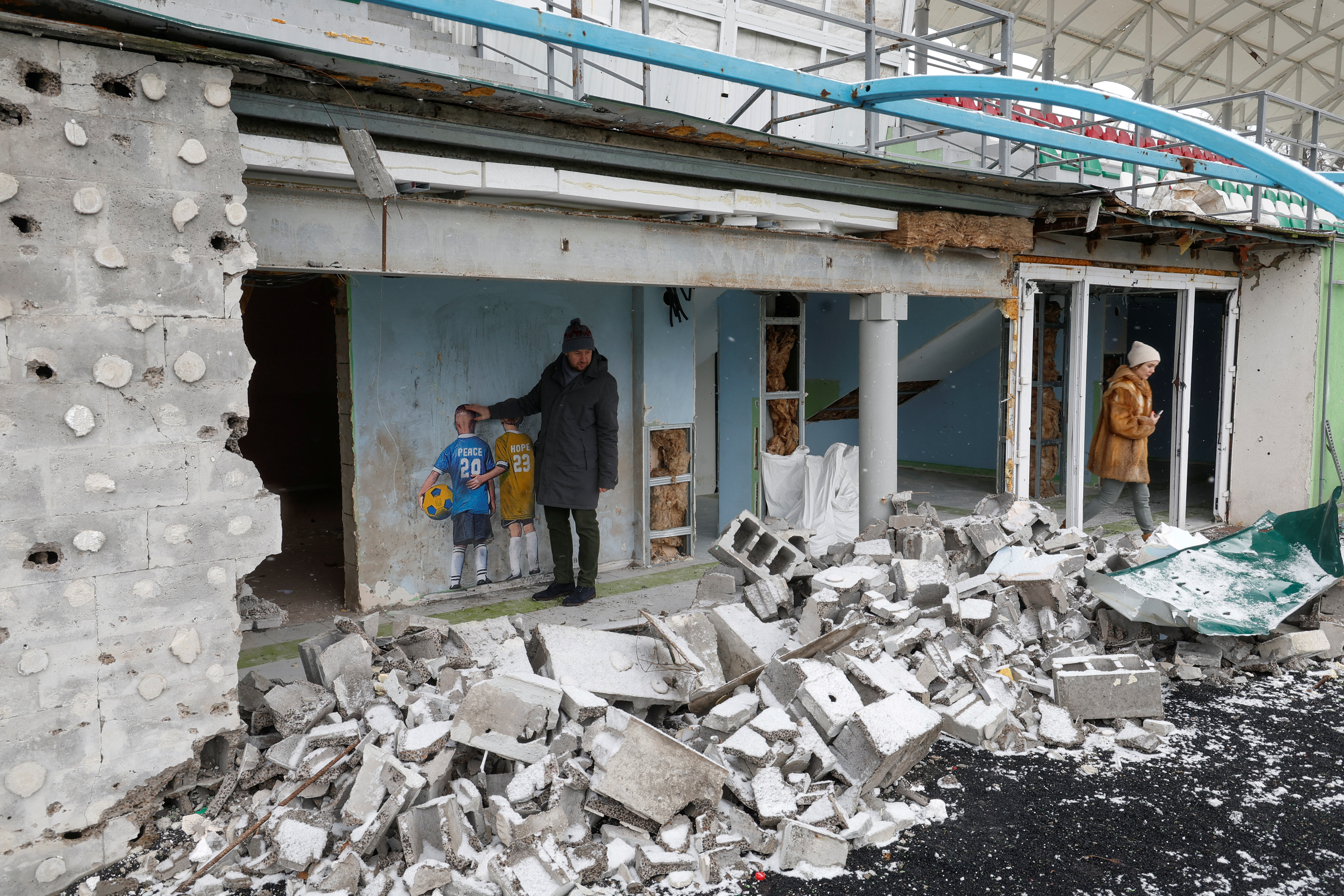
Russians and Belarusians can only perform in a neutral status: without an anthem and flag and provided that they do not support the war. This decision is also related to the difficult situation in which Ukrainian athletes find themselves because of the war, where Russian strikes are destroying stadiums and training grounds, and some athletes have already lost their loved ones due to hostilities.
Russian Olympic participants
In March of this year, a special commission (AINERP) was created in the International Olympic Committee, which assessed the right of every Russian to compete in Paris in a neutral status. Among the IOC's requirements for this status are the lack of support for the war against Ukraine, ties with the army and intelligence services (including sports clubs such as Dynamo and CSKA), as well as performance in individual rather than team disciplines. Also, athletes from Russian-occupied territories (parts of Donetsk, Kherson, Lugansk and Zaporozhye regions) are not allowed to participate in the Olympics, as this would be a violation of the Olympic Charter: all Ukrainian territories under the control of Moscow are recognized by the Olympic Committee as part of Ukraine.
The AINERP Commission will also monitor the behavior and compliance with the rules of all neutral athletes, including after their return from the Games.
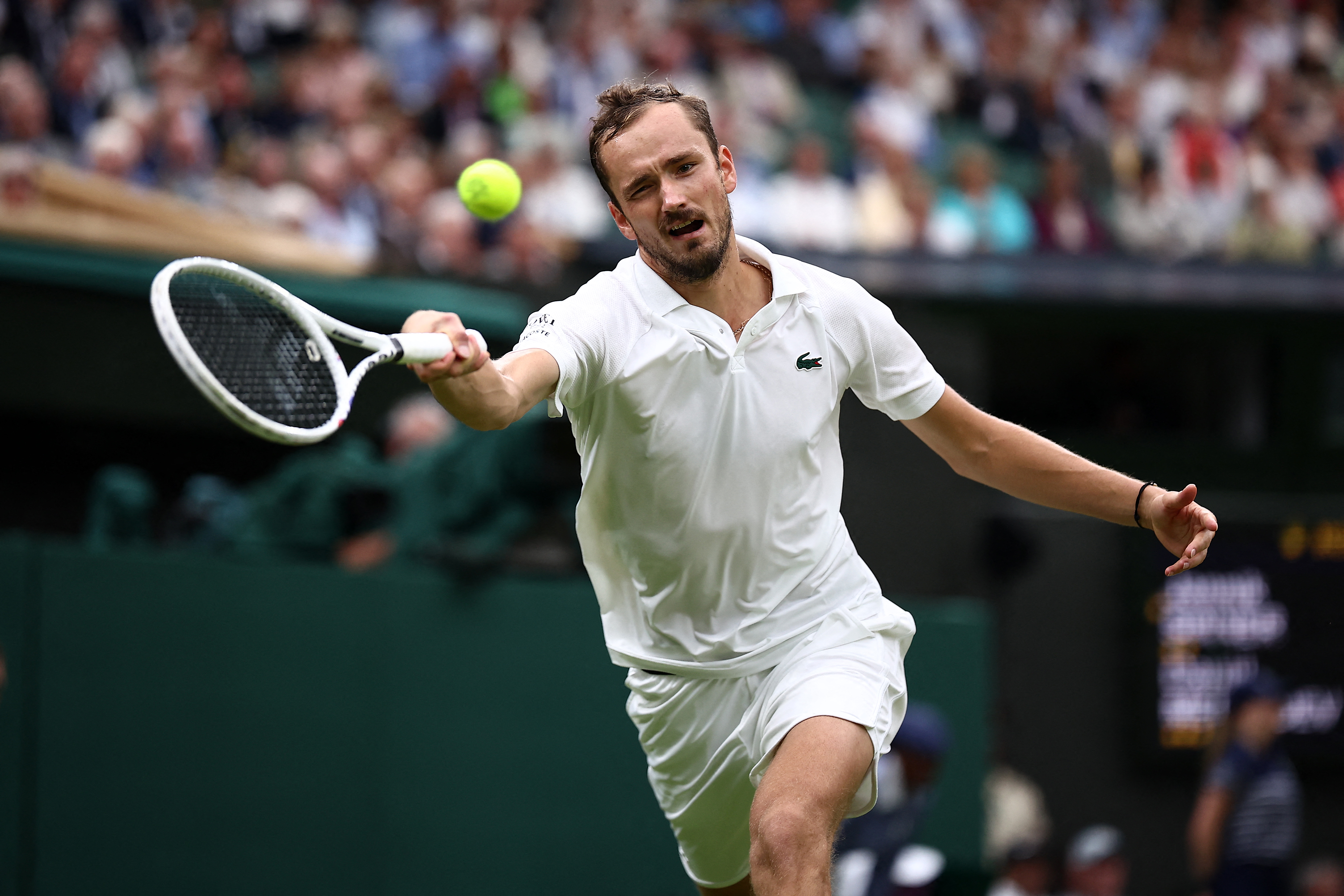
On July 20, the International Olympic Committee published the final list of Russians who will be allowed to participate in the Olympics. In total we are talking about 16 participants. The largest number of tennis players were allowed to participate in the Games: a total of 13, but most refused to go to Paris. In the end, only seven tennis players will take part in the Olympic competitions: Daniil Medvedev, Roman Safiullin, Ekaterina Alexandrova, Mirra Andreeva, Pavel Kotov, Diana Schneider, Elena Vesnina.
Eight more Russian athletes were also admitted to the Games: trampolining - Angela Bladtseva, canoeing - Alexey Korovashkov, Zakhar Petrov, Olesya Romasenko, road cycling - Tamara Dronova, Alena Ivanchenko, Gleb Syritsa, swimming - Evgeniy Somov.
A much larger number of Russian participants received the right to go to Paris, but many refused to participate in the Games. All 10 Russian wrestlers admitted to participate will not go to the Olympics. This was not their individual decision, the Russian Wrestling Federation reported this. The reasons for the decision were sanction pressure and the refusal to allow the leaders of the Russian team to participate in the competition. Also, four judokas admitted to the competition will not come. Their refusal was due to the fact that the first three leaders among representatives of this sport were not included in the lists of participants in the Olympics. Many Russian commentators assessed this as the IOC's desire to prevent athletes who do not qualify for medals from participating in competitions, but it is obvious that these athletes are not allowed to participate in the Olympics because they support the war.
At the same time, the refusal of the Olympics was not always the decision of the federation. Some athletes chose other competitions, such as Russian cyclist Alexander Vlasov. The reason for his refusal is the Olympic route, which runs on flat terrain (from the outskirts of Paris, participants must drive to the Eiffel Tower). Vlasov prefers those routes where it is necessary to climb the mountain. Despite not participating in the Olympics, the Russian cyclist plans to ride the Tour de France multi-day race and participate in other international competitions. Thanks to his refusal to participate, Gleb Syritsa made it to the Olympics. Equally by chance, canoeist Olesya Romasenko ended up in Paris: she submitted her request to the IOC on her own after it became known that Polish canoeist Dorota Borovska was disqualified for violating anti-doping rules. Thus, the Olympic quota for 200 m was released. The IOC agreed with Romasenko’s proposal, which had secured the support of the International Canoe Federation, and included her in the list of participants under a neutral flag. True, the canoeist’s coach Vitaly Mikhailovsky says that she cannot count on a medal, since preparations for the current Olympics are in a hurry; it was not clear in advance whether the IOC will allow Romasenko to participate in the Games.
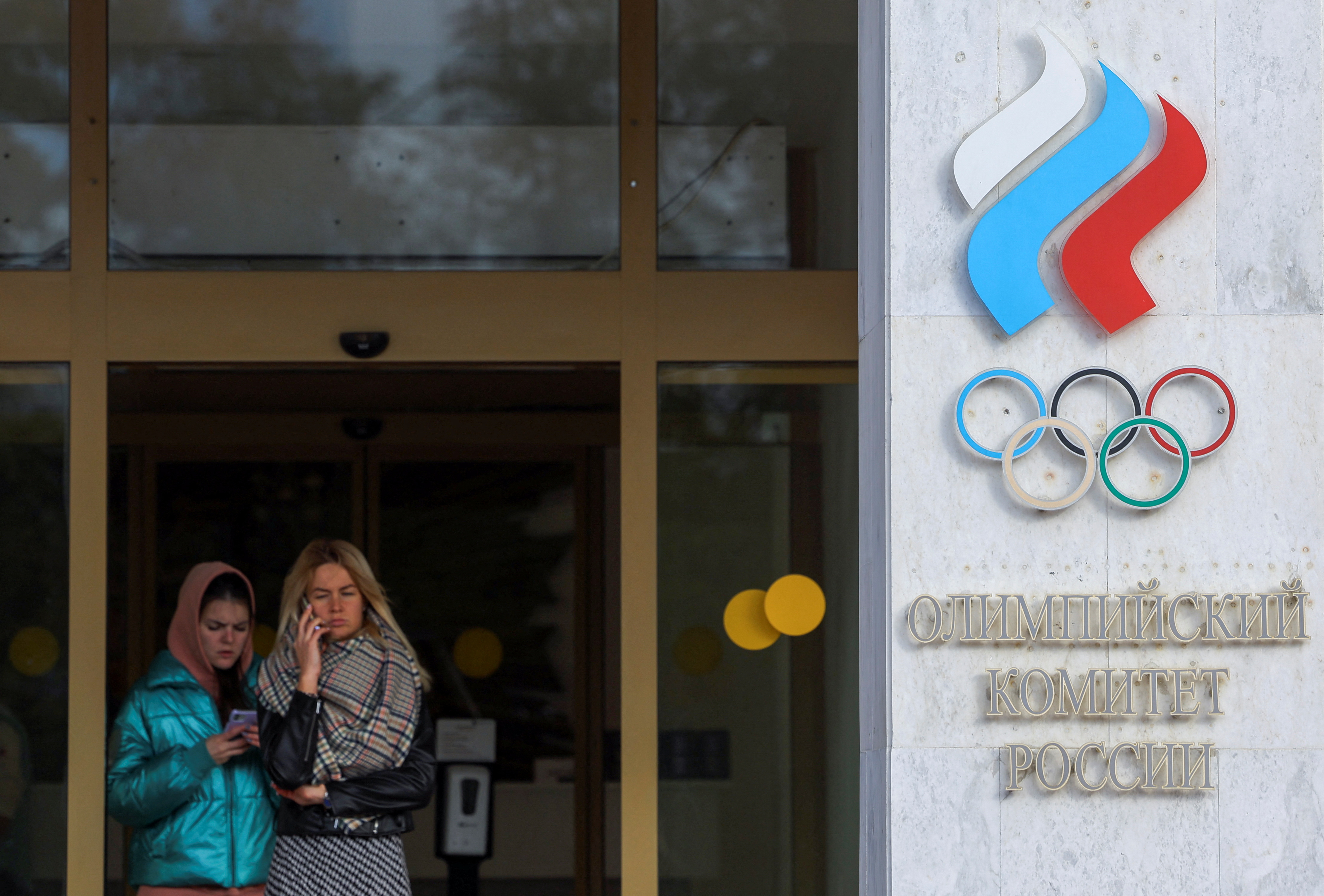
Russian sports commentators called the rules developed by the International Olympic Committee humiliating. At the same time, IOC Chairman Thomas Bach listened to Ukraine's opinion: Kyiv provided information about Russian athletes and their connections with military or sports clubs mentioned in the rules for neutral athletes.
The Olympics will not be shown on television for the first time since 1984
For the first time in 40 years, the Olympic Games will not be shown on Russian television. Federal TV channels “Pervy” and “Russia-1” refused to broadcast the Olympics for political reasons due to “current realities,” Sports.ru claims. The founder of the sports news website tribuna.com and sports expert Dmitry Navosha believes that the Russian authorities are thereby punishing themselves:
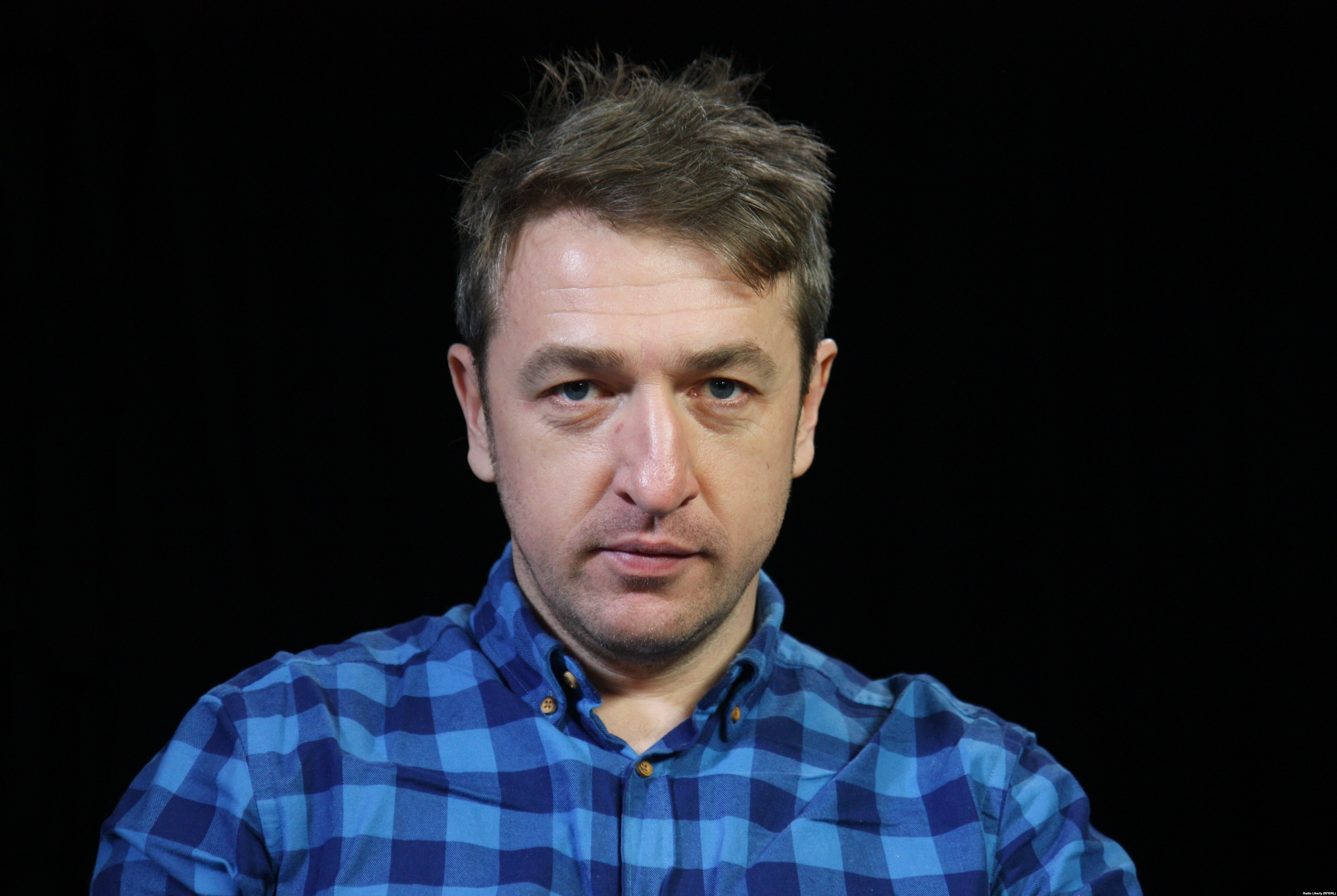
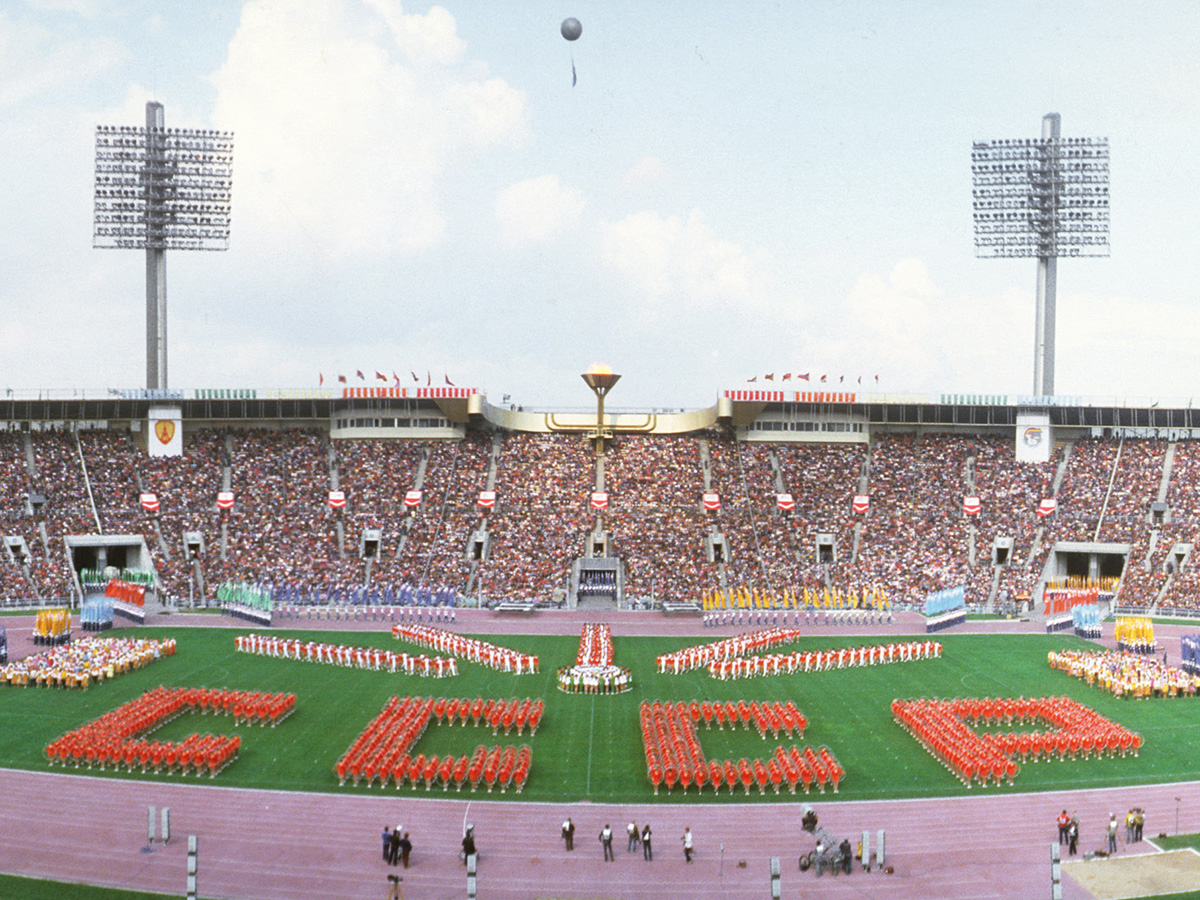
– This is a very indicative moment for describing the historical stage at which Russia is now. The first and last time this happened was in 1984, at the height of the Cold War with the West and the “hot” war with Afghanistan, when, in response to a partial boycott by some Western countries of the Moscow Olympics in 1980 after the invasion of Afghanistan, not only the Soviet Union, but almost the entire socialist bloc boycotted the Olympics in Los Angeles and staged their own ersatz Olympics “Friendship-84”. This is literally what Russia tried to repeat and now, in 2024, simply could not: the modern ersatz Olympics did not work out, no one came to it, and it was quietly postponed. Although it was announced with pomp, and the decree on its launch was signed personally by Putin. This year there is a cold war again and a real war is somewhere nearby. It is important to understand that this “we can repeat” is being realized before our eyes in the form of all the facts of the confrontation with the West and the war in Ukraine that we are now witnessing.
– To what extent does sport remain the showcase for the Russian regime that it was before the war, and how much does the refusal to show the Olympics and the neutral status of athletes affect this image?
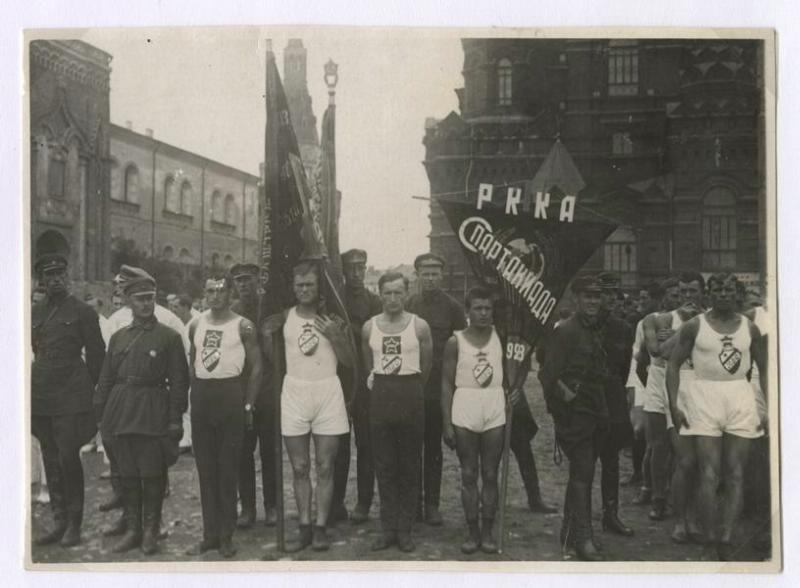
– The role of sports in Russia has always been high. This is a post-Soviet country, and the Soviet Union has always instrumentalized sport as one of the types of confrontation with the West, a demonstration of its development and progress. Indeed, the Soviet Union was successful [in this]. We see the same factor in the case of China, which uses sports as a showcase of the country, a way to demonstrate itself to the whole world. China has now taken Russia's place as the United States' main rival in the Olympic medal standings. I would even say weaponization ( turning sports into weapons - RS ), and not just instrumentalization of sports - something that has been characteristic of Russia for the last 10-15 years. It is enough to remember how large-scale the participation of Russia, the entire state, was in holding the Olympics in Sochi.
Now China has taken the place of Russia, it is the main rival of the United States in the Olympic medal standings
But the point is not only this, but also to ensure victory, a pyrrhic victory at the Olympics in Sochi, which later turned into an incredible scandal due to the discovery of doping fraud in which the FSB and other government agencies participated. Most of the efforts of the Russian state machine were devoted to ensuring that this victory happened and that the doping fraud was not noticed. And they really haven't been seen for some time. Now the weaponization of sports is intensifying even more, we see athletes at pro-war or Putin events, we see attempts to split the Olympic movement... The attempt was unsuccessful, but it happened, it must be recorded.
We are seeing increased attention to what athletes are doing. There is such a swimmer - Evgeny Somov , half-Russian, half-American, he was an accomplished athlete in Russia and even ended his career, and then moved to the States and resumed his career. He came to compete at the Olympic Games in Paris with very good results. And it was with him that the head of the IOC, Thomas Bach, was photographed three days ago with the poster “No to war!” After which Somov was immediately subjected to great criticism in Russia: “How can this be? Sports is outside of politics!” and so on. But for some reason, athletes forget that sport is outside of politics when Putin invites them to take part in one of his next events.
1/2This is an example of what annoys me so much.Olympics chief Thomas Bach, often seen shaking hands with Putin after 2014 invasion, now poses with Yev Somov, #Russia %27s only swimmer at Paris #Olympics . Let%27s overlook the fact around half of 🇷🇺athletes have supported the war pic.twitter.com/JnTjfhGNEG
— Tim White (@TWMCLtd) July 23, 2024
In general, I would say that sport in Russia is very noticeable, and this is what brought sport to the point where Russia, in spite of the West, “freezes its ears”, does not show the Olympics and is in strong opposition to the Olympic movement.
– How does the Russian sports community assess in this regard the decision of individual Russian athletes to participate in the Olympics, despite the fact that they will compete in a neutral status? Are they called “traitors” or do they still hope for medals?
– You and I see only the loyalist part of the sports community. Everyone else prefers to remain silent, “not to shine,” in simple terms. Irina Viner, some sportsmen-deputies, even being very honored athletes, such as Shipulin or Zhurova, Olympic champions - they are the mouthpiece of Russian propaganda, from them we hear condemning speeches regarding athletes who still go to the Olympics. Although they, like no one else, could understand how important this is for people who have devoted their whole lives to sports. Nevertheless, we see Shipulin among the co-authors of the law that was submitted to the State Duma, stating that athletes must take some kind of “oath of allegiance to the country.” Who else in Russia takes the oath? Military. This is another, already obvious, attempt to equate athletes with military personnel, and sports with combat operations. In general, a significant part of the sports community serves the Kremlin’s optics, Putin’s view of the world and sharpens the confrontation with the West by all means.
– Is the fact that Russian athletes compete at the Olympics in a neutral status a correct decision of the IOC, since in this way world sport does not ignore the fact that Russia’s war in Ukraine continues?
– By way of clarification, I would like to note that Russia has been performing without a flag and anthem for several Olympics in a row, because it was punished for the colossal doping fraud that was revealed following the results of the Games in Sochi. In fact, there was no noticeable decline in Russia’s participation status after the start of the war. Although the Olympic movement has a long history of not admitting countries due to war, Germany missed the Olympics due to both the First and Second World Wars ( German athletes did not participate in the Games of 1920, 1924 and 1948 - Note RS) . During the armed conflicts in the former Yugoslav federation, the Federal Republic of Yugoslavia, when it tried to force part of the former republics either to submit or to give up territories, also skipped sports competitions. And yes, I see either of the two decisions as completely justified: either the complete removal of Russia, or this kind of attempt at humanity on the part of the IOC and the admission of individual athletes in individual status in the event of non-support of this war and non-participation in military events. I think this is a justifiable approach. At the same time, there are individual cases when athletes who should not qualify according to IOC criteria, but who participated in supporting the war or the Belarusian totalitarian regime, are allowed to participate in international competitions, including the Olympics. There are Belarusian athletes there who very actively participated in Lukashenko’s events after the start of the big war against Ukraine, and yet they were not removed. That is, these criteria are not applied in the most stringent form.
– It seems to me that there was still a stricter attitude towards Russian athletes. Ukraine actively protested and submitted lists of athletes who, in its opinion, should not be allowed to participate in the Games.
– There was no increased rigidity. There was the same application of the criteria that the IOC stated from the very beginning. It is important to understand that the quantitative composition of the Russian delegation - 15 athletes - was influenced not only by the IOC criteria, but also by Russia itself. In the case of several sports, Russian sports federations decided not to send their athletes to the Olympics. That is, there was also an internal Russian selection: some federations are especially trying to please the Kremlin, hence their current rejection of the Olympic Games, says sports expert Dmitry Navosha .
Russian aggression and the Olympics
A month before the start of the Olympics, the head of the National Olympic Committee of Ukraine Vadim Gutzeit, the acting Minister of Youth Affairs and Sports Matvey Bedny and the President of the National Judo Federation Mikhail Koshlyak sent a letter to the International Olympic Committee and the International Judo Federation calling on them not to allow 12 Russian athletes to participate in the Games in Paris. The list included: Ramazan Abdulaev (weight category up to 60 kg), Murad Chopanov (up to 66 kg), Danil Lavrentiev (up to 73 kg), Timur Arbuzov (up to 81 kg), Mikhail Igolnikov (up to 90 kg), Matvey Kanikovsky (up to 100 kg), Inal Tasoev (over 100 kg), Sabina Gilyazova (up to 48 kg), Daria Kurbonmamadova (up to 57 kg), Dali Liluashvili (up to 63 kg), Madina Taymazova (up to 70 kg) and Elis Startseva (over 78 kg).
The letter states that these athletes support the war in Ukraine and do not meet the criteria for obtaining the status of a neutral athlete. The IOC ultimately only partially satisfied these demands.
Later, another list appeared asking that Russians Dinara Kudaeva, Natalya Malysheva and Olga Khoroshavtseva, who compete in freestyle wrestling, not be allowed to participate in the Olympics.
On the eve of the Paris Olympics, a street installation in the form of the numbers “487” appeared in London. It symbolizes the number of Ukrainian athletes killed in the war by early July 2024, more than two years since Russia's large-scale invasion of Ukraine began. The day before it became known about the death in war of the master of sports, champion of Ukraine and Europe in powerlifting Andrei Mazanovich.
487 Ukrainian athletes have been killed since the start of #Russia %27s invasion of #Ukraine They%27re being remembered with an installation in Parliament SquareOksana Rakhra and Kateryna Ishchenko explain their stories and why this is so important to them #KayBurley SS pic.twitter.com/kdGL9djHGi
— Kay Burley (@KayBurley) July 24, 2024
In Ukraine, after the start of the war, they repeatedly emphasized that Russian participation in the Olympics, if it were full, would give the Russians an advantage compared to the conditions in which Ukrainian athletes are forced to train. Russian missiles destroy both the lives of talented athletes and stadiums or training grounds. On the eve of the Olympics, a video was published on social networks, recalling that some participants representing Ukraine at the Olympic Games lost loved ones in the war, and their cities were significantly destroyed or forever wiped off the face of the Earth. On August 18, 2022, in Kharkov, the mother of Ekaterina Tabashnik, a Ukrainian high jumper who is one of 140 athletes representing Ukraine at the Olympics, was killed in a rocket attack. Yaroslava Maguchikh, who competes in the same sport, is from Dnepr, a city that Russia continues to shell.
The National Olympic Committee of Ukraine has agreed with international federations that Ukrainian athletes will not welcome athletes from the Russian Federation during competitions.
Shortly before the opening of the Olympics in Paris, the international human rights organization Global Rights Compliance released a report that stated: 10 of the 15 Russian athletes admitted to the Games do not actually meet the IOC criteria for performing in a neutral status. They liked war posts on social networks, have connections with Russian security forces, spoke at events in support of the “SVO” (as the war in Ukraine is called in Russia) and visited annexed Crimea. The same conclusions were made regarding 2/3 of Belarusian athletes admitted to the Games.
The International Olympic Committee did not comment on the GRC’s findings, noting only that “all athletes were carefully checked in accordance with the decision of the IOC Executive Committee and the principles for the participation of individual neutral athletes in the Olympic Games.”
We are talking, in particular, about cyclists Alena Ivanchenko and Tamara Dronova, canoeist Alexei Korovashkov, canoeist Olesya Romasenko, gymnast Angela Bladtseva, tennis players Diana Schneider, Elena Vesnina and Mirra Andreeva, swimmer Evgenia Somov, tennis player Pavel Kotov.
Ivanchenko, for example, in March 2022, shortly after the start of the Russian invasion of Ukraine, liked a post on the Instagram account “Born in the 20th Century” with a quote from Stalin “A truce with the enemy is possible only after its destruction” and several other similar posts. Bladtseva performed at competitions in Krasnodar in a hall that was decorated with a large banner with the letter Z in the form of a “St. George’s ribbon,” Diana Schneider left likes under the posts of Margarita Simonyan, and Vesnina – under the pro-war posts of the Russian propagandist Vladimir Solovyov. Other athletes, according to the GRC, should not have been allowed to participate in the Olympics because of their membership in the CSKA and Dynamo societies associated with the Russian Army and the Ministry of Internal Affairs.
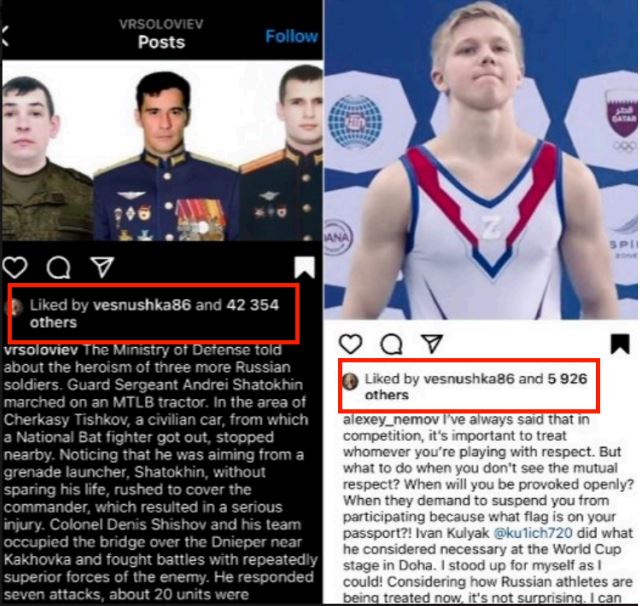
Global Rights Compliance legal adviser Jeremy Pizzi , who spoke with Radio Liberty, notes that some of these athletes, such as Alena Ivanchenko, later removed their likes on the “incorrect” posts. Others, like Elena Vesnina, did not. Pizzi says that the NGO contacted the International Olympic Committee, and the first response from there was encouraging: the IOC said that it would carefully study the evidence presented by human rights activists that Russian athletes did not meet the criteria to compete at the Olympics in a neutral status. However, further letters to the IOC were not responded to. “They chose to sweep the problem under the rug so they could calmly pose for photographs in front of the Eiffel Tower with a smile. But this is dishonest behavior, I think they prefer not to admit mistakes and continue to act in bad faith, rather than do the right and more honest thing - admit they were wrong and make corrections to the list of eligible athletes,” Pizzi said.
15 athletes is the smallest number of Russians participating in the Olympic Games since 1908. Isn't this in itself a sufficient punishment for Russia for the war it started? Jeremy Pizzi strongly disagrees with this formulation of the issue: “I don’t think this should be seen as a “punishment” of Russia. The IOC itself says that the Olympic Games are guided by the principles of peace, solidarity and dignity, this is written in their charter. They talk about this all the time. IOC President Thomas Bach has repeatedly stated that the athletes themselves should represent these principles. When we talk about the behavior of individual athletes, I look at it from this point of view. These are the people who occupy position and are looked upon with respect. I believe that athletes must live up to standards of conduct that include not supporting international crimes or massive human rights violations, or killing their fellow athletes. In this regard, I think it is not a matter of numbers, but of each athlete's personal responsibility to behave appropriately."
Paris: unusual Olympic opening ceremony and security measures
On the eve of the opening of the Olympic Games, Parisians were able to remember the times of the COVID-19 pandemic and quarantines. Since July 18, a so-called anti-terrorist security perimeter has been installed in the center of Paris around the Seine: to get through barriers and police cordons, you need a QR code. However, on the morning of July 26, trouble came from where the authorities did not expect (or expected, but were unable to prevent it): as a result of a series of arson and other acts of sabotage on the TGV high-speed train lines, their movement throughout the country was seriously disrupted.
Patrols, blocked streets - TikTok and YouTube are full of videos about how this irritates residents of the French capital.
The unprecedented “Olympic regime” is partly the price for the unusual format of the Games. For the first time in history, the opening ceremony of the Olympics will take place outside the stadium - on the water. The organizers planned a grandiose show: more than 10 thousand athletes will sail 6 kilometers in boats along the Seine. They will be watched from the embankments by 300 thousand people. Initially, it was planned to invite twice as many spectators, but difficulties with logistics and security made their own adjustments.
But the current scale is a serious challenge for law enforcement services. During the ceremony, the French government will close airspace within a 150-kilometer radius around Paris. The air force will oversee the defense of the city from drones, which French Interior Minister Gerald Darmanin called one of the main threats to the ceremony back in 2022. At the opening ceremony alone, he said , 45 thousand police officers and gendarmes will be involved, including police officers from 43 countries. In general, during the Games, 35 thousand police officers, 20 thousand employees of private companies and 18 thousand military personnel were involved in the protection of Paris and other cities where the competitions are taking place.
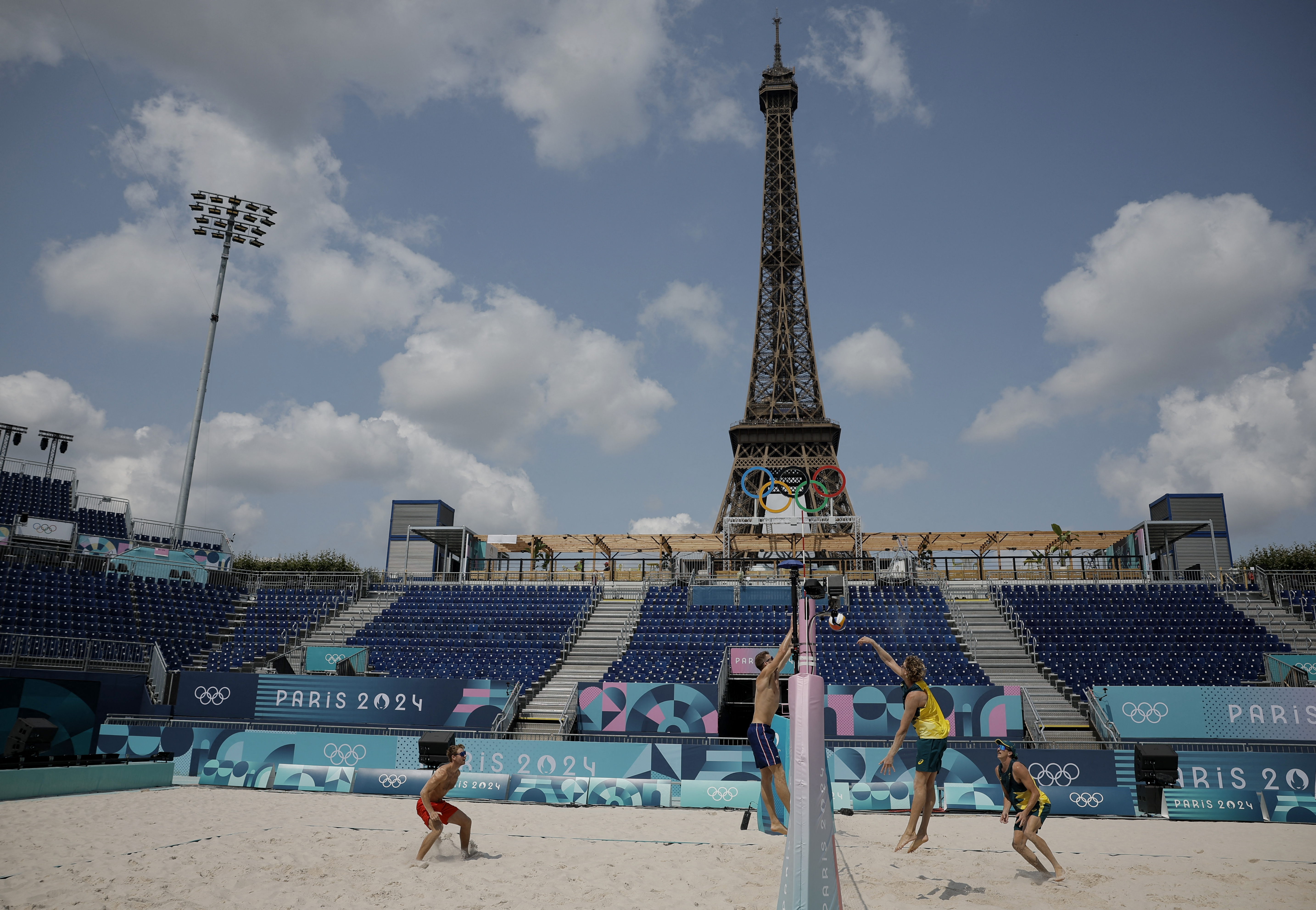
Access to Olympic venues is tightly controlled. The center is divided into a gray zone (directly next to the Seine) and a red zone ( an interactive map is posted on the website of the Ministry of Transport ). Permits are issued on a special website to those who live or work in the competition area, as well as to tourists and fans - in total, according to Paris Police Prefect Laurent Nunez , 470 thousand people received QR codes. But you can only get around on foot, by bicycle or on a scooter. Vehicles other than emergency services and those reserved for Games participants are prohibited from entering. Public transport remains, but some metro stations in the center will also be closed on the day of the ceremony.
The mayor of Paris, Anne Hidalgo, in an interview with Le Figaro newspaper, called on fellow citizens to be patient with temporary inconveniences, because the opening of the Games “will become a grandiose event that will be watched by the whole world.” You will have to endure another month and a half. Some restrictions on movement in Paris will remain in place until early September. After the Olympics end on August 11, France will host the Paralympic Games from August 28 to September 8.
French intelligence agencies have previously warned of possible terrorist threats during the competition - and especially during the opening ceremony of the Games. In March, after the terrorist attack in Moscow's Crocus City Hall , radio station Europe 1 , citing its sources, reported that the French General Directorate of Internal Security (DGSI) even advised the Minister of the Interior to cancel the parade in the current format due to too high risks.
It is not surprising that those wishing to come to the Games were seriously studied. As Interior Minister Gerald Darmanin told Le Journal du Dimanche on July 21, his department checked more than a million people: athletes, coaches, journalists, volunteers, employees of private security firms and even local residents. 4,355 people who could pose a threat to the event were excluded from the list of participants. 880 were refused due to suspicions of foreign interference, 350 people are subject to deportation, 142 are under surveillance by intelligence services due to a threat to state security.
According to the minister, some people “from Russia, Belarus and other countries” tried to obtain accreditation as technical workers, trainers and journalists. Among the refuseniks are five Russian journalists from RIA Novosti Sport. Press Secretary of the Russian President Dmitry Peskov condemned this decision. The head of the French Ministry of Internal Affairs clarified that Russians who work for the International Olympic Committee are allowed to participate in the Games.
Although Russia is not officially allowed to participate in the Olympics and only a dozen athletes will compete under a neutral flag, the services ensuring the security of the Games are monitoring Moscow's actions for fear of sabotage. First of all, informational: for example, in February of this year, France uncovered a “structured and coordinated” network of disinformers aimed at Western countries. Dubbed the Combat Portal, the network brings together at least 193 resources and broadcasts pro-Russian content with the aim of “polarizing” public debate and weakening Western support for Ukraine, according to Viginum, an agency responsible for monitoring foreign digital interference. In early June, the Microsoft Threat Intelligence Center also warned that Russia was allegedly preparing information attacks using artificial intelligence during the Olympics.
On Tuesday, July 23, a video appeared on social networks in which a person, allegedly on behalf of the Hamas group (recognized as terrorist in the US, EU and several other countries), beheads Marianne, a symbol of France. The video appeared just before the national television broadcast of an interview with President Emmanuel Macron. In the footage, a man wearing a keffiyeh and with a Palestinian flag on his chest addresses in Arabic “the people of France and President Macron,” promising to take revenge on France for supporting Israel. An investigation by the newspaper Le Figaro and French intelligence services showed that the source of the video turned out to be pro-Kremlin resources. Late on Wednesday, Darmanen also said that the authenticity of the video had not been confirmed and there had been no threats from Hamas. As one of the leading French experts in the fight against disinformation, professor at the Paris Institute of Political Studies David Colon , writes on the social network X, in this way the Kremlin operators want to intensify the terrorist psychosis on the eve of the opening ceremony, while simultaneously sowing doubts about the reality of the threats directed against the Israeli delegation.
However, the threats extend beyond cyberspace. On July 24, it became known that on Sunday in Paris, a Russian citizen was detained on suspicion of preparing “actions to destabilize the situation” at the Olympics. The publication Le Monde found out that we are talking about a 40-year-old “citizen K.”, who participated in Russian culinary shows, called himself a “private chef,” studied culinary courses in France in 2010 and worked for some time in a restaurant in Courchevel. The Insider names the Russian and describes the circumstances that led to his detention. During a raid in his Paris apartment, they found an identification card of an “elite Russian special forces unit” and “documents of a diplomatic nature.” On Tuesday, the court sent him under arrest for “collaboration with the intelligence of a foreign power,” a crime punishable by up to 30 years in prison.