
Translated material
Debt in the canyon
What happened in Mali with the Vagner PMC unit
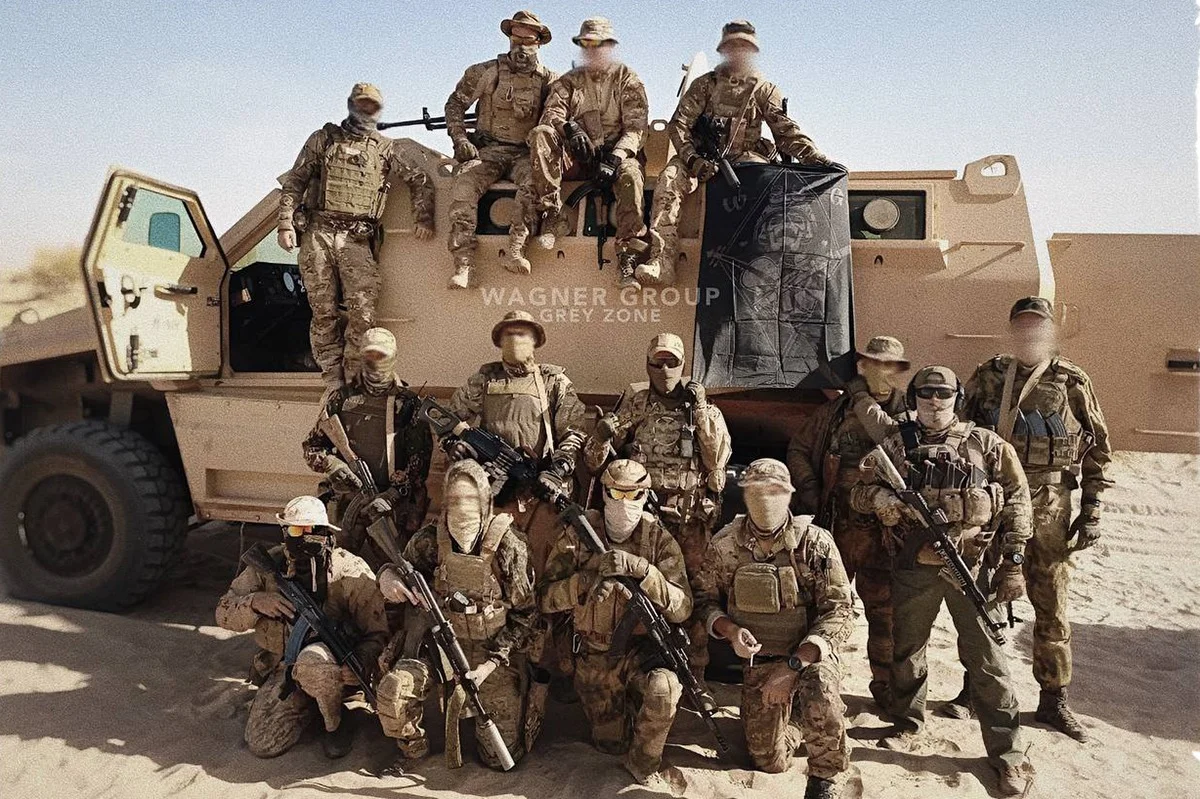
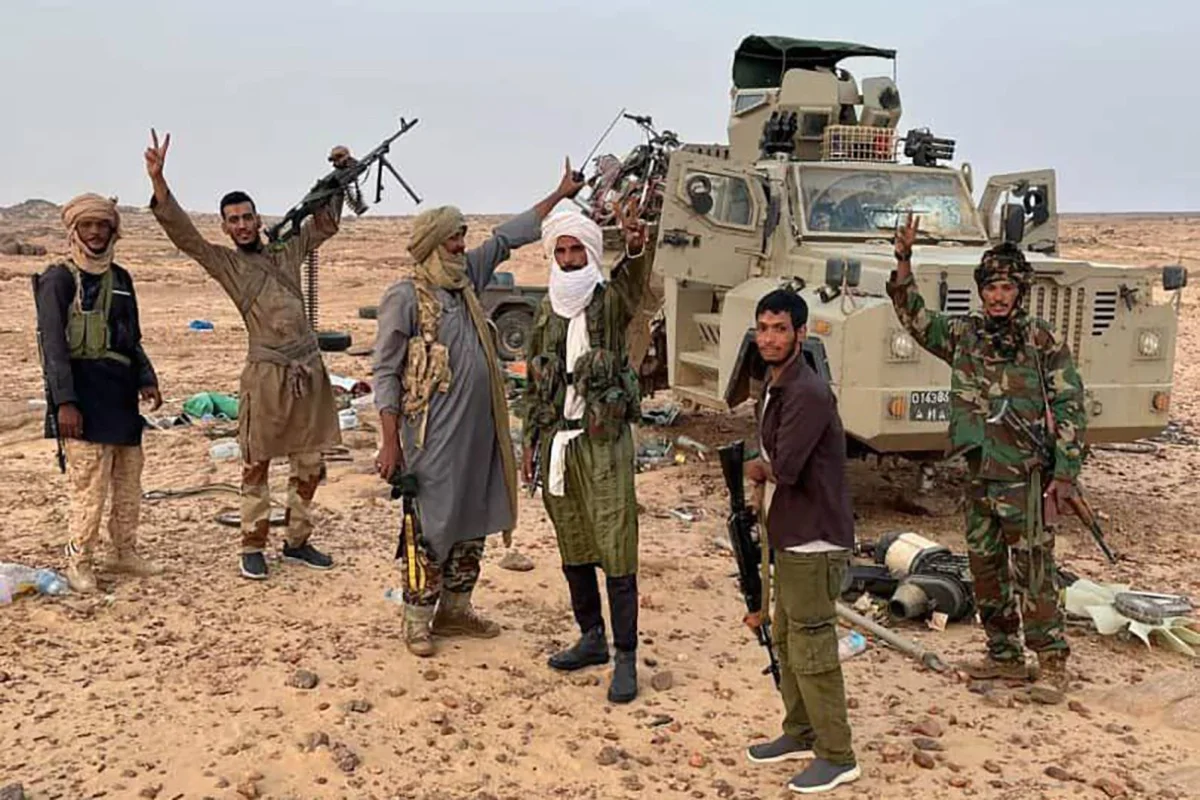
On Sunday, July 29, a number of Russian media simultaneously with AR and Reuters reported the defeat of the Tuaregs of the Wagner PMC and the local armed forces in the north of Mali, near the border with Algeria. According to the latest data from our sources, the number of killed, wounded and captured is at least 50 people. Some media reports about 80 dead without reference to sources.
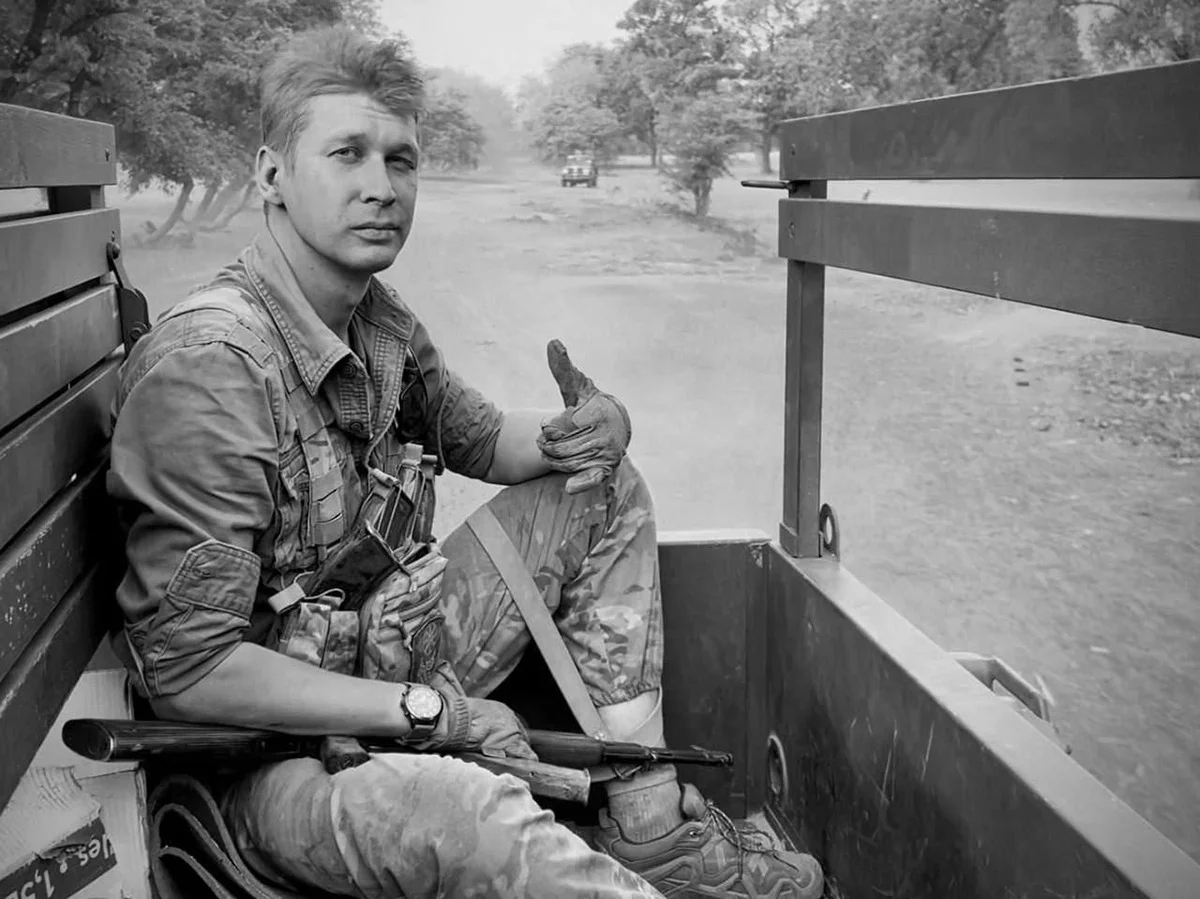
One way or another, one of the Vagner units was surrounded. All fighters died or captivated. Among them is a very popular military blogger, administrator of the Grey Zone TG channel Nikita Fedyanin. From the point of view of the military (the event, of course, has a serious political aspect) Details of the depressing.
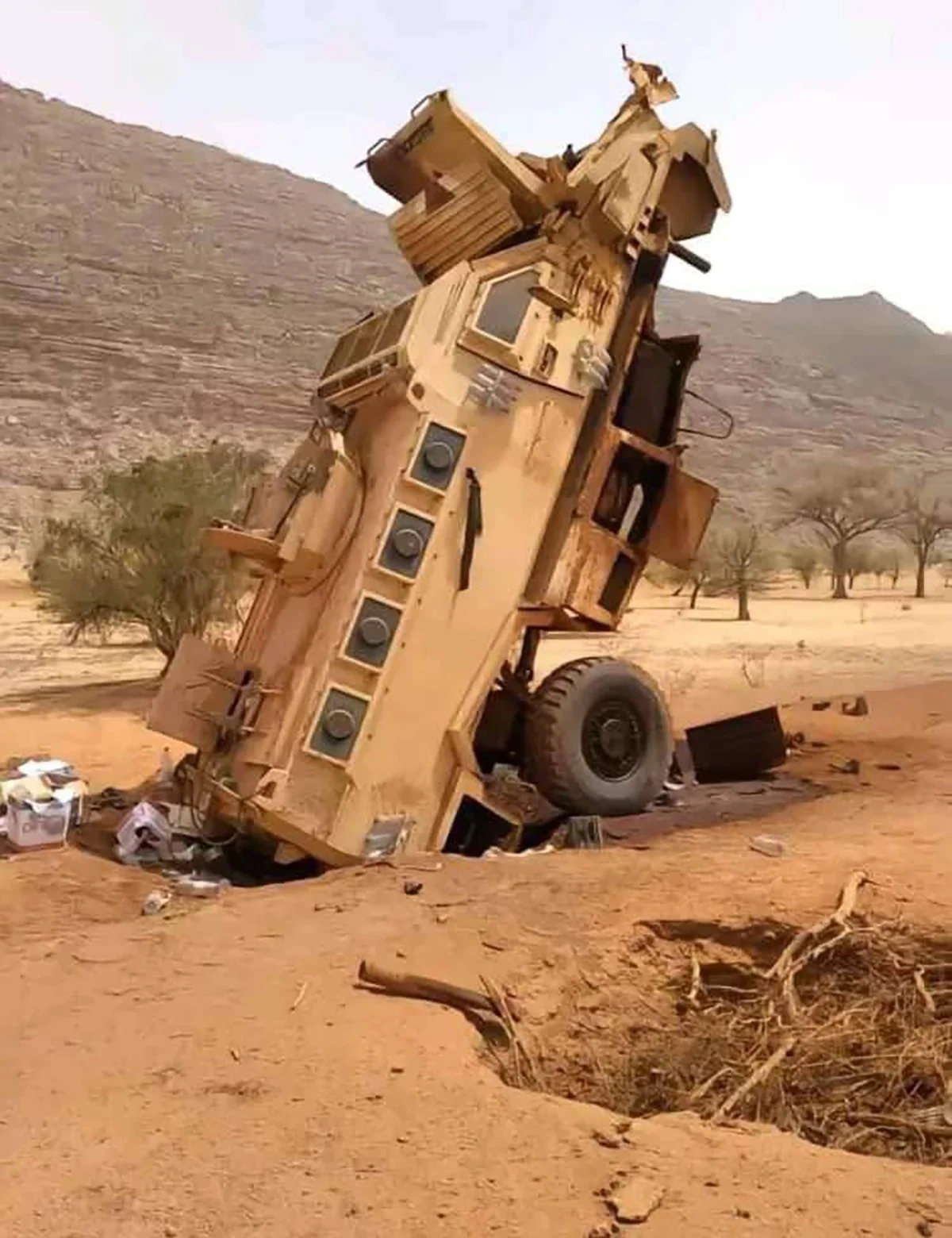
The situation for Wagner's employees in the north Mali worsened from July 22 and in five days in the area of the village of Tin-Zautin became critical. During this time, the command had all the possibilities to avoid catastrophe. According to sources, dividing forces for the sake of spraying the Russian PMCs pursuing it, the enemy resorted to a mercenary retreat that is quite traditional for Tuaregs. One of the four groups of the Wagner PMC (13th assault detachment) operating in Mali, in the absence of high-quality intelligence during the battle, changed the route and followed Tuaregs into a pre-mined canyon.
At the same time, the balance of power was originally multiple in favor of the Islamists. The adjacent heights above the canyon were not explored during the course, they did not put up posts on them. To a large extent, the Wagner command relied on the use of aviation. It is not known whether the PMC headquarters has established a stable receipt of a reliable military meteorrognosis, but in this particular case he planned actions contrary to nature. Due to the sandstorm and the subsequent bad weather, aviation could not act in a timely manner and in full force.
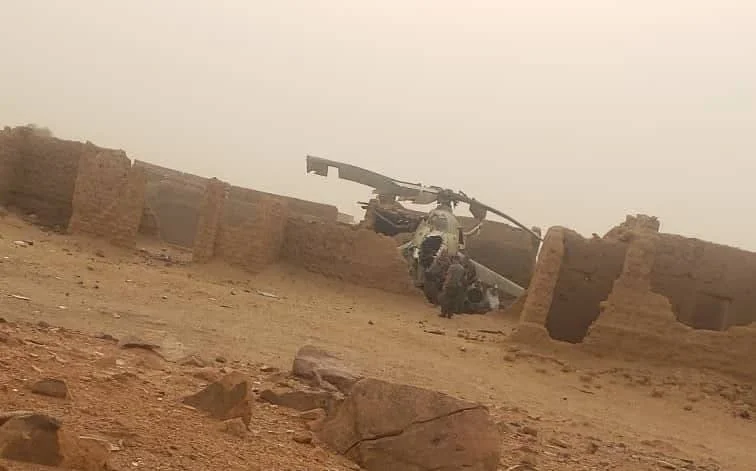
At the first opportunity, support helicopters flew to the battlefield. Tuarean was ready for this and shot down two cars. Instead of the retreat and persecution of the 13th assault detachment, he received a battle surrounded in a lowland with locked exits.
This defeat will have not only military consequences. In Russia, the authority of the Wagner PMC was based, despite the high level of losses in urban battles during the capture of Bakhmut, in high discipline, good preparation and provision in combination with advanced tactics. It was developed by the commanders not related to the bans of the combat charter - the PMC was not part of the armed forces, and the charter did not act in it.
After the putty of Prigozhin and undermining the highest command on an airplane over the Tver region, the Russian military-political leadership decided to liquidate the hired union. The fighters dispersed where, but in Africa Wagner partly left the fulfillment of previous obligations to local rulers.
At the same time, the composition of the PMC was updated, many newcomers came, and veterans, on the contrary, began to leave the organization. A competing organization appeared in the form of the so -called African corps of the Ministry of Defense of the Russian Federation. The ability to recruit fighters and conclude contracts with the local leadership of Wagner remained in many ways thanks to the brand that had not lost reputation.
This happens in business: the restaurant is still famous, but they feed worse, and the owner of the ears in debt. It is very similar to the fact that former Prigozhin commanders offer recruits only to the franchise.
They use the brand, but are not able to support it at the same level. Such a scenario best explains what happened on the Algerian border.
Tuares have been waging a war there for creating their own state at least since 2012. And after 8 years they already occupied a good half of the country, threatening even the capital. The former composition of the Wagner PMC managed what the French could not, he turned the movement back and replaced the rebels to the northern borders.
Then the operation began in Ukraine, the PMC reached the maximum size and political influence, as Prigogine got to the rebellion, died and destroyed his brainchild. It was curious to all the military whether the remaining leaders would be able to preserve the strengths of the organization of mercenaries with a reasonable management device. Obviously, the young people did not work out the transfer of experience from veterans.
So is the word “guard”, introduced into practice by the Soviet command during the Great Patriotic War, did not fill the army life with new content. If the part receives the title of guards, then for a new generation soldiers, an icon on his chest is an unreleased advance. He does not cause a response.
Today, the Supreme Commander continues this tradition of the USSR. The title of guards according to his decrees in the course of his own received many parts and formations. In total, at least 150 guards banners in the army and fleet today. But there is no real guard in such quantities.
As in the past, this title is based on high but transient qualities of commanders and personnel of the current moment. Years will pass, and only front -line legends will remain from these qualities, no matter how the political workers try to inspire pride in the badge, no matter how they force the newcomers to study the combat path of the unit. In fact, this is the same franchise, created in order to strengthen the fighting spirit in the most desperate period - in September 1941. All the post -war heirs of those heroes under the same banners took this glory, without investing in its content of their own professionalism and heroism.
Tuarean is an extremely warlike people of the Berber family, preserving a tribal device with strongly expressed by the pre -Islamic features of the matriarchy. Sharia rules for women did not really take root here.
These semi -nomadic tribes for centuries lived in raids and the capture of slaves (in our time - hostages for the sake of ransom).
Tuaregs have no guards units, but military art in families is inherited. They always fought with everyone who came to their lands from the outside.
The war accompanies the Tuaregs all their lives, in this they are akin to mountain Pashtuns. The French managed this huge edge with the traditional instruments of the colonial era: they quarreled the natives among themselves, made unequal unions, gave privileges, and held the most prominent garrisons. Many wonderful films have been shot about that era. But while there were no current borders, Tuarean felt on a single land.
For decades, Paris was the true master of this part of Africa. Until now, an African franc, who prints the Bank of France, walks in his zone of influence. With the participation of embassies and special forces of France since the 50s, dozens of military coups have occurred here.
In the 60s and 70s of the last century, there were respectful stories about Tuaregs-fighters with colonialism, with whom no foreign legion could have been found. Since then, these fighters have been inspired by the idea of building their separate state on the territory of five states along the southern border of Sakhara and entered into battles with neighbors. At the same time, they perceived the ideas of Islamic fundamentalism and turned into a kind of independent fragment of the terrorist igil prohibited in the Russian Federation.
Many researchers try to distinguish the tribes of just separatists and tribes of fundamentalists. This is a hopeless venture: if you look at the history of their struggle, it turns out that the leaders migrate between ideological camps once every six months. So local dictatorial regimes, French and Russians are equally fighting with fundamentalists. At least today.
Nevertheless, Paris, having five military bases in Africa, leaves here. Maintaining influence is more expensive with every decade. Sahel and countries south are covered by continuous military coups and rebel movements, fighting for the ideals of Islamic fundamentalism. From this terror, beggars of hundreds of thousands of thousands of thousands run through the Mediterranean Sea to Europe.
To fight such an enemy for minerals, one name is not enough. The Wagner command in Mali overestimated its own strengths and skills. The battle that happened near the Tin-Zautin is the entire fault of those who prepared the operation and led it. All sources of “New” believe that if the organization is still preserved in the form of PMC unusual for Russia, its military leaders need a revision of the decision-making and planning system.
Moscow plans in Africa are very modest, they will not replace the outgoing power of the French. But now the local rulers have already thought about how mercenaries and Russia are reliable as partners. But to fulfill the tasks of the Russian government in such a difficult region, she has so far retained Wagner in Africa. The experiment continues.