
Translated material
A country without source
The Russian authorities have been talking about total import substitution for ten years. Novyevropa counted the share of domestic products in key sectors-and came to disappointing conclusions
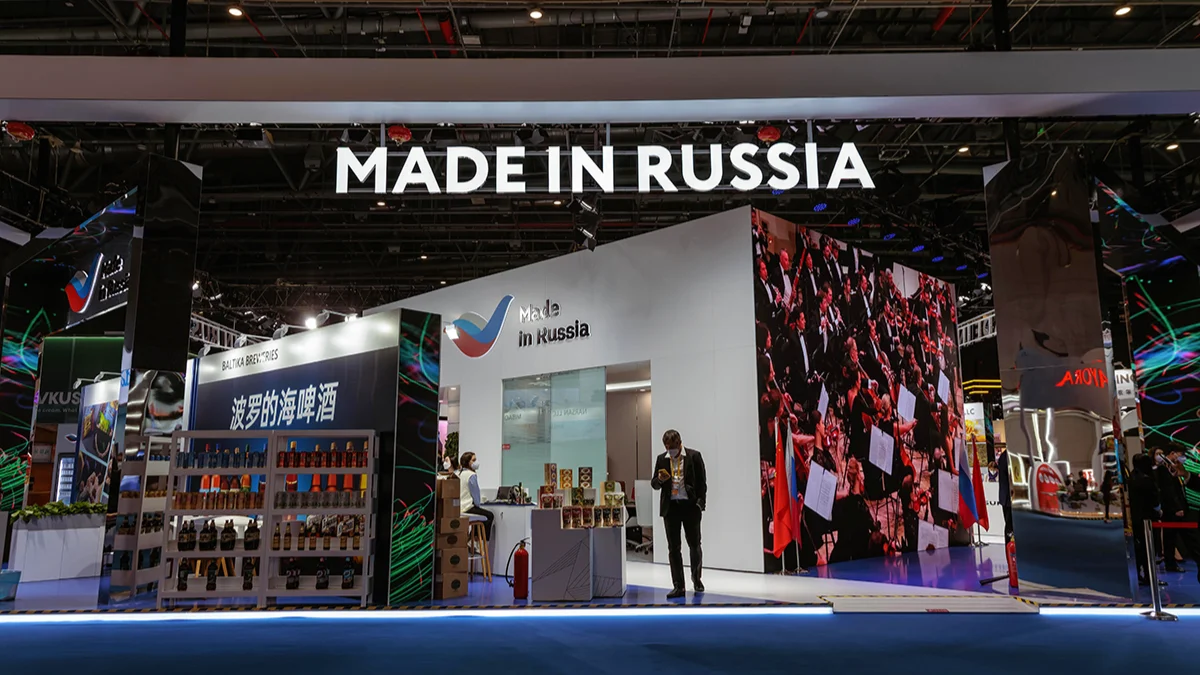
A man at the stand “Made in Russia” during the Chinese International Import Exhibition in Shanghai, China. Photo: alex plavevski / epa-efe
In 2024, he was ten years old for the policy of import substitution - one of the main economic doctrines of the "postcrymist" rule of Vladimir Putin. Immediately after the annexation of Crimea and the invasion of the Donbass, the government and the Kremlin set the first tasks to reduce imports, and on August 6, 2014 the famous “antisanctions” were introduced - a ban on the purchase of most food products from Western countries. Ten years later, the New Gazeta Europe analyzed the results of import substitution in several important industries and came to the conclusion that officials and business could not achieve special successes.
After the annexation of Crimea in 2014, the Russian authorities proclaimed a course to replace the entire imported. They tried to replace deliveries from abroad in different sectors, but the results each time left much to be desired.
In the best case, as in the production of drugs and food, they learned how to make final products in order to proudly hang banners “made in Russia” in retail chains. But their production is totally depends on the external supplies of the source materials, without which it is impossible to grow a crop or make tablets. And in the worst case, for example, in the production of electronics, they solved the issue simply: they replaced the Chinese tag with Russian.
In the production of cars or aircraft, there are “negative import substitution”: the Chinese cars replaced the made in Russia, and the airlines try to get rid of domestic sides with all their might. And all this, despite the fact that the manufacturers of Russian goods were provided by various preferences, including credit and leasing, as well as priority in public procurement (examples here and here ).
To show the results of these ten years, we calculated the “average score” of import substitution in 2024 for five industries. For farm, food and electronics, this is an indicator of the share of Russian products in the market in value terms, and for cars and aircraft - in quantitative.
The worst of all is the import substitution in the production of electronics and pharmaceuticals - 22% and 25%, respectively. It is a little better in agriculture to grow its own seeds - on average about 40%, but in some important cultures - 20% and less. Only 33% of commercial transportation are carried out on domestic aircraft , and even then they account for only 5% of passenger turnover, because they are mainly “buying Russian” for small aircraft. As for the auto industry , the war completely destroyed the created import substitution and sent imports to the indicators of the early 2000s: only 46% of cars are produced in Russia-this share has been reduced 1.7 times to the 2021 market indicators.
Novyevropa says what it turned out to be replaced in ten years, and what is not and what tricks the authorities are going to demonstrate the successes of the imaginary “import substitution”. The main trick is the abandonment of their own grandiose plans after officials were convinced of their unrealism. For four out of five sectors we consider (the auto industry did not count, because it was already good in it already in the 2010s, and it became bad after February 2022) the authorities sharply reduced the goals of import substitution in the early 2020s. Sometimes several times.

There are products, no seeds
The food sector is that the authorities are the first to mention when the successes of import substitution are praised. Indeed, it was possible not only to replace imported food on the shelves of stores, but also to become its large supplier to the world market.
Russia has become a net exporter of meat, and also fully provides itself with grain (and it is necessary in meat livestock), vegetable oil, sugar , fish . More than 95% (just this indicator is recorded in the Russian food security doctrine), the country is provided with potatoes, by 85% with milk.
But all this is based on imports.
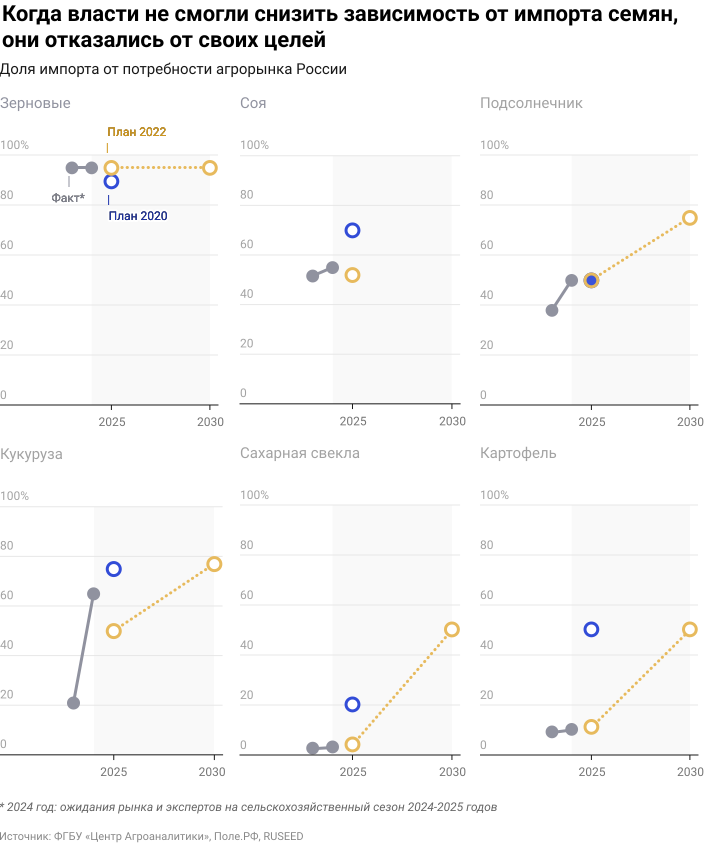
Russia, declaring the goal of becoming independent of food supply, has failed to reduce dependence on foreign seeds for almost all agricultural cultures.
At the same time, in import substitution of seeds, the authorities demonstrate the same pattern as in other sectors: at first they set ambitious goals, and then they “forget” about them. The government at the end of the 2010s first drew up vast plans for displacing imports, but immediately after the start of the war they reduced the bar for the most problematic crops: corn, sugar beets and potatoes.
“By 2022, it was clear that nothing had moved from the place, so the program was extended until 2030 and, of course, reduced these indicators,” the expert of this market told the New-Europe (he asked not to name his name, as he works in Russia).
But extend the program or do not extend - in his opinion, there is no difference:
“From the origin of the idea in the head of the breeder to the bag with ready -made seeds in the warehouse, on average, 20 years: the selection itself takes 8-10 years, then the same number or even more for testing and marketing,” he said.
The head of the Vologda cooperative “Ustyuzhensky Potatoes” Alexander Kuznetsov told about the same terms about the same terms: 10-15 years - for the creation of a variety and 4–5 for marketing.
As a result, against the background of the fact that Russia takes second place in the supply of sunflower oil to the world market (and claims to be the first), it also depends on external procurement of seeds for sunflower. With other cultures, it is even worse: for corn, vegetables of “borscht set” and barley for brewing, dependence is about 80%, and 97% of seeds are imported for growing sugar beets.
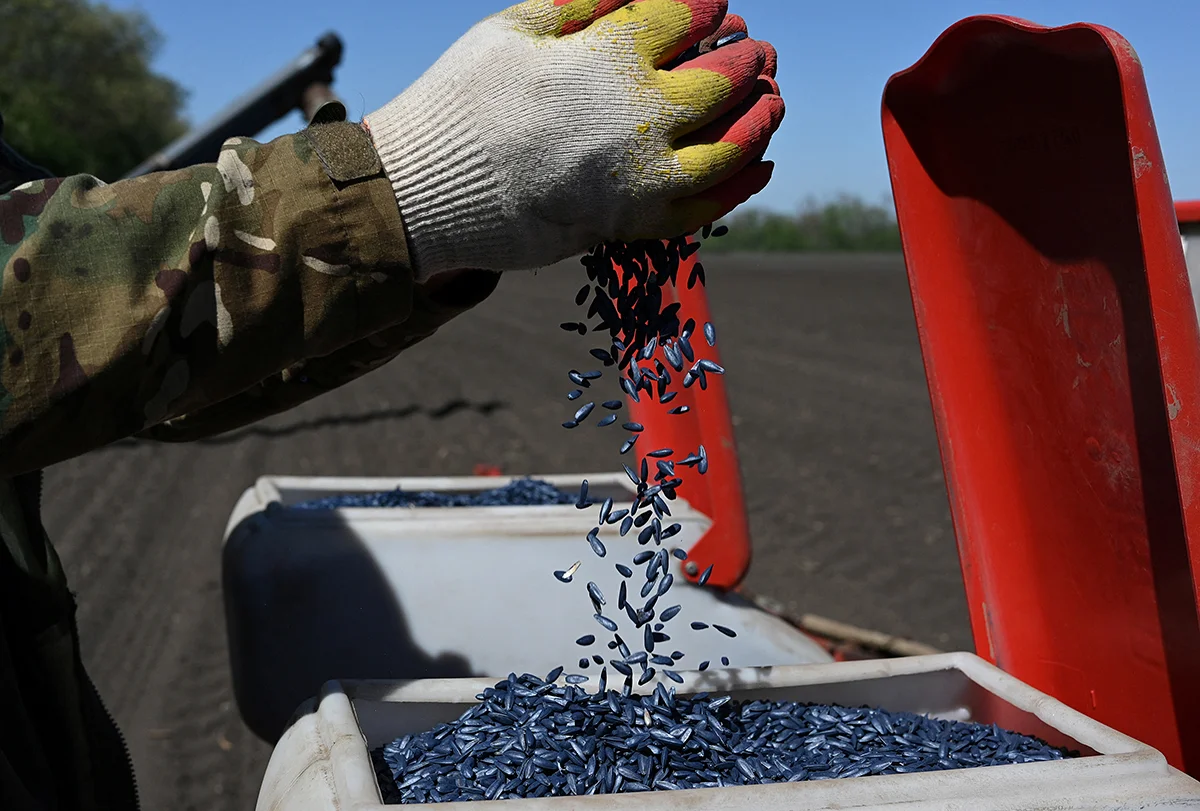
At the same time, the agricultural producers themselves are extremely reluctant to say goodbye to imported seeds, simply because working with them is much more profitable. The head of LLC Agro -Kompleks Labinsky, Alexei Skorobogatov, reported to RBC that at the "import shoots", farmers are obtained by 50 centners per hectares more.
Large agricultural producers are very strong lobbyists (about how and why they defended the ban on food imports to Russia, a lot was written, an example here ), so they successfully “beat off” the authorities to reduce the import of seeds until 2022, the expert of this market explained to us.
- For them, it doesn’t care which seeds to buy, it is important for them to repay loans, recoup fuel purchases and make a profit. With domestic seeds you will not do anything of this,
He said.
Therefore, so far it was possible to import only wheat seeds, and then for the only reason: they are very cheap, albeit less productive. Russian wheat varieties give 40–45 centners per hectare, and German - 70.
“Nothing, you can swell two instead of one hectare and still earn money while there is inexpensive fuel, fertilizers and plant protection products,” the expert says.
Complex substances
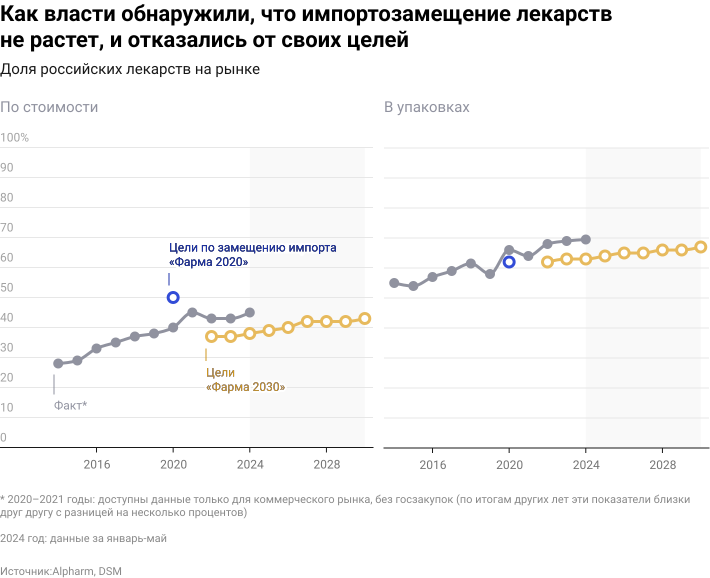
The goals for import substitution of drugs that the government staged in the last decade turned out to be failed. The Pharma 2020 program demanded that domestic drugs take half the market by 2020 (there were no goals for import substitution of drugs in kind in this program). Such a KPI turned out to be too large for 2020 (about 40%of import substitution in money), and for 2023 (43%), and for the first five months of 2024 (45%). This is the data of the analytical companies DSM and Alpharm, and officials evaluate this achievement even more modestly: 35.9 % in money and 62 % in packages in 2022 were on Russian drugs.
The increase in import substitution was quite modest, given that in 2014, Russian pills already accounted for 28% of sales on the market. Probably, realizing that Pharma 2020 is not fulfilled, officials in 2023 revised the indicators of import substitution “down” and approved the Pharma 2030 program. And on it, imported drugs are already replaced by domestic with a strong schedule. But even taking into account the “recalculation”, everything moves quite slowly: in ten years, the proportion of Russian drugs in natural terms has not grown very much: from 55% in 2014 to 69% in 2023–2024.
But it is much worse that the plans to make pharmaceuticals in Russia are failed - the starting raw materials for the production of finished drugs. Running such production is more difficult, longer and much more expensive. Ten years ago, the authorities set the goal of replacing the production of pharmaceutors in Russia without KPI instructions in Russia. But in 2020, only 20% of the “Tonnage” of such raw materials needed by the Tonnage market made them, an expert of one of the leading analytical industry companies, who asked not to be called his name, told the “new-Europe”. By 2023, the import substance of substances has grown up to 24.8%, the interlocutor added.
It is curious that, as the pharmaceutical expert told us, Russia largely depends on the import of raw materials for drugs from the “unfriendly” countries: for example, according to it, in 2022 (there is no more fresh data), the UK increased supplies to Russia more than 30 times, and Poland - 11 times. Although the main suppliers are still India and China.
The representative of one of the industry organizations believes that Russia's dependence on the supply of raw materials can be even higher than 75–80%:
- There is confirmation that some companies under the guise of ingredients for the production of substances are imported by the substances themselves. And in the documents they report that they synthesized substances in Russia.
You can understand them: for this, manufacturers receive subsidies and preferential loans (and complain about the insufficient generosity of the government).
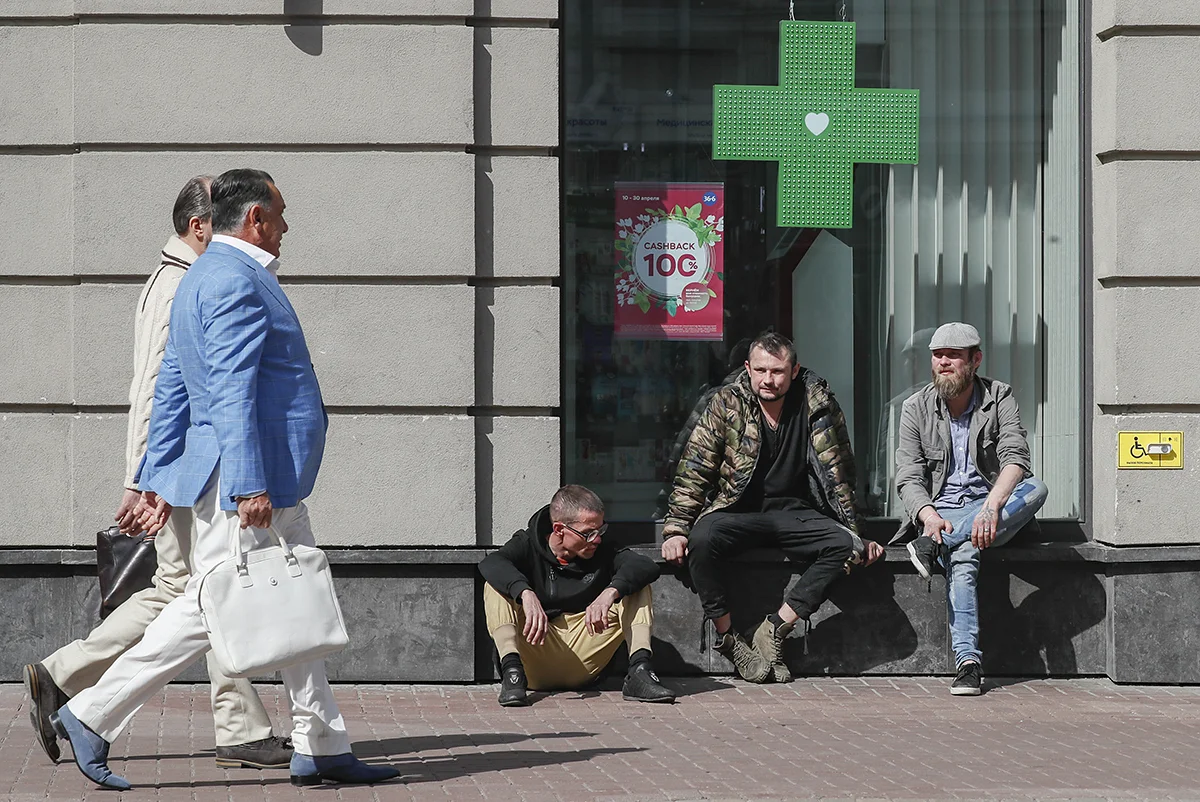
At the same time, the Pharma 2030 program requires that in six years at least 70% of drugs to be made from Russian raw materials. But there are three problems, said the representative of the industry organization. It is more profitable for pharmaceutical producers to buy substances from traditional suppliers - in India and China: there raw materials are cheaper due to huge volumes of release. For the Russian market, relatively small batches are needed, which means that the cost will be higher.
The second problem-Russia, due to sanctions, cannot buy the right equipment. And the third: the lack of specialists, “because the industries are very needed not only by those who can stuff pills in blisters, but also those who are able to develop new medicines,” says the interlocutor in the pharmaceutical industry. This problem has exacerbated the outflow of workers outside Russia, he adds.
Replacing tags
In electronics, the story of the “substitution of goals” is repeated. In 2023 and 2024, the share of domestic electronics was supposed to reach 57% - this was a plan in the state development of the industry adopted in 2020. In reality, this year, according to Kept (previously - KPMG in Russia), the volume of import substitution is 2.5 times less - 22%. In 2023, the authorities revised their plan and set a new goal - 27% in 2024. But it will be achieved at best by the end of this decade.
Import substitution in the field of electronics, the Russian authorities seriously took care of four years ago - just when the Kremlin planned a full -scale invasion of Ukraine. Then the Ministry of Industry and Trade set a goal to achieve technological independence in this area by 2030, and for this to produce 70% of the needs of the domestic market within the country. But it will not be achieved: in Russia there is simply no one and nowhere to do electronics.
Therefore, the participants in the electronics market call it differently: fake import substitution. And Kept experts give a much more modest forecast : they expect that in nine years the share of domestic electronics will more than double and reach 45% after only a fifth of the market was in 2023. According to the results of the last year, the entire market of the Russian Federation was estimated at 289 billion rubles, of which about 59 billion rubles accounted for Russian manufacturers.
And the point is not that in nine years it is impossible to increase production by 17 times, and this is what Vasily Shpak promises the deputy head of the Ministry of Industry and Trade. The point is: Judging by the words of our interlocutors,
Even the current modest volumes exist largely on paper - in those reports that manufacturers soothe officials.
Novyevropa wrote in detail that manufacturers of “Russian” electronics are not only imported by components under the guise of produced in Russia. According to C4ADS (a non -profit organization engaged in the collection and aggregation of data from various types of sources), they import the same types of goods that are “produced” and bring in the Unified Register of Russian electronic products with might and main.
And what is included there is officially recognized as goods produced within the country. This is both military and civil foreign electronics: computers, monoblocks, scanners, ATMs, drones, monitors, video cameras, chargers. For all this, "manufacturers" glue Russian tag - they simply falsify import substitution.
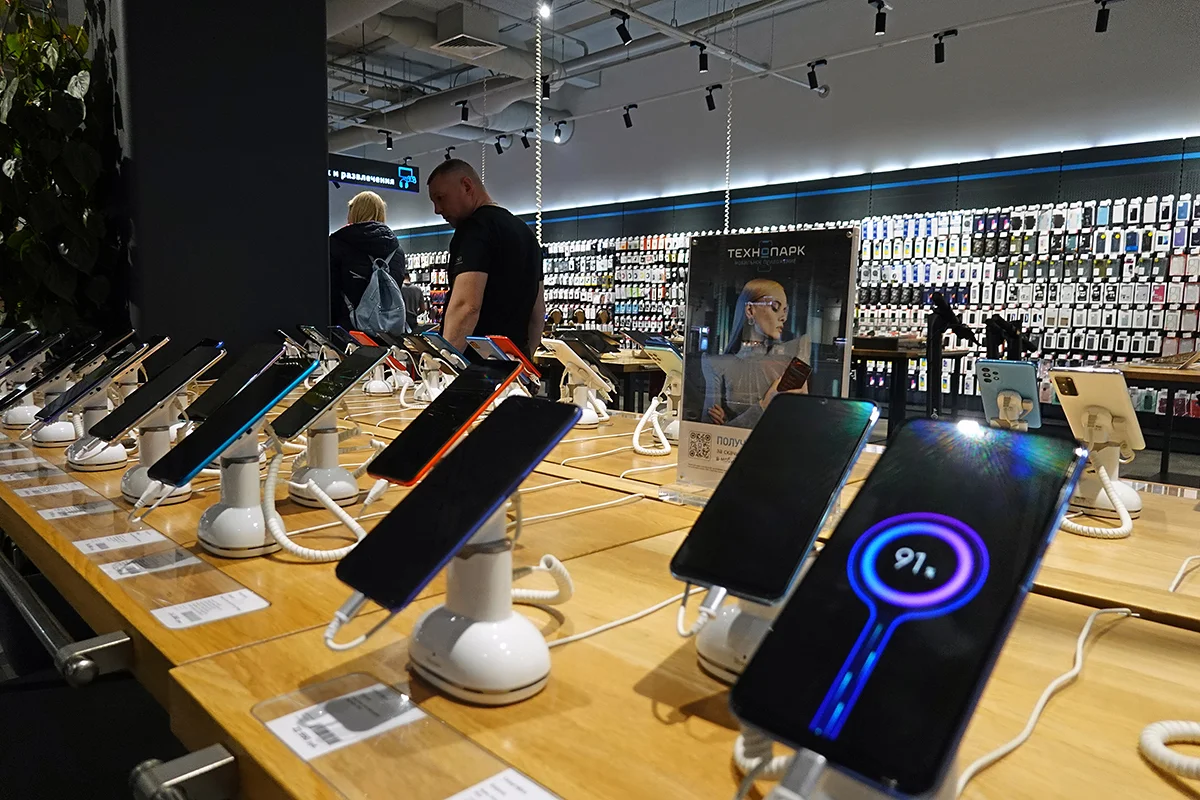
As the new-Europe previously told an expert in the production of electronics, two whales of Russian pseudone-dependence-the supply of those chips from China that used to be imported from the Western countries, as well as the issuance of Chinese components for domestic by rewinding. In the vast majority of cases, our interlocutors say, everything is limited to this, and therefore, instead of their own elemental base in Russia, they make “perhaps the crumbs that are not influencing anything,” Dmitry Khramtsov, an engineer-technologist of electronic industries, told the “new-Europe”.
In order not to produce “crumbs” in Russia, but 70% of the necessary electronics (including 95% for public procurement) or at least 45%, as Kept expects , the country does not have the same, which is why they do not make substance for drugs. Namely, imported equipment that cannot be bought due to sanctions, as well as the necessary specialists . Investments are also required huge, and the business is not going to do them, it is easier and cheaper to buy in China and give imports for domestic.
But, according to the Deputy Prime Minister Dmitry Chernyshenko, manufacturers are quite capable of very simply to make up for the lack of everything you need: you need to "turn on the mode of the magic wand, open consciousness and try to achieve sovereignty in electronics after eight years."
The back of the car industry
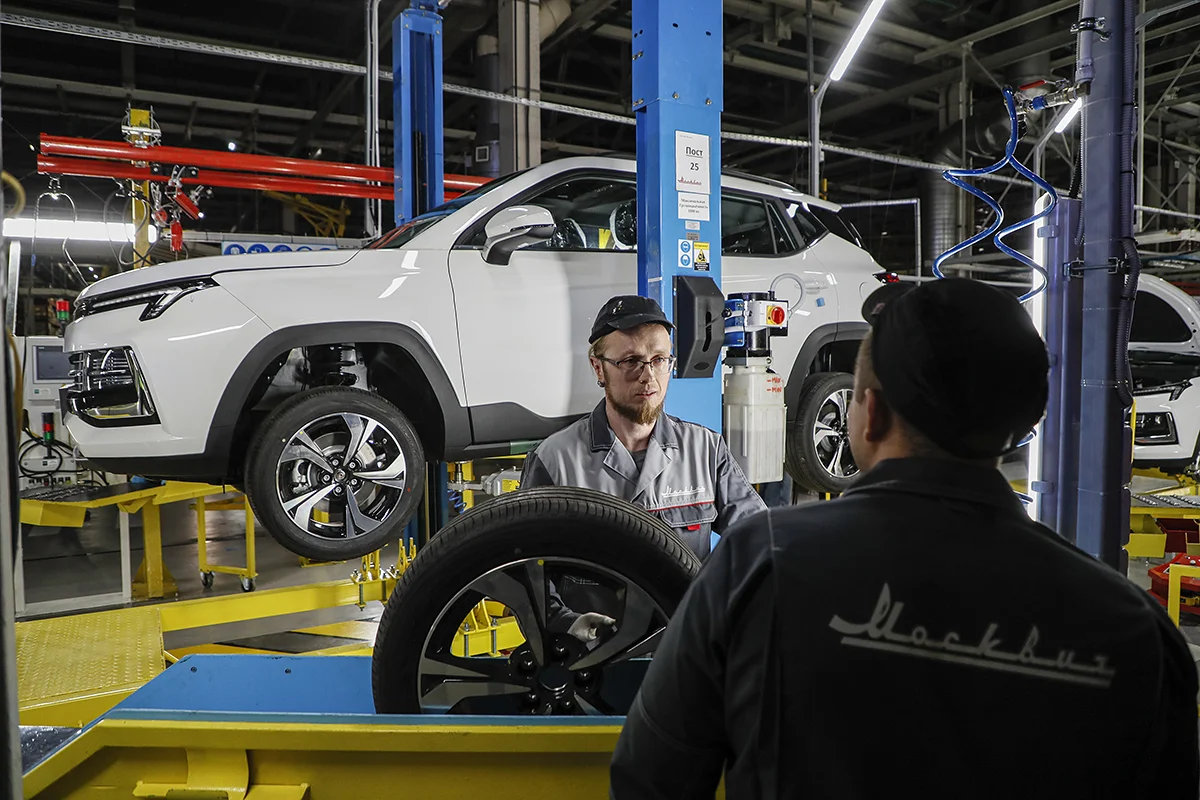
The automobile industry became one of the few where in the 2010s it was possible to successfully replace imports with machines of global brands, but of the Russian assembly. What happened after the outbreak of a full -scale war cannot be called otherwise than "negative import substitution." A similar term - “negative growth” - during the pandemic of the coronovirus was used by the head of the Central Bank Elvira Nabiullina, characterizing the fall of the economy.
In Russia, in the first half of 2024, only 330 thousand cars were able to collect and received a level of production of 46%. The rest sold on the market about 389 thousand pieces, judging by the statistics of Avtostat, brought from China. This means that in terms of imports the market, the market rolled back 22 years ago and in 2024, apparently, the 2002 record would be broken, when 0.5 million cars were brought to Russia (though mostly used). But even then, its own release (and, accordingly, the level of localization) was higher: about 1 million pieces per year.
Large production that fell into the top 10 marks remained only among AvtoVAZ and the Chinese HAVAL (plant in the Tula region)-the only foreign car manufacturer in Russia today. True, there are grandiose plans for the assembly in Russia tens of thousands of Chery in former brands from the "unfriendly" countries, but so far these are only search engines. The Chinese, due to sanctions, prefer to import products into Russia, and not invest here in the assembly. Suppliers from the PRC took the place of world auto -brands who left the Russian market after the outbreak of a full -scale war.
Moreover, before the war, the situation was directly opposite. According to the Ministry of Industry and Trade, in 2021 80% of cars were produced in Russia - 1.34 million out of 1.66 million sold in the last peaceful year in the Russian market. Back in the mid-2010s, auto factories of eight foreign companies, as well as AvtoVAZ alliance with Renault, Sollers-C Mazda and Toyota, Autotor-with Hyundai, Kia and BMW created more than 3.5 million cars a year. Partially they worked for export. And besides, in Russia, part of auto components were gradually localized .
Now, after the departure of foreign owners, they were taken away by the state or structures close to it-and they either stand idle, or only try to establish the assembly (“New Europe” wrote in detail about this here ).
0 new aircraft per year
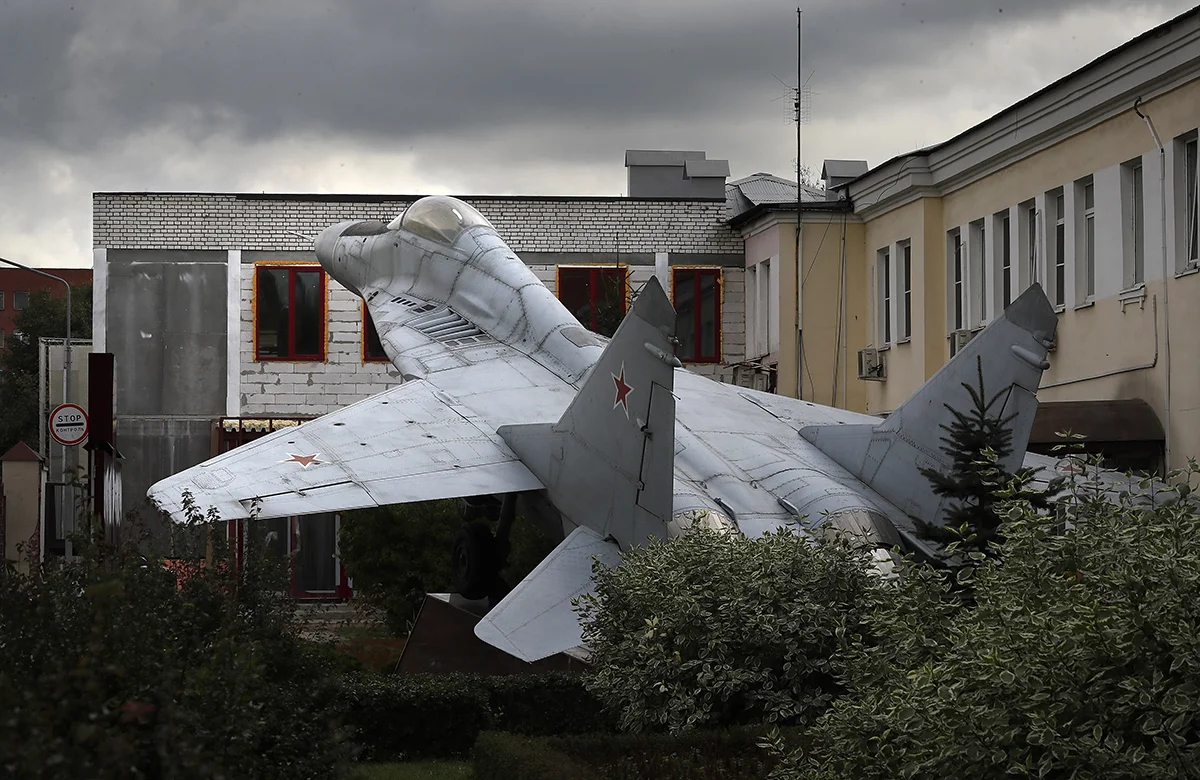
In 2023, Russian airlines, which operate about 1.1 thousand aircraft, purchased only two domestic sides-Azimuth replenished the park with one SSJ100, and Red Wings received one Tu-214 (and that was not newly built, but restored to the flight fitness of cars). А должны были получить 108 бортов по программе развития авиапрома до 2025 года в версии 2017 года. Но два самолета еще не самое плохое: в этом году перевозчики не получат ни одного импортозамещенного борта.
Как и в других секторах, здесь тоже чиновники быстро поняли, что цели программы развития отрасли нереалистичны, и в 2022 году снизили амбиции в десятки раз, приняв новую программу .
При этом у российских властей достаточно амбициозные планы по увеличению доли парка самолетов отечественного производства. Если в 2022 году это было около 33–36% (обе эти цифры зафиксированы в одной и той же программе , а более свежие данные не опубликованы), то в 2025 году это должна быть почти половина (47%), в 2028 году — уже две трети, а в 2030 году — превысить 80%.
Что вытеснит с рынка «Боинги» и «Эйрбасы», непонятно, потому что спустя два года после утверждения этой программы цифры импортозамещения уже поставлены под большое сомнение. В этом году Россия вообще не построит ни одного самолета. Весной 2024 года Минпромторг и «Ростех» объявили , что в этом году российские перевозчики отечественных самолетов не получат: поставки Superjet, МС-21, Ту-214 и Ил-114-300 переносятся на 2025–2026 годы.
Причина срыва сроков в том, что самолеты получились хуже по сравнению с проектными характеристиками. Например, МС-21-310 оказался тяжелее, следовательно, не может летать так далеко и на такой высоте, как планировалось . Возможности самолета ухудшились, как писали СМИ, как раз из-за импортозамещения компонентов, а также потому, что сейчас некому делать гражданские самолеты: производственные мощности и специалисты работают на войну.
***
Путин в майском указе 2024 года распорядился снизить долю импорта товаров и услуг в ВВП до 17% к 2030 году. На этот показатель часто указывают как на столбовую дорогу импортозамещения. Но сама по себе эта цифра — лукавая и мало о чем говорящая.
Во-первых, производители, как мы рассказали выше, часто выдают импортную продукцию за сделанную в России.
Во-вторых, в таких отраслях, как сельское хозяйство и фарма, объемы критически важного сырья невелики в стоимости. Например, импорт фармсубстанций не превышает 192 млрд рублей (данные за 2022 год, цифрой поделился с нами отраслевой эксперт) — это около 7% от рынка готовых препаратов, но без сырья нельзя сделать российские таблетки.
В-третьих, это само по себе не такое уж и импортозамещение: в 2023 году Россия импортировала товаров и услуг на 19,1% от ВВП, а до войны — больше чем нам 20%.
Но самое важное вот что. Из слов Путина следует, что импорт, возможно, даже увеличится. Дело в том, что сам ВВП к 2030 году, по планам властей, вырастет на 20%, то есть до 206 трлн рублей, если сравнивать с 2023 годом. Путин велит снизить импорт до 17%, что соответствует примерно 35 трлн рублей. А в 2023 году в Россию ввезли товаров и услуг на 33 трлн рублей.
Рост импорта совершенно не вяжется с планами властей по импортозамещению, но довольно логичен, если присмотреться к тому, как складываются дела в ключевых отраслях.
Отраслевые эксперты и источники, с которыми поговорила «Новая-Европа», считают неверной саму концепцию противопоставления отечественного и импортного с вытеснением с российского рынка последнего. А правильная концепция — встраиваться в глобальное разделение труда и наращивать продажи продукции высокого передела и доли на мировых рынках.
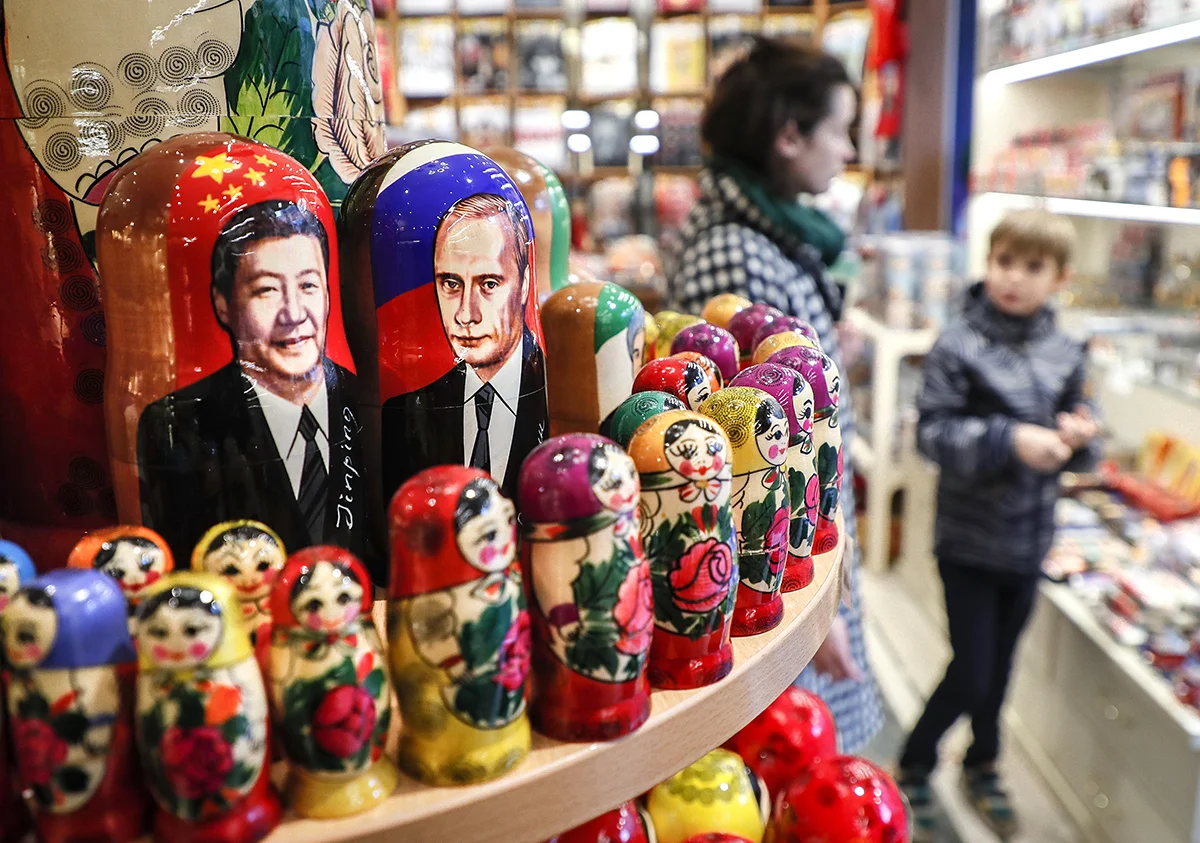
Кстати, именно так российские власти и представляли себе правильный путь еще десять лет назад, называя главным мерилом импортозамещения рост экспорта. Такой подход позволил России к концу 2010-х годов стать экспортером не только зерна, но и, например, автомобилей. Но с началом полномасштабного вторжения окончательно победил подход «опоры на собственные силы», хоть импортовытеснение пока и получается плохо.
От этого страдают потребители, которые получат худший товар по более высокой цене.
«Новая-Европа» уже писала о том, что теперь россиянам нужно копить на китайские автомобили вдвое-втрое дольше, чем до войны — на бренды российской сборки. Еще один пример — мясо курицы, которое дорожает второй год (весной цены год к году выросли на 30-48%). Вначале власти вытеснили импортное инкубационное яйцо и вакцины отечественными, но они справились плохо — упала продуктивность производителей мяса, объясняет отраслевой эксперт. Снижение предложения товара привело к росту цен и внесло свой вклад в общее ускорение инфляции в России.