
Translated material
Templars in Siberia
Siberia in question is not behind the Urals, but in the southwest of the Iberian Peninsula. Says Victor Cheretsky.

How to get around the lock?
Read>
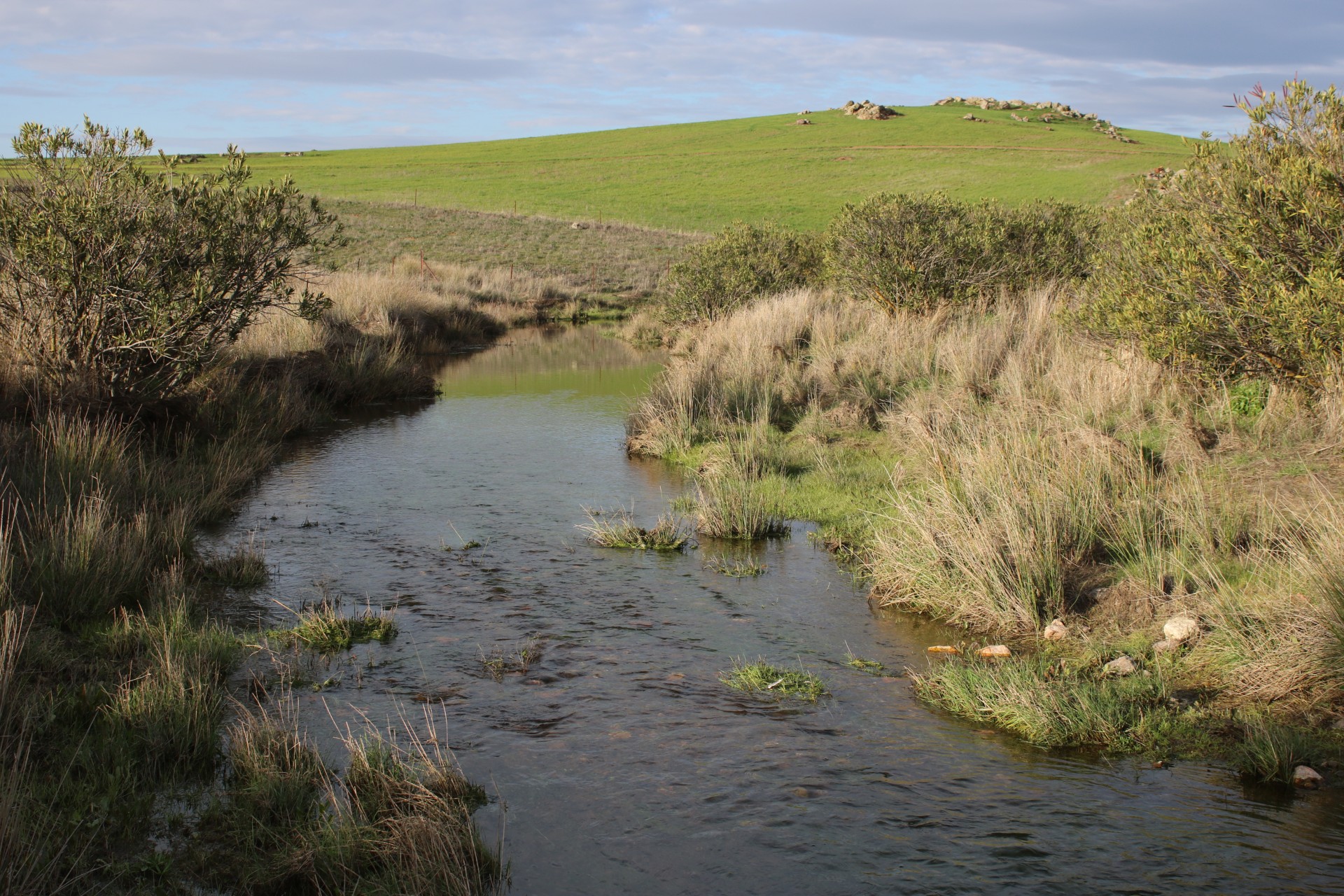
Victor Cheretsky: I will immediately warn that the name '' Siberia '' in Spain is not a product of emigrant folklore, such as the New York Yashka Street. This is the official name of the region. It appears on geographical maps, in encyclopedias and guides. Spanish Siberia is located in the Autonomous Community of Estremadur - in its province of Badahos - and is divided into 17 municipal districts. The landscape here, as in Russian Siberia, is the most diverse: there are mountains covered with forests, there are steppes and large ponds. Says the local local historian Hesus Tenente.

Siberia in question is not behind the Urals, but in the southwest of the Iberian Peninsula. Says Victor Cheretsky.
Hesus Tenente: I think that, first of all, it is necessary to talk about what Siberia is. Indeed, even in Estready, not to mention the rest of Spain, many do not suspect the existence of the area with that name. Our Siberia is a small region. Its name, of course, is borrowed in Russia. The area of Spanish Siberia is a little more than 2600 square kilometers. The population is 20,500 people. Like many other rural regions of Spain, it is experiencing an outflow of residents in large cities. Siberia is the first and so far the only biosphere reserve recognized by UNESCO in these parts. The ecosystem is perfectly preserved and supported. Such a little where you can meet in Spain. Flora and fauna are very diverse.
By the way, we are talking about an example when a person can help improve their condition. After all, even 50-60 years ago, there were no large ponds in Siberia and it was an arid region. The construction of reservoirs, the current abundance of water resources, contributed, for example, the emergence of many species of birds here. The reservoirs feed on the rivers of Shyhar and Guadian. These are the largest reservoirs of Spain. They are comparable to the largest internal reservoirs of Western Europe. To the said should add the presence of an original culture and traditions of the local population, inextricably linked with life in nature - in the rural outback.
The initiative came from the Duke of Osun, who owned the estates in these places in the 19th century
Victor Cheretsky: How did the Russian name appear in Spain? Local residents claim that the initiative came from the Duke of Osun, who owned estates in these places in the 19th century. He inherited them from his ancestors. One of them, namely, the noble knight Alfonso Teles participated in the wars for this region in the XIII century. By the way, Teles was at one time and the ruler of Madrid, however, in those days only a stagnation fortress. Well, the Duke of Osuna himself is 12 years old - since 1856 - he was first a special bearer, and then the Ambassador of Spain in St. Petersburg. He went to Siberia - hunting. He considered his possessions in Estremadur, very remote from any civilization, with luxurious untouched nature, comparable to Russian Siberia. Hence the name.
However, on the outstanding figure of the Duke, it is worth stopping especially. A military man, Lieutenant General, gentleman of the highest orders, he became famous for his braveness in the era of civil wars in Spain. And the diplomatic position in St. Petersburg was a kind of reward for him. This man is also known by the fact that being very wealthy and ambitious, he did not put on uniforms and civilian costumes sewn for him more than once, as well as the fact that he addicted Emperor Alexander Nikolayevich '' “The Liberator '' to the Spanish '' '' '' '', supplying him this wine as a gift in crystal bottles. Historian Ila Basmati.
The Duke of Osuna could go around Spain from north to south, without leaving his possessions
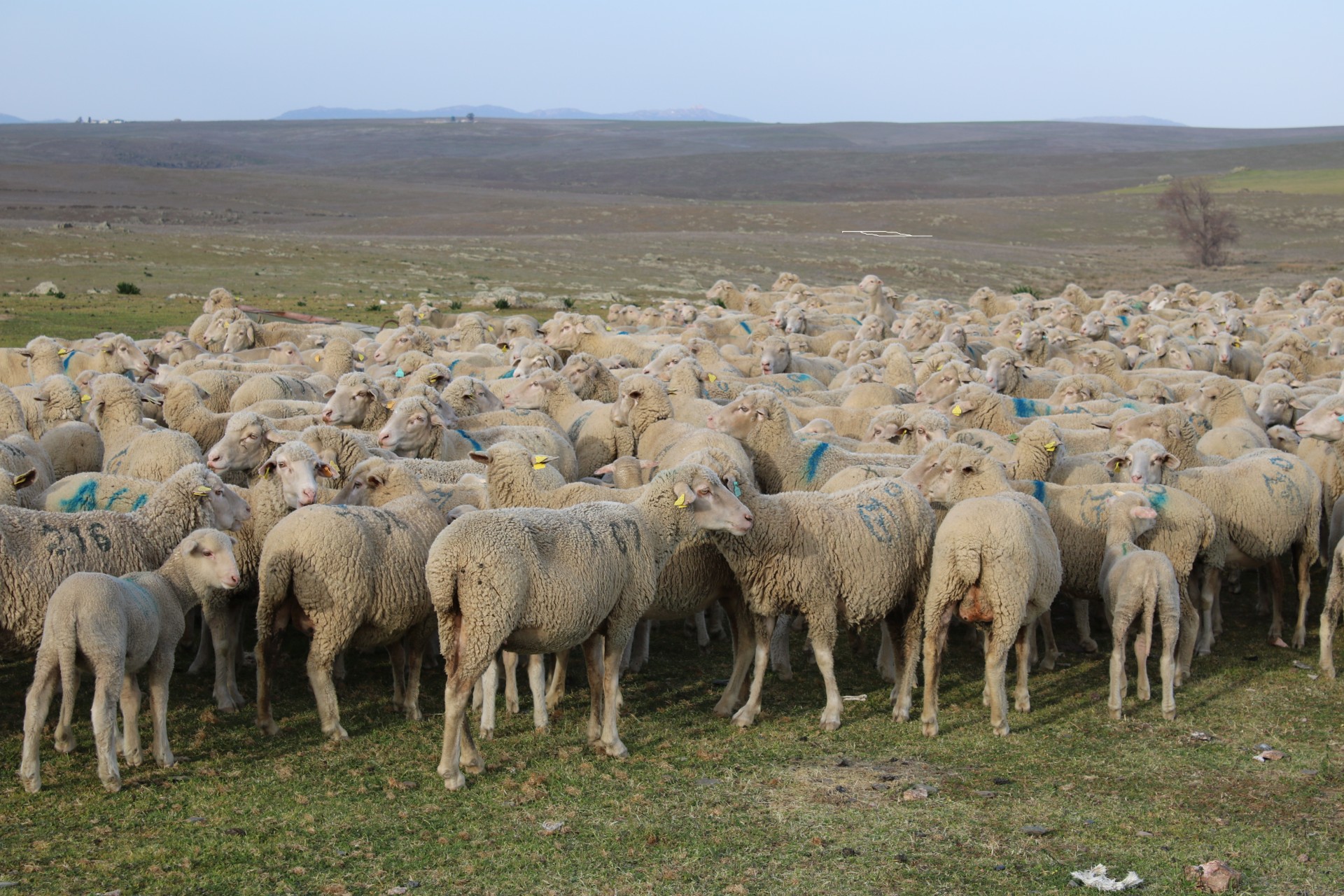
Ila Basmati: Maryano Teles-Hyron had the title of the Duke of Osuna. He belonged to one of the most titled and rich surnames of Spain. The duke had so many estates throughout the country that, as they said at that time, he could go around Spain from north to south, without leaving his possessions. This person was sent to the ambassador to the new emperor Alexander II to restore diplomatic relations. They were interrupted by the former Russian monarch, who did not recognize Isabella II as the Spanish queen and supported her rivals-Carlists, supporters of the Infante Karl, Uncle Isabella. As an ambassador, the duke managed to very quickly enter into confidence in the highest Russian society. He literally asked the royal dignitaries. Dams gave expensive Spanish fans and flowers that he delivered from Valencia. And when one of the ministers inquired in sheep breeding in Spain, the Duke gave him a whole herd of sheep 'Merinos'', accompanied by huge patrol dogs-mastphs.
The balls and techniques arranged by Teles-Hyron in his luxurious St. Petersburg residence were even visited by the emperor, to whom the hospitable owner gave food on gold. After the feast, gold devices, by order of the Duke, were thrown into the river so that no one could use them anymore. The duke paid all this luxury from his pocket, never resorting to funds from the state treasury.
Victor Cheretsky: Note that in Siberia the lands have not belonged to the Osun family for a long time. And these places are now not at all impressed by outbacks. Here, like everywhere in Spain, beautiful highways, well -groomed villages, although small. Well, as it should be in any Siberia, a hardworking and hospitable people. The story about the region is continued by the journalist Candido Peres.
Candido Perez: The main lesson in rural Siberia is sheep breeding. Hundreds of thousands of fine -rotary sheep of the Merino breed are grazed in the open spaces of this region. Local meat is especially appreciated in the market. In milk sheep breeding, the threshold is used. First -class cheeses are made from sheep’s milk. Siberia has its own honey. A lot of villagers are engaged in its production. Only one of the honey cooperatives - `` Montemel '' - produces three tons of this product per year, which goes to the domestic market and export. Wood, cork, mushrooms and cedar nuts are also gifts of Siberia. Collection of nuts brings 2 million euros per year. Revenues receives Siberia from tourism. For lovers of nature, a route has been laid - in the most protected places - 100 kilometers long.
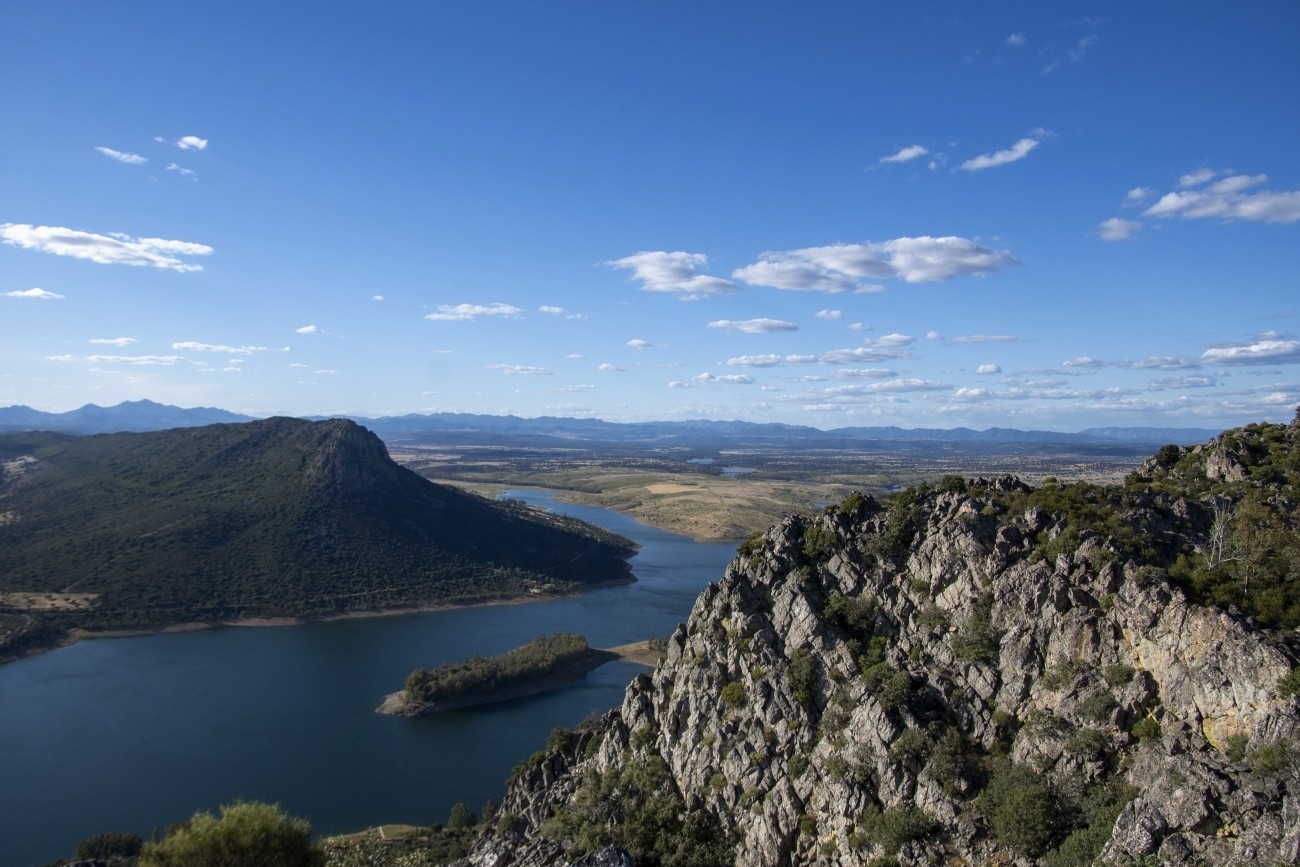
500 species of birds live here, including rare - white -headed SIP, hawk eagle, golden eagle, sapsan, black stork, Spanish burial ground and so on. Cranes winter. A genuine paradise for ornithological tourism. In addition to pine, oak and eucalyptus grow in Siberian forests. There are wild boars, deer and lani. In reservoirs - huge carps. Hotels for tourists, as a rule, are built so that they fit well into the environment.
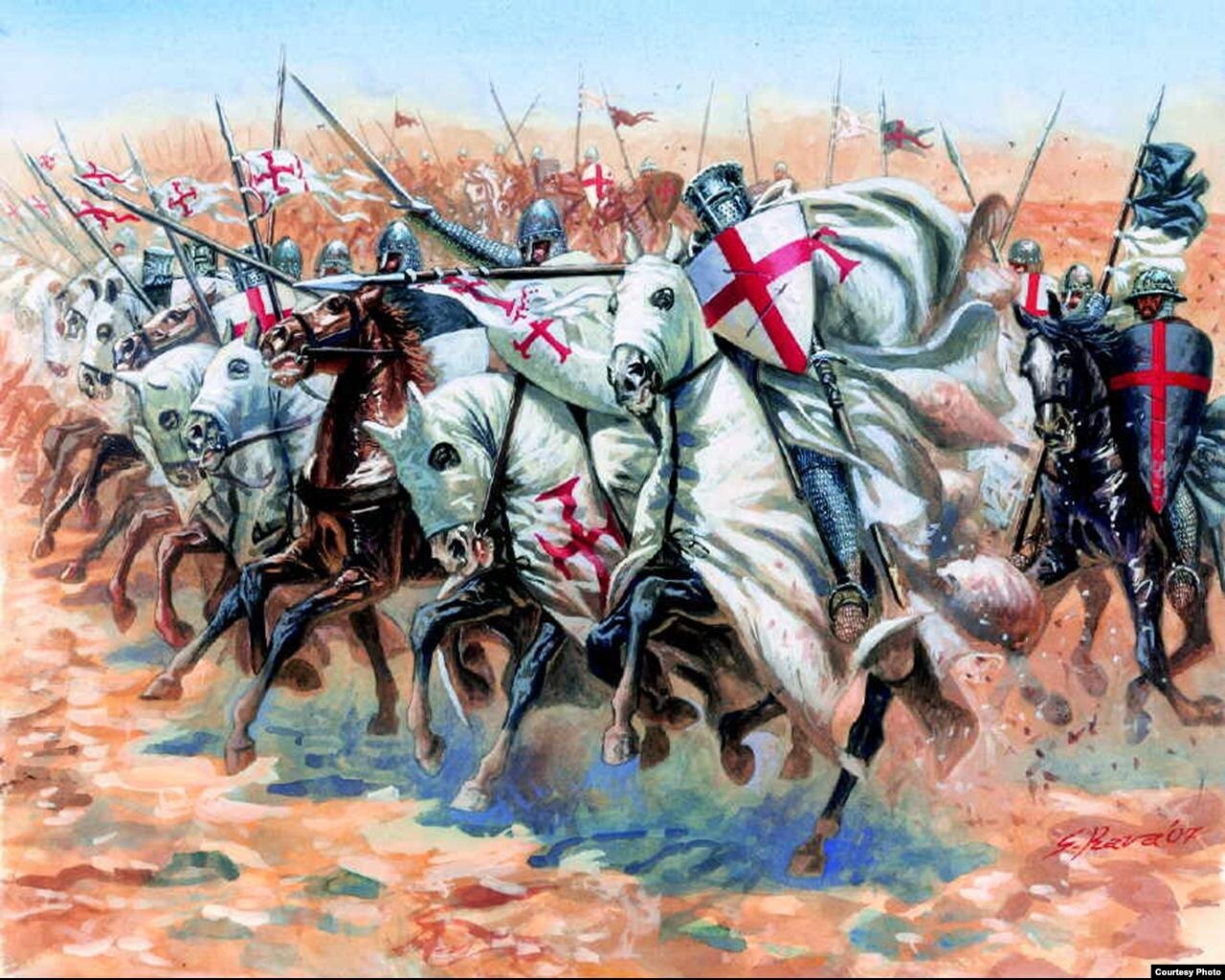
Victor Cheretsky: Nature amateur tourists are not the only guests of these places. No less than those who are interested in the history of Siberia, its ancient fortresses and castles. Many people believe that somewhere here, noble treasures are still stored here. And this is because Siberia once was the land shrouded in the secrets of the medieval knightly order of the poor soldiers of Christ and the temple of Solomon, and it is easier - Templars or templars. Legends associate the Order with the main relics of Christianity taken out of the Holy Land, and with different magical secrets, and with the emergence of Freemasonry, and even with the discovery of America. But if all these stories for many centuries have been the subject of disputes, then the fact of the presence of chivalri -guardians in Spanish Siberia is indisputable. The memory of the Templars was preserved in local names. For example, one of the Siberian villages is called the Castle of White, that is, knights worn on white cloaks. Another village is called the source of the master - in honor of the head of the templars. However, as you know, this order did not arise in Spain and not even in Europe, but in the Holy Land at the beginning of the XII century during the first crusade. Says historian Juan Eslav Galan.
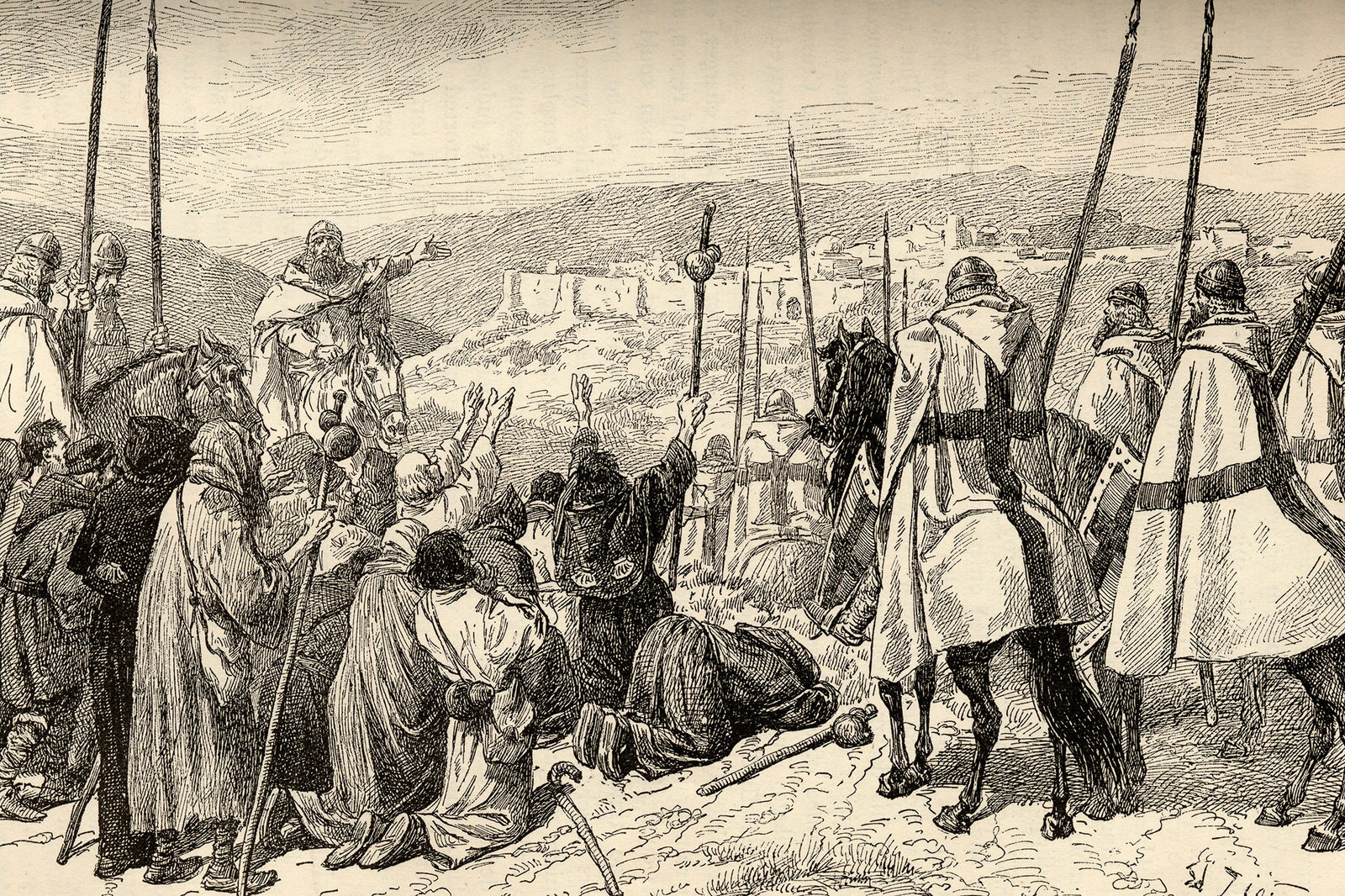
Juan Eslava: Seven French knights decided to protect the Christian pilgrims in the Holy Land. The fact is that the path of these pilgrims began in the port of Jaffa, in which they arrived on ships from Europe and which is now united with Tel Aviv. From there to Jerusalem, where, as you know, the main Christian shrines are located, not so far, but there were many robbers on the road. So the knights of the Order of the Poor Warriors of Christ and the Temple of Solomon - initially there were very few of them - took on the work of accompanying the pilgrims. The leader of the Templars became Hugo de Payne. Well, the Jerusalem king Baldwin II gave them the right to settle on the temple mountain in Jerusalem - supposedly on the site of the destroyed Jewish temple. Hence the name - templars.
Members of the Order were Monachi knights who vowed obedience, celibacy and poverty. Each had an assistant-angry, called '' sergeants ''. The knights wore a white cloak with a red cross, sergeants - a brown cloak. At the Order, there were employees who entered the service in the hope of atone for their sins. It was difficult to defend the crusaders on the Holy Land. There were many enemies around. Therefore, they had to build powerful fortresses and locks. Until now, these structures are preserved in the Middle East, similar to similar in Europe.
It is believed that somewhere here the so-called `` golden sheep 'is buried here
Victor Cheretsky: I was told by the Spanish Siberians from the town of Capilles, where the castle and the chapel of the Templars were preserved, that some personalities with metal detectors often visit them - and try to find the treasures of the order, although an amateur treasure hunt in Spain is strictly prohibited. Similar attempts are made in another Siberian village - Siruel at the ruins of the castle, which the templars built in the XIII century. It is believed that somewhere the so-called “Golden Sheep” is buried here, that is, a sculpture of a life-size sheep made of pure gold. By the way, since the beginning of the XIV century, the Ciruel Castle was empty - it was used only as a temporary haven with robbers, and therefore was destroyed by order of the king.
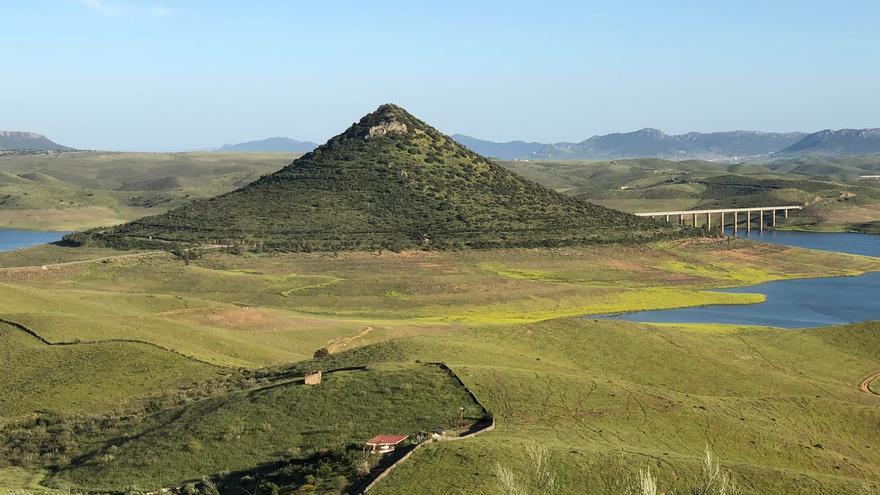
They are also looking for treasures at the Lares fortress, which was the main headquarters of the Siberian Templars, and at the castle in the village of Puebla de Alcoser. It is shrouded in legends and Siberian Mount Masatrigo. The correct conical shape of this mountain makes many think about its man -made origin and about the treasure of templars in its bowels. Well, in the village of Galisuel there is a story about how one local resident, a deep old man, has been looking for and found knightly gold all his life. After the death of his father, his son could not immediately find this family inheritance. In despair, he broke the huge statue of the Moor stored in the house. In it was the treasure hidden by his father. How did all these legends appear? Juan Eslava.
Juan Eslava: Since the liquidation of the order, time has passed and no one was talking about the wealth allegedly hidden by him. But after four centuries, such conversations appeared. Especially on this subject were loved by members of the Masonic lodges that arose at the beginning of the 18th century. The Masons tried to demonstrate that they were involved in the Jerusalem Temple and, accordingly, in the Templars. The latter, as you know, lived on the temple grief, and therefore allegedly found some treasures and holy relics there. So it is from the 18th century that various stories about templars are spreading, based mainly on fictions. One of them concerns the Ark of the Covenant, seemed to be found by knights. The other is the gold table of King Solomon, who, too, is believed to fall into the hands of the order and was hidden by him. It is known that the table was in the Jerusalem Temple before its destruction by the Romans. Then the relic was taken to Rome, and after the plunder of this city by the barbarians, she came to France, from where the Visigoths took her to their Spanish capital - Toledo. After the conquest of Spain by the Arabs in 711, the table disappeared and only a few hundred years later was allegedly discovered by the Templars. What secrets did this relic hide? According to legend, some knowledge was encrypted on the table, giving unlimited power, in particular, the true name of God.
The Reysführer never got to Siberia
Victor Cheretsky: Tsar Solomon tried to find in Toledo Henry Himmler to ensure Germany’s victory over the allies. He was looking for in Spain and the Holy Grail. True, the Reysführer never reached Siberia, although one of the legends says that the table could be taken out and hidden in this region or a little further in Portugal. Toledo was an important center of the Templars. They lived in the quarter of St. Michael. In the Tople church, in honor of the same saint, their symbolism has still been preserved. By the way, the Templars came to Siberia from Toledo. In this city there is now the only museum of their order in Spain. Professor of the University of Saragos, Jose Luis Corral, explains that, apparently, Himmler sincerely believed in the authenticity of stories about knights-guardians of relics, and therefore came to Toledo.
Jose Luis Corral: The world of Templars, according to legend, is still associated with the world of sacred relics. Of particular importance to these relics were given in the Middle Ages. First of all, it was about objects related to the figure of the Lord. According to legend, the Templars at one time were the keepers of the Holy Grail and the shroud. The latter was supposedly two centuries - before it got into Turin. It is believed that they owned the Jerusalem part of the Cross of the Lord - before it was lost in 1187 in the battle of Hattin, in which the Templars and other crusaders were defeated. The templars seemed to always take this shrine on military campaigns. They were proud that they were guardians of relics.
Victor Cheretsky: It is known that at the beginning of the XIV century the Order of the Templars, who had been operating in many European countries by that time, was prohibited at the request of the French king, whose dynasty owed the order a significant amount of money. In addition, the monarch tried to replenish his treasury due to the Templars. The reason for the reprisal was found without much difficulty. Says historian Juan Eslava.
Templars were accused of terrible crimes at that time
Juan Eslava: Templars were accused of terrible crimes at that time. For example, in the fact that they worship the demon Baphomet, spit on the crucifix, that their priests replace words during the Catholic mass, practice a garden and so on. Based on these charges of France, all members of the order were arrested. They were interrogated using torture. We know that the cloth-saucers were bold and strong-willed people. Well, the executioners were mainly in the hands of those who were engaged in economics and finances. Under torture, they said what they wanted to hear from them. At the same time, the French king Philip IV pressed the Pope and in 1311 the Order was prohibited. Master Jacques de Molay and his closest associates were burned at a stake in Paris as heretics. That was the end of the Order of the Templars.
Victor Cheretsky: The King of France escaped from debts, confiscated the castles and land of the Templars, but some treasures - piles of gold and silver - which he counted on, could not find it. Juan Eslava believes that the order simply never had such wealth.
Juan Eslava: We can assume that the Order of the Templars consisted of two parts. One part is the knights who fought in the Middle East. Another settled in different countries of the West and mined funds for these permanent wars: the templars were engaged in finances - they organized a semblance of a banking system, acquired lands - thousands of peasants worked on the Order, many rich people bequeathed to him. The income has invariably increased. Therefore, it is still customary to talk about a certain fabulous state of the Templars. However, after the ban on the order at the beginning of the XIV century, no chests with gold, silver, precious stones and other values were found. And this very surprised those who hoped to profit from disgraced knights.
All income received in Europe went to war in the Holy Land
What exactly did their income go to? Firstly, weapons, armor and other equipment, food for people and a forage for horses, which also had to be bought, were built for the extracted money, the fortresses and castles necessary to protect Christian possessions on the Holy Land were also bought. And all this was very expensive. Secondly, the knights, who were not so many in the Middle East, had to hire their assistants - an entire army of the so -called “Turkopols” from the local Christian and Muslim population. And these mercenaries, who acted mainly as archers and light cavalry, also had to pay. So almost all the income received in Europe went to war in the Holy Land.
Victor Cheretsky: The authorities of several kingdoms, which were divided into Spain in the Middle Ages, were also forced to ban the order by order of the pope. In some places, the Templars were arrested and tried, especially those who tried to resist the prohibition. True, in the end, the Spaniards, well -aware of the motives of the French king, did not execute anyone, and the dad wrote off that they had an inquiry, but the heresies did not reveal among the Spanish Templars. Professor Jose Luis Corral.
In almost all of Spain, accusations were removed from the Templars
Jose Luis Corral: In almost all of Spain, accusations were removed from the Templars. I managed to get acquainted with 30 documents drawn up by the investigation in different regions of the country, and they all claim that nothing suspicious was found in the actions of the knights. For example, one of the documents dated October 1312 and related to the decision of the church cathedral in the city of Taragon, eliminates any attacks of the Templars throughout the Aragon kingdom.
Victor Cheretsky: Even earlier, in 1310, the church cathedral took place in the Kingdom of Castile-i-Leon, more precisely, in the city of Salamanca. He also announced the templars, including those who lived in Siberia, innocent and released those who were in custody. The knights were offered to join other spiritual-military orders existing in Spain, which most of them did. Historian Cesar Vidal, author of the book about the Spanish templars.
Cesar Vidal: When the order was liquidated, the knights, their castles and temples crossed the kings or other orders - such as Santiago, Alcantara, Kalatrava and so on. These purely Spanish formations were created for 'reconcists'' - the process of conquering the peninsula from immigrants from the Middle East and North Africa, which lasted seven centuries. By the beginning of the XIV century, the Templars in Spain were also mostly Spaniards, although the first of them, who appeared here immediately after the creation of the Order, were French, Italians and Germans. The Templars became famous as a particularly brave and formidable knights, something like a medieval special forces, but, in principle, there were not so many of them in Spain.
Victor Cheretsky: The Spanish templars were considered participants in the “Crusade '', that is, a religious, military campaign against Gentiles. After all, such a 'reconquist' 'on the Iberian peninsula was declared Pope. The story of the specifics of the Spanish branch of the Order is continued by Juan Eslav.
Juan Eslava: In Spain, the Templars did not play such a significant financial and economic role as in France, but their presence was noticeable, especially in the Aragon kingdom, as well as in the Castile-Leon, to which the area called Siberia belonged to those days. For example, the Templars participated in 1212 in the battle of Las Navas de Tolos, the victory in which became decisive in the case of the subsequent expulsion of the conquerors from the Iberian Peninsula. They owned land, receiving income from them. In addition, in Castile, the Order controlled the trade of salt, which at that time was an expensive product. For the proceeds, as in the Middle East, knights built their churches, castles and fortresses.
The names of 162 of the castles belonging to them in Spain are known. If the task of the Templars operating in the West countries included only the extraction of money for those who fought in the Holy Land, then in Spain things were different. The Spanish templars did not so much extract funds as they themselves fought. They were justified on the boundaries of Christian lands and were preparing for new campaigns in the framework of the “reconcists' '', that is, they played the role of the avant -garde in the constant desire of the Spaniards to advance to the south of the peninsula and conquer the last stronghold of Muslims - Andalism. And this difficult role suited them.
Victor Cheretsky: Professor Jose Luis Corral draws attention to the role played by the templers in the battles for Estremadur and, in particular, for one of its regions that are most important at that time - Siberia.
Jose Luis Corral: The appearance and activity of the Templars in Estremady is a special story. Here they participated in many years and bloody struggle with the Almohad Caliphate, which arose in North Africa and spread their influence to the southern regions of the Iberian Peninsula. The Templars freed the important cities of the severps of Estremadura, such as Alcantara, Kassez, Trujillo, as well as the land of Siberia. The conquered territories and their population - residents from the northern regions of Spain moved to Siberia - the knights were defending success. Here they built a dozen fortresses and castles. After all, Siberia for a long time was a border region in which skirmishes of the warring parties did not subside. The activity of the Templars in Estremadur, as in all of Spain and in Europe as a whole, continued until the liquidation of the order.
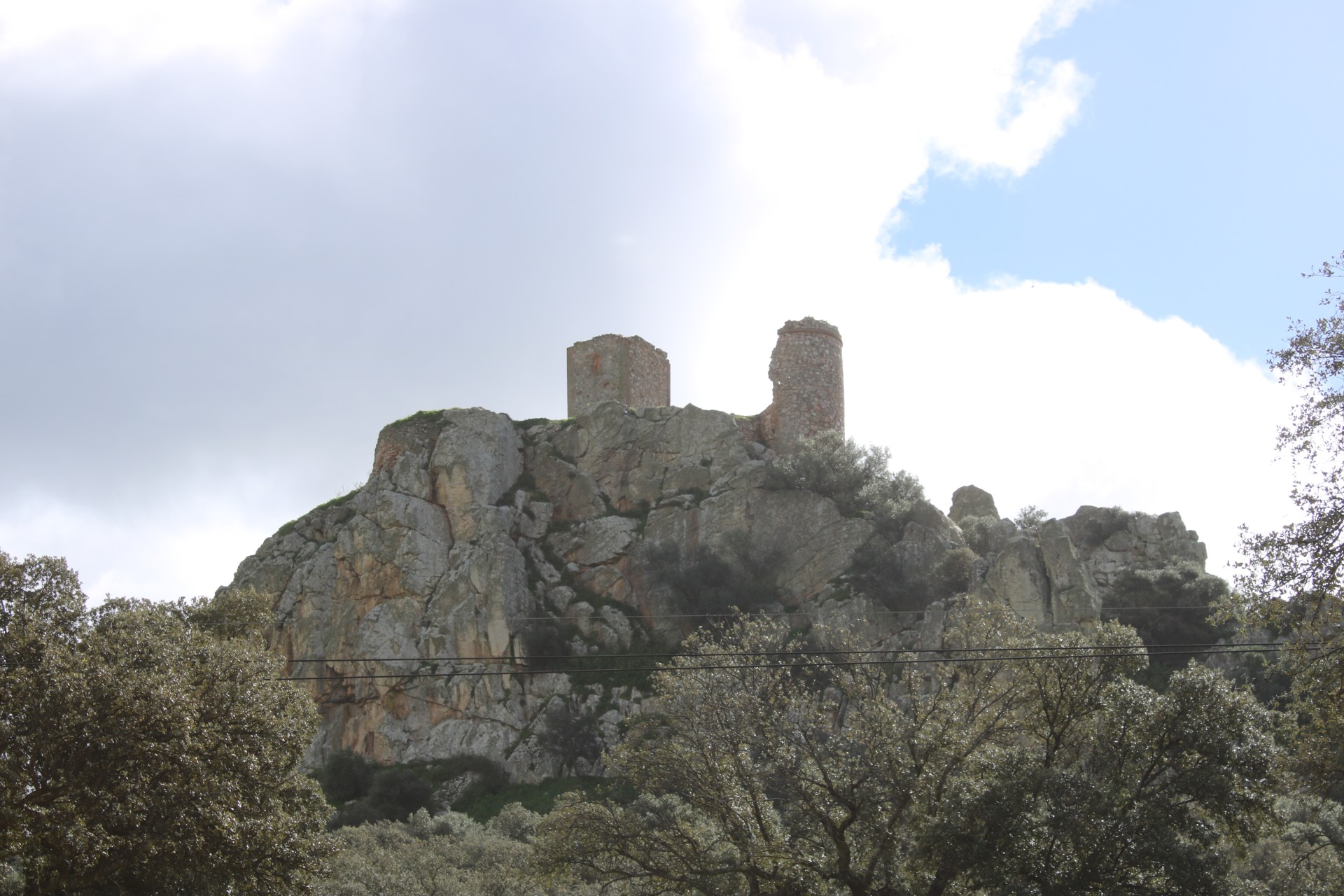
Victor Cheretsky: On the southern outskirts of Siberia - from the highway - the ruins of the castle called Almorcon are clearly visible. He was a kind of outpost of the Templars in their struggle with Almohads. The castle was built by conquerors in the XI century. The knights took him storm and received for use from King Castile-i-Leon Ferdinand III in 1236. From the once impregnable structure, only two dilapidated towers and part of the wall remained. And, of course, the legend of the noble wealth stored in his dungeons. True, getting on these ruins as a black digger is difficult these days. The castle is in private ownership. Under the Spanish laws, the owners are obliged to let tourists go. But, of course, by prior agreement and in an organized manner.
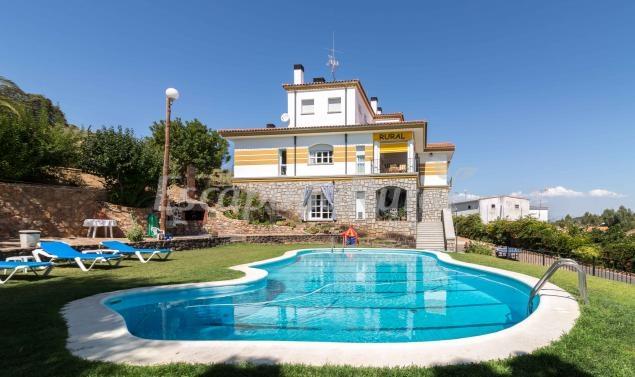
By the way, a few kilometers from the castle in a deserted flat area is another attraction associated with the Templars and, in addition, well -preserved. This is the sanctuary of the Virgin of Vifleem. At one time, there was one of the strongholds of the Templars. Later, the temple was added to the dwelling. The knightly chambers, which retained their pristine strict architecture, are now turned into a hotel. So the pilgrims of the sanctuary can spend the night here.