
Translated material
Death of a Samurai
Anton Dolin - in memory of Alain Delon
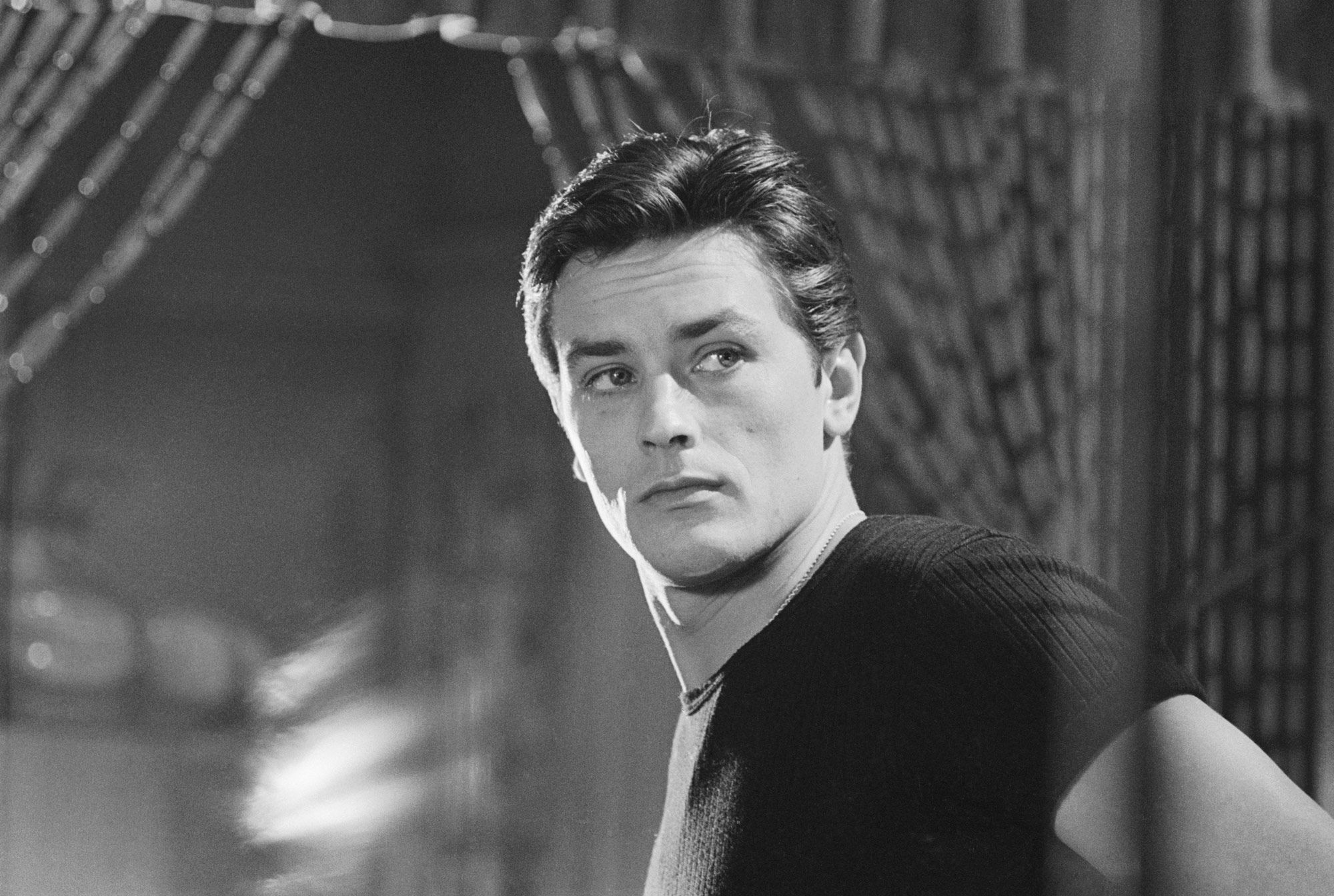
On August 18, at the age of 88, the French actor and holder of the Legion of Honor Alain Delon died. In 2019, after suffering a stroke, Delon said in an interview that he was not against euthanasia. Film critic Anton Dolin talks about the mark left on world culture by the actor, who became the embodiment of a romantic hero for some and French existentialism for others.
Throughout his screen life, which lasted more than half a century, Alain Delon died beautifully on the screen. He achieved perfection in this art. Years of publications about his illnesses, stroke, unwillingness to live and intention to resort to euthanasia prepared his fans for the departure of the great French artist. Still, the parting caused waterfalls of tears. In his case, the best equivalent is applause.
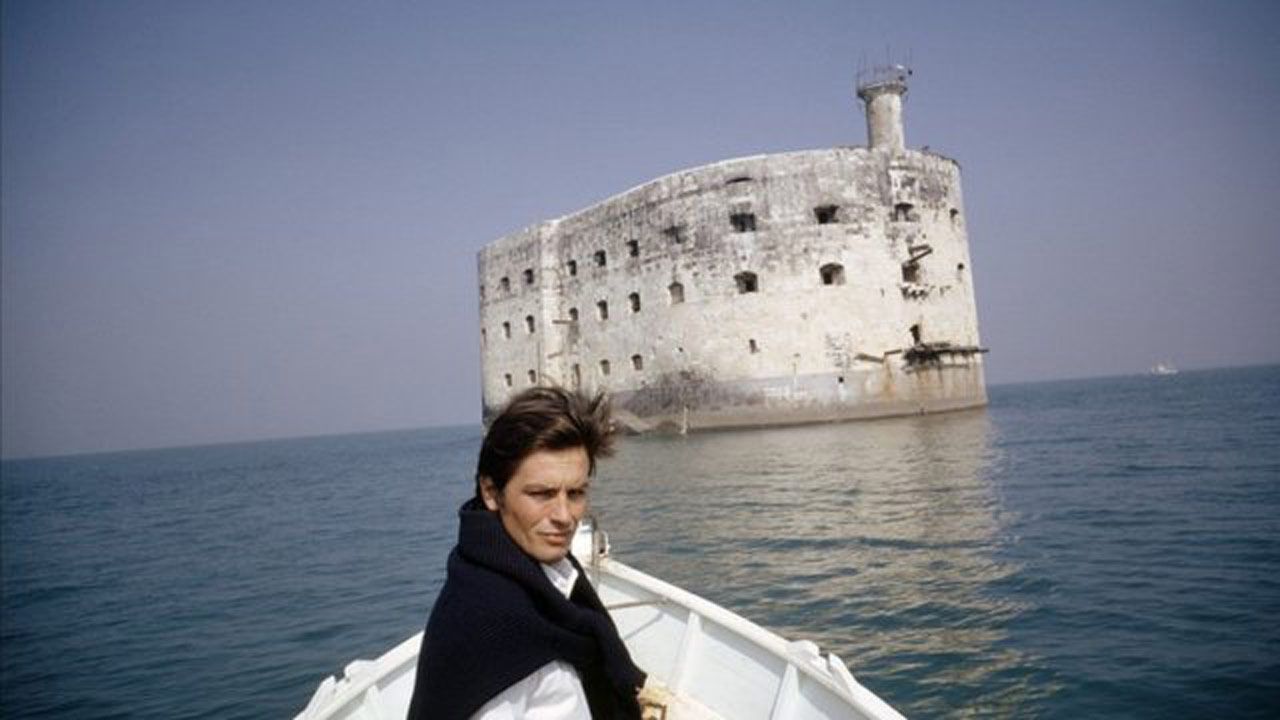
I remember the first time I cried over the death of Alain Delon. It was the mid-1980s, a village club, a showing of “The Adventurers” by Robert Enrico (at that time I didn’t yet know that you had to pay attention to the director’s name in the credits). The pilot Manyu died at Fort Boyar to the sobs of an invariably packed hall. I watched this picture in cinema many more times. Delon and I have not parted since then.
Christian-Jacques's Black Tulip was charming nonsense, directed with extraordinary talent, Duccio Tessari's Zorro was just a silly adventure film. There were enough of them in the artist’s career: the number of commercial one-dayers definitely outweighed the number of masterpieces. With the onset of maturity, I had to accustom myself to the idea that he was a serious, iconic actor for world cinema, and not just a superficial handsome man with a reputation as a superstar. For more than fifty years, even against the backdrop of outright slag, Delon played in so many outstanding films that anyone else could envy him.
But was it necessary to list and remember the roles for this? That's not why they loved him. Delon’s rare gift is beauty close to perfection, which he did not lose over the years, until his last years. Outwardly, the artist was something of an absolute, even annoying in his static nature. For the mainstream, this was more than enough: the more one-dimensional the script, the better Delon was suited for the main role with his mask face and seeming incapacity for emotions.
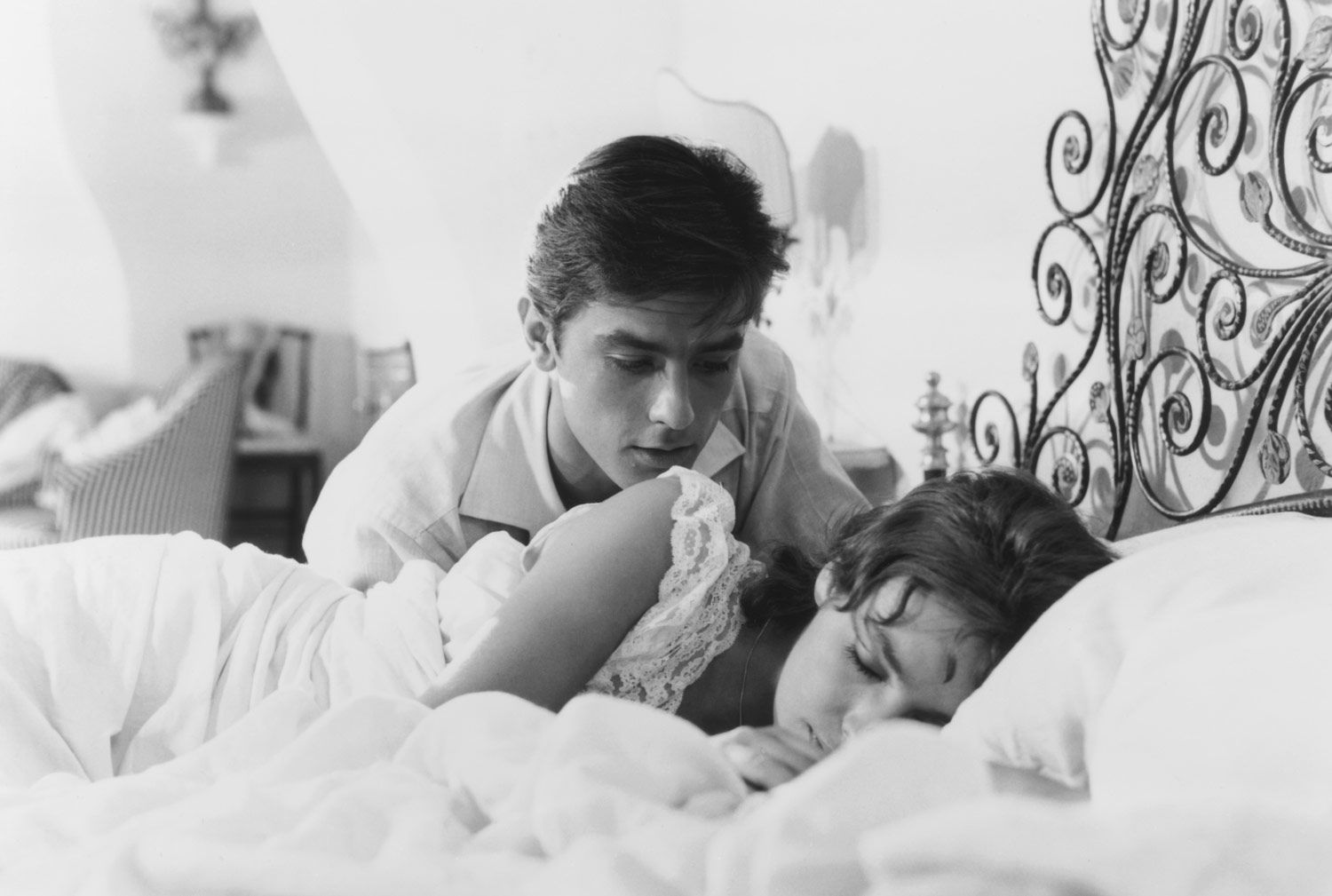
Intellectual directors read it differently: here it is, the ideal portrait of the France of existentialism. Many played on this, from René Clément, who made Delon famous (how many recently, on the occasion of the new Netflix series, remembered the first film adaptation of the books about the unscrupulous adventurer Ripley, “In the Bright Sun,” in which the 25-year-old artist was impeccable) to Michelangelo Antonioni, who made Delon the embodiment of his aesthetics of alienation in “Eclipse.”
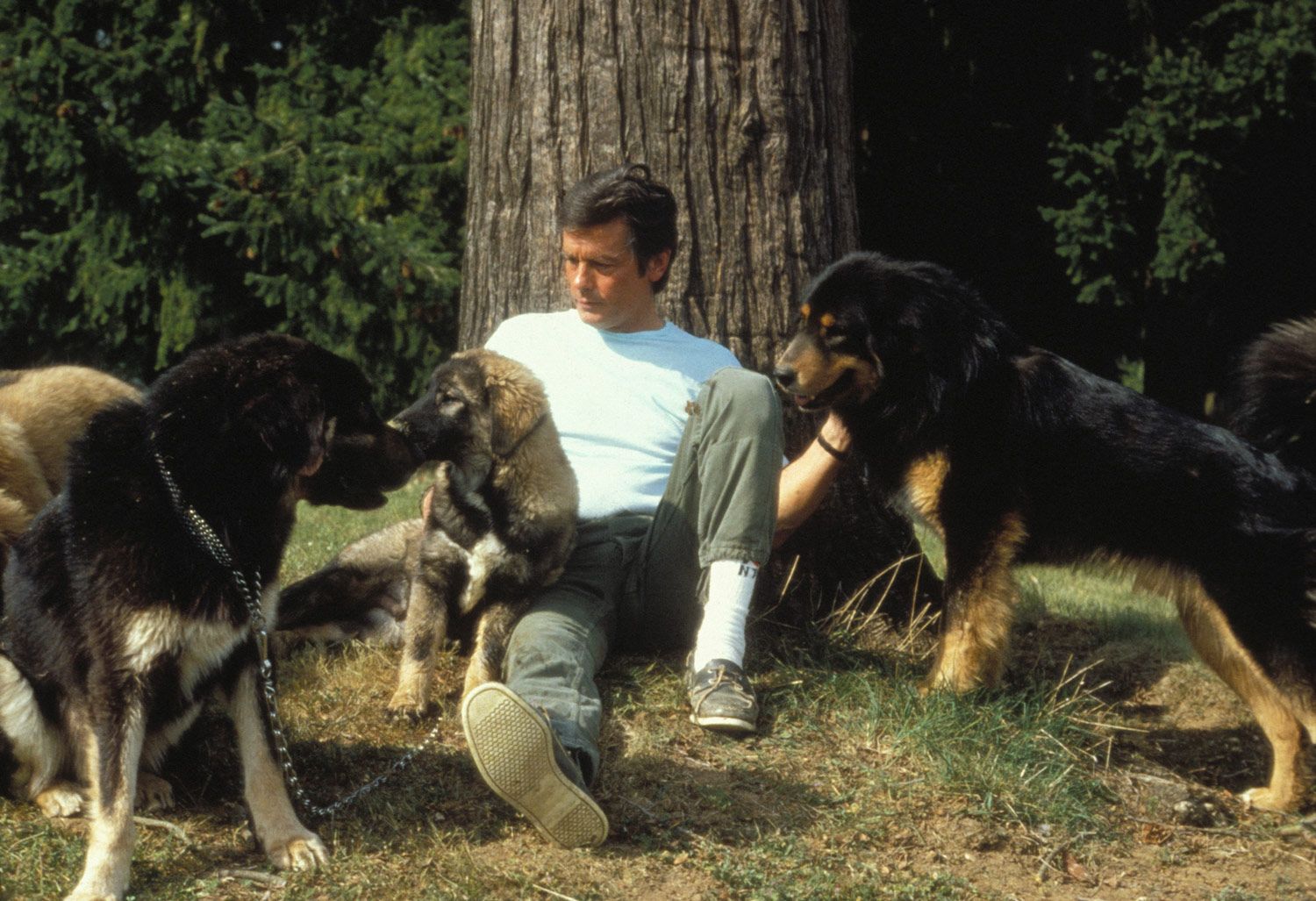
His biography was—or seemed to make no difference to the actor—no less fascinating than the fates of his on-screen heroes. I spent my childhood during the years of occupation, grew up without parents, served in Indochina, never received a professional education, managed to work as a waiter... All this - before the sudden surge of fame at the turn of the 1950s-1960s. And after that - endless, often scandalous romances, starting with the legendary relationship with Romy Schneider , and just scandals - at festivals, with the press. Loyalty to dogs is greater than to women. Legends about a quarrelsome character. Until the honorary Palme d'Or at Cannes in 2019: protesting against the decision of the festival management, the actor was called “sexist, racist and homophobic,” at the same time recalling that he was said to have beaten his wife. But the prize was awarded no matter what.
A stormy biography unfolded simultaneously with a heated discussion of an unrelenting stream of paintings, sometimes desperately mediocre, sometimes stunningly brilliant. Probably, the golden ratio of Delon’s talent were those films that today would be called “mainstream art”: audience cinema, intelligently and sensibly shot by directors with their own original style. Mentioned are Rene Clément and Christian Jacques, Henri Verneuil (“Melody from the Cellar”, “The Sicilian Clan”), Jacques Deray (the reference “Swimming Pool”, two parts of the police thriller “Borsalino”). The most “Delonian” director was Jean-Pierre Melville: together with the actor, they created an unforgettable gallery of philosophically minded, silent anti-heroes in the films “Samurai”, “The Red Circle” and “Policeman”. With these roles, Delon grew from a sex symbol simply into a symbol of his time, into something like an icon, no less impenetrable and perfect than Black Square.
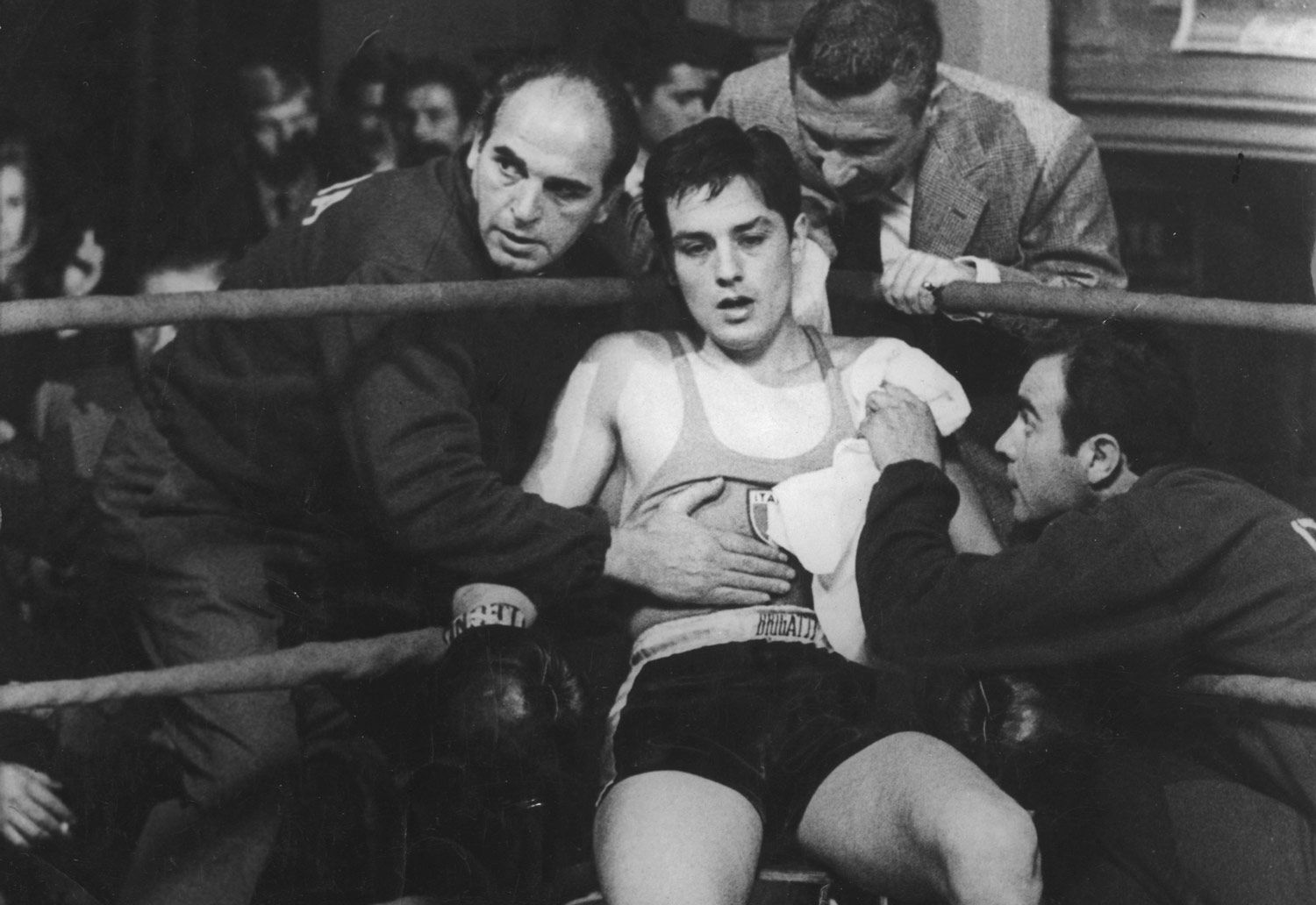
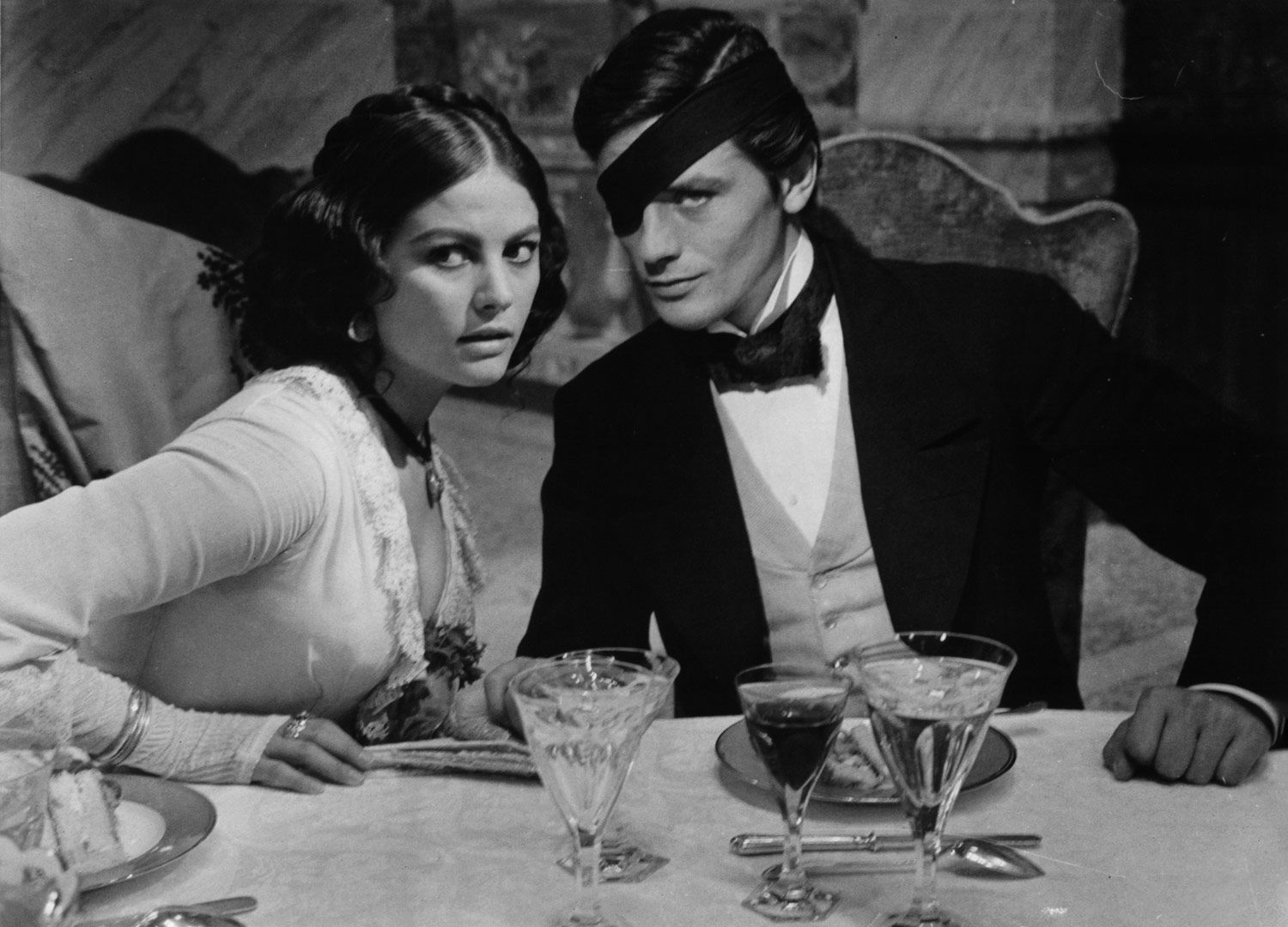
At the same time, in auteur cinema, Delon knew how to surprise and go beyond the boundaries of his usual role, organically fitting into the ensemble, although always standing out from the rest. The best confirmation of this are two films by Luchino Visconti, recognized by many as the best in the master’s career: the neorealist drama “Rocco and His Brothers”, where Delon played a boxer, but appeared vulnerable and touching, and the colorful fresco epic “The Leopard”, where in the role of the unprincipled careerist Tancredi Delon embodied the onset of a new cynical era.
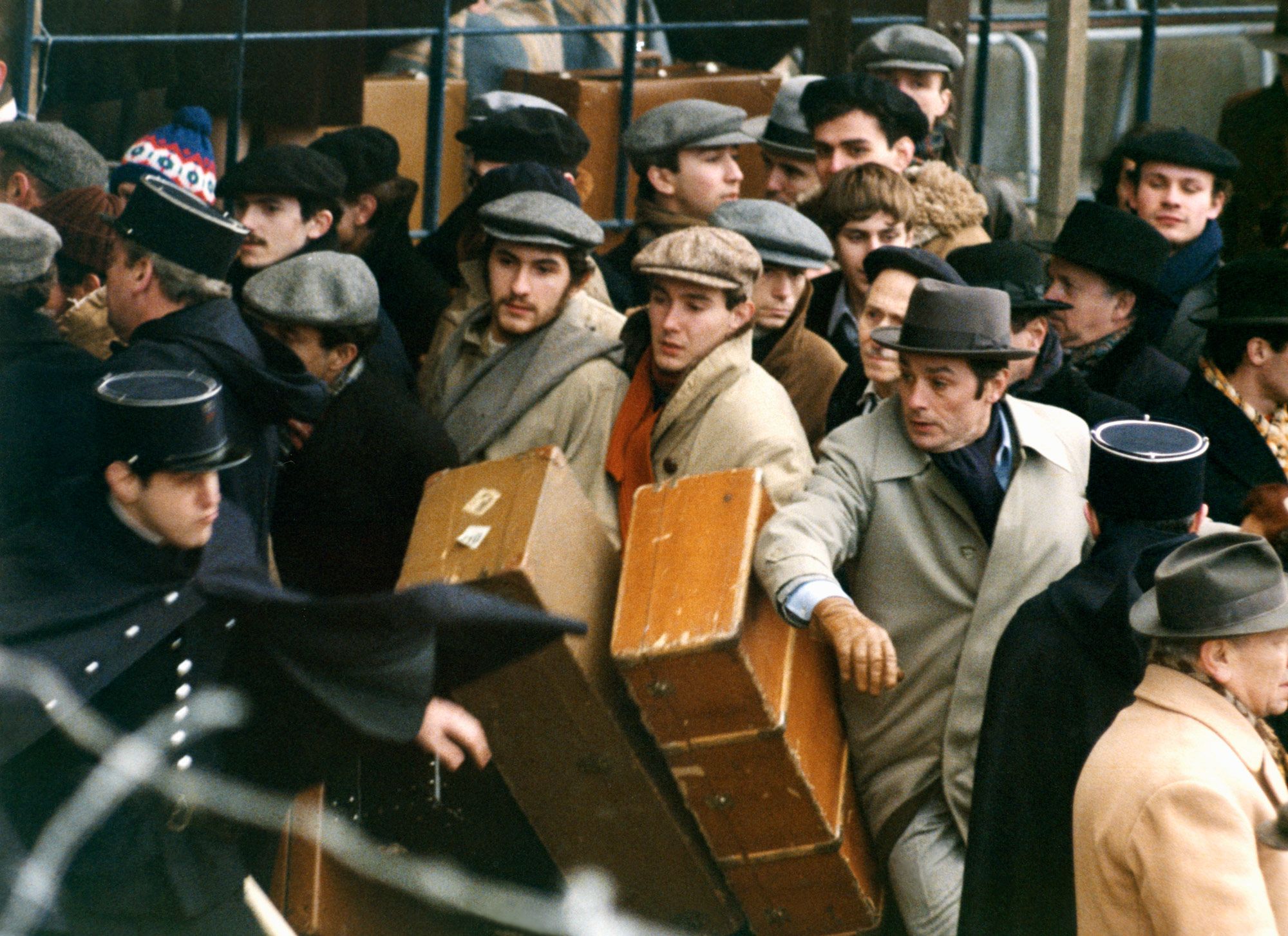
In the 1980s, critics and audiences were impressed by Delon's role in Volker Schlöndorff's Les Amours de Swann (he played Baron de Charlus, a sophisticated gay aristocrat). Then the artist, who had previously had nothing to do with the French new wave, unexpectedly played in the film of the same name by Jean-Luc Godard. However, the best and most complex role of the mature Delon was Joseph Losey's Monsieur Klein - an absurdist, almost Kafkaesque parable about the nature of collaboration. Today, it is this work that seems the most relevant out of the artist’s entire extensive filmography.
Over the years, Delon acted less and less, from time to time playing himself - for example, in Agnès Varda's One Hundred and One Nights of Simon Cinema or Bertrand Blier's The Actors. His last big role was Julius Caesar in the comedy “Asterix and Obelix at the Olympic Games”: it seems like a trifle, but so self-ironic and at the same time majestic that you can’t take your eyes off it. Quoting his legendary roles and images in one of the monologues, his narcissistic hero ends his speech with the words “Ave me.”
True, after this there was another episode that I would like to forget about - a fleeting appearance in the sugary comedy-almanac “Happy New Year, Moms!”, filmed under the direction of Sarik Andreasyan. Well, in the USSR and Russia the attitude towards Delon was special. I wonder if somewhere else they said “Beautiful, like Alain Delon” or, on the contrary, “Well, not Alain Delon”? Could such a song as “View from the Screen” by Nautilus Pompilius have been born anywhere else - after all, such a song was not written even in France! “Alain Delon, Alain Delon doesn’t drink cologne. Alain Delon, Alain Delon drinks double bourbon.” Ilya Kormiltsev succinctly and figuratively conveyed in the text the horror of Soviet eros, based on loneliness and violence, and presented Delon as almost a deity, inaccessible and forever separated from the lustful layman by the border between the hall and the screen, reality and imagination.
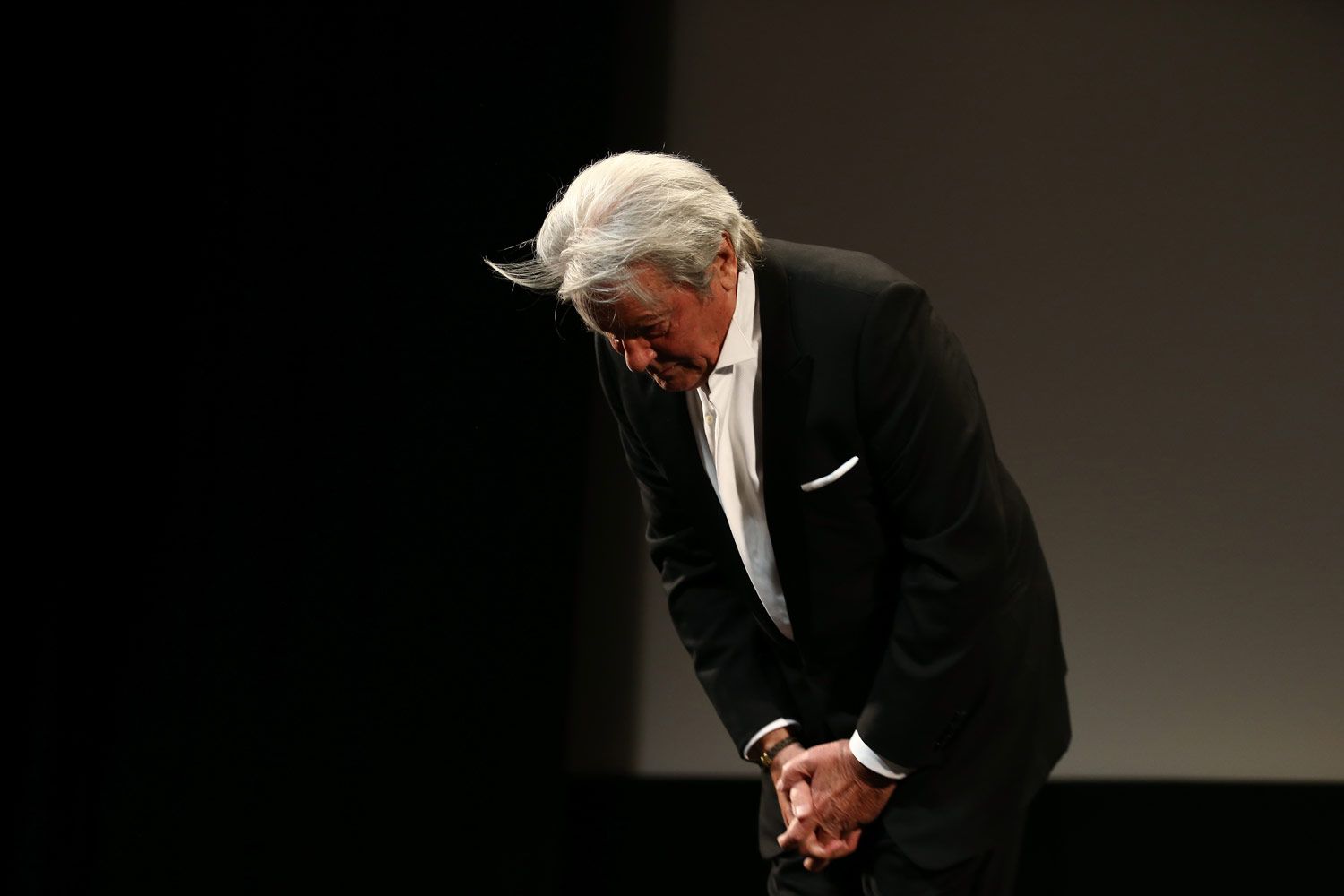
Maybe the point is how few foreign stars actually made it to the Soviet box office - Delon was one of them. Or maybe it’s the French movie star’s indifference to Russian culture. During the time of the Iron Curtain, he played in the thriller “Tehran-43” by Vladimir Naumov and Alexander Alov, which instantly became a cult film. In the 1990s, he was almost friends with General Lebed and then bitterly mourned his death. After that, it seemed to everyone in Russia that “Alain Delon is ours.” For those who still cherish this illusion, I would like to remind you of one of Alain Delon’s final appearances on the screen - after the Russian invasion: in a dialogue with Vladimir Zelensky, he stated that he unconditionally supports Ukraine in the current confrontation.
Anton Dolin