
Translated material
Protesters against the authorities
Why Telegram is especially popular in countries where censorship flourishes
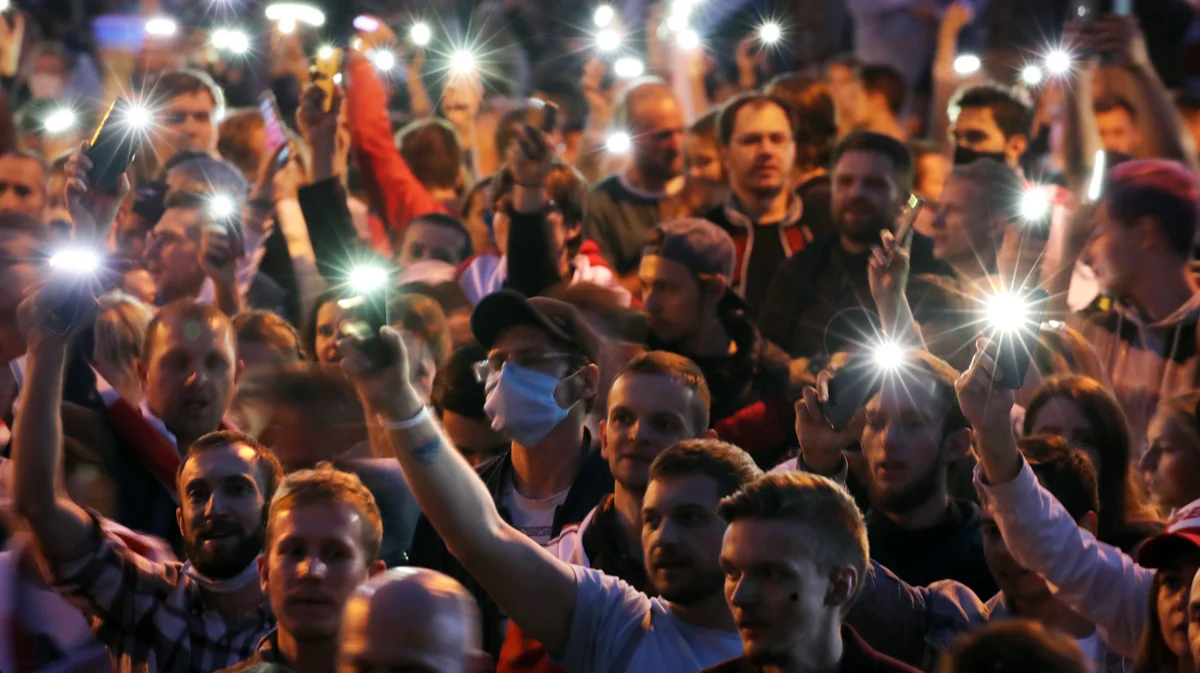
The protest against the results of the presidential election in Minsk, August 25, 2020. Photo: Tatyana Zenkovich / EPA-EFE
In France, the creator of Telegram Pavel Durov was arrested and probably accuse him of the refusal to transfer the information necessary for listening and interception of data at the request of law enforcement agencies (although Durov can be detained as a witness to the case). The Russian entrepreneur has created an incredibly successful messenger who use more than 900 million around the world, including in many countries where big problems with freedom of speech are observed. Activists are especially often corresponded in telegram during protests, communicate in secret chats, make special bots and generally use the possibilities of application at the maximum. About how, because of this, authoritarian regimes block or threaten to block the messenger-in the material of Novo-Europe.
Iran
Now telegrams are blocked in Iran, but this was not always the case. As Nyt notes , since 2013, telegram replaces local residents with e -mail, forums, blogs, news sites, social networks, dating services and even TV. Journalists call him "parallel, but not subjected to censorship of the Internet." The messenger was so popular that even Ayatollah Ali Khamenei posts speeches on his official channel.
In addition to the fact that telegrams liked the ease of use, he was also almost the only foreign means of information that was not prohibited in the country after 2009. Then, after protests against the elections, the authorities blocked almost all foreign publishing platforms, social networks and messengers.
“Telegram also made it possible to load content with the minimum Internet capabilities. I remember how in 2017 I went to the province and saw there people of 50 years old who used the messenger with “E” ( Edge, Enhanced Data Rates for GSM Evolution. - Approx. Ed. ) On the phone. Perhaps he did not load the pictures, but the texts-for sure, ”the Iranist and author of the telegram channel“ On-duty on Iran ”Nikita Smagin notes in a conversation from the“ New Evrop ”.
In Iran in 2017, approximately 46–48 million people used the application - more than half of the country's population. For several years in a row, Telegram was able to avoid persecution by the authorities, since the creators of the messenger were not connected with the USA - the main geopolitical enemy of the country.
“The Iranian regime proceeded from the fact that since Telegram is Russian, it means that it will cooperate,” said the author of the popular Amadnews telegram channel Zailbi (later this telegram channel will be blocked at the request of the authorities).
The situation with Telegram began to disturb the conservatives in 2016, when moderate forces unexpectedly gained a lot of votes in the parliamentary elections. The Iranian authorities considered this a consequence of the influence of the messenger and actually forbidden to mention him on the air of state television. A year later
Hassan Rukhani actively used telegrams in his presidential campaign and, apparently, precisely because of this he convinced himself to vote and eventually achieved victory.
The situation was aggravated in December 2017, when Tehran and other cities of Iran were covered by protests against the actions of the authorities and growing products for products. Telegram has become a key tool for the organization of shares and distribution of calls, including those that turned out to be violence. In response, Rukhani temporarily limited access to the application, but removed the lock in two weeks. Local politicians picked up the idea of the hazard of the messenger, calling him a threat to adolescents and even families, and also promoted not very popular domestic alternatives that did not enjoy confidence due to fears due to data privacy, Nyt writes.
As a result, in April 2018, Ayatollah Khamenei refused to use the messenger, and a couple of weeks later the court decided to block the telegram to protect the national security of Iran.
“This caused an ambiguous reaction in society, because the authorities said that they would not block telegrams, since they had already allowed him to spread,” said Smagin.
Now the messenger, even despite the blocking, remains incredibly popular in Iran. Locals regularly use VPN services, which has already become an ordinary part of their life.
Hong Kong
In 2019, during many months of demonstrations in Hong Kong, the number of new Telegram users increased sharply. In just a few months, the messenger rose from 88 places to the top of the App Store and Google Play applications, receiving hundreds of thousands of new accounts.
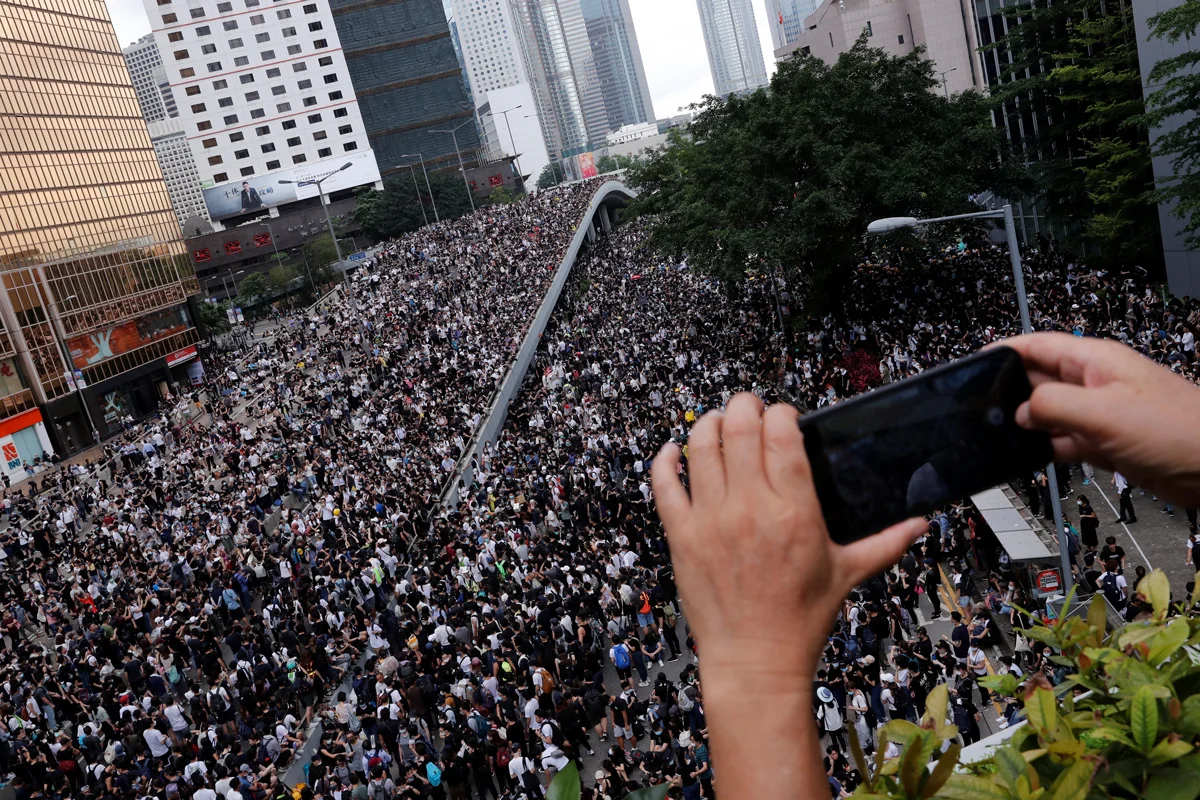
After that, Telegram collided with DDOS attacks from China, which, according to Durov, “coincided with protests in Hong Kong,” whose inhabitants coordinated actions in chats. Despite this, the application continued to work. Now, the media reports, the Hong Kong authorities are considering blocking the messenger in accordance with the national security bill under discussion. But so far these plans are not confirmed. The Hong Kong government said that it did not propose to ban social networks or streaming platforms.
Belarus
In August 2020, after the election of the President of Belarus, mass protests began against falsifications that led to the victory of Alexander Lukashenko. The authorities began to jam the Internet in Minsk, which turned telegram almost into a single means of communication. The popularity of NEXTA telegram channels, “May Kraina Belarus” and “Belarus of the brain”, which reported protests and coordinated shares, has increased many times.
So, on Nexta Live, more than 100 thousand people signed in the first six hours of street protests, and over a million stakes over the next days of shares.
“People cannot go anywhere. The sites are “pipe”, “online”, “our NIVA”, “freedom” simply lay down. But they cannot direct information to us: when the hottest events take place, then information does not come to us. People begin to send SMS, MMS. We have to wait a certain time, sometimes half an hour, while people come to Wi-Fay, ”explained the popularity of the Pavel Durov messenger Pavel Durov, the founder of the telegram channel Maynabelarus Sergey Bespalov.
Myanmar
On February 1, 2021, a coup d'etat occurred in Myanmar, after which mass protests began. Demonstrators coordinated their actions through social networks, but after blocking Facebook, Instagram, Twitter and WhatsApp switched to Telegram and Signal.
“Although telegram is popular in Myanmar, since it is considered free and safe, its weak moderation carries serious risks for observing human rights. The messenger allows propagandists to spread aggressive calls and glorify gender violence against women, ”journalists said about the messenger’s problems.
Telegram in Myanmar also became a platform for the distribution of personal data. So, the Han Nyein OO channel, which usually wrote about gossip, began to deanonymize protesters after the coup, publishing their names, addresses and even data from loved ones. These data, respectively, help the security forces pursue activists.
Ukraine
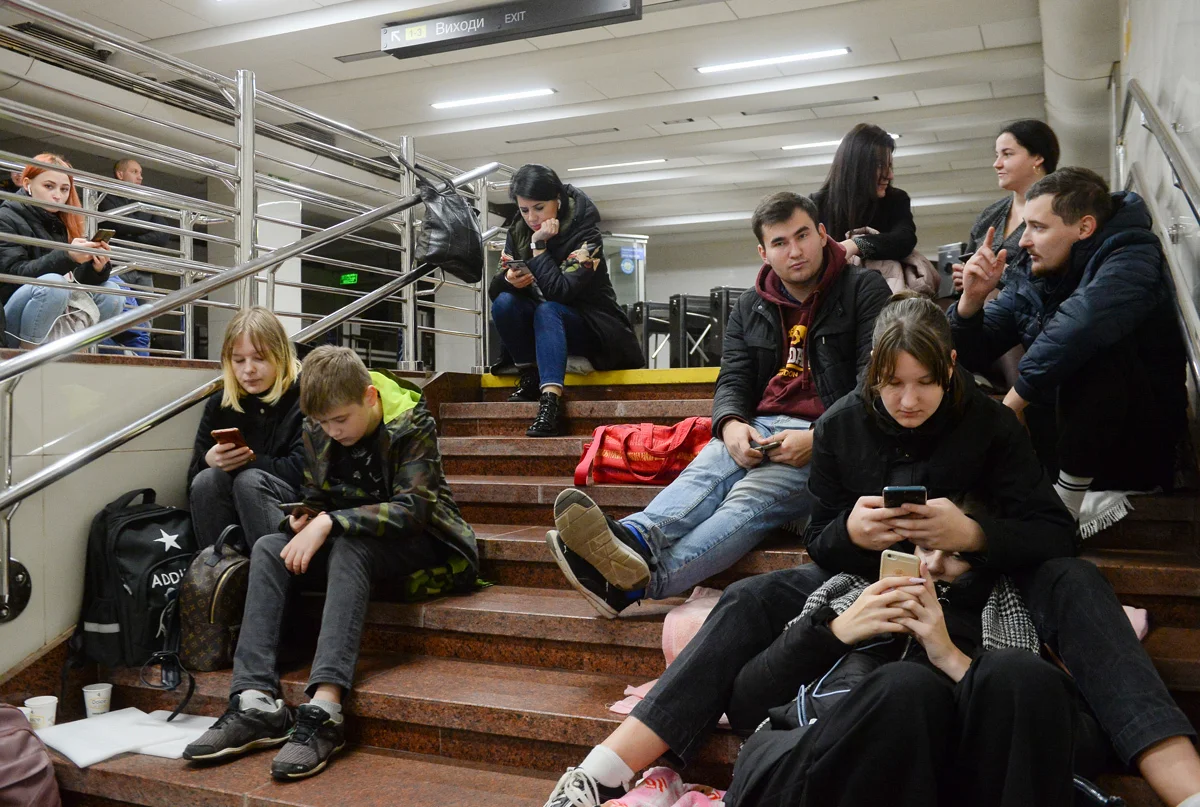
According to the estimates of the Democratic Initiatives Foundation, Telegram became the main source of information about the war for most Ukrainians, despite the Russian origin of the service. In the south and east of the country, 60–70% of respondents noted that they regularly read telegram channels.
At the same time, the Ukrainian authorities have repeatedly thought about restrictions for Telegram. In December 2023, a petition appeared on the website of the President of Ukraine with a request to ban the messenger. In the spring of 2024, the SBU sent a request from the messenger administration with a request to block certain 26 channels, whose content can be interpreted as an excuse for the actions of the Russian Federation, but so far it has not waited for a decision.
“In order to fine Telegram, you need to understand who it is. And we, unfortunately, know only one address in Dubai, where the Telegram headquarters seem to be located. And all our attempts to establish official contacts with Telegram are still unsuccessful, ” explained the deputy head of the national council of Ukraine on television and radio broadcasting Valentin Koval. According to him,
70% of Ukrainians have access to telegram. It is in this messenger that the information about new shelling, as well as other information about the war course, spreads most quickly.
In it, Russian and Ukrainian military commissors publish opinions about the actions of the Ministry of Defense and the Armed Forces, as well as carry out fees for weapons for both warring parties.
Türkiye
Turkey claims to block access to telegram. The authorities believe that through the channels there are "freely sold drugs, [prostitution is spread, gambling and video about pedophilia." Istanbul claims that representatives of Durov's company ignore all requests to limit access to such information.
Telegram is very popular in Turkey, occupying 10th place in the world in the number of users with about eight million active accounts. Locals are constantly using the messenger during protests. While he is still working in the country.