
Translated material
Nationalists in Russia: who they are and how the war in Ukraine affected them
Writer Eduard Limonov, oligarch Konstantin Malofeev, RDK commander Denis Nikitin - what unites these people?
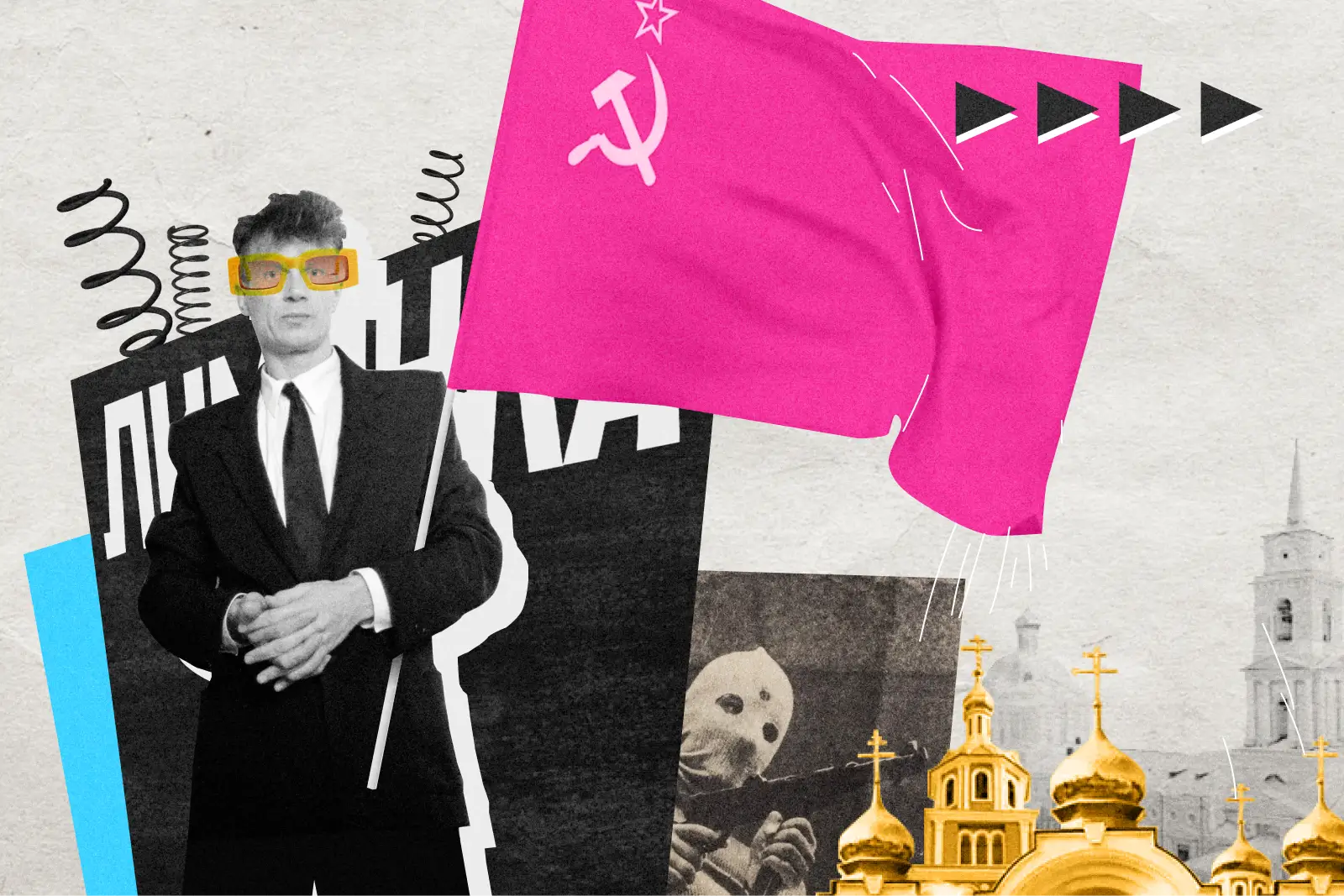
The ideas of the right were legalized on the state agenda in the context of the war in Ukraine. They are trying to use it to leave the zone of marginality and become a political force. Despite the turbulent past of nationalist organizations: mass street battles, near-football, deaths of activists, murders of migrants, the declaration of organizations as extremist - the right-wing movement in Russia is again gaining popularity. New organizations and projects are opening, and the state is actively appealing to nationalist ideas.
In order not to miss new texts from “Layout”, subscribe to our telegram channel
“Layout” talks about who was the most prominent representative of the right-wing movement in the past and who is trying to be one now.
Who are Russian nationalists?
Political views are most often divided into three groups: centrists, left (socialists, communists, anarchists) and right (conservatives, nationalists, Nazis). The main idea of the right is the supremacy of the interests of the nation, the “state-forming people.” Russian nationalists support the Russian Orthodox Church, advocate support for “traditional values,” oppose “mixing cultures,” LGBT, abortion, and for the creation of a strong state, empire, and demand stronger control or a ban on migrants working in Russia. At the same time, nationalists may differ from each other in the degree of radicalism, attitude to the economy and methods of achieving their goals.
Depending on their attitude towards the current government and the degree of radicalism, nationalists can unite in informal associations or parties. In the 90s and until the 2010s, the subculture of “bons” (radical nationalists) was quite popular in Russia, which was opposed by anti-fascists. The largest organizations were the Movement Against Illegal Immigration (DPNI), Russian Image, and Slavic Union (later recognized as extremist organizations).
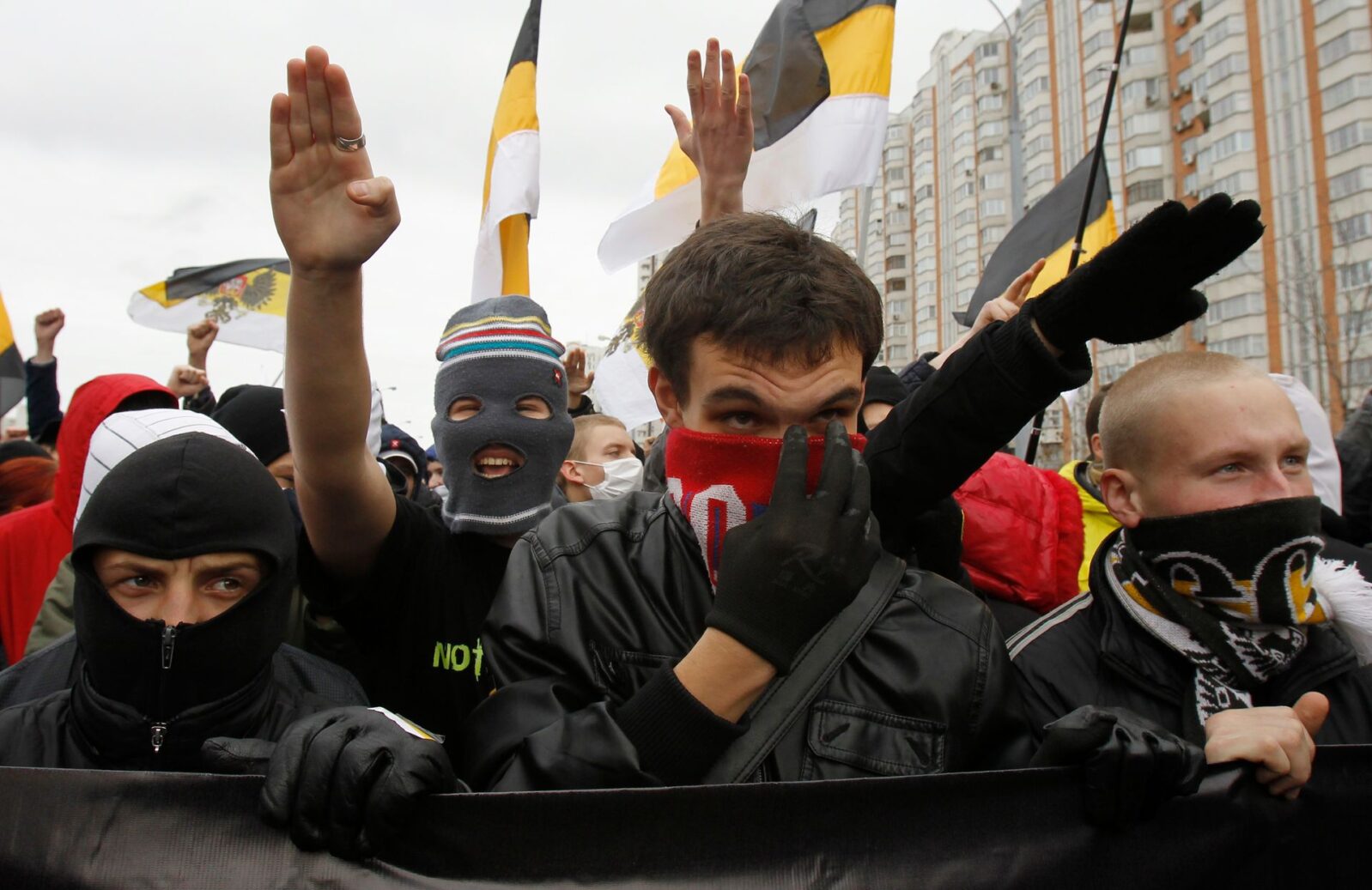
Since 2005, one of the main political events that united nationalists was the annual “Russian March,” which was banned in 2020. In 2006, the Public Council of the Right March even included State Duma deputies (for example, Dmitry Rogozin), writers and academics. The marches were held on November 4, the day of national unity, and were attended by supporters of right-wing ideology from different organizations and varying degrees of radicalism.
The most massive “Russian March” was in 2013, when the SOVA research center counted 6 thousand participants. The marches were carried out under the agitation to lead a sober lifestyle, “for Russian power,” as well as under racist, anti-migrant slogans: “Everyone wants and I want to give the hacha a fuck,” “Russian Moscow is Russian, cancel 282” i , “Russians forward!”, “Stop feeding the Caucasus!” The marchers also “zigged”, used the symbols of the swastika and Kolovrat, and the nationalists often hid their faces under scarves and bandanas.
Nationalist activism is accompanied by beatings and even murders of migrants and left-wing activists (the most high-profile case is the murder of lawyer Stanislav Markelov and Novaya Gazeta journalist Anastasia Baburova), and now by support for the war in Ukraine. But if now nationalists increasingly support the government, then before right-wing organizations were in opposition.
Limonov's party: the National Bolsheviks, the Limonka newspaper, the seizure of the Presidential Administration
The most famous organization of Russian nationalists was the National Bolshevik Party (NBP), founded in 1993 by the writer Eduard Limonov along with the philosopher Alexander Dugin and the leader of the Civil Defense group Yegor Letov. Participants in the movement are called “National Bolsheviks” and “Limonovites.” The NBP was an opposition movement, the National Bolsheviks were denied registration five times, and in 2007, Limonov’s party was included in the list of extremist organizations.
The newspaper "Limonka" caused a stir due to its criticism of the authorities and specific stylistics, similar to punk zines i . On the front page there was Limonov’s column “The Word of the Leader”, the news column was called “How to Understand”, the life stories of resistance heroes were written in the column “Legends”, a parody of the genre “Urgently in the room” from the MK newspaper was published under the heading “Deliciously died”. The newspaper has been banned in Russia since 2002, and in 2010 its materials were recognized as extremist.
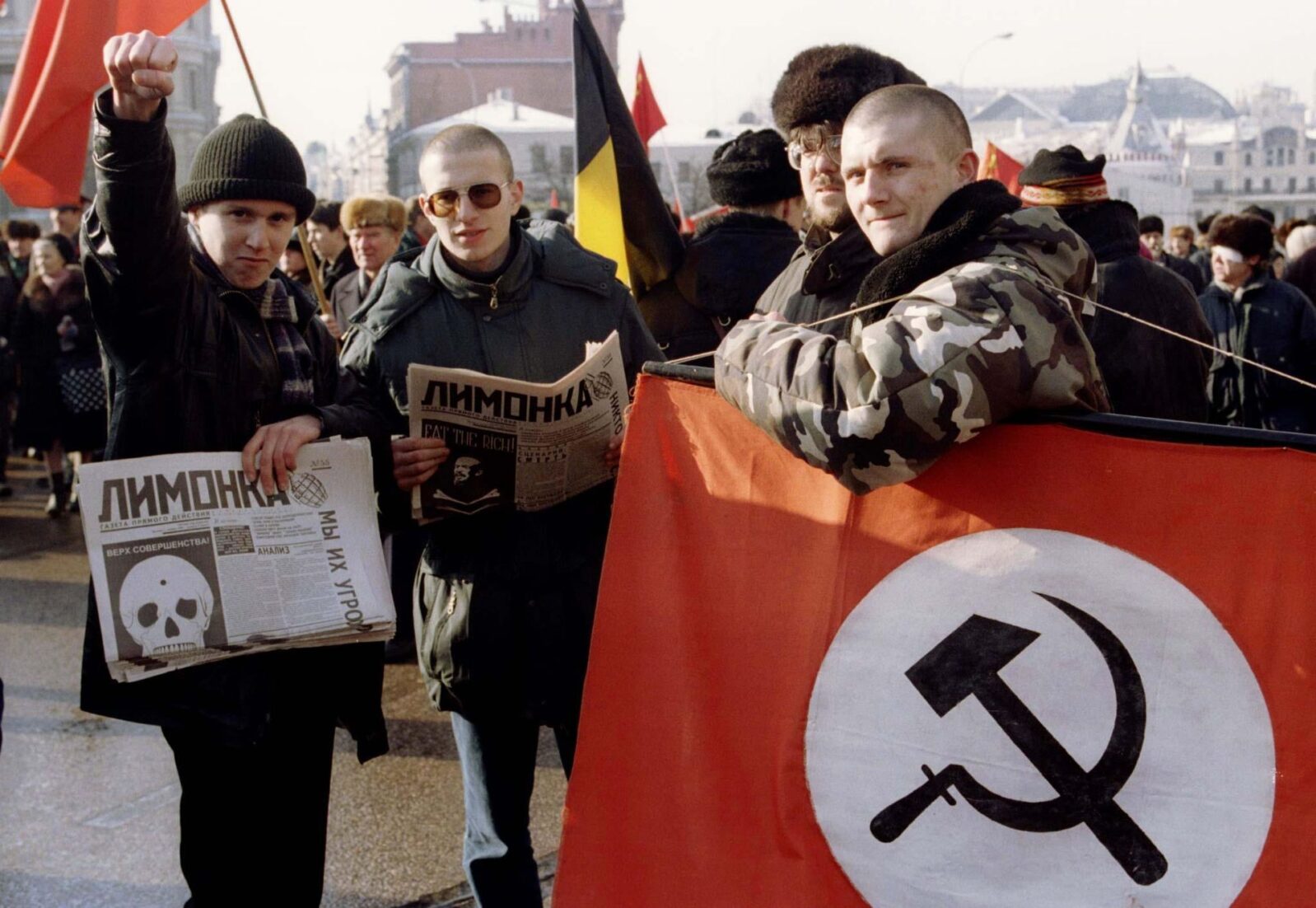
Limonov's National Bolsheviks were distinguished by aggressive political rhetoric, defiant actions and shocking public speeches. At the center of their ideology was the idea of the need to build a “great Russia” based on social justice and the restoration of imperial greatness. The National Bolsheviks movement was popular in the 90s and scandalous due to contradictions in ideology, which included both elements of left-radical ideology and right-wing radical nationalism, as well as bold actions.
For example, among the “direct actions” were the seizure of administrative buildings; in 2004, the National Bolsheviks took the Presidential Administration, then this resonant case was called the “case of 40 Decembrists.” In 2001, Limonov and his associates received sentences for the “Russian resistance” movement in Kazakhstan and an attempt to organize the separation of East Kazakhstan territories. The website of supporters of Limonov’s movement states that from 2003 to 2005 alone, the National Bolsheviks carried out 870 “direct action” actions.
From 2005 to 2009, the National Bolsheviks participated in the “March of Dissent” protests; the rallies united the opposition, which demanded reforms, liberalization, and a change of government. The state actively opposed the protesters, participants were detained. Then Eduard Limonov proposed a different format, replacing “marches” with “days” of dissent. Subsequently, “Strategy-31” appeared - a series of civil protests in defense of freedom of assembly, to which Article 31 of the Russian Constitution is dedicated. Rallies were held every 31st, the rallies were dispersed by security forces, the protesters were detained and tried under administrative charges. Meetings within the framework of “Strategy-31” were held in 70 cities of Russia.
In 2010, the work of the National Bolshevik Party was banned, then Limonov organized the “Other Russia” movement, which continued to participate in opposition events, and its participants regularly came under repression. When Euromaidan took place in Ukraine in 2013, Limonov’s movement supported the pro-Russian side and even organized the Interbrigades volunteer movement, whose participants went to fight in the Donbass.
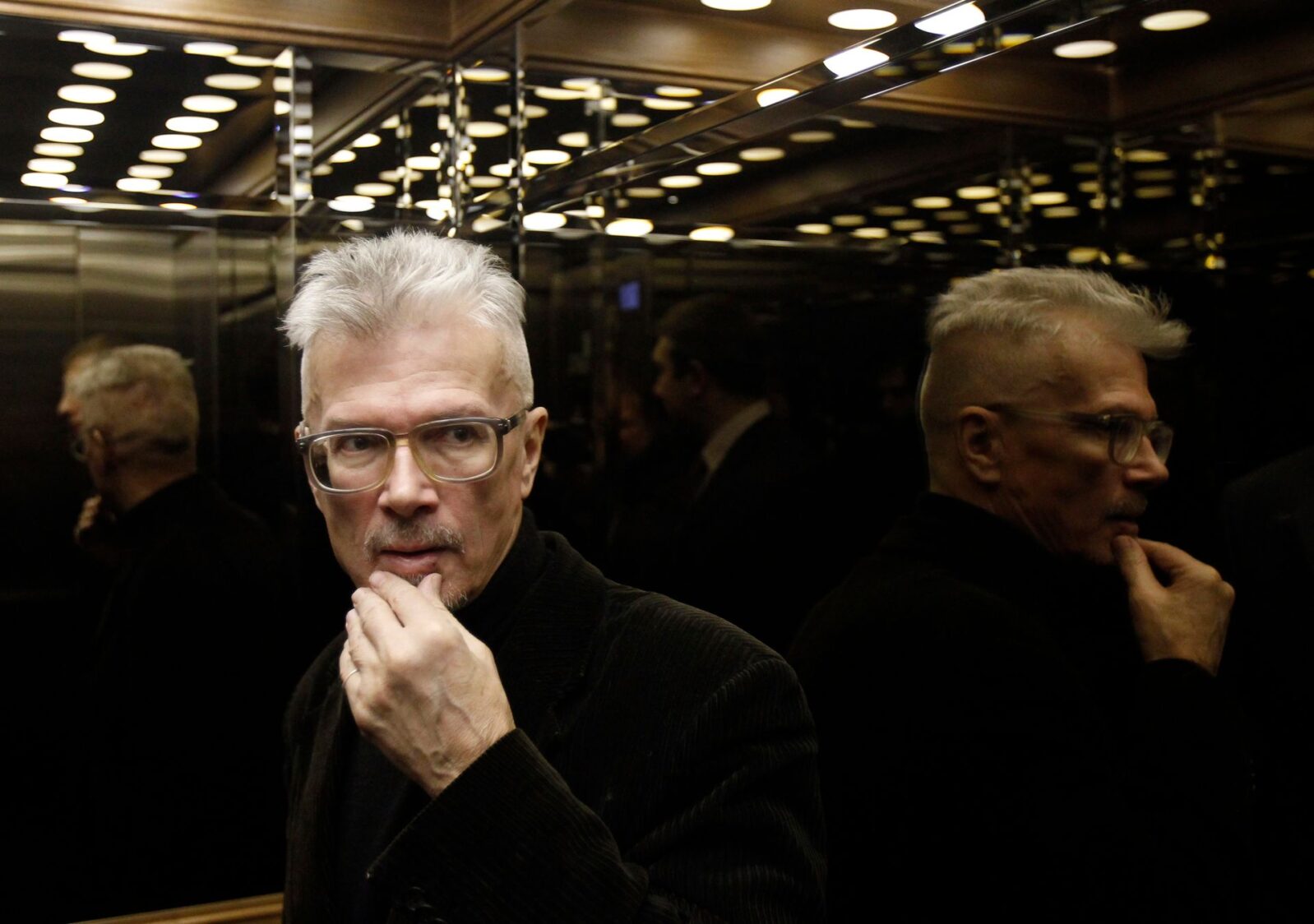
After the death of the leader of the National Bolsheviks in 2020, the movement was renamed “The Other Russia of E.V. Limonov,” which continues to exist to this day, but their activities have become less noticeable. Currently, the movement’s VKontakte public page has 26 thousand subscribers, and participants periodically appear in news reports. For example, this spring activist Leonid Lepyoshkin was detained and beaten by police at a rally in support of tightening immigration legislation. In 2022, searches took place at the Moscow headquarters.
"Old" and "new" Russian nationalists
After the Russian authorities recognized the largest and most aggressive nationalist organizations as extremist and imprisoned the head of the “Combat Organization of Russian Nationalists” Igor Goryachev, the right began to change its strategy. They moved from street fights and zigging to working in the legal field. For example, “Society. The Future" - a nationalist movement led by Roman Yuneman, promotes a right-wing agenda, participates in elections, but at the same time comes out with moderate criticism of the authorities. Yuneman emphasizes that his organization uses only legal methods of struggle for power.
Nationalist projects are also being developed by Konstantin Malofeev , owner of the Tsargrad TV channel and one of the sponsors of the “ Russian Spring ” in Donbass. In addition to the TV channel, Malofeev sponsors the Double-Headed Eagle organization, which is officially involved in the development of “traditional sports,” and the student association “ Brotherhood of Academicians .”
After the war, the organizations “Northern Man” and “Russian Community” also began to develop. These associations create public pages and chats in every region; they are quite popular and have hundreds of thousands of subscribers. There are currently more than 580 thousand subscribers in the general chat of the community’s telegram channel.
“Russian Community” positions itself as a platform for self-organization and comprehensive assistance to “all Russian people.” The chats have such sections as “Russian taxi”, where you can ask to take “your people” to the right place, “Russian squad” helps the police in raids and catching migrants. Despite the short period of operation of the community, cases of cruel treatment of migrants have already been recorded in the media. In the chats of the “Russian Community” they collect humanitarian aid for the front, organize sporting events, and hold regular meetings with supporters.
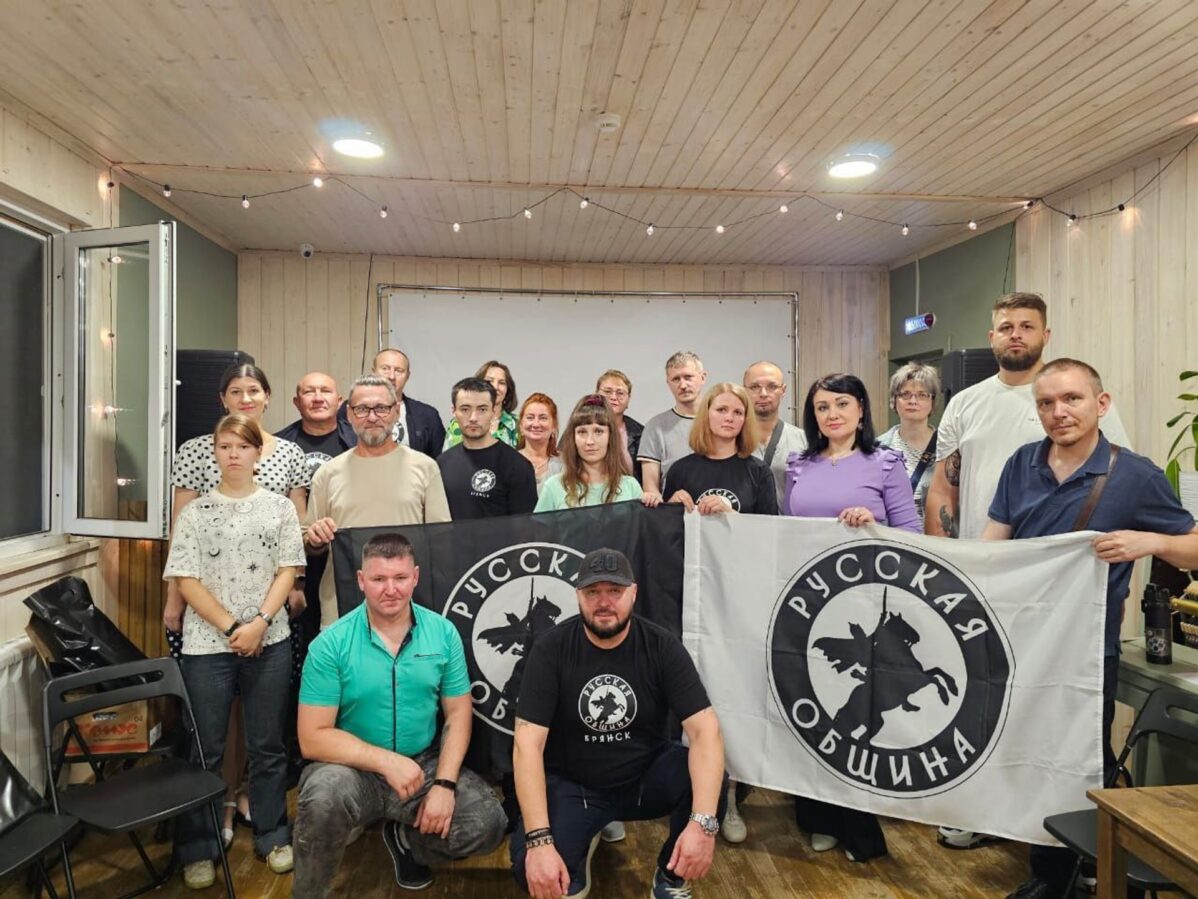
If earlier the Kremlin banned right-wing movements, blocked large media outlets like Sputnik and Pogrom, and created controlled youth movements “Nashi” as a counterbalance, now the government is actively cooperating with nationalists. Ex-member of the “Congress of Russian Communities” Alexander Bosykh said in an interview that the new right-wing movements “Russian Community” and “Northern Man” are “an attempt, first of all, by the security forces to put nationalists under soft control.” In his opinion, constant mentions of security forces in a positive way “strongly show the ears of those who do not like their ears to stick out.”
“We nationalists lost a lot of time fighting the system and the security forces. Although we often have similar tasks and views on problems. I have a positive attitude towards movements. Now you don’t need to be underground, hide somewhere, disguise yourself,” says Bosykh.
The split of Russian nationalists over the war in Ukraine
Despite the fact that the war and the accompanying propaganda of the greatness of the Russian people allowed nationalists to leave the zone of marginality and work with the state and not against it, not all nationalists supported the “special operation.” Disagreements between Russian nationalists have been going on since 2013; even then, disputes arose over support for the pro-Russian side of the Anti-Maidan and pro-Ukrainian forces. The war in Ukraine brought the confrontation between nationalists to a new level - they began to form battalions and fight against each other.
Since 2014, the Russian Imperial Legion, the so-called Raccoon PMC and the Rusich sabotage and assault reconnaissance group have been fighting in eastern Ukraine. All of these units involve far-right nationalists. The St. Petersburg organization “Russian Imperial Movement” (RID) is engaged in training and recruiting fighters, including through the “Partizan” training center. RID and Rusich are included in the sanctions lists of a number of countries.
Military units of Russian nationalists have repeatedly shown cruelty. The creator of the Raccoon PMC, Igor Mangushev, at a speech to the military in the summer of 2022, called for “destroying everyone who considers themselves Ukrainians,” holding a human skull in his hands, declaring that these are the remains of a Ukrainian soldier who defended Azovstal. Neo-Nazi Evgeniy Rasskazov (call sign “Topaz”) from Rusich called for “removing the genitals” and “cutting off the lips to expose the jaw” of Ukrainian prisoners of war, and in August 2024, the unit’s telegram channel called for handing over a Ukrainian prisoner of war to them for “ritual sacrifice.”
In 2023, participants in the Double-Headed Eagle movement formed the Moscow battalion. According to one of the fighters, the squad was formed from football hooligans thanks to the help of Konstantin Malofeev. “This battalion was specially created in order to unite football fans who want to go to the NWO zone into one unit. Despite the “capital” name, it employs football hooligans from all regions of Russia. Back in January, “Moscow” was a company, but now it has grown to the scale of a battalion. The squad has about 500 members, and their number continues to grow,” he said.
Currently, the telegram channel 106 of the reconnaissance squad has 19 thousand subscribers, they duplicate their posts in English, sell merchandise and invite all ultra-right fans to join the battalion, no matter what club they support. In the spring of 2024, Malofeev personally awarded the fighters with Tsargrad crosses.
On the opposite flank, the “Russian Volunteer Corps” was formed - a military formation consisting of Russian nationalists fighting for Ukraine. The unit's commander is Denis Nikitin, founder of the neo-Nazi clothing brand White Rex.
Since the beginning of the war, the RDC carried out raids several times in the Belgorod and Kursk regions, announcing the capture of villages close to the combat zone. For example, from June 4 to June 7, 2023, RDK fighters were in the territory of the village of Novaya Tavolzhanka, then the fighters captured several Russian soldiers and offered the governor of the Belgorod region, Vyacheslav Gladkov, to meet and exchange prisoners, Gladkov did not agree to the meeting.
At the end of December 2023, the RDK was included by the Russian authorities in the list of terrorist organizations. In addition, more than 50 Russians have already become involved in cases of attempts to join the Legion “Freedom of Russia” and the “Russian Volunteer Corps” , Vorstka calculated. The actual number of those prosecuted may be higher; in some cases, Russian courts hide data on these cases.
Cover: Dmitry Osinnikov
You can support “Layout” from any country in the world - it is still safe and very important. We really need your support now. How to help us →