
Translated material
"Mobilization is a nightmare." Are the Russians ready to fight?
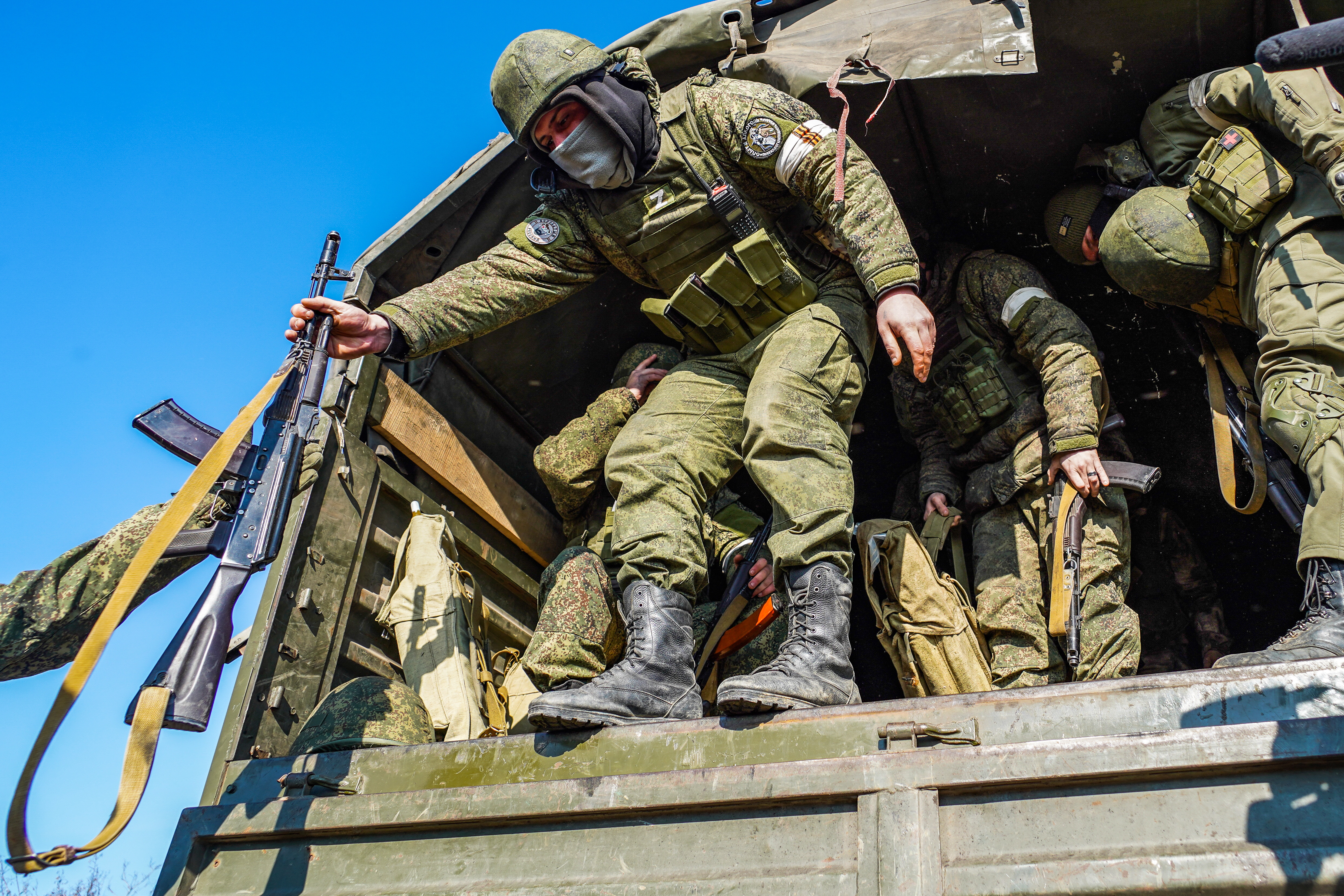
On the two -year anniversary of the so -called "partial mobilization" in Russia, the research projects "Chronicles" and Extremeescan conducted a representative telephone survey of the Russian adult population. How do the Russians relate to the possibility of a second wave of mobilization? What, in their opinion, should be done to liberate the Kursk region from the Armed Forces of Ukraine?
In order not to miss the main materials of Siberia. Realities, subscribe to our YouTube , Instagram and Telegram
The military situation is aggravated, including in Russia itself, where in the Kursk region for almost two months, battles have been continuing, and in the Tver region and in the Krasnodar Territory, military arsenals are burning as a result of the attacks of seedlings. The Wall Street Journal , relying on the data of its sources, writes that the Ministry of Defense consider it necessary to conduct a new mobilization in Russia. However, the Russian leadership does not yet announce mobilization: apparently, he does not want to take risks, remembering his popularity after the first wave in the fall of 2022. At the same time, the staff of the Armed Forces of the Russian Federation has been increased to almost two and a half million people.
Sociologists note that mobilization, which greatly frightened the Russian population in the fall of 2022, is still one of the main reasons for fear and anxiety. The researcher of the Chronicle project, political scientist Vsevolod hip , spoke about the results of a fresh study.
Mobilization is, to put it mildly, a problem that is quite disturbing the respondents
- We asked directly: if a new mobilization is required to continue the “special operation”, what to do? They gave options: to carry out another mobilization or stop military operations, conclude a peace agreement with Ukraine. The results are very indicative: for mobilization, if necessary, almost 29%, and for a peace agreement with Ukraine - 49% of respondents. This shows not so much the mood for the world (with the help of this question we cannot fully find out), how much that the new mobilization is, gently put it, a problem that is quite concerned about the respondents. A significant part of people are not ready for this, even if mobilization becomes a decisive factor for the possibility of continuing the war.
On other issues, this is also visible. For example, we asked: which of the following events the respondents would like to occur in the next year. The option "mobilization of men to participate in his" chose 22% of respondents, and a peace treaty with Ukraine with mutual concessions - 63% of respondents. There is a dynamics here. In January 2024, in our previous survey, about 15%were chosen mobilization, that is, we see an increase of about 6%, and the version of the world with Ukraine (then there was a softer formulation: “truce”) chose 58%, and here an increase of almost 5%.
Mobilization and truce, the world are topics that really caring Russians. As soon as we begin the answers to the first question (mobilizing or stopping military operations) with answers to other questions, for example, to the question of supporting the hypothetical decision of Vladimir Putin "to withdraw Russian troops from the territory of Ukraine and begin negotiations on a truce", then a group of mobilization supporters, which at the same time can be isolated, is reduced to 14-15%.
Mobilization and truce are topics that really caring Russians
Tough supporters of mobilization are, it seems, the same fundamental supporters of the war, readers of Z-channels, for whom mobilization is a kind of symbol of faith, an element of the current value picture of the world, the key to a likely victory. They are ready to scold their own authorities for not making the war war, call everyone to protect the so -called "Russian world". For everyone else, mobilization is a problem, danger, risk, complexity and something that I would not really like.
It turns out some polarization of opinions: mobilization is a requirement of tough supporters of the war and is absolutely not supported by its opponents and, probably, those who are not ready to directly express their opinion on this subject.
- You asked two related questions: which of the following events will occur in the coming year and what would you like to occur? How were opinions distributed here?
- Here, 41% of respondents are waiting for mobilization, and a peace treaty with Ukraine - 36%. If we ask about what people would like, here, as I said, the ratio: 22% of supporters of mobilization against almost three times more people who want a peace treaty with Ukraine with mutual concessions. There is no contradiction, since this is not a binary question, but a multiple choice: people could choose different answers; Perhaps someone chose both mobilization and a peace treaty. All this obviously speaks of a request for the world, for the end of the war, and also about the growth of polarization in society on this subject. Perhaps these polarized groups of tough supporters and tough opponents of the world are reduced (now I can’t say this for sure, this is a hypothesis), but the gap between them seems to be increasing, and their requirements and desires are also more radical.
- What options are offered by respondents to free the territory of the Kursk region from the Armed Forces of Ukraine?
For supporters and for opponents of war, conscripts are untouchable
- There was also a multiple selection, several answer options. Conduct a mutual exchange of territories-18%, conduct a new mobilization-19%, send 7%soldiers to the Kursk region, transfer Russian troops from new territories-17%, another 3%-leave everything as it is. Here, 30% make it difficult to answer - this is quite a lot for questions of this kind. Apparently, this issue is perceived largely as an expert, and people simply do not know what to do. The second thing that can reflect this: some single position that Russian propaganda offers and to which you can join is not, that is, the TV did not report what to do, therefore there are a large number of those who cannot decide, since there is no socially approved answer.
Here we also see that the braid soldiers are generally a taboo topic, that is, very few are ready to send them to a hot point, even among those who directly declare the support of the war. In this last group of tough supporters of war, only 9% are ready to send conscripts to the Kursk region to free it from the Armed Forces of Ukraine. It turns out that for both loyalists and for opponents of war, conscripts in this sense are untouchable.
We still had a question: what, according to the respondent, is a more important goal for the Russian army - the displacement of the Armed Forces from the Kursk region or promotion at the front in the Donetsk region? Here, opinions were also demonstrative: displacement from the Kursk region is seen by the priority goal of 53% of respondents, and the promotion in the "DPR" - 14%. Here, too, I will pay attention to a very large share of those who were difficult to answer - 31%. Apparently, the reasons are the same. This question implies some expense, people think: I am not a military man, I don’t know what to do. Again, propaganda was not formulated here some socially approved option. But in general, more than half of the respondents replied that the ousting of the Armed Forces from the Kursk region is more important. And this seems to be some kind of contradiction with the statements of Vladimir Putin, who speaks little about Kursk, and in public speeches it is more likely to comment on the events at the front in Ukraine. This is quite curious.
- Are the respondents themselves to participate in a military operation?
- We asked only men from 18 to 60 years old. 30%are not ready to participate, 14.5%are ready voluntarily, 32.5%are ready in the framework of the order, and everyone else answered: “I can’t go on mobilization,” I find it difficult to answer, and about every tenth refused to answer this question.
It is interesting to look at the age distribution. The youngest are least ready to participate in the war, that is, men in the category of 18–29 years: 36%of them. And most of all ready to participate voluntarily in the oldest category, 50–59 years old: this is 26%. We are ready to participate in the framework of the order most in the category of 40–49 years (37%). If you look at the dynamics, then, compared with January, the number of ready -to -participate was reduced by about 5% in all age groups, regardless of whether voluntarily or by order.
- Those who are ready to participate, you asked: did you try to sign up with a volunteer after the start of it, and if you tried, then what prevented it? What do people say?
- Among the answers, “ready to voluntarily participate” did not try to sign up 71%, the vast majority. Those who answered "are ready to voluntarily participate, but did not try", about 30%. There are different reasons for which prevented them from bringing the matter to the end, but the options are quite trivial: “They said there were no vacancies”, “the wife did not let go”, “they didn’t let go of work,” “fell ill”.
- It turns out that even those who are ready in words are actually not ready to participate in the war?
- That's right.
- As in general, based on these data, would you describe the attitude in Russia to mobilization at the moment?
Last time, mobilization became a super -stress for a large number of people
- Mobilization for people is such a nightmare living under the bed. As if everyone knows that she is not. Just like with night fears: if you look under the bed during the day, then there will be nothing there, but in the night something moves and swarms there, all the time recalling that at the most inopportune moment it can jump out of the bed. The Russians would not want this, they are afraid of a new wave of mobilization.
Last time, mobilization became a super -stress for a large number of people, regardless of whether they fled from the country, were drafted into the army or they did not affect them at all - all people were largely experienced by this or that stress, including mobilized relatives. We saw this according to all previous polls, not only our project. Russians really do not want mobilization, but are not sure that it cannot be expected from their native state.
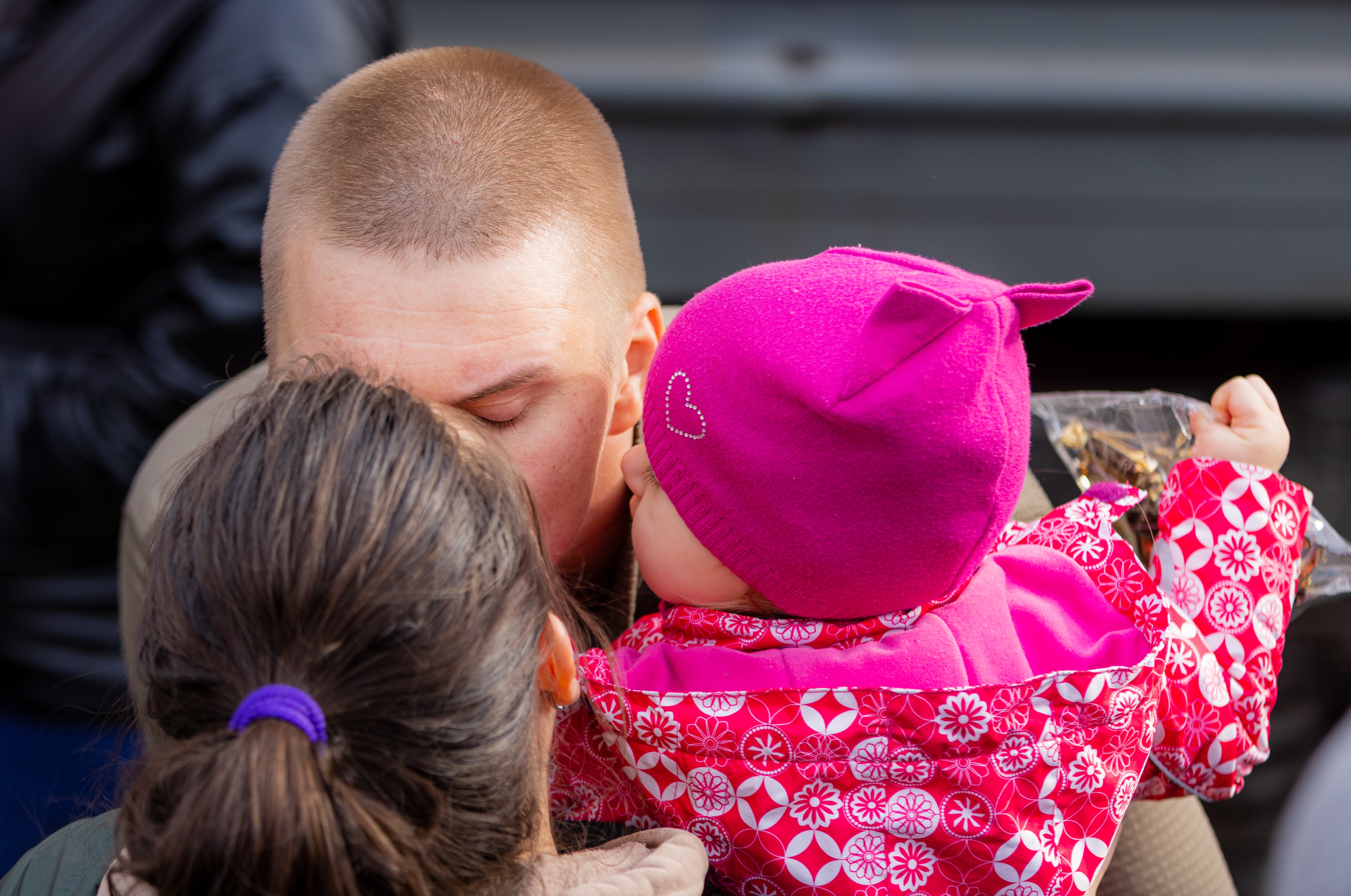
- And what, in your opinion, does this demonstrative willingness mean to participate in the war of a fairly significant percentage of people?
-As we see, this is a rather hypocritical readiness: they are ready, but in the end they are actually not ready. Even those who answered “ready voluntarily”, that is, with high probability, people ideologically charged, motivated, capable of explaining the goals of the war, actually did nothing for this, and those who tried, and then to a large extent did not complete the matter. So this readiness rather reflects the game characteristic of Russian society and politics: we pretend that you are ready to support you, and you pretend to rely on our opinion.
- How difficult is it to conduct such telephone surveys in wartime?
Russians are more and more ready for compromise with Ukraine, less and less - to continue the war
- If you take a purely technical side, then this is not difficult, respondents communicate quite willingly. By the way, we asked about motivation to participate in the survey. 40% replied that it was interesting to listen to questions, 25% wanted to express their opinion, a little more, 27% - "there was just free time." In fact, in authoritarian conditions, in conditions of lack of freedom, people perceive the operator calling them as some function from great power. According to their ideas, if someone asks something, then this power wants to understand what is happening, "and in response I can find out what interests my big bosses." And we see that the most common answer is "it was interesting to listen to questions." People are interested in what they are trying to find out from them.
- Although in this case this is not at all interested in the authorities.
- Of course. But the logic of the respondents seems to be exactly like that. And by the way, she is not to say completely wrong, because someone will definitely draw conclusions based on the data obtained. And for a quarter of respondents, this is a way of a kind of psychotherapy on political topics and social topics. People want to express their opinion, there are no adequate channels of this opinion, but here they can tell everything in anonymous form as they consider it honest.
- From the very beginning of the war there is a dispute about whether it makes sense to conduct mass surveys in such a situation. Do you think that you can still get a distorted picture? After all, many are afraid to answer. An anonymous survey or not anonymous, but the phone number is known for the respondent. And for the expressed “wrong” opinion about the war, one can be subjected to repression, up to prison, and people know this well.
-Of course, I have a biased answer: my work is still connected with polls. A survey is a research tool, and like any other tool, it has its own restrictions. Using a survey, we can catch some upper layers, understand directions, trends, dynamics, taking into account the fact that there are socially approved answers, that respondents can be afraid, that the share of those who generally refuse to speak with the interviewer, and so on, increase. But at the same time, there is still a qualitative methodology: by doing interviews with each individual person, we can find out some details that we will never know with the help of a mass survey.
It is clear that all the restrictions that exist for surveys in authoritarian non -free conditions are absolutely fair: people often give a socially approved answer, falsify their opinion in favor of how, in their opinion, it would be correct to answer. But still, anonymous telephone polls have their explanatory power and it is worth paying attention to them. In my opinion, yes, a survey is a working tool, and according to the general set of answers, as well as other methods, the overall picture is quite visible, ”says the researcher of the Chronicle project Vsevolod Bogerson .
The main conclusion that sociologists from their study draw: Russians are more and more ready for a compromise with Ukraine, less and less to continue the war and new mobilization.
The expert in the field of defending the rights of military personnel is discussing about the attitude in Russia to mobilization and the problems of the mobilized (we do not name his name for security reasons).
- If we compare with a wave of mobilization in 2022, then, I think, in the case of its second wave, not all the people who came to whom the summons will also be frivolously fleeing the military registration and enlistment office at four in the morning. After all, then no one had yet understood what it was, how much it would drag on and what will happen next. And now everyone has already understood that it was for a long time, there is no rotation, therefore, most likely, the people will be more careful. In any case, there will be some kind of movement of avoidance.
- According to your observations, do people fear a new wave of mobilization?
Everyone has already understood that this was for a long time, there was no rotation
- Of course, they are afraid. All the time I talk to men of mobilization age and see that everyone tried to get settled somehow with reservation at work or with some other delay, even about health. Despite the order of Shoigu, there are still diseases with which they cannot mobilize: for example, insulin-dependent diabetes of the first type. But they, the sick, even then they were a lot, but you can’t dismiss! According to this order, they should not have been there. So people should check their health and find reasons for liberation, because men have about forty middle -aged crisis and their health is reflected.
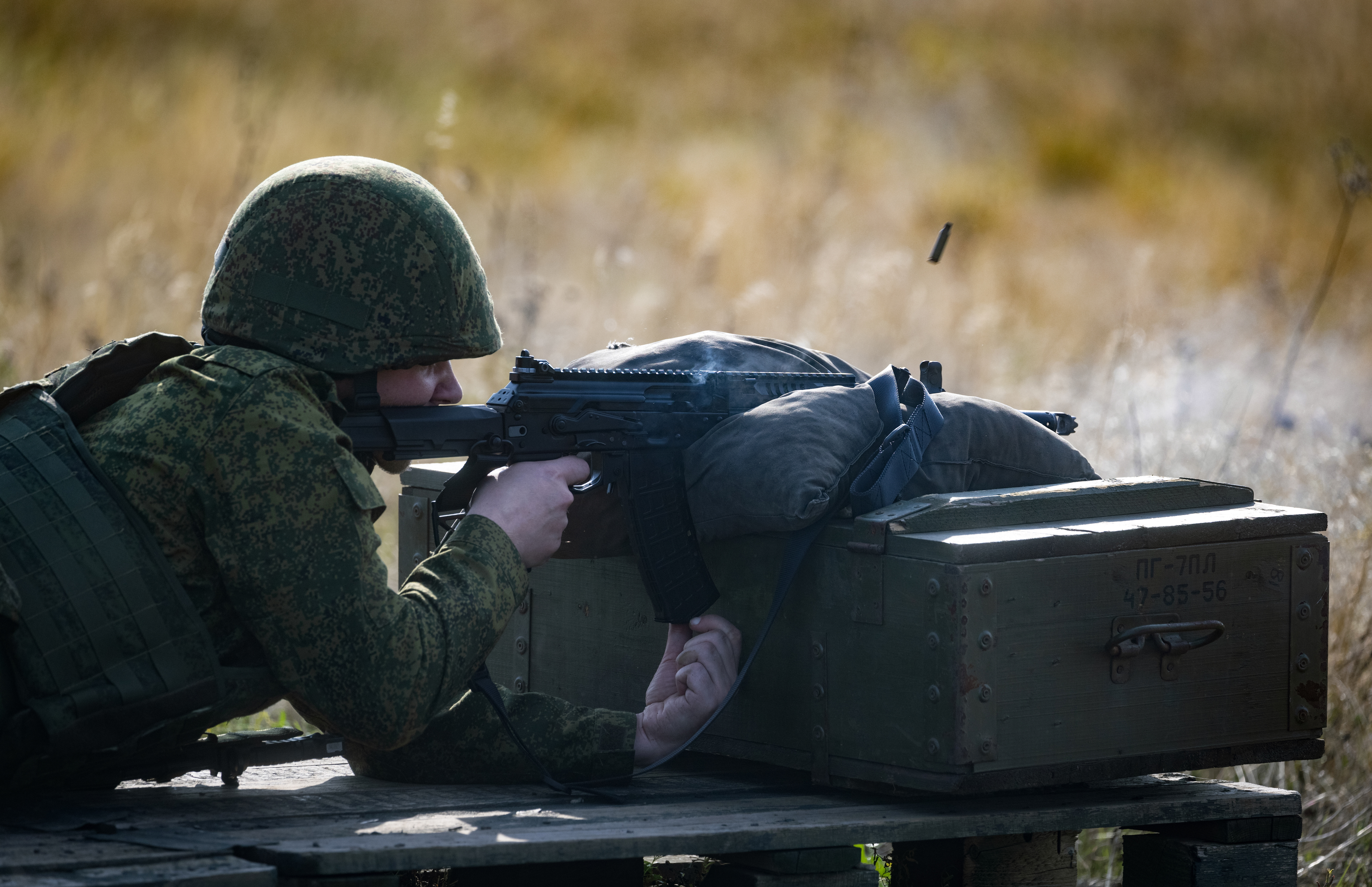
The order of Shoigu, released even before the first wave of mobilization, lists diseases with which a person cannot be mobilized. There are heart and other serious diseases. True, for some reason HIV and hepatitis C are not mentioned there, and people with these diseases can be mobilized-they are mobilized. But they all need to take therapy all the time, and how is it possible at the front?! And the danger of getting infected from them to other people is much higher in the front of the front.
But in general, now people are a little shook, and they write quite the right recommendations for them: sane telegram channels have appeared on this topic. So you can find information, there would be a desire.
These are the wives in Russia: fights - and let him fight!
Here, however, the news came about this electronic register of military service, according to which the summons are sent through public services. But I still do not understand how it will work and whether it will work at all. They made this register, the mincifers and the Ministry of Defense will test it at several constituent entities of the Federation. And, of course, everyone understands that this is not temporary, this is not fees for two or three months, and not “reconciliation of accounting data”: he came on the agenda to the military commissariat, got to the front-which means that you will be there until it.
- In the first wave, there really was a lot of uncertainty, ignorance, people did not understand what was happening, so many without much fears went to the military commissariats.
- So the bosses did not know what would happen! Who thought they would stay there forever? The decree on mobilization is not canceled, and this item, that the dismissal of military personnel is prohibited, is so hanging out there. There are a lot of mobilized ones, the situations are different. Many wounded who are not fired. A sufficient number of family circumstances appeared, by which people could be released: say, small children with oncology in the hospital, surgery for surgery. Один мужчина написал правозащитникам: жена арестована, ей грозит большой срок, а ребенку два года, никаких родственников нет, и его хотят забрать в детский дом, а отца послать на "спецоперацию". Он мобилизованный, сейчас служит по контракту, но вот изменилось семейное положение и надо увольнять. Но и одиноких отцов все равно не увольняют.
– Продолжается ли скрытая мобилизация?
– Мобилизации как таковой нет, есть предложения заключить контракт. Реклама везде, на работе какие-то разнарядки. Где есть учетно-военные столы, там тоже пытаются прессовать. Прессуют призывников, чтобы они подписывали контракты, хотя жалоб на это от солдат по призыву стало меньше. Раньше только призыв прошел, только они в часть попали – и тут же сыплются жалобы. Сейчас не так много.
– С какими еще обращениями мобилизованных в прошлую волну приходится сталкиваться правозащитникам, на что жалуются люди?
– Все то же самое: нужно лечение, но не лечат, не отпускают в отпуска, обещанные Путиным раз в шесть месяцев, не демобилизуют раненых.
Правда, позавчера я в первый раз увидел решение: категория Д, не годен к военной службе. Но там жена молодец, прямо пример, единственная идеальная жена в Российской Федерации! У мужа тяжелое ранение, осложнение на тазобедренный сустав, а его не лечили, ничего не делали, пока она за это не взялась. Правозащитники ей помогали, говорили, что делать, она все выполняла, и в результате теперь у нее есть заключение военно-врачебной комиссии, что у него категория Д и к военной службе он не годен: теперь его надо увольнять и получать страховку. Но это, пожалуй, единственный случай за весь период с начала первой волны мобилизации, то есть за два года!
Всплыла еще одна проблема с мобилизованными и вообще, с этими новоиспеченными контрактниками – оказывается, с психиатрическими диагнозами тоже нельзя человека уволить из армии, только если это наркозависимый, а остальных нельзя! Пускай у него шизофрения, паранойя, тяжелая депрессия, но раз он в воинской части, то там и останется. Кроме того, сейчас на фронте очень много людей с посттравматическим стрессовым расстройством , а если оно достаточно тяжелое, то через какое-то время переходит в психическое заболевание. И вот с такими людьми вообще непонятно, что делать.
– То есть их не увольняют и, видимо, в приказе Шойгу нет этих заболеваний?
Оказывается, и с психиатрическим диагнозом нельзя уволить человека из армии
– Именно так. Там хитрое расписание болезней, поскольку они контрактники. Только в очень тяжелых случаях можно чего-то добиться. Но вот тут один уже три раза в психушке лежал, и все равно они не хотят проводить ему комиссию, увольнять по здоровью. Представляете, чего он там навоюет?..
– На ваш взгляд, почему не получило массовой поддержки движение жен мобилизованных за ротацию в армии? Вот на днях, во вторую годовщину мобилизации прошла очередная их акция – и никакой реакции населения…
– А вот такие жены в Российской Федерации! Воюет – и пусть воюет, деньги идут, спасибо родине за это. Чего они будут бузить? Это тоже очень интересно, как родственники относятся, даже когда бойцы жалуются своей семье. Мало кто готов что-то делать для своих близких, оказавшихся в беде. Жены, матери пишут правозащитникам: вот он позвонил – не кормят, оружия нет, посылают на штурм, они отказались, а их посадили… Им говорят: ребята, есть прокуратура объединенной группировки СВО, есть интернет, есть сайт, пишите, просите военную прокуратуру вмешаться! But no.
– Боятся?
– Да просто не хотят! И при этом еще правозащитникам претензии предъявляют: а вы зачем, а чего вы там сидите, если не можете помочь? На самом деле есть, конечно, вещи, которые могут сделать правозащитники, но только после того, как семья сделает свою часть работы. Если сам боец не может, значит, родственники должны обратиться туда, сюда, написать, приложить документы, а потом уже, когда или нет ответа, или ответ не устраивает, могут выступить правозащитники. У правозащитников же нет связи с бойцом, невозможно даже ничего уточнить!
Эти жены и матери звонят, пишут, просят помочь, но не сообщают практически ничего: ни как зовут, ни номера части. И на все просьбы уточнить данные эти курицы ноют: "А я думала, вы мне поможете". А как можно помочь, если человек сам совсем не хочет ничего делать?!
Потому и жен мобилизованных никто не поддержал. По фигу им всем: подумаешь...
– А что все это говорит о россиянах: то, так легкомысленно они отнеслись к мобилизации два года назад, то, что они сейчас не борются за свои права?
– Мы не узнали ничего нового про население нашей страны. Все это было всегда, во всяком случае, столько лет, сколько я занимаюсь этой темой. В массе своей люди равнодушны, никакой инстинктивной родительской любви нет, никакой семейной любви у жен к мужьям нет. Это такое, я считаю, биологическое явление – отсутствие инстинктов родительских, супружеских и всяких прочих. Просто сейчас очень много народа втянуто в такую ситуацию, когда кто-то воюет, а тут остались родственники, поэтому все это проявилось очень ярко.
Такое равнодушие, бесчувствие – серьезная проблема
Это то, что Екатерина Шульман называет атомизацией: каждый живет отдельно, думает только про себя. Это, конечно, не совсем так, потому что это все-таки семья, родственники, родные. Но по-настоящему бьется за своих очень мало кто: и за призывников, и за контрактников, и за мобилизованных. Ну, и жены мобилизованных, видимо, тоже уже устали, поняли, что все это бесполезно, потому что никакой поддержки нет. Был бы хоть один плохонький депутат или член Совета Федерации, который как-то бы их поддержал, но ведь ни одна крыса не поддержала!
А у них же есть разные возможности профессионально все это сделать: и запросы, и законодательные предложения, и много чего еще. По крайней мере, можно было бы перевести в легальную плоскость этот вопрос по поводу увольнения мобилизованных, чтобы тема была обозначена юридически. Но никто не поддержал! Я не вижу никого, к кому можно было бы обратиться. Всем по фигу все эти люди…
Вот такое равнодушие, бесчувствие – серьезная проблема, которой должны бы, по-хорошему, заниматься психологи, социологи. Но все пытаются формулировать это только в какой-то политической плоскости, а не психологической, не в личностной. А это же глубокая вещь: не просто "хорошие люди" или "плохие люди", это какое-то явление, которое, может быть, лечить надо – я этого не исключаю. Ну, ставил же в свое время один советский психиатр диагноз "социальная олигофрения".
Во всяком случае, та крайняя жестокость, которой отличались взаимоотношения в советской армии, это была патология, и то, что происходит сейчас, тоже патология. Мы об этом говорили в первую чеченскую с военными врачами, но тогда один чиновник из Главного военного медицинского управления очень обиделся, когда я сказал, что офицеров тоже надо лечить. Он покраснел, надулся, хлопнул папкой: "У меня офицеры все здоровы!" – и ушел.
С этим надо что-то делать, но то ли нет специалистов, то ли просто никто об этом не задумывается… Я пытаюсь читать и слушать в телеграме наших человековедов, правильных, квалифицированных, но все равно их точка зрения отличается от моей, она более социальная, а я считаю, что эта история – вполне медицинская.