
Translated material
Inexpressible
The world says goodbye to Maggie Smith - a symbol of British cinema and theater, the talent of which went far beyond the borders of cozy and fabulous universes
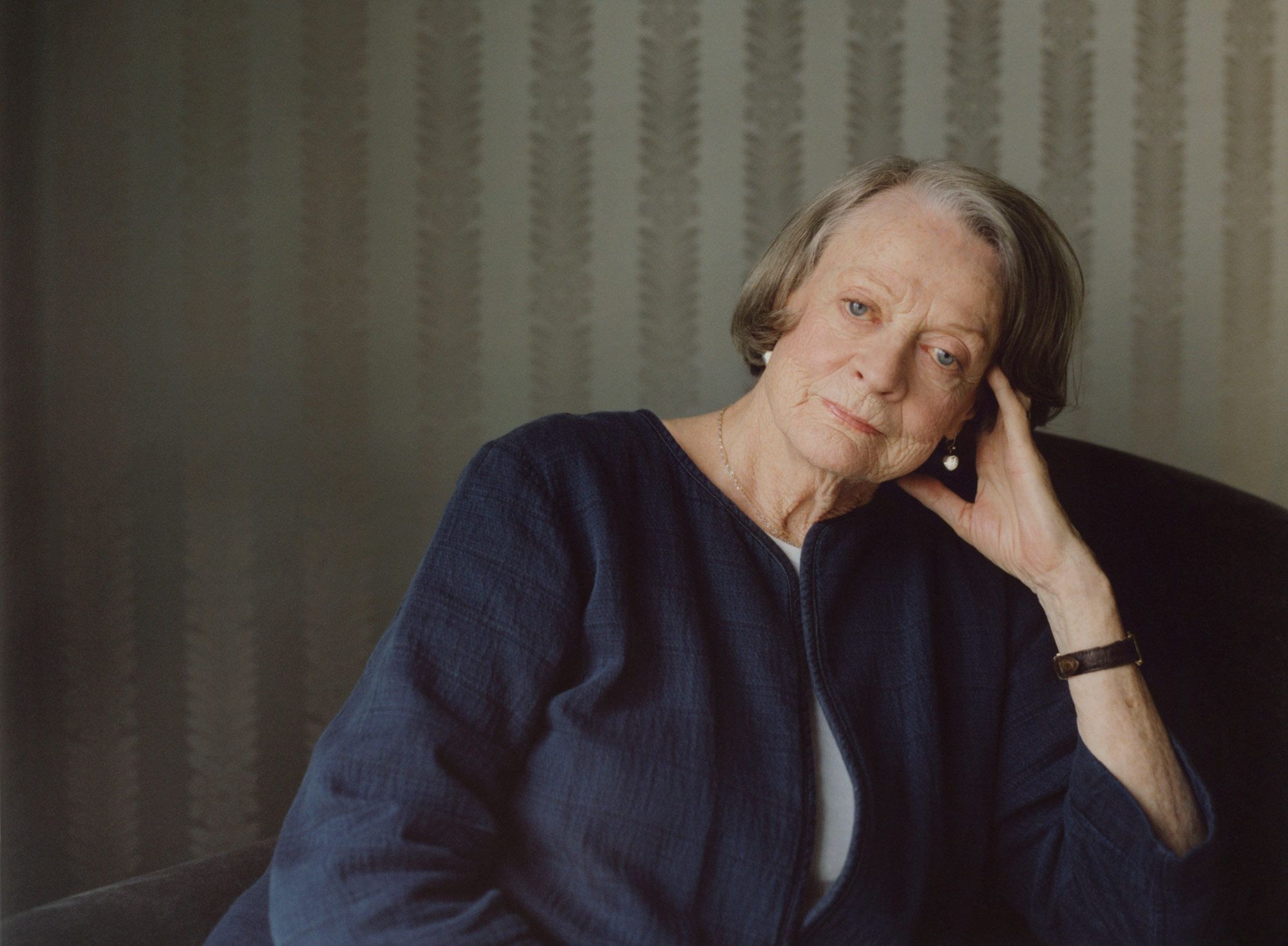
On September 27, Maggie Smith, a British actress, a lady-commander of the Order of the British Empire, the owner of two Oscars, seven BAFTA, four Emmy, three Golden Globes, five prizes of the US film actors, died. She was 89 years old. The sons of Smith, the actors Toby Stevens and Chris Larkin, said that their mother spent the last days of her life surrounded by close in the London Hospital Chelsea and Westminster. The whole world knows Maggie Smith primarily from the roles of Minerva McGonagall from Harry Potter and Violet Crowley from the Abbey Daunton. The film critic of Medusa Anton Dolin recalls other paintings that it is worth seeing to understand the entire scale of her talent.
According to Maggie, Smith grieves the whole world. As in any love, there are not so much rational here. Most of the audience knew the lady of British cinema, whose career stretched for seventy years, in two late roles.
The first is the deputy director of Hogwarts and the dean of Gryffindor, Animag (she turned into a cat) Minerva McGonagall from the Harry Potter universe: for millions of children and adults, her heroine personified wisdom and a silent, slightly condescending understanding of the imperfection of the world. The second is the Dowager Countess Grantham, Violet Crowley in a cozy and precisely because the superpopular series “Downton Abbey”. With the departure of her majestic heroine in the final of the full -length sequel, the era finally ended.
An impeccable aristocrat (in real life, the daughter of a doctor and secretary) and an all -powerful sorceress - can you dream of another role?
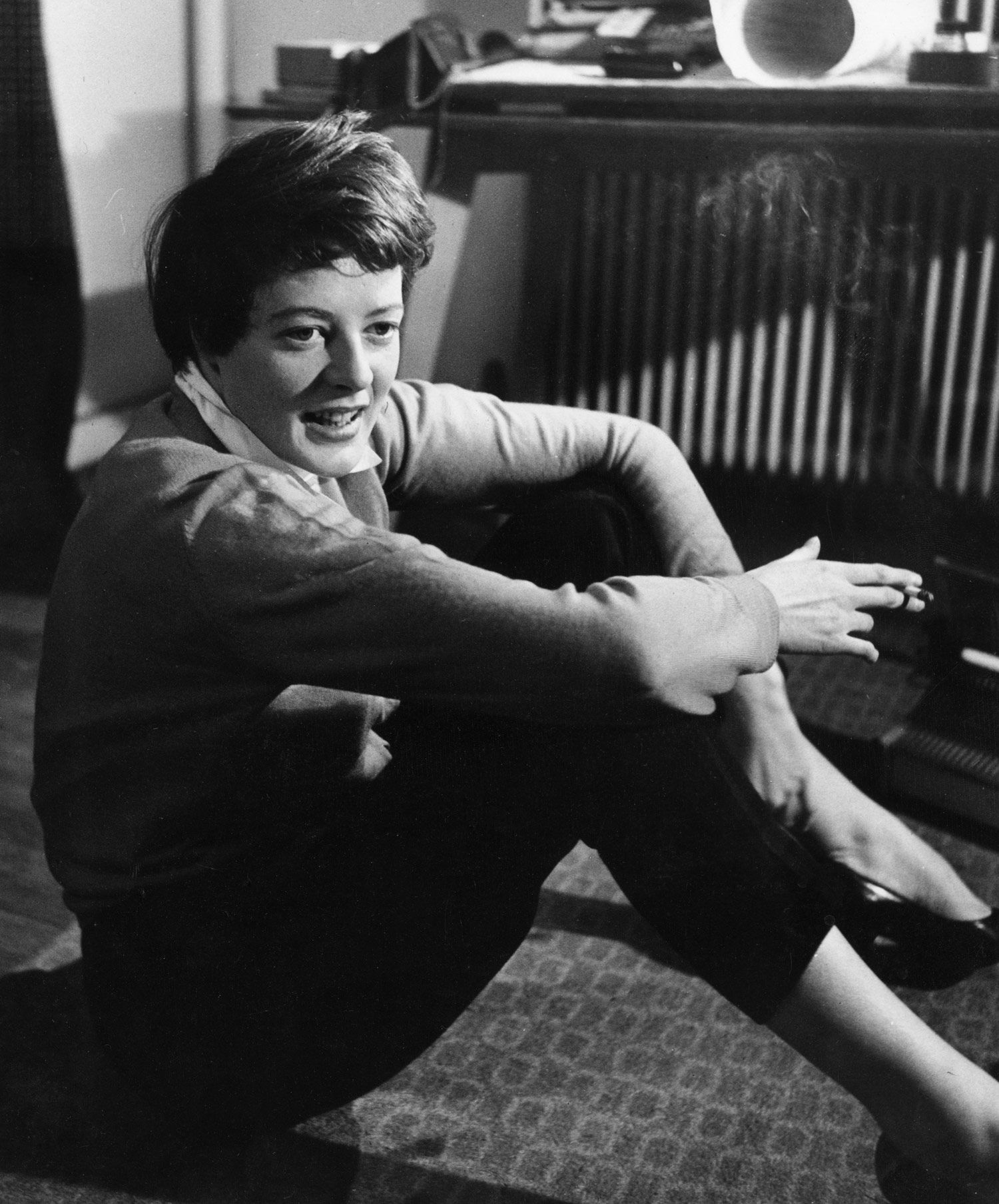
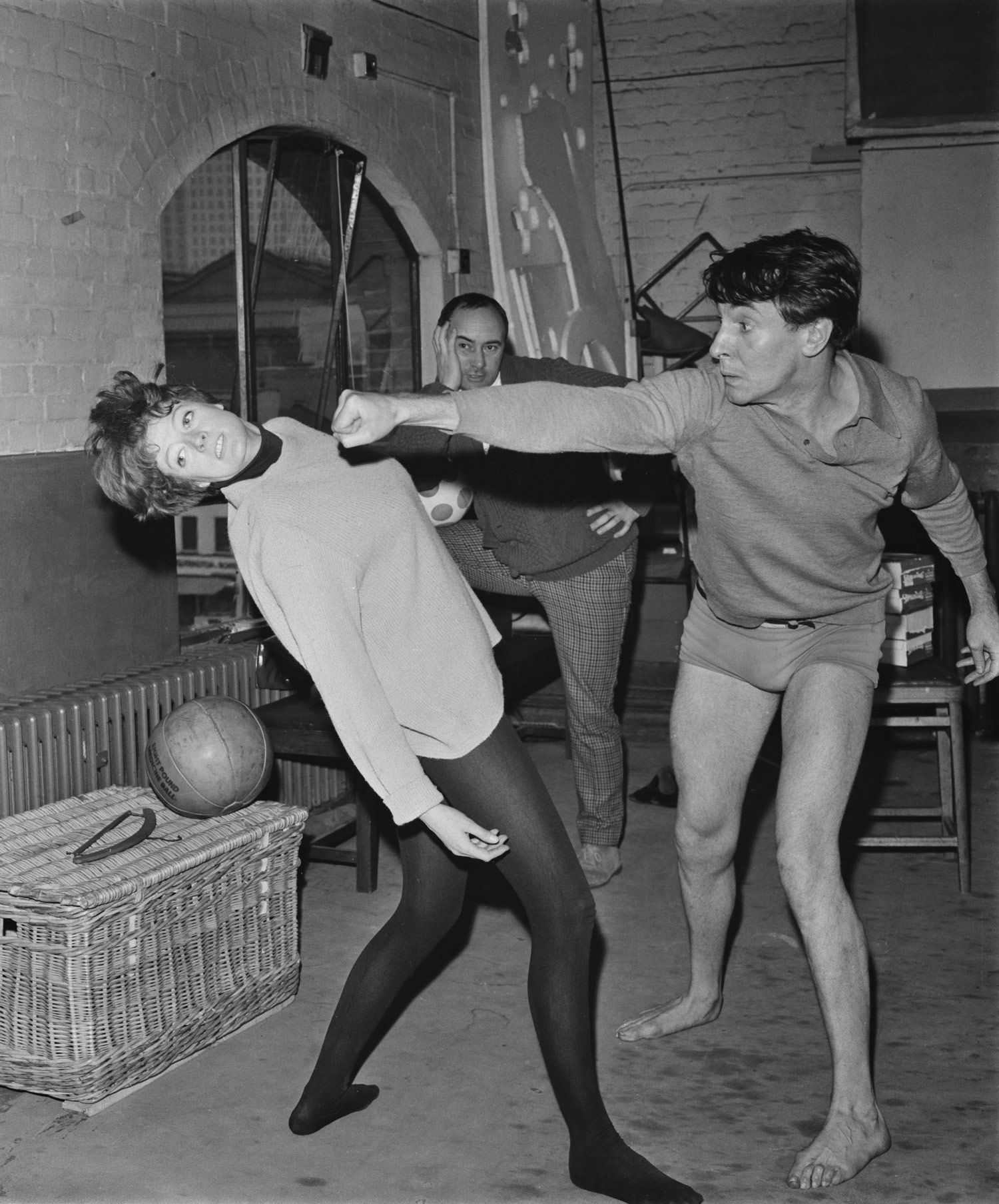
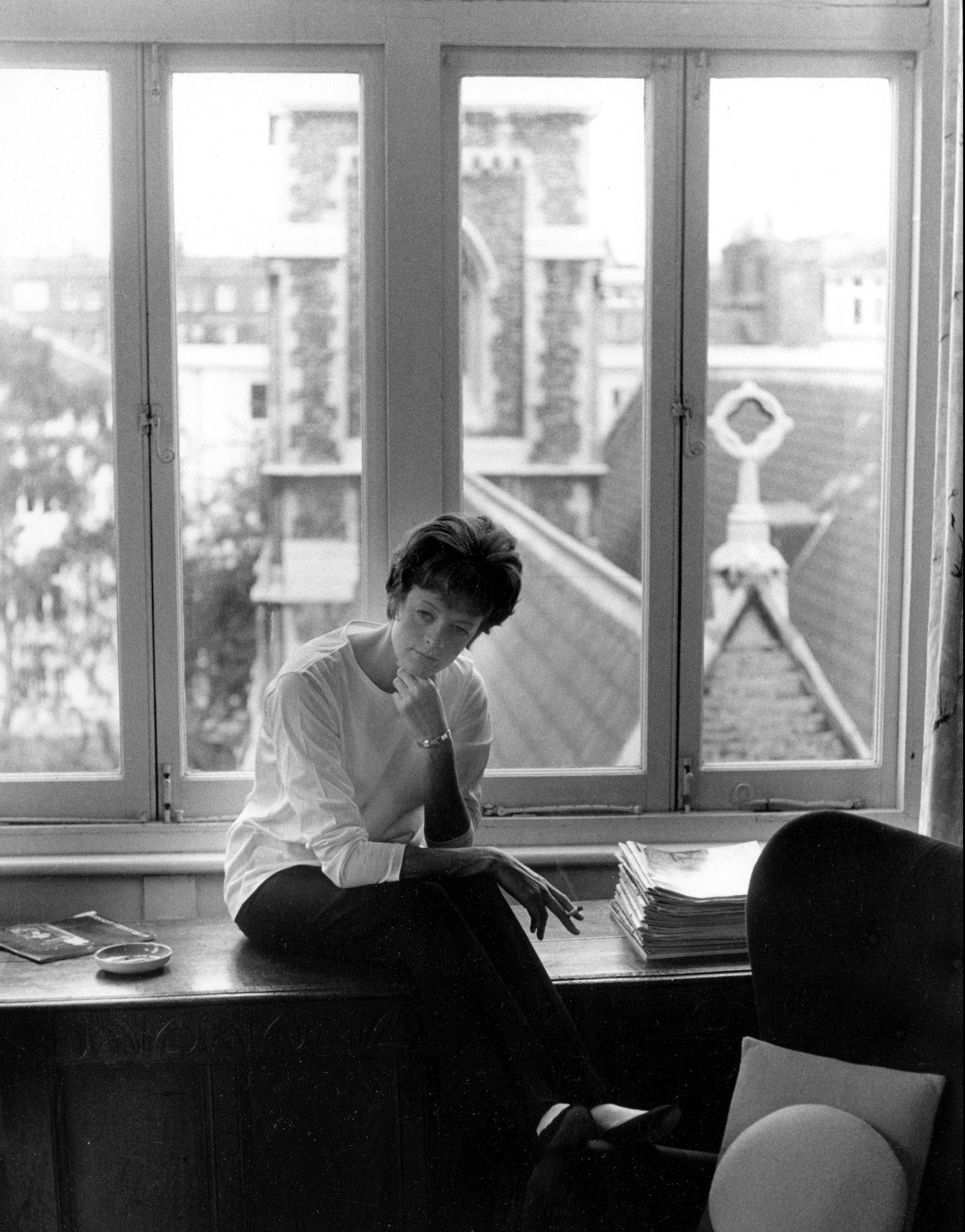
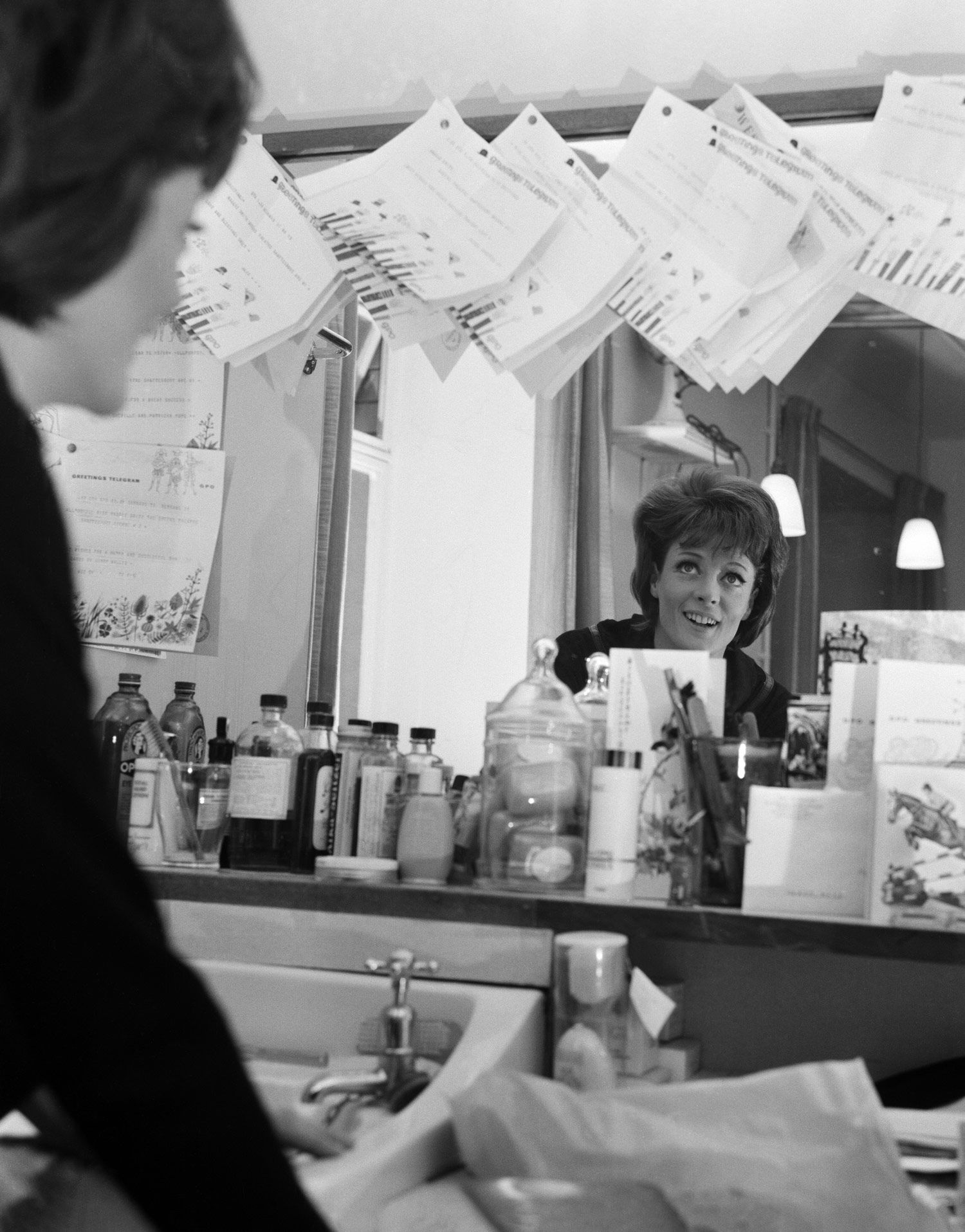
Maggie Smith accepted her reconciled glory with proper dignity - without enthusiasm, but also without contempt. She knew that her talent and a list of merits are much wider: the image of an ideal British lady was only one of many. But, perhaps, the mission, the message of the English acting school in the world consists in maintaining the status? In the end, Sir Michael Kane (Smith's partner on the 1978 fragmentary comedy “California Hotel”, which brought the second “Oscar”), the majority will also remember as Alfred - the butler Batman. Sir Ian McCellen, with whom Smith played in the brilliant Richard III (both of them from the young age were famous as artists of the Shakespearean repertoire), as a magneto from the “X -Men” and Gandalf from the Lord of the Rings. Lady Judy Dench, a many -year -old friend Smith and a charming dilogy partner about the Marygold Hotel, as M, the chief of James Bond.
Maggie Smith began at the age of seventeen as Viola from the Twelfth Night at the Oxford Theater. But the fame was rapidly won as a characteristic actress, capable of playing a modern repertoire. From early roles she played on television and in frivolous genre cinema. In the early 1960s, she was noticed by Lawrence Olivier himself, and she became the star of his troupe along with other promising debutants-Derek Jacobi and Michael Gambon (most famous world as professor Dumbledore from the last series of the franchise). All four played in 1965 in the film interpretation of the Othello Theater production: Olivier embodied the image of the Venetian Moor, Smith-Desdemona. Shakespeare's tragic heroine brought her the first Oscar nomination.
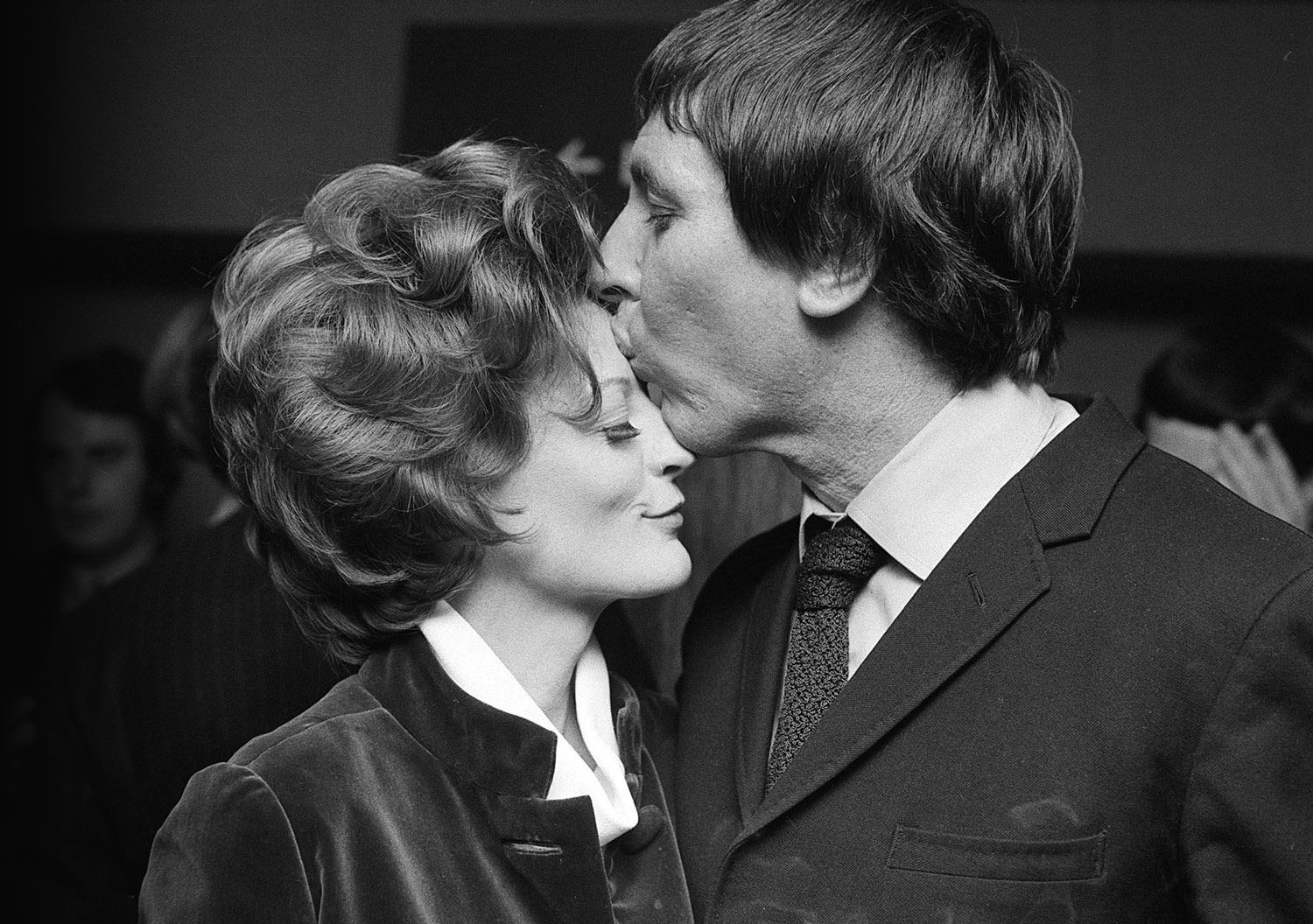
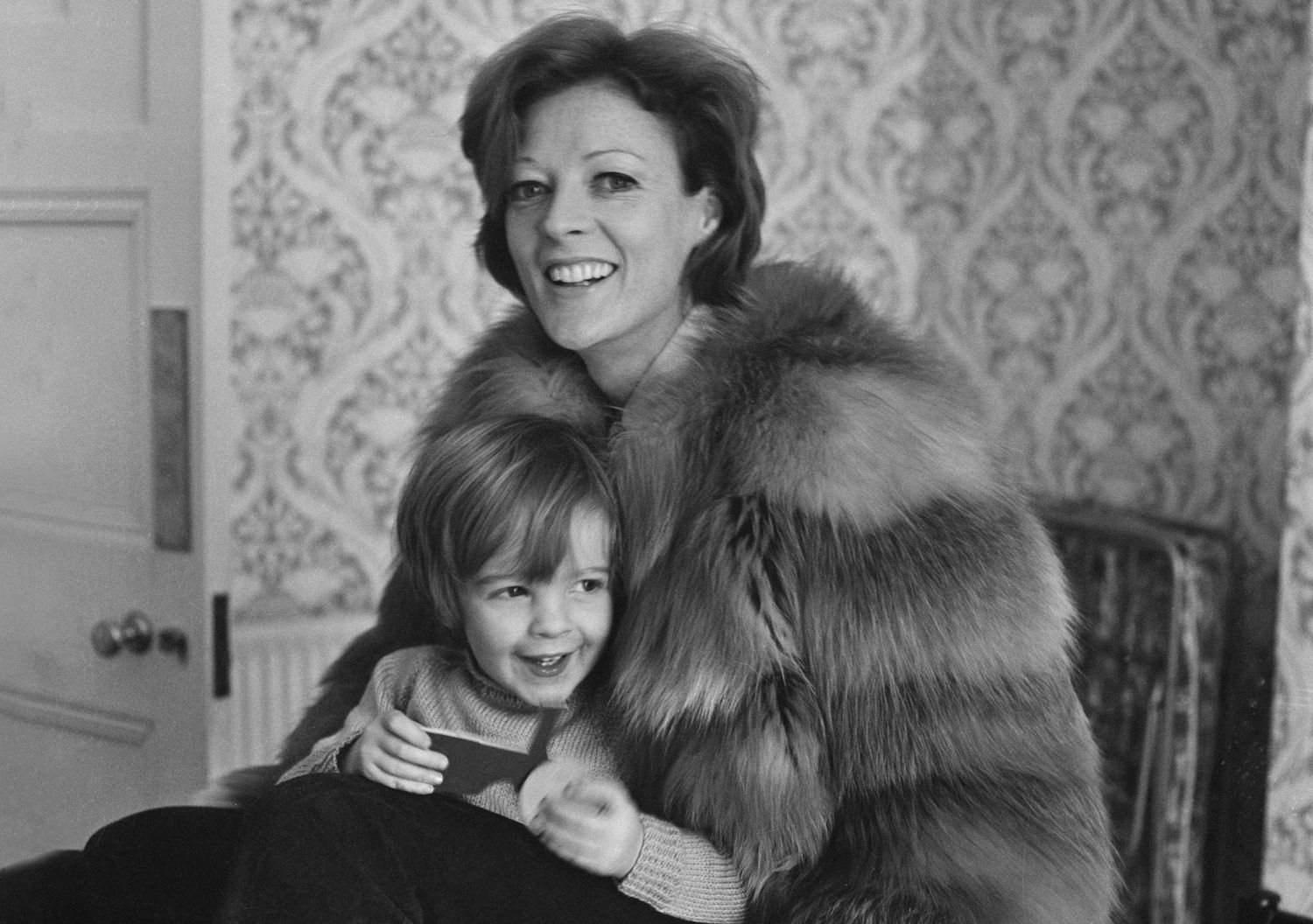
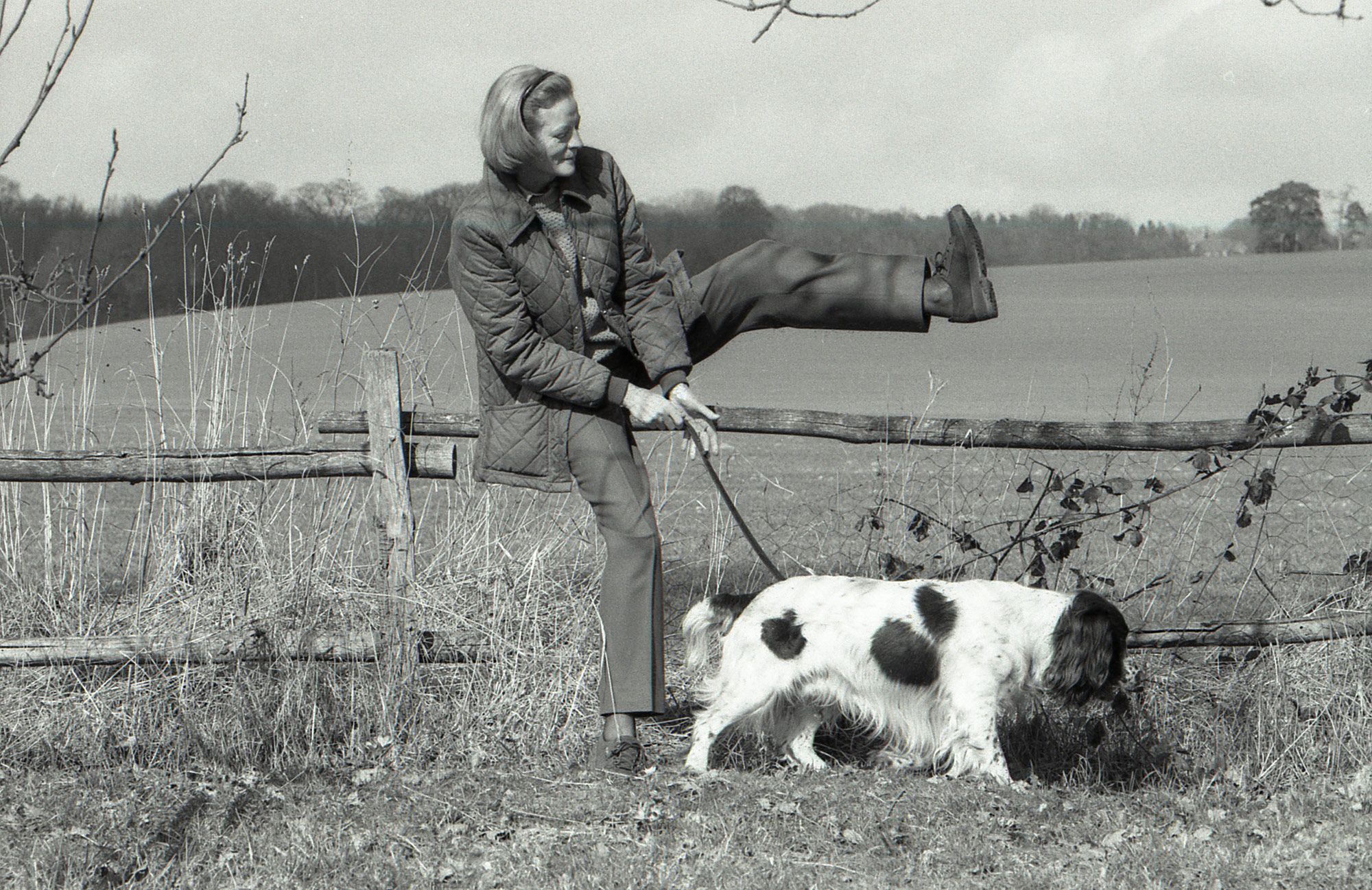
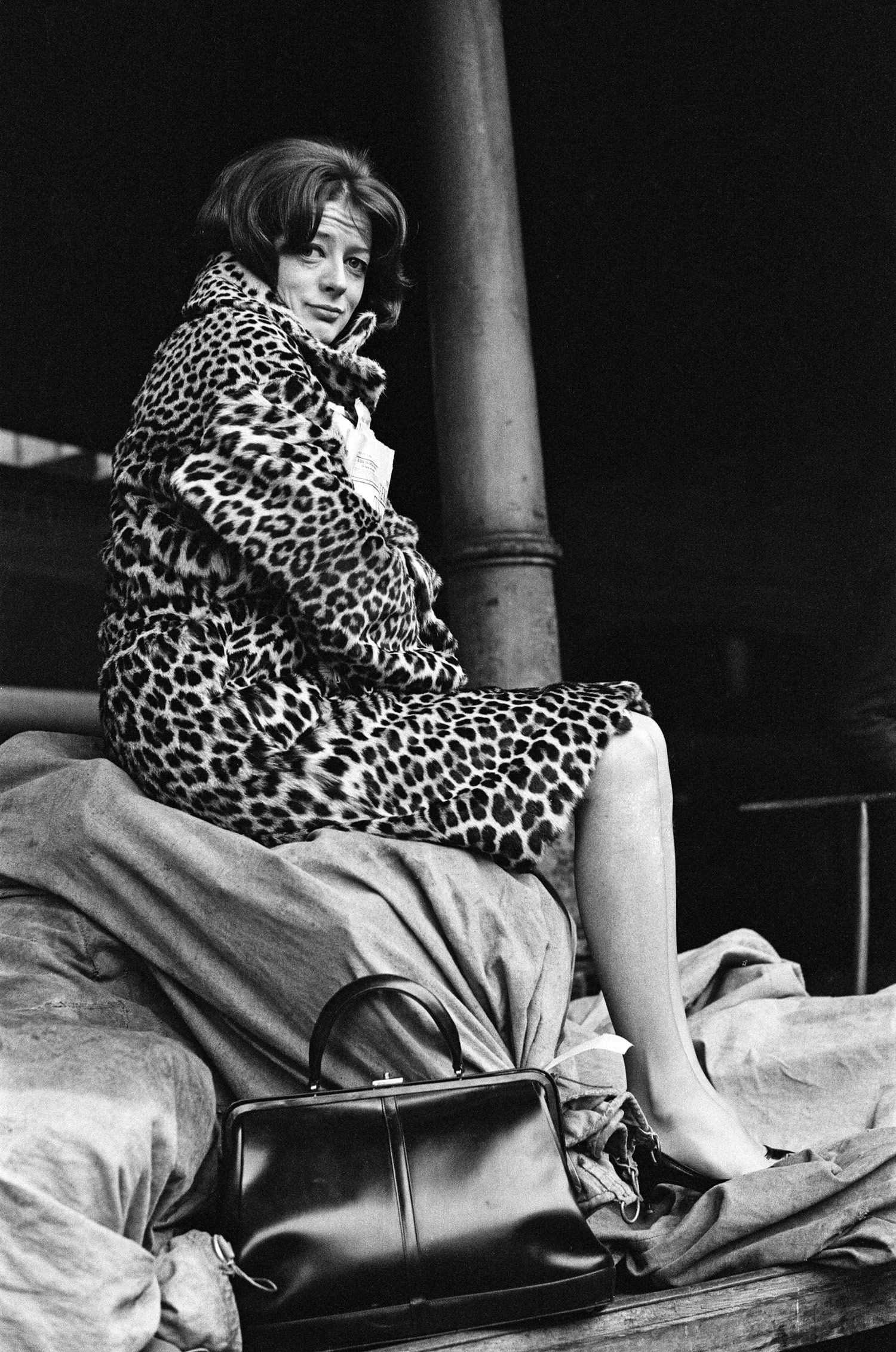
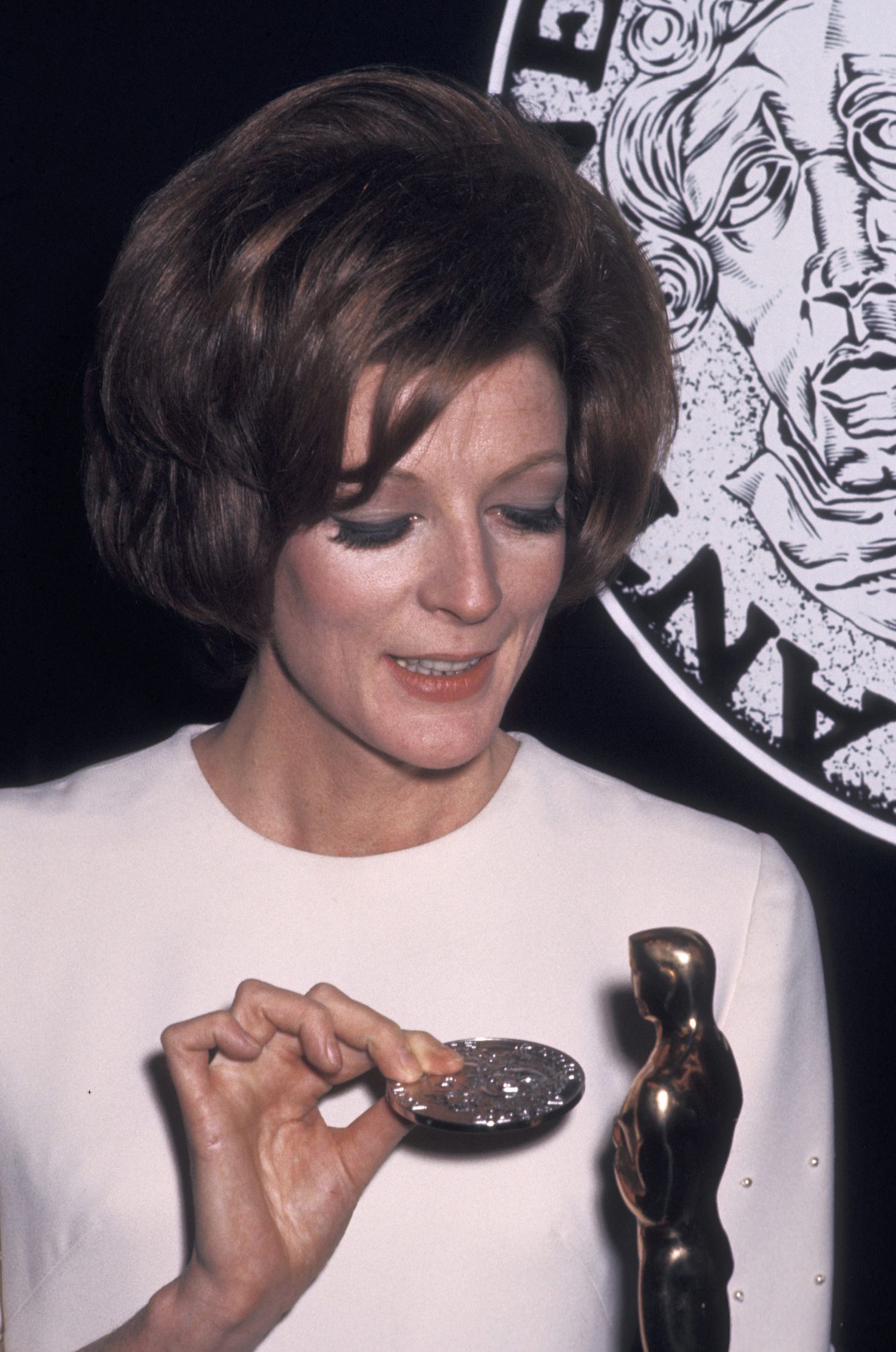
On the stage, Smith had a chance to play the main roles in the productions of Franco Dzeffirelli (“There is a lot of noise from nothing”) and Ingmar Bergman (Gedda Gabbler). Less was lucky for the directors, although there were good luck: for example, Joseph Mankevich and his “honey pot” (1967), George Kyurkor and his “Traveling with my aunt” (1972) and especially James Aivori, who gave the actress surprisingly accurate roles in the Quartet (1981) and “Room with View” (1985).
At the same time, Maggie Smith with divine composure took up the role of Nereid Fetida in the entertainment fantasy “Battle of Titans” (1981) and enjoyed the bright characters of Agatha Christie in “Death on the Nile” (1978) and “Evil under the Sun” (1982) with Peter Ustinov. But the best of her early roles was and remained a controversial manipulator from Miss Jin Brody's heyday (1969) Ronald Nima by Roman Muriel Spark. This complicated picture about the fruits of education and the paradoxes of education, as if summing up by the unbridled freedoms of the 1960s, became Smith's hallmark-and brought her the honored Oscar for the best role.
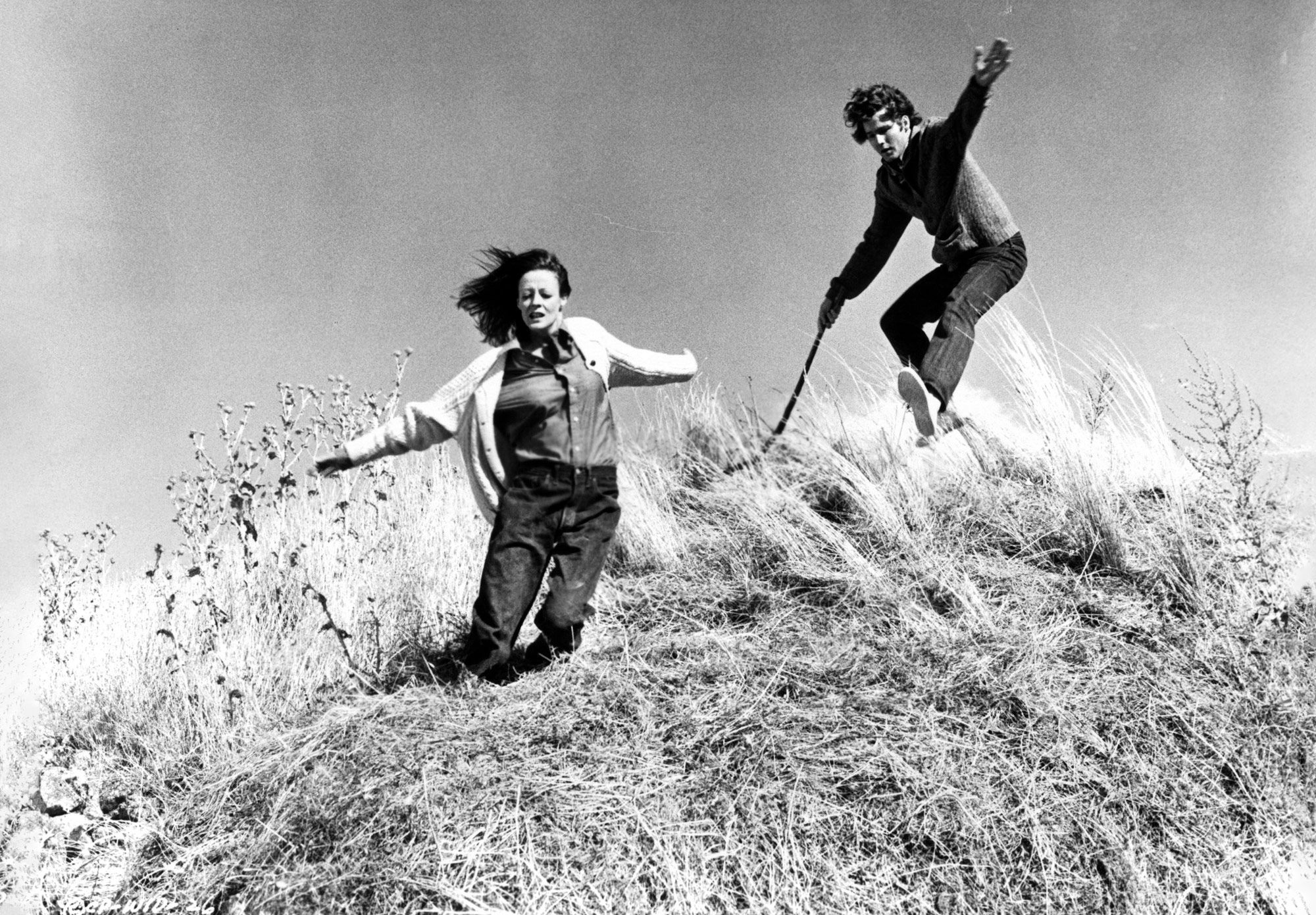
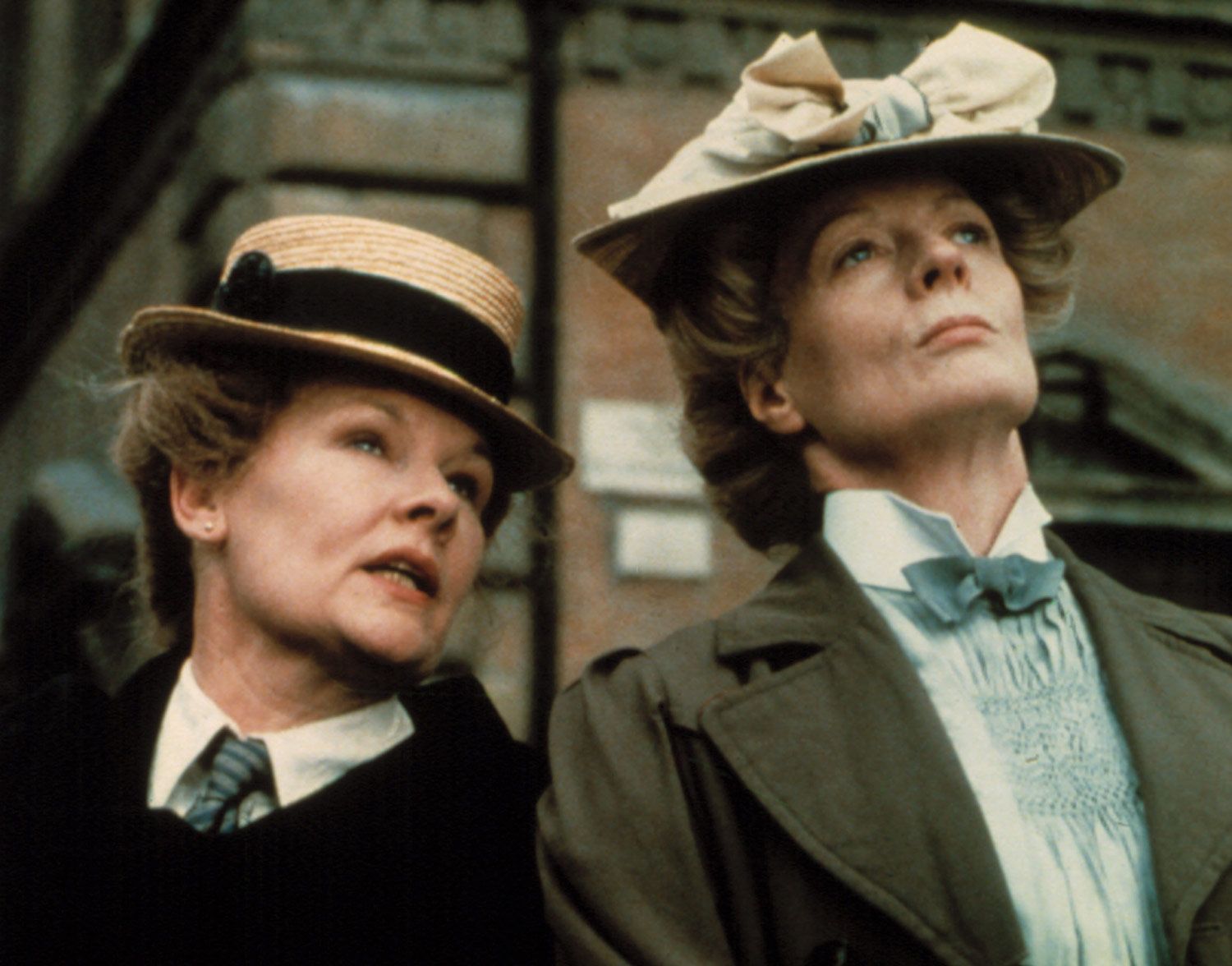
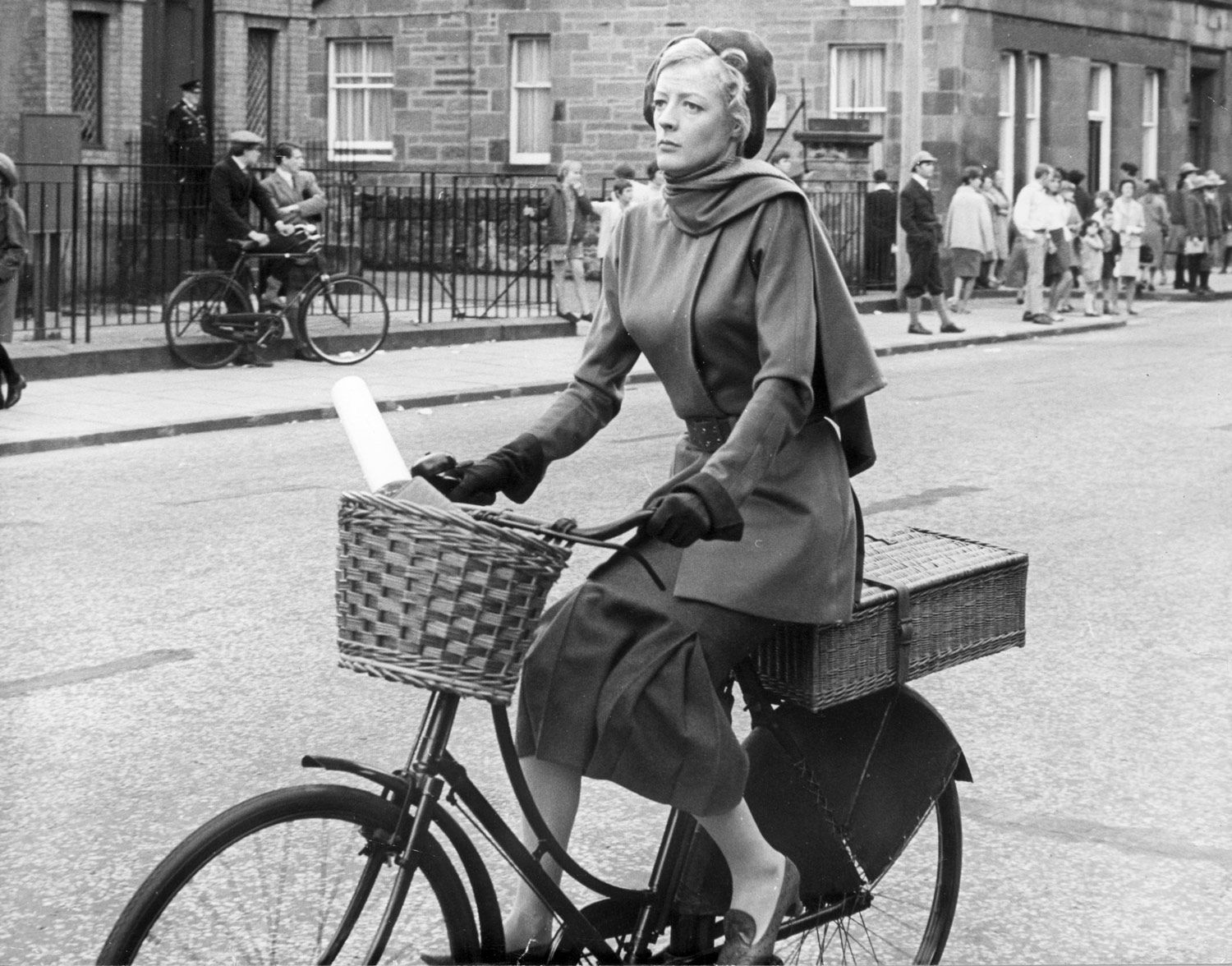
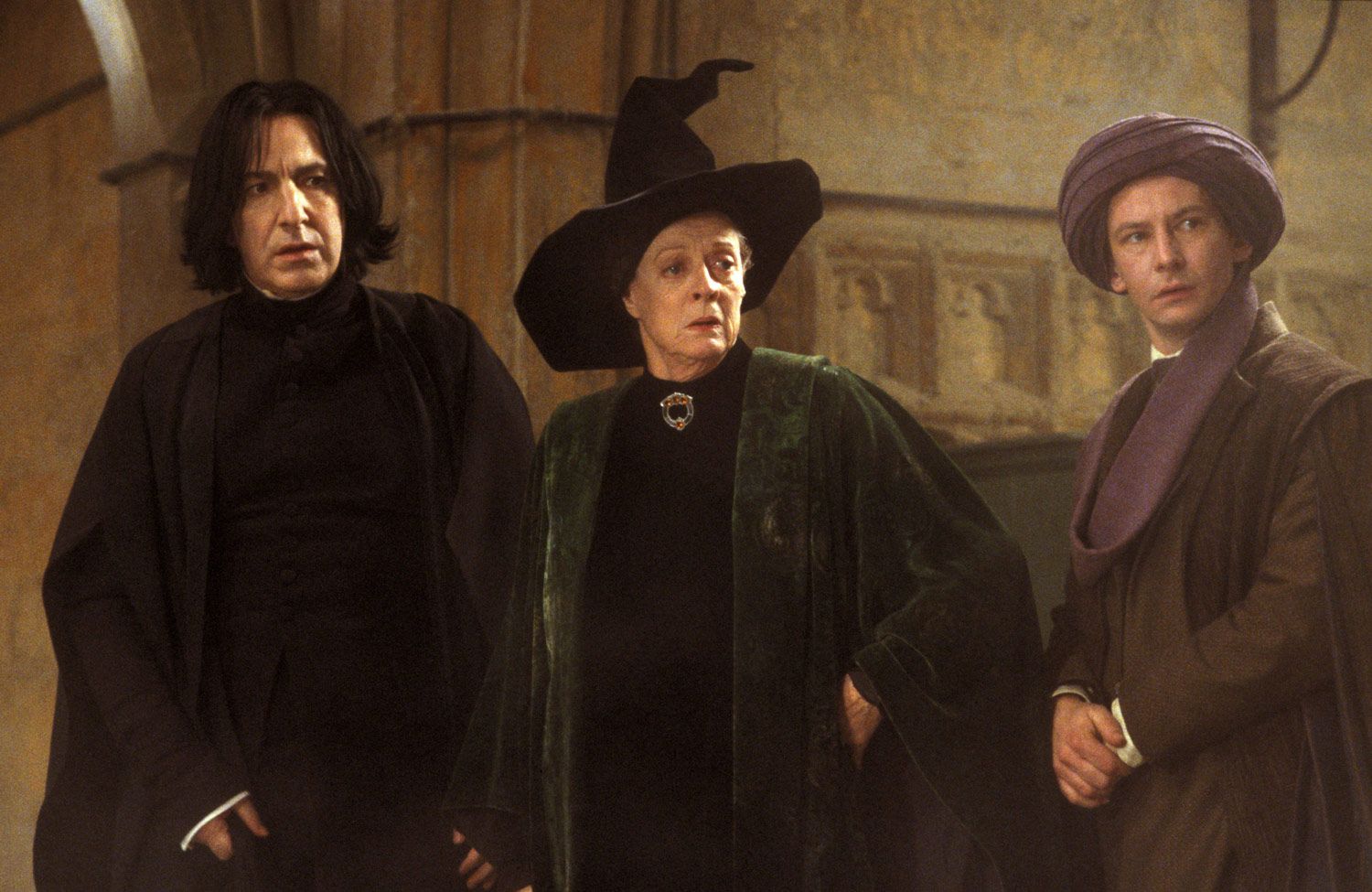
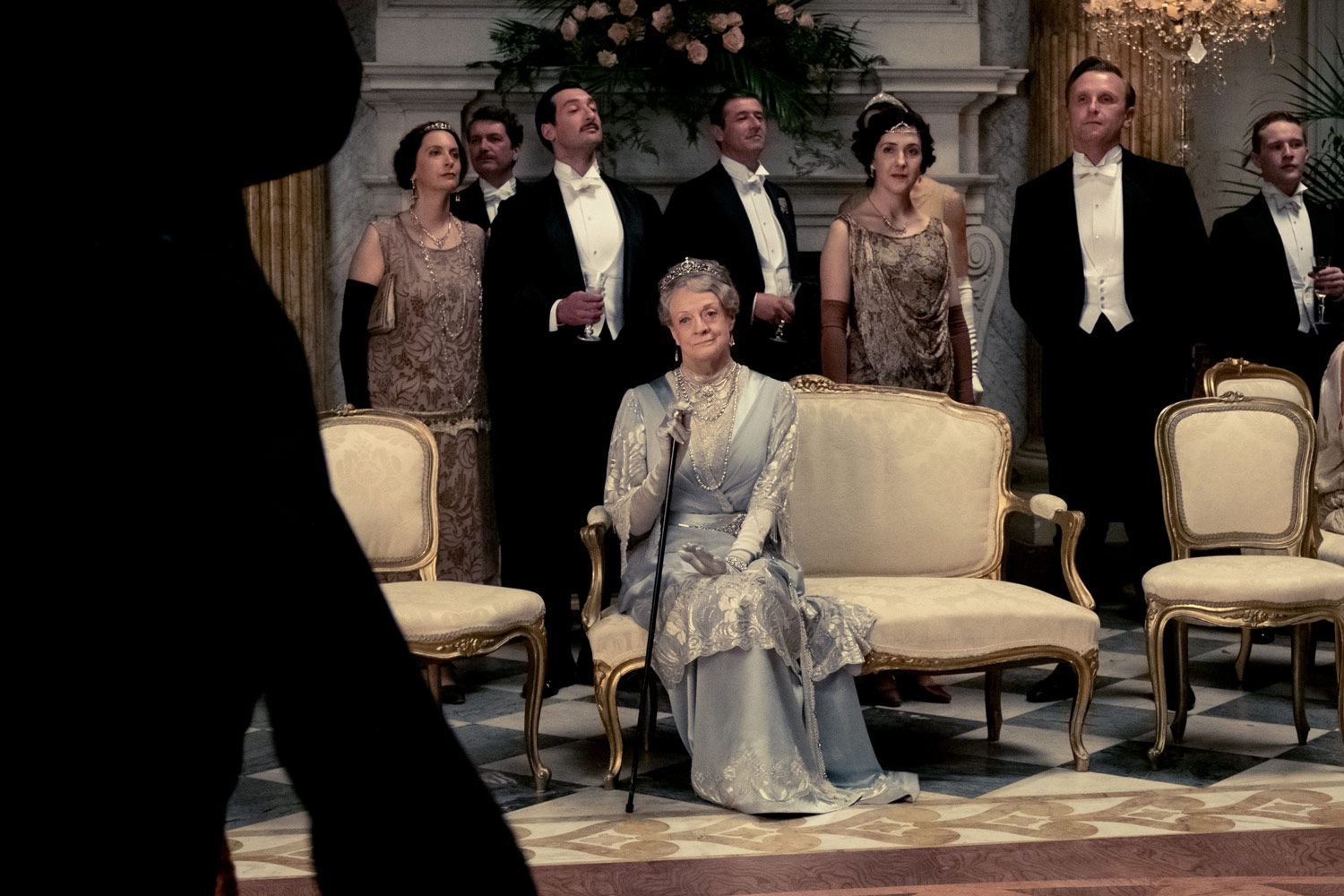
Acting plasticity and theatrical training of Smith made her invulnerable to ordinary professional problems - in any of the decades of her stage life, she could not complain about insufficient demand.
Her transformation from the actress to a living symbol was the first to examine and recorded by Stephen Spielberg, who took Smith for the role of matured Wendy in his fabulous manifesto of growing “hook” (1991). At the turn of the millennia, she worked again with Dzeffirelli, already in the film “Tea with Mussolini” (1999), and demonstrated a special gift to dominate even in a crowded and comprehensive brilliant acting ensemble in the postmodern version of the English detective “Gosford Park” (2001) of Robert Oltman.
In the same year, Harry Potter came. Since then, Smith's life has changed forever: the title of international superstar has been added to the status of an excellent actress. It is not surprising that the scriptwriter of the “Gosford Park” Julian Fellowe, creating the “Downton Abbey”, decided to take from the Oscar to him the picture to the new project to Smith.
Until the last, she worked in the cinema, on television and on stage, refusing to rest on his laurels, and this made her a long -liver. Perhaps now her giant audience will discover her early best roles.
Text: Anton Dolin
Signatures to the photo: "Medusa"