
Translated material
If you don't burn, you'll freeze
Festival of contemporary Russian cinema "MAYAK" opened in Gelendzhik
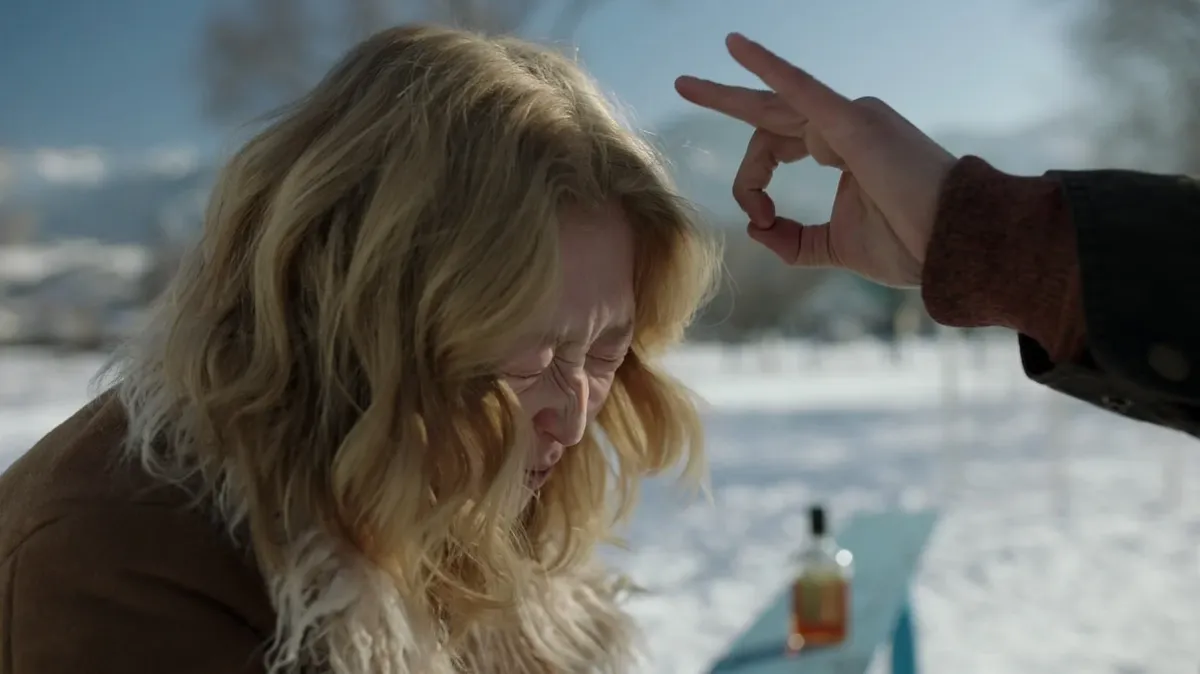
Still from the film “Daddy Died on Saturday”
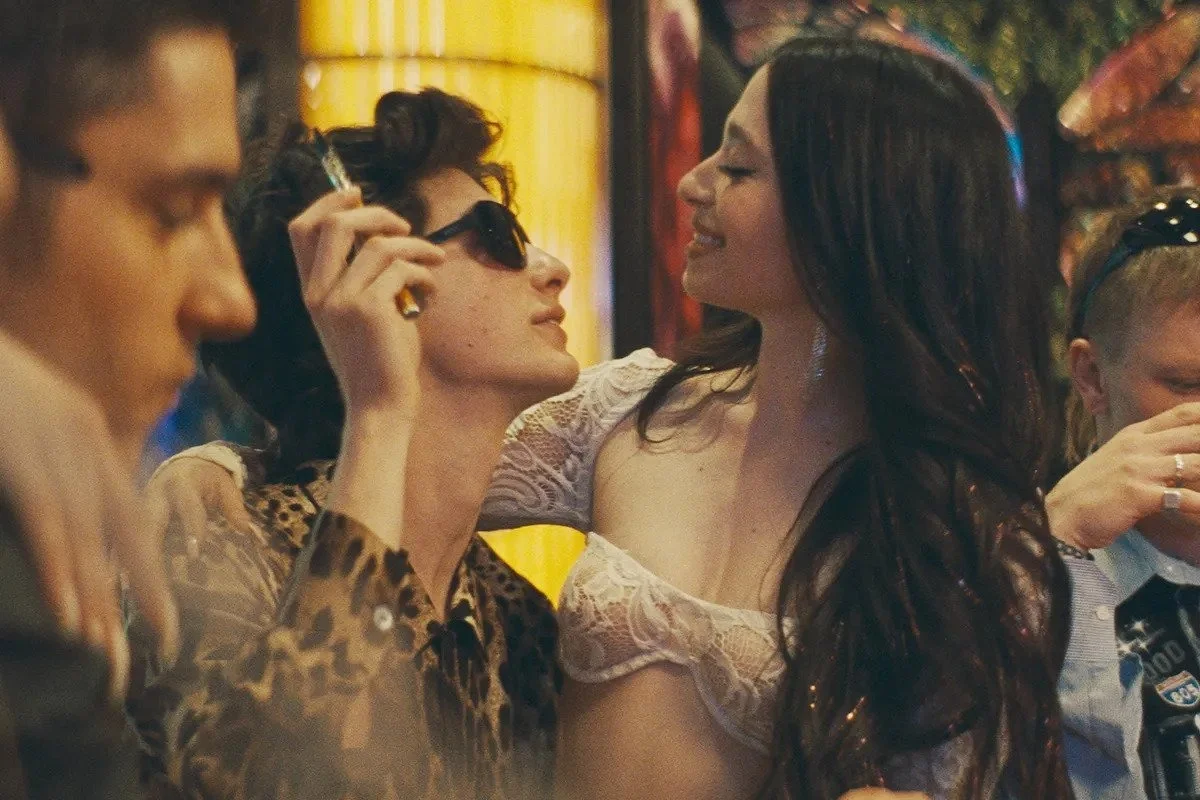
The host of the Opening ceremony, actress Daria Ekamasova, specially flew to Gelendzhik from Hollywood, where she presented the premiere screenings of the film “Anora” - gold at the Cannes Film Festival.
The film Discovery “Anora” by Sean Baker - a tragic farce and a New Year's fairy tale about the Cinderella stripper Anya (Mikey Madison) from Brighton Beach disappointed many. Expectations were clearly too high. But everyone was happy for our guys, who didn’t lose face and looked great on the red carpet on the Cote d’Azur. And this film, a bridge between cultures with an international cast, was more than appropriate at the festival of contemporary auteur cinema. We will tell you in detail about the film before its release (from October 17).
The first film of the competition is “Dad Died on Saturday” by Zaki Abdrakhmanova, producer Natalya Drozd
It starts with off-screen sobbing. This is Aiko (Laura Tursunkanova).
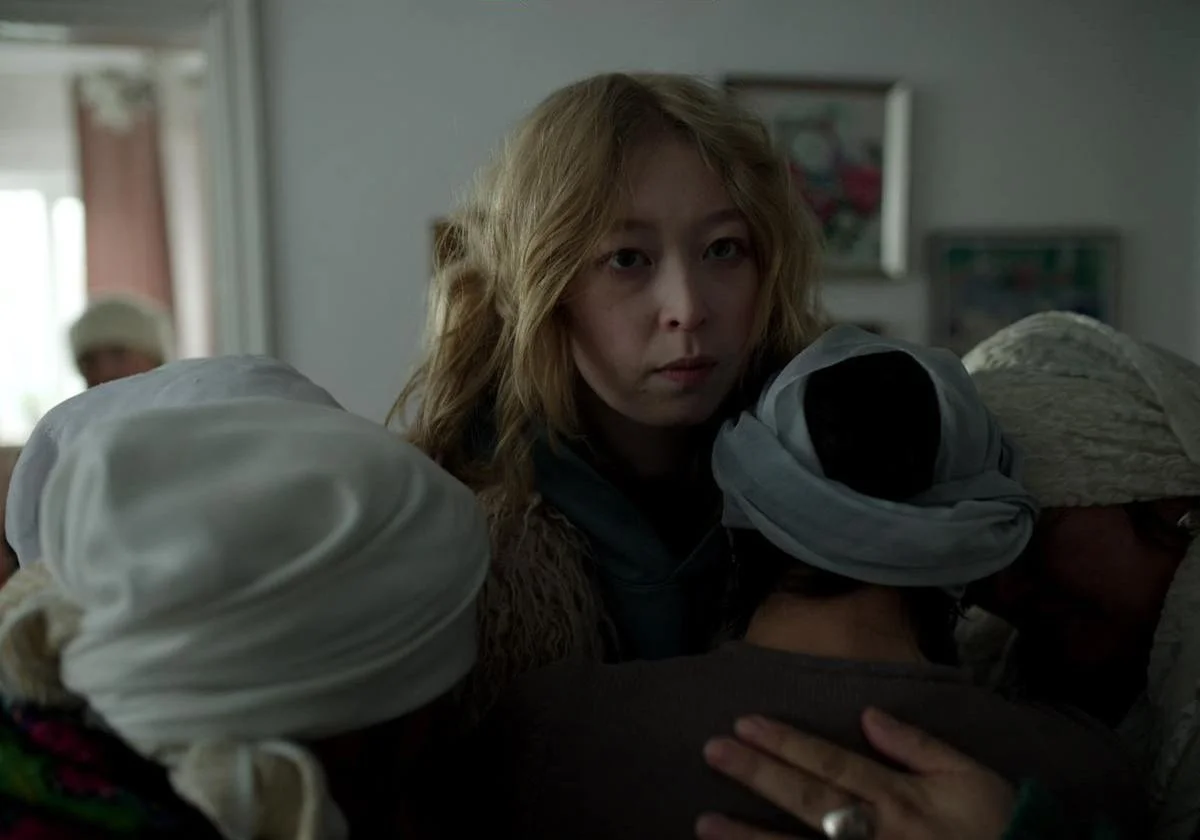
A Russified thirty-year-old Kazakh woman who has lived in Moscow for a long time. Works as a makeup artist in a studio. After the news of her father's death, she goes home, although no one is waiting for her. He's coming. Dyed blonde with curls, shaggy sheepskin coat. Aiko? Have you arrived yet? Let me in, the eldest daughter of the deceased.
There's a whole room of mourners here. It's even funny to look at them. Aiko and her father’s young wife Venera are not crying either (Samal Yeslyamova, the same one who played wonderfully in Sergei Dvortsevoy’s festival hit “Aika”, received a prize at the Cannes Film Festival, and the name of the main character was clearly not chosen by chance). Aiko is wearing a headscarf. Cook's younger half-sister drives her away: before, she didn't need either a family or a dad.
They were already carrying out the body, but Aiko still hadn’t said goodbye to her father.
Zaka is a student of Marina Razbezhkina, so the fictional comedy scenes are edited with documentary ones.
This is how the funeral according to Muslim customs was removed. With a green blanket on the body of the deceased. The imam talks about the ritual and says a prayer. He asks three times whether the deceased owes anyone a debt and whether he has been forgiven. “We’re sorry,” the villagers answer in unison. All. But not Aiko
Her relatives were not happy with her, she didn’t want to communicate... even with her sick father. She went completely crazy and disappeared during the funeral. And only the old, old grandmother sees in Aiko not only ambition, but pain. The relatives try to explain themselves but cannot. Mom, whom my father left and started a new family, forgave him long ago and moves on with her life... without Aiko. It only seems that Aiko is gnawed by resentment. She needs to deal with her unhealed traumas. But it turns out that she’s not the only one with injuries.
Mikhail Khursevich's concentrated 3/4 frame seems to absorb the hidden emotions of the characters.
Sunny snowy winter. Children playing football. Bad cognac in a village store. And classmate Danik, who has been in love with Aiko since childhood. Now he and his father have a store. He remembers everything, unlike Aiko. And they play suefa on shchelban. They lie in the snow. And it even seems like Aiko is letting go... for minutes. Dani has a smile 24x7. The younger sister has an iconostasis made from photographs with her father. The quarrelsome aunt Amina eats everyone, curses, first of all, her daughter-in-law Venus. In this family, it is customary to eat the younger ones. And hide everything scary, bad, evil, otherwise what will people think?
And grandma prays for everyone, by name. Whisper. So that they love and respect each other.
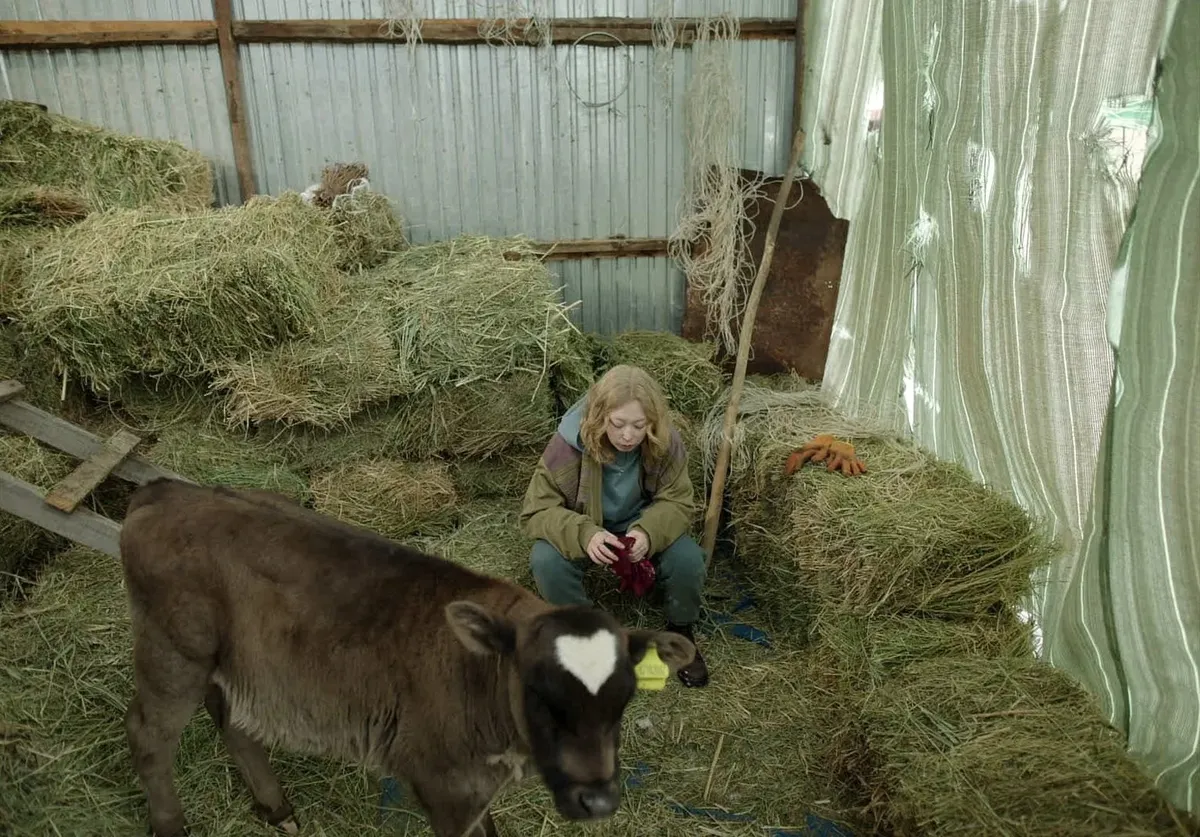
In one scene, Aiko sits alone at a long table. As if in emptiness. In general, I thought and thought. And I decided to stay... for now. Tries to grow into its own/someone else's land. It's difficult.
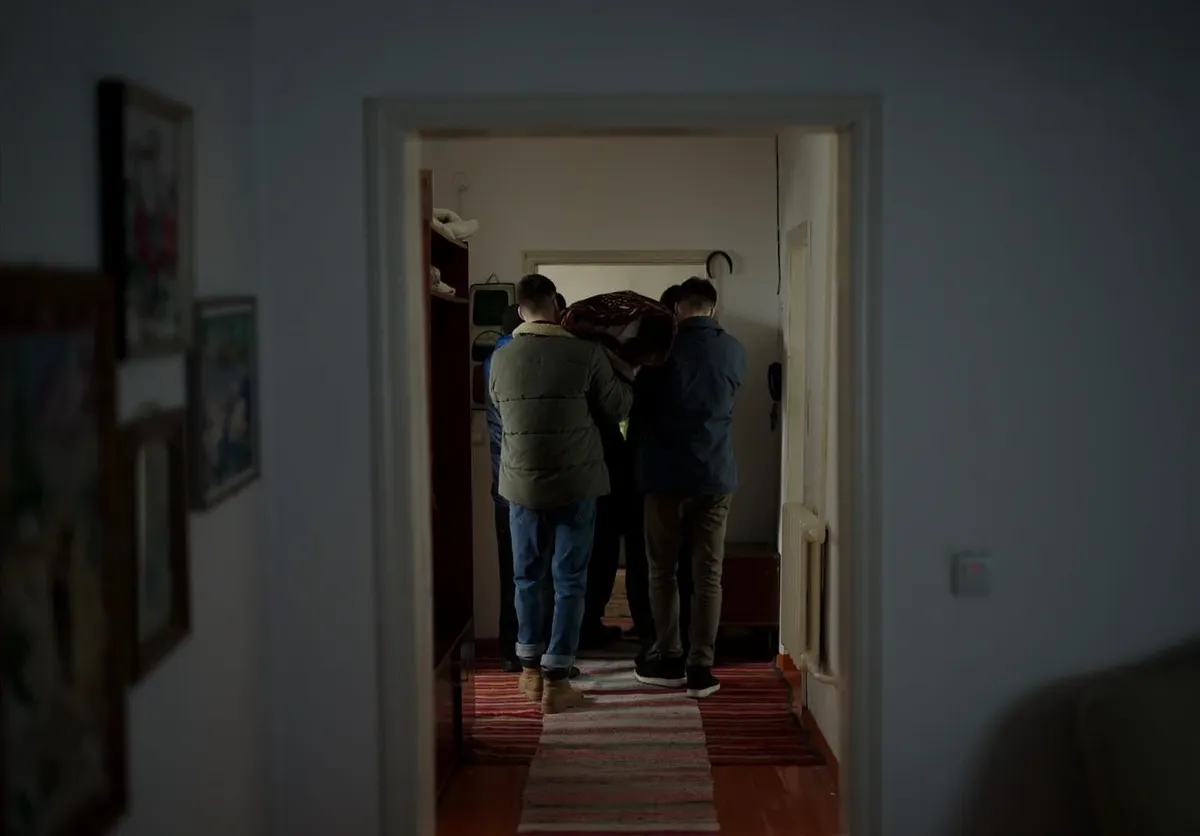
The tragicomedy and bright feature debut of Zaki Abdrakhmanova (“Zhanym”, “Tangerines”, “My Mother’s Penguins”) is a coming-of-age story and a variation on the theme of the return of the “prodigal daughter”. Guilt and forgiveness. A movie about being unloved. About how you can experience pain. Differently. The strong picture seemed unnecessary in this documentary style - a metaphorical scene with a rushing herd of horses. And the computer music in the documentary-style scene with the flatbreads, which Venus and Aiko carry around their homes - such a funeral tradition.
It is interesting to watch how the arrival of an obstinate daughter changes the world order of the family and challenges centuries-old traditions and foundations. Opens abscesses and hidden injuries. The film has been compared to eastern stories of girls trying to escape from their home society: “The Cage is Looking for a Bird”, “Unclenching Fists”, but Zaki’s film is a little about something else, about painful ties with the homeland. How important and relevant this is today.
"White Steamer"
Video poet and director Inga Shepeleva was born in Yakutia. This is her film debut, based on her old story. The producers of her film are Yana Buryak, my colleague Zhan Prosyanov (Kinoteatr.ru) and the Yakut duo Dmitry Davydov - Stepan Burnashev.
The music (Cyril Cher) draws out long sounds, like the tuning of an orchestra or the whistles of steamships. White-white frozen frame: a port with ships in the snow. In a sense, this shot is the hallmark of slow-motion, constantly freezing action.
In the first chapter, “The Newcomer,” the new director of a boarding school for gifted children arrives from Moscow in a squalid hotel room. And his reflection in the mirror wall of the sideboard breaks up into fragments. He is a newcomer to Yakutia. Stranger. He listens to dull national instruments, clearly bored. And here is the children's choir with Marta Grigorievna, its artistic director. The new director doesn’t like the song about the white steamship, as a Soviet relic of the past. It's time of perestroika, musical culture needs European classics. “We need a firm hand,” Chuzhak reports to his superiors in Moscow. “Give me six months and I’ll deal with them.”
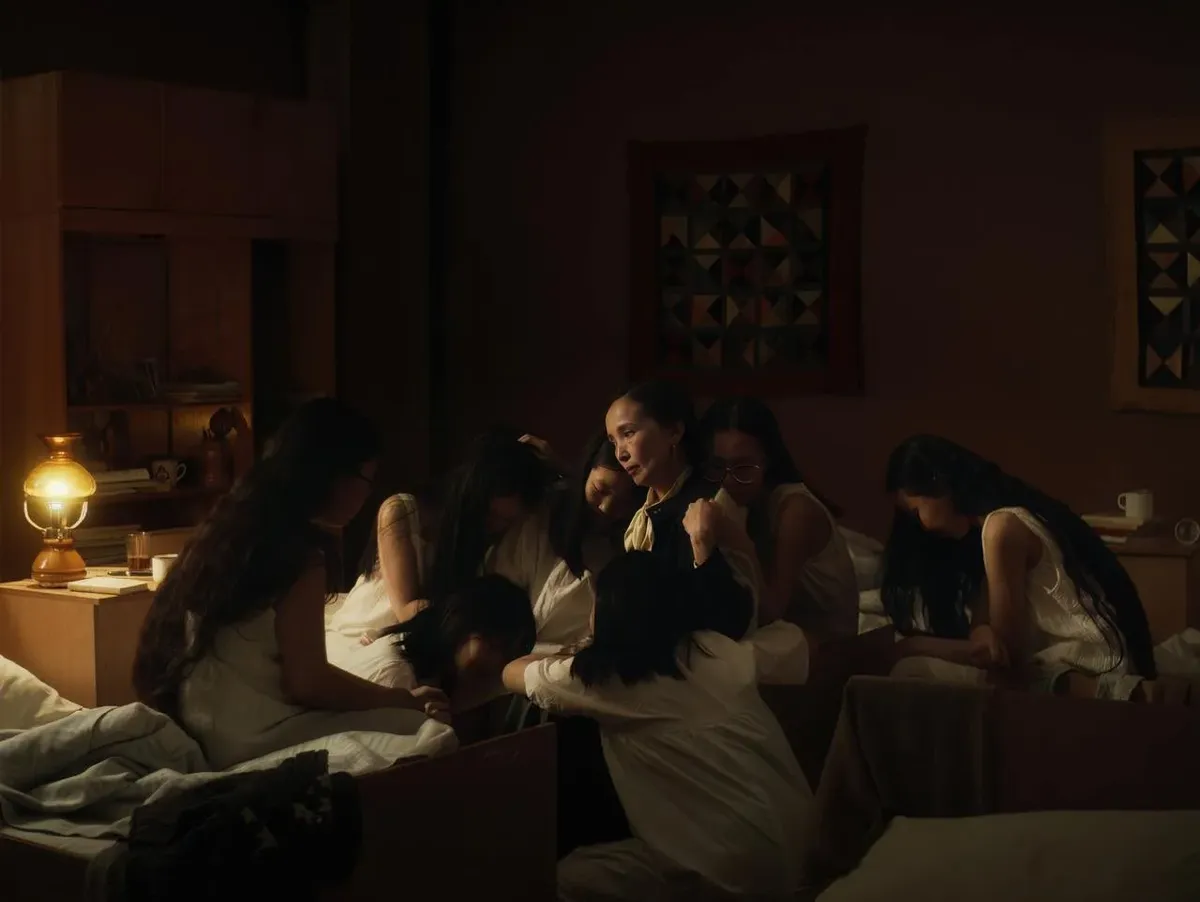
A tough confrontation begins between the choirmaster, who defends national identity, and the visiting official. In case of disobedience, he promises to fire her. She answers him in Yakut. A scarlet curtain “flows” across the floor from the stage to the scarlet velvet chairs. She prays to the pagan gods - a snow-covered tree with colorful rags - and asks to teach the insolent a lesson. She sings the ancient chants of the Sakha people to the string instrument kyryimpa, his melancholy kyryimpa infuriates (the viewer a little too). He is waiting for her right on stage behind the scarlet curtain by the piano to scold her. Requires a new song. She will still sing “The White Steamship” with the children - to connect the broken threads with the past. Keep the promise you once made to yourself.
Martha is persuaded to come to her senses. Where there? In the end, the Muscovite will take her chorus: “Speak Russian!” This is more than a clash of characters. This is a clash between empire and colony. Urbanization and nature. Nature, in the form of a rebellious “mooing” choir, protests against the pressure of the capital’s arrogant “conductor” boss.
At a musical meeting-sacrament with her girls, Martha asks to create a sound: the sun, air, the voice of loneliness, the hands of a mother. And they reproduce the sounds of nature.
Martha plays the “White Ship” theme in a minor key, and the Stranger finally listens to the theme... and then can’t sleep.
But the white steamer is no more... It is broken, frozen into the ice. What remains is white snow, a middle world in which there is emptiness without music. The sound of emptiness.
A poetic, but somewhat speculative and very drawn-out parable with symbolic images and frankly theatrical mise-en-scenes. The cleaner is watering the floor... next to the flower. Martha holds a glass child in her arms, who falls and breaks, the bird flying off her white dress. Who is this Martha, the alien director wonders?
The film is a fusion of fairy tales, theater, myth, good absurdity and poetry. Everything is beautiful, but there is a feeling that they were a little overdone. And there is too much poetic text for a parable. Not to mention the overkill with symbols.
During perestroika, the idea of identity ceased to be seditious. The enormous distance between Martha and the Imperial Alien will gradually decrease. It's like winter - gradually leaving. As it turns out, not for long.
MORE ABOUT CINEMA
Larisa Malyukova runs a telegram channel about cinema and more. Subscribe here .