
Translated material
In debt at the future
The next generations of Russians will have to pay a huge price for the visible stability of the Putin economy during the war
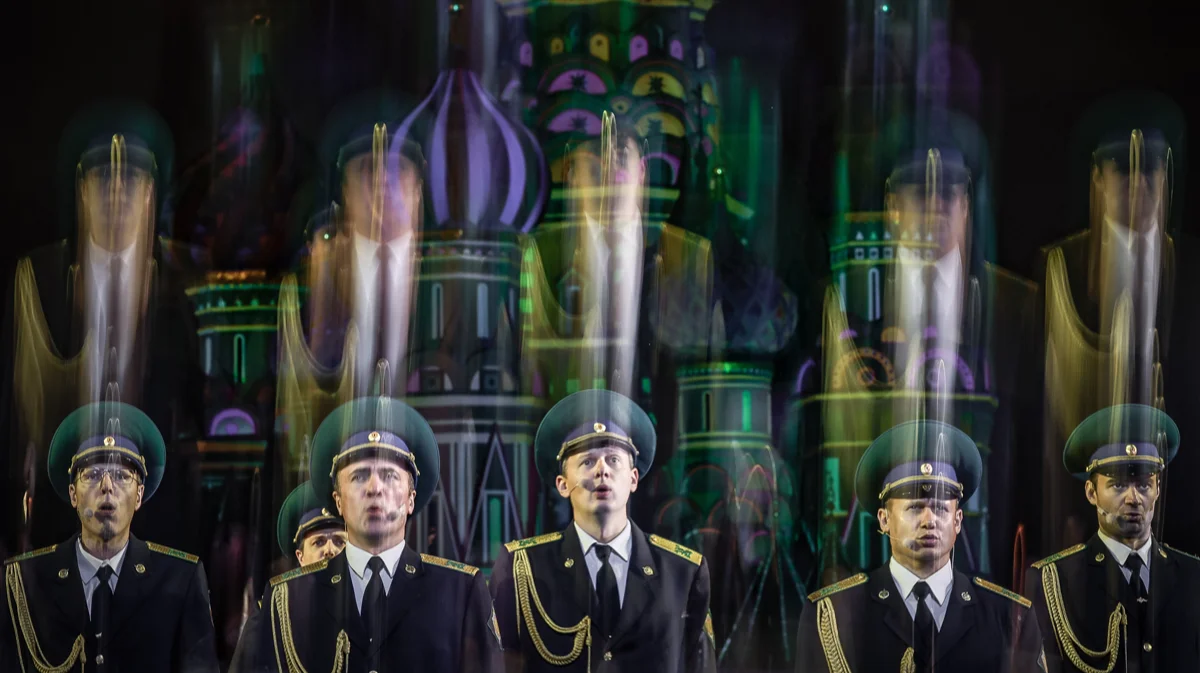
Military personnel of the ensemble of the Federal Security Service of Russia perform at the opening of the Military Mushroom Festival "Spasskaya Tower" on Red Square in Moscow, August 23, 2024. Photo: Yuri Kochetkov / EPA-EFE
The full -scale invasion of Russia to Ukraine has been going on for two and a half years, but the state of the Russian economy still remains a mystery and depends on the chosen narrative.
Konstantin Sonin
Professor of the State Policy School of Harris Chicago University
If you think that the Russian economy was undermined by Western sanctions, the Kremlin’s policies to prioritize military spending and successful attacks by Ukrainian drones on Russian oil depots, then you will easily find evidence in your favor.
But if you want to emphasize the stability of the Russian economy - for example, indicating the adaptability of Russian business or successful import substitution - it will also be difficult to argue with you.
The Russian economy is really in a deplorable state. The sanctions were really harmful to the economy, and the blows of Ukrainian drones led to production malfunctions. The development of many sectors of the economy is moving back, and a recently declared sharp increase in military expenses is completely unacceptable in the long term.
However, to the complete collapse of the Russian economy, which many experts hoped so much, is still very far away. And if the war continues - and with a high probability, it will be so - the state of the economy will not be the first in importance of the problem for the Kremlin.
The problem economy is characterized by high unemployment and high inflation. However, jobs in Russia are enough: the level of employment is now at the level of Soviet times, when employment was mandatory for the adult population. There are two reasons for this: in the war, hundreds of thousands of potential employees were killed or injured, and about a million people left the country. In addition, the government spends huge funds on the military-industrial complex.
Elvira Nabiullina, the head of the Central Bank (Central Bank) of Russia, in July announced the “overheating of the Russian economy”, but this is very unconventional use of this term. Under normal conditions, “overheating” is an unhealthy high employment caused by an abnormally rapid increase in production. The growth of production, in turn, may be the result of the formation of a market bubble or excessive state incentives for the economy.
But in today's Russia, the reduction of labor due to war and mass emigration is higher than the number of jobs; This suggests that the main reason for the “overheating” is the reduction in labor supply, and not an increase in demand for it.
The same entails the accelerated growth of wages recorded in the first half of the year: in July, real wages increased by 8.1% compared to the previous year. However, at first glance, the indicators actually cause concern.
Annual inflation, meanwhile, approached .) To 10% - this figure is only slightly higher than in other developed countries. Which is really remarkable is the key rate of the Central Bank, which has recently been raised to 19%.
These two digits mean that everyone who takes money at a market rate (which is usually a couple of percentage points above the Central Bank’s rate), or should have extremely optimistic ideas about the expected profit, or wait for a sharp increase in inflation in the coming months. However, the fact that the Central Bank cannot reduce the key rate due to high inflation expectations is only part of the problem.
Another reason for the unusual discrepancy between the key rate and the level of inflation is the growing volume of subsidized loans that the state takes to finance military production. Thanks to such subsidies, taxpayers' money falls into the pocket of Putin's close associates-owners of military-industrial enterprises.
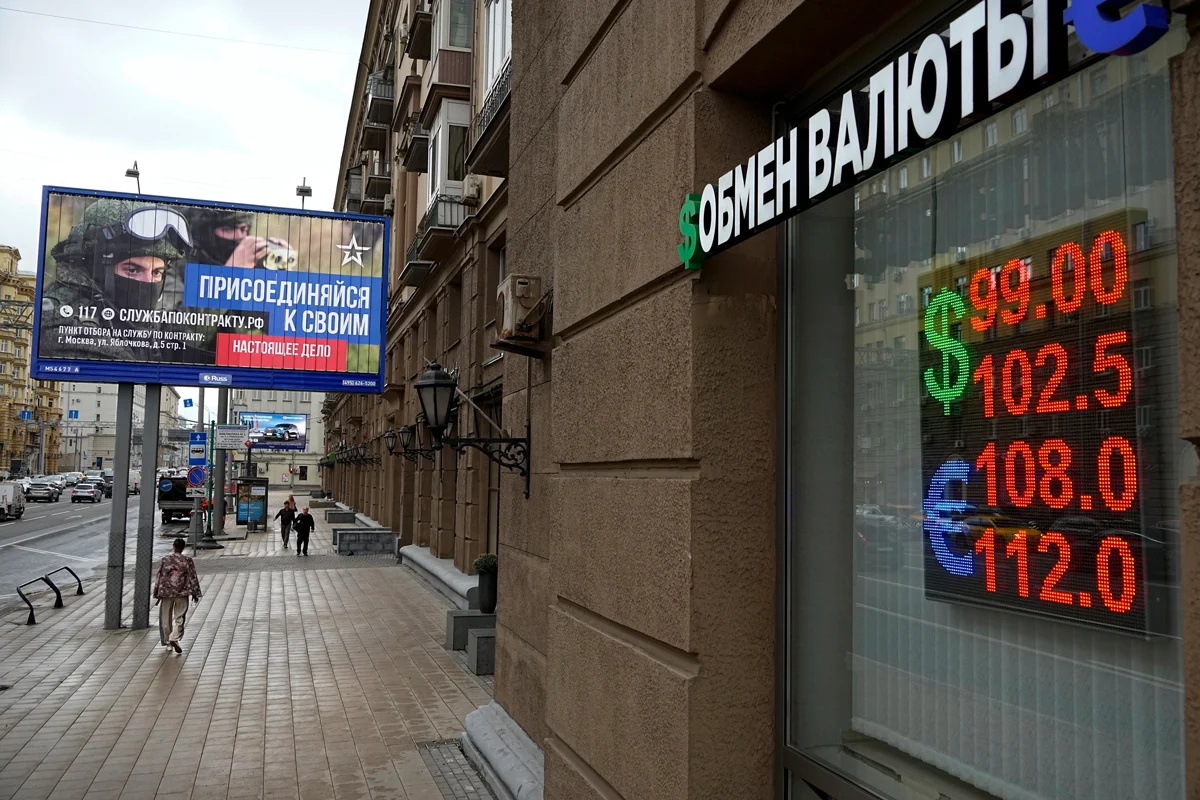
Thus, the market rate plays more and less in economic activity. And this, in turn, along with an overheated labor market, limits the capabilities of the Central Bank to fight rising prices caused by trade sanctions or increasing oil prices. Even if inflation is still not very high, it is quite stable.
Anatomy of stability
Nevertheless, those who hoped that the collapse of the Russian economy would put an end to Putin’s criminal war, underestimated the ability of the economy to adapt to adverse circumstances. Russian industrial production increased significantly due to an increase in military expenses: the volume of production in the industries related to the war increased by about 60% in the first half of 2024 compared to the second half of 2022.
The most important element of this form of state support is that the population is ready to come to terms with the reduction in health, education and civil infrastructure. For the poor in the population, the reduction of state expenses was somewhat compensated by the payments to military personnel and their families. According to some estimates, from July 2023 to June 2024, these payments amounted to more than 1.5% of Russia's GDP (7.5–8.2% of total expenses). The main part of them was on posthumous payments to the families of military personnel.
The readiness of ordinary Russians is also very important to sacrifice their material well -being because the sanctions and departure of many Western companies greatly limited Russians access to imported goods.
Some products, for example, cars of the largest western stamps, such as Mercedes and Ford, have become unavailable. Others, for example, iPhones, began to be sold with a significant margin.
Many products that were previously exported from the West are now replaced by lower quality products from other countries, primarily from China, or due to import substitution, as a result of which consumers pay more for less high -quality products of domestic production. In other words, the Russians make a material contribution to the war with their readiness to pay more for less.
It is important to note that this fall in the standard of living is not reflected in the indicators of GDP: unlike import substitution, import is not included in the gross domestic product. In cases where the economy is sharply separated from the international market, GDP cannot fully reflect the real situation in the country.
Retribution of debts
Trade and financial sanctions, which were introduced after a full -scale invasion in February 2022, as well as secondary sanctions against China, India and Turkey, certainly influenced the Kremlin’s ability to wage war. Such measures increase prices for the necessary components or play the role of an “additional tax” for financial transactions, thereby reducing state revenues.
But no sanctions will be able to completely stop the flow of goods and money to Russia. According to the laws of the market, when the transaction becomes more expensive, the rate of profit from each transaction increases. This, in turn, encourages new intermediaries to come up with new ways of bypass and loophois. Management of such operations has become a profitable business for Putin's close associates - almost as profitable as military production. However, the search for loopholes requires large costs that fall on the shoulders of ordinary Russians. In the end, it all depends on their readiness to bear this economic burden, and it seems that she still has not reached its limit.
The Russian state finances the war, borrowing from the future. This does not happen directly:
The government cannot take loans in international credit markets, and it is difficult to occupy money inside the side even at high interest. Instead, the Kremlin sharply reduces the costs of education and healthcare.
And the most important thing: borrowing from the future occurs through a gradual, but widespread dismantling of market institutions, for the construction of which the Russian people paid such a high price during the reforms of the 90s. Market institutions became the basis for the growth of the Russian economy in the early 2000s, and after 2014 it was they who maintained the stability of the economy in Western sanctions.
To conduct a full -scale war in Ukraine, the Putin regime needs to establish much more control over the economy than these institutions allow. But the Kremlin has to act carefully so as not to harm economic activity. That is why the state does not introduce official control over prices, although it makes the company not increase prices too quickly and sharply. In response to an increase in energy prices, the government introduced restrictions on export of gasoline and other oil products, and this, in turn, led to the need to control prices in other markets.
The scenario that Russia is currently ongoing resembles another dictatorship rich in oil, which has chosen this way twenty years ago. During the reign of Hugo Chavez and his successor, Nicholas Maduro Venezuela, introduced control over prices, which eventually led to an economic disaster. The current state of the Venezuelan economy is probably one of the reasons why the economists in the Russian government quietly resist Putin’s desire to strengthen control over the economy.
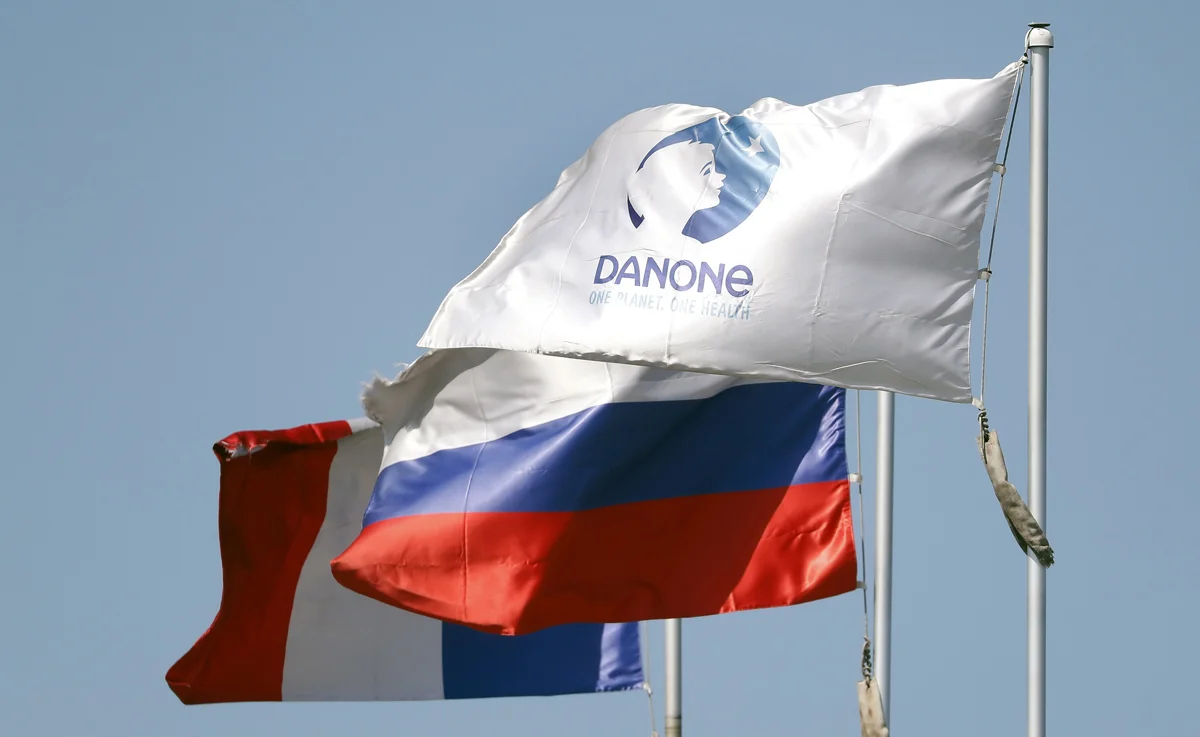
In July 2023, Putin ordered the nationalization of the assets of two large Western brands: the manufacturer of the Danone yogurt and the Karlsberg brewer. Another brewery Heineken sold its assets to the Russian company for one euro. The government in each case acted carefully how it did it and with price control. Initially, the law allowing the nationalization of enterprises was adopted in order to stop the closure of Western enterprises after the start of the invasion. If the Western company wanted to leave the Russian market, it could sell its assets, but with exorbitant additional tax and with huge losses compared to pre -war market prices.
Before the law on nationalization, nothing prevented Western companies from simply closing their business, and not sell it.
However, even after the adoption of the law, the nationalization of Danone and Carlsberg was a surprise, given that not one of the companies stopped its activities in Russia: on the contrary, they were negotiating the sale of business.
Probably, the indicative nationalization has become a signal for other companies that planned to leave the market: since the potential price of the sale is reduced even more, they have additional incentives to stay.
The government’s ability to nationalize enterprises at its discretion solves the key problem of wartime, blocking the release of the largest companies from the Russian market. But this is due to the destruction of the key economic institution. According to economists, Daron Asemoglu and James Robinson, it is the destruction of such institutions that is ultimately the key to understanding the causes of the economic collapse of states. Large -scale investments in military production and the simultaneous destruction of market institutions can improve the Kremlin’s position in the short term, but they lay a slow -off bomb under the foundation of the country's long -term economic development.
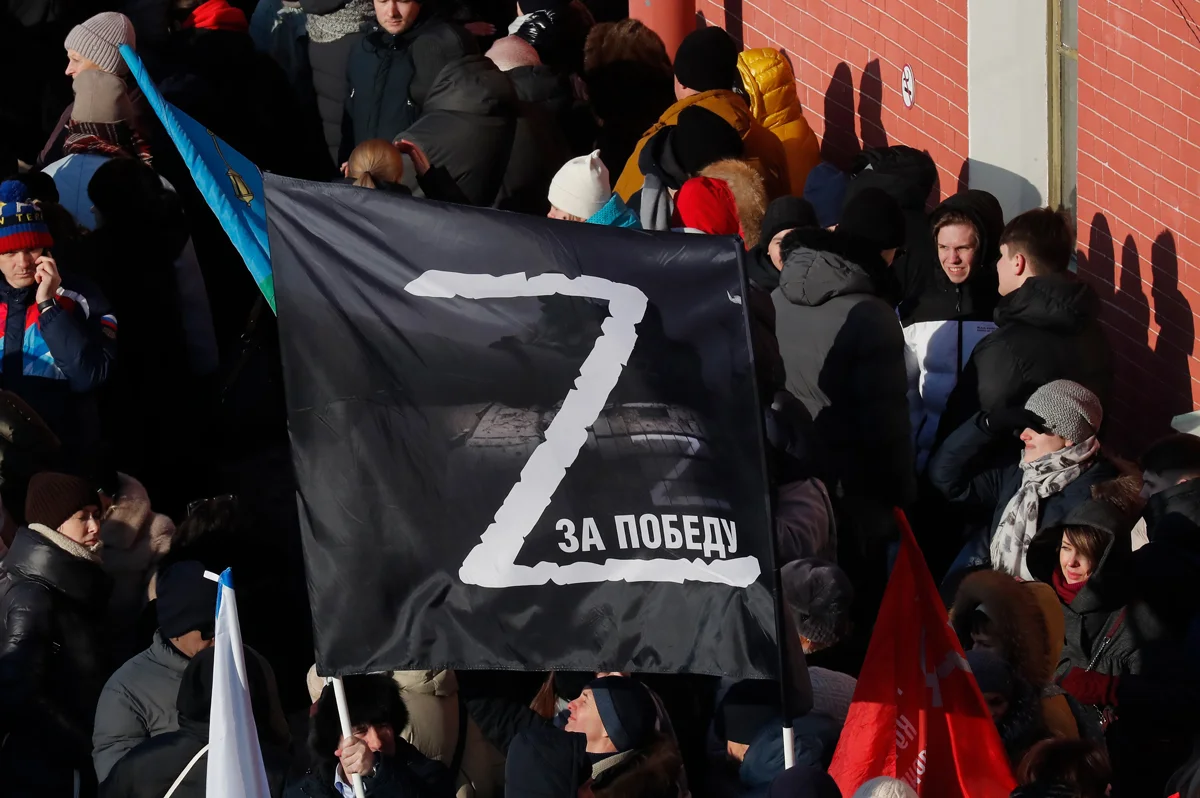
No modern state has reached sustainable economic growth without open international trade. When the war in Ukraine will end and Russia will return to the international market - not only raw materials - the negative consequences of business nationalization will become obvious. The Putin war not only worsens the standard of living of Russians today - it leads future generations to disaster.
The original of this article was published in English on the Project Syndicate website.