
Translated material
Whose is the ton of money?
The secret of the FSB lieutenant colonel's billions remained non-public, although he was ready to talk. The cases were archived, the defendants are at large
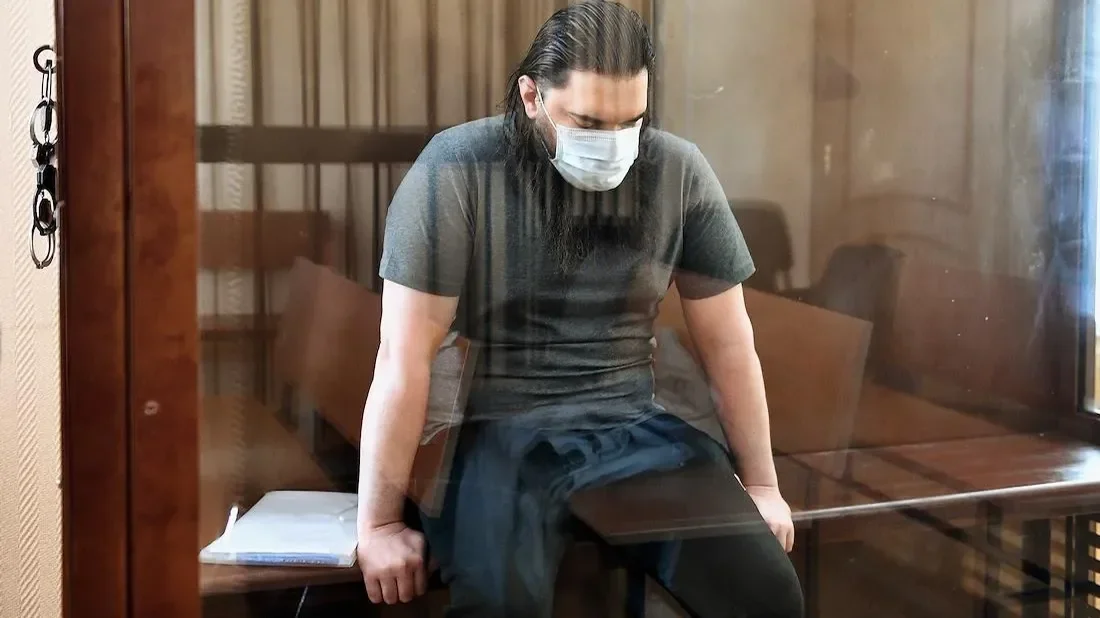
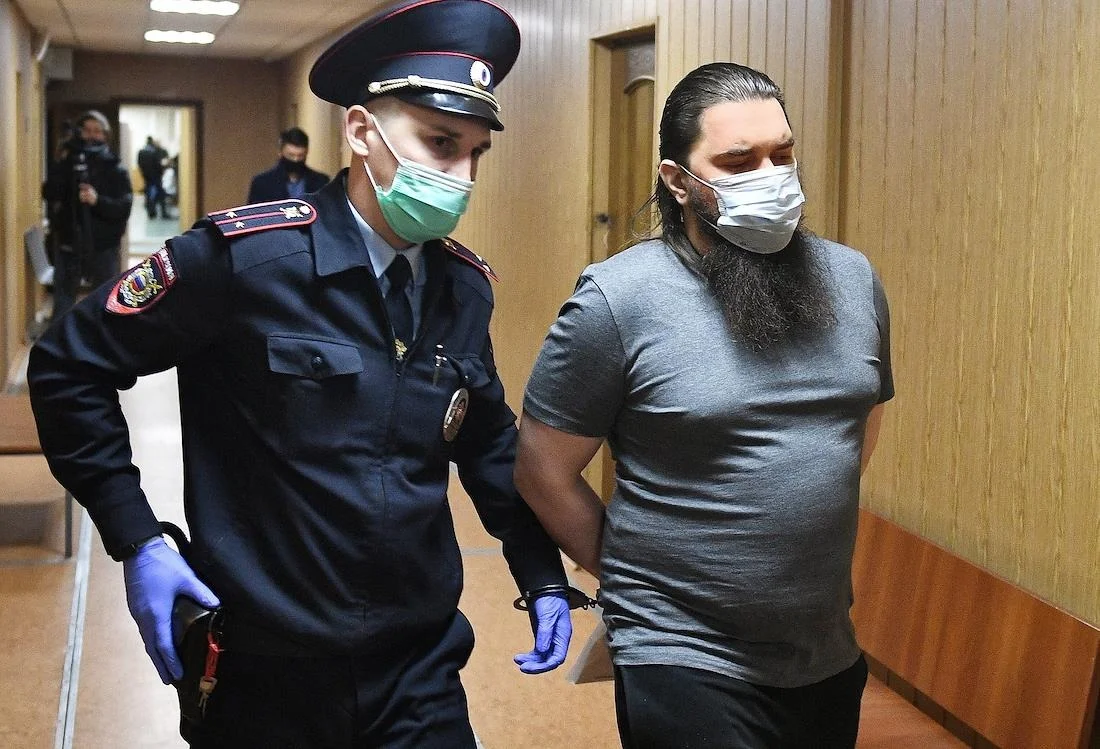
Kirill Cherkalin in court. Photo: Ivan Vodopyanov / Kommersant
Framed case of FSB Colonel Frolov, who was released
And what does this have to do with the billions of Lieutenant Colonel Cherkalin, who was released long ago “The Three Musketeers” from the FSB Academy A confession and a plea deal, which was quickly decided to be canceled The bad teeth of FSB Major Vasiliev A collusion of banks and the Deposit Insurance Agency - now we can guess where Lieutenant Colonel Cherkalin got it from a ton of money
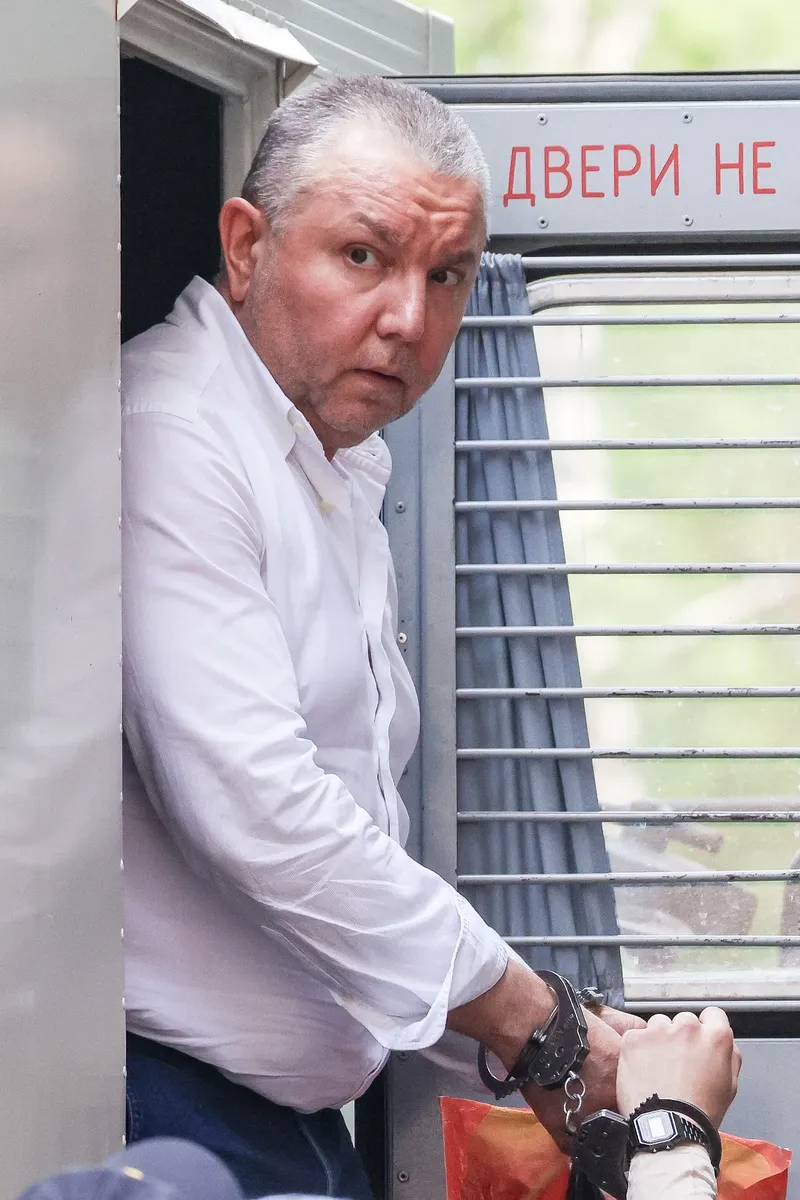
The 2nd Western District Military Court overturned the verdict of the Moscow Garrison Military Court, passed on June 4 this year, and stopped the criminal prosecution of retired FSB colonel Dmitry Frolov, who served as deputy head of the FSB “K” department, but retired in July 2013.
The court of first instance did not recognize the bribe-taker in the retired security officer, as the prosecution insisted, but recognized him as a fraudster. According to the prosecution, from October 2007 to July 2013, Frolov, at the request of the shareholders of Kreditimpexbank, protected this financial structure, for which they transferred him €100-150 thousand monthly for general patronage. And in total, according to the calculations of the Investigative Committee, he received, in accordance with the Central Bank exchange rate, 87 million 146 thousand rubles.
Posthumous mediation
The key evidence for the prosecution was a document signed by Kreditimpexbank shareholder Georgy Shkurko, which he signed when his home was raided with a harsh search and then taken away for questioning by the Investigative Committee. And they released him only at night, after they convinced him to affix his autograph to a document that the prosecution calls a statement. It was recorded that Frolov was paid monthly 0.1% of the bank’s turnover for “dubious transactions.” At the same time, the banker himself was charged with giving bribes.
A few days later, Shkurko renounced his signature, saying that he did it under pressure, without lawyers. And it turned out to be a paradox.
There were two defendants in the dock. One was accused of giving bribes, the second - of receiving. One insisted that he did not give, the second insisted that he did not take. And there was not a single direct evidence.
And the assertion that retired FSB Major General Igor Shakhov acted as an intermediary in the transfer of bribes looked completely implausible. Who retired in 2009 and at the same time headed the Council of Veterans of the Military Counterintelligence Department, and in 2010 took the position of Deputy Chairman of the Council of Veterans of the FSB. He had access to the offices of many FSB leaders and was friends with Colonel General Alexander Bezverkhny, who headed the Military Counterintelligence Department from 2000 to 2015.
According to investigators, two years before his dismissal from service, FSB General Igor Shakhov allegedly turned to Dmitry Frolov, then a lieutenant colonel, with a request for patronage of Kreditimpexbank.
In the original version, Shakhov served as an intermediary in the transfer of bribes until July 16, 2013, the date of Frolov’s dismissal from the FSB. Despite the fact that the veteran of military counterintelligence died on January 18, 2012 and was buried with military honors at the Troekurovsky cemetery in Moscow. It turned out that even after his death, the general continued to give bribes to Frolov for another year and a half. Already during the trial, the charges had to be adjusted. A version was born that since January 2012, bribes were transferred directly, without intermediaries. Although there is no evidence of monthly meetings between Shkurko and Frolov in 2012–2013. neither the investigation nor the prosecution provided any information.
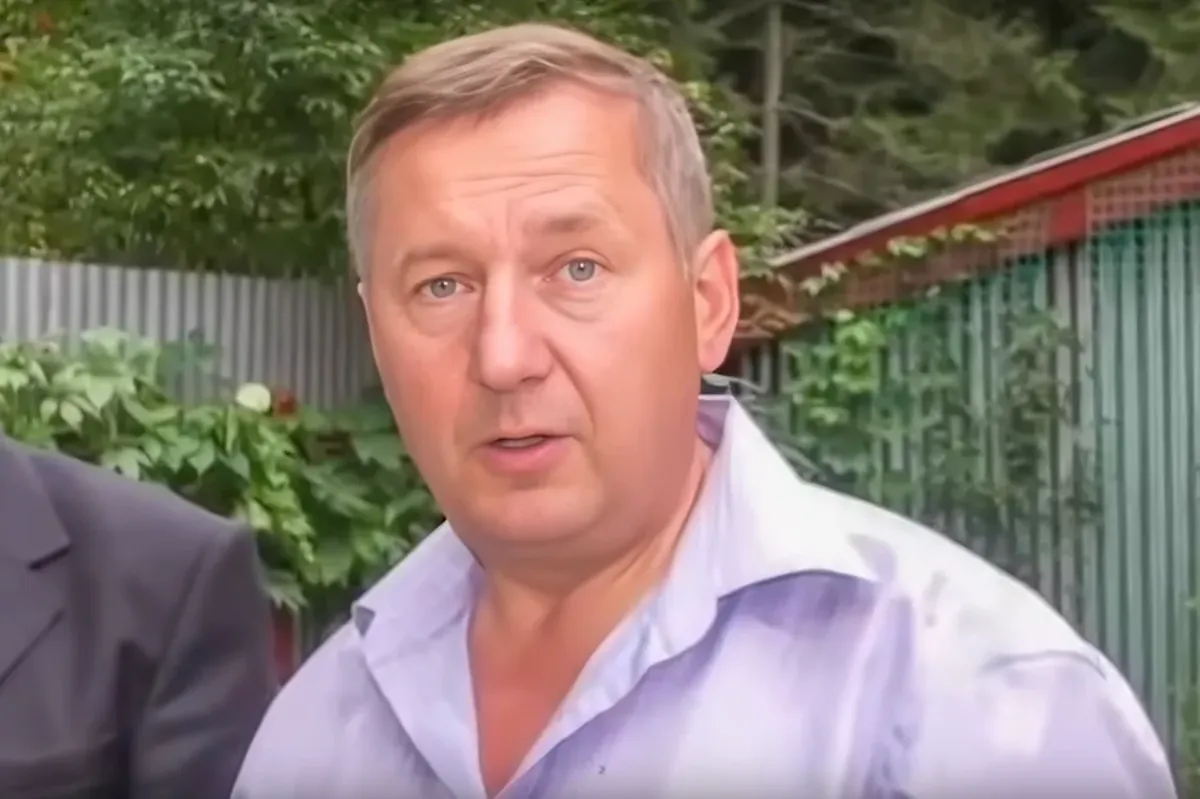
As a result, the court of first instance found that Frolov did not have the authority to influence the relationship of Kreditimpexbank with regulatory authorities. And he reclassified the retired colonel’s crime from accepting bribes to fraud, for which he was sentenced to six years in prison, deprivation of his military rank and state awards. But he was released from execution of the sentence due to the expiration of the statute of limitations.
On the same day, June 4, 2024, after 5 years, 1 month and 8 days spent in a prison cell in the Lefortovo pre-trial detention center, Frolov was released. Georgy Shkurko was also released in the courtroom. His crime was reclassified as attempted bribery, for which he received 4 years and 8 months in prison. But by the time the verdict was announced, he had already served 4 years and 9 months in pre-trial detention.
The Prosecutor General's Office protested the verdict, demanding that the decision of the Moscow Garrison Military Court be overturned and the retired ex-banker sentenced to 11 years in prison, and the security officer to 14 years in a maximum security colony, deprived of military rank and awards, and awarded 174.2 million rubles. fine And both defendants will be returned to prison cells.
But the arguments of the Prosecutor General's Office did not convince the judicial panel of the 2nd Western District Military Court. Both Shkurko and Frolov remained free. The former deputy head of department “K” of the FSB retained the military rank of retired colonel, state awards, and pension. But without the right to rehabilitation. Because the criminal prosecution was terminated due to the expiration of the statute of limitations.
Dmitry Frolov never admitted guilt in committing the crime. But he is not going to appeal the decision of the appellate court. After the announcement of this decision, when we went outside, he told me that to continue the litigation it is necessary to put in a lot of effort, energy, time, and of all this, after five years spent in Lefortovo, he no longer has much:
“We just have time to live,” said the 54-year-old retired FSB colonel.
Where are the billions?
Thus, we can consider that the 2nd Western District Military Court has taken another step towards the fact that the secret of the “Cherkala billions” will be finally buried. Several cubic meters of rubles, dollars, euros, pounds - a total of about twelve billion in ruble equivalent, with a total weight of 911 kilograms.
These deposits of money were discovered and seized during searches in apartments associated with Kirill Cherkalin, who was arrested on April 23, 2019 in a completely different criminal case. At the time of his arrest, he was a lieutenant colonel of the FSB, the head of the 2nd department of the “K” department, which is involved in suppressing crimes in the banking sector.
Three days after Cherkalin’s arrest, on April 26, 2019, Dmitry Frolov was also arrested. And along with him, another security officer - retired major Andrei Vasiliev, who was fired and excluded from the lists of FSB employees on March 19, 2014.
Two months later, in June 2019, the criminal cases of all three officers were combined into one proceeding, bringing a new charge: that back in 2011, the three of them misled businessman Sergei Glyadelkin and his cousin, at that time a major official of the Moscow City Hall (head Mosnadzor) Igor Tkach, and provided some information that convinced the relatives to give up the company for next to nothing, 49% of which they allegedly controlled. At the same time, the company was overburdened; several billion rubles of debt significantly exceeded the value of the company's assets. In addition, they were not the owners of this company, because Tkach, as an official of the mayor’s office, did not have the right to do business (the company had an investment contract with the mayor’s office, which he supervised since 2010), and Glyadelkin, at the time of concluding the investment contract, was working in a company associated with Elena Baturina, wife of Yuri Luzhkov, the then mayor of the capital.
We have the opportunity to trace how Cherkalin became an accomplice of Frolov and Vasiliev.
On July 22, 2019, the investigator for especially important cases of the 1st Investigation Department of the Main Directorate for the Investigation of Particularly Important Cases, Major Albert Ovchinnikov, signed a resolution in which he chronicled the development of events in great detail. The document was approved by the head of the Main Directorate for Investigation of Particularly Important Cases of the Investigative Committee, Major General Rostislav Rassokhov.
Judging by this document (available to Novaya), initially Frolov and Vasiliev became defendants in a completely different criminal case - No. 11801450001000645. The plot of which is very similar to a dispute between business entities. Two commercial structures that owned a company that participated in co-financing the construction of a house on Novy Arbat by the Moscow government were unable to fairly divide the profits. Let's go to court. But the decisions of the arbitration courts did not satisfy one of the parties. A couple of years later, calls to the police followed. For several years, since 2015, based on these applications, decisions were made to refuse to initiate criminal proceedings. But on July 17, 2018, the investigative department of the Internal Affairs Directorate for the Central District of Moscow opened a case.
After seven months of a fairly active investigation, that is, on February 22, 2019, the prosecutor of the Central Administrative District seized this case from the police and transferred it to the department of the Investigative Committee for the Central Administrative District. A week later, on February 28, 2019, the deputy chairman of the Investigative Committee of Russia took the case from the Central Administrative District investigators and transferred it to the central office to the investigator for especially important cases under the chairman of the Investigative Committee, Colonel Andrei Gavrilov. But already on March 19, 2019, Gavrilov transferred the case to Major Albert Ovchinnikov, who was transferred to Moscow from Perm just a few months ago.
On April 24, 2019, Major Ovchinnikov opened a criminal case “in relation to the illegal alienation of S.I. Glyadelkin’s share.” in the authorized capital of that same ill-fated debt-ridden company that appears in the case of Frolov, Cherkalin and Vasiliev. This case received No. 11902007706000061. It was immediately merged into one proceeding with the case initiated in the Central Administrative District in July 2018.
It was in this case that retired FSB officers Frolov and Vasiliev were detained on April 26, 2019. There was no trace of Cherkalin in this criminal case.
Cherkalin’s case developed along a different trajectory. He was detained in criminal case No. 1190200770600089, which was being processed by Colonel Yuri Samsonov, who served in the Main Military Investigation Department of the Investigative Committee. In the criminal case there was only one episode under Part 6 of Art. 290 of the Criminal Code - receiving a bribe on an especially large scale.
But there was also a huge amount of money, the origin of which had to be established by the investigation. Apparently it wasn't very difficult to install. And not only because most of the money was in bank packages (either Russian banks or American ones), which can be used to find out the route of the bills from the moment they were delivered to Russia until they ended up in apartments associated with the FSB officer. Just
Cherkalin turned out to be a pedantic person: in every bag, box or suitcase with bundles of money there were handwritten notes - the amount and date when the next “tranche” ended up in the “money vault”.
Many bank packages also had dates on them.
But businessman Sergei Glyadelkin and his team came up with a very convenient and timely idea for the investigation for a new episode. And they even showed up at the Golovinsky Court of Moscow, which, at the request of the Prosecutor General’s Office, was deciding the fate of the “Cherkala billions.” Glyadelkin’s lawyers demanded that all this money be transferred to the businessman. But the court, although dumbfounded by the plaintiff’s impudence, decided to seize the money as “state income.”
Later, the nature of the unprecedented determination of Sergei Glyadelkin became clear, who demanded that the money discovered and seized during searches in apartments associated with Cherkalin be transferred to him.
In 2010, Glyadelkin became an applicant and key witness in a criminal case against Moscow Deputy Mayor Alexander Ryabin. It was Glyadelkin who accused his friend of extorting a bribe. During the investigation and trial in this case, Glyadelkin was taken under state protection, which was carried out by the FSB Internal Security Directorate, and specifically by the direct subordinates of FSB General Oleg Feoktistov. It was then that Glyadelkin, as he told many who were willing to listen to him, became friends with the latter. And not only did he become friends. But he also became a business partner of the general’s family, whose son-in-law (Denis Morin) in 2016 became the owner of 10% of all Glyadelkin’s assets, valued at almost a billion dollars.
“At an appointment with the deputy head physician”
I suspect that in the 5.5 years that have passed since the arrest of Kirill Cherkalin, many have already forgotten how operatives of the FSB Internal Security Directorate found him. Let me remind you.
The first pebble that caused a real avalanche, as a result of which video recordings of the “Cherkalin billions” fell into the public space, was the arrest of Colonel Mikhail Gorbatov, who served in the same 2nd “banking” department of the “K” department of the FSB under the leadership of Lieutenant Colonel Kirill Cherkalin and in at the end of 2017, seconded to Old Square - to head the control and inspection department of the Office of the President of the Russian Federation to ensure the constitutional rights of citizens.
Gorbatov was arrested on the evening of May 28, 2018 at his home. And a few hours before, while handing over fake money, two accomplices of an FSB colonel were caught red-handed. All three were charged with fraud amounting to 16 million rubles. It was for this amount that they scammed the manager and owner of one of the large Moscow pawn shops, convincing the poor fellow that - minus small commissions - all the money would be transferred to officers of the central office of the FSB.
Once in Lefortovo, Gorbatov repented, admitted guilt in fraud and gave very detailed testimony about how he twice received large sums of money from the pawnshop for solving the businessman’s problems. But he didn’t decide anything. And I didn’t give the money to anyone.
Gorbatov immediately realized that he was in deep trouble. And since he ended up in a prison cell, it means he will get it to the fullest. The only way to somehow soften your fate is to confess and sign a pre-trial agreement.
But with confessions and the conclusion of pre-trial agreements on cooperation with the Main Military Prosecutor's Office (GVP), the security officer was ahead of his accomplices. And a pre-trial agreement is impossible without providing information about new criminal episodes unknown to the investigation.
And then Gorbatov remembered how he organized the regular transfer of bribes to Kirill Cherkalin from the co-owner of Transportny Bank, Alexander Mazanov.
The investigation was quite satisfied with this episode. And a pre-trial cooperation agreement was concluded with Gorbatov, thanks to which in July 2019 the garrison military court sentenced the FSB colonel seconded to the Russian presidential administration to four and a half years in prison for fraud. But he was never transported to the colony; he was left in Lefortovo as a valuable witness in the Cherkalin case. And on August 25, 2020, Mikhail Gorbatov, having served a little more than half of his sentence, was released on parole.
I repeat, Gorbatov was detained on May 28, 2018. And information about the bribes that Cherkalin received from the management of Transportny Bank is recorded in the protocol of interrogation of the suspect, dated September 24 of the same 2018.
The FSB officer remained silent all summer, and with the onset of autumn, it seems, he realized that something needed to be done to reduce the length of his stay in prison. So I remembered the “special operation” jointly with Cherkalin.
During repeated interrogation on February 14, 2019, Gorbatov confirmed his testimony, remembering new details. And two weeks before that, on January 31, 2019, in the presence of witnesses, Mikhail Gorbatov’s mobile phone was examined, in which they found messages received and sent on WhatsApp four years earlier, on April 21, 2015.
In the spring of 2015, Cherkalin wrote to Gorbatov about the storm clouds gathering around the Transportny bank:
FROM CORRESPONDENCE:
“Hello, your friends have been diagnosed with a serious illness, almost incurable. Let them urgently make an appointment with the deputy head physician before 17:00.”Gorbatov replied: “Hello.”
Cherkalin added: “It’s better to see the first deputy head physician.”
“Around the Central Federal District?” - Gorbatov clarified.
Cherkalin replied: “In the center.”
And he added the surname of the manager, who at that time held the position of deputy chairman of the Central Bank ( the surname is known to the editors - I.M. ).
Gorbatov clarified: “Talk about what? Or will he ask himself?
Cherkalin replied: “Through the reception for a meeting, he will tell you.”
Later, in the indictment brought against Cherkalin, the following line will appear: “Thus, the analysis of the correspondence confirms the conclusions of the investigation that the accused Cherkalin K.V. directly advised Gorbatov M.V. about the actions that needed to be taken for the further normal operation of CB Transportny LLC, thereby providing patronage to the bank and the beneficial owner of the credit institution - A.V. Mazanov.”
This criminal episode alone was quite enough for Cherkalin’s arrest.
"The Three Musketeers"
When General Alexei Komkov (at that time the head of the FSB’s own security department) was informed about Gorbatov’s testimony against Cherkalin, he wrote a report on the corrupt tendencies of the officer of the “K” department and went with a report to the director of the FSB, Alexander Bortnikov.
General Komkov decided to play it safe, because he was aware that Cherkalin was in favor with army generals Sergei Smirnov (at that time first deputy director of the FSB) and Nikolai Patrushev (secretary of the Russian Security Council, and until May 12, 2008 - director of the FSB).
In Lubyanka, many people know that Patrushev and Smirnov were friends since school years. They studied in the same class in the Leningrad Special School No. 211 with an in -depth study of the French language. After school, friends-classmates graduated from civilian universities. Smirnov - the Leningrad Electrotechnical Institute of Communications, Patrushev - the Leningrad shipbuilding institute. But in 1974 they entered the service in the KGB together, together weaned at the highest courses of the committee in Minsk, in 1975 returned to their hometown together, receiving the distribution to the Leningrad Administration of the KGB.
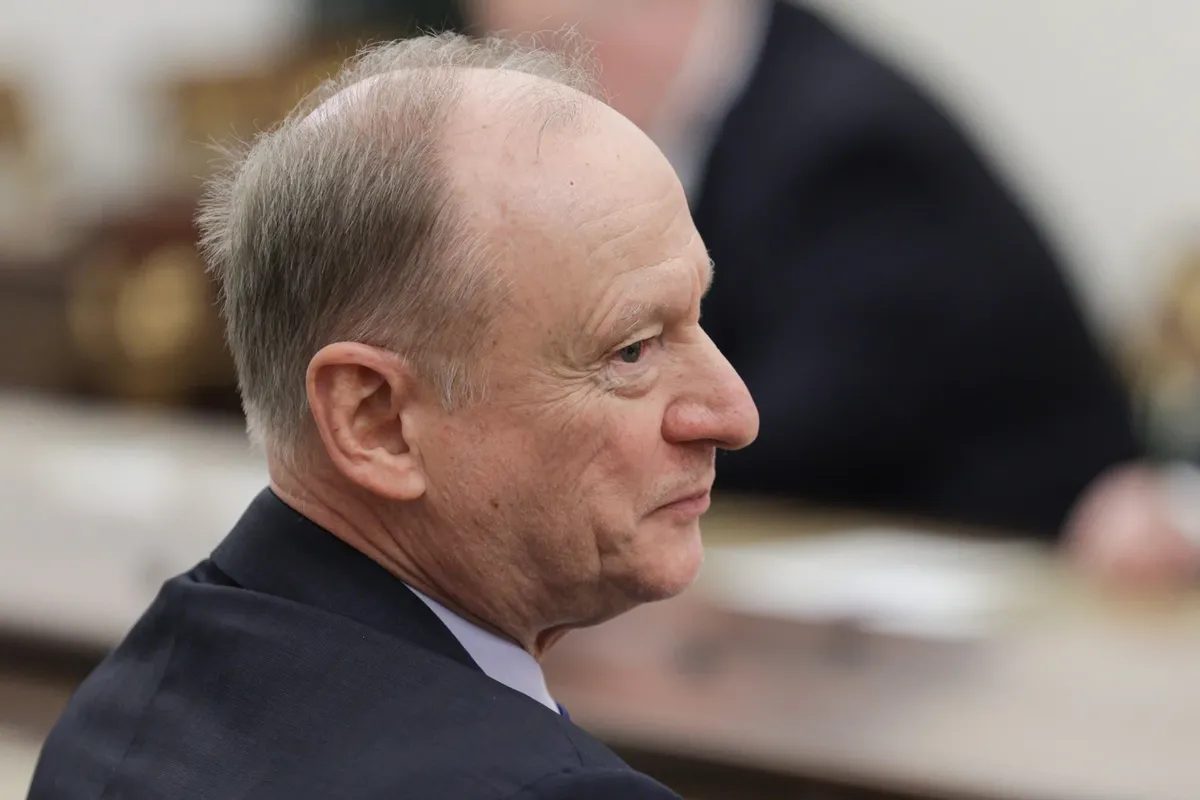
By 1998, Nikolai Patrushev rose to the post of head of the Office of the FSB of Russia. And Smirnov at that time led the Kingisepp city department of the FSB. And he was already going to retire.
On July 25, 1998, the director of the FSB was appointed Vladimir Putin. Patrushev became his deputy, at the same time heading one of the key services of the FSB - the Economic Security Service (SEB). At this time, Smirnov made a rapid career rise, moving from Kingisepp to the central apparatus of the FSB and heading the department of his own security of the department.
When Putin headed the Russian government, Patrushev took the office of the director of the FSB. Soon he changed his place of service and Smirnov. In July 2000, after Vladimir Putin’s entry into the post of President of Russia, Sergey Smirnov received a new appointment - Deputy Director of the Federal Security Service (FSO).
In January 2001, General Smirnov returned to his hometown by the head of the department of the FSB of Russia in St. Petersburg and the Leningrad Region. Having served in this position for 2.5 years, in June 2003 Smirnov again moved to Moscow, taking the position of First Deputy Director of the FSB.
And precisely then, in the summer of 2003, two young lieutenants, two graduates of the FSB Academy - Kirill Cherkalin and Andrey Patrushev (the youngest son of the then director of the FSB) were distributed to serve in the central apparatus of the FSB.
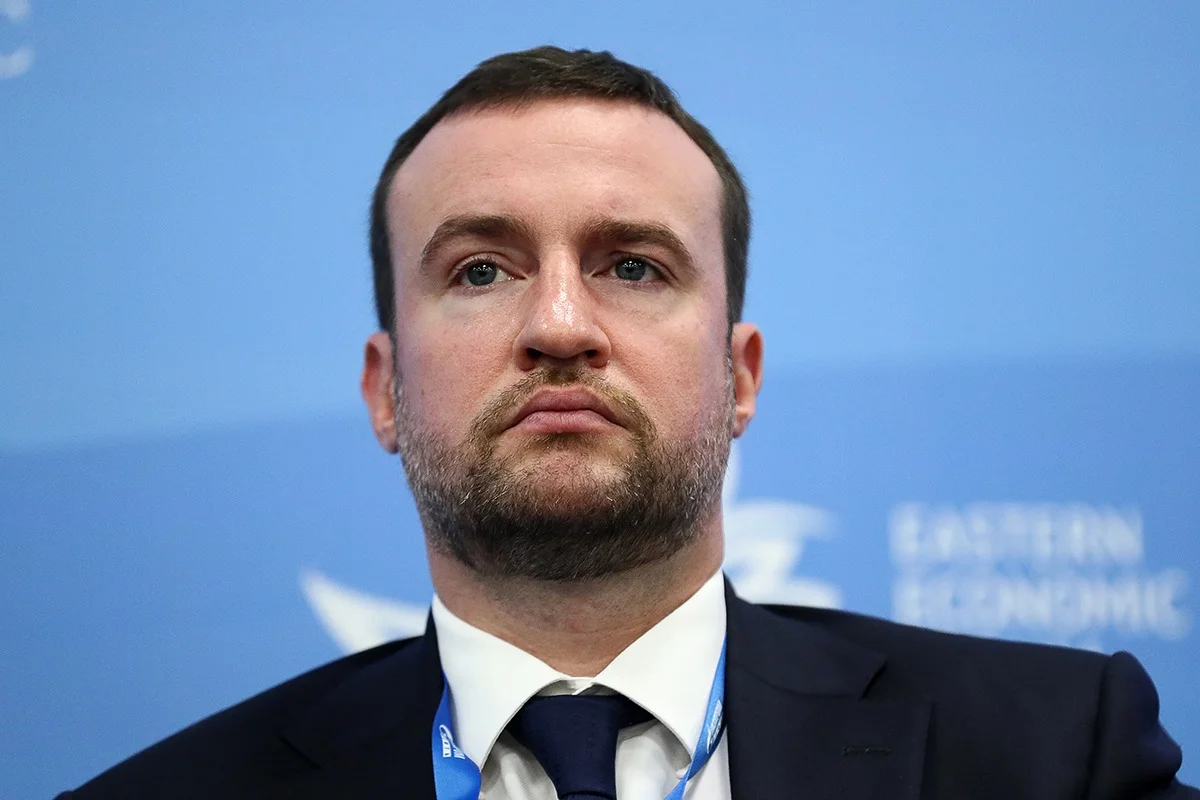
At the FSB Academy, Kirill and Andrei studied at the same cadet platoon, became friends, even rarely parted in dismissal, and sometimes they went to each other's parents. But it was not a tandem, it was a trinity, which was called "three musketeers" for the eyes. The third in the company of friends was Pavel Fradkov, the son of Mikhail Fradkov, who headed the Russian government in 2004-2007, and from 2007 to 2016, who led the Russian Foreign Intelligence Service.
Lieutenant Pavel Fradkov immediately after graduation decided to abandon his career in the FSB and entered the faculty of the world economy of the Russian Diplomatic Academy of the Russian Foreign Ministry. On January 18, 2021, he took the position of First Deputy Manager of the President of Russia. And on June 17, 2024, Cherkalin's cadet was appointed Deputy Minister of Defense of Russia (this position was released after the arrest of Timur Ivanov).
Andrei Patrushev in the FSB also did not delay, having served in the "P" (industry) management for a little over three years and rose to the deputy head of the 9th department, who oversees the oil industry. Patrushev Jr. in this oil industry left.
In September 2006, Andrei became an adviser to the chairman of the board of directors of Rosneft OJSC Igor Sechin on information protection issues. In 2011, he moved from Rosneft to Zarubezhneft. In 2016, he took the place of a member of the board and deputy general director of Gazprom Neft.
Cadet friends Kirill Cherkalin, Andrei Patrushev and Pavel Fradkov until the arrest of the FSB lieutenant colonel continued to be friends.
Nikolai Patrushev liked the son of his son's friends. He began to look to Cyril when he was still studying at the FSB Academy. And he saw in him not only smartness, quickness and diligence, but also outstanding abilities. Even before Cherkalin was recorded in the graduation certification that he “has an analytical warehouse of the mind”, which is well versed in the economy, in the financial and banking spheres, and in the regulatory framework.
Therefore, the director of the FSB had no doubt which direction to send a promising officer when he arrived at the Central apparatus of the FSB with an order from the academy and reported:
- Lieutenant Cherkalin arrived for further service!
When, in May 2008, the Army General Nikolai Patrushev was transferred to the post of secretary of the Russian Security Council, the army general Sergei Smirnov did not have to remind, he remembered the request-cutting of a school friend since 2003-to pay attention to the competent and promising graduate of the FSB Academy of FSB as a lieutenant Kirill Cherkalin.
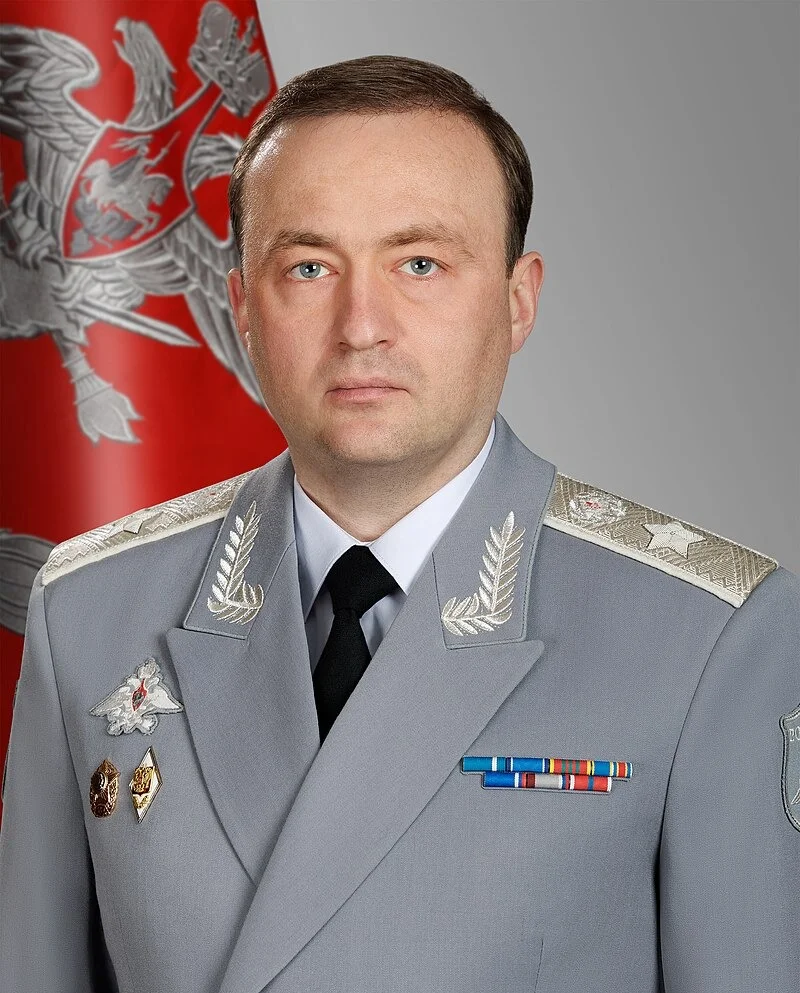
In May 2011, 30-year-old Cherkalin headed the second department of the FSB department, which is engaged in the fight against corruption in the country's banking sector.
On June 21, 2014, for impeccable service and exemplary performance of official duties, he was ahead of schedule of the title of Lt. Col. By June 2019, he was supposed to become a colonel.
Thanks to the personal business qualities and patronage of Generals Patrushev and Smirnov Cherkalin, they included in the interdepartmental commission to counteract the financing of terrorism created by the Decree of the President of Russia. Cherkalin turned out to be her youngest member. But he did not fade, did not let down, justified trust, quickly got used to it, became the entrance to the offices of other members of the commission - heads of the Central Bank, DIA, Rosfinmonitoring, federal ministries and departments.
When General Alexei Komkov reported to the FSB director about bribes regularly transferred to Lieutenant Colonel Kirill Cherkalin, he approved the USB initiative on the operational development of the head of the banking department. But he gave the command to inform about the operation of the head of the FSB department Ivan Tkachev (at that time Major General, since December 2019-Lieutenant General) and Sergey Korolev (at that time, in 2018, still Lieutenant General, The head of the FSB economic security service, from February 24, 2021 - First Deputy Director of the FSB, from June 2021 - Army General).
The fact is that Korolev and Tkachev, transferred to new posts from the FSB Office in 2016, have already attempted to escort Cherkalin from the central apparatus of the FSB, transferring to the apparatus of seconded employees (APS) and sending to one of the system -forming banks of Russia . But the patrons of Cherkalin stopped these attempts. The generals Korolev and Tkachev had to endure an extraordinary subordinate, who stubbornly did not want to follow the rules of subordination and resolved all the serious issues directly with the First Deputy Director of the FSB Sergey Smirnov.
Billions discovered after the detention of the head of the banking department of the FSB department shocked not only ordinary Russians. Even officers and generals were surprised,
who knew that from September 2018 and until his arrest on April 23, 2019, Cherkalin was in operational development. For almost seven months, all the telephone conversations of the lieutenant colonel were listened to, after him was observed around the clock. And in all this time, Cherkalin did not give a single reason to suspect an underground billionaire in him. Unless a millionaire. Official income did not cover his expenses in any way - the maintenance of a luxurious mansion in Barvikha, visiting expensive restaurants, buying branded clocks and jewelry as gifts to their girls.
Therefore, no one was surprised when, on the day of detention, only in the glove compartment of Cherkalin car Mercedes-Benz Geländewagen found and seized 900,000 rubles and 200 thousand dollars-small things for the “pocket expenses” of the officer.
Surprised later. During searches in the cottage and apartments associated with Cherkalin.
In the mansion in the village of Razdor in Barvikha, formed on Olga, the first (the mother of Daria of the first, Cherkalin’s civilian wife), there was also not a lot of money either. "Total" 27 million 065 550 rubles, 76,953 dollars and 44,765 euros.
But in the apartment on Michurinsky Prospekt Moscow, registered with Cherkalin's father, much more impressive amounts were stored - 50 million 490,400 dollars, 1 million 787,900 euros and 16 million 645,000 rubles.
In the capital's apartment in Bolshoi Sergievsky Lane, registered on Elizabeth Orlovskaya, another friend of Cherkalin, another 22 million 156,396 dollars, 6 million 522 550 euros, 793 million 826 360 rubles and 4700 pounds stood out.
What Cherkalin talked about
But back to the painstaking work of the military investigator Colonel Yuri Samonov. He got very close to the unraveling of the origin of the Cherkalinsky billions. First of all, because when handcuffs clicked on Cherkalin's wrists, the Chekist quickly went to active repentance, gave sincere confession.
The lieutenant colonel can be understood: he shone for fifteen to twenty years of strict regime. The only way to reduce the term is to cooperate with the investigation. And Cherkalin spoke, providing very valuable information that would be enough to initiate a series of high -profile criminal cases.
On June 4, 2019, Cherkalin addressed the investigator with a request for the conclusion of a pre -trial agreement. In it, the Chekist, in particular, was obliged to “admit the guilt of the charges of the final edition, since the circumstances are not indicated in the charges that I am ready to testify, and is also ready to confirm them by providing evidence, or information about the location such evidence. "
The FSB officer also informed the investigation of his readiness "to testify to where large -scale funds were discovered from the place of my residence, the place of residence of my parents."
In addition, it is possible, hoping to receive some help, in this statement he mentioned the name of the influential retired General of the FSB ( the name is known to the editorial office. - I.M .), who allegedly “rendered general patronage of a number of credit organizations during the service: KB“ Transport ” ", KB" Forbank ", design bureau" Promsvyazbank ", KB" Ugra ", KB" Fontservisbank "and others, by interacting with employees of the Bank of Russia. At the same time, for his actions ... received a monetary reward. "
But what is interesting, the document signed by Cherkalin on June 4, 2019 processively “disappeared” from the materials of the criminal case - it is not even mentioned in the indictment, although other procedural documents contain direct quotes from it.
It can be assumed that neither the heads of the FSB, nor the patrons of the Chekist, and even more involved in the revelations of the head of the banking department of the Office of the FSB, who could follow him in the neighboring chambers of the leore prison, were ready for the revelations of Cherkalin. And they began to act. Assertive and decisively.
All the materials of the criminal case were seized from Colonel Yuri Samsonov and transferred to the Main Directorate for the investigation of especially important cases of the TFR. This happened on June 26, 2019, and the next day, June 27, the case was in the production of a young investigator, Major - Albert Ovchinnikov. And on the same day, on June 27, 2019, Ovchinnikov combined the Cherkalin case and the Frolov-Vasiliev case into one production. And he brought Cherkalin a new accusation - in fraud. And the Chekist gladly agreed with the prospect of receiving a more vegetarian term for crimes, which, apparently, was not at all. But at the same time, get rid of the need to explain the origin of billions discovered and seized in related apartments.
But by that time, Cherkalin's statement about the readiness to conclude a pre -trial agreement was already in the General Prosecutor's Office. And on July 17, 2019, the document was signed by the then Deputy Prosecutor General of Russia Viktor Grin.
I had to urgently take measures to disavow this document.
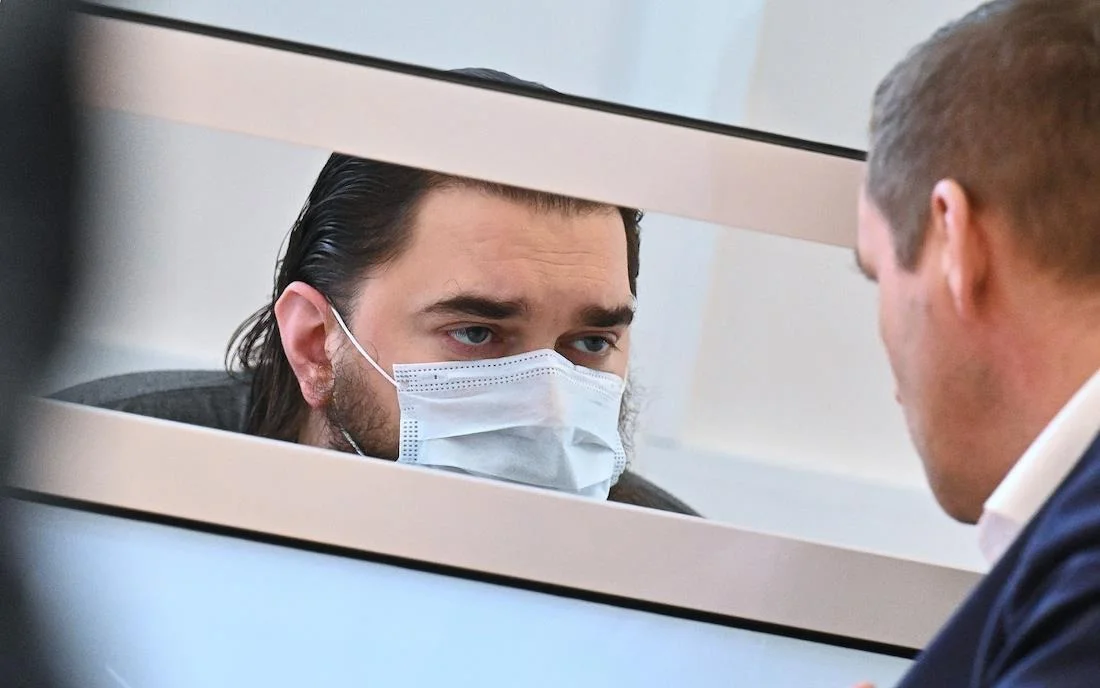
The very next day, July 18, Kirill Cherkalin wrote a statement in which he reported that he refused the pre -trial agreement signed the day before: “This decision was made by me after consultations with my lawyer ... and it is caused by the fact that I intend to apply with a new, more detailed application "
The new petition was signed on the same day, July 18, 2019. The surname of the retired general, allegedly providing commercial banks “General protection”, disappeared from him. “Lost” in the new document and the mention of Promsvyazbank.
The repeated application did not dust shortly at the safe of the investigator, and already on July 30, 2019, the same deputy general of the Russian prosecutor Viktor Grin signed a new agreement with Kirill Cherkalin.
This document is at my disposal. There is a repeated “pre -trial agreement on cooperation” and in the materials of the criminal case. Cherkalin’s obligation was preserved in it: “To provide the investigation with reliable information about the sources of receipt of funds and other property discovered at the place of his residence, as well as among his relatives and relatives.”
Thanks to this document, the Moscow Garrison Military Court considered Cherkalin in a special order, without researching evidence, and on April 22, 2021, the officer was sentenced to seven years in a strict regime colony, depriving the title of Lieutenant Colonel and the state award - the Order of Merit to the Fatherland of the II degree. And he satisfied the civil lawsuits of Sergei Gyadelkin and Igor Tkach to recover from the convicted person in favor of each of them 318,949,868 rubles 85 kopecks.
In the office of the Moscow Military Garrison Court, I managed to find out that in December 2022, a letter of the acting chief IK-9, located in Dzerzhinsk, Nizhny Novgorod Region, was received in the name of the chairman of the court. The Major of the internal service Skorikov informed the court that on December 9, 2022, Cherkalin was released from the colony and left to the IK-9 (isolated area functioning as a correctional center), since by the decision of the Dzerzhinsky Court of punishment in a strict regime colony was replaced with correctional work.
In the correctional center, Cherkalin spent a little more than a year, and on February 19, 2024 he was completely released. Not parole. The court replaced not two years of punishment with a fine of 500 thousand rubles.
And he saved Cherkalin from supervision and the need to celebrate monthly.
At the same time, the lawyers of Zadelkin with the weaver allegedly do not even know that Cherkalin is already at large. At 318 949 868 rubles 85 kopecks, Cherkalin did not pay each of the victims. Judging by the decision of the Dzerzhinsky City Court, which is at my disposal, the colony administration submitted a document to the court that Cherkalin does not have civil lawsuits at all - he owes nothing to anyone.
As two sources told me, being free, Cherkalin did not return to Moscow, but decided to settle in the Nizhny Novgorod region, settling in a small provincial town of Bor with a population of just more than 70 thousand people.
During the serving of a sentence in IK-9, the former Chekist graduated from the professional, he mastered the profession of a carpenter and seemed to decide to open a carpentry workshop in Bor.
How holes stumbled
What else did Colonel Yuri Samosonov cite from the Main Military Investigative Department of the Investigative Committee two months while Cherkalin was in his production?
In November 2019, there was either a leak or a stuffing that Cherkalin allegedly testified about where the deposits of billions came from in his apartments.
Here is what Kommersant wrote in November 2019: “... a senior officer testified to the former deputy head of the insurance agency (DIA) Valery Miroshnikov. Allegedly, he organized a scheme of unspoken banking patronage, and it was he who owned most of the 12 billion rubles. Cash that was seized from Cherkalin during searches. ”
It is possible that this is a random coincidence, but in July 2019, 2.5 months after the loud arrest of Cherkalin, it became known about the dismissal of Valery Miroshnikov, who held the position of first deputy head of the State Agency for Loster Insurance (DIA). Then the Russian press wrote that Miroshnikov left Russia almost on the day of Cherkalin's arrest.
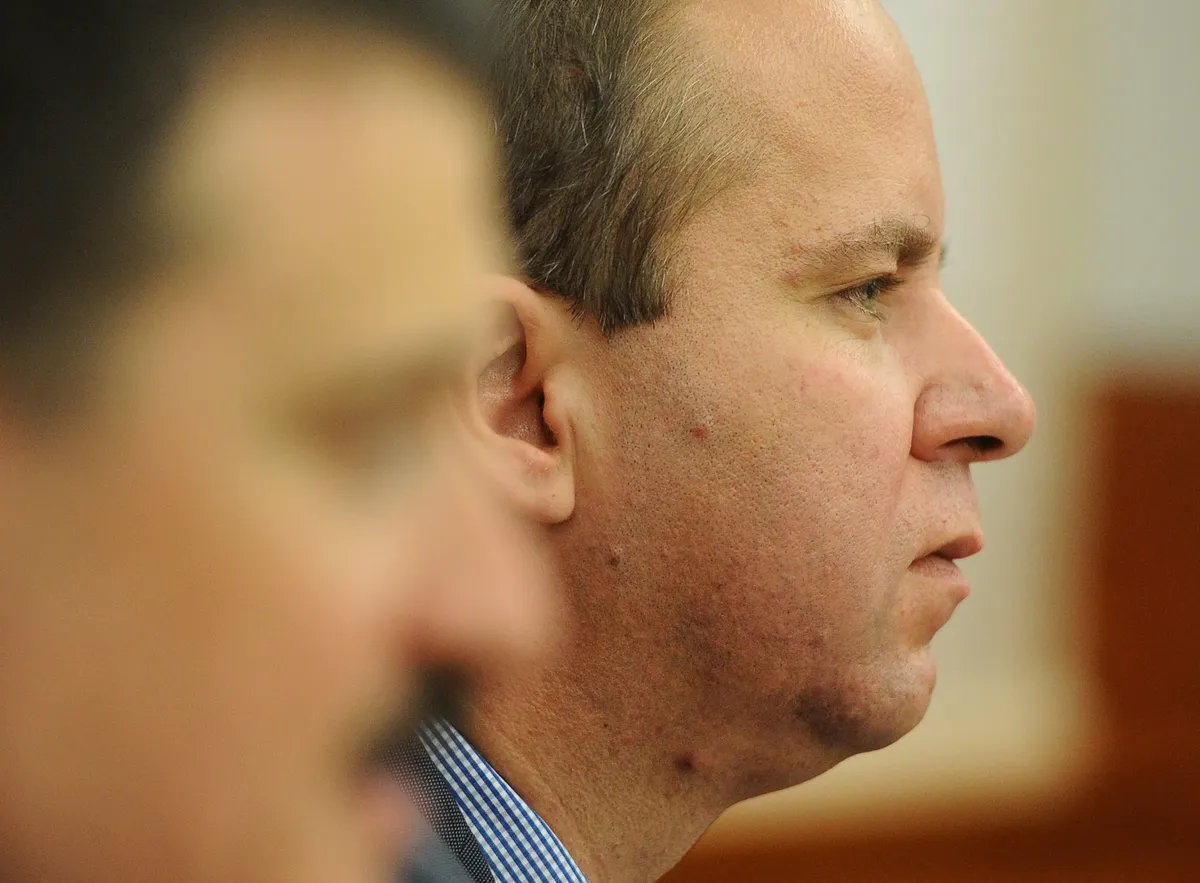
I must say that Miroshnikov is a signs for the entire banking system of Russia. It was called one of the key figures for the formation of a Russian deposit insurance system. Miroshnikov began working with problematic banks while still the top manager of the Central Bank. In 1999, he went to work at the Restructuring Agency for credit organizations, which in 2004 was transformed into the DIA. Miroshnikov became one of the key leaders of the new structure.
According to the information I received from two sources - in the Office of my own security of the FSB and the Investigative Committee of Russia - a few weeks after the arrest, Cherkalin allegedly testified and informed the investigation about the possible role of Valery Miroshnikov in the origin of these billions. Moreover, the mechanism of the appearance of cubic meters of cash in it also described in detail. The "technology" turned out to be primitive.
In the period from mid -2013 to 2017, 227 Russian banks formed a hole in capital in the amount of a total of two trillion rubles. A hole is a negative difference between assets and obligations. For example, the bank has obligations for 100 billion rubles, and all assets are only 90 billion, which means that a hole is 10 billion rubles.
Мирошников, Черкалин и еще несколько персон, фамилии которых арестованный подполковник ФСБ обещал раскрыть позже, после заключения «досудебного соглашения о сотрудничестве», получив информацию о дыре, предположительно налаживали контакты с собственниками финансовых учреждений и якобы предлагали банкирам за вознаграждение в сумме до 30% от величины дыры предоставить гандикап от нескольких месяцев до полугода на зачистку документации, перебрасывание денег на зарубежные счета, создание имиджа «жертвы режима» и бегство из России.
Мои собеседники утверждали, что
Черкалин якобы рассказал о том, что половина от суммы откатов, переданных банкирами, доставалась Мирошникову, 25% — другим участникам группировки, 25% получал сам Черкалин.
А закрывало дыры государство, выделяя средства в той иной форме через АСВ или через новые механизмы — фонд консолидации банковского сектора или странные конкурсы по санации банков, которые, возможно, надо было просто банкротить, или предоставление банкам государственных средств в депозиты под почти нулевой процент на длительные сроки до «зарастания дыры» за счет всех налогоплательщиков.
То есть под лозунгами стабильности хозяйственных связей и защиты вкладчиков и российского бизнеса фактически не было никакого контроля за целесообразностью всей этой кипучей деятельности. Одним из «контролеров» и был Кирилл Черкалин, как руководитель банковского отдела Управления «К».
Нетрудно посчитать, что если 12 миллиардов, обнаруженных у Черкалина, — это 25% «гонораров» криминального происхождения, то вся сумма, полученная покровителями жуликоватых банкиров, составляет не менее 50 миллиардов рублей. А это в свою очередь — треть от суммы, похищенной из российских банков.
Но следователю по особо важным делам полковнику Юрию Самосонову не дали довести расследование до конца. И изъяли у него материалы уголовного дела, передав их менее дотошному и опытному следователю.
А бывший топ-менеджер АСВ Валерий Мирошников по информации, просочившейся в паблик еще в 2023 году, обосновался в Австралии, и возвращаться в Россию не собирается.
Признание в обмен на стоматолога
Отставной майор ФСБ Андрей Васильев, второй фигурант уголовного дела о мошенничестве в отношении Гляделкина и Ткача, как и Черкалин, тоже не заплатил потерпевшим ни копейки.
Первоначально Васильев вины не признал. Но после 13 месяцев в СИЗО, когда у него разболелись зубы, а к хорошим стоматологам его не пустили, изменил показания. 1 июня 2020 года Васильев подписал протокол допроса, в котором сообщил, что признает вину в совершении преступлений.
Васильева тут же освободили из тюремной камеры и отправили под домашний арест — на его дачу на Николиной горе.
В декабре 2021 года на чекиста обрушилась всероссийская известность. Это произошло после того, как Хорошевский районный суд Москвы рассмотрел иск Генеральной прокуратуры России к Васильеву и его ближайшим родственникам «об обращении в доход государства имущества, приобретенного на неподтвержденные доходы».
Из решения суда, вынесенного 24 декабря 2021 года, стало известно, что семья Васильевых владела активами, оцененными экспертами Генпрокуратуры в сумму 1 158 871 942 рубля (1 миллиард 158 миллионов 871 тысяч 942 рубля). В иске были перечислены три квартиры в Москве, восемь домов в Подмосковье и порядка девяти десятков земельных участков в престижных Истринском и Одинцовском районах Московской области.
Хорошевский суд Москвы вынес очень гуманное решение, изъяв в доход государства лишь «десятину». 28 земельных участков и дом, оформленный на отца отставного майора ФСБ Валерия Васильева, «обращенные в доход государства», потянули на общую стоимость около 175 млн рублей.
Все остальное осталось в распоряжении отставного майора ФСБ.
А 28 декабря 2021 года Московский гарнизонный военный суд сделал Васильеву прекрасный предновогодний подарок — вынес постановление о прекращении в отношении него уголовного дела по части 4-й статьи 159-й («Мошенничество») «в связи с истечением сроков давности уголовного преследования».
Отставной майор ФСБ тут же улетел в Турцию, оттуда перебрался в Дубай. И возвращаться в Россию вроде бы пока не собирается. Повестки в Московский военный гарнизонный суд для допроса уже в качестве свидетеля по делу Фролова Васильев проигнорировал.
И только отставной полковник ФСБ Фролов последовательно отказывался признавать вину в совершении преступлений. Как во введении в заблуждение Гляделкина и Ткача, так и в получении взяток от банкиров из «Кредитимпэксбанка».
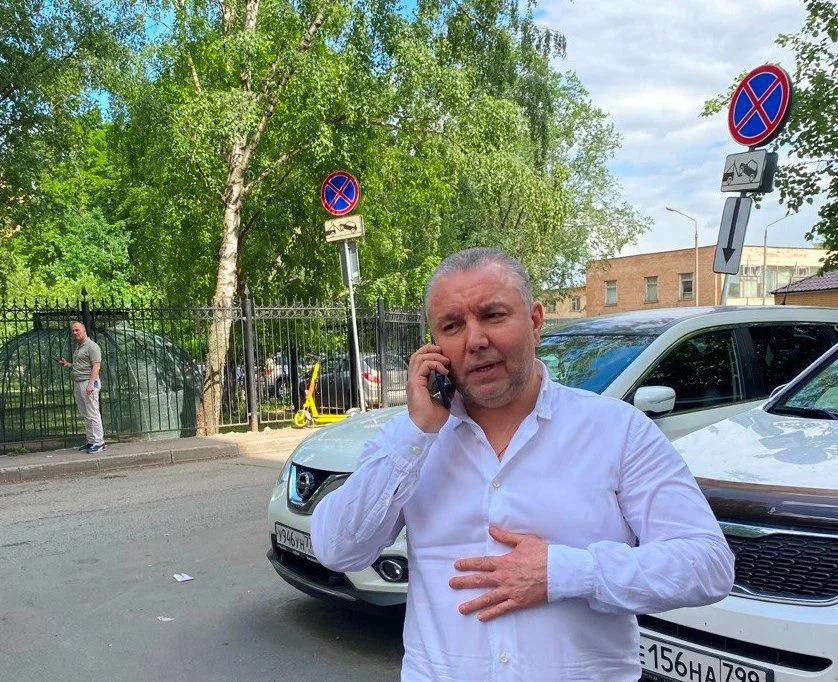
Бедняк из ФСБ
Надо сказать, что Фролов оказался самым «малоимущим» из всех троих чекистов, которых следствие объединило в группу подельников по делу о мошенничестве в отношении Гляделкина и Ткача.
Если у Черкалина были обнаружены миллиарды, у Васильева — земельные участки и дома стоимостью больше миллиарда рублей, то у Фролова во время обысков изъяли пять часов стоимостью 8,3 млн руб., серебряные погоны за 200 тыс. руб. и пять золотых слитков общим весом 50 г.
Ходили еще разговоры про виллу в Италии. Но вилла оказалась недостроенным домом без окон, приобретенным отцом Фролова на свои деньги. Дело в том, что отец чекиста, большую часть своей жизни проживший в Баку, был «цеховиком». Еще в годы СССР организовал в Азербайджане подпольное производство текстильной продукции. После распада СССР уже официально занялся бизнесом. Подпольный цех превратился в крупную текстильную фабрику, единоличным собственником которой был Алексей Фролов. Кроме того, он прикупил два карьера.
В 2000 году умерла мама Дмитрия Фролова. Отец, продав текстильную фабрику и карьеры, перебрался в Москву. Поближе к сыну, с которым не общался долгие годы. Он с 12 лет брал Дмитрия Фролова на текстильное производство, рассчитывал, что сын пойдет по его стопам. Но в 1987 году, сразу после окончания средней школы, сын ушел на срочную службу в армию, которую прошел в Тбилиси, в батальоне охраны штаба Закавказского военного округа. Осенью 1989 года уволился в запас. А в 1990 году поехал в Москву, где по направлению КГБ Азербайджана поступил в Высшую школу КГБ СССР.
В августе 1992 года Высшая школа КГБ СССР была преобразована в Академию ФСБ России. За три месяца до этого КГБ Азербайджанской ССР трансформировалась в Министерство национальной безопасности Азербайджана. Оттуда в Академию ФСБ пришло официальное письмо, что курсант Фролов после окончания учебы может не возвращаться в республику. Так Фролов остался в Москве и получил распределение в центральный аппарат ФСБ.
Повторюсь, в 2000 году отец Фролова перебрался в Москву. Но прожив всю жизнь в Азербайджане, так и не привык к московскому климату. Вот и купил в 2013 году недостроенный дом в районе озера Комо в Италии.
Достроить и пожить в доме в Италии Алексей Фролов не успел. В 2016 году он скончался. А в завещании наследником указал не сына, Дмитрия Фролова, а невестку и внуков. К тому времени Фролов уже три года был в отставке.
Отрицательный актив
Когда Фролова арестовали, он отказался сделать явку с повинной и идти на сотрудничество со следствием. И до мая 2024 года настаивал на своей невинности.
В ноябре 2023 года обвинение в мошенничестве, казалось бы, рассыпалось. Потому что не было самого события преступления. Это прямо следовало из результатов судебной экспертизы, выполненной в Российском федеральном центре судебной экспертизы при Минюсте Российской Федерации. Экспертизу назначил суд, суд выбрал и экспертное учреждение, которому поручил провести исследование. И поручил подсчитать рыночную стоимость 49% доли фирмы, которую, по версии следствия, потерпевшие Гляделкин и Ткач, введенные в заблуждение чекистами Фроловым, Черкалиным и Васильевым, якобы уступили за бесценок. И тем самым понесли ущерб в 638 миллионов рублей. В такую сумму оценила стоимость 49% компании частная экспертная организация, нанятая следствием и созданная одним из экспертов главка Следственного комитета.
Эта экспертиза была выполнена настолько топорно, что суд назначил повторную. А повторная экспертиза, проведенная специалистами Минюста, установила, что 49% компании имели отрицательную стоимость. Потому что долгов у фирмы было больше, чем активов. При этом любому дипломированному экономисту это понятно было бы сразу.
Уголовное преследование Фролова можно было прекращать в связи с отсутствием самого события преступления. But that was not the case. В начале 2024 года суд назначил третью экспертизу.
Тогда, перед самыми прениями, Фролов и подал ходатайство о прекращении уголовного преследования по ст. 159 УК. И оно было удовлетворено. И отставной полковник ФСБ остался один на один с обвинением в получении взяток при посредничестве умершего генерала ФСБ.
Что произошло дальше, уже известно.
Должен оговориться. У меня нет особых симпатий к отставному чекисту Дмитрию Фролову. В конце концов, в 2013 году его уволили из ФСБ в связи с утратой доверия. Это такая формулировка, которая намекает, что Фролов, по всей видимости, тогда совершил нечто, за что, возможно, мог отправиться в тюремную камеру. Но его гуманно выгнали на пенсию.
Если же Фролова было за что арестовывать в 2019 году и судить, так и судили бы за то, что реально совершил. А не специально сочиняли уголовное дело, за которым удалось скрыть тайну «миллиардов Черкалина».