
Translated material
Mood - winter
About men's, women's, and black stuff that doesn't exist - based on the results of the Mayak Film Festival
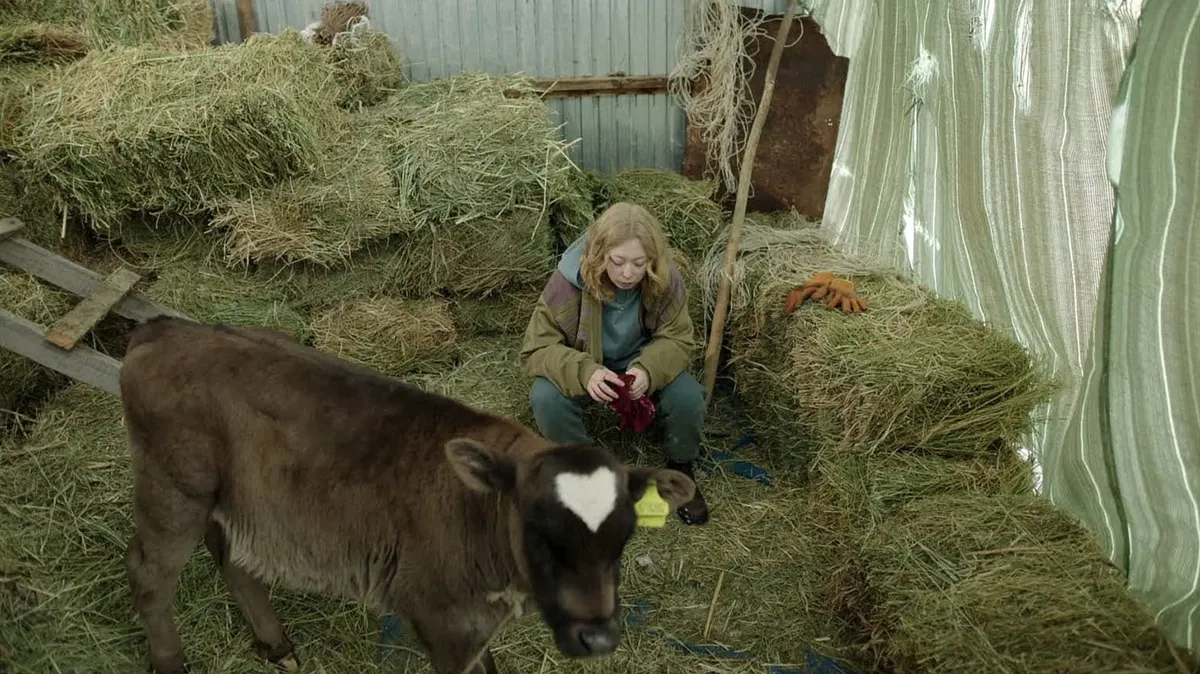
Still from the film “Daddy Died on Saturday.” Source: Kino-Teatr.Ru
Let’s sum up the festival results and reflect on the trends of young Russian cinema, indicated by the program of the new and vibrant domestic film festival “Mayak”, which was held for the second time this year.
Nine feature-length debuts in the competition, screened by gender. First there were films about women, then about men. And in this sequence, many interesting things emerged.
Woman
Most often we meet her at the peak of internal discord, in a labyrinth of problems. Right now she must make a fateful decision. The heroine of one of the best films of the competition “Dad Died on Saturday” (a prize for the best debut) - Moscow makeup artist Aiko in the first scene learns about the death of her father in her native Kazakh village. She decides to go immediately, although her family (primarily her father’s new family) is not waiting for her. She comes face to face with an archaic, patriarchal world. In her family, the elders bully the younger ones. It is customary to hide all problems: the main thing is not to wash dirty linen in public. Let there be anything at home: from strife to violence - they hide the bad: “what will people think.” It seems like it's time to pack your suitcase. But Aiko hesitates. For some reason, it is necessary and important for her to be close to these ridiculous village relatives and friends. Maybe to understand something about yourself.
All these young women exist in active action, or rather in opposition to the circumstances of the musty old world.
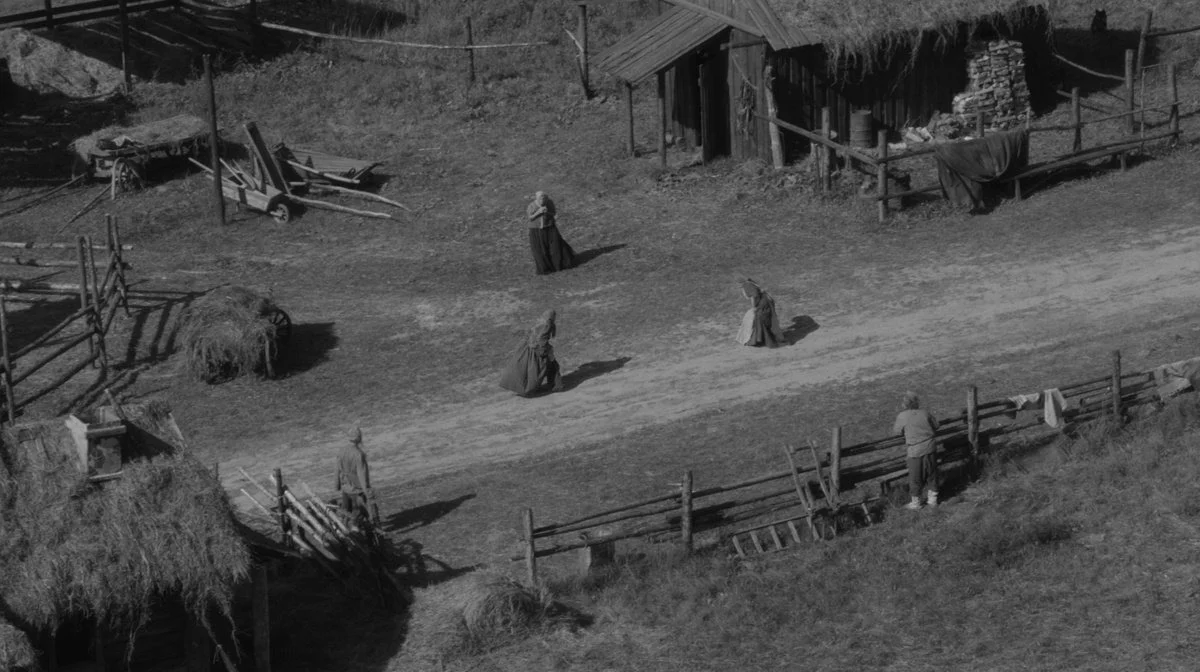
In the historical (17th century) sketch “On This Earth” by Renata Djalo (a prize for the cameraman and a special mention by the jury), the young heroine was crushed and tortured by the teachings and prodding of obscurantists. She begs for her sister’s illnesses, and “kind” people whisper “she’s eating her sister.” She is given in marriage - and they perform a humiliating, shameful ritual of undressing and “placing” the naked newlyweds on a straw bed. After the unsuccessful flight of the village eccentric - Icarus with wings made of reeds and branches, she will attach his broken wings to herself... And fly. Well, maybe, at least for a minute, he will break away from this cursed earth, the attraction of darkness. And she is ready to pay with her life for this desperate flight.
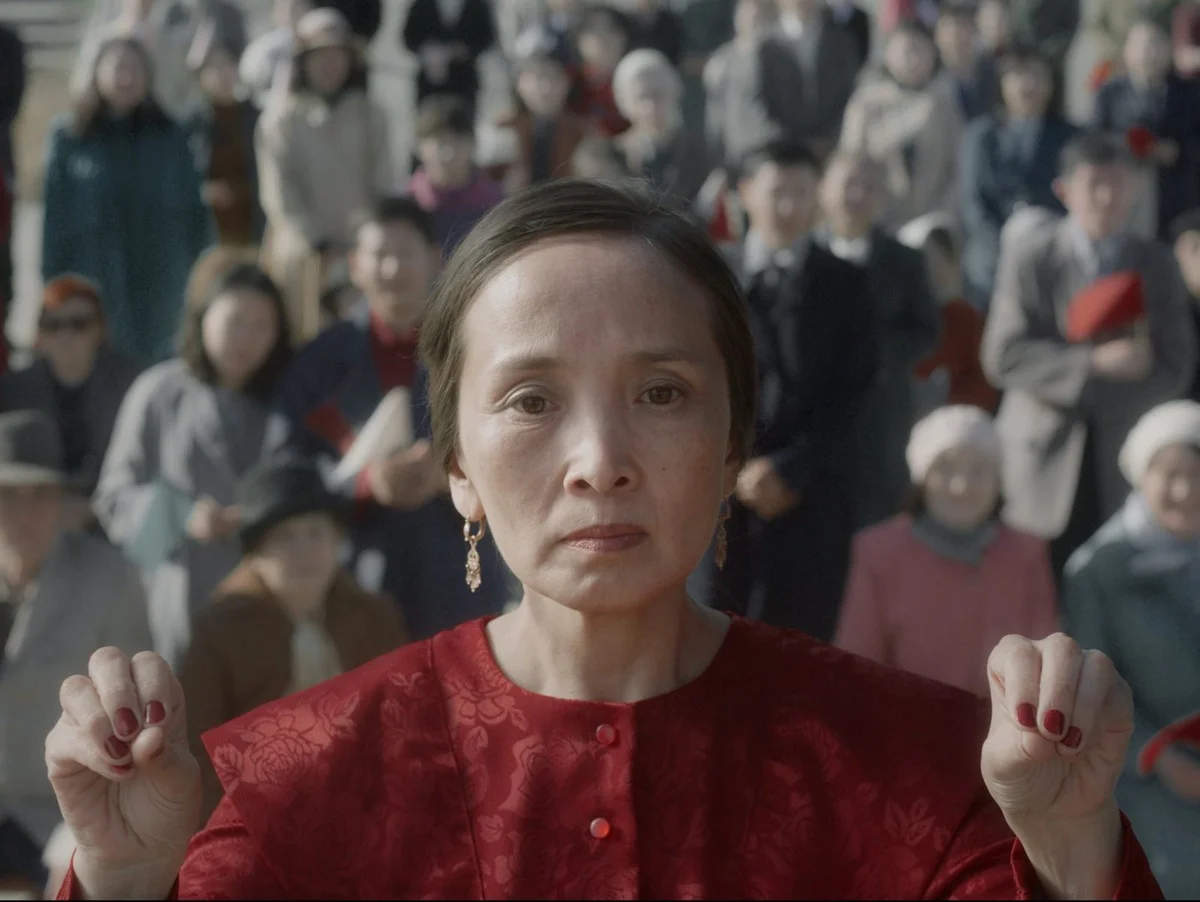
In The White Steamer, Marta, the director of a choir in Yakutia, decides to have a tough confrontation with the college director appointed from Moscow. This is more than a clash of characters. It's a clash of cultures. Empires and colonies. Urbanization and nature. Nature, in the form of a mooing choir, protests against the pressure of the capital’s arrogant boss—the “conductor.” But it is also a legend about fidelity. A woman with a spring name Martha and a winter destiny is faithful to her love for a captain who disappeared long ago, and this gives her the strength to remain herself.
In “Agniya,” the stove-maker with the fiery name Agnia lives in a house that is freezing due to rusted pipes with a child who either sets the house on fire or jumps out of the window. It's like he's trying to wake up mom from hibernation. But it seems that this Snow Queen herself has become accustomed to her frozen heart, which will not thaw. And for some reason everyone is drawn to her... like a warming fire. She will build a stove in the new mayor's house. But whether this stove will bring warmth to a world frozen in dislike is a big question.
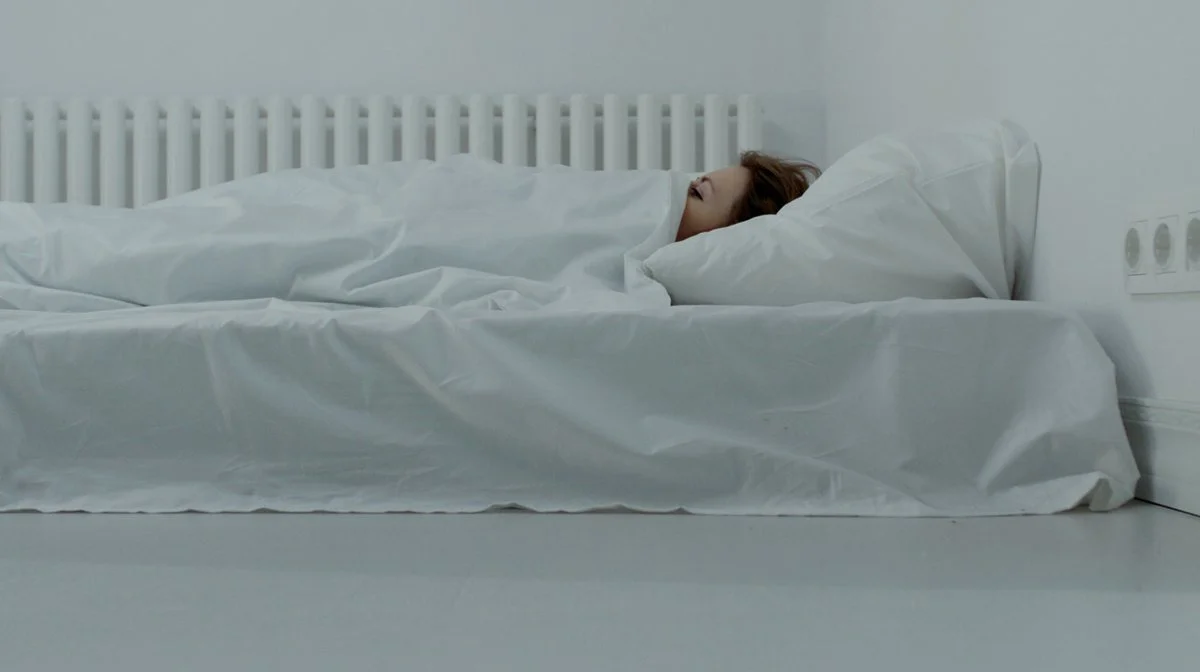
Women in the new Russian cinema not only suffer from the disorder and injustice of a reality that is falling apart before our eyes, but they try to connect the fragments... it doesn’t work.
The overwhelming number of films are about winter, which never ends on this earth. This is the current mood of young filmmakers.
Man
“Eternal Winter” is a story about how to live and overcome grief. About parents who lost their teenage son. Mom (Yulia Marchenko) turned her life into one clot of pain. She quit work and lies curled up on the sofa. The father (Alexander Robak) is trying to save himself through revenge: to find the thugs who killed his child and punish him. Even if he sits down for ten years. It's worse for both of them. But it seems that it is much more difficult for the strong, they have no one to rely on. Especially in this new country, foreign to him, where people don’t even write letters to each other. Roebuck hides his emotions, hides behind a shell of impenetrability, an accurate, memorable image of a broken strong man. It's a pity the film went without awards.
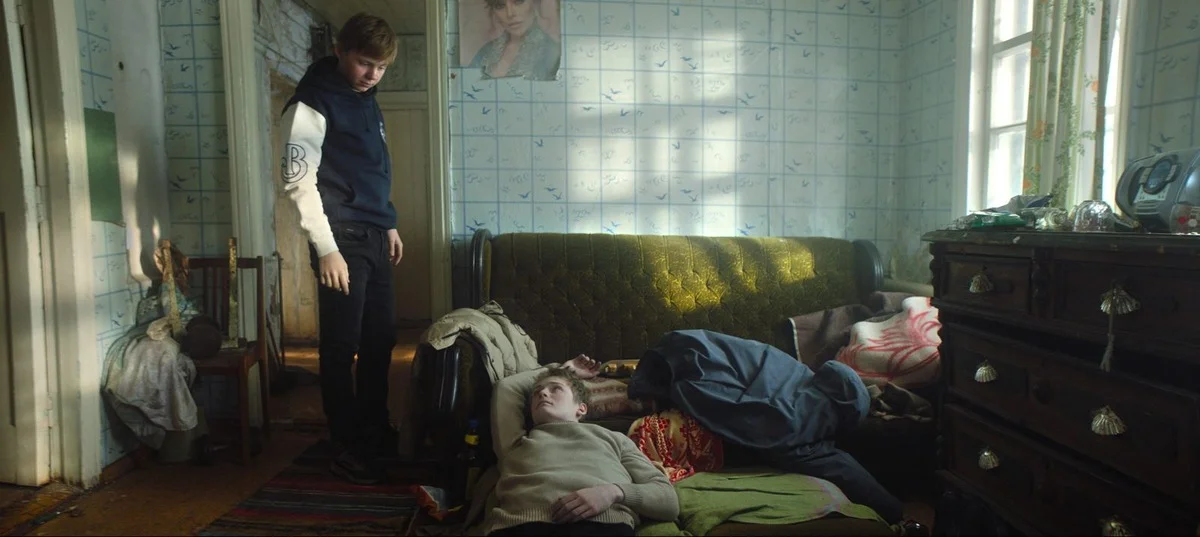
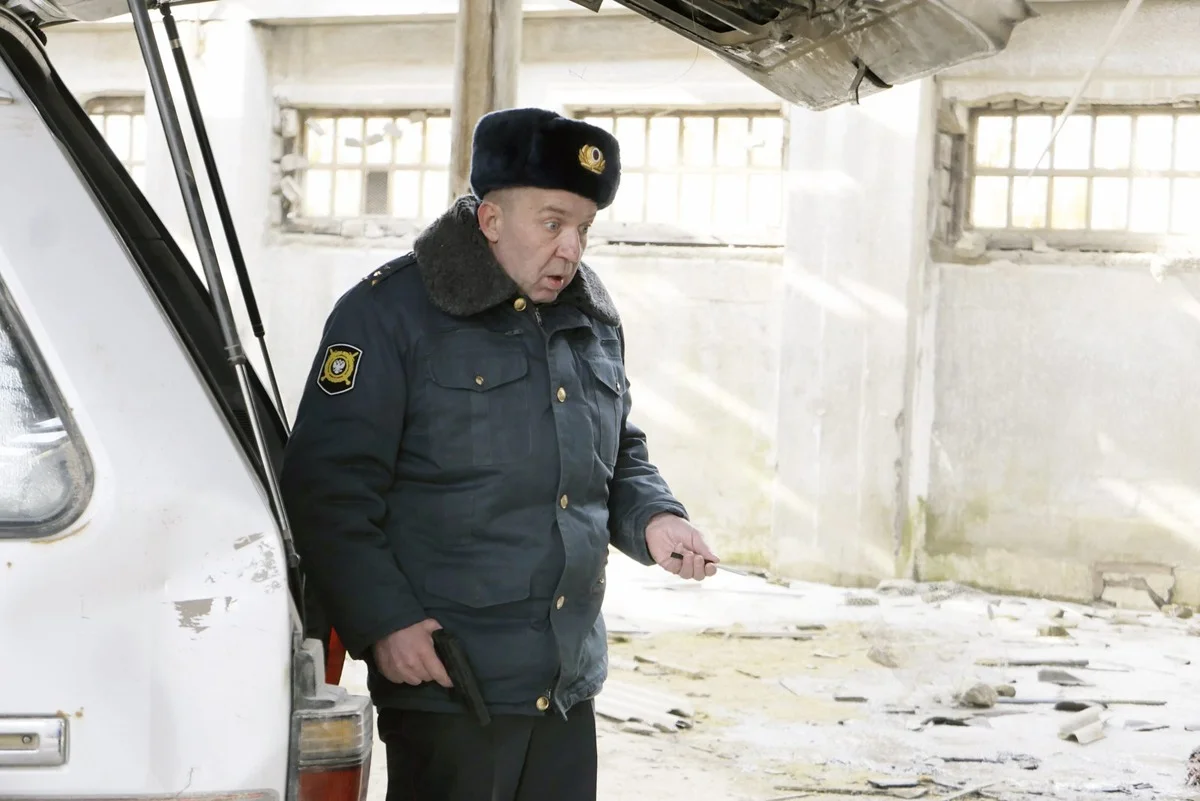
"Jackpot" . Igor Khlebnikov, the hero of Alexander Hunt’s crime comedy, accidentally turned out to be a millionaire: a bank machine gave out almost three million to a chronic loser selling burgers. And then the roulette wheel of his life spun like a frantic carousel, shooting him with injuries and troubles. Until he comes to a simple, today completely out-of-date thought: “Money doesn’t buy happiness.” But it is curious that all the women in this black buffoonery expect one thing from men - money.
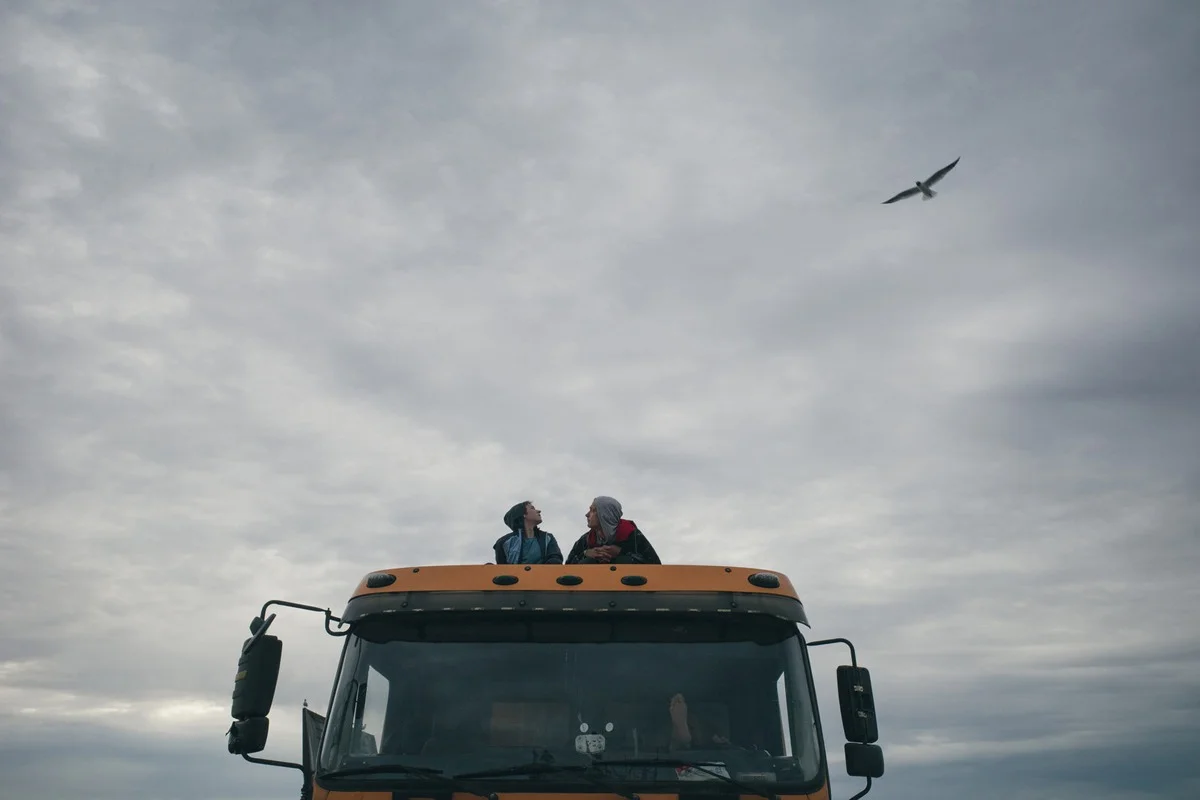
And finally, “Summer will end.” A male thriller and road movie by Vladimir Munkuev and Maxim Arbugaev. About the broken fate of two brothers who, after stealing gold, run like hunted wolves to the ends of the earth. And if in Balabanov’s dilogy the main story was the story of Danila Bagrov, then in “Summer Will End” each of the brothers has his own written line. In this escape from crime to crime, they switch roles. The younger one becomes the older one, and at some point decides to break the chain of evil. But the tragedy that revolves around the relationship “brother for brother” cannot be interrupted.
The motif of Westerns and thrillers “gold kills” fades into the background; the nature of violence comes first. About how a small step towards the dark side of life leads to a big tragedy.
It’s curious how “Summer Will End,” a bright and powerful work by Arbugaev and Munkuev (Mayak Grand Prix), divided the audience. A minority of the enlightened public, often feminist-minded, reproach the film for glorifying evil, continuing Balabanov’s “brotherhood”, admiring male brutality, and, above all, for hopeless blackness.
And this is what I don’t understand. The film by Arbugaev and Munkuev demonstrates the vicious irreversibility of a purely male world that generates exclusively violence. (It’s like “Ika,” who opposes nationalism, is accused of nationalism.) The heroes of Yura Borisov and Makar Khlebnikov were raised mainly by their father, and this “male upbringing” explains a lot.
Now about the “chernukha that is “tired” of it.”
Firstly, we are not talking about a copy of reality - about genre cinema with its own laws. And the genre has the ability to detach itself from reality.
Secondly, good cinema tells us something essential about our times. And the picture about life reconciled to violence and the violent destruction of life, about the mutation of consciousness in an atmosphere of lawlessness, about the dictatorship of force, is more than relevant.
Thirdly, about blackness. Perhaps the brightest works remaining in the history of culture were “fairy tales about darkness.” From “The Reign of Darkness” to Shakespeare, who mercilessly kills his characters (there are six of them in “Romeo and Juliet”, 12 in “Hamlet”). “Cargo 200” by Balabanov or “Volchok” by Sigarev were diagnoses of the moral climate in society, and they were accused of “denigrating reality.”
Fourthly, an artist, when making his film on a topic that excites him and does not leave him, does not want to please or frighten/upset the viewer, he thinks about authenticity within the genre structure, about accuracy and rhythm, about life in the frame - and not about , whether it's chernukha or not.
MORE ABOUT CINEMA
Larisa Malyukova runs a telegram channel about cinema and more. Subscribe here .