
Translated material
“The risks are very high.” The top manager of Rostelecom advised Russians to prepare for the shutdown of Google and Android
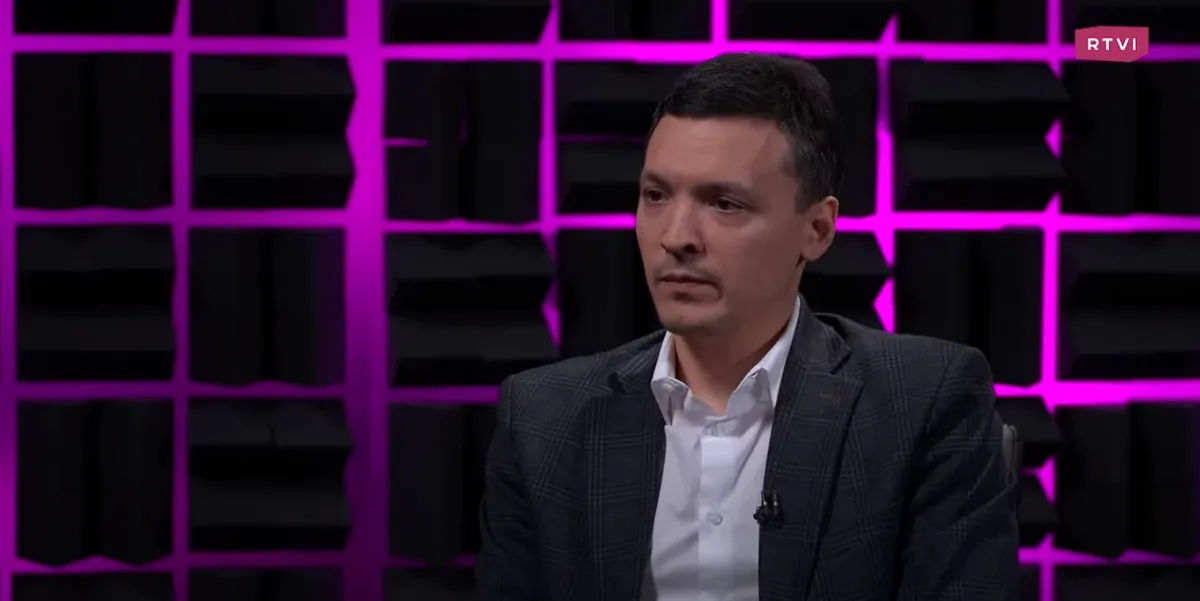
Senior Vice President of Rostelecom Darius Khalitov, in an interview with the RTVI channel, said that the Russian digital industry views dependence on foreign services as a direct and serious risk, and the state and legislators are calling for getting rid of this dependence by developing Russian analogues.
After the “slowdown” of Youtube and the entry into force of an American law allowing software developers to prohibit the placement of their applications in third-party stores in different jurisdictions, the risks that, for example, the entire Google infrastructure will not work in Russia have grown even more.
For example, the partial failure of the Android operating system, which runs more than half of smartphones in Russia, as well as Google Mobile Services microservices, the components of which are extremely popular among mobile application developers, are being seriously considered. We are talking about the service of geotags, which run delivery and taxi applications, or push notifications, which are used, for example, by systemically important banks.
Khalitov assessed the risks that Google Mobile Services could be blocked as “very high.”
“Russians must understand that all foreign services may, in principle, disappear, or be blocked, or the user path for using them will be inconvenient. This is the reality in which we live,” said a top manager of a major IT company.
Khalitov said that the Android operating system, too, under certain conditions, may partially not work in Russia, which is why all smartphones based on it “may, if not turn into a pumpkin, then Russians may encounter difficulties when using them.”
Rostelecom is engaged in import substitution of digital products - the Russian Aurora operating system and mobile services for it. Khalitov drew attention to the fact that although most of the services in Russian smartphones are already “predominantly Russian,” we need to take a closer look at what’s inside them. “Aren’t some foreign elements used as part of these solutions, like the filling of the Superjet?” If yes, the risks of blocking such applications remain.