Date
Author
Нина Петлянова, Алексей Душутин
Source

Preserved copy
Translated material
“The longer there is inaction, the more will die”
At least two thousand sujans, according to unofficial data, remain in the occupied areas of the Kursk region. What awaits them? Hunger, cold and fire on both sides
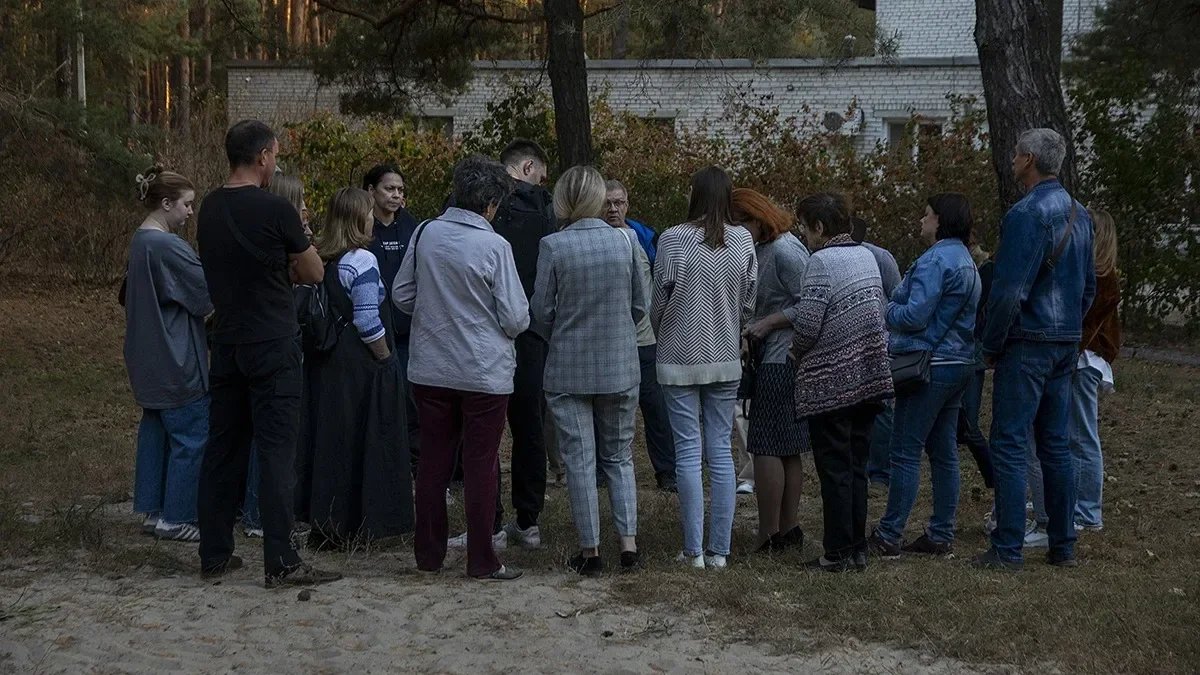
Sujan's relatives. Photo: Alexey Dushutin / Novaya Gazeta
Winter is on the doorstep, and these people have no communications, electricity, heating, gas, medicine, food or even drinking water. For the third month now, relatives of the Sujans, who in August, after the invasion of the Ukrainian Armed Forces into the territory of the Kursk region, did not have time or were unable to leave the combat zone, have been asking the Russian and Ukrainian authorities to open a humanitarian corridor and save people’s lives.
In early October, the authors of the appeal received answers from the Russian Ministry of Defense and the Human Rights Committee of the Ukrainian Rada, which were as similar as two peas in a pod. Russia blamed Ukraine, and Ukraine blamed Russia for their reluctance to negotiate a humanitarian corridor. At the same time, both sides stated that they were in favor of this constructive dialogue. At the end of last week, the Russian Armed Forces began “actions to defeat the enemy group that had penetrated the territory of the Kursk region” (the wording of the Russian Ministry of Defense). What happened was what the Sujans feared most—the intensification of hostilities. The danger for those who remained in this territory as a “human shield” has now increased many times: hunger, cold and fire on both sides.
***
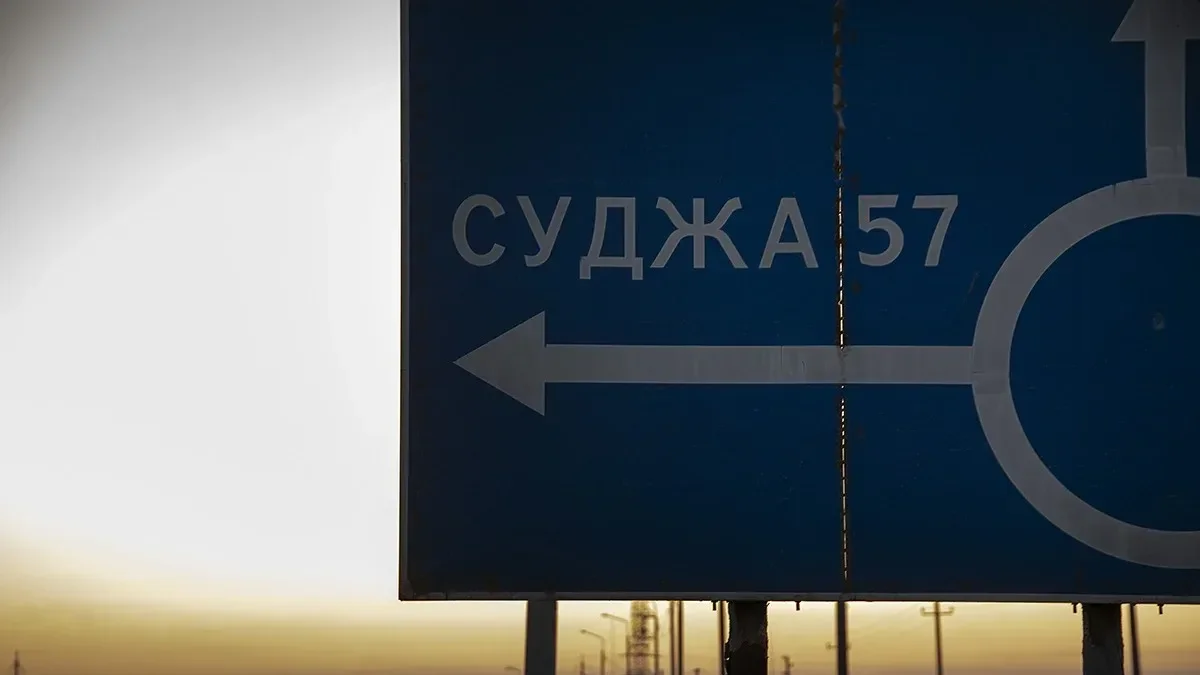
Relatives of the Sujans are still supplementing and correcting the lists of those who remained in the combat zone in the Kursk region. Of these, according to unofficial estimates, about a thousand people are in Sudzha (the city’s population before August 2024 was about 5 thousand inhabitants). The rest - more than a thousand - are in the Sudzhansky district (the population until August 2024 is more than 26 thousand).
When, on the night of October 9-10, the first messages about the “tactical successes of the Russian army” in the Sudzhan direction and the “liberation of several settlements” began to appear in telegram channels, the Sudzhan residents, who had been demanding the rescue of their relatives since August, lost sleep. According to reports from the Ministry of Defense, the battles took place near the settlements of Darino, Lyubimovka, Malaya Loknya, Tolstoy Lug, Novoivanovka, Novy Put and Plekhovo - in each of them one of the sujans remained. People were torn apart by both anxiety (the bullet is stupid) and hope (what if everything ends after this?).
By the evening of October 11, there was less optimism. According to the administration of the Kursk region, at that time in the Sudzhansky district, the Russian military rescued only 7 local residents. According to military bloggers and telegram channels, fierce battles on several sectors of the front have not yet led to the set goal. It became clear to everyone closely watching the development of events: the operation would continue. But this does not bode well for civilians.
“Time is running out,” sighs Sudzhanka Elena Volkova (she has a grandmother, aunt and uncle in different villages of the Sudzhansky district). — It’s autumn outside. It's cold and hungry there. How will they survive the winter? Weak, old, like my grandmother, she’s 87 years old?
There is no water, no food, no medicine, no gas, no electricity. There is nothing. Stone Age. Will they cope? Hardly...
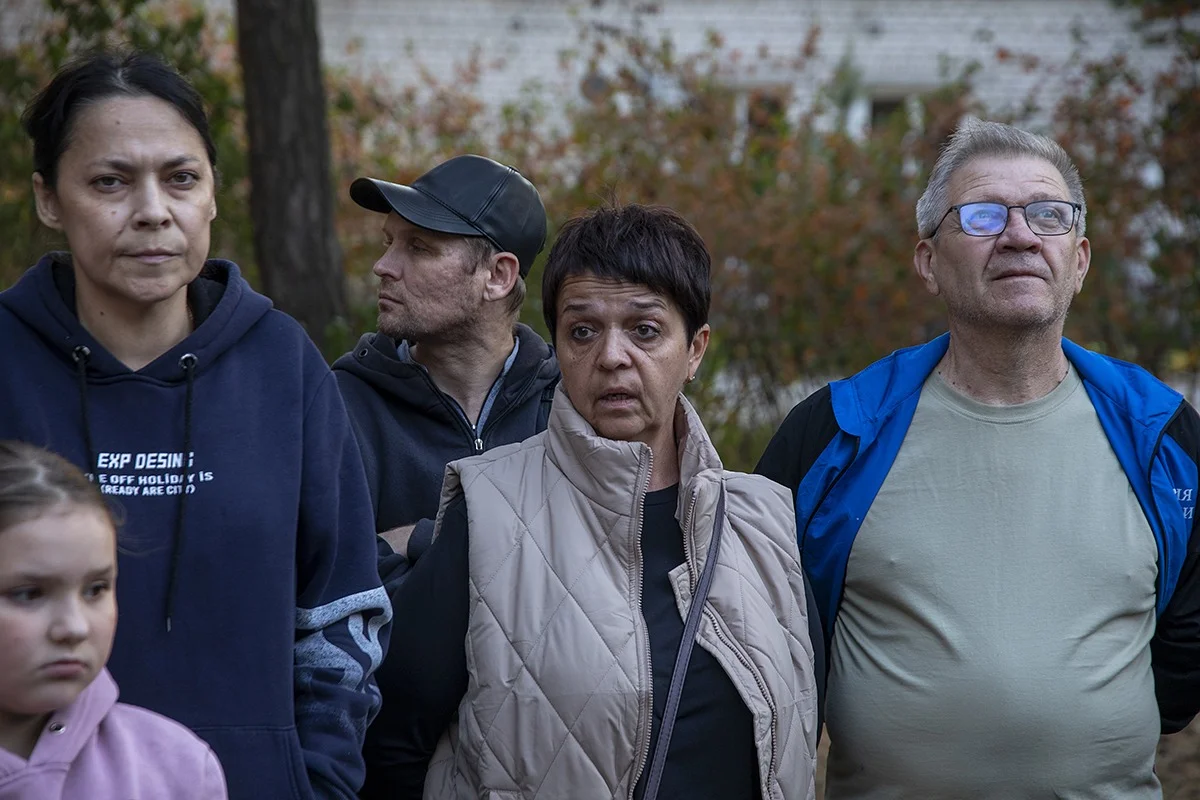
“The worst thing is that our relatives do not have drinking water, food or medicine,” says Alexander Prilepko; in Zaoleshenka (a village 7 km from the border with Ukraine) it is unknown how his mother-in-law survives. — Another problem is that the cold weather is coming, how can they survive? Break down some fence and get warm? Impossible. There are no stoves. The stoves were all thrown out a long time ago. Everyone in the area has had gas heating for over 20 years. To survive there now is almost a miracle. It's easy to die.
People who recently left the Sudzhansky district also received bad news: “there are a lot of people buried there.” There is no evidence of this. Refutations too. There has been no contact with family and friends who remained hostage in the border area for the third month.
***
There was no communication in the Sudzhansky district on the night of August 6. This is one of the main reasons why people did not know what had happened until recently and did not leave the danger zone. However, besides the fact that the authorities did not tell people anything about the breakthrough of the Armed Forces of Ukraine, they did not help them in any way in an emergency situation. The Sudzhans, who saved themselves, met with Novaya correspondents in Kursk in early October and explained how they succeeded and why they succeeded, not to all residents of the area.
“We were fired at regularly, we were already used to it, but that night we thought it was somehow very strong,” says Sudzha resident Natalya Penkova. — We went down to the basement.
We sat in the basement from 9 pm to 5 am. But still, we didn’t think that everything would be so serious. We didn't know if there would be an evacuation. There was no information anywhere. No. Nobody knew that they had to leave. Nobody said: it’s dangerous, run.
People began to leave on their own. Who could. My husband and I left in our car at about three o'clock in the afternoon on August 6th. And mom and dad said: “We won’t go. We won't go, that's all. Let's sit it out. This isn’t the first time we’ve been beaten.” We left alone. And we arrived in Kursk and immediately learned that it was better to take our relatives. But again, these were recommendations. There were no instructions: evacuation was needed, this did not happen.
“It’s not the authorities who said it’s better to take it,” adds Elena Volkova. — People passed this on to each other, word of mouth worked. Those who left read telegram channels. They passed on information to those who remained as best they could. And some of the old people who stayed don’t even have a mobile phone. We couldn't pick them up. We couldn’t even simply inform them about the danger: there was no communication.
“The most offensive thing,” emphasizes Alexander Prilepko, “is that even in the winter, heads from rural administrations drove by and made lists: who is disabled, sick, lonely? And they talked about where to gather later if something happened. But at a critical moment, at least someone would say: dear people, go. Nobody said this. Although the local authorities themselves were the first to leave. There was no one from the authorities at all in the Sudzhansky district on August 6–8. The phones didn't work. No one answered the number “112”. Sudja itself was empty literally within one morning. I went outside - there was no one. It feels like all of them are gone.
“What happened to us was something we couldn’t even dream of in a nightmare,” Oksana Tulaeva shakes her head. - We thought differently. But they believed: there would be an evacuation. I am from Goncharovka, I worked as a teacher at school. We practiced evacuating children. But never, even in the wildest nightmare, did we imagine that we would go out the way we did. We didn't know anything at all. On the night of August 5-6, the phones no longer worked. The only thing is that on the morning of August 6, a friend called me from Kursk on the Tele-2 number; the phone, which I usually don’t use, was a little charged. She said: “You have tanks in Goncharovka.” I answered: it can’t be. But within five minutes my uncle called me: “Oksana, where are you?” Still on Goncharovka. Uncle: “Tanks are already coming at you.” I was once told: it takes five minutes for a tank to walk from the border to your house.
I realized that we had exactly three minutes to get ready. We grabbed our bags and passports and left. Thank you for having a car. We left around 12 noon, and in the evening we were unable to get to Goncharovka. We wanted to return, pick up our relatives and friends. But in the evening they didn’t let us through: Ukrainian soldiers were already there. We escaped at the last moment. They waited until the last moment for someone to pass, someone to announce that they needed to run. What if my friend and uncle hadn’t called me? If we didn't pass on information to each other?..
***
The television convinced the residents of the Kursk region that “a breakthrough is impossible here,” “the border is locked,” “everything is under control.” Even at the last moment, when it was absolutely necessary to report the danger, the authorities either did not have time to do this or did not want to cause panic. Hundreds of Sudzhans confirm: there was no evacuation from Sudzha and the Sudzhansky district. As a result, at least two thousand people remained in the occupied territory.
“Everyone’s heart is screaming for those people who are there now.” And we don’t understand how to help them? How to save them? — Elena Volkova throws up her hands.
In the first weeks, everyone who tried to take their relatives out of Sudzha and the surrounding area followed the same and unsuccessful path alone: they called the Ministry of Emergency Situations, the Ministry of Internal Affairs, the FSB, the Red Cross, and the Lisa Alert organization. Then the fellow sufferers found each other on social networks and decided to join forces.
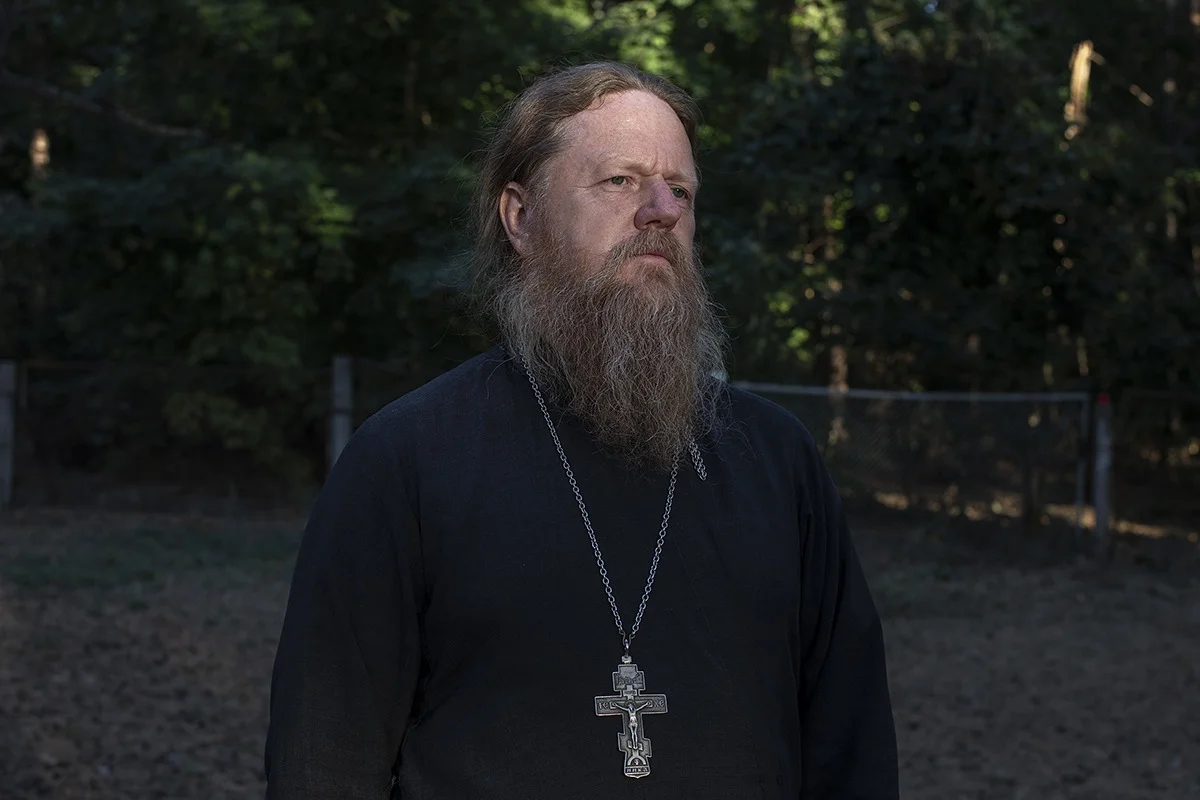
“We thought what could be done,” says a priest living in the Voronezh region, Father Sergius (in the world - Sergei Televinov), who has a mother, father and sister left in Sudzha. He was unable to convince his relatives to leave, although on August 6 he was ready to pick them up in his car. — At first, we treated everyone as private individuals with the names and details of our relatives. Everywhere they answered:
we can't do anything because there's fighting going on there. If the military gives us the opportunity to enter the city, we will save everyone. But while they are shooting there, we cannot help in any way.
Then I called people from Sudzha, and we came up with the idea of making a general appeal to the presidents of Russia and Ukraine, to the human rights commissioners of the two countries and to the International Red Cross.
Sujan's relatives wrote a petition. It was translated into English. Sent to the International Red Cross and all other recipients on September 12. The authors of the petition received the first response from the Russian Presidential Administration on September 13. It was reported that the document was sent for consideration to the Russian Ministry of Defense.
A week later, on September 20, from the office of the President of Ukraine, the Sudan residents received a response very similar to the Russian one: the appeal was sent for consideration to the Armed Forces of Ukraine. People considered this an unsubscribe and almost stopped waiting for results.
However, on October 4, the Russian Ministry of Defense responded to the authors of the petition in substance:
“Currently, there are no operating humanitarian corridors between Russia and Ukraine; the Ukrainian leadership is not agreeing to dialogue on their opening. It is not possible to unilaterally evacuate citizens located in the Sudzhansky district of the Kursk region to safe areas of the Russian Federation.”
And on October 10, the Sujans received a response from the Human Rights Committee of the Ukrainian Rada, according to the authors of the petition, written as if it were a carbon copy:
“Due to the fact that the Russian side, as a party to the conflict, refuses to provide a humanitarian corridor for the evacuation of civilians from the Kursk region, does not contact the Ukrainian side and international organizations to discuss the above-mentioned possibility, assistance in creating a humanitarian corridor for the evacuation of civilians has so far is not considered possible."
“It doesn’t even matter which side is telling a lie,” Father Sergius argues, “what’s more important is that we didn’t finish shouting.” They didn't hear us. We didn’t hear the most important thing: winter is coming. Many people live in houses where there are no stoves, where there is no way to warm up. People will just freeze. They have no medicine or medical care.
No deliveries have been made to the Sudzhansky district for three months now. All residents have probably already run out of medicine. The people left hostage have no water or food.
Yes, everyone has some preparations. But you won't last long on pickles. The longer we do nothing or do the wrong thing, the less chance we have of seeing these people alive. People are doomed to death simply by inaction. The longer the inaction, the more will die.
The inactivity in the first ten days of October was interrupted unexpectedly and not by the actions that the relatives of the abandoned Sujans asked for. Initially, in August, it was combat that they feared most. Today, people catch contradictory and officially unconfirmed news from the front line on the fly, like hungry pigeons catching crumbs of bread. But to grieve or to rejoice is incomprehensible to them. People, unheard by any authorities, tired of beating on all doors and not receiving answers to their requests to save their loved ones, have almost lost hope of opening the green corridor. Until now, they understood: death could come to their loved ones at any moment from any direction - hunger, cold, disease, a shell or a bullet. Now all these threats have increased. And no other hopes for salvation appeared.
Kursk region