
Translated material
World and its borders
"Plan of Victory" Zelensky: a real prospect or a declaration of intentions? We disassemble by points
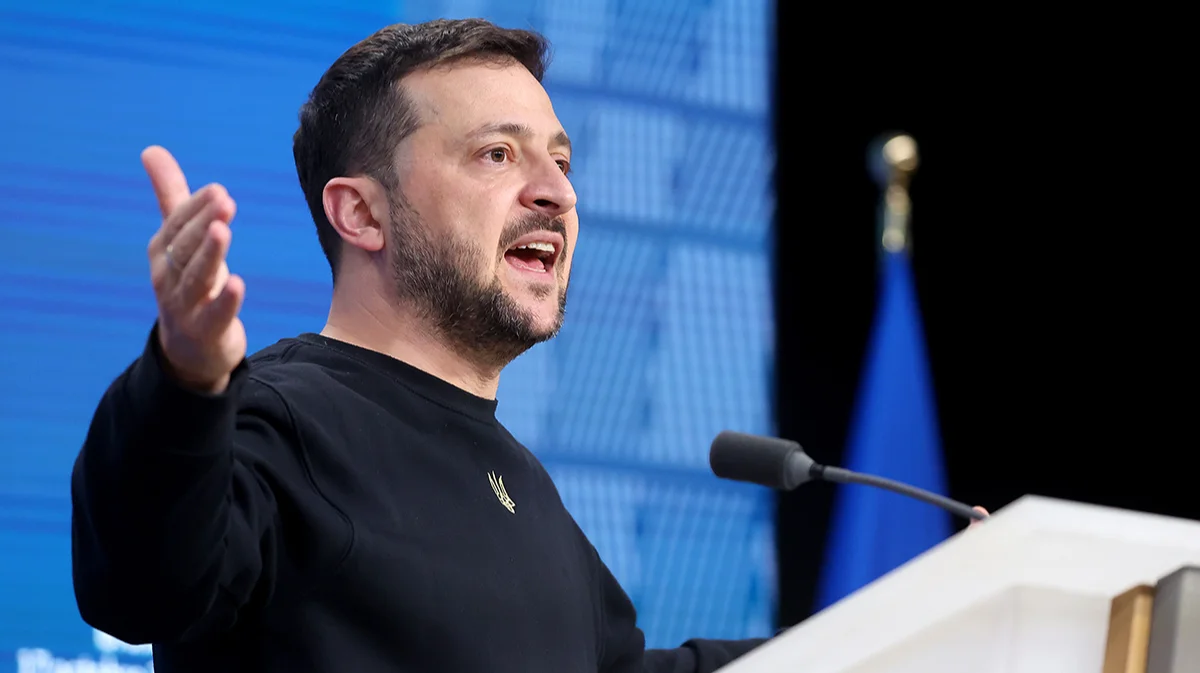
President of Ukraine Vladimir Zelensky at a press conference after participating in the Summit of the European Council in Brussels, Belgium, October 17, 2024. Photo: Christopher Neundorf / EPA-EFE
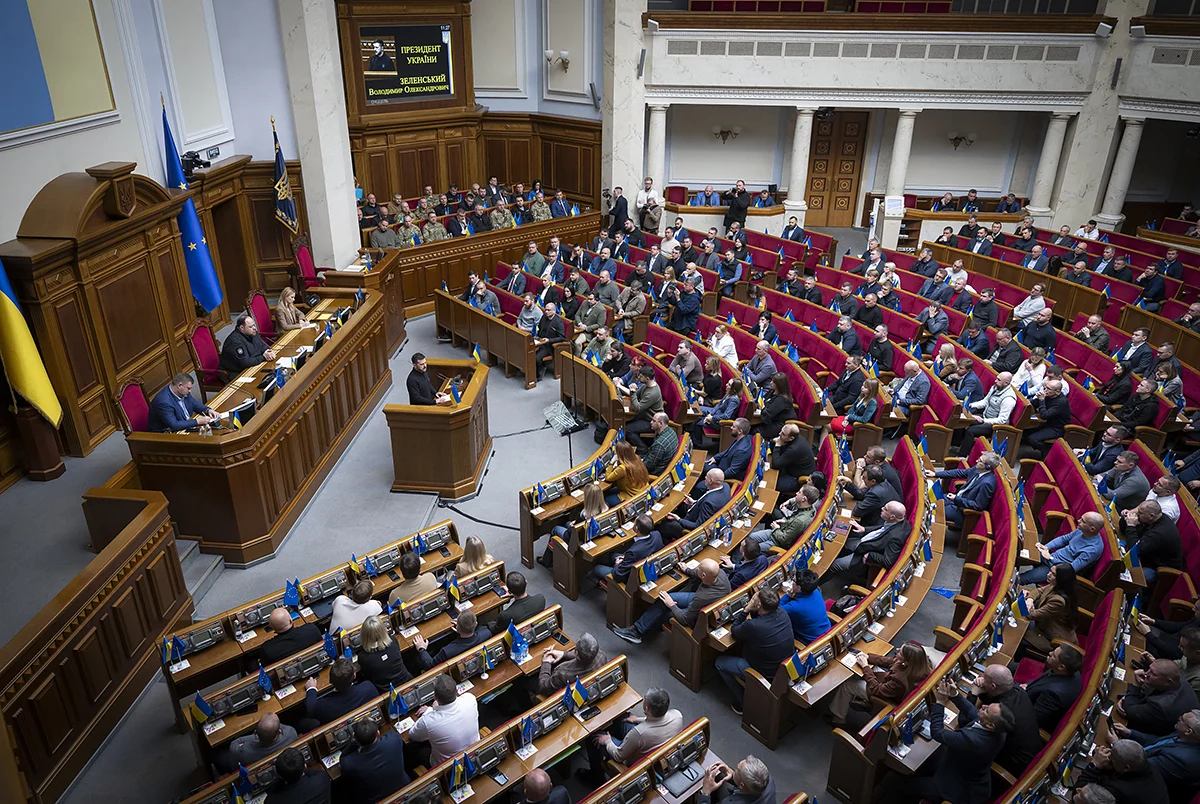
Last Wednesday, the President of Ukraine Volodymyr Zelensky presented his “Plan of Victory” to the Verkhovna Rada of Ukraine. I must say that talking about this plan accompanied the entire international activity of the Ukrainian leader in the last two months, including the September visit to the United States. There, the document was presented to President Biden and both candidates for this position, then, in early October, to European leaders, and now, finally, to Ukrainian society. So, what does Kyiv offer in this “plan” and how feasible are these proposals?
Element of diplomacy
All this time, some Ukrainian experts have expressed bewilderment why the vision of the further prospects of the war was not released first in Ukraine and why Ukrainians learn about it from the fragmentary messages of Western politicians and the media, and in general, to which such a halo of secrecy. However, this perplexity did not become the mainstream, because, firstly, the president’s position on this issue was articulated and clearly traced for a long time and was quite unchanged-the entry into NATO (or at least a clearly voiced invitation), an increase in the supply of weapons, and the force of the Russian Federation to the world. Therefore, it is unlikely that anyone was expecting some surprises from the “plan”.
Secondly, it is obvious that the implementation of these goals is impossible without increasing Western support, so it is logical that partners are the first to learn about its content. The fact that any similar project in practice primarily depends on the strength, capabilities and desire of the second side of the war, that is, the Russian Federation, we take out the brackets. And it is precisely from what is carried out of the brackets, but in fact, is the main condition for any options for ending the war, the third reason does not follow such a strong excitement around the document in Ukraine on the eve of its publication.
It is clear that the “plan of the world”, “formula of the world” or “the Summit of the world” of Zelensky is elements of diplomacy, important, necessary, very justified, but hardly influencing the course of the war and political decisions that accompany it.
Such projects are a diplomatic presentation of the Ukrainian vision of the world and an attempt to maintain primacy in the possible process of resolving with the help of its agenda.
Moreover, in the conditions when such influential players as China with its Chinese-Brazilian plan of the world, which is not at all suitable for Ukraine, are involved in this process. But what Ukraine would like, this is precisely expressed in the “plan”, and doubts about its practical implementation are not the basis for leaving it without consideration. Because, despite the general predictability of their content, there were still some surprises in it.
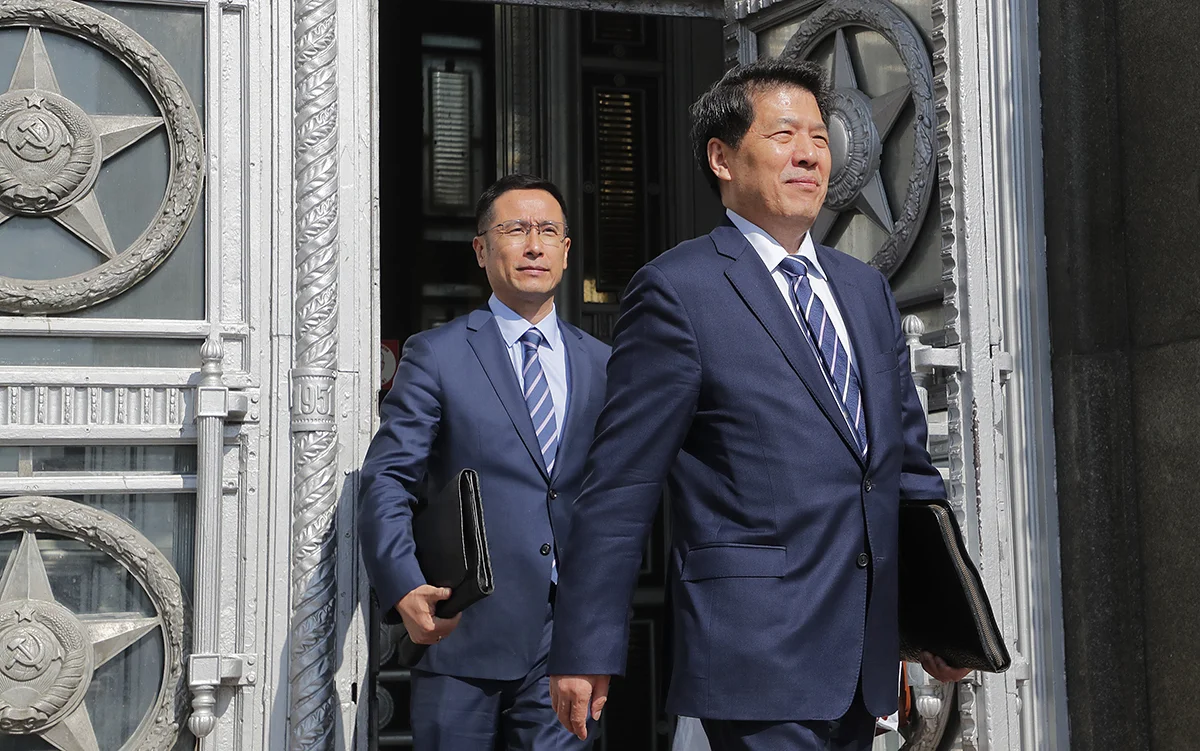
1. Safety guarantees, membership in NATO
So, the main one is the first - point: the invitation of Ukraine to NATO. From the Ukrainian point of view (however, not only from the Ukrainian, but also with any sensible), Ukraine primarily needs serious security guarantees in the future. Not the notorious Budapest memorandum, and not even a series of security agreements signed this year with individual countries, but real guarantees that involve the intervention of the alliance in the event of a new aggression, according to the 5th article. So far, only NATO membership can give such guarantees. Theoretically. Honestly, it is difficult to imagine what should happen in the world and in the minds of Western leaders, so that they provide Ukraine with such guarantees for the future now. The country that is at war. The invitation itself, in turn, in principle, does not guarantee anything. Yes, and in order to achieve only the invitation, we need a consensus of all members of the alliance, which has not yet been expected.
But the most important thing: the United States itself is not ready for this. At least the current administration of the White House. Obviously, they haven’t seen for a long time what other option would be more optimal, in addition to who, according to the recently published book by the American journalist Bob Woodwordo, outlined Biden in a conversation with Jack Sullivan’s security adviser in the autumn of 2022: “If we do not drive Russia from Ukraine completely, then we will allow Putin to achieve the desired. And if you manage to expel, we risk the nuclear war. Putin will not allow himself to be thrown out of here without the use of nuclear weapons. So we got bogged down. Too big successes are nuclear, small - incomprehensible long -term consequences. ” Therefore, the most desirable result of the war for the United States was either to convince Putin to agree to freeze the conflict, or wait for something to break in Russia itself.
Ukraine is in the minority in this matter, and only the Baltic countries, Northern Europe and Poland support it sequentially. As if responding to the “fear” of the escalation, President of Latvia Edgar Rinkevich, who continued on Thursday at the opening of the Riga Conference on International Politics and Security, which has lasted the third year, said : “Putin, of course, will someday die. But Ukraine needs help today, not after 6 or 7 months. ”
Immediately after the publication of the “plan”, the head of the US Mission to NATO, Julian Smith, answering the question of journalists, said that in the short term NATO does not plan to invite Ukraine, adding, however, that the path of Kiev is inevitable.
Such an answer, it seems, arranged everyone - both opponents and supporters of the Euro -Atlantic integration of Ukraine. The opponents were convinced that this path had no present, the supporters once again saw some prospects for his future. Indeed, it would be very strange to believe that on the most eve of the American elections, where the map of Ukraine is very important in the deck of the players, someone suddenly decides to boldly mix cards on the table, speaking with some unexpected statement. And even more careful, if not more, the Biden administration is now trying to avoid any slightest reason that can be used against a democratic candidate. Therefore, how expected the first point of the plan was, the answer of the side that the implementation of this item depends in the first place was just as expected.
Nevertheless, Ukrainian political scientist Vladimir Fesenko is confident in the need for Ukraine to constantly and strictly record his intention to join the Alliance, even realizing that it is not about NATO membership now: “The essence of this idea is that NATO countries have a powerful signal to Putin, that Ukraine will join NATO and that the theme of Ukraine’s membership will not be the subject of trading from Putin, and, rather, on the contrary, it should become a tool political pressure on him. "
2. Supply of weapons
The second paragraph of the plan concerns the defense capabilities of Ukraine. Here we see, on the one hand, the emphasis on the supply of long -range weapons and the long -awaited permission to use it to defeat goals in the Russian Federation. The main military-strategic significance of this paragraph is a decrease in Russian potential for further aggression against Ukraine by destroying strategic military and economic facilities (in particular, oil refineries). Perhaps this should indicate the need to obtain such a permit. That is, to clearly voice that this is necessary primarily for the defense of the country and the preservation of the lives of Ukrainians. However, Zelensky emphasized such a message: “So that the Russians feel what war was, and, despite Russian propaganda, they began to unfold hatred towards the Kremlin. We are not naive. Ukraine does not believe and will not believe that most Russians are aware of the depth of the moral fall of Russia. But they must feel the fall of the Russian army. And this will be the loss of their ideology of war. ”
It seems that propaganda accents are not entirely placed here.
Among the sincere supporters of Ukraine in the West there are those who naively scare only a hint of identification of “ordinary citizens” and the Kremlin regime,
And the prospect of suffering to “ordinary Russians”, which can be seen in this formulation of Zelensky, can reduce the information effect of the “plan” and make the fair and sufficient desire of Ukraine to strengthen its defense. In addition, in this formulation, the Ukrainian president himself looks very naive despite the fact that the opposite claims. Feeling what war is, the Russians “unfold their hatred towards the Kremlin,” he believes. “Most Russians are not aware of the moral fall of Russia,” says Zelensky and forgets that the majority does not realize their own moral fall and, most likely, will “direct hatred” not towards the Kremlin, but will increase the degree of hatred towards Ukraine. And the Kremlin propaganda will help this.
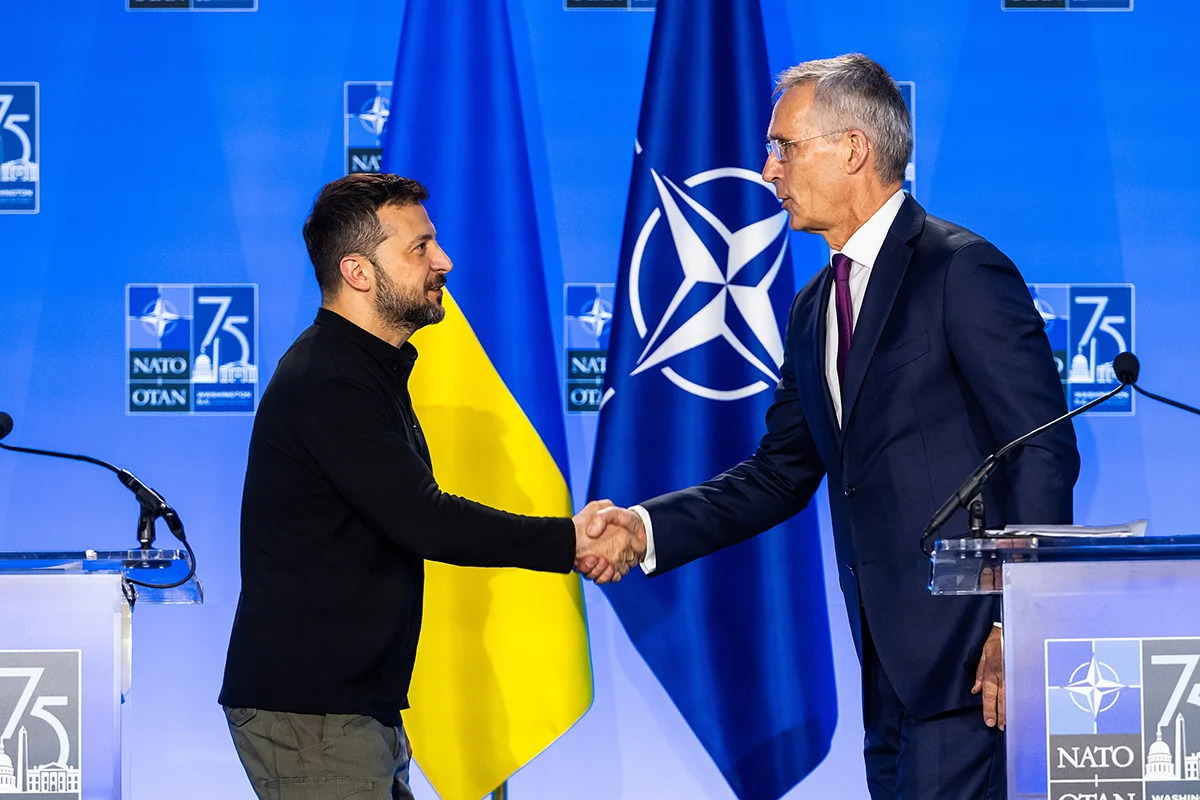
As for the hope of increasing the supply of weapons also present at this point, here the Ukrainian side was very counting on the Oktyabrsky Ramstein. The main goal of this format is traditionally the discussion, synchronization and acceleration of the provision of military assistance, weapons and equipment to Ukraine. It was assumed that Ukraine would receive Air-Earth class missiles AGM-158 Jassm, it is for the F-16, American controlled missiles of the Air-Air AIM-120 Amraam class, which can shoot down Russian Su-34-carriers of controlled bombs-at a distance of 180 km. It was also possible to purchase A-10 Thunderbolt aircraft, which actually amaze any unit of military equipment: tanks, infantry fighting vehicles, artistances. Among other expectations were the liquidation of “tails” for supply, a possible agreement on increasing the production of artillery shells for Ukraine and strengthening its air defense before the winter period, when the intensification of attacks on Ukrainian infrastructure is expected.
However, Oktyabrsky was supposed to differ from the previous Ramsteins, because a meeting of the first persons of the states - the main partners of Ukraine, including US President Joseph Biden, was supposed. It is difficult to say what fateful could be expected from the very fact of this meeting, taking into account the eve of the American elections. However, some Ukrainian experts for some reason hoped that the more specific Euro-Atlantic prospect of Ukraine would be announced on Ramstein.
Be that as it may, Ramstein did not take place due to the changed plans of US President Joe Biden. And without the participation of the United States, the meaning of the forum would be lost. Bayden was forced to stay in Washington because of a hurricane collapsed into the United States. Of course, in such conditions, his departure abroad could bring irreparable electoral losses to the democrats.
3. "Non -core package"
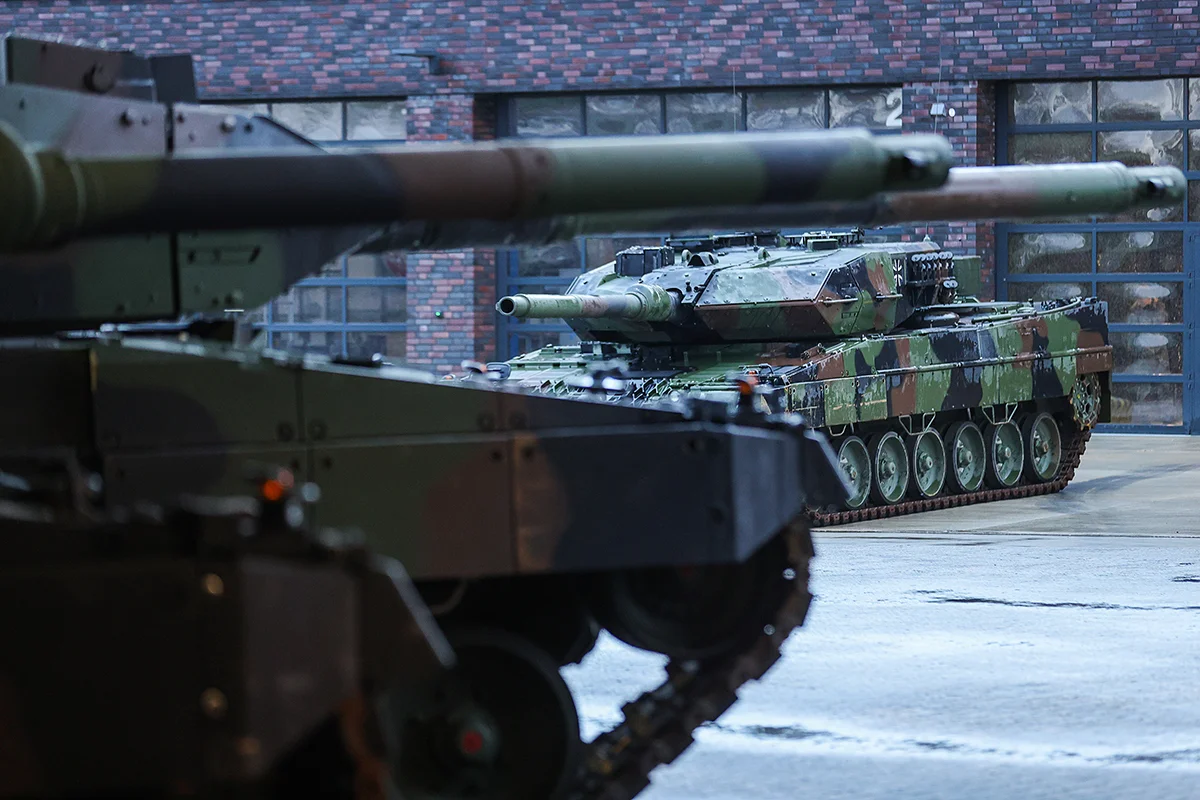
Among the surprises of the plan is a several mysterious third point, about the willingness to place an “comprehensive non -nuclear strategic containment package that will be sufficient to protect Ukraine from any military threat from Russia”. What is the containment package - military bases, or air defense systems, or individual manuals of manpower, is unknown. And how real it is to place it now, during the war, and not at its end, it is also incomprehensible.
4. Resources in exchange for investments
The fourth item applies to the economy. Perhaps this is a kind of invitation for pragmatists who are ready to adhere to the principle of Business as Usual. Ukraine offers the United States of America along with certain partners, for example, with the European Union, part of which it will conclude a special agreement on the joint protection of critical resources available in the country, joint investment and use of the corresponding economic potential.
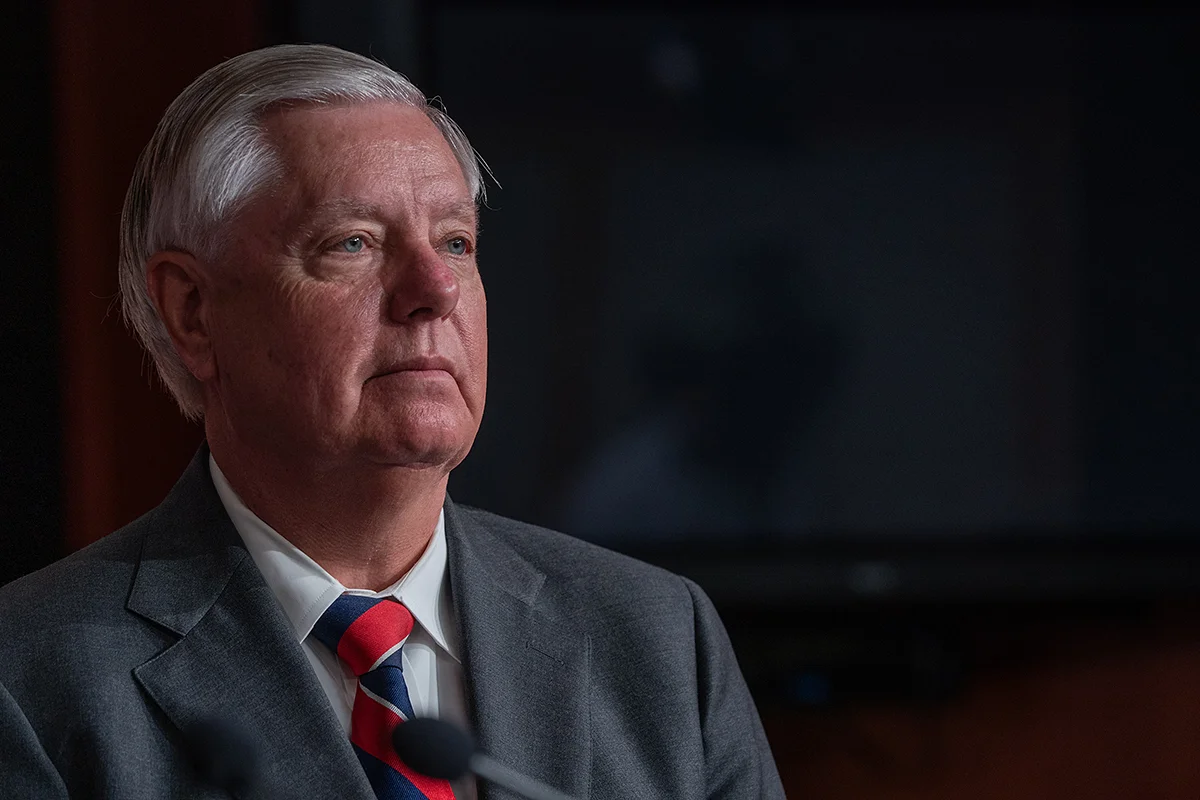
Political scientist Vladimir Fesenko sees this material and economic base for the European and Euro-Atlantic integration of Ukraine, as well as the material and resource rewarding tool for its partners to support its integration into the Western world and for a more reliable ensuring its safety. His colleague in the workshop Evgeny Magda is skeptical, focusing on the fact that, according to the Constitution of the bowels of Ukraine, the property of the Ukrainian people, and the possibilities of large -scale investment have been scolding into the corruption of the Ukrainian judicial system for 30 years in a row. Journalist of the Agency UNIAN Andrei Popov writes that this idea - resources in exchange for investment and security - smacks of "neocolonialism", and its authorship should not be attributed to Kiev. It was with such a proposal that the congressman-republican Lindsay Graham came to Ukraine. He hinted that Trump would like this. This is not a very pleasant topic, but difficult times require complex solutions. And it is under the Trumpists that this item.
5. Defenders of Europe
The fifth point is unambiguously identified as a post -war task and ambitiously offers Europeans assistance in ensuring their safety. Moreover, President Zelensky is confident that Ukrainian military contingents can replace the Americans there: “This is a worthy mission for our heroes. In the event of the consent of partners, the replacement of individual military contingents of the US Armed Forces deployed in Europe, Ukrainian units. After the war. Ukrainians proved that it may be the power that Russian evil will not overcome. "
In this paragraph, both beautiful pathetics, and again a definite playing along with the Trump idea to reduce the expenses of the United States to ensure European security. However,
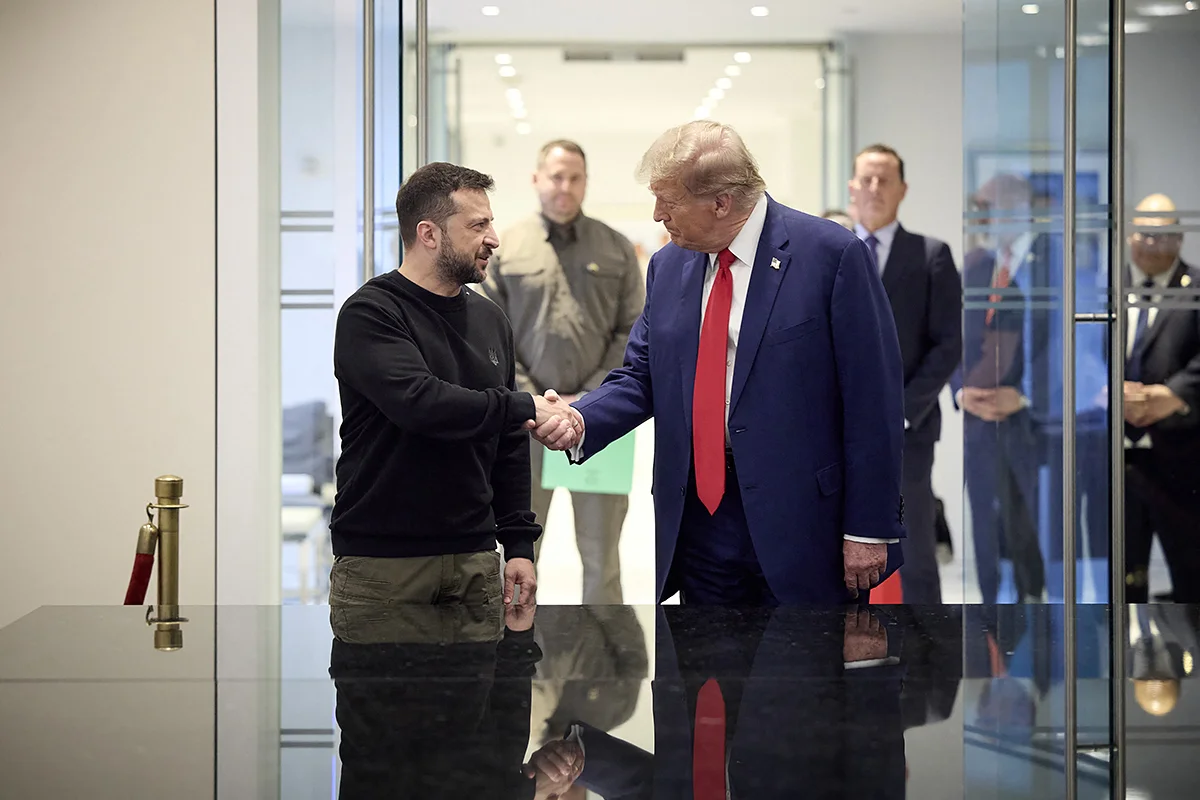
Trump once again made an informational attack towards Ukraine, already on Thursday, saying that it was President Vladimir Zelensky who was not supposed to allow the start of the war, which, in his opinion, was losing.
Since this was said in the context of traditional complaints that the United States spends a lot of money on the support of Ukraine, and Zelensky is again called the “best seller on the planet”, it can be confidently saying that these statements are part of the already bored with the republican candidate.
Nevertheless, this causes justified anxiety in Ukraine. Political observer Oleg Sharp writes : “I don’t know how the elections in the United States will end, but I suspect that in the event of Trump’s victory, the latter will prefer tandem with Putin, not Zelensky. Unless, of course, Donnie does not unfold his rhetoric and actions 180 degrees. ” The well -known Ukrainian political journalist Vitaly Portnikov, who urges Ukrainians not to nourish the illusions: “Donald Trump is not tuned to Ukraine positively and has an absolutely negative attitude towards its leadership and personal antipathy towards the current president of Ukraine.”
The "plan" contains three secret applications. In them, according to the adviser to the head of the presidential office, Mikhail Podolyak, we are talking about the mathematical component - how many weapons and in what form should be provided to Ukraine.
Media nuclear "bomb"
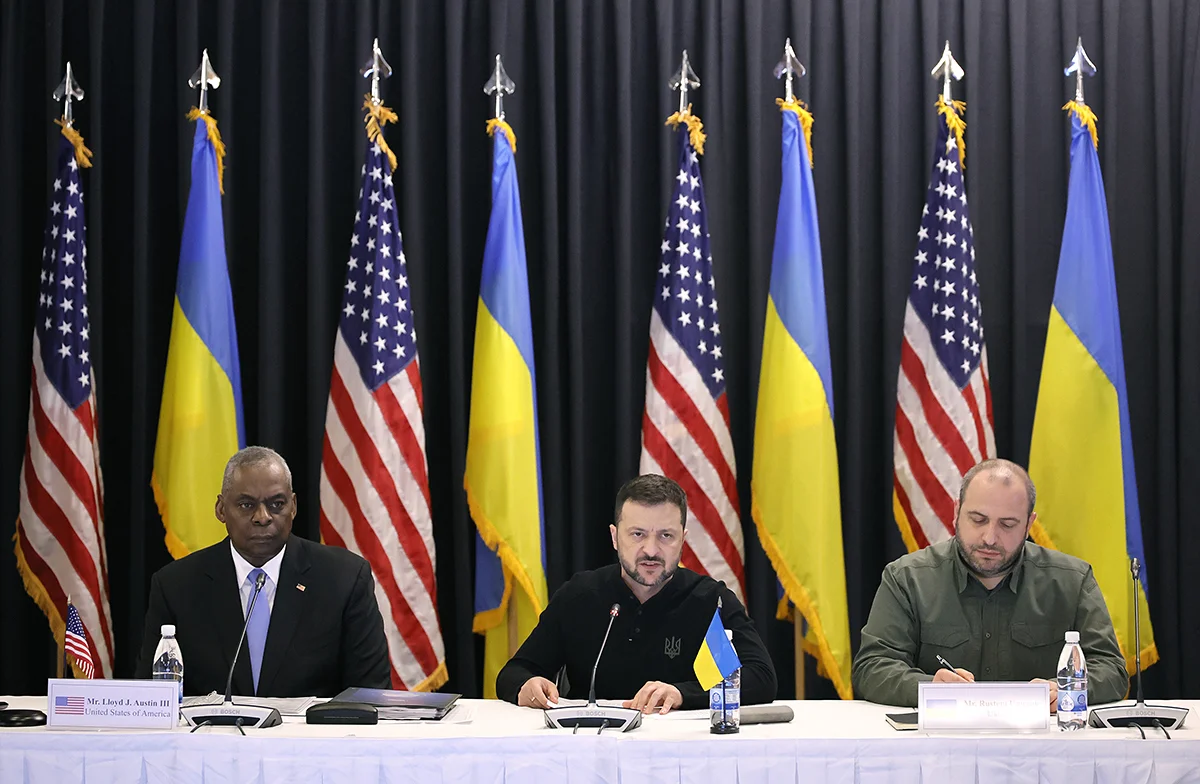
Presenting his plan on Thursday at the summit of the leaders of the EU countries, Zelensky was as usual as emotional. And one of his remarks, spoken at a press conference in Brussels, was so noteworthy that it became the hook, for which the media grabbed. Therefore, the discussion of the plan went precisely in the key assessment of these very words. It is unlikely that Zelensky himself wanted, when he voiced an excerpt from his September conversation with Trump, in which the Ukrainian president said that "for the sake of his own security, Ukraine or should become a member of NATO, or should have nuclear weapons." “Which of these large countries (signatures of Budapest), all nuclear powers, suffered? All? No, one is Ukraine. Who gave nuclear weapons? All? One is Ukraine. Who is fighting today? Ukraine. In a conversation with Donald Trump, I told him: “We get it like that, what is the way out? Either Ukraine will have a nuclear weapon-and then this is protection for us. Or we must have some kind of alliance. In addition to NATO, today we do not know effective alliances”. ”
Of course, comparing two possible options for ensuring the safety of Ukraine - NATO or nuclear weapons - the president wanted to show that Kyiv clearly chooses NATO membership. Meanwhile, this frank statement about nuclear weapons immediately picked up the German edition of Bild, developing the topic and referring to the unnamed “Ukrainian high -ranking official”: “We have materials, we have knowledge. Если будет приказ, нам понадобится всего несколько недель, чтобы получить первую бомбу».
Ожидаемо, что все эти коммуникационные нюансы вокруг ядерной бомбы сами произвели эффект «бомбы».
Офис президента Украины поспешил выступить с опровержением, при этом советник президента по вопросам коммуникаций Дмитрий Литвин обратил внимание на персону автора скандальной статьи, журналиста Юлиана Репке: «Уже давно можно спутать, где слова Юлиана Репке, а где заявления российских пропагандистов». Ведь и те, и те, по его словам, «вбрасывают в информационное пространство одинаковые глупости».
Сложно сказать, было ли столь необходимо Зеленскому упоминать про ядерное оружие и допустим ли такой намек на некий шантаж? Украинский политолог Николай Назаров, хоть и называет это «игрой на грани фола» и «определенным давлением», но считает такую позицию оправданной. «Эта параллель с Будапештским меморандумом довольно логична и разумна. В том смысле, что у нас были уже документы подписаны, мы добровольно отказались от ядерного оружия, однако подписанты не выполняют свои обязательства. Поэтому в таких условиях Украина, чтобы выжить, будет вынуждена или восстановить ядерный статус, или стать членом НАТО. И Украина, как цивилизованная страна, не хочет идти по пути Северной Кореи или Ирана и формировать свой ядерный потенциал, а хочет присоединиться к цивилизованным демократическим странам», — говорит Назаров.
Впрочем, тем, кто знаком с ситуацией более предметно, давно известно, что технологических возможностей быстро создать ядерное оружие у Украины попросту нет, поскольку еще в 2010 году тогдашний президент Украины Виктор Янукович отказался от использования высокообогащенного урана и передал все имеющиеся его запасы в Россию.
Однако всё же украинскому руководству следует просчитывать медийный эффект любого упоминания о ядерке.
Реакция на «План победы»
Если говорить в целом о реакции западных медиа на «План» Зеленского, то, как показывает дайджест украинского издания «Европейская правда», она довольно-таки сдержанная.
Показательна в этом плане позиция Германии. Немецкий канцлер Шольц отклонил два ключевых пункта «Плана», а именно приглашение в НАТО и поставки оружия дальнего действия. В немецком случае это пресловутые ракеты «Таурус», обсуждение передачи которых Украине идет еще с апреля прошлого года. Позиция Шольца была ожидаемой, плюс ко всему она усиливается вступлением в предвыборную борьбу и нежеланием пугать электорат «эскалацией». На встрече с американским президентом в пятницу во время последнего визита Байдена в Германию Шольц остался верен себе, в очередной раз повторив основную линию своей политики в отношении Украины — продолжать поддержку «столько, сколько это будет нужно» и в то же время не допустить втягивания НАТО в войну.
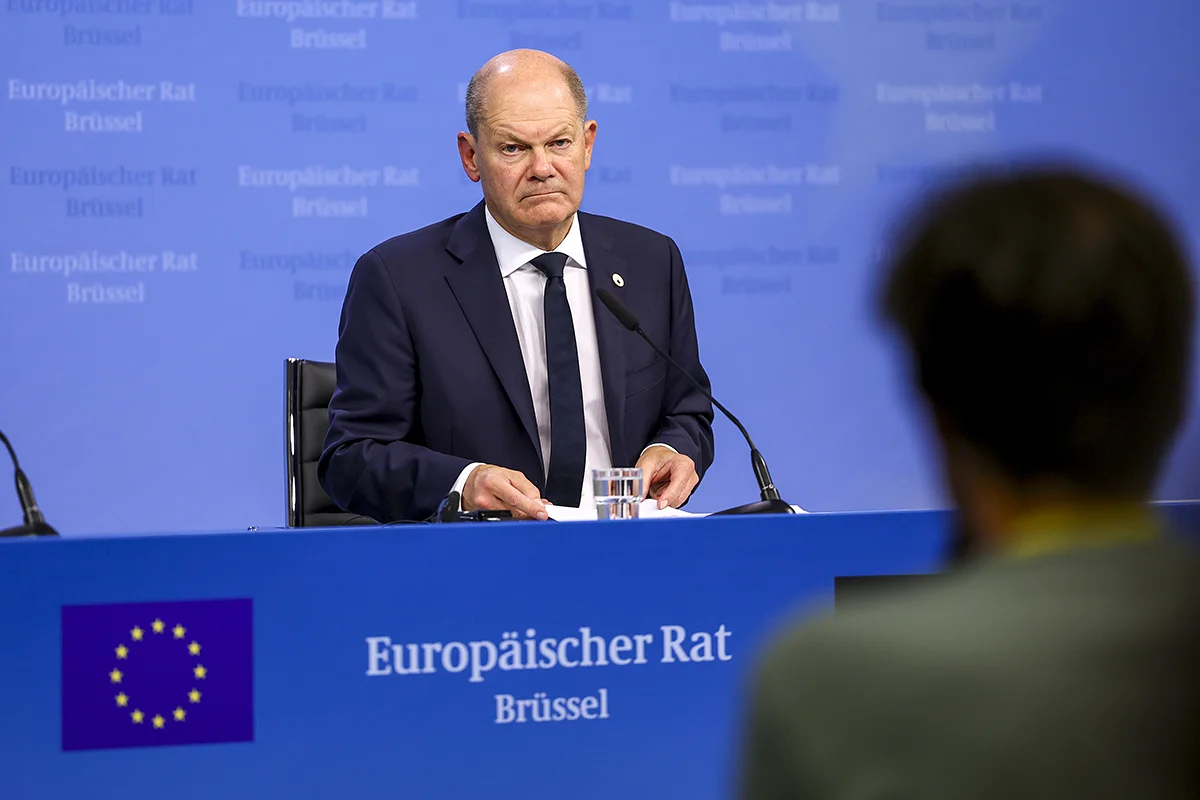
Электоральный мотив, очевидно, является одной из причин внезапного желания Шольца «поговорить с Путиным», озвученного несколько дней назад. Ведь согласно недавнему опросу , почти 60% немцев хотят, чтобы канцлер Германии Олаф Шольц снова начал звонить российскому диктатору Владимиру Путину. Также 45% граждан Германии поддерживают отказ Украины от территорий.
И вот как раз примечательно, что территориальный аспект никак не фигурирует в «Плане победы» Зеленского.
Что по границам 1991 года?
В начале октября издание Financial Times опубликовало статью, где утверждается, что Украина и ее западные союзники обсуждают возможный компромисс, по которому Киев может получить членство в НАТО в обмен на дипломатическое решение вопроса оккупированных Россией территорий в будущем. По мнению газеты, это значит, что Россия сохранит де-факто, но не де-юре, контроль над всей или частью украинской территории, которую она сейчас оккупирует. Предполагается молчаливое согласие на то, что эти земли должны быть возвращены дипломатическим путем в будущем. При этом вступление в НАТО даже в условиях отсутствия мирного договора с Россией можно адаптировать под особый индивидуальный украинский случай, по примеру Японии, имеющей неурегулированный спор с РФ по вопросам Курильских островов и в то же время защищенной гарантиями безопасности со стороны США либо Западной Германии периода «холодной войны».
Немногим позднее немецкий «Шпигель», ссылаясь на слова неназванного «авторитетного украинского чиновника», сообщил , что в Украине могут обсуждать сценарий переговоров, который будет выгодным и России. Он включает территориальные уступки со стороны Украины.
Синхронность таких сообщений во время обсуждения «Плана победы» Зеленского не может быть случайной. С одной стороны, это и так называемые «пробные шары» для проверки реакции украинской и западной аудитории. С другой — и элемент давления на Киев.
Тем не менее официально украинское руководство продолжает резко отвергать подобные компромиссы. На брифинге после встречи с французским визави Макроном Зеленский заявил , что Украина не рассматривает прекращение огня в обмен на западные гарантии. А в эту пятницу, после презентации «Плана победы» в Брюсселе, украинский президент в интервью все той же Financial Times впервые признал , что некоторые европейские чиновники продвигают эту идею, но без консультаций с Украиной, боясь предлагать это Киеву открыто.
Согласно майскому исследованию Киевского международного института социологии, 32% украинцев готовы на территориальные уступки для достижения мира с Россией, 55% выступают против этого. Число сторонников территориального компромисса выросло за период войны. В период с мая 2022-го до мая 2023 года около 8–10% украинцев были готовы на территориальные уступки, а абсолютное большинство — 82–87% — стабильно выступали против этого. Но после мая 2023 года наблюдается постепенный рост доли тех, кто готов к территориальным уступкам. Например, в конце года таких было 19%, в феврале — 26%, а в мае — 32%. Тем не менее большинство украинцев солидарны в этом вопросе с властью. Однако, возможно, невключение его в «План победы» косвенно свидетельствует о перспективах вынужденного смягчения позиции Киева.
С другой стороны, это может быть интерпретировано как то, что Украина априори исключает эту тему из тех, которые можно обсуждать. Но даже без вопроса границ «План победы» выглядит скорее декларацией намерений Украины с некоей игрой на повышение ставок, чем реальной «дорожной картой». А эмоциональность и возможные коммуникационные резкости в его презентации украинским президентом вполне объяснимы с точки зрения его положения как лидера страны, третий год ведущей отчаянную и неравную борьбу за выживание.