
Translated material
War 3.0
As the liquidation of the leader of Hamas, the war in Lebanon and the inclusion of North Korea in the war in Ukraine can affect the development of events in the Middle East and Europe? The New Times asked questions to the Israeli Expert-Eastern District Ksenia Svetlova, Senior Scientific Employee Atlantic Council ** (USA)
Evgenia Albats*: One of the most important events of recent times, about which absolutely all the world media wrote, was the destruction of the leader Hamas Yahyi Synvar, a man who prepared a massacre on October 7, 2023 in the south of Israel. Does this mean that the war in gas is coming to an end?
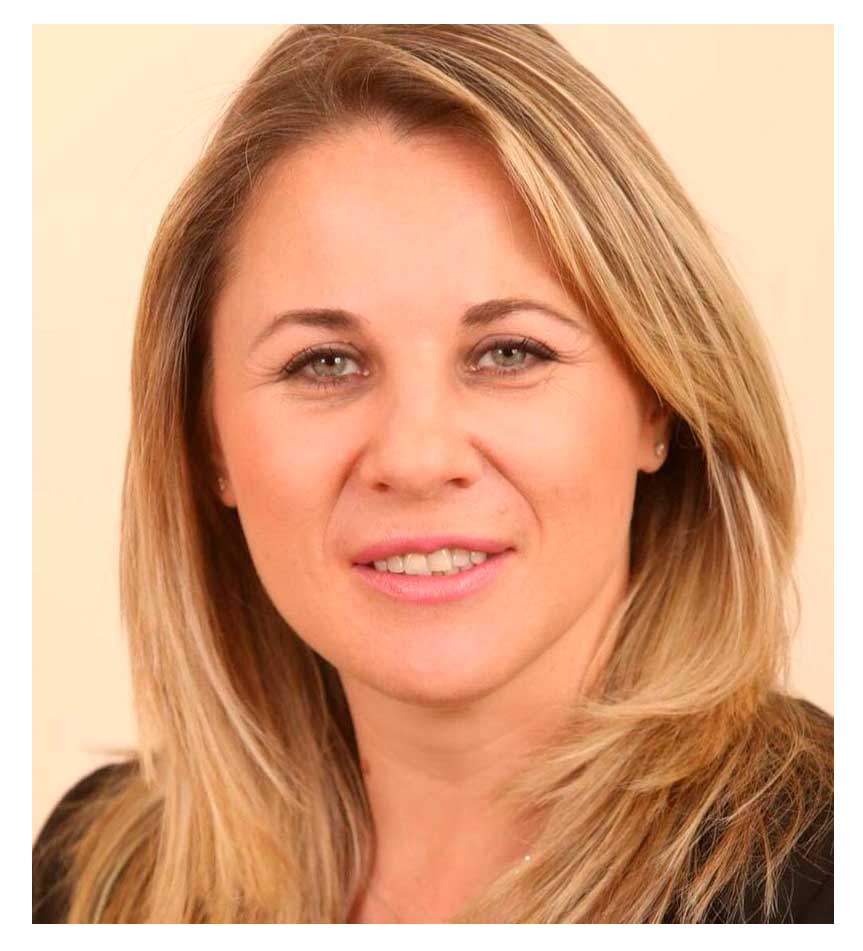
Ksenia Svetlova: In order to end the war, some conditions must be fulfilled. One of the conditions, of course, is the elimination of the top of Hamas. Both the political and military elite was eliminated in the person of Synvara, because although he was the head of the Politburo, he took part in the development of absolutely all the details of the terrifying atrocities of the terrorists, which we discuss, recall and tremble for a whole year when we are talking about them again.
But this is not the only condition, because for every killed terrorist, unfortunately, there is always a different one who is ready to take his place. Synera elimination is a strong blow to Hamas. This man focused in his hands an unprecedented force, which is why it will not be easy to replace. Also because any successor will also be at risk. But this, unfortunately, does not mean that Hamas will cease to exist. He will cease to exist or at least be minimized only when an imperious alternative appears. That is, in addition to the power stripping of the gases from terrorists, so that new terrorists do not appear - but it is very easy to grow and gain them - it is necessary that the owner appears in the gas. There is no owner at the moment. That is why, unfortunately, the war will continue. It may be transformed into something more sluggish, and then there will be some more energetic phases, but it, unfortunately, does not end.
Synevara incident
Evgenia Albats: According to the video, which was distributed by the Israeli defense army in social networks, Sryvar was destroyed by a drone in the apartment on the surface. With him, 40 thousand shekels were discovered, it is a little more than 10 thousand dollars. Does this mean that Sinvar prepared to run?
Ksenia Svetlova: There is an assumption in security services that he might have planned to at least relocate from Rafiah to the north of the gas sector. There are now military operations, so it seems that this is not the most obvious scenario - to leave a more calm place just to where the hell is now. But nevertheless, it is difficult to imagine that Sinvar could now make an attempt to escape abroad. This could be imagined when the Egyptians were at the Rafias checkpoint when there were still some few tunnels that led to the Egyptian side. I cannot say that escape abroad is absolutely impossible. But I consider it very unlikely in this situation.
Naturally, he was hunted, of course, they were waiting for him. But he was still going to move somewhere, it was not by chance that this bag and a person’s certificate, who is an employee of the Bapor agency, is Unrwa . These are the documents of a real person, he was found in Egypt, and it is not clear why his certificate was under Sinwara. The Palestinians say that it was a staging. Why should they throw anything, when, in general, nothing was hidden. The IDF himself transferred all these personnel on the air, so that it was clear that this man who had thrown his people to die, made two million Palestinians a live shield, without consulting them. Wherever he planned to leave, he had such an opportunity. He could move, he had money. He hid his wife, he hid his children. The price for his terrible adventures was paid by other people, whom he simply set up for blows, under bombs, placing his military objects there.
Evgenia Albats: On one video, Synera’s apartment was shown in the tunnels, there a safe was opened in the room of his guard with some incredible amount of money in Shekels, in euros, in dollars. What is it?
Ksenia Svetlova: Well, the person knew what he was going on. Maybe he did not assume that the blow would be so powerful that the gas would be partially occupied by Israeli soldiers, that Hamas’s control over Rafiah’s checkpoint would be eliminated, but he certainly understood that there would be a war. He declared war on Israel and was ready for this. That is, he hid the money, like any dictator, which at the most difficult hour for his people descends to the atomic bunker or into the tunnel, places his family there, hides his money there - is it necessary, right? You never know what will happen, so money, supplies, TV, so that it was pleasant to spend this time in the tunnel. The Internet, which worked, at least part of the time. It is clear that he planned to spend the most time in this tunnel. Indeed, most of the year, the military tell us about this, he was hiding in the tunnel. He came to the surface, apparently due to the urgent need. Realizing that either the tunnel will be blown up, or the soldiers of the Israeli defense army will reach it. He tried to move somewhere. And it was with this message that these personnel and videos with Sinvar were published so that they were seen by the residents of the Gaza, which Israel now offers: give us hostages, you can get either an amnesty if you took part in their abduction, or a monetary reward. But in any case, your leader is a tunnel rat that was sitting underground, to which ordinary Palestinians, of course, had no access.
The girl of Edan Rusal weighed 36 kilograms when she was found in tunnels. And when their last hour came, these weakened, hungry people still fought for their lives
Evgenia Albats: They wrote a lot about the fact that the hostages most likely became a living shield for Sinvar. The army entered the tunnels, but there were no hostages there. What is known about them?
Ksenia Svetlova: First of all, we remember those six heroes who lived all this time in tunnels, in captivity of Hamas, in completely inhuman conditions. The girl of Edan Rusal weighed 36 kilograms when she was found in tunnels. And when their last hour came, these weakened, hungry people still fought for their lives. Men defended women. Signs of struggle were visible where they were killed by terrorists. This six, apparently, spent several months, being a live shield of Sinvar. That is, he was always held with hostages, but at some point they, apparently, began to slow down his movement along the tunnel grid-this is hundreds of kilometers, more than the Parisian metro. Since the IDF was approaching, Sryvar had to leave, and they were killed.
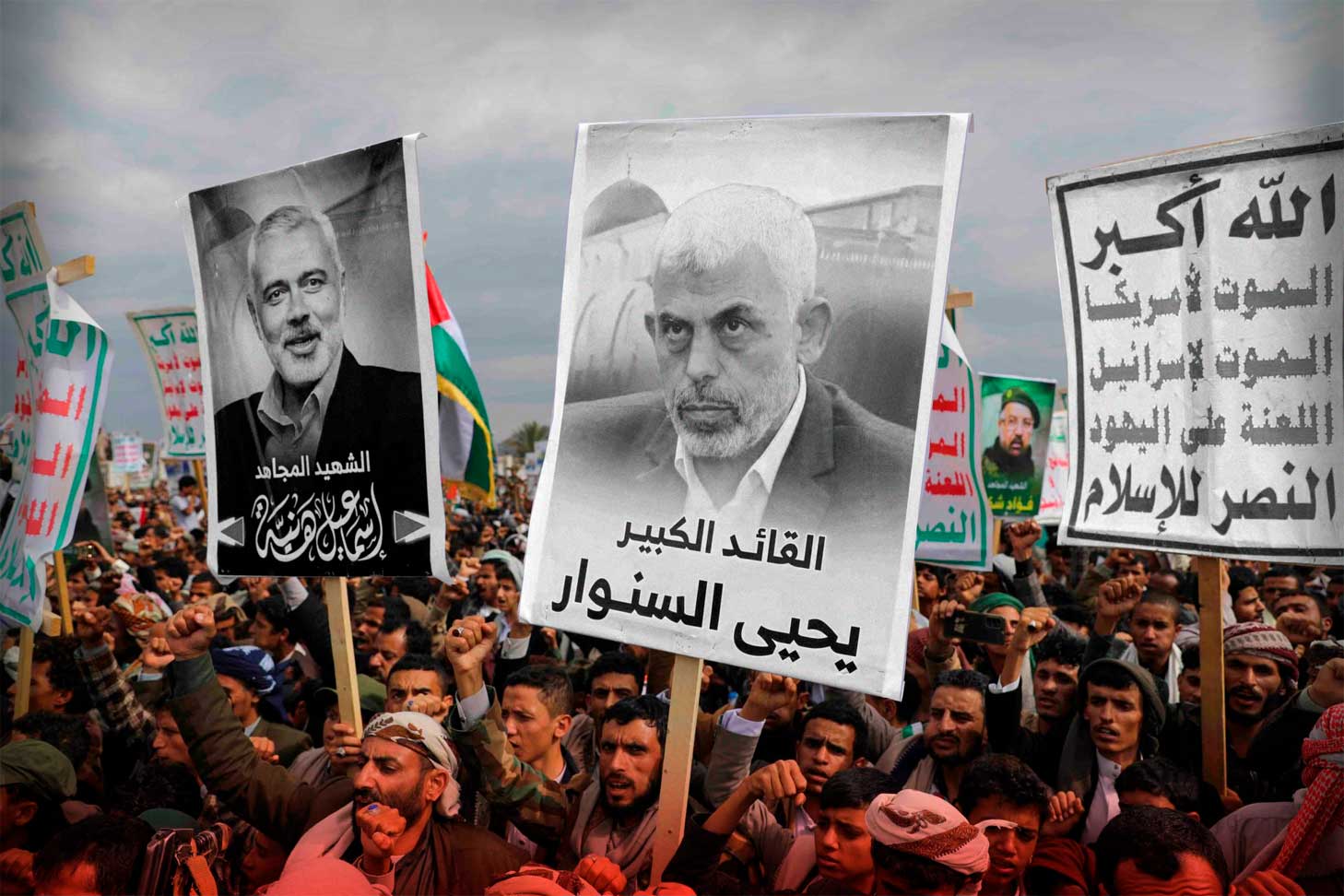
How many out of 101 hostages are still alive, it is difficult to say, at best several dozen. But it may be less. And they are in such a state that this does not allow them to use them anymore as an effective lively shield. Where they are - I hope we learn about it. I hope that they will be saved or a deal will be concluded, they must return home. This is the responsibility of our country. They could not be protected at the time of their abduction. They must be protected and saved, while you can still save.
Evgenia Albats: I am very carefully monitoring the history of the Bibasian family: they killed my grandmother-grandfather, mother-papa and two “redheads” took to the tunnels. Does anything know about them?
Ksenia Svetlova: All the Israelites think about them and pray for them. But, unfortunately, there was actually no information about the mother and two young children who were separated from the father at the time of the abduction, except for the video where they flickered. When the deal was concluded in December, everyone was waiting for them to be released. Then more than a hundred hostages were released, but they were not released. Hamas then claimed that he did not know where they were.
All summer, while negotiations were underway, Yahya Sinvar refused to provide data, how many hostages he was ready to free. He did not give guarantees, they will be alive or dead, what will be the percentage of the living and what the percentage of the dead. I don't want to think about it. We all pray and hope that they will be saved, will be able to recover and survive. But we understand that surviving in Gaza today, even if you are not a prisoner of Hamas, is not so easy. If you are terrorized, if you are not given food, at some point you can become a burden, because you go too slowly, you are too weakened, and there is no chance to exchange you for what they want to get in return.
Two steam boots
Evgenia Albats: The book of the famous American journalist Bob Woodberd “War” recently published. In particular, in this book he cites the words of Blinken, Sullivan, and other American politicians, that every time the negotiators offered the Palestinians a new version of the exchange, so that they gave the hostages, Sinvar answered “no”. That is, he was the most stringent negotiator precisely from the point of view of the release of hostages. Now that he is liquidated, is there any hope that negotiations will go more successful?
The chances could have increased a little, but not so much as to say now: well, everything is killed by Sinvar, then the hostages will return. There are still no guarantees, and there will still be
Ksenia Svetlova: Sinvar was definitely the most tough and irreconcilable. Many call him a psychopath, I am not an expert, but I think that he is fully qualified for this title. The question is who will make a decision now. Not so much abroad-there are still leaders who are known to us: Khaled Mashal, Halil al-Haya, Zahar Jabarin, several more people. Who will make a decision inside? Because if this is the brother of Yahya Synera, then they are two boots of a couple. And it is not a fact that in the chaos that begins to step on gas, there was a centralized mechanism. That is, Hamas controls many areas as before, but not all. And it is possible that Synevar’s brother, who is less authoritative, less famous and less highly rank than Sryvar himself, will show that he is quite cruel and implacable, like his brother. On the other hand, there were times during this year when it was possible to reach a compromise. I believe that not only Sryvar said “no”. The Israeli side also said “no” more than once, and Woodword also writes about this that there was no appetite to quick transactions. One way or another, I think that the chances could have increased a little, but not so much as to say now: well, everything, Sryvar is killed, so the hostages will return. There are still no guarantees, and we still have to bargain with Hamas.
Evgenia Albats: I was struck by the fact that Snera, even when he was sitting for 22 years on charges of terrorism, Israeli surgeons in the Israeli hospital underwent an operation to remove the brain tumor. Without this operation, he would have long been a corpse. They say that in an Israeli prison he learned Hebrew.
Ksenia Svetlova: I have something to say about his stay in the Israeli prison and supposedly his excellent understanding of what is happening in Israel and in Israeli society. As for his salvation, Israel is a democratic country that acts, I can’t say that always 100% according to the rules, but at least tries to follow the norms that are accepted in democratic countries, which means that even the worst killers and the worst criminals receive medical services. If they need operations while they are in prison, they are performed. Synera was saved by life, but just as it would be saved by any other. By the way, Dr. Bitten, who treated him and who was engaged in all his sores, said that he had reported the Prison Management Service: this man is insane in his hatred of our country and to our people. Therefore, unfortunately, there is no connection here. You can do good to a person, and he will bite your hand, bite and bite it just on the shoulder.
But the second point is interesting here. There was some time an aura around him, like around the nasals of the murdered, that, they say, they know Hebrew, read newspapers and understand the Israeli society. I want to tell you - they do not understand a damn thing. Both rely on the fact that Israeli society is easy to break such a wild onslaught due to the fact that there are internal very serious conflicts between different parts of society. This is true, there are conflicts, however, when the war began, 300 thousand people in a small country, we only recently became 10 million, were collected in two days. People flew from New York, from Argentina, in order to serve in the army. Those who could not serve, prepared porridge for soldiers, stroked the uniform for them, washed it, collected money for drones, collected it for equipment, which, of course, could not be enough at once for 300 thousand people.
The terrorists did not see this solidarity, because, being the leaders of the cruel and very stringent authoritarian societies, they could not imagine that this is how the liberal democratic society acts, even if there are irreconcilable conflicts in peacetime. And against the enemy who is trying to kill us, we all act together, therefore, that they taught Hebrew, maybe they helped them communicate with people who maintained contact with them during their stay in prisons. Or it was good for the image. But they did not understand anything about the Israeli until the end of their life.
Murderous drones
Evgenia Albats: Last week, the house of the Prime Minister of Israel Netanyahu in Caesarea was attacked. Was it really his house? How could it happen that he was not protected? Netanyahu was not there or does he just not use this house?
Ksenia Svetlova: We are talking about one of the official residences of the Prime Minister in Caesarea. He has several official residences. This, by the way, is an anomaly for Israeli prime ministers. She is usually alone. But he has several. Caesarea is a charming place north of Tel Aviva, on the seashore, small, very elite. He often holds weekends there, but not always. And this time he was in Jerusalem. The damage was insignificant, the drone crashed into the wall, but the house survived, it was not destroyed. And even if Netanyahu was inside, most likely nothing would have happened. Nevertheless, this, of course, is a serious incident. In fact, this is an attempt on the head of the Israeli government.
Evgenia Albats: But how did the radars missed?
Ksenia Svetlova: You probably remember the terrible, tragic case when the Hezbollah missile, also without any sirens, hit the football field where teenagers played football, and 12 children died. It was this summer, and in fact, the whole campaign that began in August-September against Hezbollah and up to the elimination of Navella, it was an answer to that terrible event. Unfortunately, the protection against drones is not sealed, because our distance is minimal here. Beirut, maybe four hours maximum. They fly low. And that is why such powerful, large systems as “Hads” or “sling of David” simply do not have time to notice them. Therefore, the soldiers recently died when they got into the dining room at the military base. These incidents do not happen so often, but they nevertheless happen. The premiere’s residence was not the only case. With missiles, Israel learned to work very well. With drones, the situation is worse. The same “miners” who are used against Ukrainian cities fly to Israel - both to the prime minister’s residence, and to the base with soldiers, and for innocent children who play football.
Hezbollah is nearby
Evgenia Albats: The Israeli Defense Army conducted a brilliant operation to destroy the Hezbollah terrorists through the explosion of pager. After that, their leader Nasellus was destroyed. Then the ground operation began, the bombing in Beirut, the capital of Lebanon began, and again a lot of civilians die. Two questions. First. According to American data, Hezbollah has 150 thousand missiles. How really can this arsenal destroy? The second question. Why was a ground operation needed? Almost a million people were forced to leave their homes, and again a lot of civilians. What is the need for these bombing?
Ksenia Svetlova: Let's start from the beginning. On October 8, Hezbolla unilaterally attacked Israel.
Evgenia Albats: In 2023, the day after the massacre.
Ksenia Svetlova: Yes, the next day. That is, they decided not to get involved in this war in full, they did not send their terrorists across the border to seize Israeli cities, although they bear such a plan. I personally know this, because as an Arabist I watched their video, which they published for many years. Since 2010, they have been bearing a plan for the capture of Galilee, the capture of several towns, settlements, a large number of hostages. Of course, then the exchange of them for Palestinian prisoners and the war until the destruction of "Zionist education." This is how they dream. But they did not do this. Instead, they began to attack first only border settlements. Israel, by the way, evacuated all people from there.
Everyone in South Lebanon knows where the Hezbollah people live and where the nearest warehouse with weapons is located. Because they themselves pass their basement floors to these warehouses
Evgenia Albats: 100 thousand people, in my opinion, are evacuated?
Ksenia Svetlova: Yes, 100 thousand people. These are cities, these are kibbutsy, these are villages. Это наша Швейцария, то есть то место, куда мы едем отдыхать, где мы катаемся на лыжах зимой, и так далее. Все эти чудесные места были эвакуированы. В Ливане тоже были локальные эвакуации. Не те, о которых распоряжался ЦАХАЛ, люди просто сами уходили, потому что они понимали, что будет плохо. Они еще помнят войну 2006 года. И люди, которые живут в южном Ливане, поверьте, каждый из них знает, где живут люди «Хезболлы» и где находится ближайший склад с оружием. Потому что они сами сдают свои цокольные этажи под эти склады. Или если не они, то их соседи это делают. А соседи могут служить в «Хезболле», например. А может и какие-нибудь родственники. То есть это все очень рядом. И они начали уходить. Израиль начал отвечать на обстрелы. «Хезболла» стала увеличивать свой радиус действий и захватила еще несколько населенных пунктов. Then more and more. И все это проходило более-менее в каком-то обмене, как пинг-понг. Они стреляют, мы стреляем, но никто не пытается переходить красные линии.
Понятно, что Израиль рядом с таким огромным арсеналом оружия продолжать жить не может. Там даже не 150 тысяч, а около 200 тысяч, как выяснилось. И это только ракеты, не считая дронов и так далее. И на какой-то момент был выношен план, вот этот гениальный план с пейджерами. Он готовился вообще-то несколько лет. Его решили задействовать, потому что, во‑первых, пришла пора, а во‑вторых, была опасность, что план раскроют, что эти пейджеры могут быть скомпрометированы. И после убийства друзских детей, причем на Голанских высотах, сирийцы вообще считают эту территорию своей, «Хезболла» сказала — «это не мы», спряталась в кусты, это израильтяне сами себя бомбят. Ну все как они любят. И после этого, в общем-то, прошло еще некоторое время, и были ликвидированы не только лидеры среднего звена, но и многие высокопоставленные фигуры, а потом добрались и до Насраллы. Потому что понятно, что или ты воюешь, или ты будешь продолжать позволять врагу навязывать тебе правила игры. Израиль очень долго это позволял и «Хезболле», и ХАМАСу. Я думаю, что мы заигрались, это была обманчивая тишина. Потому что это фундаменталистские исламистские группировки. Я об этом говорила, когда была депутатом Кнессета. Никто не хотел тогда слушать, потому что и у правительства, и у армии была концепция: мы им даем стабильность, возможность богатеть и какие-то деньги делать, а они взамен не будут нас убивать. Нет, пришел Синвар и сказал: хватит — и Насралла к нему присоединился.
Теперь насчет бомбежек. Израиль не бомбит районы Бейрута. This is very important to understand. Христианские районы Бейрута, центр города, прекрасные колониальные здания, Вердун, Ашрафие — никто их не бомбит, никто их не трогает. Там нет ракет, которые спрятаны, там нет подземных установок, нет исламских банков Хезболлы, которые отмывают деньги и потом на них покупается новое оружие, там нет военных командных пунктов, нет разведывательных баз. Удары наносятся по тем районам, про которые есть хорошая информация, лучше чем в Газе. И точно так же, как ХАМАС, «Хезболла» используют живой щит из своего собственного населения. Но те, кто были поумнее, те спаслись бегством уже давным-давно. Другие остаются, потому что либо не могут уйти, либо они тоже там на положении заложников, либо некуда уже уходить. Говорю об этом с сожалением, у меня знакомые живут в Ливане, никто из них, естественно, не поддерживает «Хезболлу», но они живут где-то недалеко.
В любой момент есть возможность прекратить войну. И это делали масштабные, опытные армии. Но этого никогда не сделают террористы. То есть нам не приходится ожидать, что, например, после мощных ударов по Газе, уничтожения всей их инфраструктуры, всех батальонов, почти всех их лидеров ХАМАС сейчас выйдет и поднимет белый флаг. This will never happen. И это не произойдет с «Хезболлой». То есть они будут выторговывать перемирие на наиболее выгодных условиях, но это не значит, что они прекратят борьбу.
Сила удара
Евгения Альбац: Иран выпустил три недели назад по Израилю 180 ракет. Слава богу, погибший только один, но все стали ждать, когда Израиль ответит. Понятно, что он ответит, но когда и как? Буквально день или два назад я читала в американских газетах, что были раскрыты планы Израиля по Ирану.
Ксения Светлова: Я вижу все время эти обсуждения, а когда ударят, а что? Я надеюсь, что настоящая дата и настоящий план держатся в строгом секрете. Нашим врагам полезно, пусть они гадают. Я думаю, что ответ будет. Мы живем в таком регионе, где если ты не сохранишь лицо, то этим в следующий раз воспользуются люди, которые хотят тебя сожрать. Это джунгли, в которых ты пытаешься соблюдать законы цивилизованного общества, но приходится и отвечать на агрессию точно так же, как в джунглях. Поэтому война у нас идет с Ираном и с его детенышами-змеенышами. Она просто все время выходит на новый уровень, но это одна и та же война, которая была и до 7 октября, а потом перешла в этап эскалации, и сейчас возможно будет новый виток. Но это одна и та же война. Иран очень любят воевать руками палестинцев, ливанцев, сирийцев, йеменцев, иракцев. Они не торопятся своих собственных людей отправлять. Потому что собственные нужны дома, ломать ноги и руки демонстрантам. Ну и для всего, для чего нужны силы безопасности в авторитарном режиме.
Удар должен быть болезненным, но не настолько, чтобы спровоцировать сейчас Третью мировую войну, в ней никто не заинтересован. Иран еще меньше, чем Израиль. Поэтому будет сюрприз. Об этом сказал наш министр обороны. Он серьезный человек, слов на ветер не бросает. Он сказал, что это будет сюрприз, значит, это будет сюрприз. Они не поймут вообще, что с ними произошло, пока это не случится.
Евгения Альбац: Довольно много людей говорят, что надо воспользоваться случаем и наконец уничтожить ядерную программу Ирана.
Ксения Светлова: Я честно могу сказать, что если бы была такая возможность уничтожить всю ядерную программу Ирана или вывести ее из строя, так чтобы они там еще несколько десятилетий не могли прийти в себя, то это было бы наверное уже сделано. Израиль вынашивал такой план в 2011 году. В итоге премьер-министр, который тогда был у власти, Биньямин Нетаньяху, все-таки принял решение этого не делать. Из открытых источников нам известно, что все эти их объекты находятся в горных массивах, под землей, они рассредоточены по огромной стране. То есть это не Ирак 1981 года, когда все в Ираке знали, где находится реактор, который строит Саддам Хусейн, и по нему можно было ударить и полностью вывести его из строя. То же самое было с Сирией в 2000‑х годах, когда был выведен из строя сирийский реактор, который там строила Северная Корея. Но ситуация в Иране намного хуже, к сожалению. Иран находится далеко. Если Израиль действует единолично, без союзников — а похоже на то, что он будет действовать без союзников — мне кажется, что это маловыполнимая задача. Есть другие вещи, которые можно сделать, и от этого будет тоже неприятно.
Евгения Альбац: Но говорят, что уже есть бомба. Путин и его ребята помогают Ирану? Обогащенный уран доставят в Иран? Это, в общем, довольно легко себе представить, нет?
Ксения Светлова: Они сами могут обогатить себе уран, учитывая, что МАГАТЭ не имеет доступа ко многим из их сайтов. Они сознательно эту линию не переходят. Потому что понимают, что на этом закончится период неясности, когда можно торговаться о санкциях.
Евгения Альбац: То есть вы убеждены в том, что у Ирана пока ядерной бомбы нет?
Ксения Светлова: Ну, это то, что нам говорят открытые источники: нет, и более того, у них нет не потому что они не могут этого сделать. Могут, но пока что выбирают этого не делать, потому что первая цель иранского режима — выживаемость. Если у них будет ядерная бомба, с одной стороны, это неплохо, с другой стороны, это не гарантирует выживаемость.
Евгения Альбац: Понятно. А удар по нефтяным полям Ирана?
Ксения Светлова: Поскольку у них нефть сосредоточена практически на одном острове Харк, это относительно легко выполнимо. The problem is different. В тот же момент, когда происходит атака на нефтяные поля, иранские ракеты, которых у них намного больше 150 тысяч, полетят в сторону не только Израиля, а гораздо ближе, к их соседям: Саудовская Аравия, Объединенные Арабские Эмираты, Бахрейн, которые находятся на расстоянии вытянутой руки, они все под угрозой. И они ведь не случайно своих злейших врагов решили задобрить и с помощью китайцев пошли с ними на перемирие. Они боятся, потому что гораздо легче Ирану нанести суперболезненный удар по своим арабским соседям, чем по Израилю, который лучше вооружен, лучше подготовлен, у которого гораздо более сильная армия. Поэтому в заложниках на самом деле находятся наши партнеры по Авраамическим соглашениям и Саудовская Аравия, с которой мы стремимся к нормализации.
Евгения Альбац: Но иранцы недавно отправляли делегацию в Саудовскую Аравию, там явно идут какие-то переговоры.
Ксения Светлова: Они активно обмениваются делегациями, восстановили посольства и так далее, по следам вот этого китайского мира, который был заключен еще в прошлом году. Мне кажется, что саудиты решили, что раз в 2019 году, когда иранцы иракскими руками атаковали их нефтяные объекты, Америка при Трампе не пришла к ним на помощь, и при Байдене как бы намекает, что никто их не спасет, если за ними придут иранцы, поэтому с иранцами лучше договариваться. И мне кажется, что сейчас саудиты пытаются дать понять Израилю и Америке, что вы там выясняете отношения, и мы даже не против, только нас не трогайте, чтобы нам не прилетело.
Потенциал войны
Евгения Альбац: Вы полагаете, надо ждать расширения войны на Ближнем Востоке?
Иран фактически находится в противостоянии и с большей частью Арабского Востока. У Израиля и Соединенных Штатов нет стратегии борьбы с Ираном, вместо этого все время какие-то тактические шаги
Ксения Светлова: Сценарии такие есть, более того, они отрабатываются всевозможными think-tank' ами, Atlantic Council и другими. Проводятся такие war games , военные игры, где есть симуляция. А что если, например, будут атакованы иранские нефтяные поля, а они, к примеру, в ответ бьют по Саудовской Аравии? А что если, например, есть попытка атаки израильского ядерного оружия в Димоне, которого, как известно, у нас нет, но иностранные агентства почему-то пишут, что оно у нас есть. Что происходит тогда? Кто подключается к этой войне? Мы понимаем, что потенциал для расширения есть. Иран фактически находится в противостоянии и с большей частью Арабского Востока, кроме тех стран, где он доминирует и которые подчинил себе. У Израиля и Соединенных Штатов нет стратегии борьбы с Ираном, вместо этого все время есть какие-то тактические шаги.
Поэтому мне кажется, что надо готовиться, но никто не будет готов, если это произойдет. There is another nuance. Потенциал, конечно, есть: может в любой момент упасть ракета не туда, погибнет огромное количество мирных жителей в каком-то пункте X , и пойдет по нарастающей. Но у иранского режима есть цель — сохранить себе власть, если можно, до бесконечности. Но для этого ты должен знать, что твои действия не оголят домашний фронт. То есть региональная война потребует от Ирана все свои силы бросить не на усмирение школьниц и студентов в иранских университетах, а на войну в том числе с соседями. Израильская ситуация плохая, но она лучше, может быть, чем у арабов, потому что мы уже находимся в состоянии полномасштабной войны, мы уже воюем и с нашими соседями (Ливан прежде всего и Газа), но и со странами, с которыми мы вообще не граничим. И вопрос, насколько они могут увеличить объем насилия по отношению к Израилю. Но я думаю, что если мы говорим про региональную войну, то целью будет далеко не только Израиль. И США как пусть слабому, но все-таки гаранту безопасности своих союзников придется вмешаться. Если вмешаются США, то и еще какая-нибудь держава может вмешаться.
Потенциал есть, но есть и вероятность, что в итоге аятоллы останутся без власти, может быть, вообще их не останется как класса, поэтому я убеждена, что в Тегеране об этом думают постоянно и взвешивают риски, потому что Иран — это никакая не супердержава. Это ослабленная санкциями страна, с очень слабой экономикой и с огромным количеством удаленных регионов, где существуют десятилетиями протестные настроения, где есть молодежь, которая выступает против какой-либо войны и отрицательно относится к тому, что режим финансирует хуситов и прочую дрянь, вместо того чтобы вкладывать в больницы, школы и так далее.
Евгения Альбац: В Европе все чаще говорят о том, что война в Украине будет расширяться. Стало известно, что северокорейский диктатор отправляет на помощь российской армии от 10 до 12 тысяч своих солдат. Северная Корея поставляет России половину запаса снарядов, которые она использует для убийства украинцев. Конечно, всех пугает перспектива мировой войны. Потому что мы понимаем, что за Северной Кореей стоит Китай. С вашей точки зрения, Европа действительно вошла в военный период и закончился невероятный длительный, семь с лишним десятилетий, период послевоенных мирных лет?
Ксения Светлова: Европа с 2014 года находится в фазе войны, просто она не хотела это признавать. У нее под боком маньяк-убийца, который либо хочет подчинить себе всех, запугивая, либо готов воевать сейчас годами и вызывать на помощь Кима, сирийских ополченцев, которые, кстати, так и не приехали никуда. Или приехали, но в небольшом количестве, и это не изменило ход событий. Я не знаю, насколько корейцы его изменят.
Но хорошо, что в Европе наконец поняли, что да, это война. Я могу сказать как израильтянка: очень неприятно каждый день вставать и думать, что я ращу детей в стране, которая в обозримом будущем еще будет воевать. По крайней мере на ливанском фронте я не вижу никаких других перспектив, я не вижу там быстрых перемен, я не вижу там предпосылок для больших политических изменений. В теории они существуют, на практике, я думаю, что это будет очень тяжело, может быть даже невозможно. Эти фундаменталистские силы, они укорененные, попробуй их выкорчевать. У нас есть пример Ирака, Афганистана и так далее. Поэтому с точки зрения Европы, мне кажется, надо перестать бояться и сказать себе: да, идет война, с этим надо жить и стараться сохранять близкий к нормальному образ жизни для своих людей, защищать их, как я защищаю свой суверенитет. Войны, к сожалению, не удалось избежать мирными дипломатическими путями. Поэтому тот, кто хочет мира, должен быть готов к войне, должен быть готов воевать, засучить рукава и делать это.
Полностью интервью можно посмотреть на YouTube :
* Евгению Альбац Минюст РФ объявил «иностранным агентом».
** Atlantic Council в России объявлен «нежелательной организацией».
Фото: Khaled Abdullah / Reuters.