
Translated material
“Manage Yemen like a dance on the heads of snakes”: Report of Ruslan Suleimanov
How does one of the most divided countries live in the world? Report from Yemen
The civil war in Yemen is one of the most unfairly forgotten conflicts on the planet. The country has the most severe humanitarian crisis, and Yemen’s territory is divided into several parts, each has its own power. An international recognized government, although it formally controls most of Yemen, is in exile and leads the country from Saudi Arabia. And the rebel movement "Ansar Allah", better known as the Husites, controls the third territory of Yemen and 70 % of the country's population. The orientalist and the author of the telegram channel about the Middle East Ruslan Suleimanov drove around Yemen from south to north and back with his own eyes how this country lives.
Part 1. "We fled from sunset"
“It seems that this war will never end. This is our third house over the past nine years, ”says 29-year-old Haled, the father of a large family, who recently found a shelter in the mountain city of Tazi in the central part of Yemen.
“We lived in South El Mukalla, in which 10 years ago [the Al-Qaida, which was banned in the Russian Federation, came to the Russian Federation and began to arrange any hopeless executions and take women into sexual slavery. At the end of 2015, we fled to Marib in the north, overcoming hundreds of kilometers, ”Yemenets continues, clarifying that most of the 600-kilometer path had to be overcome on foot.
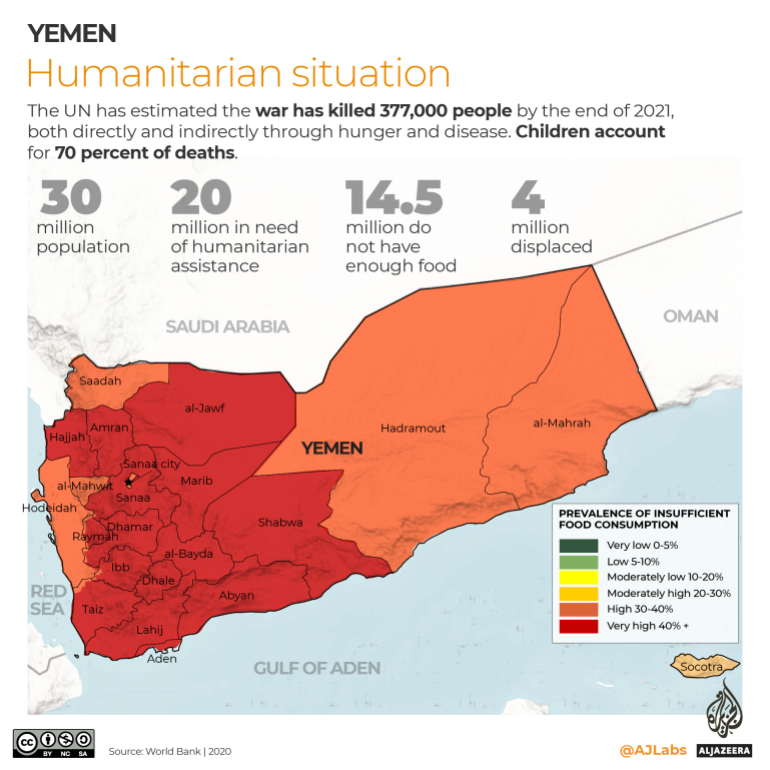
To date, in Marib with a population of 1.6 million people, about 90 % of the population are internally displaced persons. The situation in the region worsened in 2021 amid the vain attempts of the Husites to master Marib.
“Then we decided to flee to TAIC from the Husites, which are no different for us from al-Qaeda. If they capture TAIS, you will have to run even further south. We are constantly running away from death, we are running from sunset, ”adds Khaled, who earns on bread in Thaiz, working as a cook in a hotel on the outskirts of the city and getting about $ 100 a month. Today in Yemen it is considered a very high salary.
Part 2. What went wrong in Yemen?
Most of the history of modern Yemen was divided into several parts. By the 20th century, these were two independent states: the Yemenskaya Arab Republic (YAR, from 1962 to 1990) in the North and the People’s Democratic Republic of Yemen (NDRI, from 1967 to 1990) in the south. The latter was actively supported by the Soviet Union - with weapons, loans and sending numerous specialists.
“In 1990, the unification of the north and south took place, but in practice we became even more divided than before,” says Sabet al-Avlaki, who advocates the reconstruction of the NDRs within the borders of 1990, in a conversation with Perito.
The unification of the country in 1990 was the absorption of the South of the North. The Southern Temen elite was removed from the authorities, oil revenues went north, and after the 1993 election in the Council of Ministers of Yemen, almost all places were received by representatives of the northerners.
In May - July 1994, dissatisfied southerners raised an uprising. Yemen plunged into a civil war, which ended with the complete defeat of supporters of the revival of the independence of South Yemen.
For many years, all power in Yemen was actually concentrated in the hands of President Ali Abdullah Salekh, who first headed Yar, and then the united Yemen. As in many other Arab countries, the state management system under Salekh fed into a well -aimed definition of the classic of the political science of Max Weber: “Power is a community of people who have a monopoly on the legitimate use of physical force in this territory.” “To manage Yemen like a dance on the heads of snakes,” Saleh often repeated .
The situation in the country began to change rapidly in 2011, when the Wind of the Arab Spring blew in the Middle East. And Yemen was no exception. Saleh’s power began to weaken, and separatism intensified. The rebel movement "Ansar Allah", better known as the Husites-named after his founder Hussein al-Husi, who was killed by the central authorities in 2004, became louder. Al-Khushi was the leader of Zaydites-one of the branches of the Muslims-Shiits, and the Husites enjoy the support of Iran and Hezbollah.
The uprising in 2014 began with mass demonstrations caused by the abolition of subsidies and increasing gasoline prices. The Husites quickly went beyond the limits of the small province of Saada on the border with Saudi Arabia, advanced south and by September captured the capital of the country of San. So almost the entire northern Yemen was under their control.
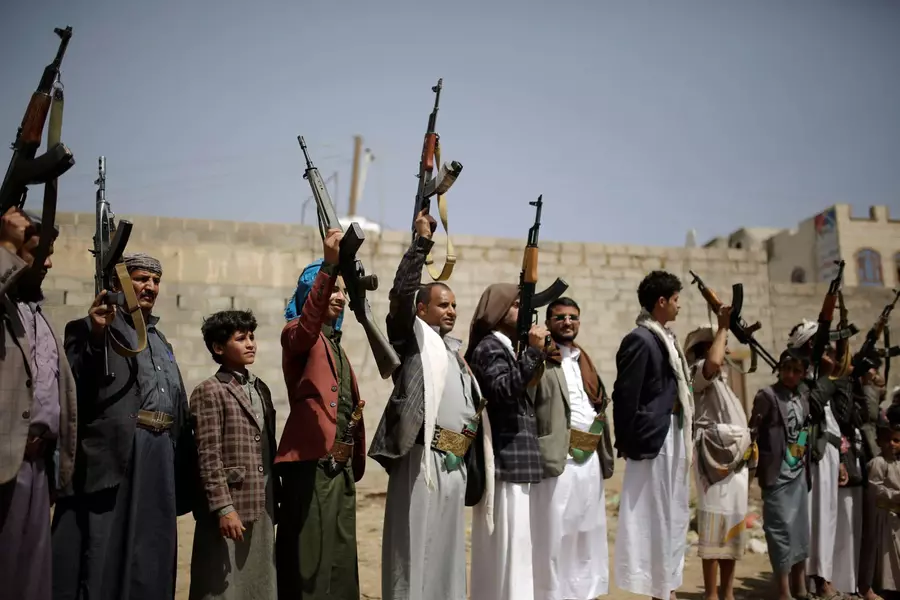
The President of the country of Abd-Rabbu Mansur Hadi, elected in the non-alternative elections in February 2012, fled to the south of Yemen and asked for support from Saudi Arabia.
In March 2015, Riyadh and his allies began the military operation “Storm of determination” in Yemen. Saudi generals promised to spend it in a matter of weeks, but the operation stretched for years and did not change the situation in Yemen for the better. I only aggravated: since 2015, at least 377 thousand people have been killed in the country, and 4.5 million turned out to be internally displaced persons. In parallel with this, in the south of Yemen, the separatist trends intensified, which resulted in the creation of a separatist Southern Transition Council (UPS) in May 2017, supported by the united Arab Emirates (UAE).
In April 2022, Saudi Arabia went to a humiliating truce with Husites, which formally ceased to operate in October of the same year, but de facto is still valid.
In addition to the Husites, Jups and international authorities, several more political forces and terrorist groups “Al-Qaeda on the Arabian Peninsula” and a branch of the “Islamic State” [declared terrorist organizations] are operating in Yemen. From time to time, they arrange sorties and attacks, more often on JUPS servicemen or international recognized authorities - the locals call them the word “ball”, “ball” (“legitimacy”, “legitimacy” in Arabic). As a result, the Yemen map is a real patchwork blanket from political forces, fractions and armed groups.
Part 3. How to get into Yemen?
Getting into Yemen is not the easiest task even for citizens, not to mention foreigners. In conditions of an ongoing armed conflict, Yemeni airports regularly suspend work. In late July alone, the warring parties reached an agreement on several points, including the resumption of uninterrupted air traffic.
Now the entrance to Yemen is possible through the temporary capital of Aden or the official capital of the bathroom, controlled by the Husites. Flights are performed by the only airline in the country - Yemenia . It is impossible to buy tickets on the site, but it is quite possible to do this in the offices of the airline, for example, in Cairo (Egypt), Amman (Jordan), Riyadh (Saudi Arabia), Mumbai (India). In the same areas, flights are made to the largest Yemeni cities.
It is much more difficult to get a visa in Yemen. The embassies and consulates of this country, representing an international recognized government, refuse to issue visas to foreigners: they do not want to take responsibility. I was refused Yemenic diplomatic missions in Turkey and Jordan, hinting that you need to find a person directly in Yemen. At the same time, the government formed by Husites in the dignity has no authority to issue visas to foreigners.
After a long search, I managed to find a person who agreed for several hundred dollars to make me a visa through one construction company in Aden, who issued an invitation to me, then approved at the Yemen Foreign Ministry. The same person, by the way, bought me in one of the Adenia Adenia tickets from Cairo to Aden, which cost about $ 500.
Part 4. Aden: “While we live. And there we'll see "
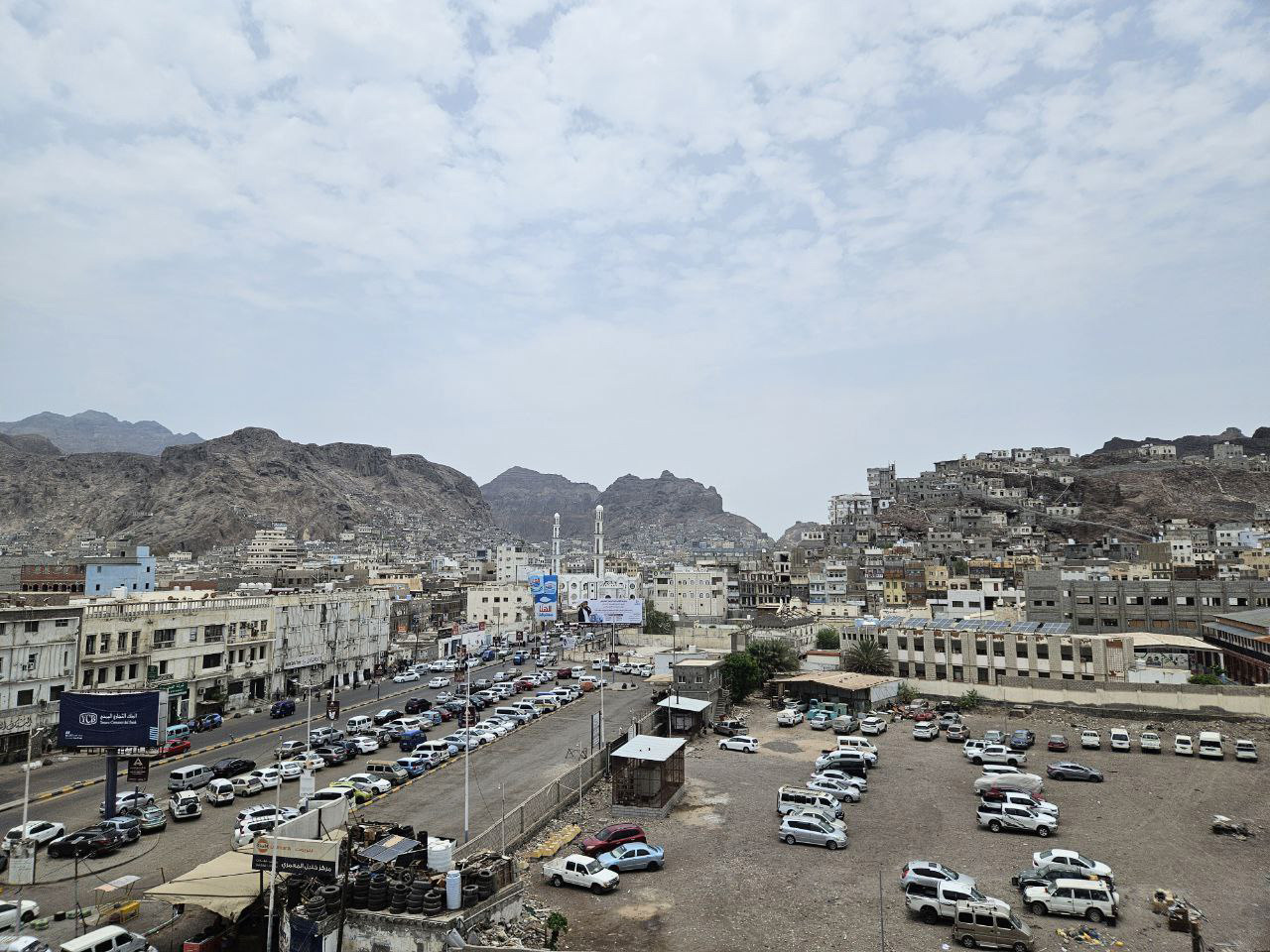
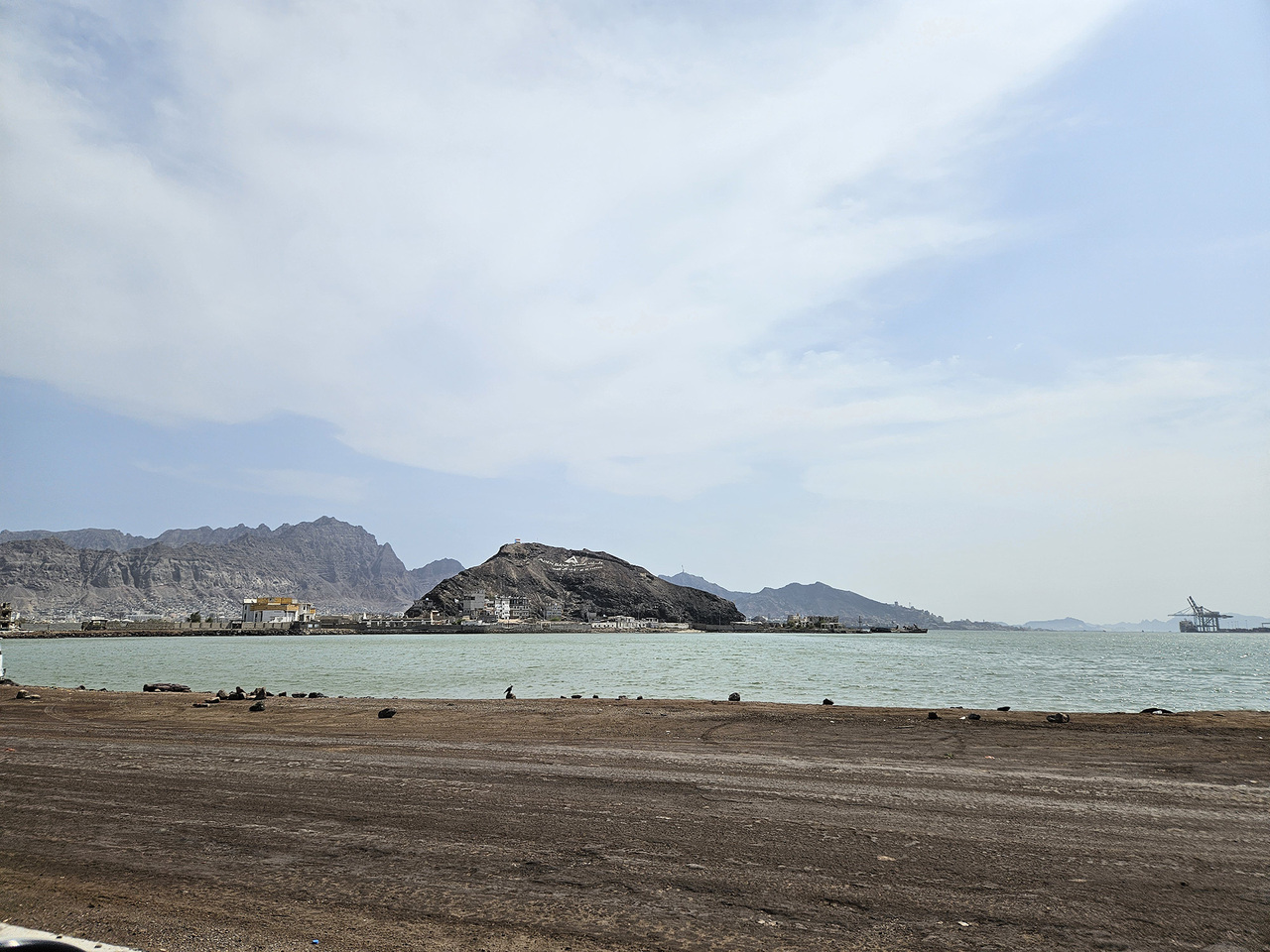
Aden is the main port city of South Yemen. Before the start of the war, it was considered the economic capital of the country: it was in the south that the deposits of the main natural fossils, including oil, were concentrated.
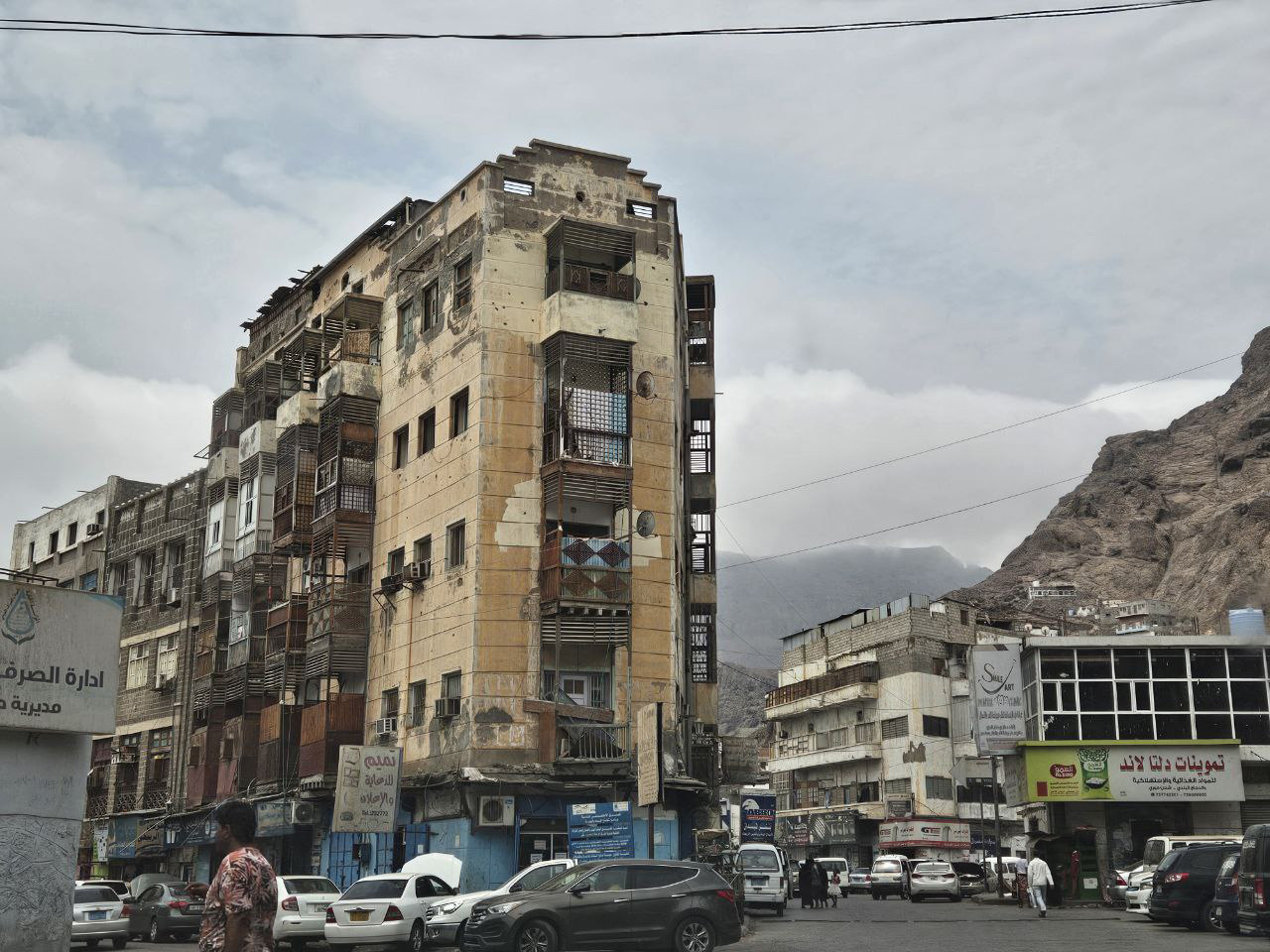
Aden is not like other cities of the Arabian Peninsula. The architecture of the historical center is the buildings of the time of the British colonial rule of the second half of the XIX - early XX centuries. Also in Aden, unlike the northern Yemeni territories, there are many three-, less often four-story shopping centers. The eastern and oldest part of the city is called crater, since here Aden is really located inside the crater of an extinct volcano. In the city, due to the lack of mountains, it is quite hot, but at the same time, due to proximity to the sea, the winds are very strong. However, this is incomparable with the coolness that is found in the Yemen mountain district as it moves north.
On the city’s crossings are patrols. Employees ask the driver to lower the glass, briefly inspect the car interior and, smiling, wishes a happy journey.
Southerners differ from the rest of the Yemenis outwardly, quite often among them there are dark -skinned ones. Due to the great proximity to the African horn, there have always been many migrants from Ethiopia, Somalia, Djibuti and other African countries. “In Yemen, I found at least some kind of dirty work. At home, I have only shooting, drought and destruction, ”says 21-year-old Somalian Ahmed, a parking worker of one of Aden's restaurants. He earns about $ 50 a month. According to the UN, today in Yemen there are up to 100 thousand migrants from Ethiopia and Somalia. Locals say that this figure is underestimated and actually exceeds 600 thousand. Most Africans arrive here illegally on boats and small fishing vessels.
“Usually we jump into the water two to three kilometers from the shore and then float on our own. Due to frequent storms and strong currents, not everyone manages to swim, ”recalls Ahmed, who managed to get to Aden about a year ago. During this time, he did not legalize Yemen in any way and does not plan to do this. When asked about what further plans he has, the Somalian shrugs and only confuses something from the series: “While we live. And there we'll see. ”
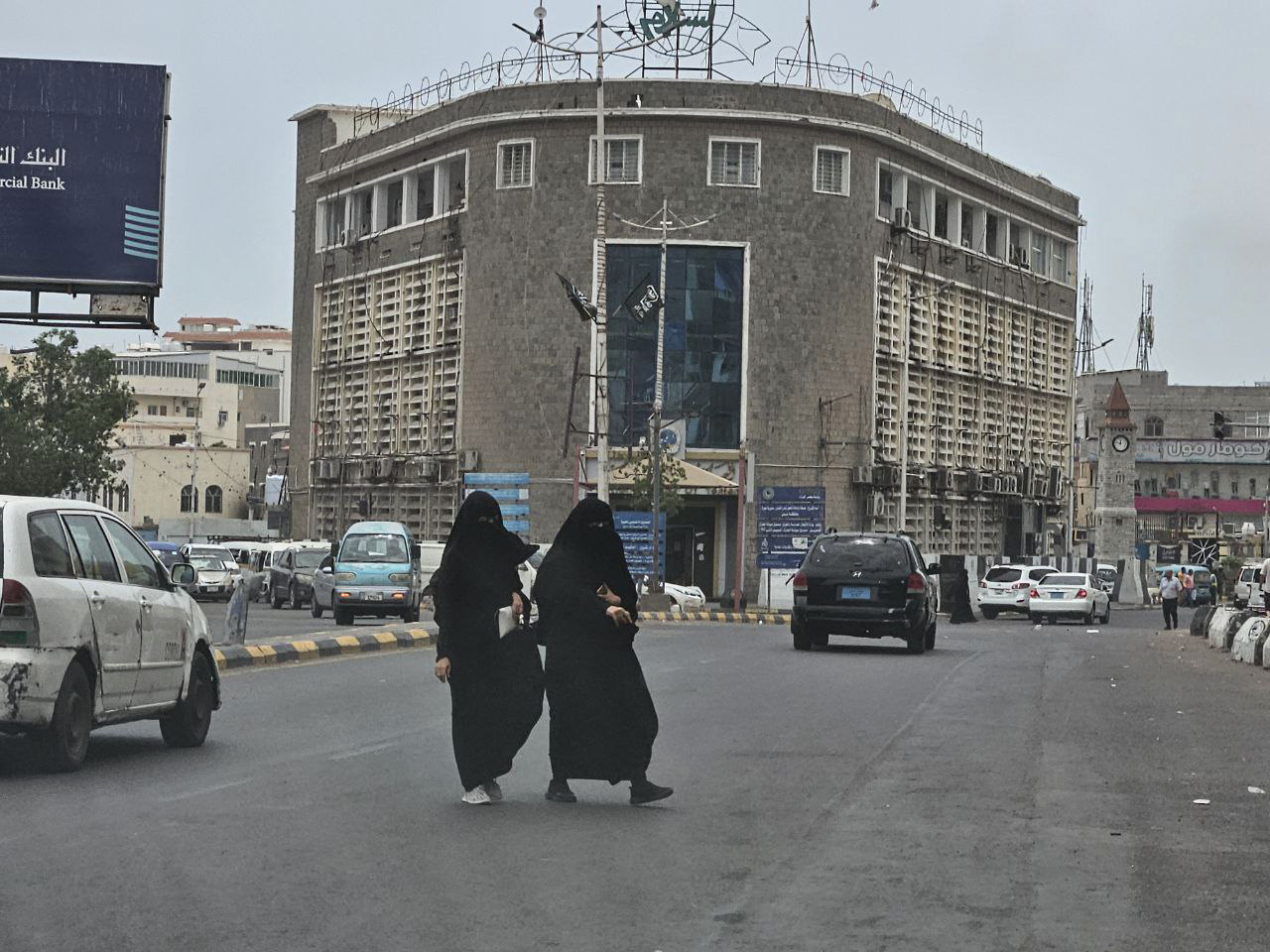
Life in the temporary capital of Yemen really continues. There are shops, supermarkets, coffee houses and even fashionable boutiques with clothes and jewelry brought from the Arab countries of the Gulf or from China. In Aden, a seaside city, there are a lot of fish restaurants. As a rule, men visit them, but there are family sectors where women with male relatives come.
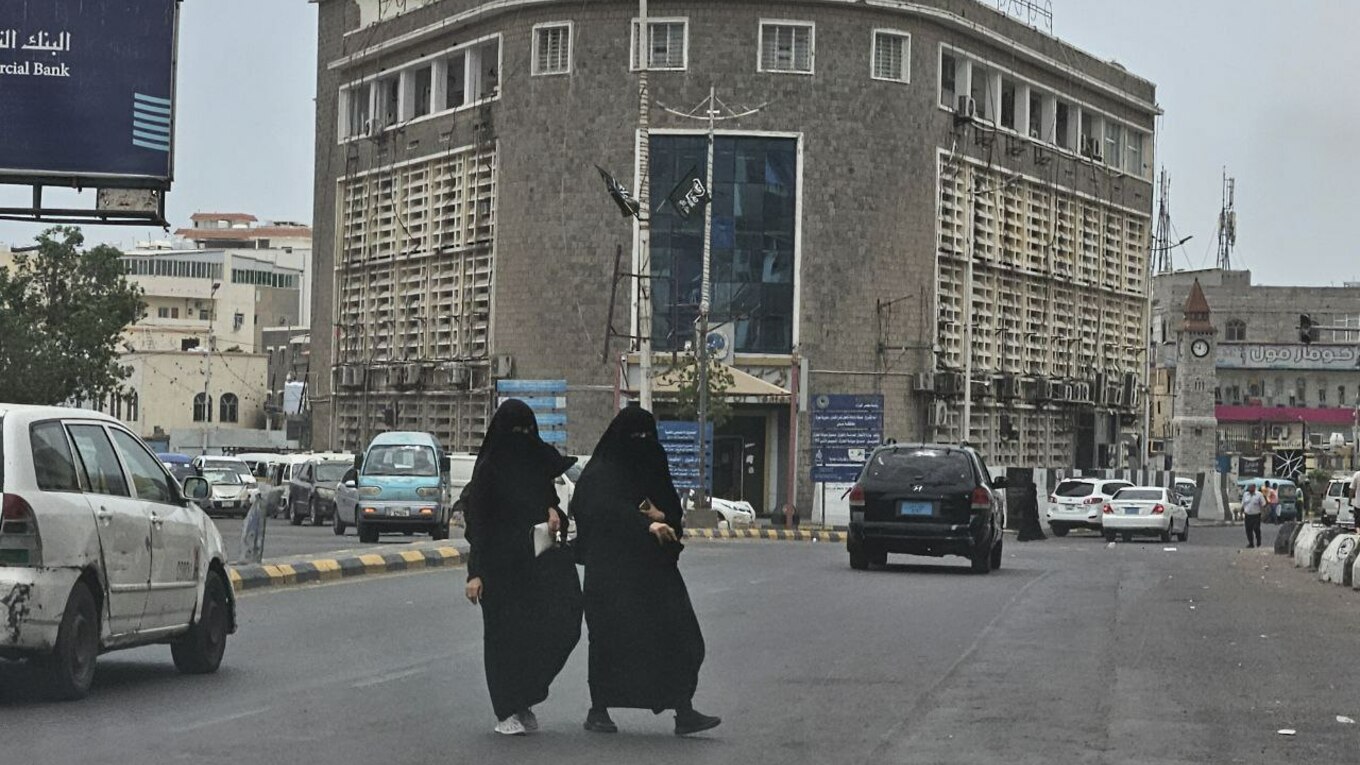
Women and girls in Aden, as in everything else, Yemen, after reaching about 14 years, begin to walk strictly in black Abayy, under which only eyes and arms are visible.
- How do you meet girls? - I ask one of my peers, by the name of Usam, a student of the medical faculty of the University of Aden.
“From childhood we have been accustomed to what the most important thing in the girl is her eyes, her hands and her heart,” Osama explains, adding with irony that, fortunately, Facebook and Instagram are helping today.
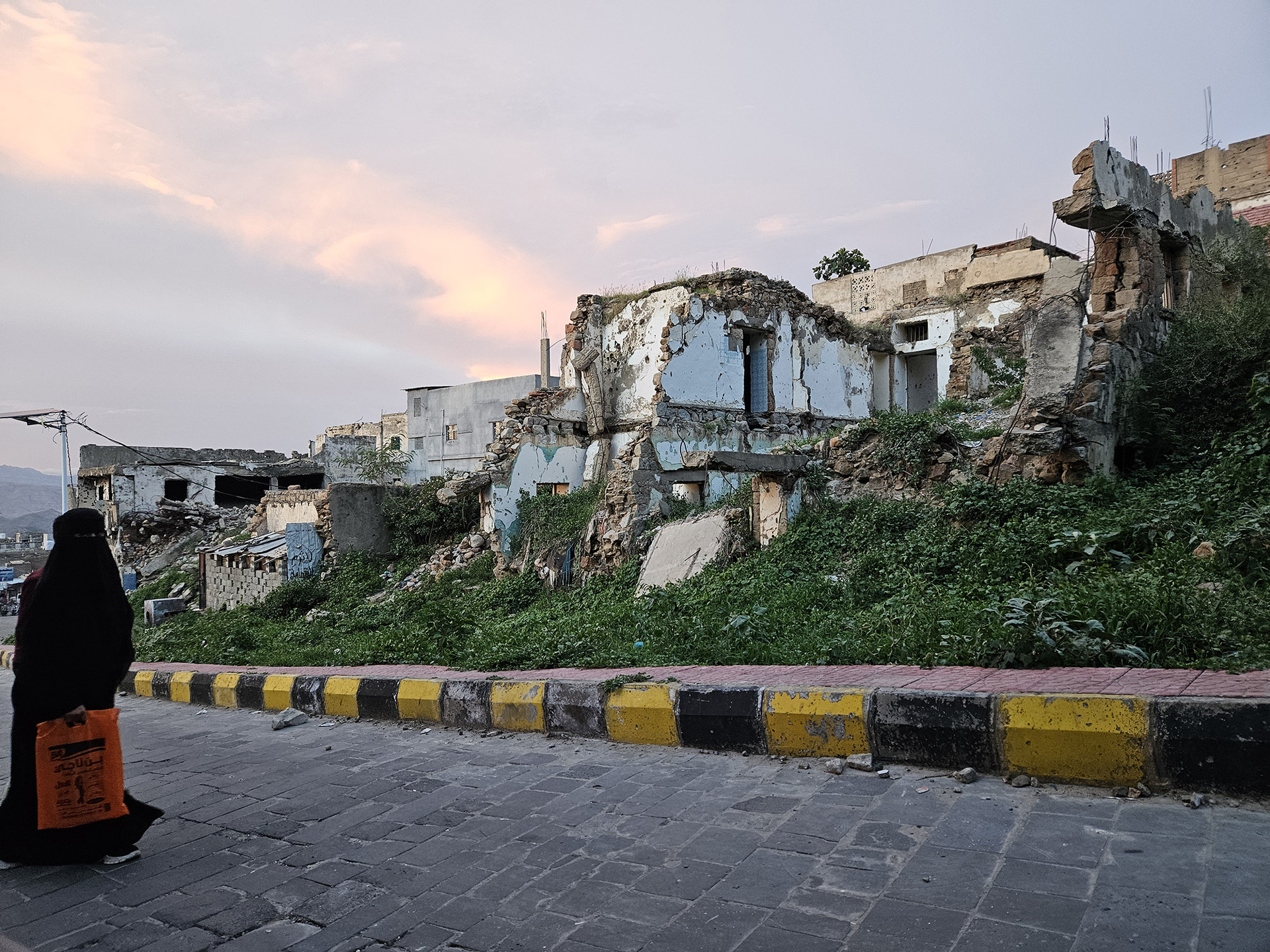
With external calm in Aden, an echo is felt so far in an unfinished war. There are many houses and other destruction broken by airstrikes that no one is in a hurry to eliminate. A terrible impression is made by the empty Anglican churches from the times of the British colonization or Jewish houses-once in Yemen there was a considerable Jewish community. Fortunately, no one touches them, they are simply standing as evidence of the previous era that sunk into oblivion.
“Each new government only stuffs its stomach, and it is beneficial to the continuation of this war,” says Usama, during which the power in Aden changed four times.
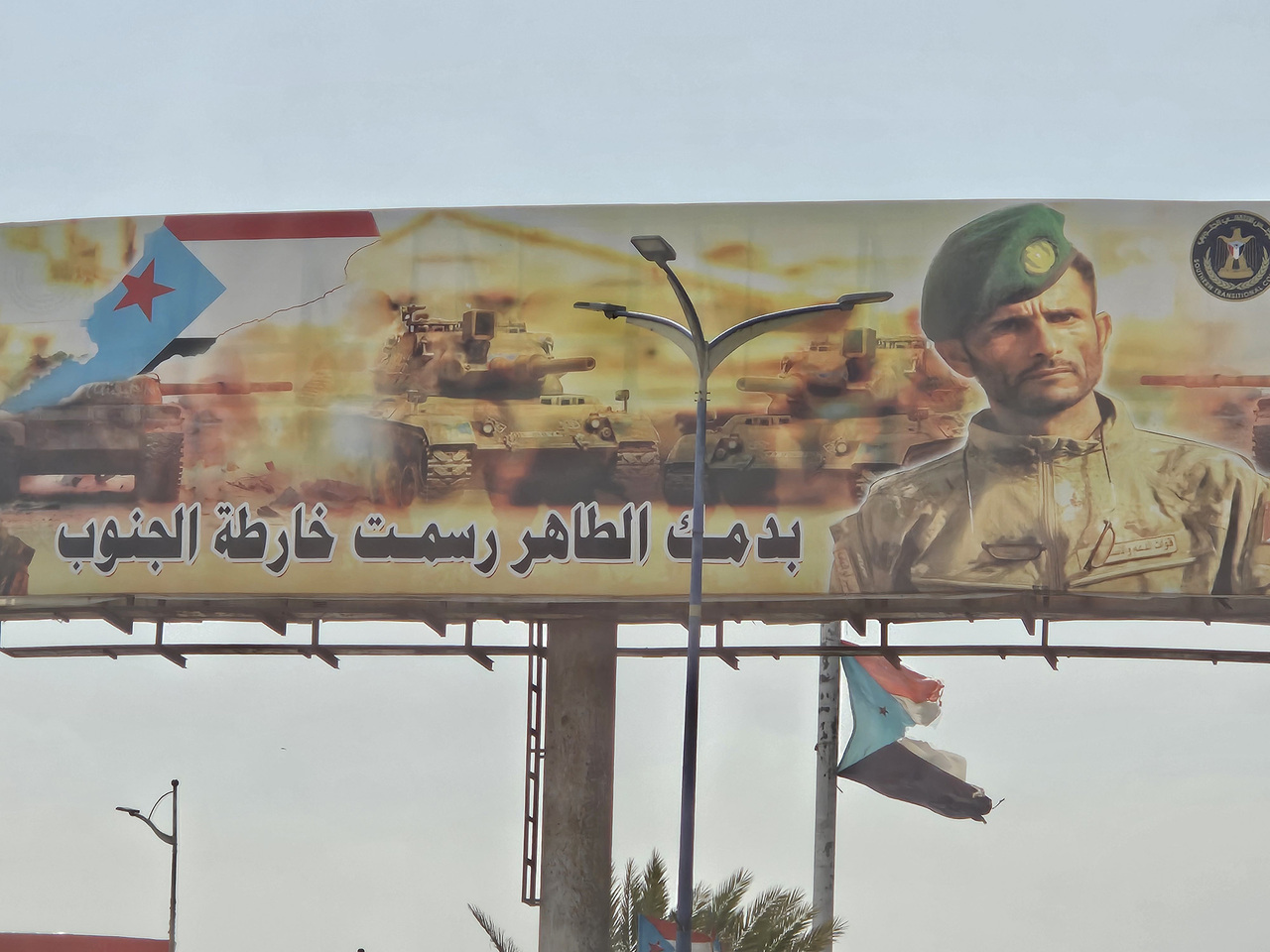
Today in the city there is not a single Yemeni flag, there are only flags of the former NDR, for the revival of which is a separatist Southern Pereking Council (JUPS). “Our Union with the North was unfair. We want to live separately. And our requirement is absolutely legal, ”the press secretary of Jups Salem Sabet al-Avlaki insists, whose opinion is shared by many residents of the Southern Temene provinces.
In the evenings, the inhabitants of Aden gather in small areas adjacent to spontaneous markets. Everyone plays bones, a game, popular for some reason only in the southern part of the country.
In addition to the coffee known to the whole world, the at-Tauhid dessert is popular in Aden by the name of one of the city regions. It likes a boiled condensed milk.
Sweets in the Middle East are a separate topic, which goes deep in centuries, when Halva, Rahat-Lukum, Kunafa and other diverse dishes, it is believed, became an alternative to alcohol prohibited here. But in Yemen, they are treated in a special way.
Part 5. TAZ: sweet tea and bitter life
The road from Aden to TAZ, to the border with the territories of the Husites, takes about six hours. As you move, somewhere in the middle of the journey, the frequent checkpoints of the JUPS are replaced by the checkpoint of internationally recognized authorities. In addition to the flag, outwardly they are no different from each other. As a rule, this is a small booth in which an inconspicuous soldier with an automatic machine is sitting, the Kat is a grass that is popular with the Yemenis with a transcoving effect.
The highland TAZ is located at the junction between the north and the south. After the loss of control over the city in 2015, the Hussites several times unsuccessfully tried to take possession of them again. Due to numerous hostilities in the city, TAZ received the sad glory of the “city of snipers”.
Today, most of Taiza is controlled by the international recognized government and the Al-Islah Islamist Party, which is close in ideology to the Egyptian Muslim Brothers , collaborating with it.
The outskirts of Taiz and most areas of the province of the same name are controlled by Husites, and the city itself has been at a siege position for almost ten years.
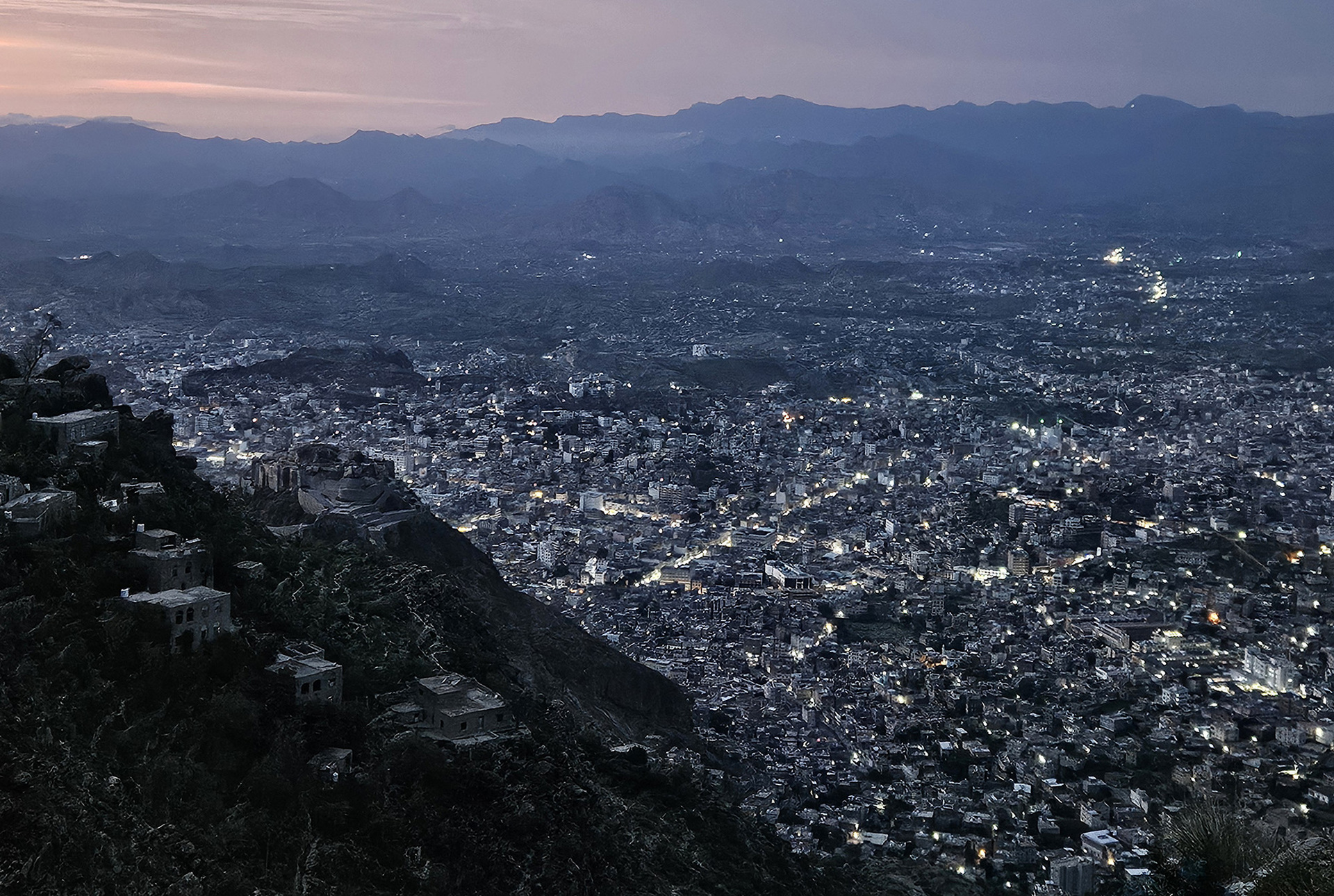
If, after sunset, to rise to any high point in Thaiz, on the panorama of the city you can clearly see the buildings, checkpoints and bunkers illuminated by the green color. This means that they are controlled by Husites.
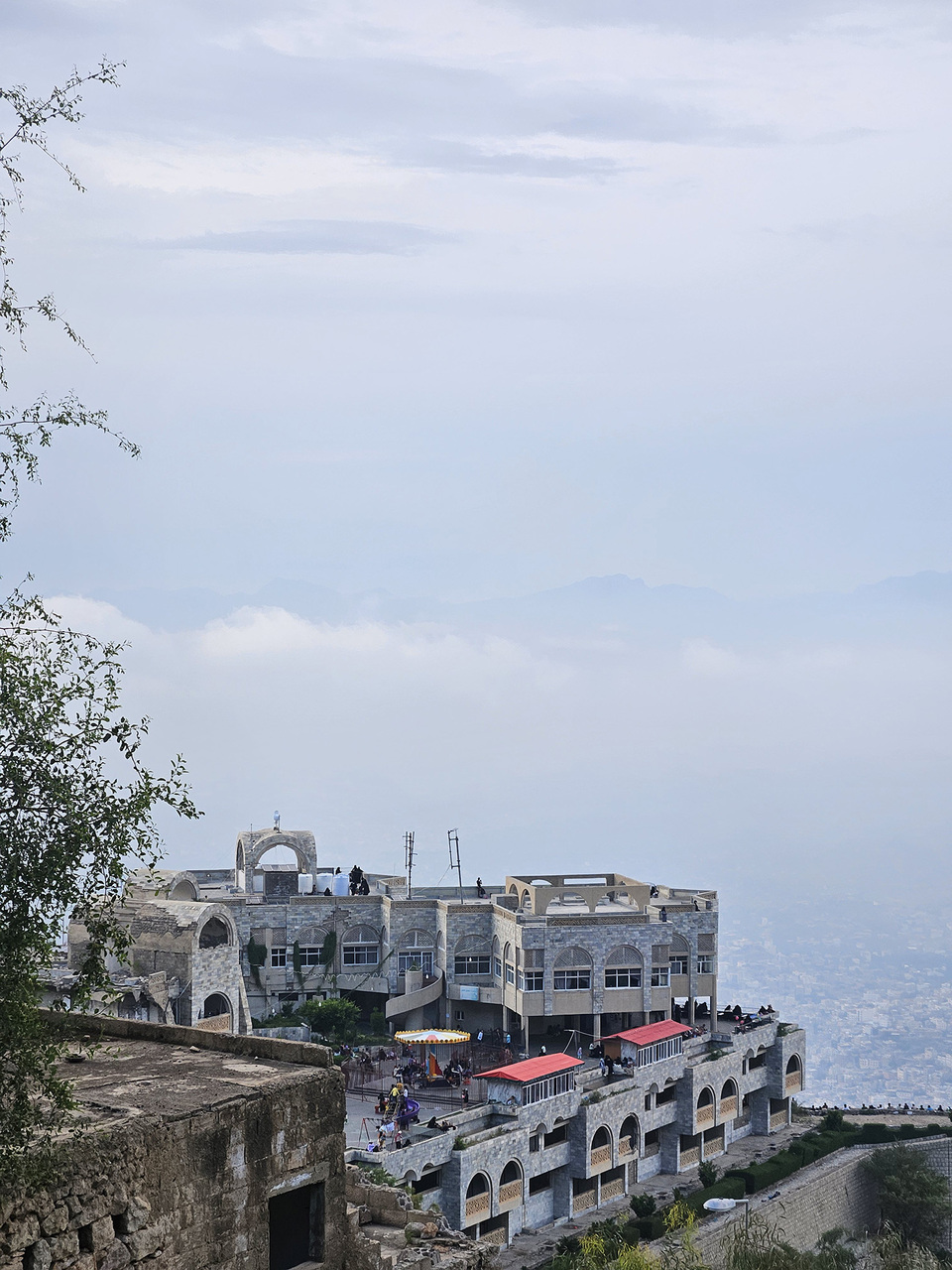
The smell of Thaiz cannot be confused with any other Yemeni settlement is a heavy smell of burnt garbage, which simply lit up all the streets. At the same time, Thaiz has many historical monuments and ancient fortresses, for which Yemen’s authorities once called this city the cultural capital of the country.
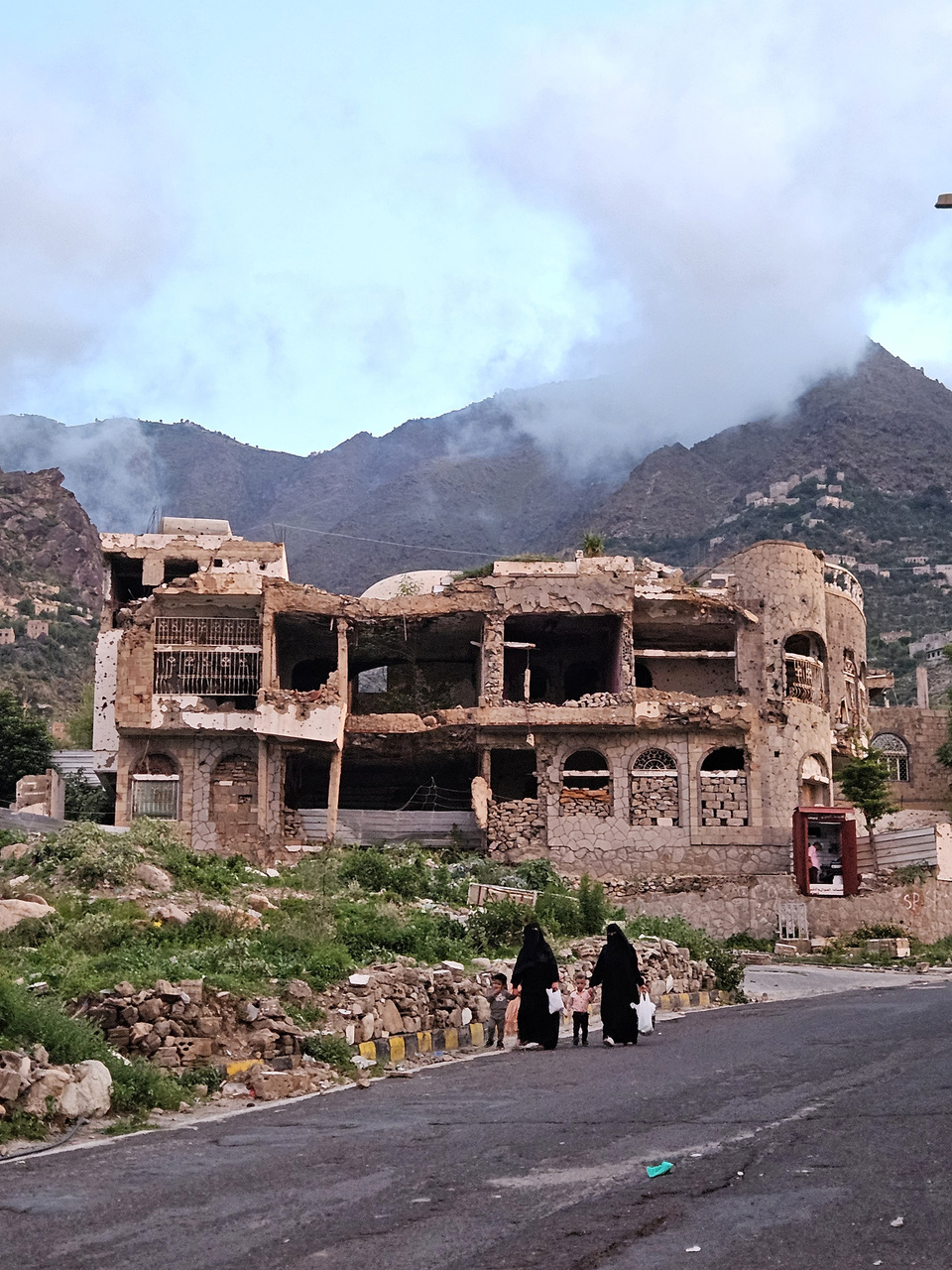
Active fighting in Thaiz is no longer conducted, but explosions and shootings still happen. Locals do not pay attention to them, as well as endless destruction in the city as a result of air raids. But if you talk with any resident of Thaiz about the experience in recent years, not one of them hides fatigue and timid hope for the long -awaited world.
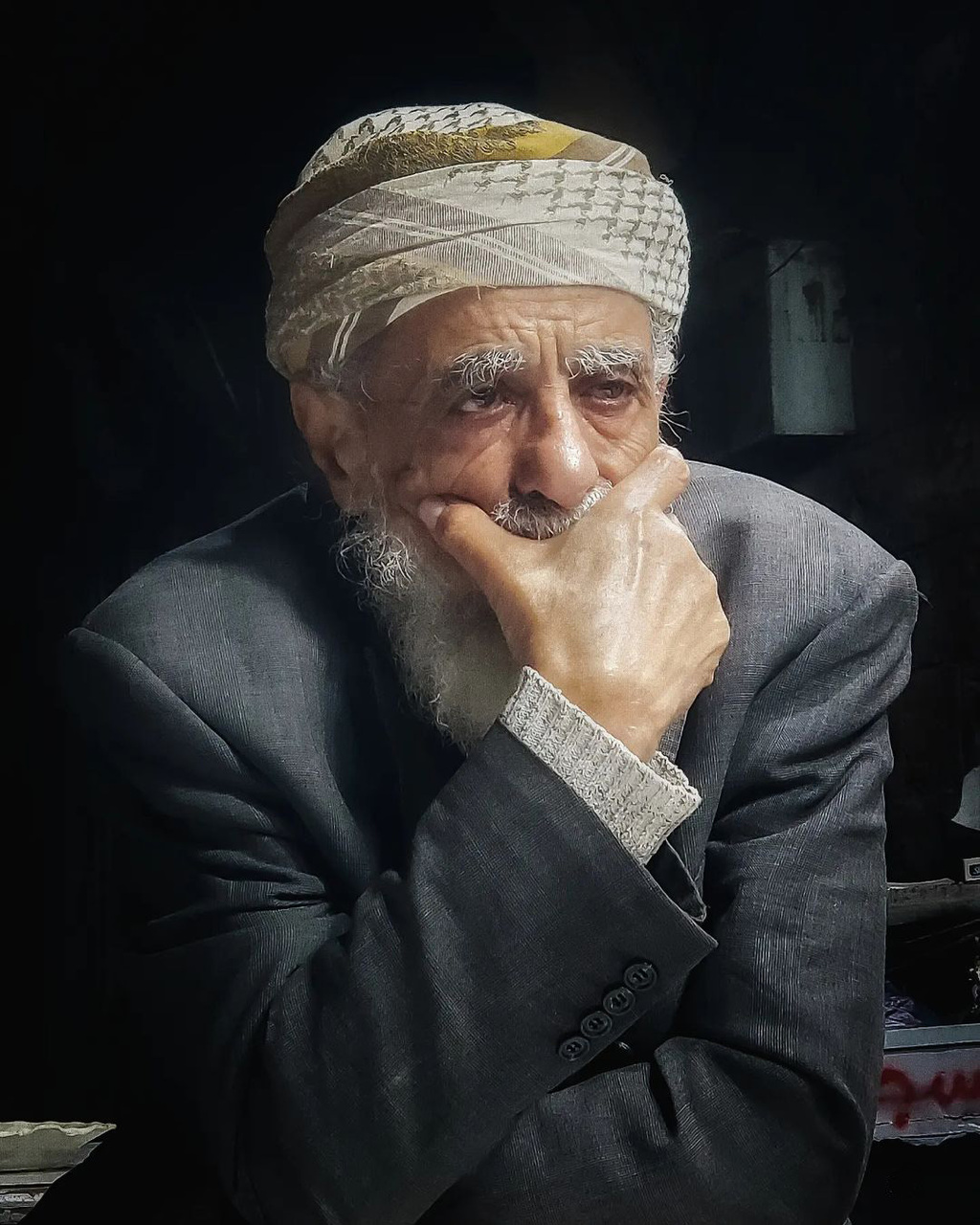
“I am 27 years old, but I already have gray hair and look older than you,” Bilal shares with me, a former employee of the local department of the Central Bank, who recently fell under the reduction. Bilal has a three -year -old son and another child will be born soon. He accepted me at home. We eat on the floor on a spread tablecloth, as it is started by the Yemenis. Women are located separately in the kitchen. The male giving does not even have to say hello to them.
“Take more sugar. We have a very bitter life, so we drink sweet tea and seize it with various sweets, ”Bilala’s father tells me, pouring three tablespoons of sugar into his mug.
In the evenings, Thaiz men, regardless of status and social status, are gathered in small coffee houses in the city center. Here you can meet small officials, and merchants, and military, and journalists. In Thaiz, small mutabbak cakes with herbs, tomatoes and onions are especially popular. They also drink a lot of coffee here, but more often without milk, as in Aden.
“No, the Husites will no longer be poked here. They know that no one is waiting for them. They would keep what they have, ”says a tall, with curly hair, a 30-year-old journalist Mazen, who lost his leg in the coverage of hostilities in 2015. - “The Husites do not decide anything. Iran decides everything. As he says, it will be so. They will put them even more missiles and drones and will be sent to Aden again, ”Mustafa echoes him, an elderly head of the department of the local football association.
The danger of the resumption of active hostilities in Yemen is the main and almost the only topic in Thaiz, clamped between several political centers.
Part 6. "We never live together"
Yemenis can generally freely move between the divided territories of the country - it is enough for them to present a identity card and open the trunk. For a foreigner, everything is different.
To get in the territory controlled by Husites is more difficult than in Yemen himself. In the conditions of international isolation and ongoing bombing, first from Saudi Arabia and allies, and from January 2024 - from the USA and Great Britain, the Ansar Allah movement is extremely wary of any foreigner. But several days of approval with officials from the Husit government and several hundred dollars helped solve the issue with Tasrich (from Arabic - “pass”, “permission”). They agreed to be transported to the dignity and back, provided that I would constantly be under the prize of Murakib assigned to me (from Arabic - “accompanying”, “controller”).
Дорога из Таиза в Сану занимает около пяти часов, хотя еще совсем недавно местным жителям приходилось ездить в столицу и обратно в объезд по более крутому маршруту, занимавшему до 10 часов. Сейчас хуситы убрали часть блокпостов. Здесь на КПП стоят уже не меньше трех-четырех человек. По дороге встречаются местные лавки, ларьки и молельни — гораздо больше, чем в южной части, где почти всю дорогу занимают пустыня и горные перевалы.
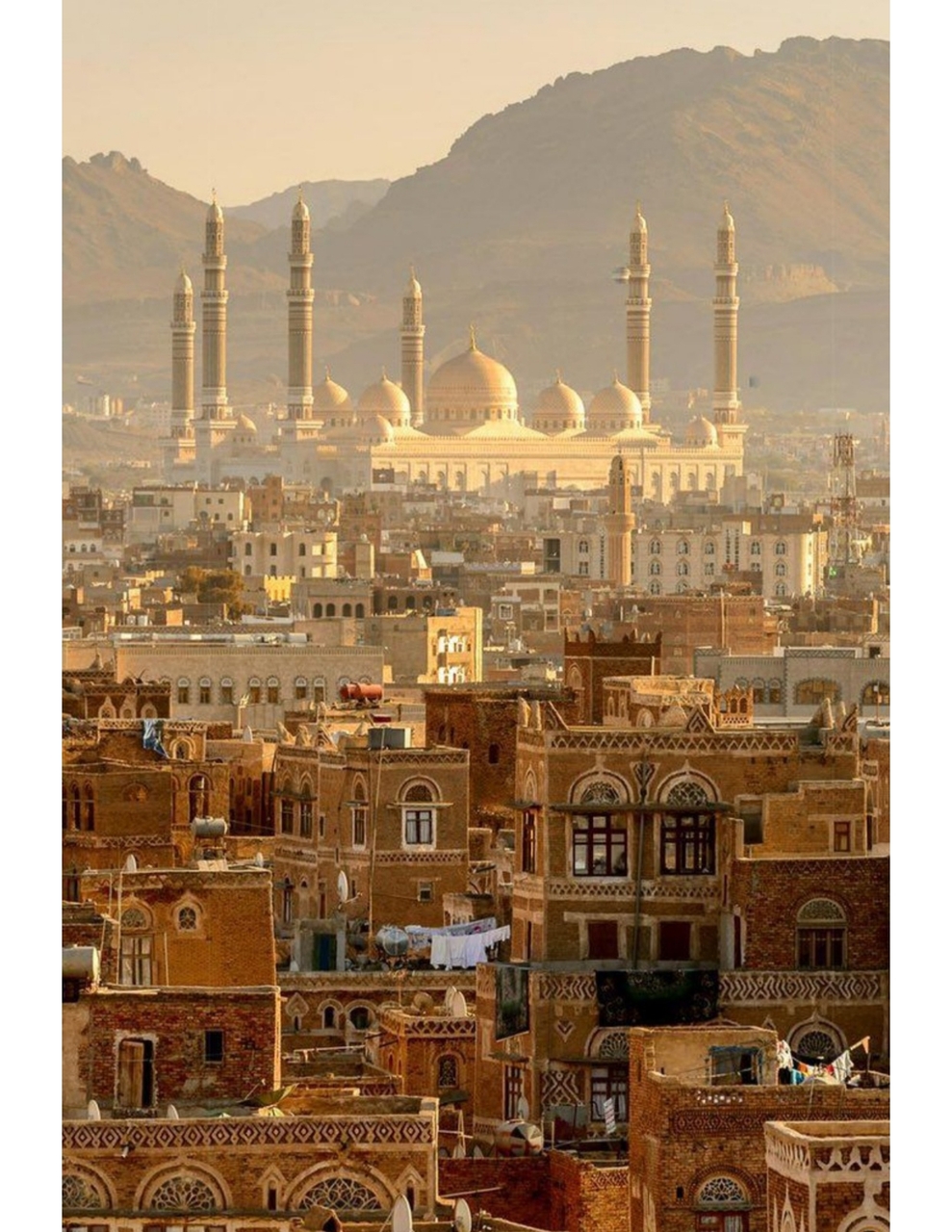
На окраинах Саны, некогда официальной столицы Йемена, очень много разрушенных домов и мостов. Но по мере продвижения к центру город предстает во всей исторической красе с аккуратными домиками из глины кофейного цвета.
Если на юге Йемена на стеклах автомобилей чаще встречаются портреты свергнутого иракского диктатора Саддама Хусейна и реже — главарей палестинского движения «Хамас», то на севере это исключительно местные герои. Прежде всего Хусейн аль-Хуси — убитый в 2004 году центральными властями основатель движения «Ансар Аллах». Встречаются и фотографии его младшего брата — нынешнего предводителя хуситов Абдуль Малика аль-Хуси.
Еще один отличительный знак хуситов — «сарха» (с арабского — «кричалка») «Аллах велик! Death to America! Death to Israel! Проклятие евреям! Победа ислама!» Это лозунг, сформулированный Хусейном аль-Хуси в одной из своих проповедей в 2002 году.
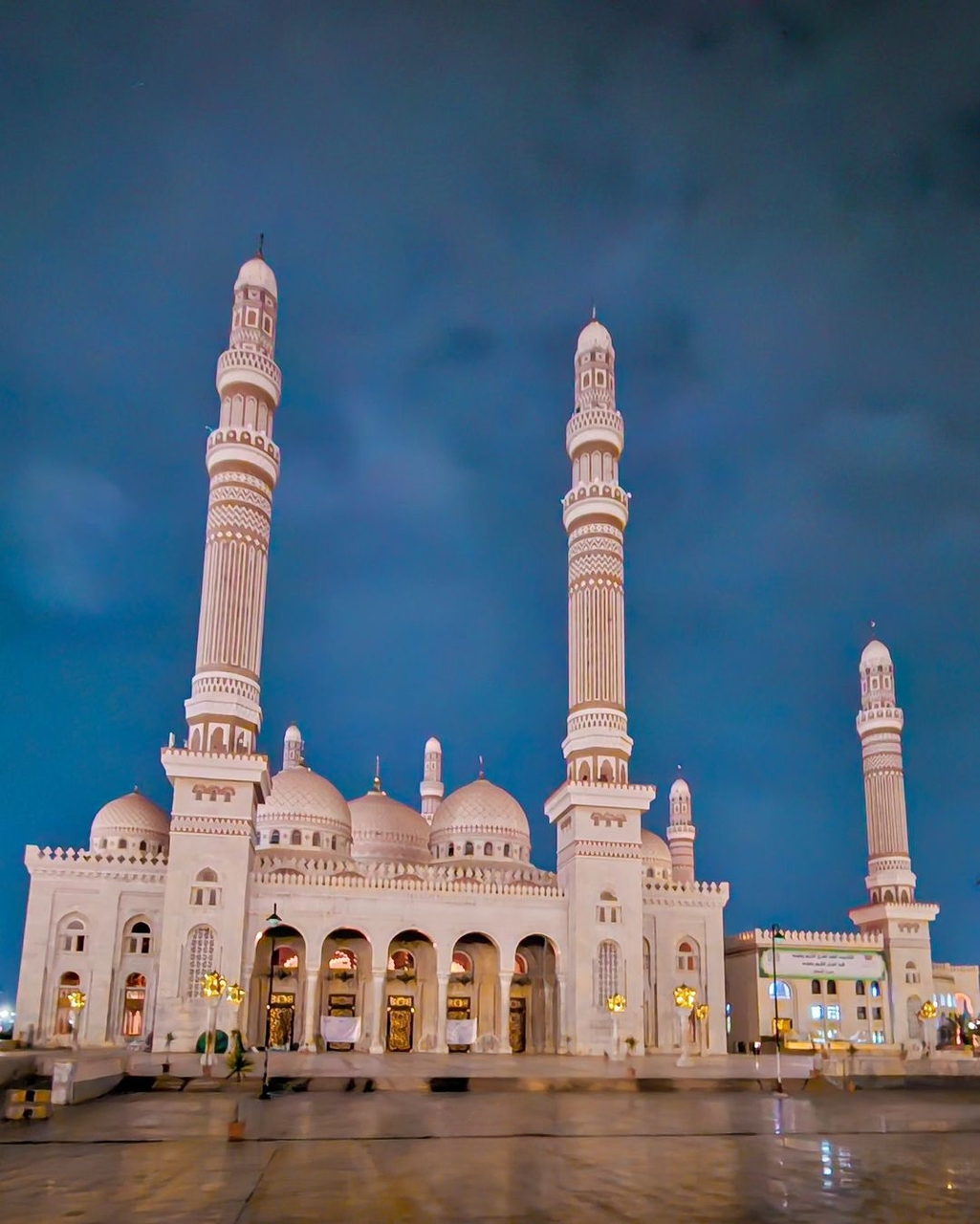 Sana, Yemen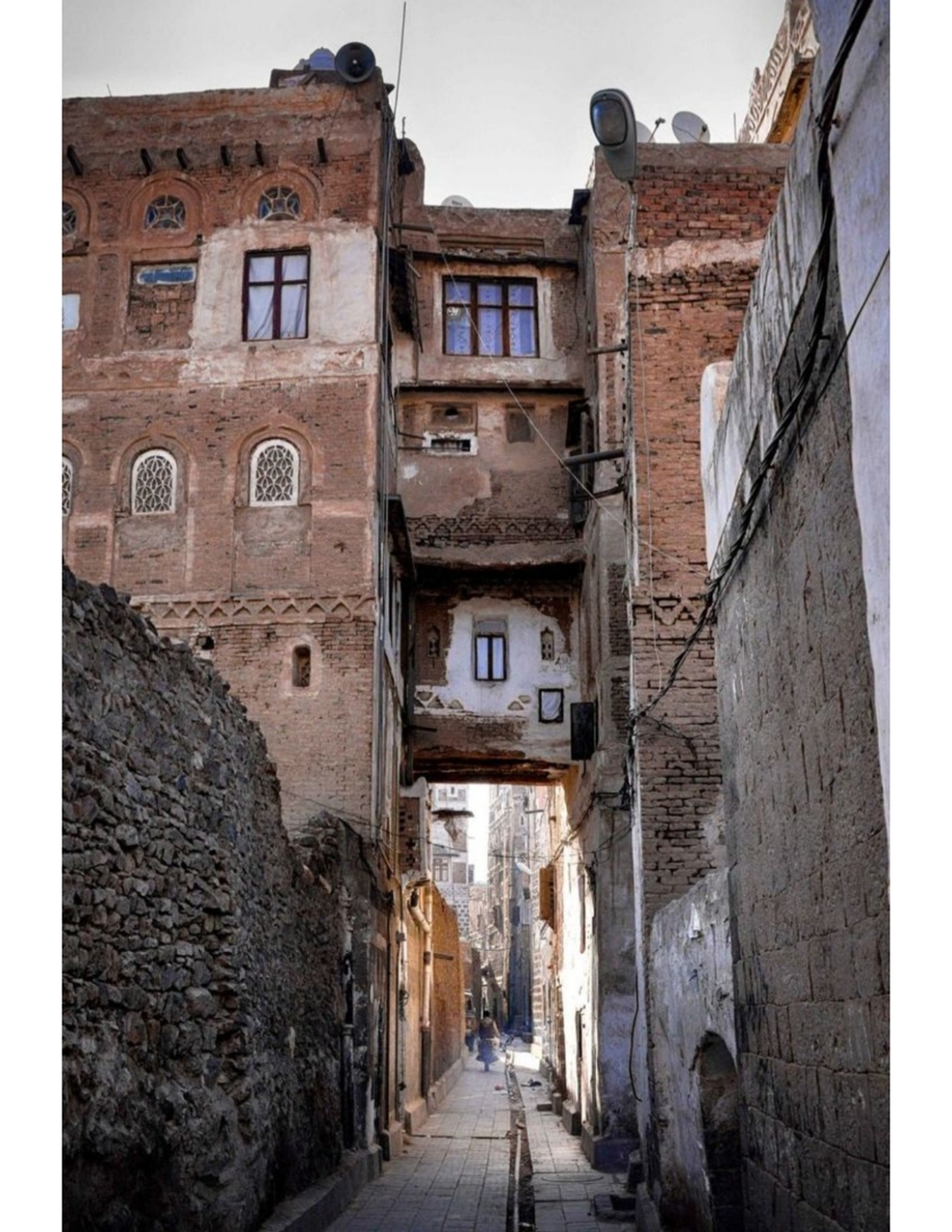
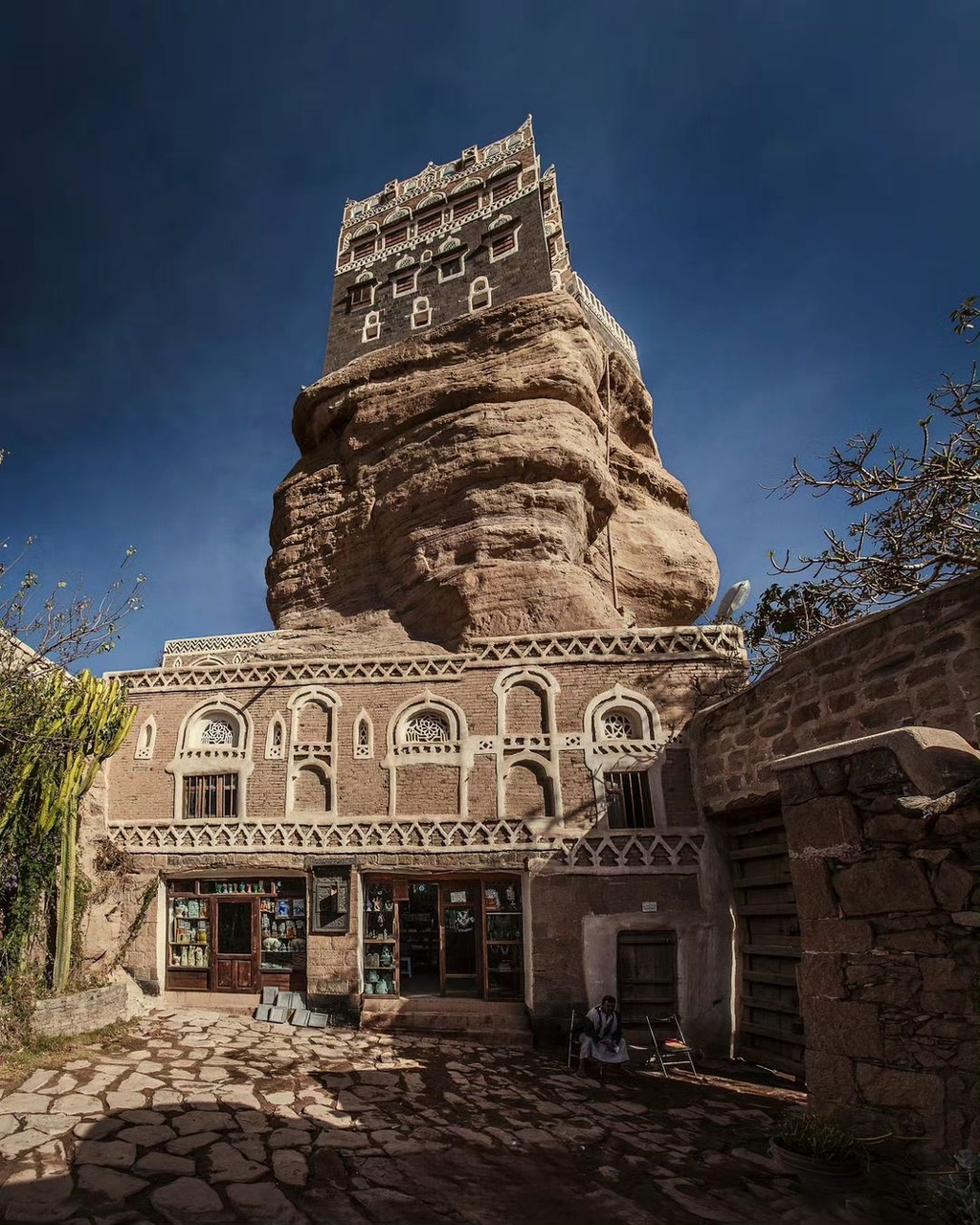
Сегодня сарха, умещающаяся на листе A4 и написанная красным и зеленым цветом, встречается всюду на территориях, которые находятся под контролем «Ансар Аллах», от блокпостов до административных зданий, от брелоков до стекол автомобилей.
Хуситы контролируют примерно треть территории Йемена и около 70 % населения страны. «В отличие от всех участников конфликта в Йемене, хуситы — единственные, у кого есть четко сформулированная идеология. И эта идеология работает, — объясняет Ахмад Айяш, директор базирующейся в Адене и работающей по всему Йемену строительной фирмы. — Но мы никогда не сможем жить с ними вместе. Их идеология навязана иранцами. Хуситы не приемлют демократию, выборы и наличие альтернативного мнения».
Популярность «Ансар Аллах» в последние годы стала снижаться на фоне тяжелейших экономических проблем на подконтрольных им территориях. За последние четыре года в северных йеменских провинциях инфляция выросла на 25 %, а затем случилась резкая дефляция — около 20 %: хуситы прекратили эмиссию местной валюты (риала) и запрещают принимать новые купюры, которые выпускаются на юге страны.
На практике у людей просто нет денег. Население перешло к экономике бартерного типа. Например, на окраинах Саны можно встретить стихийные рынки вдоль протяженных улиц, где происходит обмен товарами и услугами. Так, за десяток яиц можно постричься, а одну курицу обменять на два колеса от легкового автомобиля.
Хуситы фактически сами блокировали нормальную экономическую жизнь на своих территориях, запретив, скажем, работу целого ряда кафе и ресторанов, в которых молодые люди прежде проводили время. «Нет, здесь вы не встретите ни одной кофейни. Это вам не юг. Парни и девушки у нас не могут проводить время вместе в общественных местах», — поясняет мой сопровождающий.
Торговых центров и моллов, как на юге, здесь действительно нет, только небольшие магазины с современной модной одеждой китайского пошива. Как и в Афганистане , женщинам на территориях хуситов предписано передвигаться только в сопровождении махрама — близкого родственника мужского пола. Но на практике это требование не всегда соблюдается, и немало женщин и девушек ходят по магазинам самостоятельно.
В то же время система контроля за моральным обликом здесь еще сильнее, чем в Иране или том же Афганистане. На улицах нечасто, но встречаются небольшие женские пешие патрули «Зайнабеят». Они могут вызвать силовиков, чтобы задержать любую йеменку, которая, по их мнению, одевается неподобающим образом. Но по словам моего сопровождающего, массовых задержаний женщин и девушек здесь не происходит. «Эти патрули просто ходят по городу, а в конце дня отчитываются хуситам. Задерживают только тех девушек, которые сами идут на конфликт».
По данным экспертов Совбеза ООН, в отрядах «Зайнабеят» состоят йеменки, которые раньше были задержаны хуситами и подвергались сексуализированному насилию.
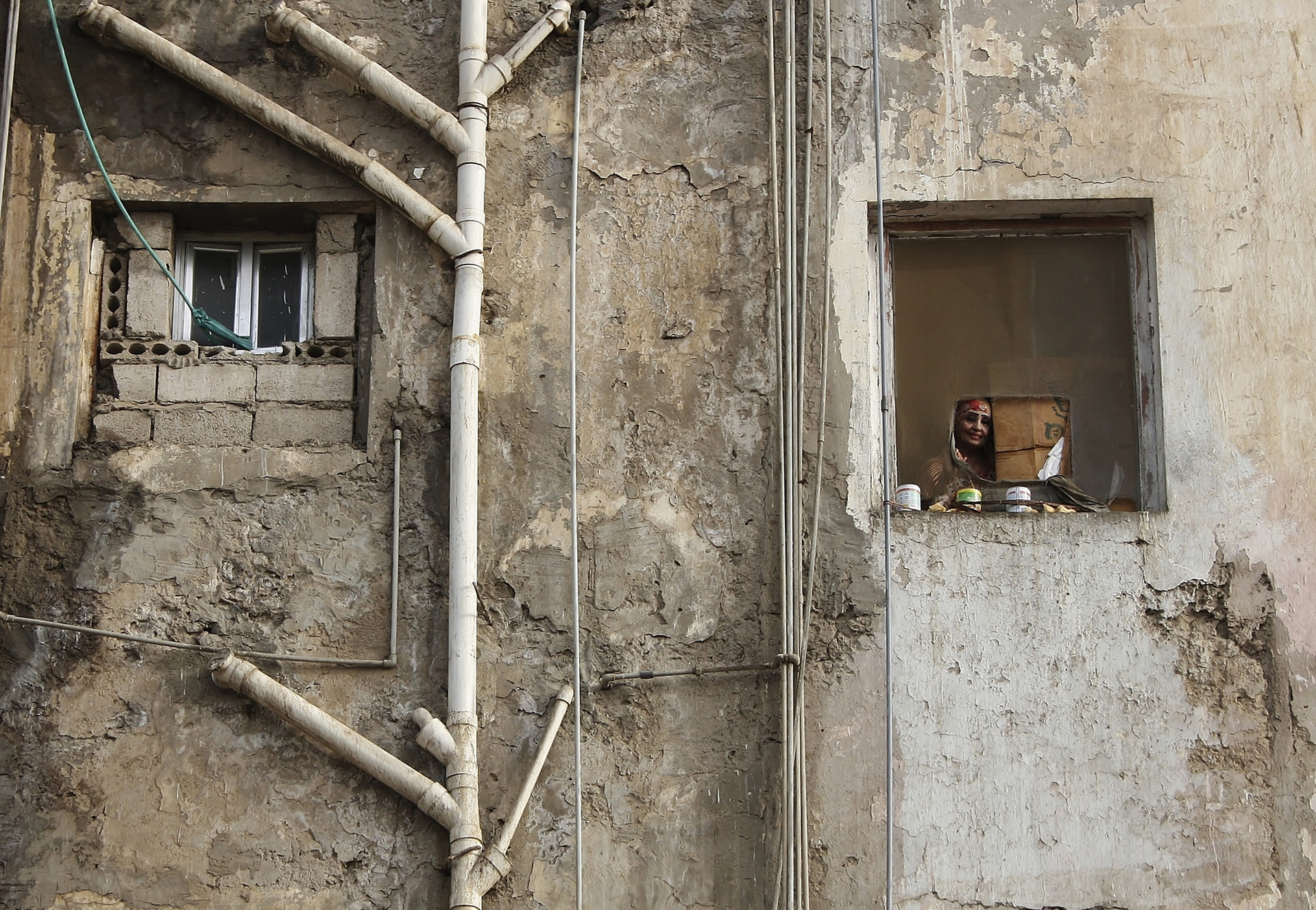
Часть 7. «Герои» нашего времени
События вокруг сектора Газа в конце прошлого года стали возможностью для хуситов сплотить местное население вокруг себя. По словам нынешнего лидера «Ансар Аллаха» Абдуль Малика аль-Хуси, поддержка движения «Хамас» — это «законный религиозный и нравственный долг каждого мусульманина».
С завидной регулярностью, особенно по пятницам, в Сане и других городах под контролем хуситов проходят массовые митинги в знак солидарности с палестинцами и против Израиля и его союзников. На демонстрациях поднимают портреты лидеров хуситов, главарей «Хамас» и, конечно же, текст сархи.
На массовые протесты съезжаются йеменцы даже с территорий, неподконтрольных хуситам. «Это герои, герои наших дней. Никто кроме хуситов не встал на защиту Палестины», — абсолютно искренне скажет любой участник такой демонстрации, имея в виду нападения «Ансар Аллах» на корабли в Красном море и ракетные пуски в направлении Израиля.
С января 2024 года США и Великобритания в рамках операции «Страж процветания» бомбардируют позиции хуситов с воздуха. Но это не приносит результата, что признают даже в Вашингтоне. Так, в начале августа командующий Пятым флотом ВМС США вице-адмирал Джордж Уайкофф заявил , что американцам не удалось пресечь нападения хуситов на суда в Красном море.

На сегодняшний день члены «Ансар Аллах» атаковали уже больше 80 кораблей в Красном море и Аденском заливе, потопив два из них и захватив еще один. В итоге оказалось парализовано не меньше 15 % мировой торговли, а цены на транспортировку грузов из Азии в Европу выросли на 300 %.
Гибель же даже нескольких членов «Ансар Аллах» в результате американо-британских обстрелов придает участникам движения ореол мучеников и борцов за правое дело. В то же время от активности хуситов, которая уж точно никак не повлияла на Израиль и ситуацию в Газе в целом, страдают и сами йеменцы.
«Цены за последний год у нас выросли в два раза, потому что корабли со многими товарами перестали заходить в [подконтрольный хуситам, второй по величине в Йемене порт] Ходейду», — объяснил мой сопровождающий. Зарплата чиновникам, по его словам, может не выплачиваться месяцами, потому что нет денег.
В этом, кстати, важное отличие хуситов от талибов в Афганистане, где, несмотря на все беды и экономические трудности, что-что, а зарплата госслужащим строго выплачивается. И коррупция при этом там отсутствует на всех уровнях, от госучреждений до автотрасс, что признают и международные наблюдатели. Чего не скажешь о Йемене — независимо от того, кто контролирует территорию. Одно дело — въехать на территорию хуситов. Поразительно, что мне пришлось заплатить немалую сумму денег и за то, чтобы выехать от «Ансар Аллах», поскольку мой тасрих якобы был неправильно оформлен. Выбирая между «проследовать за нами» или «уплатить штраф», я выбрал второе.
Сами йеменцы также не в восторге от мер тотального контроля хуситов. По их словам, это следствие усилившегося в последние годы иранского влияния на территориях «Ансар Аллах». При этом сами хуситы напрочь отрицают любое военное и иное присутствие Ирана в Йемене.
«Так говорят наши враги из саудовского режима, который, будучи самой богатой страной в мире, проиграл войну самой бедной», — поделился в беседе с Perito один из главарей хуситов, член политбюро «Ансар Аллах» Мухаммед аль-Бухейти.
Связаться с представителем руководства движения оказалось непростой задачей. Незадолго до моей поездки мне удалось установить с ним контакт по WhatsApp. Он приглашал меня к себе и говорил, что хуситам важно общаться с иностранной прессой.
Но после того, как 31 июля в Тегеране был убит один из лидеров «Хамас» Исмаил Хания, мой собеседник пропал из WhatsApp (по одной из версий, израильские спецслужбы внедрили шпионскую программу в мессенджер высокопоставленного хамасовца, что впоследствии заставило всех союзников Ирана перейти на альтернативные средства общения, например рации, как ливанская «Хезболла»).
В Йемене мне пришлось заново искать контакты аль-Бухейти. Сначала удалось выйти на его помощника, дозвонившись по обычному телефону с сим-карты местного оператора. Помощник организовал мне телефонный разговор с представителем политбюро хуситов, но отказал в возможности личной встречи с главой, сославшись на то, что тот очень занят борьбой с последствиями наводнений — минувшим летом в Йемене от разрушительных наводнений и штормов действительно пострадали не менее полумиллиона человек.
Во время нашей беседы аль-Бухейти уверенно говорил о том, что атаки в Красном море будут продолжаться до тех пор, «пока не прекратится агрессия в Газе», то есть до окончания войны в Палестине.
«И та битва, которую ведут наши братья в секторе Газа — это самая главная, самая первая линия обороны всей мусульманской уммы. Потому что, если Израиль победит Палестину, если Израиль победит Ливан, это будет поражением всех мусульман», — настаивает высокопоставленный хусит. Обвинения же по поводу того, что от активности «Ансар Аллах» в Красном море страдают сами йеменцы, аль-Бухейти отверг, называя это происками врагов.
Пока что хуситы довольствуются популярностью, которую им удалось укрепить в последнее время даже на неподконтрольных им территориях. Это заметно даже по мелодиям, которые звучат из телефонов простых йеменцев. А звучат там в последнее время «завамиль» (форма единственного числа — «замиль») — форма ободряющих песнопений в Йемене, похожая на нашиды, которую активно используют хуситы в своей пропагандистской работе.
«Они — доспехи и охранительный пояс Йемена» — поется в одном из популярнейших замиль, который доносится из автомобиля частного извозчика, возвращающего меня обратно в Таиз.
— Вы тоже поддерживаете хуситов и согласны с тем, что поется в этом замиль? — спрашиваю я водителя.
— Мне все равно, что у них там поется. Мелодия просто красивая, одухотворяющая. He says.
А потом, немного подумав, добавляет с иронией: «Если хуситы действительно охранительный пояс Йемена, то зачем мне этот пояс, когда мои дети больше года не видели куска мяса?»
Literature:
- Hamidaddin Abdullah. The Houthi Movement in Yemen. London, 2022.
- Naumkin V. Red Wolves of Yemen. New York, 2004.
- Коротаев А. В. Социальная история Йемена, X в. BC. e. — XX в. n. e. Москва, 2006.
- Рябов П. П. «Арабская весна» по-йеменски. Moscow, 2017.