
Translated material
"Russians are fighting as they were taught to fight"
The military power of Russia - what is it like? How long can Putin afford war? The military analyst, senior researcher at the USF Navy (CNA) Dmitry Gorenburg and a military observer, a former columnist NT, and after the start of the war, analyst the Stockholm Center for Eastern European Studies, answer the questions of Evgenia Albats*.
Evgenia Albats: In the media, there is a lot of confusion regarding the state of war in Ukraine. Some say that Ukraine is losing the war and therefore must conclude a peace agreement with Putin, leaving him occupied territories in exchange for freezing military operations. Others believe that, on the contrary, Russia's successes on the battlefield are insignificant. What do you think?
The fruits of error
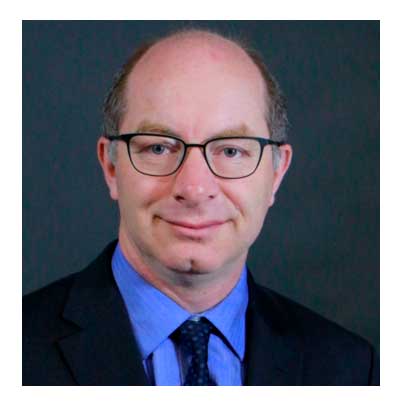
Dmitry Gorenburg: In my opinion, there are some misconceptions about why at first the Russian invasion of Ukraine in 2022 was so bad. Many conversations come down to the fact that, perhaps, the Russian armed forces are not so strong. I don't think this is true. I would claim that the problems were primarily caused by a bad strategy, and not the lack of opportunities. In combination with a number of intangible factors, such as command and management, organization and, of course, problems with morality.
Over the fault of the FSB, they were mistaken, expecting much less resistance from Ukrainians
One of the reasons for the unsuccessful beginning is that instead of conducting a direct military operation in accordance with the doctrine that the Russian military adhere to, this operation was planned by the FSB, not the military. This was a kind of decapitation operation, which did not take into account some restrictions on any armed forces, including Russian, as well as some capabilities of Ukrainians. Due to the fault of the FSB, they were mistaken, expecting much less resistance from Ukrainians. They thought that people would greet them as liberators in Eastern and southern Ukraine, but this did not happen.
The second problem is that they did not prepare their troops properly. The soldiers were not told that they would invade Ukraine. Some were told that they participate in military exercises, others - that they are simply sent to the east, to the Donbass, where battles are already going on. This meant that they were not psychologically ready for real losses. When you think that you are going to the exercises, and suddenly invaded another country, this can affect the moral spirit, especially if it is combined with some organizational problems.
Another problem related to the strategy is insufficient logistics. If you expect that you can capture the capital, change the regime, seize most of the territory in a few weeks - and the war plans clearly said that this should have lasted about three weeks - then you would not stock up enough supplies for a longer struggle and do not develop plans to replenish the reserves. And this creates problems when the war is delayed. There were other problems: when they replenished stocks, some convoys or trains were attacked and destroyed, which also violated the course of the operation. The army of the Russian Federation also failed to finally destroy the air defense of Ukraine. They managed to destroy stationary installations, but Ukrainians, fortunately, were able to disperse their mobile units at the last moment, on the last day or two before the invasion. This did not allow the Russian Air Force to hold a bomber campaign that could seriously undermine Ukrainian forces and means. And this meant that Russian ground operations took place without sufficient air support, because the planes could not act as they expected. And again, since they expected that they would not meet such a strong resistance, they attacked several fronts at once. They dispersed their forces and means, and they did not have a single command and management, because they did not consider it as a military operation. We can say that they did not take into account the size of Ukraine.
As soon as they stopped doing the crazy things that the FSB ordered them, and began to fight as they were taught to fight, they became more or less equal to the Ukrainian armed forces
They did not have a plan B, finally - what to do when the original plan did not work. Therefore, the troops continued to act as they were ordered initially. Armored columns were sent without the support of the infantry, which made them a light target, etc. But then they made adjustments, and we must remember that there was a period between the problems that arose in the fall of 2022, and the problems arising at the beginning, when the Russian army won the territory in May, June, July.
They made adjustments and acted in accordance with their doctrine, saying: "Well, this is a military operation." In fact, they did everything very much like what they were doing now, but were not yet completely mobilized for the war. What is the standard doctrine of the Russian military? Artillery attacks, mainly in small units, and not a maneuvering war in the American style with a large environment. And if you attack and your side has an advantage in artillery, firing means and manpower, then this can lead to slow and sustainable successes that we observed that spring, but then the soldiers began to end in Russia, and this became a problem in the fall of 2022. This allowed Ukraine to achieve the most significant successes for the entire subsequent war, and the response of Russia was a partial mobilization, as everyone probably remembers. She solved the problem, at least in the short term, a lack of manpower. Not one hundred percent, but enough. So they could support their lines, could create reserve parts for later offenses that did not go successfully, but, nevertheless, they did it.
Another thing that they did is also largely in accordance with the Russian doctrine - they built defensive lines, and this was enough to stop a large counterattack. As soon as they stopped doing the crazy things that the FSB ordered them, and began to fight as they were taught to fight, they became more or less equal to Ukrainian forces.
And since then they act. There were some adjustments, mostly tactical. They use drones more, much more than at the beginning of the campaign.
Evgenia Albats: Because they managed to get them from Iran.
Dmitry Gorenburg: Yes, but they also improved their own production. And this changed intelligence, changed some target designations and the like. Now it is much more difficult to move units without being seen. But basically the Russians are fighting as they were taught to fight. Yes, there are other innovations: in order not to risk airplanes, now they launch planning bombs from the Russian territory. You can attack the front line without enduring aviation. And there was also a period when Ukraine was faced with a lack of shells-due to delays with the help of the United States, and with a lack of labor, because the indications could not organize the mobilization properly.
Evgenia Albats: And how now?
Dmitry Gorenburg: Now it is better, the Ukrainians organized something, and here Russia begins to advance again. If you follow the headings in the media, you might think that Ukraine is losing a lot of territory. Every week there are reports that this village fell, this city fell, and they advanced a little more. Everything looks significant on the map. But if you look at it wider, you can see that this is very little compared even with the territory of Donbass.
The conclusion is this: Russian forces are not at the level at which, perhaps, there was an idea of the army of the Russian Federation before the war. But they are not competing with the US Armed Forces, they compete with the Ukrainian armed forces, this is a lower level, although the Ukrainian armed forces have advanced ahead for those 10 years that they are fighting. But they initially have the same doctrine, that is, this is an artillery war, and this creates a situation where a country with slightly large resources can have a small but stable advantage. And this is where we are and where we will probably be within, at least the next year or two.
No, Ukraine does not lose the war, the situation is closer to Patova than to victory or defeat of one of the parties
Evgenia Albats: Do you agree with those who say that Ukraine is losing the war and Zelensky is time to agree to any demands of Putin?
Dmitry Gorenburg: No, Ukraine does not lose the war, the situation is closer to Patova than to victory or defeat of one of the parties. While Ukraine can continue to receive support from the West, because it depends on the supply of weapons, it can continue to wage this war for years. But Russia is also, so the matter is the desire to fight, in the will of the struggle. What is Putin waiting for? He expects the West that he will decide that “there is enough for us,” we will stop supporting Ukraine, and then Ukraine will not be able to resist the feet. Therefore, the creation of a narrative that Ukraine is losing is much more important than the real capture of any city. In the same way, on the other hand, Russia will never lose enough territory to stop fighting. It's all about the economic power of Russia. If Russia can continue to support the war politically and economically, then it can continue to fight. And the method in which this position can be violated is not the advance of Ukrainian ground forces, but more large -scale actions when oil revenues are drying, or inflation is so high that protests, financial or political crisis begin.
Analyst catastrophe
Evgenia Albats: One of those who was considered a very good military analyst in Moscow told me in the first year of the war, that the army of the Russian Federation will end in ammunition by the end of October 2022. I remember, and Ukrainians in March 2023, in Kyiv, told me that the Russians ended with rockets that they regularly bombed Kyiv. But we see that nothing ended.
How did Putin manage to get ammunition? We heard from Zelensky when he was here, in the United States, that for each shell that the Ukrainian army has 10. Alexander, you published an article in New Times in 2018, in which they wrote that Russia did not have power to lay a land corridor in Crimea, because there is no sufficient forces to not only conquer the fields, but also control them. But now the Kremlin controls the Mariupol region, half of the Kherson region, half of the Kharkov region and is trying to total Donbass. How did Putin succeed?
The USSR had 60 thousand tanks, which is three times more than the Americans and twice as much as all other countries of the world
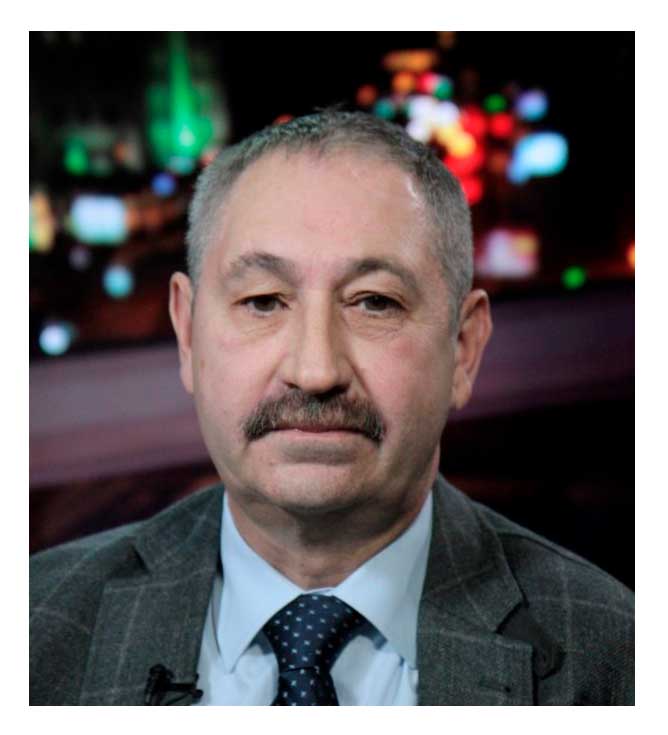
Alexander Golts: The Russian war against Ukraine has become a disaster in many dimensions. And one of these measurements is a complete disaster for military analysts, because not a single forecast was justified. We see a completely different war on the battlefield in Ukraine. In my opinion, we will not understand the current Russian military potential if we do not turn to the Soviet past. This is a very important legacy that Putin uses now.
Let's look at the Soviet army. She had a huge mobilization reserve and more than sufficient military industry. But the military, frankly, very skeptical of the abilities of Soviet industry. They knew for sure that Western industry was much more effective, but they planned a regular war a few months before the nuclear began. Therefore, they had an idea: okay, their industry is much better than ours, let's build so many military equipment, so many tanks, machines, warships, fighters, everything that is possible and we can use it to use during a global war. It was for these reasons that we had more than 60 thousand tanks. Everyone in the West was sure that the Soviet Union was ready to break through the La Cans or something like that. They needed these 60 thousand tanks, which is three times more than that of Americans and twice as much as all other countries of the world, only to prepare for the global war.
For obvious reasons, this system collapsed after the collapse of the Soviet Union. And the armed forces showed their complete inefficiency during the Chechen wars and the war with Georgia (2008 - NT). Military reform (Minister of Defense A. Serdyukov - NT), in fact, was a rejection of the concept of mass mobilization. The number of units in the Ground Forces was reduced and fully equipped with armed brigades were created. They showed themselves very effectively during the invasion of Crimea in 2014. In my opinion, the best result by the Russian army was achieved on February 26, 2014, when about 50,000 military personnel were deployed by order of Putin along the Russian-Ukrainian border. But Putin read the results of the 2014 invasion completely wrong. He thought that he could invade a European country. In my opinion, all the failures of the Russian army occurred because people received an order that could not be fulfilled.
Where are the shells?!
Evgenia Albats: In the fall of 2022, the army of the Russian Federation lacked ammunition. What is the real power of the Russian army now?
They do not produce new equipment. They make very old tanks, combat vehicles, artillery more or less efficient. The type of war in Ukraine allows them to use this antique military equipment created in the forties and five years
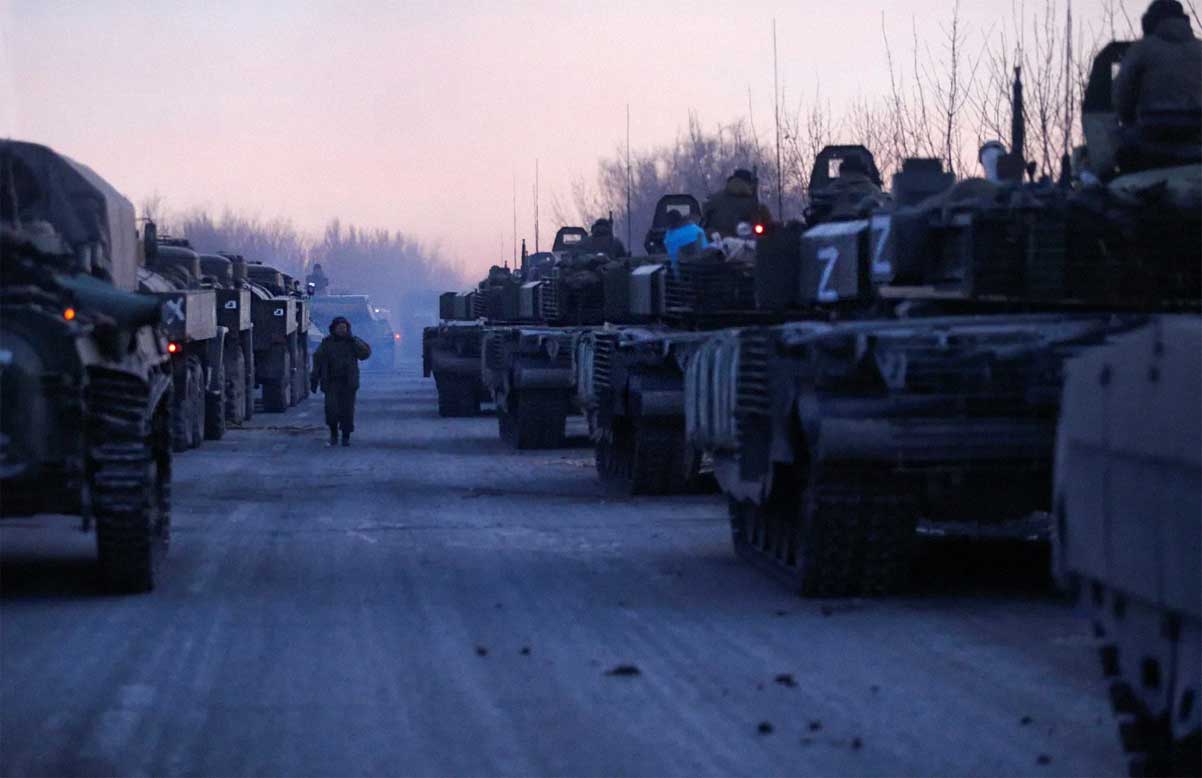
Alexander Golts: It can be assumed that after the failures of the fall of 2022, Putin asked his generals what to do, and the answer was very clear: we must return to the mobilization model. And they revived this mobilization system in 2023, when, after not too successful partial mobilization, they went to the option of voluntary mobilization, paying a lot of money to the people who signed the contract. And the second - they began to use huge Soviet reserves of military equipment. For 30 years, no one knew what to do with this equipment, but now they proudly say that Russian factories work seven days, 24 hours a day. But they do not produce new equipment. What they do is officially called modernization: Noni make very old tanks, combat vehicles, artillery more or less efficient. The type of war in Ukraine allows them to use this antique military equipment created in the forties and five years.
How long can they hold out? At the beginning of 2023, Russia had something about 5,000 tanks in service. Over the year, they lost 1,000 tanks in battles. And keep in mind that in 2023 they carried out mainly defensive operations. Now they are conducting an offensive operation and lose much more military equipment.
And if these figures are correct, then we can conclude that this resource can be exhausted by 2026. The army of the Russian Federation needs at least 1,000 tanks per year. Only 300 new tanks per year are produced. The same can be said about human resources. For this reason, the regions raise the price for signing the contract, promising incredible money for this. The only way out, in my opinion, will be total mobilization, which is quite possible. But what about military equipment? And here, I think, the only chance to support the new mass mobilization will be an appeal to Soviet practice. They extremely need to restore the Soviet economy 2.0, reinocialize all enterprises (related to the military-industrial complex-NT). By the way, this process began in 2023. According to my estimates, they took something about 125 private enterprises. And it was very interesting that Chemezov, who is the head of Rostec, the main military-industrial company of the country, said: well, we look if we need something, we can take it. So you need to look very carefully, if they go to total industrialization, then this will be the path to mass mobilization, and this will allow Putin and his subordinates to wage war in the next few years. If not, then they must end the war, say, in the next three years.
Evgenia Albats: In the last analytical material published on the website of the Swedish Institute of Eastern European Studies, you pose a question: does Russia lose the war for exhaustion? Do you really think that she is losing her? And if so, what?
Alexander Golts: I just put a question. What happened in Kursk clearly showed that Russia has no strategic reserves.
Evgenia Albats: In the sense of manpower or ammunition?
Alexander Golts: From the point of view of the formed parts that they can deploy. And the biggest question arises, which served as the reason for my article: where are all these people? Russia says that it is gaining 1000 people a day. Where are all these people? So this can only mean that Russia has lost about half a million people.
Evgenia Albats: British intelligence evaluates Russian irrevocable losses of half a million people wounded and killed. Americans are a plus minus 350 thousand.
Alexander Golts: The matter is not in numbers, the fact is a fact, they have no strategic reserves. А если говорить об Украине, то Курск показал, что украинцы умеют мобилизовать людей и правильно их использовать на конкретных направлениях.
Евгения Альбац: Дмитрий Горенбург, совсем недавно вы — в соавторстве — опубликовали доклад на сайте CNA . Вы пишете о структурных проблемах российской оборонной промышленности, ее технологической отсталости, коррупции, нехватке рабочей силы. Являются ли эти переменные значимыми для войны на истощение? Некоторые утверждают, что та война, которую мы видим в Украине, это, по сути, война типа Первой мировой, а даже не Вторая мировая война. Окопная война, бесконечный Верден, одна армия взяла километр, положила тысячи солдат, потом другая, следом контратака с тем же успехом, и так — многие месяцы.
Дмитрий Горенбург: Да, может быть. Один из факторов, который изменился осенью 2022 года — Украина имела огромное преимущество в огневой мощи. Именно поэтому они отвоевывали территории. Но затем произошли две вещи, не одновременно, но в течение года: во первых, Россия заключила сделку с Северной Кореей на поставку большого количества снарядов. И Россия решила проблему нехватки живой силы за счет частичной мобилизации. В то же время, может быть, даже чуть раньше, Россия наращивала собственное производство. Заводы РФ могут производить только 300 танков, это правда, но они увеличили количество снарядов и ракет, которые могут производить.
Евгения Альбац: По словам бывшего премьер-министра Касьянова, российская армия получает 4,6 миллиона снарядов в год. Соединенные Штаты Америки плюс Европейский Союз могут производить что-то около 1,5 миллиона снарядов.
Дмитрий Горенбург: И поэтому мы видели, как Соединенные Штаты, чтобы обеспечить контрнаступление в 2023 году, один раз купили снаряды прямо на складах — в Южной Кореи, а так же и американские снаряды, которые хранились в Израиле, это было до 7 октября (2023 года, резни ХАМАС на юге Израиля — NT). Вы абсолютно правы, производство не было увеличено так, как это сделала Россия, поэтому сейчас Россия имеет преимущество в боеприпасах. Есть доказательства того, что Иран также поставляет некоторые ракеты. Но Россия зависит — не полностью, но в некоторой степени — от трех стран, чтобы поддерживать свою военную машину в рабочем состоянии. Северная Корея и Иран — собственно оружие, а Китай — компоненты, из которых Россия производит своё вооружение.
Есть еще одна составляющая — параллельный импорт компонентов, которые поступают из западных стран или азиатских стран, входящих в коалицию, и попадают в Россию через третьих лиц. В Киевской школе экономики это изучили и пришли к выводу, что примерно половина — это компании Соединенных Штатов, ЕС, Японии и так далее, но большая часть производства на самом деле происходит в Китае, а затем оно импортируется в Россию через Китай, а также Гонконг и еще ряд стран.
То же самое можно наблюдать и в отношении критически важных компонентов. Компоненты на 94% разрабатываются на Западе, но производятся в разных местах, в том числе на Западе, но затем они импортируются через эти своего рода обратные каналы и в конечном итоге оказываются в Гонконге, Турции или Китае, а затем в в России. Это касается и современных станков, критически важных для производства оружия.
Евгения Альбац: Когда вы говорите о компонентах, что именно вы имеете в виду?
Дмитрий Горенбург: Микрочипы и станки — это самое важное. Запад вводит вторичные санкции, и требует их исполнения, для того чтобы перекрыть поставки. Но это трудно, потому что бессмысленно бороться с подставными компаниями. Надо наводить порядок на стороне производителя, а не пытаться поймать за руку людей, которые пытаются продать эту продукцию, когда она уже находится в Гонконге.
ВОЗМОЖНА ЛИ ВОЙНА В ЕВРОПЕ?
Евгения Альбац: Путин распорядился увеличить численность российской армии на несколько сотен тысяч военнослужащих. Что это говорит вам о его намерениях? Сколько времени потребуется на обучение этих людей? Достаточно ли у него офицеров для руководства новыми батальонами и полками?
Дмитрий Горенбург: Непосредственная, краткосрочная причина — это война против Украины. И это говорит мне о том, что он ожидает ее продолжения в обозримом будущем. Но есть и вторая часть, она заключается в том, что он также думает о дальнейшем.
Евгения Альбац: Война в Европе?
КОГДА ПУТИН ГОВОРИТ О ТОМ, ЧТО РОССИЯ РЕАЛЬНО НАХОДИТСЯ В СОСТОЯНИИ ВОЙНЫ С ЗАПАДОМ, ТО «ВОЙНА» НЕ ОЗНАЧАЕТ, ЧТО МЫ СТРЕЛЯЕМ, А ОЗНАЧАЕТ, ЧТО ХОЛОДНАЯ ВОЙНА БЫЛА ВОЙНОЙ
Дмитрий Горенбург: Я бы не стал так далеко заходить, но это воссоздание вооруженных сил, чтобы они были готовы на случай войны. В результате агрессии против Украины произошло фактическое расширение НАТО: Финляндия и Швеция (раннее — нейтральлные страны — NT) вошли в альянс. И реакция России: нам нужно больше войск на северо-западе России, чтобы защититься от грядущего финского вторжения! То есть им нужно больше войск якобы для обороны, в любом случае их нужно больше. Я считаю, что, когда Путин говорит о том, что Россия реально находится в состоянии войны с Западом, то «война» не означает, что мы стреляем, а означает, холодную войну. Мы должны ему верить.
Александр Гольц: На мой взгляд, это скорее бюрократическое движение. Министр обороны в докладе в 2022 году напрямую попросил 1,5 миллиона человек. Надо иметь в виду, что это не реальные люди, это штатные должности, которые обычно в российских вооруженных силах не заполняются. Они хотят увеличить вооруженные силы, но для этого есть очевидные пределы. Что касается подготовки, то их могли бы быстро обучить, если бы у них было соответствующее число командирских кадров. But they are not.
Евгения Альбац: Вы говорили, что скорее всего Путин собирается увеличить призыв на срочную службу. Что будет с призывниками?
Александр Гольц: У него есть два ресурса для мобилизации. Первый — это общая мобилизация, резерв, что-то около 25 миллионов человек в возрасте от 18 до 51 года, по российским законам. Но мое ощущение, что он может использовать (и он сейчас движется со своими генералами к этой идее) призывников. Это более рационально с циничной и военной точки зрения. Вы просто можете держать этих призывников в подготовленных частях и частично использовать их, отправлять на поле боя. И вот очень интересно, что заместитель начальника главного мобилизационного управления на брифинге сказал, что мы точно не будем использовать призывников на новых российских территориях, что означает, по крайней мере для меня, что они могут использовать призывников, например, в Курске, где идут боевые действия.
ДЕНЬГИ НА ВОЙНУ
Евгения Альбац: Дмитрий, в следующем году военный бюджет России составит 33% от федерального бюджета или 6,5% от ВВП страны. Это больше, чем в 2024 году. How would you explain this? Почему Путину нужно больше денег?
Дмитрий Горенбург: Выплаты за рекрутинг растут. Патриотов осталось не так много, поэтому нужно платить деньги, чтобы получить необходимую живую силу. Александр абсолютно прав, вы можете получить больше призывников, но если они не изменят правило (не отправлять призывников в зону боевых действий — NT) и не отправят призывников воевать на реальную украинскую территорию, они не помогут вам.
Евгения Альбац: Вы все еще верите, что Путин подчиняется каким-то правилам?
Дмитрий Горенбург: Конечно, он может изменить правила. But so far he did not. Так что пока, если он не собирается с 1 января 2025 года изменить это правило, ему нужно заложить в бюджет деньги, чтобы платить людям за то, что они идут воевать.
Второе: им все еще нужно производить больше оружия. Нужно платить Ирану и Северной Корее за поставки. Параллельный импорт, о котором я говорил, они могут получить, но это дороже, чем старые способы. Все эти вещи стоят денег, и раньше бюджет формировался исходя из предположения, что война закончится, мы победим, и тогда мы сможем сократить расходы. Но война не заканчивается, поэтому приходится пересматривать планы, а значит расходы растут, нужно больше денег.
Путин сделал все возможное, чтобы избежать новой мобилизации. Why? Мы не знаем точно, но мы подозреваем, что он считает, что это было бы политически опасно. И мы должны помнить, что уровень безработицы в России официально составляет около 2,4%.
Люди, которых вы мобилизуете — это те же самые люди, которые вам нужны для военной экономики. И если вы проведете еще одну мобилизацию, вероятно, произойдет еще один, возможно, временный, но все же отток людей в Казахстан или еще куда-нибудь. И это только усугубит проблемы. Так что с политической точки зрения гораздо лучше избежать всего этого и провести, может быть, скрытую мобилизацию: либо через выплаты контрактникам, либо через заключенных, которых отправляют на фронт. Есть политические ограничения. Да, мы думаем, что раз Путин диктатор, он может делать все что хочет, но он ограничен.
ЯДЕРНЫЙ ШАНТАЖ
Евгения Альбац: Путин постоянно и очень успешно шантажирует Запад ядерным оружием. Недавно он изменил ядерную доктрину РФ, согласно которой Россия может при менить яжерное оружие даже если против нее используется ковенциональное оружие, но за страной, использующей это оружие против РФ, стоит ядерная держава. В переводе на понятный язык: Украина, за которой стоят США. Конечно, это шантаж, но именно об этом я и хочу спросить вас: вы в это верите?
Дмитрий Горенбург: Я в основном не верю.
Евгения Альбац: В отличие от президента Байдена.
Дмитрий Горенбург: Президенту Байдену платят за то, что он оценивает риски для Соединенных Штатов, и это похоже на анализ затрат и выгод. Я вижу, что каждый раз, когда Запад говорит о каком-то новом оружии или новых возможностях, которые они могут дать Украине, Путин делает какое-то заявление или что-то связанное с этим. Риторика явно модулируется, чтобы повлиять на принятие решения о том, давать или не давать оружие. Совсем недавно, как раз во время обсуждения оружия дальнего радиуса действия для Украины, в СМИ появилась публикация о том, что американское разведывательное сообщество подчеркивает, что если мы сделаем это, то со стороны России будет эскалация. Это было истолковано как потенциальная ядерная угроза, но разведсообщество говорило совсем другое. Они говорят, что эскалация будет, но есть и другие способы эскалации. В том числе предоставление оружия хуситам в Йемене или другие вещи, не связанные с ядерным оружием. И мы уже говорили о том, Путин хочет жить. Использование ядерного оружия увеличивает его риски, скажем так.
Евгения Альбац: Между решением Путина и непосредственным запуском ядерного оружия стоят по крайней мере пять человек, и все эти пять человек должны согласиться с тем, что их жизни, их богатство и благополучие их семей должны пойти в ядерные отходы? Мы действительно верим, что все люди в этой цепочке выполнят приказ?
Александр Гольц: Это вопрос не ко мне, я не психолог. Думаю, все зависит от ситуации. Опять же эти люди, майоры или полковники, давали присягу Родине и господину Путину, и за все годы службы в ядерных войсках их готовили к принятию такого рода решений. Я не исключаю, что они могут это сделать автоматически, потому что они этому обучены.
Дмитрий Горенбург: Год назад Путин настаивал на изменении ядерной доктрины, а теперь они делают вид, что меняют ядерную доктрину. Важно, что они идут с этим на какие-то телевизионные шоу и говорят там о ядерном оружии и о том, что это «часть нашей великой державы». Это означает, что население, которое смотрит и слушает это, становится немного более привычным к такой возможности.
Так что тот майор, о котором говорит Саша, с гораздо большей вероятностью будет считать, что это нормально. И опять же, если они привлекут священников и те благословляют ракеты, то это придает легитимность потенциальному применению ядерного оружия, а это опасно.
Евгения Альбац: Боюсь, что здесь на Западе склонны пугать самих себя. Это также объясняет, почему украинцы не получили те ракеты, которые им нужны, те F 16 , которые им нужны, и так далее. Некоторые аналитики говорят, что Запад потерпел неудачу перед лицом российской агрессии, поскольку не смог обеспечить Украину необходимыми боеприпасами. Речь об объеме поставок, их продолжительности и качестве. В результате посткоммунистические страны, ориентированные на Европейский союз, как например Грузия, начали поворачиваться в сторону путинской России. Они видят, что Запад не спешит поддерживать Украину, и видят русских, которые угрожают им новым вторжением, или, как вариант, Путин поддержит Грузию деньгами и прочими вещами. Почему же Запад оказался таким слабым? Или дело не в слабости Запада, а в просчитанном решении максимально обескровить российскую оборонную промышленность за счет, к сожалению, жизней украинцев?
НА ЗАПАДЕ, В ЕВРОПЕЙСКИХ СТРАНАХ И В СОЕДИНЕННЫХ ШТАТАХ СОХРАНЯЕТСЯ МЕНТАЛИТЕТ МИРА, КОГДА ЛЮДИ ВСЕ ЕЩЕ ХОТЯТ КАК-ТО УМИРОТВОРИТЬ ГОСПОДИНА ПУТИНА. И ЭТО РЕАЛЬНАЯ ПРОБЛЕМА
Дмитрий Горенбург: Я думаю, все гораздо сложнее. В каких-то моментах Запад оказался сильнее, чем ожидалось. В других моментах слабее, чем ожидалось. В целом, я думаю, Запад оказался сильнее, чем ожидало большинство людей. И сильнее, чем ожидал Путин, он не предполагал такого европейского единодушия и поддержки Украины. Он не ожидал этого от Германии. Германии потребовалось несколько недель или месяцев, чтобы изменить всю свою военную и внешнюю политику в отношении оружия для Украины, но она это сделала, и не с Меркель, а с Шольцем, который является представителем СДПГ, предположительно более пророссийской партии. Я думаю, что одной из причин вторжения, хотя и небольшой, было то, что уход Меркель заставил Путина подумать: ах, сильный немецкий лидер ушел, теперь — самое время. Есть много других причин, но это был один из факторов. Тот факт, что Запад предоставил оружие так быстро, как он это сделал, тоже был удивительным. Вопрос, который вы задаете, заключается в том, почему они не сделали все сразу? Почему они не дали F 16 и ракеты дальнего радиуса действия весной 2022 года?
Перед США и Европой стоял вопрос о том, что является политически приемлемым. And there was fear. Мы можем сказать, что это был страх, что Путин их обманул, но был и страх, что если Украина победит слишком быстро, то Россия применит ядерное оружие. Такое опасение было, и поэтому было принято решение наращивать помощь постепенно. И было время, когда они думали, что этого достаточно. Оказалось, что это неправильно, потому что сказалось на подготовке украинского контрнаступления 2023 года.
Тем не менее, я думаю, неправильно говорить, что они используют Украину, чтобы «пустить кровь» России. Я думаю, что большинство западных столиц хотели бы, чтобы война закончилась, и если бы Украина победила, это было бы замечательно. This is the main goal. Но у них есть и другие цели. У них есть желание не начинать большую войну с Россией. Они не хотят, чтобы Россия пошла на эскалацию.
Александр Гольц: Я предпочитаю посмотреть на эту проблему с другой стороны. Психологическая проблема в том, что Россия думает, что она воюет против Запада, а Запад не думает, что он находится в холодной войне с Россией. Эти 30 лет мира после распада Советского Союза сыграли свою роль, и теперь людям на Западе нужно время, чтобы понять ситуацию. Кроме того, это не может произойти сразу. Производство военной техники — это долгий процесс, даже чтобы получить порох для снарядов, европейцам приходится покупать его в Боснии или в Албании — в странах ЕС нет заводов, производящих порох. Нужно возобновить строительство длинных производственных линий. Это не произойдет сразу.
И конечно, до сих пор здесь, на Западе, в европейских странах или в Соединенных Штатах, сохраняется надежда как-то умиротворить господина Путина. И это реальная проблема.
Полностью дискуссию можно посмотреть на YouTube :
* Евгению Альбац Минюст России объявил «иностранным агентом».
Фото: Courtesy Photo, ALEXANDER ERMOCHENKO / REUTERS / Scanpix.