
Translated material
Georgia after the elections
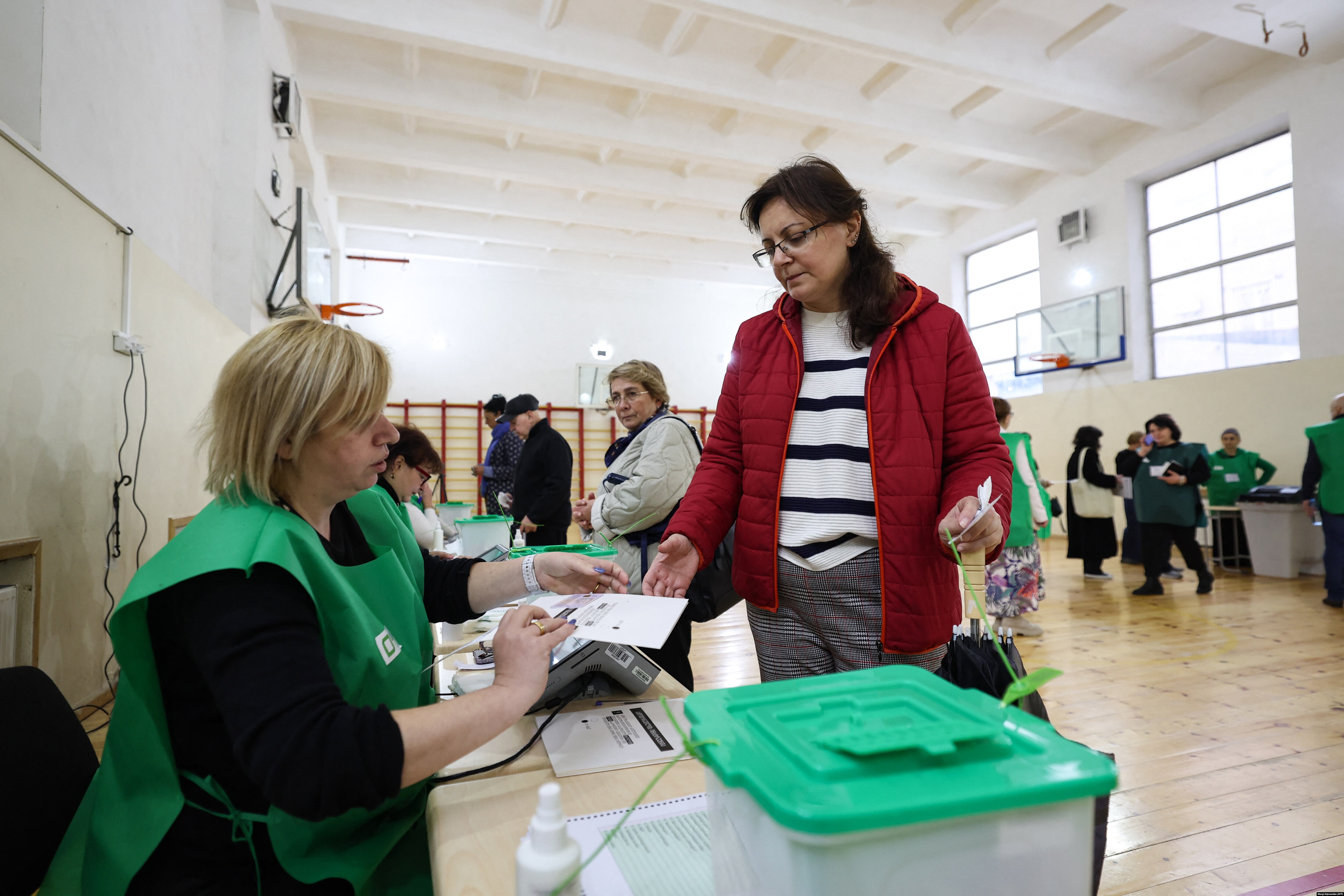
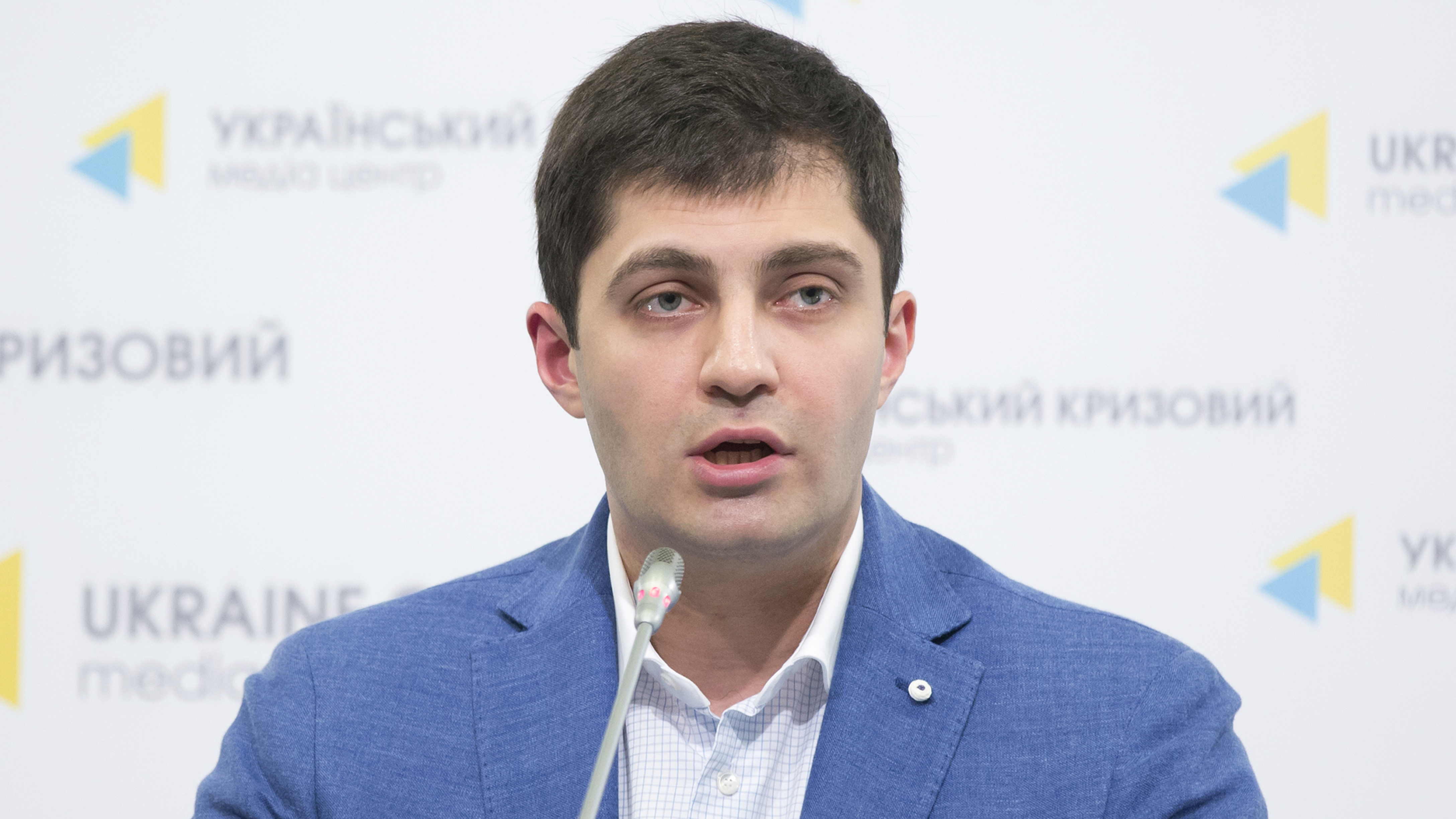
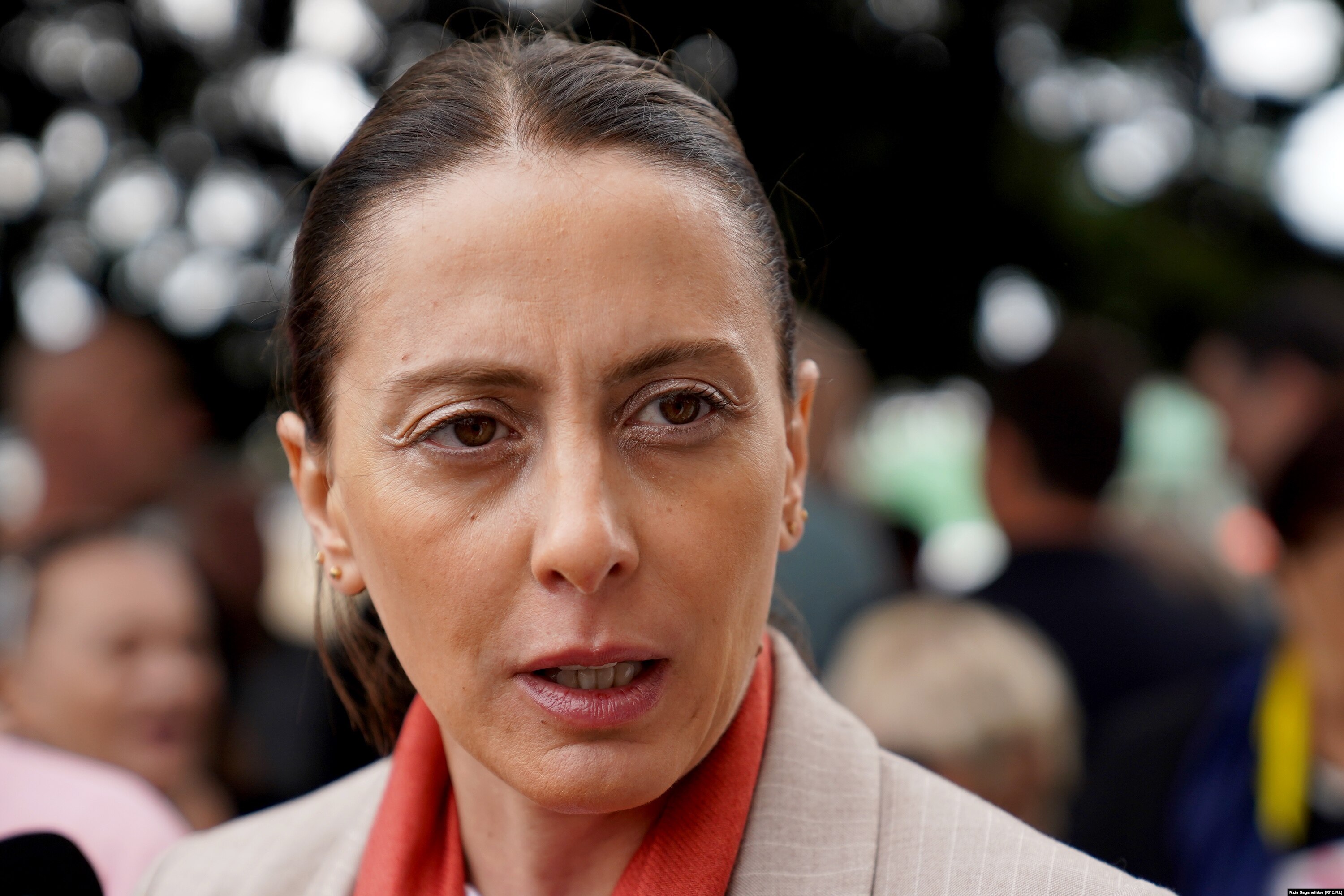
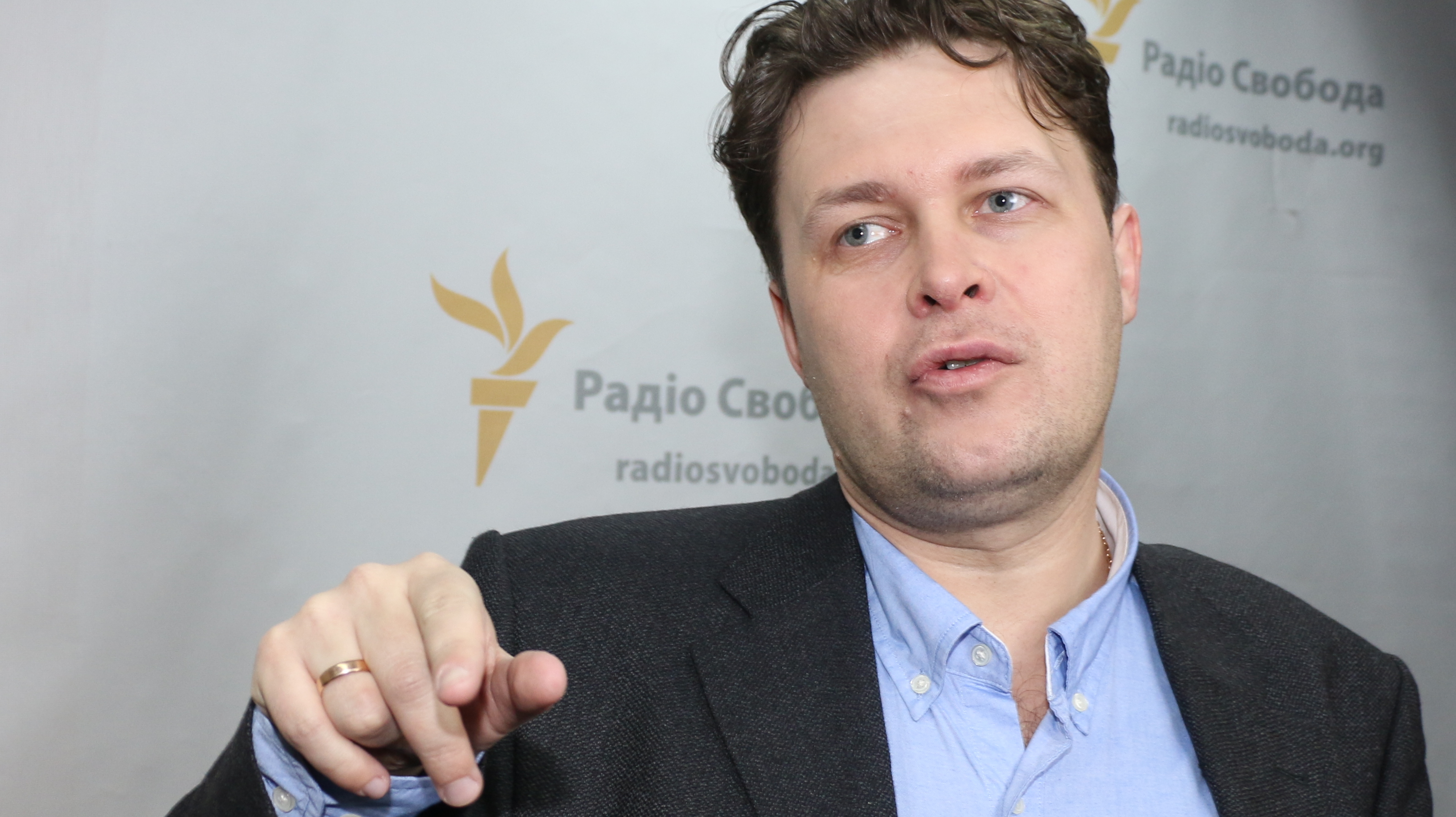
Authoritarianism or protests? Discuss David Sakvarelidze, Evgeny Magda and Hatya Dekanoidze
Vitaly Portnikov: On October 26, parliamentary elections were held in Georgia, which took place against the backdrop of a crisis in relations with the West and a noticeable rapprochement of Tbilisi with Moscow. According to the voting results of the voting, the ruling party "Georgian Dream" received almost 54% of the vote. Four opposition political forces who have passed to the legislative body, according to the Central Election Commission, gained about 38%. The Georgian opposition and president of the country Salome Zurabishvili did not recognize the election results, called them falsified. According to Zurabishvili, the elections became a new form of the Russian hybrid war against its people. The opposition and its supporters go to large -scale protests .
In our studio, David Sakvarelidze , a politician and public figure, the former deputy general of the prosecutor of Ukraine, the former first deputy chief prosecutor of the Republic of Georgia, and Evgeny Magda , Ukrainian political scientist, director of the Institute of World Politics .
Correspondent: Elections to the Parliament of both the authorities and the opposition during the election campaign were called a referendum by determining the country's foreign policy.
During the campaign, the ruling party "Georgian Dream" of businessman Bidzina Ivanishvili called for voters to make a choice between the world and the war, in which, in her opinion, the opposition was drawn by the country. The authorities used the topic of war in Ukraine in their pre -election billboards. Opposition forces accused the government of protecting Russian interests and the actual abandonment of European and Euro -Atlantic integration of Georgia.
The authorities used the topic of war in Ukraine in their pre -election billboards
The main rivals of the Georgian Dream were: the coalition "Unity is the national movement", "Coalition for changes", "Strong Georgia" and the party "Gakharia for Georgia". The opposition did not recognize the results of the vote. The leader of the Coalition for Changes, Nick Gvaray, accused the ruling party of a constitutional coup. And Georgian Prime Minister Irakli Kobakhidze said that the opposition "did not have the dignity of reconcile with another defeat."
International observers said about serious violations during the election campaign and on the voting day. Representatives of the OSCE recorded cases of bribery, double voting and physical violence. As the head of the delegation of the European Parliament, Antonio Lopez-Isturiz White, emphasized at a press conference in Tbilisi, observers "witnessed the atmosphere of hatred and intimidation in the parliamentary elections, which could seriously undermine the political process in Georgia."
According to a number of leading politicians in Europe and Canada, the elections in Georgia were neither free nor fair, so they made a statement in which they called for the European Union not to recognize their results. The Georgian opposition and its supporters begin large -scale protests against the falsification of elections and in support of the country's pro -European course.
Vitaly Portnikov: Another, perhaps, even more alarming thing: Georgian society is split for young people and older people, for the province and Tbilisi. This is very dangerous.
Georgian society is split into young people and older people, for the province and Tbilisi
David Sakvarelidze: You can’t even imagine how much! The only thing for 12 years is Ivanishvili's regime is on the deepest polarization of society, which has been warmed up all this time. The same began even earlier, from 2003, when a mixture of the haters of modern Georgia was formed-it was the vast majority of the "red" intelligentsia, people who, under Shevardnadze, lost certain privileges, was a criminal world, the Orthodox Church and part of people who simply do not love the current government. Unfortunately, this is a rather big power.
There was a very strong campaign of Saakashvili demonization: “Bloody nine years, the hand of the West, puppets, they want to drag Georgia into the war, they want to have like in Ukraine ...” Naturally, some part always believes in it or is happy to close his eyes to just hold the status quo.
But there is another part. In 2013, Georgia changed demographically, a new generation came, which wants to live in a completely new reality. One fine day, they realized that they woke up simply in southern Russia, where they were controlled by people with Georgian surnames and names, but they behave as absolute satraps of the Russian Empire. Young people are frustrated, they are still idealists, European people, and they could not fully imagine such a rude theft of votes. This is a very dangerous process! If, God forbid, now this situation will not change, then part of the youth will be separated into those countries where they respect their voice and value human rights will live in a free world. Not all people want to live in such a reality.
Vitaly Portnikov: Maybe such a European Orban is created, given that Viktor Orban flew to Tbilisi to congratulate the “Georgian Dream” on the victory? Another European continent arises before our eyes.
Evgeny Magda: Before our eyes, there is a clear understanding that the Kremlin is not going to give some kind of controversial territory with Europe under the influence of the West, despite the fact that the Georgian Dream makes curtsies regarding European integration.
The Kremlin is not going to give the territories disputed with Europe under the influence of the West
Orban’s visit is an interesting thing that testifies, on the one hand, that his pseudo-mystery between Russia and Ukraine crashed, and the powers of the head of the European Council expire before the end of the year, and he must somehow show himself, because in 2026 he had parliamentary elections, his former comrade-in-arms Peter Madya is already breathing in the back. Orban is forced to go to Tbilisi, as he wants to demonstrate, "on behalf of the European Union." And this, by the way, plays more against the EU than for the Georgian Dream.
Vitaly Portnikov: In touch with us from Tbilisi, Khatia Dekanoidze , the Georgian Opposition Policy, one of the leaders of the coalition "Unity - National Movement". How do you imagine the further development of events? How much is the opposition to protect its view that these elections are falsified?
Hatya Dekanoidze: Not like the opposition, I think, the Georgian people are ready to protect their votes. For a long time I was in Kutaisi, which has always been an opposition city. It turned out that the Georgian Dream gained as many votes as she had never had at all. The elections are falsified, the scheme was large. Social programs, they give out salaries to absolutely everyone or buy votes. We had many examples when they bought voices in Kutaisi and in other small cities. Yesterday, Georgian President Salome Zurabishvili also stated that she did not recognize the election. Absolutely all international supervisory organizations openly said that the elections were not honest.
Vitaly Portnikov: Do you imagine that the parliament can in any case not have legitimacy? You abandoned your mandates. Will all other opposition deputies follow your example?
The parliament will not be legitimate!
Hatya Dekanoidze: There were mainly statements from our coalition, as well as from the Coalition of Changes. I do not think that the rest of the parties that have mandates will enter this parliament. This is not only falsification. 12 years of Ivanishvili, the pro -Russian oligarch, does everything in order to change the Georgian course, to drive away the Georgians from it. We have a serious problem with demography, many Georgians leave, mostly young.
I do not think that this parliament really expresses the will of the Georgian people. Yes, they will not have legitimacy. This is also a tool in order to really fight the regime. People say: we thought we have a chance. For example, in Tbilisi, where the bribery of the votes was not so large -scale, the opposition won. We must fight the power through protests, because it will be very difficult with Ivanishvili, there will be no more elections in Georgia, I am firmly sure of this.
Vitaly Portnikov: Is this the final watershed between the Georgia that was, and the Georgia that could be as a result of this success of the "Georgian dream"?
Moscow grabbed the entire post -Soviet space with a dead grip
David Sakvarelidze: Usually Bidzina Ivanishvili performs what she says. He gathered his supporters and directly stated from the rostrum: after the election, I will close the question with this criminal regime of the national movement and with opposition political forces, they are all of the Western agents. He said literally: I promise to you that I am transplanting, I will prohibit everyone, give a legal assessment to these political forces. As for non -governmental and public organizations, the law on "foreign agents" has already been adopted: it will be clear with them what will happen. He said that there will be a "normal opposition" with which it will be possible to work, that is, manual. Naturally, he moves along the same path.
He said: I am not Shevardnadze, not Yanukovych. He now has a bet that in two months everything is exhausted physically, everyone will be exhausted by resources, somewhere by the New Year everything will calm down, and he will rule as before. This is a rather dangerous person, he is frightened, and a frightened person is much more dangerous than a person adequate. He decided that he would never leave Georgia, and did not leave it for 30 years, only several times went as a prime minister with official visits. He built his kingdom, so he will fight to the last. He does not give a damn about people, at some rights and everything else, he looks at Georgia as an asset.
Vitaly Portnikov: There is no feeling that Moscow clung to all this post-Soviet space, just in each of the former republics it acts differently, even in those countries that there are no diplomatic relations, as with Georgia?
Evgeny Magda: Yes, in this regard, the Kremlin, unfortunately, demonstrates a noticeable flexibility. I noted for myself that already on the 27th they congratulated the “Georgian Dream” on the victory Ilham Aliyev and Nikol Pashinyan. That is, they seemed to recognize the obvious dominance of Georgia in the region, that Georgia is the key to the South Caucasus. They recognize the preservation of the status quo at the state level, that is, they show that they are ready to coordinate their interests. I think that Russia in this way is revoked, and not even so much revans as it uses the weakness of the West. If there is no clear vision, what to do next, then Russia offers to move in this way.
David Sakvarelidze: All the "talking heads" Ivanishvili in recent days began to talk about BRICS, prepare public opinion. One of them, Goga Haindrava said: “Let's look in reality in the eyes: the person who arrested the arrest was discharged to the person to whom the Hague tribunal has arrived at the BRICS. Reality has changed, we must look at it with open eyes and act as the conjuncture tells us now.” I think this is only a matter of time.
Vitaly Portnikov: Moreover, the same Ilham Aliyev and Nikol Pashinyan are in Brix, although they now have different political priorities. Pashinyan is looking for rapprochement with the West, and Aliyev needs to preserve the status quo with Turkey, but as a result they both come to Kazan.
Evgeny Magda: You can not discount the interests of China, which may well consider Georgia as Black Sea ports in the context of their interests.
In all cities in the exile "Georgian Dream" lost with a bang!
David Sakvarelidze: To illustrate the morality of Ivanishvili and his people: these are people who flew to the funeral of President Iran, sitting next to the head of Hamas. In comparison with this, BRICS is simply a rather pleasant and civilized walk. They will say: we are against the war, but to preserve the world, compliance with the "red lines" we must go to everyone and maneuver.
Vitaly Portnikov: So, after all, all the countries of the South Caucasus behave like that, Georgia is just part of this problem.
Evgeny Magda: But Russian aggression was open only against Georgia. It turns out that they want to turn the page of 2008, not just punish representatives of a single national movement, but to hang a label on Mikhail Saakashvili, to say that it was his policy that led to this, as if to justify Russia's actions in 2008.
David Sakvarelidze: Ivanishvili in his speech said that Russia has nothing to do with it, we have problems with our Abkhazian and Ossetian brothers, we must apologize to them, and everything will be fine - it will be a step towards reconciliation.
Vitaly Portnikov: How much is Georgian society ready to come to terms with this thought?
David Sakvarelidze: Part has long come to terms with fear. This fear is cultivated, and Ivanishvili bet on this. A small country, a small society, which is becoming less and less due to emigration, injury to war, loss of territories in front of a large aggressive neighbor-all this plays a role. But there is another part that is not going to put up with this. In all cities in exile, where it was impossible to falsify the elections, the Georgian Dream lost with a bang, and this is very significant!
Vitaly Portnikov: This is happening in other countries. In the Republic of Moldova, for example, the diaspora actually stretches a projuroral vote. What do you think, when there will be elections in Ukraine, the Ukrainian diaspora will also draw out the result?
Evgeny Magda: Today, so many of our citizens were abroad that there is no need to count on the opening of an adequate number of voting sites. But I am practically sure that if in Georgia the situation develops dramaticly, then the Georgian Dream will certainly find a “Ukrainian trace”. After all, there are hundreds of Georgians who are fighting on the side of the Ukrainian Armed Forces, there is a Georgian legion whose members were persecuted in Georgia, and this will be extrapolate. After all, how they led a campaign: we do not want such a scenario as in Ukraine!
Western politicians need to understand what they doom this region in the future
David Sakvarelidze: they specially sabotaged the electoral process in areas in the West and in other countries where there were physically lacked operators to register people, there were only two sites in the USA-in New York and in Los Angeles. Some part of people physically did not manage to vote until the polling station was closed. This was specially done in order to stop the flurry of people who voted against them.
Vitaly Portnikov: Is the fear of war now operated everywhere now? We see this when Bidzina Ivanishvili or candidate for the post of President of the Republic of Moldova, Alexander Stoyanoglo, says. Many leaders of the countries of the post -Soviet space explain why they want good relations with Russia.
Evgeny Magda: If we live in the conditions of the largest war in the modern world, any neighboring country cannot simply turn away, especially in the Black Sea region. Georgia and Moldova - how can they turn away from what is happening in Ukraine? They see refugees, economic consequences, they have evidence of eyewitnesses to what is happening in Ukraine. This is a psychological factor in Russian aggression.
David Sakvarelidze: They also monitor international context, understand how indecisive the support of Ukraine is the West at certain points. They see that the largest country in Europe is literally destroyed, exterminated, as in a meat grinder, the best part of its population, and still someone in the West fluctuates: maybe you can’t shoot there, but you can go there? .. People see all this.
Vitaly Portnikov: Yes, and this affects not only politicians, but also society. People think: if we make a European, Euro -Atlantic choice, what will happen to us if Russia decides to respond to this? And all the results of the elections that we will see in the post -Soviet space will one way or another are marked with a seal of this fear. And this must be remembered by Western politicians, to understand what they doom this region in the future, if they fail to pull Ukraine out of this swamp.